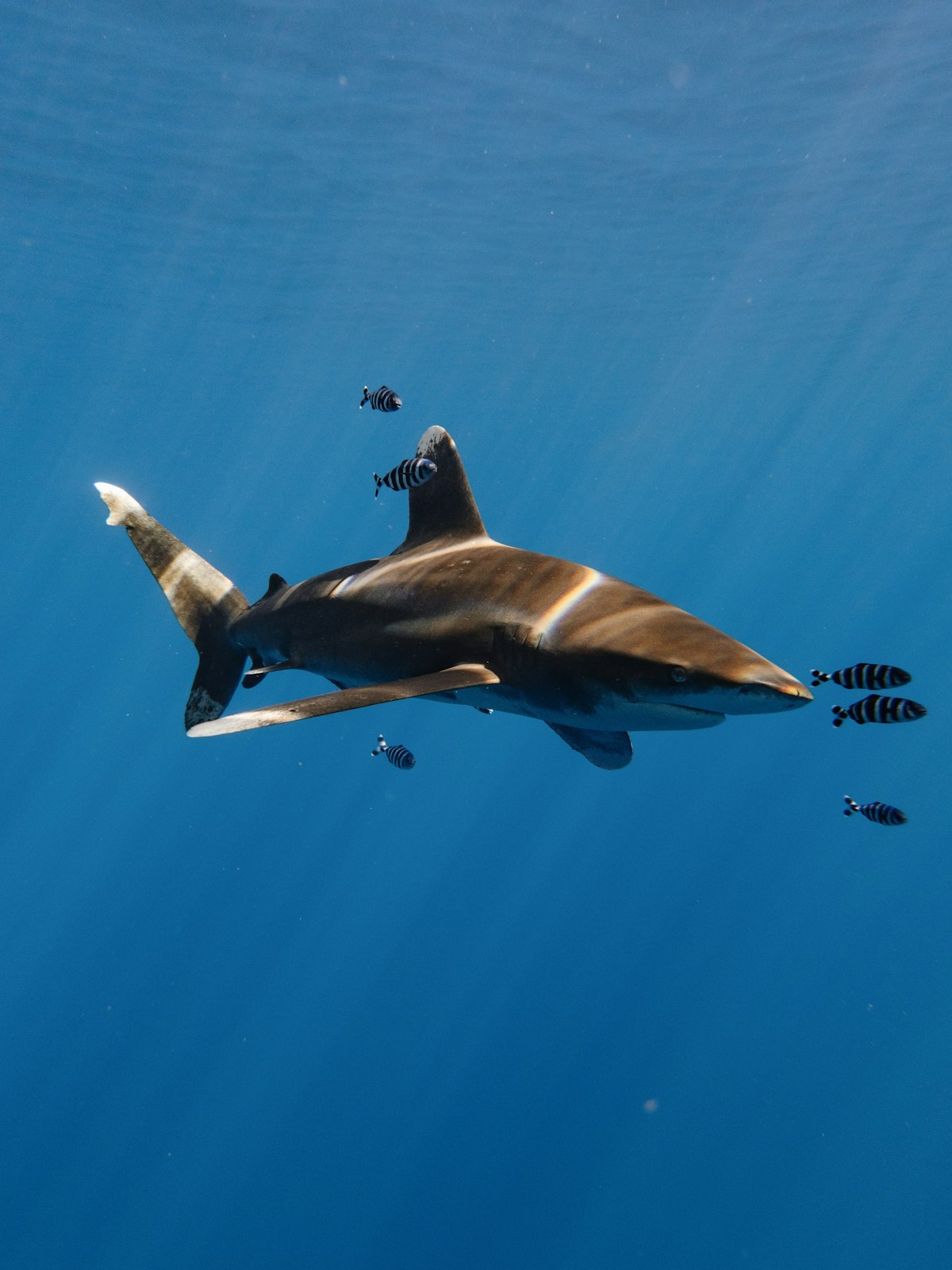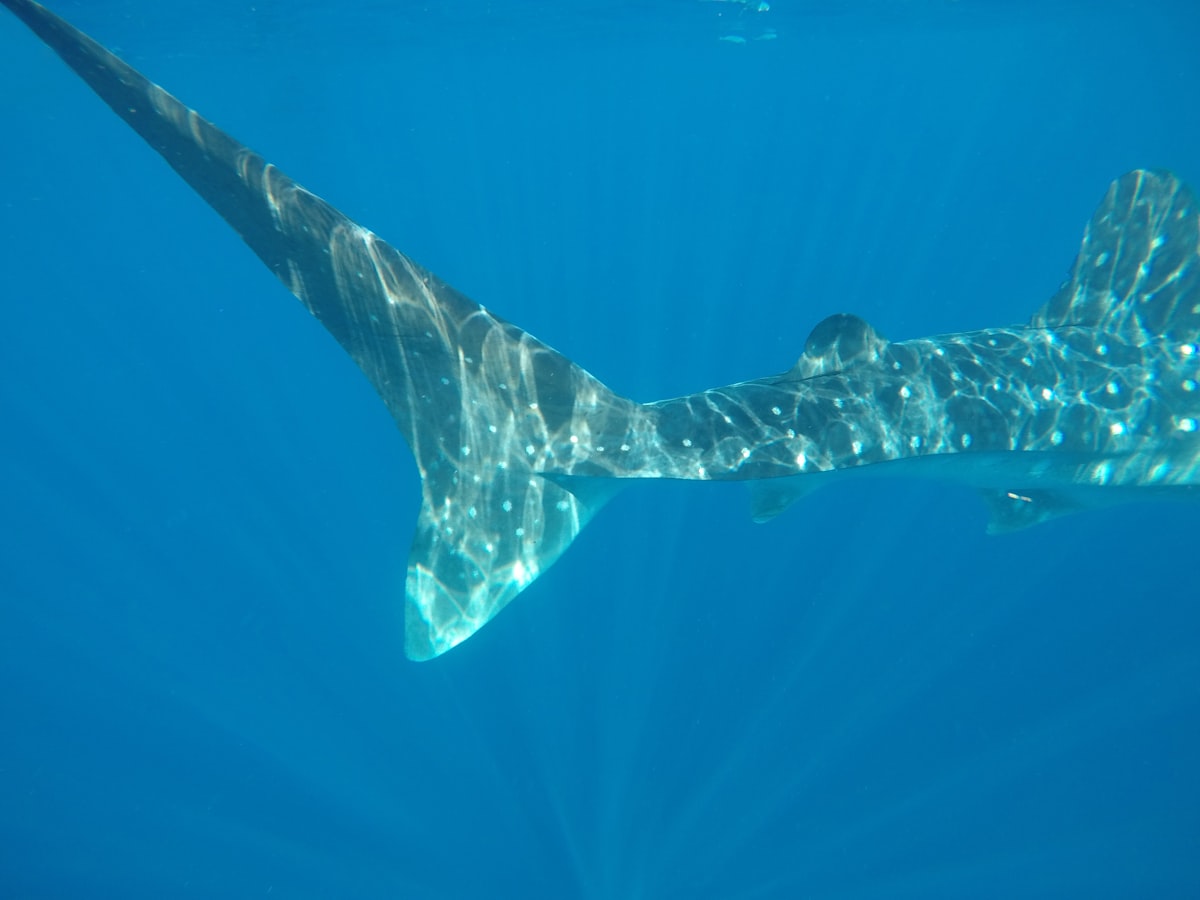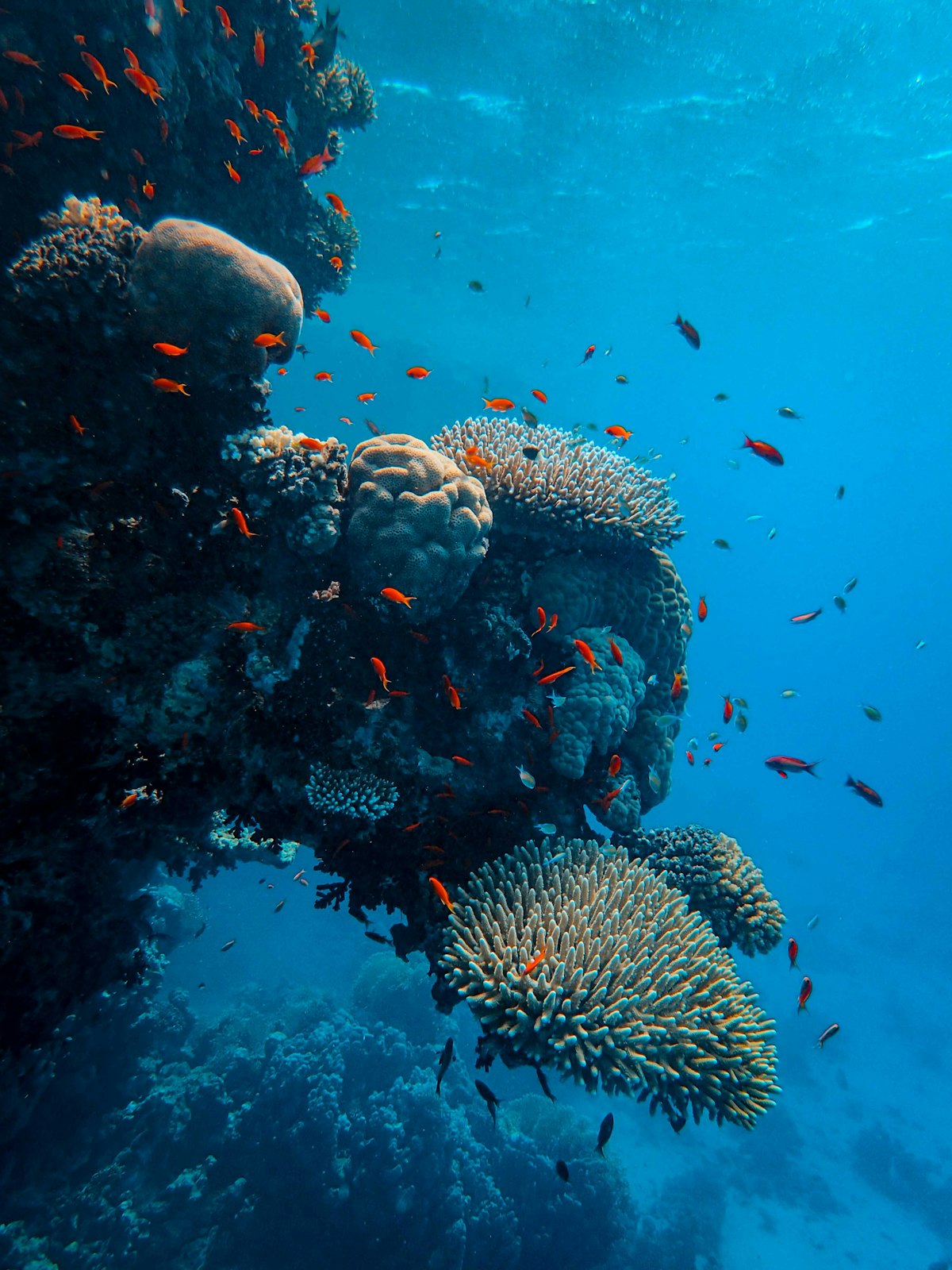
Whales survived the industrial age, more or less. The global blue whale population fell from approximately 350,000 individuals before commercial whaling to fewer than 5,000 by the 1970s. Fin whales, sperm whales, sei whales, humpbacks. Every large cetacean species in every ocean was hunted into a fraction of its pre-industrial range, on a scale that almost no other animal exploitation in human history has matched.
The 1986 International Whaling Commission moratorium on commercial whaling was supposed to be the end. It came after decades of evidence that the kill rates could not be sustained, that several species had collapsed past the point where they could recover quickly, and that the international consensus on the issue was finally strong enough to act on.
It was not the end. Iceland, Norway, and Japan continued in some form. The Faroe Islands continued with their community hunt. Forty years on, in 2026, the question of whether killing whales is acceptable practice is still being argued in parliaments, on supermarket shelves, and in newsrooms across Europe and beyond.
I have been to Iceland and I love the country. The whale-watching industry out of Húsavík and Reykjavík is one of the more professional operations of its kind in the world. The marine conservation conversation in Iceland is sophisticated, led by scientists and policy people who know exactly what is at stake. And in the middle of all that, there is still a man with two boats killing fin whales for export to Japan. That contradiction is what makes the Icelandic case the most painful one to write about. In 2023 the door looked like it might close on the fin whale hunt for good. The moment passed. The door is reopening.
This piece is about what 2026 actually looks like in the North Atlantic, why it is still happening, and what can be done.
What 2026 Actually Looks Like
Two ongoing whale kills in the North Atlantic matter most for the moral and ecological questions in 2026.
Iceland continues its commercial fin whale hunt under the operator Hvalur hf., owned by Kristján Loftsson, the country’s last industrial whaler. After a temporary suspension in spring 2023 ordered by then-Food-Minister Svandís Svavarsdóttir on animal welfare grounds, the hunt resumed in autumn 2023 under stricter monitoring, and the licence has been renewed into 2026. Fin whales are listed as Vulnerable on the IUCN Red List, and the species has not fully recovered from 20th century whaling.
The Faroe Islands continue the grindadráp, the community hunt of pilot whales and Atlantic white-sided dolphins. The hunt has not paused. After the international outrage following the September 2021 Skálabotnur kill, in which approximately 1,428 white-sided dolphins were driven into a single bay in a single hunt, the Faroese government introduced a temporary annual quota of 500 white-sided dolphins. Pilot whales remain outside any quota system. The 2026 season is operating under those rules.
Both are legal under their respective national frameworks. Both are increasingly contested, internally and abroad.
The Faroe Islands: What the Grindadráp Actually Is
The grind is not a commercial operation. It is a community hunt rooted in Faroese history going back at least to the ninth century, documented in legal records from the 1500s. Whales spotted near the coast are driven by a fleet of small boats into shallow bays, where they are killed on the beach using a tool called a mønustingari, a spinal lance designed to sever the spinal cord at the base of the skull and induce rapid death. The meat is divided among the participants and distributed across the islands’ approximately 53,000 residents on a non-commercial basis.
The defenders of the practice make three points: that the hunt is non-commercial and community-distributed, that the methods have been regulated and improved over recent decades, and that the long-finned pilot whale population in the Northeast Atlantic, estimated at roughly 700,000 to one million animals, is large enough to sustain the historical harvest.
The critics make four. First, that the white-sided dolphin population is not the same as the pilot whale population, and the Skálabotnur kill demonstrated that operational decisions in the moment can outrun any conservation framework. Second, that the visible reality of the hunt, bays turning red with blood, social-media imagery now in widespread global circulation, has made the practice a major reputational liability for the Faroes regardless of its biological sustainability. Third, that the science of cetacean cognition, social structure, and welfare has progressed considerably since the grind was last defended on first principles. And fourth, that even within the Faroe Islands, polling and public discourse over the past five years suggests a growing share of the population, particularly younger Faroese, now oppose the hunt.
The 2021 Skálabotnur kill was a turning point. Footage of the bay reached every major European newsroom. Sea Shepherd and Whale and Dolphin Conservation documented the scale and the operational failures. The Faroese government’s own subsequent review acknowledged that the kill exceeded what had been planned. The 500-dolphin quota was the response.
Pilot whales remain outside any quota. The argument continues, on both sides of the bay.
Iceland: Commercial Whaling in a Country That Should Know Better
Iceland’s situation is more straightforwardly commercial. Hvalur hf. operates two whaling vessels and a processing station at Hvalfjörður on Iceland’s west coast. The company has hunted fin whales annually except during the 2019 to 2020 period when low Japanese demand and operational issues paused the season.
In 2022, Hvalur killed 148 fin whales according to NAMMCO records. In June 2023, the Icelandic Food and Veterinary Authority (MAST) published a report that documented severe animal welfare failures in the hunt: many whales took longer than a minute to die, some up to two hours, the explosive harpoon system frequently did not achieve the rapid kill it was designed for, and the conditions of the hunt did not meet Icelandic animal welfare law. The findings were strong enough that then-Food-Minister Svandís Svavarsdóttir suspended the spring 2023 season, citing welfare concerns.
The political fallout was real. Loftsson and his allies argued that the suspension was politically motivated. The opposition argued that the MAST report was based on Iceland’s own veterinary findings and could not be dismissed on those grounds. The minister herself faced significant political pressure in the months that followed.
The hunt resumed in autumn 2023 under modified conditions including additional monitoring and reduced quotas. The licence was renewed for 2024, 2025, and 2026. As of early 2026, Hvalur’s licence is operational for the season ahead.
What the Science Says
Fin whales are the second-largest animal that has ever lived. They were hunted to commercial collapse in the 20th century and have not fully recovered. The IUCN lists them as Vulnerable globally and Endangered in the Mediterranean subpopulation. The Northeast Atlantic population that Iceland targets is the healthiest of the global fin whale stocks, but healthiest in this context does not mean fully recovered. It means least diminished.
The conservation argument against killing fin whales is not principally about extinction risk. It is about the carbon function of large whales in the ocean, which has only recently been quantified at the level of detail it deserves.
Large whales are net carbon storage on multiple timescales. In their living bodies they hold tens of tonnes of carbon per animal, which when they die naturally sinks to the deep ocean and is sequestered for centuries. While alive they fertilise plankton blooms with nutrient-rich faeces, transport nutrients vertically through the water column from the deep to the surface, and through their movement physically mix the ocean in ways that support primary production. A landmark 2010 review in Frontiers in Ecology and the Environment and subsequent work in Trends in Ecology & Evolution, 2023 established the case for whales as marine ecosystem engineers whose climate function is significant enough to factor into ocean conservation policy.
Killing a fin whale does not just kill the individual animal. It removes a long-term carbon store, a nutrient pump, and a piece of the ocean’s climate regulation. In the context of the fourth global coral bleaching event and ongoing pressure on ocean systems, that calculation matters more in 2026 than it did at the original moratorium in 1986.
The pilot whales of the Faroese grind are not at conservation risk from the hunt alone. The species is abundant, the kill is within reproductive capacity, and the bycatch problem that dwarfs almost every directed hunt globally is fishing gear, not the grind. The ethical question for pilot whales is therefore not extinction. It is whether the practice is justifiable in 2026 given what is now known about cetacean intelligence, family structure, and the ecological role of large social cetaceans.
Pilot whales live in matrilineal pods. They demonstrate culturally transmitted hunting behaviour, dialect differences between populations, and cooperative care of young across multiple generations. A 2018 study in Nature Ecology & Evolution documented brain-size and social-complexity correlations across cetaceans that placed pilot whales among the most cognitively complex marine mammals studied. None of this disqualifies the right of a sovereign people to maintain a traditional hunt. It does put the burden of justification higher than it was in the ninth century.
What Can Be Done
Several organisations work on the issue at scale, and each is a meaningful entry point for someone wanting to act.
IFAW (International Fund for Animal Welfare) has run sustained campaigns against Icelandic and Faroese whaling and publishes regular policy updates. Their pressure on the supply chain side, in particular working with shipping and import companies that have refused to handle Icelandic fin whale meat for Japan, has been one of the more effective levers of the past decade.
Whale and Dolphin Conservation (WDC) publishes the most consistent technical analysis of both hunts and is one of the more credible voices on the welfare side of the argument.
Sea Shepherd has documented the grindadráp on the ground for over a decade. Their 2021 footage was central to the international response that produced the dolphin quota.
For travellers, the practical lever is consumption. In Iceland, a meaningful share of fin whale meat sold in Reykjavik has historically been bought by tourists in restaurants, not Icelandic residents. The “whale-friendly” certification operated by IceWhale identifies restaurants that do not serve whale meat. If you are visiting and you eat at certified restaurants, the demand signal moves.
In the Faroes, the same direct lever does not exist because the hunt is community-distributed rather than commercial. But the international tourism economy and the political conversation are linked. Visible international concern has produced policy change before, and it can again.
A Closing Thought
The whales survived industrial whaling because the world eventually decided industrial whaling was unconscionable. The 1986 moratorium was not a scientific calculation. It was a moral one, built on top of the science. Forty years on, three countries continue to disagree commercially, and a fourth, the Faroes, continues to operate outside the framework on community-tradition grounds.
The choice in 2026 is between treating the moratorium as a settled question, which is the position of most of the world, or as an open one, which is the position of the operators. Reasonable people can disagree on subsistence rights, cultural autonomy, and the limits of international consensus. What is harder to disagree on is the documented welfare failures of the Icelandic hunt, the science of cetacean intelligence, and the carbon role of large whales in a warming ocean.
What makes the 2026 moment hard is not just that whales are being killed again. It is that, for a stretch in 2023, one of those doors looked like it was going to close. The MAST report. The suspension. The political price the minister paid for doing the right thing. There was a window where the long argument about Icelandic fin whaling looked like it had finally tipped. The window narrowed. The door is reopening.
Whales are not just animals. They are part of the system that makes the ocean work. In 2026, two North Atlantic countries are still killing them. Whether the door closes the next time it gets the chance, and how, is one of the more honest tests of what ocean conservation actually means.