The ocean around Rapa Nui, the place most of the world still calls Easter Island, has been formally recognised as a Mission Blue Hope Spot. The announcement, made on 4 May 2026, names the waters surrounding the island and the deep-sea ridges to its east as one of the planet’s most ecologically critical marine areas. It is also one of the most remote, sitting more than 3,500 kilometres from the Chilean mainland in the southeastern Pacific.
The designation matters less for what it adds, the area is already among the largest marine protected zones in the world, and more for what it signals. Hope Spots are sites where conservation is working. They are chosen because the science and the community are aligned, and because the trajectory is one that can be defended and built on. Rapa Nui qualifies on every count.
The Hope Spot framework, founded by Dr. Sylvia Earle, has been the lens that more than any other taught me to think about the ocean as a network of places under active defence rather than a backdrop. Mission Blue’s documentary is what first made marine protection feel like a mission instead of a topic. A new Hope Spot anywhere is news worth paying attention to. A new Hope Spot at Rapa Nui, recognising what the Rapa Nui people have been doing for centuries, is the kind of news that justifies the framework existing in the first place.
What Is Being Protected
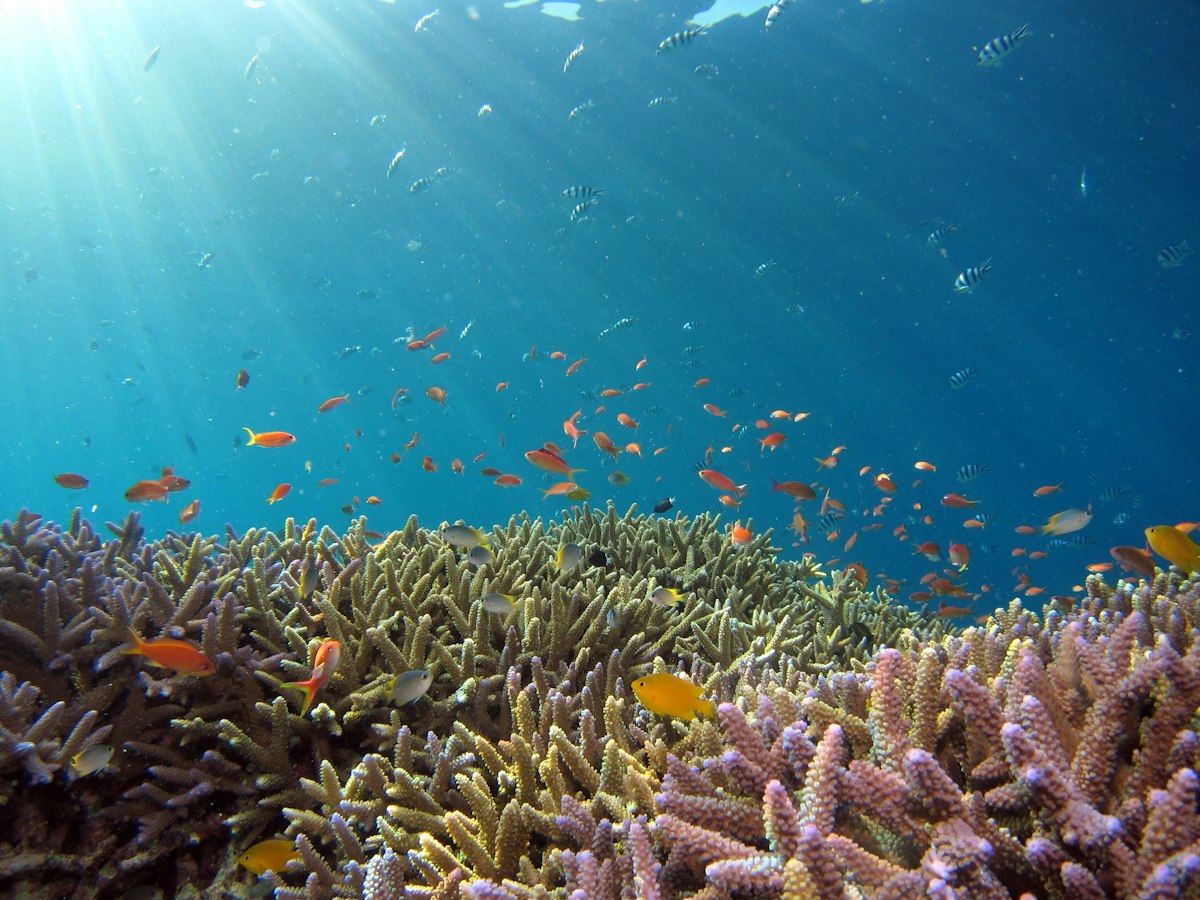
The Hope Spot encompasses Te Moana Tapu a Hotu Matu’a, the Sacred Sea of the Rapa Nui people, and extends across roughly 729,000 square kilometres of open ocean. Within it lie coral reefs at the absolute farthest reach of the Pacific, deep-sea hydrothermal vents, and the Salas y Gómez and Nazca Ridges, two underwater mountain chains that support some of the highest levels of marine endemism anywhere on Earth.
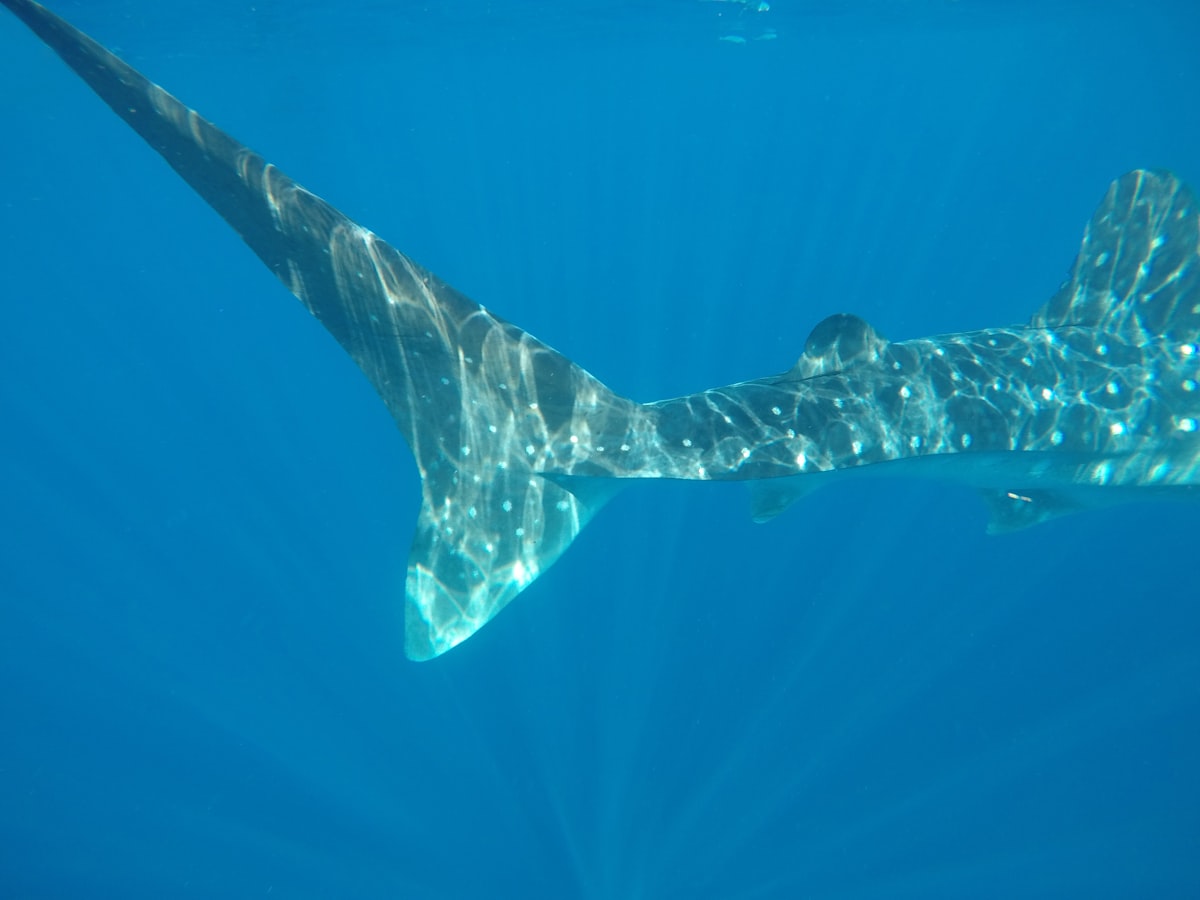
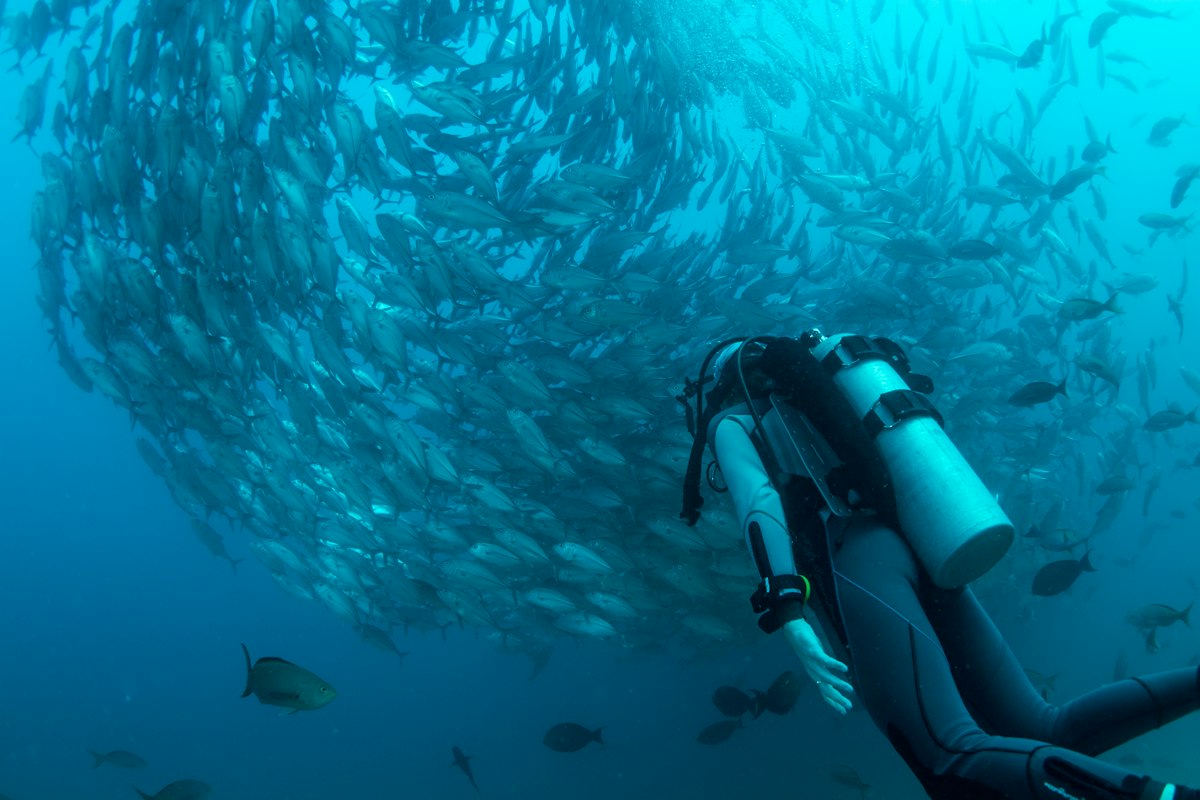
The fauna is extraordinary. Reef fish species found nowhere else. Endemic crustaceans on the seamounts. Migratory whales passing through on their long Pacific routes. Sharks, seabirds, and the deep-sea communities clustered around the vents. The combination of geological isolation and oceanographic complexity has produced an evolutionary laboratory that scientists have only begun to map.
The Council Behind the Campaign
The Hope Spot Champion is the Roro Nui o Te Vaikava, the Rapa Nui Ocean Council. Formally established in 2018, the council comprises six elected Rapa Nui representatives and operates as a co-administrator of the marine protected area alongside the Chilean government. The arrangement is unusual. Indigenous co-governance of marine protected areas remains rare globally, and rarer still in places where the protected area covers an oceanic expanse this large.
The council shaped the Integrated Management Plan that now governs activity within the protected zone, and it has been the central voice advocating for protection of the Salas y Gómez and Nazca Ridges from emerging threats including deep-sea mining. The Hope Spot designation is, in practical terms, an international recognition of a governance structure that the Rapa Nui community built for itself.
A Cultural Concept of Conservation
For the Rapa Nui people, the ocean is not a resource that requires management. It is identity. The traditional concept of tapu, sacred protection, has functioned as a conservation mechanism for generations, designating certain places, species, or seasons as off-limits to human use. Western marine protected area frameworks have only recently begun to recognise that practices like these are not folklore but systems, and systems that have produced measurable conservation outcomes long before the language of marine science existed.
Sylvia Earle, Mission Blue’s founder, framed the designation in exactly these terms. Hope Spots, she said, are places that give us reason for optimism, and Rapa Nui exemplifies what becomes possible when Indigenous wisdom and scientific collaboration are not treated as competing approaches but as one continuous practice. The same month, Mission Blue convened Hope Spot Champions across Southern Africa and Mozambique, a different geography, the same model.
What the Region Faces
Recognition does not remove the threats. The waters around Rapa Nui face illegal fishing pressure from distant-water fleets that operate at the edges of jurisdictional reach. Plastic pollution arrives via the South Pacific Gyre, depositing debris from across the Pacific basin onto beaches and into reef systems on an island that produces almost none of it. Deep-sea mining, currently a possibility rather than a reality, would represent an existential threat to the seamount ecosystems of the Salas y Gómez and Nazca Ridges.
Long-term scientific monitoring remains underfunded relative to the size of the area. The community has the will and the local knowledge. The international scientific infrastructure required to track ecosystem change at this scale is still being assembled.
Why This Matters Beyond Rapa Nui
The Hope Spot designation lands at a moment when the global conservation conversation is shifting. The 30 by 30 target, protecting 30% of the planet’s ocean and land by 2030, has moved from advocacy slogan into formal commitment by most governments. The question now is no longer whether large-scale protection will happen but whether it will be done well. Rapa Nui offers one of the clearest demonstrations available of what doing it well can look like.
The model is replicable in principle: Indigenous and local communities lead. National governments co-administer. International recognition supports rather than directs. The science follows the community rather than imposing on it. Whether this model scales to other regions where governance structures are weaker or political will is more contested remains to be seen. But the demonstration that it can work, at this scale, in this location, removes one of the standard objections to community-led marine protection.
The Outlook
The next phase for the Hope Spot is implementation rather than designation. The Integrated Management Plan exists. The governance structure exists. What remains is the slow work of monitoring, education, and enforcement, turning a formal protection into a lived one. Local initiatives are already moving in this direction, with collaborative monitoring programmes, community education work, and outreach efforts to extend protections to the deeper ridges.
The ocean around Rapa Nui has been managed as sacred for centuries. The Hope Spot designation is, in some sense, the rest of the world catching up. The High Seas Treaty, which entered force in early 2026, is the legal mechanism that will govern whether the Salas y Gómez and Nazca Ridges receive formal international protection.