The high seas have always been the part of the ocean that belonged to no one and so, in practice, to everyone. That is exactly what made them so difficult to protect.
The high seas, everything beyond the 200 nautical mile exclusive economic zones of coastal states, make up roughly two thirds of the global ocean and almost half of the planet’s surface. Until very recently, less than 1% of that water had any meaningful international protection. The High Seas Treaty, formally the Agreement on Biodiversity Beyond National Jurisdiction, was created to change that. As of this year, it is in force.
The treaty crossed the threshold for ratification in early 2026, and the first conference of the parties is scheduled to begin shaping implementation rules within the year. For the first time, there is a legal mechanism through which the international community can designate marine protected areas in waters that belong to no one country.
What the Treaty Actually Does
The High Seas Treaty does four main things. It creates a process for establishing marine protected areas in international waters. It requires environmental impact assessments for activities likely to affect biodiversity in those waters. It sets out rules for the sharing of marine genetic resources extracted from the high seas. And it commits parties to capacity-building and technology transfer between wealthier and lower-income states.
The first of these is what conservation advocates spent twenty years fighting for. Before the treaty, an international coalition wanting to protect a seamount or a migratory route in the open ocean had no legal pathway to do so. The high seas were governed by a patchwork of regional fisheries management organisations, the International Seabed Authority for the deep-sea floor, and the International Maritime Organization for shipping. None of these bodies had a mandate to protect biodiversity as such.
The treaty does not override those existing bodies. It coordinates them. A high-seas marine protected area declared under the treaty draws on the authority of existing regulators to enforce it. This is messier than a single global authority would be, but it is also more politically achievable, and it builds on the institutional infrastructure that already exists.
Why the Open Ocean Matters
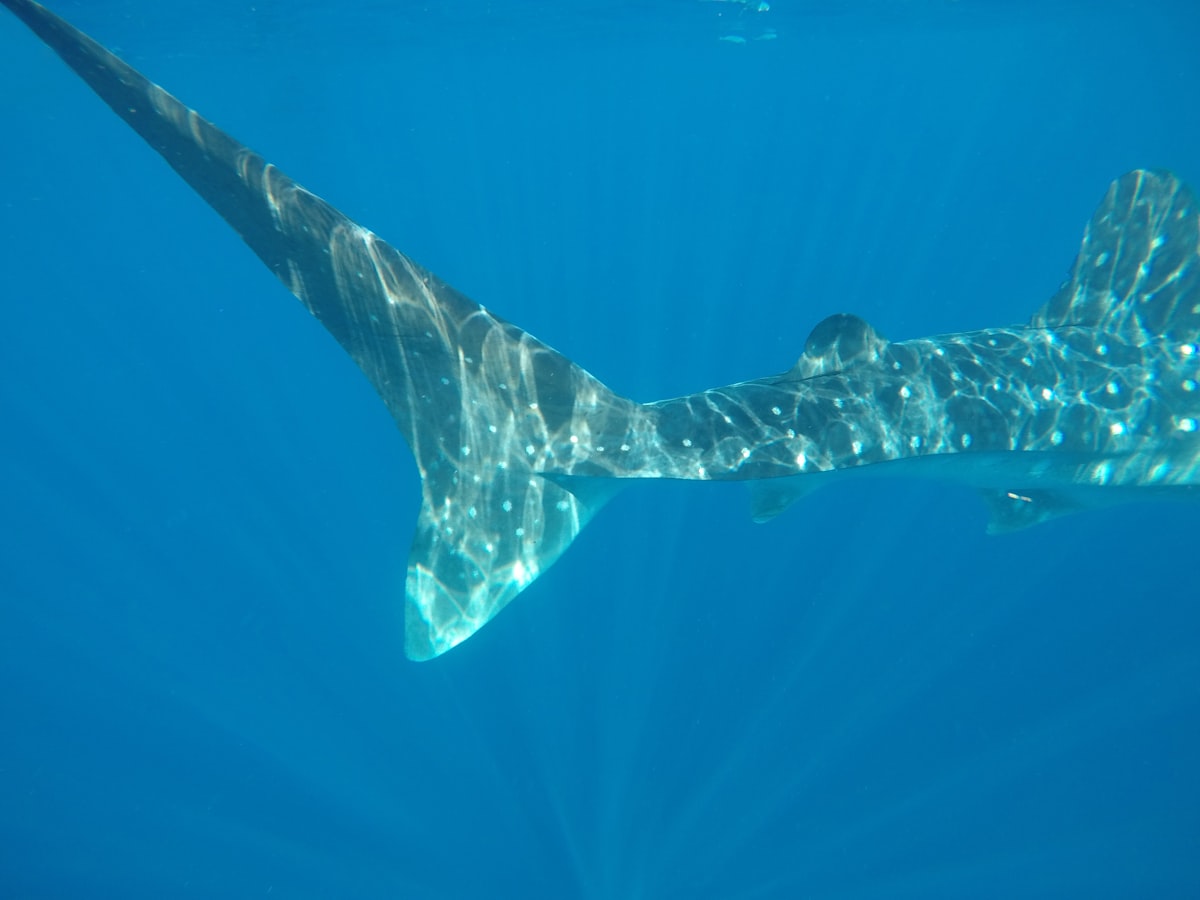
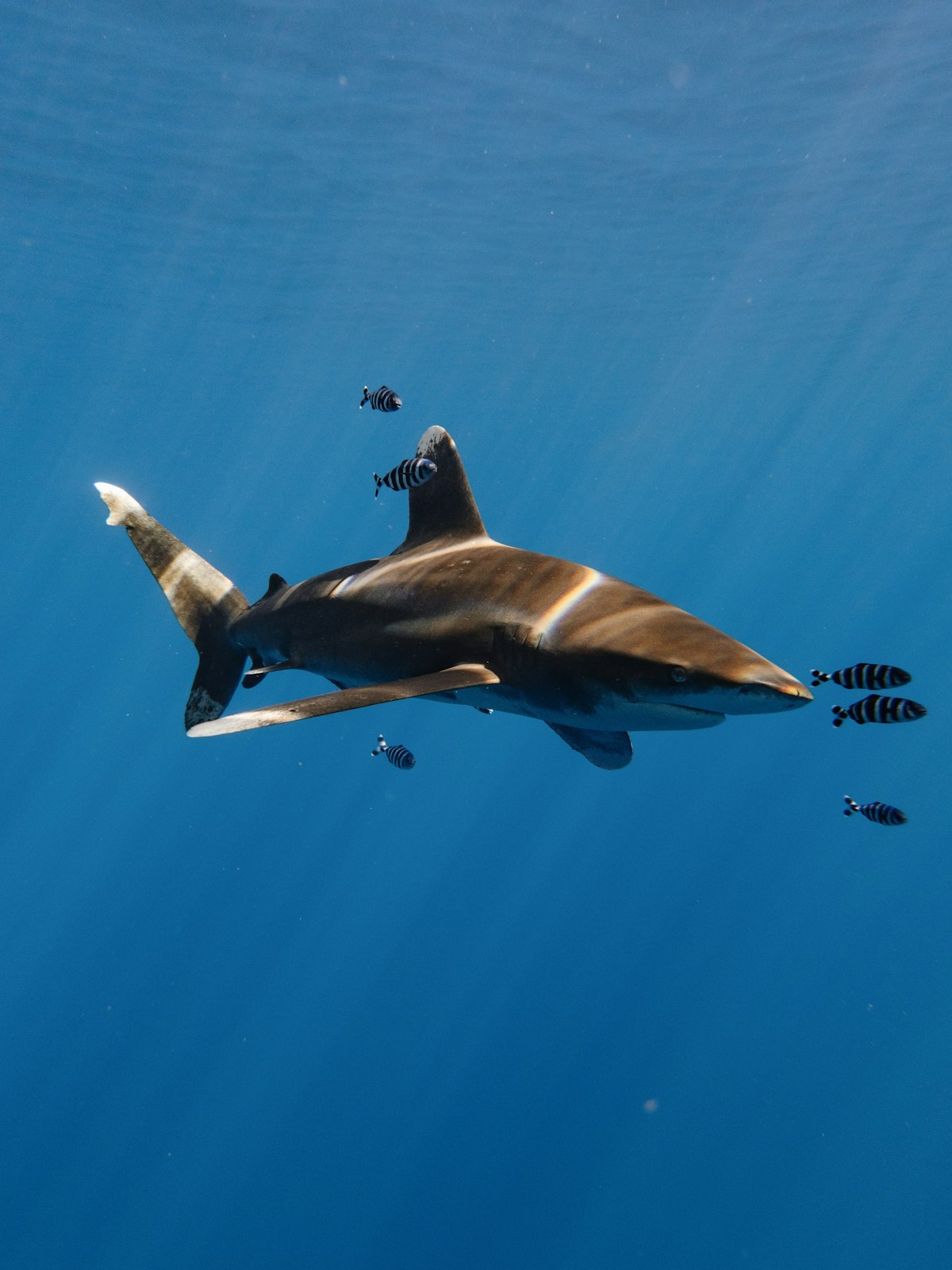
There is a temptation to treat the high seas as empty water. They are not. The open ocean supports the bulk of the planet’s tuna, billfish, and pelagic shark populations. It is the migration corridor for whales, sea turtles, and seabirds that may breed on coastal land but spend their lives crossing international waters. The deep ocean below the high seas contains the largest biome on Earth, much of it still uncharacterised, with concentrations of biodiversity around seamounts and hydrothermal vents that rival any coastal reef.
The high seas also do enormous work for the global climate. They are responsible for the majority of ocean carbon uptake, the transport of heat and nutrients across ocean basins, and the production of much of the oxygen in the atmosphere. Whatever happens in this water has effects that extend well beyond the ocean.
The 30 by 30 Connection
The High Seas Treaty exists in the context of the broader 30 by 30 commitment, which calls for 30% of the planet’s land and ocean to be protected by 2030. Without a mechanism to protect international waters, that commitment was effectively unreachable. Coastal waters alone do not add up to 30% of the ocean. The treaty closes that gap, in principle.
In practice, designating a high-seas marine protected area is a multi-year process involving scientific proposals, consultation with regional bodies, and negotiation among parties. The first wave of protected areas under the treaty will likely focus on places where the scientific case is strongest and the political resistance lowest: seamount complexes, migratory hotspots, and sites with relatively little existing extractive activity. The Salas y Gómez and Nazca Ridges, recently included in the Rapa Nui Hope Spot designation, are one obvious candidate region.
What Could Go Wrong
Treaty implementation is where ambitious agreements typically fall apart. The text exists. The political momentum exists. What remains to be tested is whether parties will actually use the mechanism, whether non-parties will respect designations they had no part in negotiating, and whether the secretariat that manages the treaty will be adequately resourced.
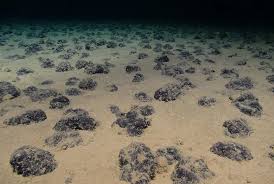
There are also unresolved tensions between the treaty and existing institutions. The International Seabed Authority continues to consider applications for deep-sea mining licences in international waters. A high-seas marine protected area could in principle exist in the same area as a deep-sea mining licence, with no clear rule about which takes precedence. These conflicts will need to be resolved case by case, and they will be politically charged.
Funding is the other open question. Implementation requires monitoring, enforcement, scientific research, and capacity-building support for states that lack the resources to participate fully. The treaty includes commitments on these fronts but does not, by itself, generate the budget required.
Why It Still Matters
For all the caveats, the treaty represents the most significant expansion of marine governance in a generation. It moves the high seas from the category of unmanaged commons toward the category of governed but contested space. That is a shift conservation has been working toward for decades, and the move from negotiation to implementation is itself a measure of progress.
What divers can do, mostly, is pay attention. The high seas are not where most recreational diving happens. But the fish, the sharks, and the whales we encounter on coastal reefs spend much of their lives crossing waters that this treaty now governs. The line between the reef and the open ocean has always been a legal fiction. The treaty narrows the gap.