In March 2026, Mission Blue convened a series of workshops and partnership meetings across South Africa and Mozambique, bringing together Hope Spot Champions, conservation organisations, scientists, and government officials from both countries. The stated goal was to strengthen collaboration and accelerate ocean protection in a region that holds some of the western Indian Ocean’s most extraordinary marine biodiversity, and some of its most under-resourced conservation infrastructure.
I have not dived these waters. They are on a list that gets longer every year. But the marine life of the Mozambique Channel and the South African coastline has been on that list for a long time, and the Mission Blue gathering is a reminder of why.
The Hope Spot framework, founded by Dr. Sylvia Earle, has been the lens that more than any other taught me to think about the ocean as a network of places under active defence rather than a backdrop. Mission Blue is the work I keep returning to. Watching the framework move along the southern African coastline, in the hands of people from these countries rather than over their heads, is what makes the gathering worth more than its press release.
What Is in These Waters
The Hope Spots that Mission Blue recognises along the southern African coastline cover an extraordinary range of habitat. South Africa alone has seven: False Bay, Cape Whale Coast, Knysna, Plettenberg Bay, Algoa Bay, Aliwal Shoal, and Maputaland, the last a transboundary Hope Spot shared with Mozambique. In Mozambique, the network includes Jangamo Bay, Inhambane Seascape, and the Quirimbas Archipelago in the far north.
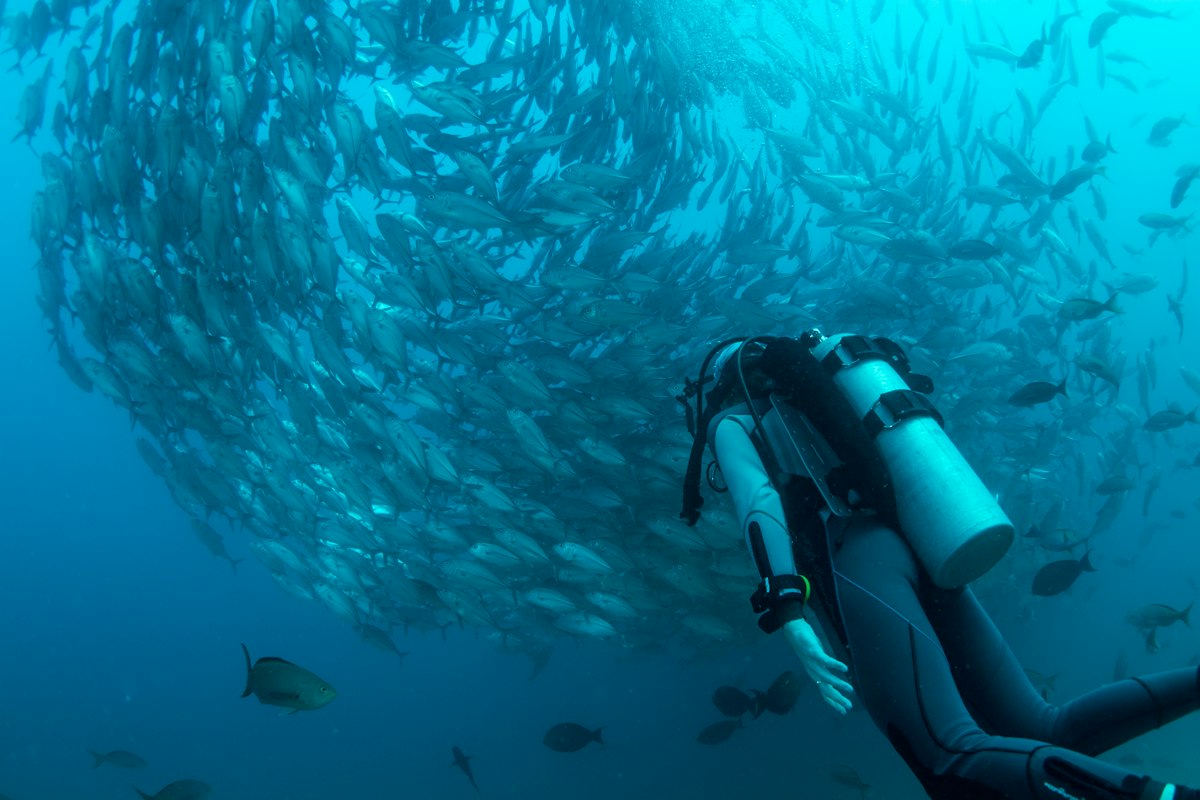
Taken together, these sites contain some of the most diverse marine life in the southern hemisphere. The Mozambique Channel supports populations of humpback whales, sperm whales, and southern right whales on their migration routes. Five species of sea turtle nest and forage in these waters, one of the highest turtle species richness of any coastline in the world. Dugongs, increasingly rare elsewhere, still graze in the seagrass beds of Inhambane Bay. Manta rays are a regular feature of the diving around Tofo Beach, with one of the longest continuously studied manta populations on the planet documented by the Marine Megafauna Foundation.
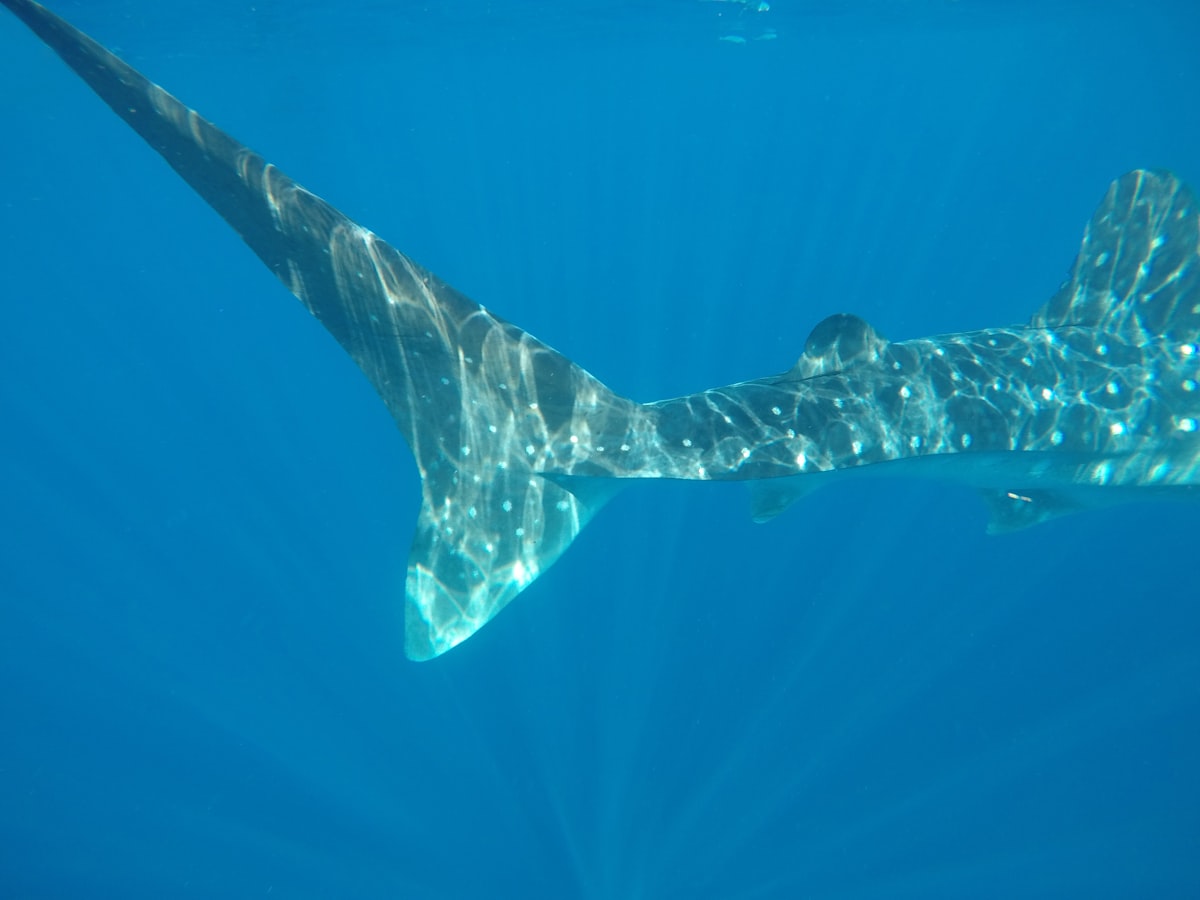
The sharks in these waters, bull sharks, tiger sharks, whale sharks, hammerheads, make South Africa and Mozambique among the most significant shark habitats in the Indian Ocean. The thinning of shark populations through targeted and incidental fishing is one of the central pressures the Hope Spot Champions in this region are working against.
The Threats They Are Working Against
The gathering in March was not a celebration. It was a coordination exercise, because the threats to these waters are real and multiple.
Illegal, unreported, and unregulated fishing, IUU fishing, is a persistent problem across Mozambique’s vast coastline, where enforcement capacity is stretched thin relative to the area that needs to be covered. Distant-water fleets operate at the edges of jurisdictional reach. Shark finning continues in waters where the protections exist on paper but not always in practice.
Oil and gas exploration has been expanding in the Mozambique Channel. Several blocks overlap with or adjoin Hope Spot boundaries. The same pattern of conflict between extraction licences and marine protection that is playing out in the deep ocean with deep-sea mining is repeating itself at shallower depths along this coastline.
Climate change is warming the western Indian Ocean faster than the global average. Coral bleaching in the Quirimbas Archipelago and other northern Mozambican reefs has accelerated over the past three years. The seagrass meadows that dugongs and turtles depend on are being degraded by warming and sedimentation from coastal land use.
Why Coordination Matters
What Mission Blue brought together in March was something the science alone cannot produce: the political and social infrastructure for joint advocacy. Hope Spot Champions in South Africa and Mozambique now have direct relationships with each other, with government counterparts in both countries, and with the international network of Mission Blue partners.
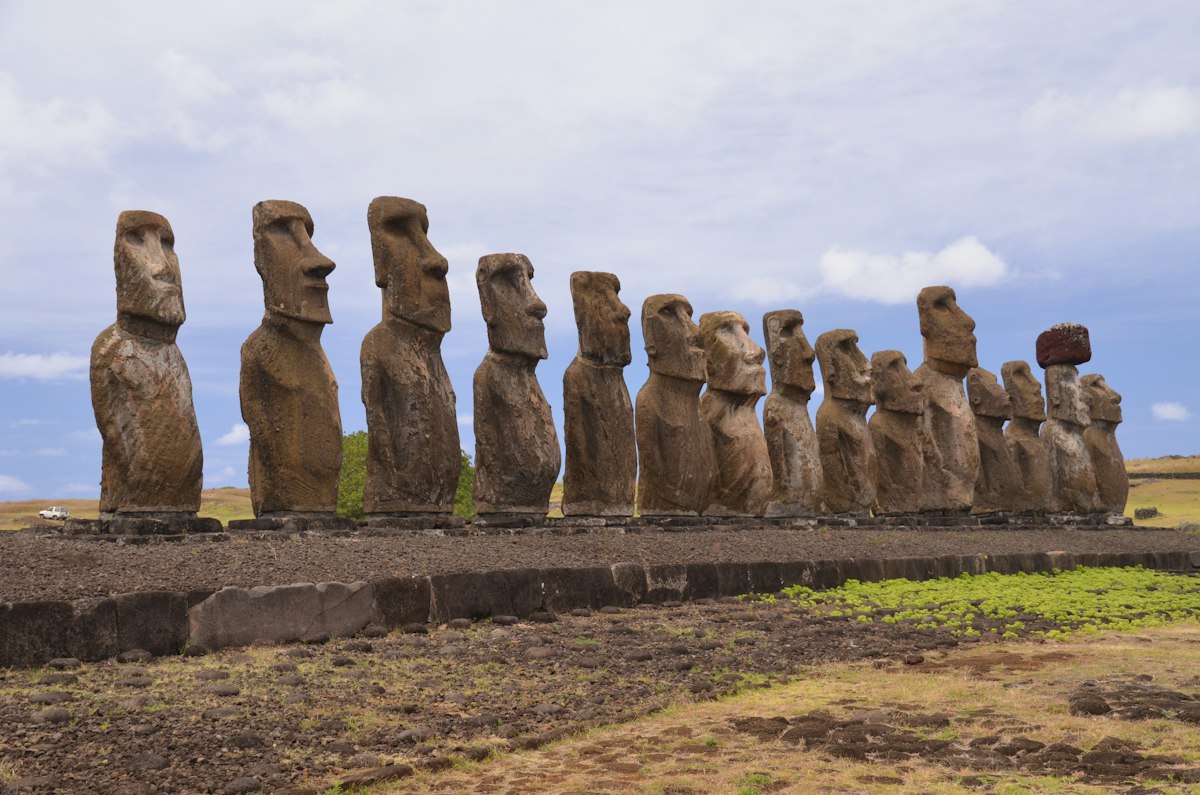
The model here parallels what has made the Rapa Nui Hope Spot work: local communities and champions lead, international recognition supports rather than directs. In southern Africa, the transboundary nature of the Maputaland Hope Spot, straddling the South Africa-Mozambique border, makes that model not just desirable but necessary. Whales, turtles, and dugongs do not observe national boundaries. Neither can the conservation efforts that protect them.
The Outlook
The marine protected area network in southern Africa remains incomplete and underfunded relative to the biodiversity it is trying to protect. Long-term scientific monitoring depends on partnerships with NGOs and universities rather than stable government funding. Enforcement at sea requires equipment and personnel that most Mozambican marine authorities do not have in adequate quantity.
What the Mission Blue gathering produced is documented momentum: shared goals, articulated priorities, and relationships between champions who had previously been working in parallel rather than together. Whether that translates into additional protection, improved enforcement, or new funding will take years to know. But the ocean along this coastline, for anyone paying attention, is worth knowing about and worth fighting for.