I am writing this from a town on the north coast of Mindoro, between dives. The reef twenty minutes off the beach is the healthiest I have ever seen, and it sits inside a body of water that, in 2026, is still fighting for the legal protection it should have had decades ago.
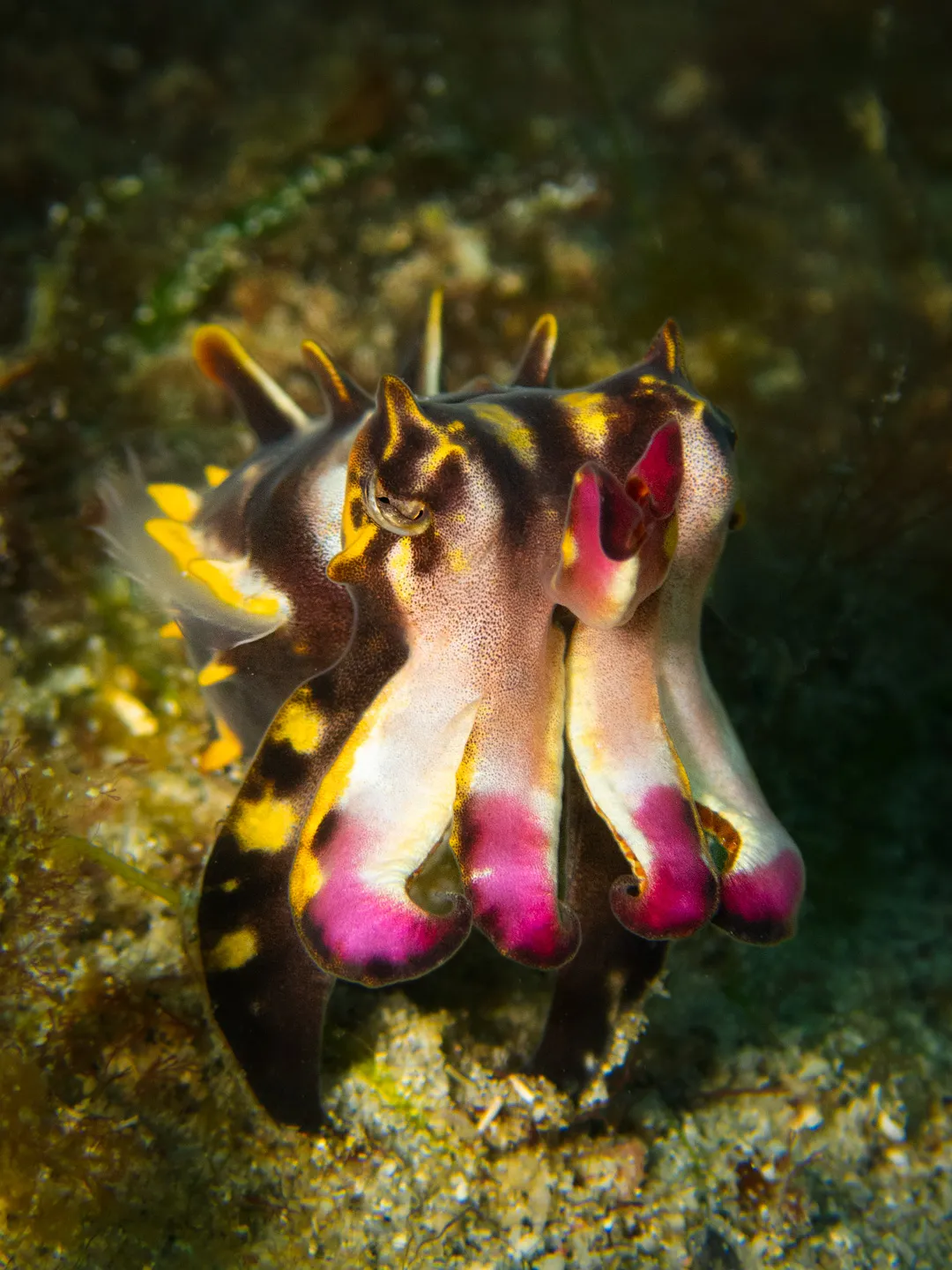
The Verde Island Passage is small for what it does. About 1.14 million hectares of water separating Luzon from Mindoro, with a few cities, a couple of dozen municipalities, and roughly two million people whose lives are tied to it. The passage holds the highest concentration of coastal marine species per unit area anywhere on the planet, a finding confirmed in 2005 by Kent Carpenter and Victor Springer and never since contradicted. It is also a major industrial shipping lane. It has a coal-fired power plant sitting at one end. It was hit by an industrial oil spill in February 2023. And in March 2026, a coalition of Filipino fisherfolk and environmental defenders walked into the House of Representatives with an exhibit asking Congress to do the obvious thing.
This is who they are.
The Legislative Fight: Protect VIP
The umbrella name for the 2026 campaign is Protect VIP. It is not one organisation. It is a coalition of community groups, fisherfolk federations, scientists, NGOs and provincial officials calling for the Verde Island Passage to be added to the Philippine Expanded National Integrated Protected Areas System (ENIPAS) under Republic Act 11038. ENIPAS designation matters because the current governance of the passage rests on a 2017 memorandum of agreement between five provinces. Memoranda can be renegotiated. National-level protection under ENIPAS is harder to walk back, constrains extractive industries inside the boundary, and gives prosecutors the legal teeth to act against violators.
In March 2026, Protect VIP staged an exhibit at the House of Representatives in Quezon City. Fisherfolk, scientists and conservation lawyers stood in front of legislators and asked, on the record, for ENIPAS designation to move forward. It is the most concrete moment the campaign has had in years. The bill is not law yet. Whether it gets there in 2026 is the political question that defines the year for this body of water.
The Anti-Fossil-Fuel Brief: CEED Philippines
The largest single industrial threat to the Verde Island Passage is fossil fuel infrastructure on its shores and ships moving fossil fuel through its waters. Coal plants at the western and eastern ends, LNG terminals proposed and partially built, oil and gas tanker traffic moving through one of the most biodiverse stretches of ocean on Earth at all hours.
The organisation that has been pushing back hardest on this is the Center for Energy, Ecology and Development, known as CEED Philippines. They have led the legal and policy fight against new fossil fuel infrastructure inside the VIP corridor, run technical assessments on the risk profile of tanker movements through the passage, and built the case that the same body of water cannot serve as an industrial shipping lane and a protected biodiversity zone forever. Their work is the reason several proposed coal plants in the passage area have not advanced.
The Science and Network Build: Conservation International Philippines
Most of the science underpinning the campaign has come through Conservation International Philippines, often in partnership with the Department of Environment and Natural Resources Biodiversity Management Bureau and global funders including GEF and UNDP. The Verde Island Passage Marine Protected Area Network (VIP MPAN) was created under their facilitation in 2017. It now ties together 69 no-take MPAs across two cities and twenty municipalities, covering around 170 square kilometres of strictly protected water.
The network is not perfect. Enforcement varies. Some of the smaller MPAs sit on paper more than they sit on the water. But the framework exists, the data feed back into regional reef-health monitoring, and the network is the structural reason the conservation conversation in the passage is more advanced than in most parts of the central Philippines.
The International Spotlight: Mission Blue
In July 2023, Sylvia Earle’s Mission Blue named the Verde Island Passage a Hope Spot. The designation is non-binding under international law but it matters. It moves a body of water from a domestic conservation conversation to an international one, attaches a recognisable global advocate to it, and gives the local coalitions an external reference point when they argue for protection.
Drs. Terrence Gosliner of the California Academy of Sciences and Wilfredo Licuanan of De La Salle University were named Hope Spot Champions in recognition of their work on expanding the VIP MPA Network and standardising the reef-monitoring methodology that lets community-level data feed into regional and global biodiversity assessments. The Hope Spot designation has been operative in the campaign for the ENIPAS legislative push.
In June 2024, Earle herself dived the passage at the invitation of then DENR Secretary Maria Antonia Yulo Loyzaga during Philippine Environment Month. The visit was followed by renewed international attention to the passage’s combined biodiversity and industrial-threat profile.
The Real-Time Eyes: Marine Wildlife Watch of the Philippines
A pod of orcas was filmed in the Verde Island Passage off Lubang, Mindoro, on 13 May 2026. The first organisation to publish footage of the encounter was Marine Wildlife Watch of the Philippines, a volunteer-based marine wildlife monitoring network that processes sightings from fishermen, dive operators, recreational boaters and coast guard patrols across the country. Their value is timeliness. They are typically the first source on cetacean strandings, rare-species sightings and bycatch events in Philippine waters, and their feed has become the de facto public record of what is moving through the country’s seas.
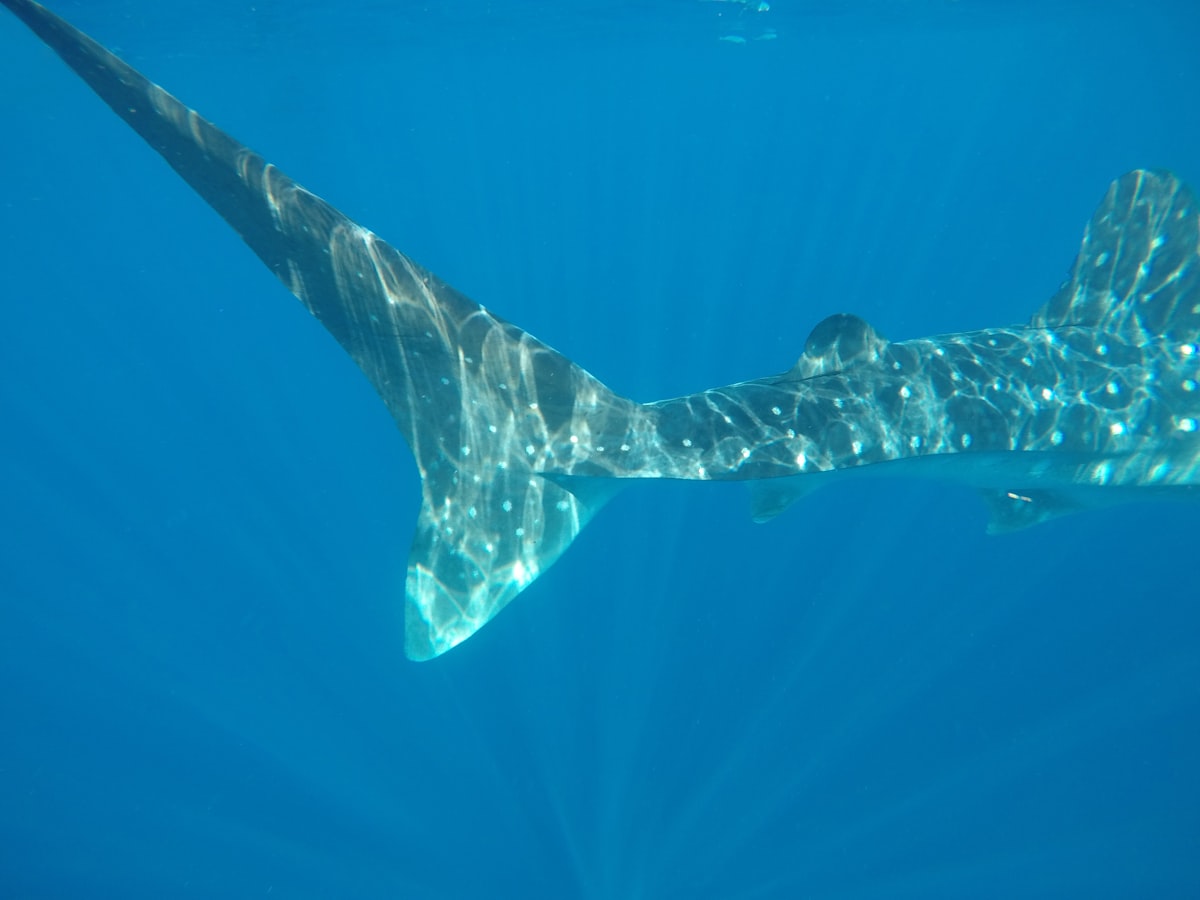
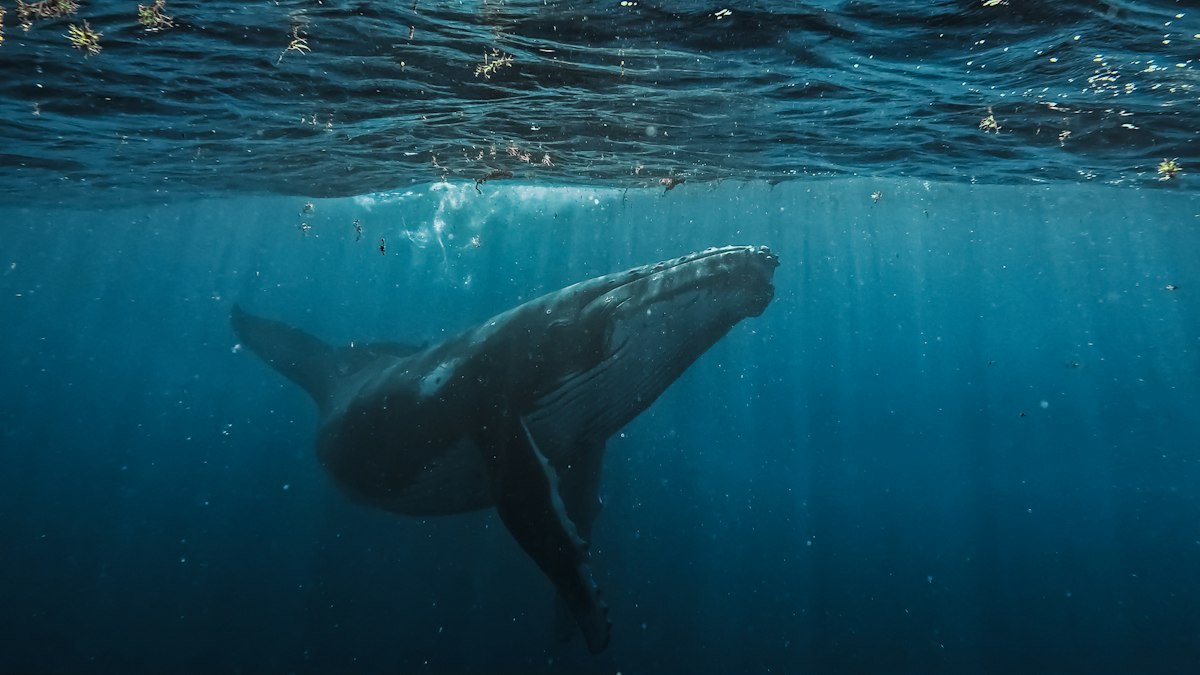
In the context of the 2026 campaign, MWWP’s archive serves as a continuously updated record of why the passage is worth protecting. Orcas this week. Manta rays last year. Whale shark seasonal passage along the Mindoro coast. Critically endangered fish species recorded for the first time in decades. Every entry is a data point in the case for stronger legal protection.
The Watershed-Up Approach: Wovoka Philippines
One of the more interesting recent additions to the coalition is Wovoka Philippines, a Filipina-led ecological restoration company working in the upland communities of Mindoro under Project Arawatan to restore forests in the watershed that feeds the Verde Island Passage. The logic is straightforward. A reef cannot be healthy if the rivers running into it are carrying degraded forest sediment, herbicide runoff and erosion. Treating the passage as a marine problem alone misses the half of the system that sits above sea level.
This is the systems-thinking version of marine conservation: protect the trees so the water that reaches the reef is the water the reef can metabolise.
Why It Matters
The Philippines is the most biodiverse marine country on Earth on a per-area basis, and the Verde Island Passage is the most biodiverse stretch of that country. The reefs I am diving this week are not just healthy by Philippine standards. They are healthy by the standards of any reef I have visited across four continents of diving. That existence is not given. It is the product of forty years of community marine protected area work, two decades of scientific research, the 2017 inter-provincial MPAN, the 2023 Hope Spot designation, the ongoing CEED legal pushback against fossil fuel expansion, and now the 2026 push for full ENIPAS protection.
What 2026 decides is whether that work gets the durable legal architecture it has earned, or whether the passage stays in the precarious in-between where each new administration can renegotiate the terms.
What You Can Do
If you are a diver: dive with operators based in Sabang and the wider passage region who pay marine protection fees, who follow the no-anchor rules on the reef sites, and who support fisherfolk-led tourism. Tip the boat crews and the divemasters, because the local economic case for protection is the case that holds up in front of legislators.
If you are a Philippine resident: write to your congressional representative in support of including the Verde Island Passage in the ENIPAS Act. The campaign is being run in real time and your representative will be voting on it.
If you are anywhere in the world: amplify the work of the named organisations. Protect VIP and CEED Philippines are public-facing and accept donations and shares. The case for the Verde Island Passage is the case for the densest patch of marine life on the planet getting the protection it actually deserves, and the 2026 window for making it happen is open right now.
I will be diving this passage every day until I leave. It is the centre of the centre, and it has earned its place on the protected list.