Every year World Oceans Day, 8 June, arrives with the same gap between the scale of what is at stake and the volume of the conversation about it. In 2026, something in the background has changed.
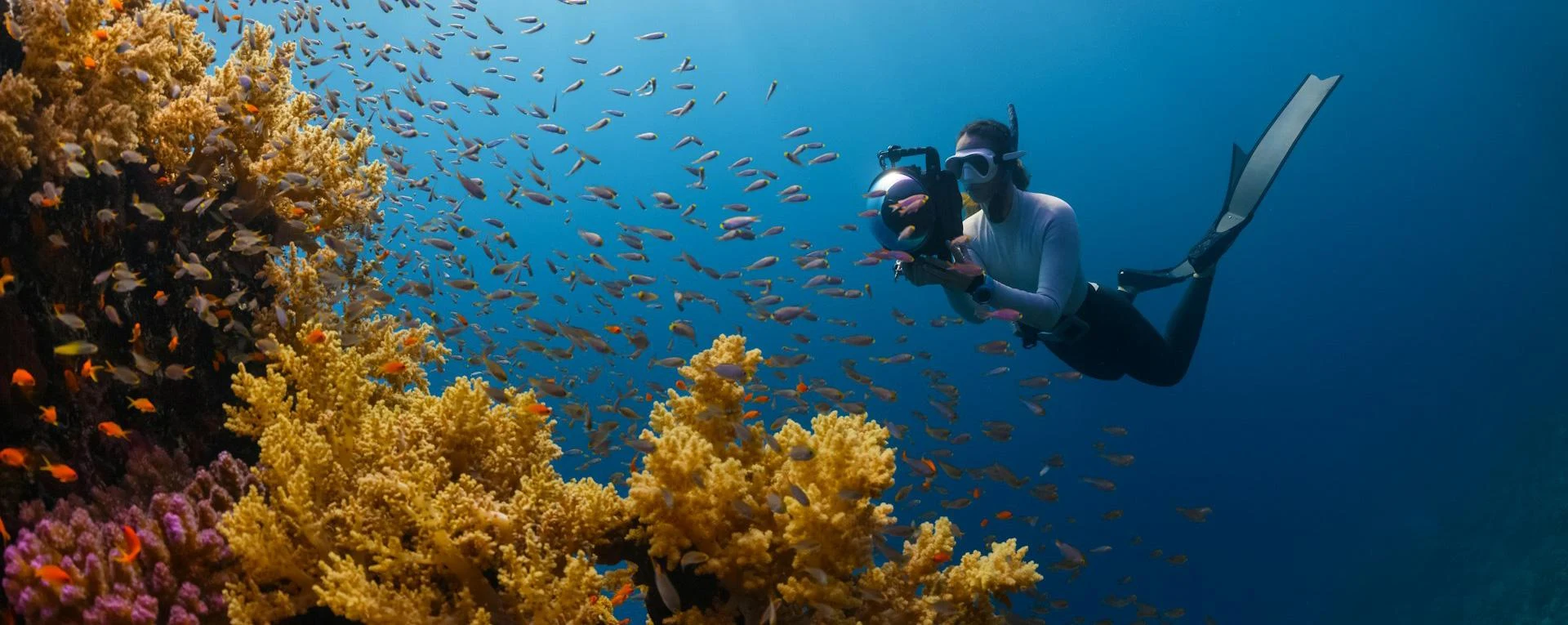
As a diver, I feel the weight of this day differently than most. Since I first got underwater, the changes have been impossible to ignore: sites where the abundance of sea life is a fraction of what the reef structure should support, bleaching I had only read about suddenly something I was swimming through in person, boats queuing above sites that are visibly struggling under the pressure. I have seen what careless diving does to coral that does not recover quickly. I have been on boats that were too full and went to the same fragile site too many times in a day. None of this makes me pessimistic about the ocean. It makes me take days like this one more seriously.
What Is World Oceans Day?
World Oceans Day is a United Nations observance held every year on 8 June. It was first proposed at the 1992 Earth Summit in Rio de Janeiro by Canada, formally designated by the UN General Assembly in 2008, and is coordinated by the UN Division for Ocean Affairs and the Law of the Sea alongside the World Ocean Network.
The day exists because the ocean, which covers 71% of the planet, regulates its climate, produces over half its oxygen, absorbs around a third of its carbon dioxide emissions, feeds more than three billion people, and supports approximately 250,000 known species, does not have a vote. World Oceans Day is the calendar moment dedicated to giving it one.
The 2026 theme and full campaign materials are on the official site at unworldoceansday.org. What makes this edition distinct from all thirty-three that came before it is what happened on 17 January.
What Changed for Ocean Protection in 2026
On 17 January 2026, the High Seas Treaty entered into force.
The treaty is formally the Agreement under the United Nations Convention on the Law of the Sea on the Conservation and Sustainable Use of Marine Biological Diversity of Areas Beyond National Jurisdiction, BBNJ for short. The name is accurate and memorably impenetrable. What it means in practice is this: for the first time in history, the two-thirds of the ocean that sits outside any country’s exclusive economic zone can be formally protected.
Before January, that ocean had no binding legal mechanism for marine protected areas. Regional fisheries bodies set catch limits. The International Seabed Authority regulated the seafloor. A series of well-intentioned agreements produced maps with lines on them and, behind the lines, enforcement funded by optimism. What the high seas did not have was a legal architecture that allowed a state or coalition of states to designate a real protected area and have that designation mean something under international law.
The BBNJ Agreement is that architecture. It creates the procedure for proposing high-seas MPAs, the process for assessing environmental impacts of activities in those areas, and a mechanism for governing access to the genetic resources of high-seas biodiversity. It does not enforce itself. The protections it enables will only work as well as the political will and funding behind them. But the map of what is legally possible changed in January, and that matters for everything that comes next.
I have written about what the High Seas Treaty means for ocean protection and why it is the most consequential piece of ocean conservation law since UNCLOS itself. World Oceans Day 2026 is the first one to land in the world the treaty created.
The State of the Ocean in 2026
The change in the legal architecture sits against a backdrop that has not changed, and in some areas has got worse.
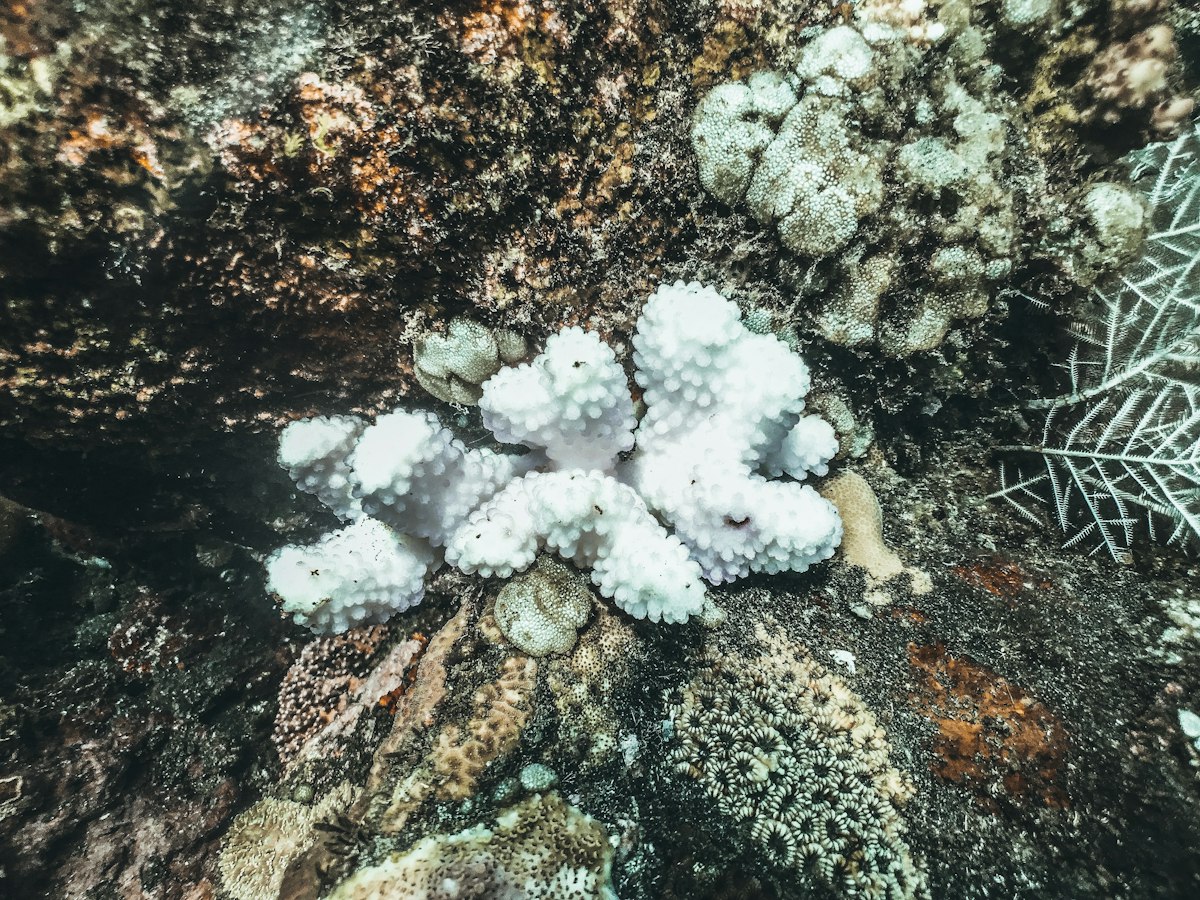
The fourth global coral bleaching event remains active in 2026. Declared by NOAA in April 2024, it has now affected approximately 84% of the world’s coral reef area, with median heat stress accumulation nearly 50% greater than the previous record event. The Great Barrier Reef bleached for the sixth time in 2025. The Caribbean bleaching season of 2023-24 was the worst on record. The definition of a bleaching alert tier had to be expanded in 2023 because the existing scale could not describe what was happening.
The deep-sea mining threat to the abyssal plain has intensified as the International Seabed Authority moves toward finalising exploitation regulations. The ecosystems on the abyssal plain, the polymetallic nodule fields of the Pacific, the hydrothermal vent communities of the Indian Ocean, have supported almost no industrial extraction and have the least scientific documentation of any major biome on Earth. The regulatory framework for exploiting them is moving faster than the science describing them.
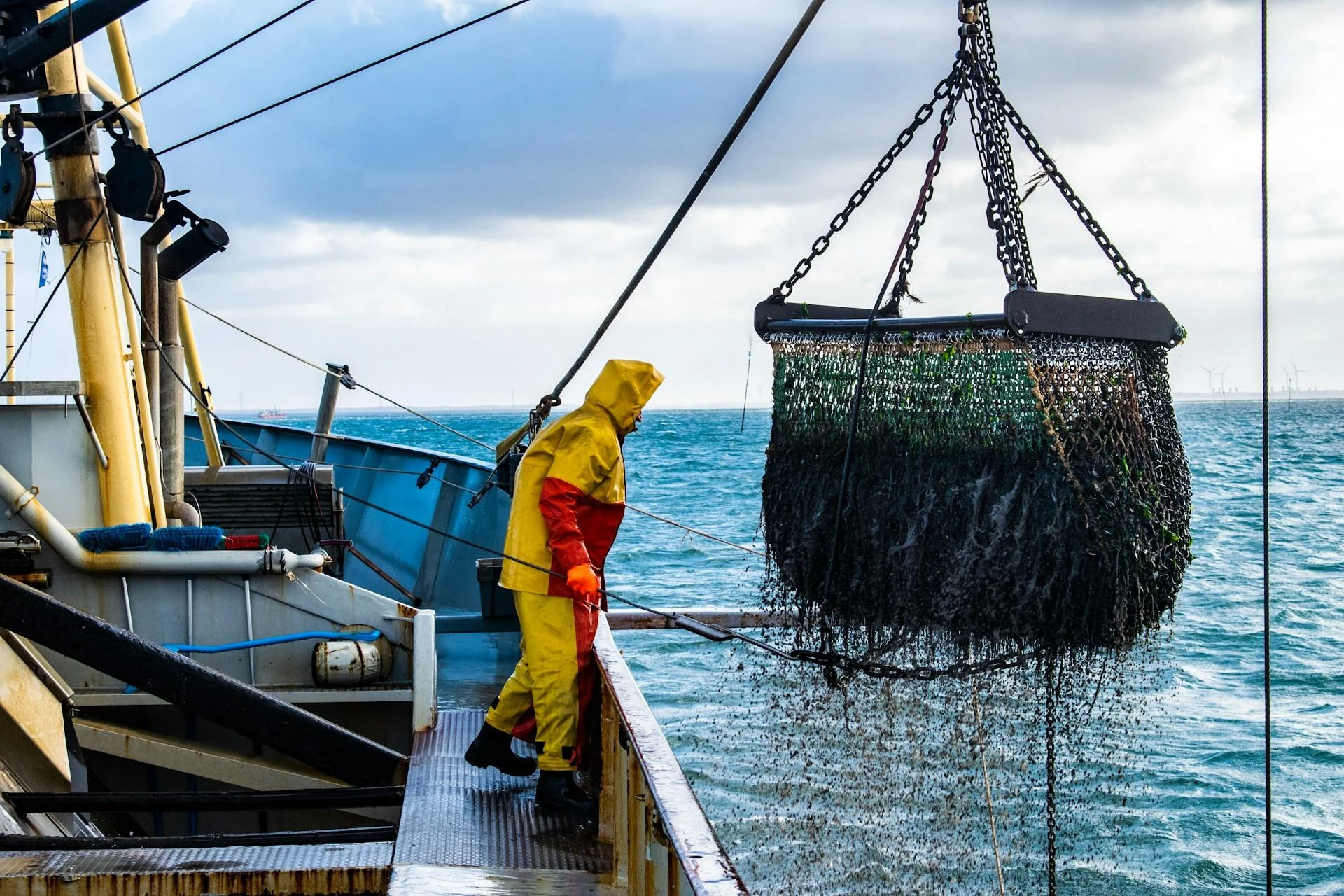
Plastic pollution continues at approximately 8 million tonnes per year entering the ocean. Ghost gear, the abandoned fishing nets, lines and traps that keep killing long after they are lost, kills an estimated 136,000 marine mammals and sea turtles and tens of millions of fish annually. Seagrass, which is disappearing faster than coral, stores carbon at twice the rate of terrestrial forests and underpins coastal fisheries across the tropics, yet is being lost at 7% per year.
These numbers are familiar to anyone who spends time underwater. The fish counts feel different on a protected reef versus an unprotected one. The water clarity is different. The animal behaviour is different. I notice it every time I descend somewhere that is properly looked after, and every time I surface from somewhere that is not. The difference in 2026 is that the legal scaffolding for addressing the high-seas portion of each of these pressures now exists.
Ocean Conservation That Is Actually Working
The single most important thing to hold alongside the losses is the evidence of what happens when protection is real.
Scotland’s South Arran MPA. The Community of Arran Seabed Trust spent more than a decade campaigning for a bottom trawling ban in the South Arran Marine Protected Area. When the ban came into force, what recovered was visible within years: seagrass returned, horse mussels rebuilt their beds, fish counts climbed. It is the clearest recent demonstration in European waters of what marine protection does when it is enforced.
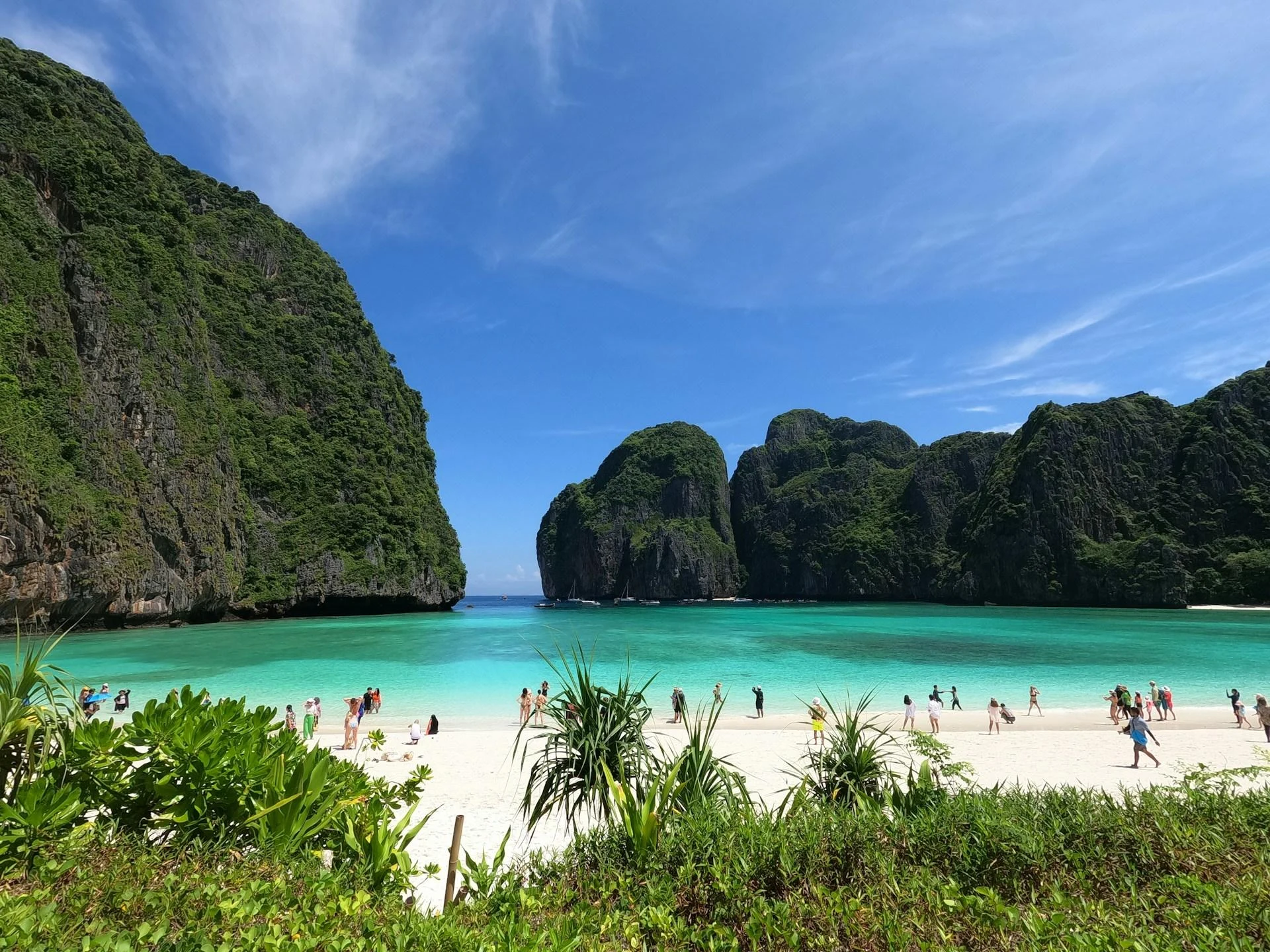
Maya Bay, Thailand. Closed in 2018 after catastrophic tourism damage, the bay had all but collapsed as a functioning reef ecosystem. A single survey in July 2025 counted 158 blacktip reef sharks in the bay. One of the fastest documented recoveries in the Indo-Pacific, and it happened because one government made one decision to close one bay and held it.
Cabo Pulmo, Mexico. The local fishing community voluntarily closed the bay to extraction in 1995. By 2009, total fish biomass had increased by 463%. Top predator biomass climbed eleven times. The Cabo Pulmo MPA recovery remains the most documented marine protected area recovery in the western hemisphere.
Western Manus, Papua New Guinea. A 214,000 square kilometre no-take reserve, the largest in Melanesian history, was designated in May 2026 at the inaugural Melanesian Ocean Summit. The Papua New Guinea Marine Highway is the most recent example of what community-led protection at scale can achieve.
The pattern across all four is the same. A defined area, an enforced closure, and time. None of them happened because of ambient awareness. Each one happened because a specific group of people decided a specific body of water was worth defending and stayed with the defence long enough for the biology to respond.
Beyond the specific sites, the broader movement deserves naming. Sylvia Earle, the oceanographer and explorer whose work has shaped global understanding of the deep ocean for over five decades, has spent years making a simple argument: the ocean needs advocates the way any living system under threat needs advocates. Her Mission Blue initiative has designated over 160 Hope Spots across the global ocean, areas identified as critical to the health of the sea and prioritised for protection. The Hope Spots network exists because the science showed where the ocean most needed defending, and because Earle and the teams around her built a framework to make that case to governments and the public at the same time. Organisations like Fundación Malpelo, Green Fins, Oceana, Save Our Seas Foundation, and the Community of Arran Seabed Trust are doing the same work at different scales. The recovery stories above are not coincidences. They are the outcomes of sustained effort by teams who decided a specific piece of ocean was worth the fight. I find that more encouraging than any single statistic.
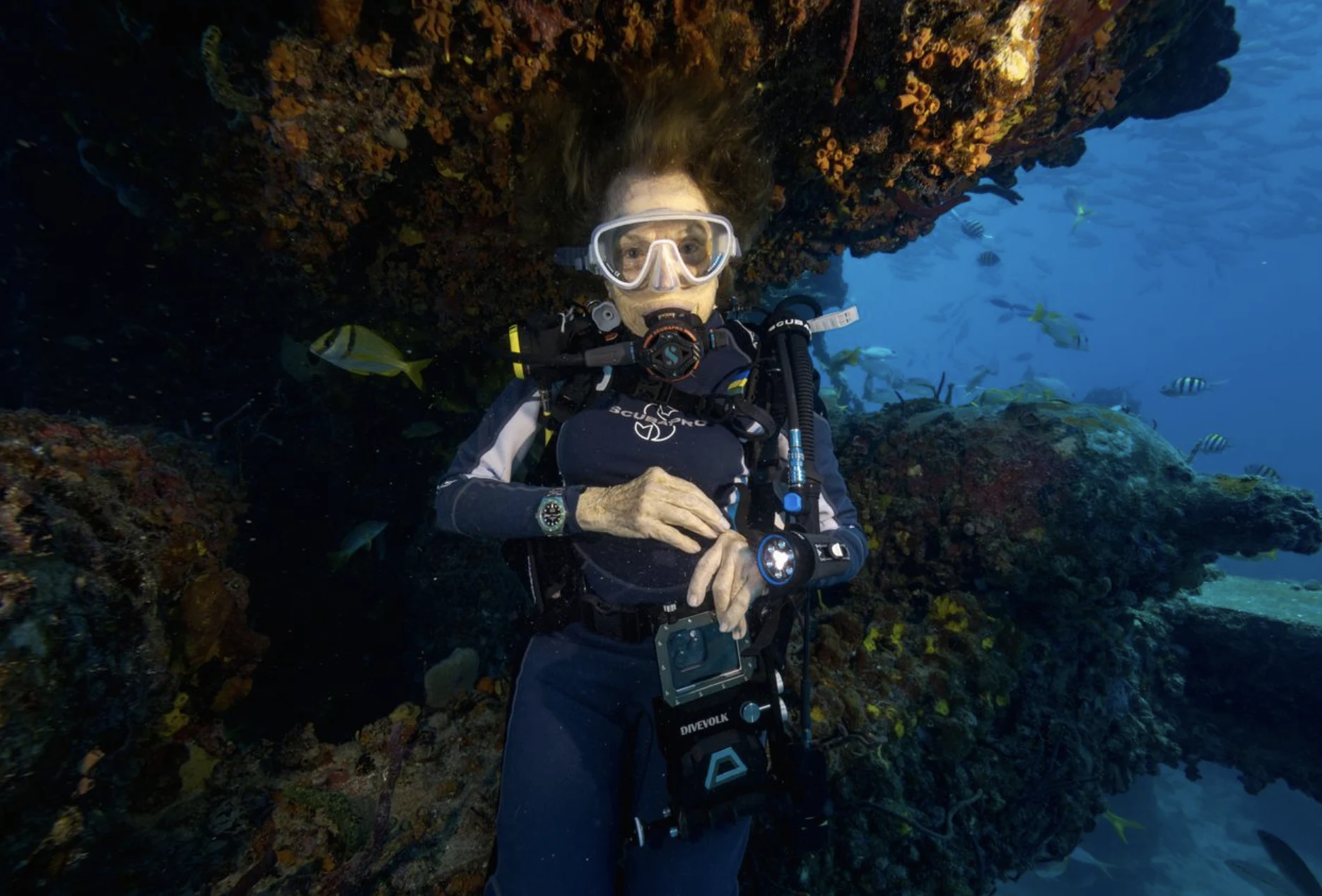
Ten Days to Our Ocean Conference Mombasa 2026
World Oceans Day 2026 lands ten days before the 11th Our Ocean Conference opens in Mombasa on 16 June. The conference is the largest annual gathering at which governments, organisations, and businesses announce voluntary commitments on ocean protection. The Mombasa edition is the first held on African soil, and the Western Indian Ocean sits at its centre.
The Our Ocean Conference 2026 in Mombasa is the moment when the new MPAs that will shape where the ocean sits against the 30 by 30 target four years from now will be announced. What happens on 8 June sets the temperature of what arrives on 16 June. The calendar is not accidental.
What Divers Can Do on World Oceans Day 2026
The practical contribution available to anyone who spends time underwater is more direct than most people realise.
Log your dives. A dive in a marine protected area with photographs, species identifications, and a date stamp submitted to iNaturalist, eOceans, or Reef Life Survey creates a biodiversity record that feeds directly into the monitoring databases used to renew and justify MPA status. You do not need to be a marine biologist to produce observations that scientists and policymakers use. You need a dive computer, a camera, and the patience to submit the data.
Check your sunscreen. Oxybenzone, octocrylene, and octinoxate remain common in high-street sunscreens and are demonstrably harmful to coral and marine invertebrates. A rashguard and hat in the water costs nothing and protects as effectively. If you wear sunscreen, check the label before you get in.
Hold your buoyancy. A flutter kick in shallow water over coral does damage. A frog kick, fins parallel to the surface, moving you forward without the downstroke disturbing the sediment or the reef, is the technical foundation of responsible reef diving. Most dive centres do not teach it adequately. Practice it until it is instinct.
Support one ocean conservation organisation. Oceana, Blue Marine Foundation, Fundación Malpelo, ClientEarth, the Community of Arran Seabed Trust, Save Our Seas Foundation, the Pacific Community Conservation Network. Each runs a specific case in a specific ocean. None of them are funded proportionate to the scale of what they are fighting against. Pick one and back them.
Choose your dive operators by what they protect. The most important decision a diver makes for ocean health is not sunscreen or buoyancy. It is where the money goes. An operator that funds reef monitoring, employs local rangers, or works inside a protected area with genuine enforcement is a different kind of business from one that does not. That difference is real and it compounds across every diver who makes the choice.
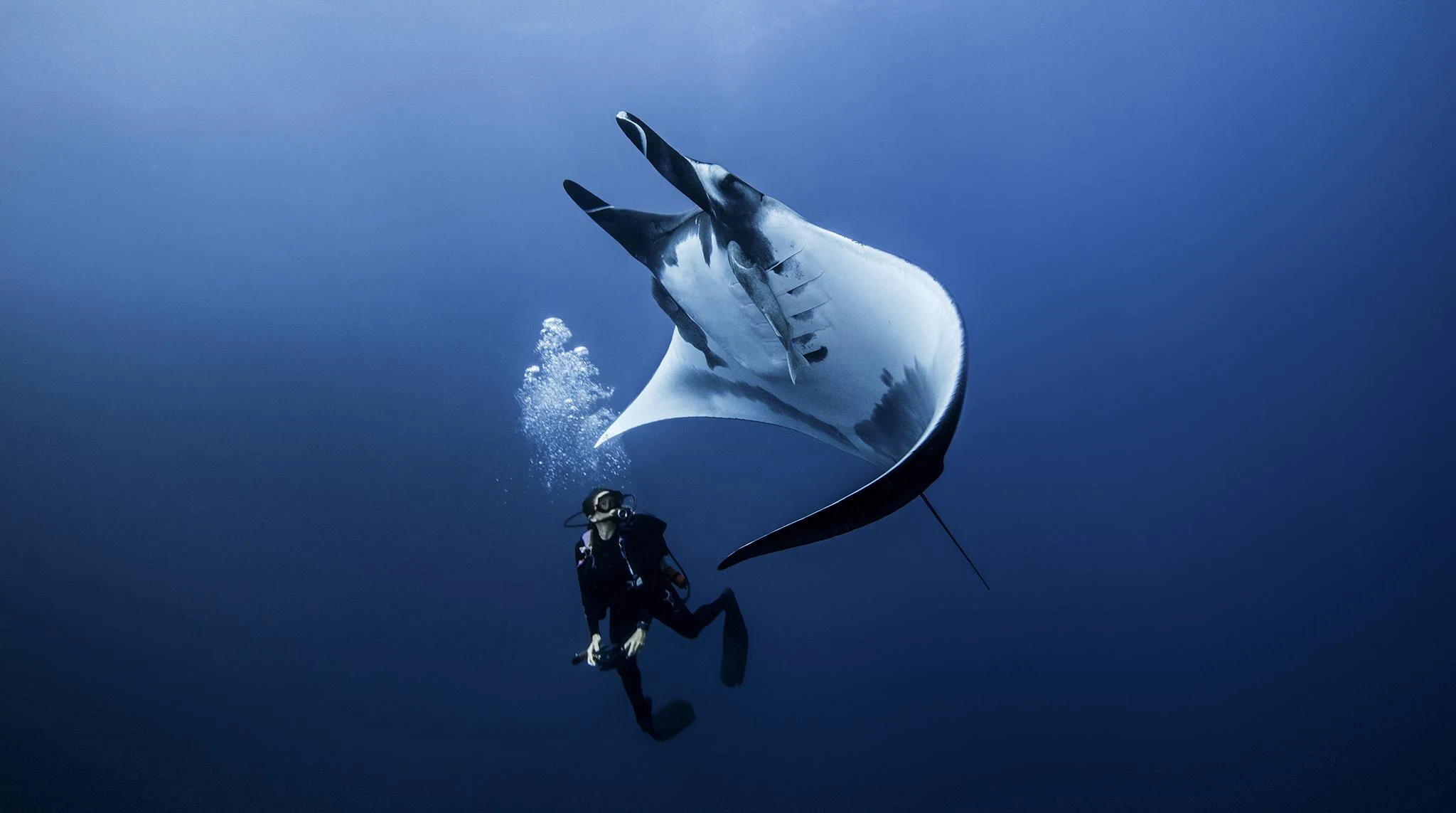
The ocean is 71% of the planet. Most of the decisions made about it happen in rooms that most of us never enter. The thing divers can do is make the ocean too visible, too documented, too economically legible to ignore. That is what World Oceans Day 2026 is actually asking for.
I dive because the ocean is where I make the most sense of the world. Since I first got underwater, I have never lost the feeling that what is down there is worth protecting, not as an abstraction but as something specific and irreplaceable. Every reef that is still standing, every species that is still present in a place it could easily have been lost from, is evidence that protection works.
This is our ocean. The responsibility to protect it sits with every government that has a coastline, every company that takes from the sea, and every person who has ever looked at it and felt something. That includes most of the people reading this. It includes every diver especially. We see the ocean in a way most people never will. That is a privilege, and it comes with an obligation. World Oceans Day is a good day to act on it.