World Manta Day 2026: The First One With a Trade Ban
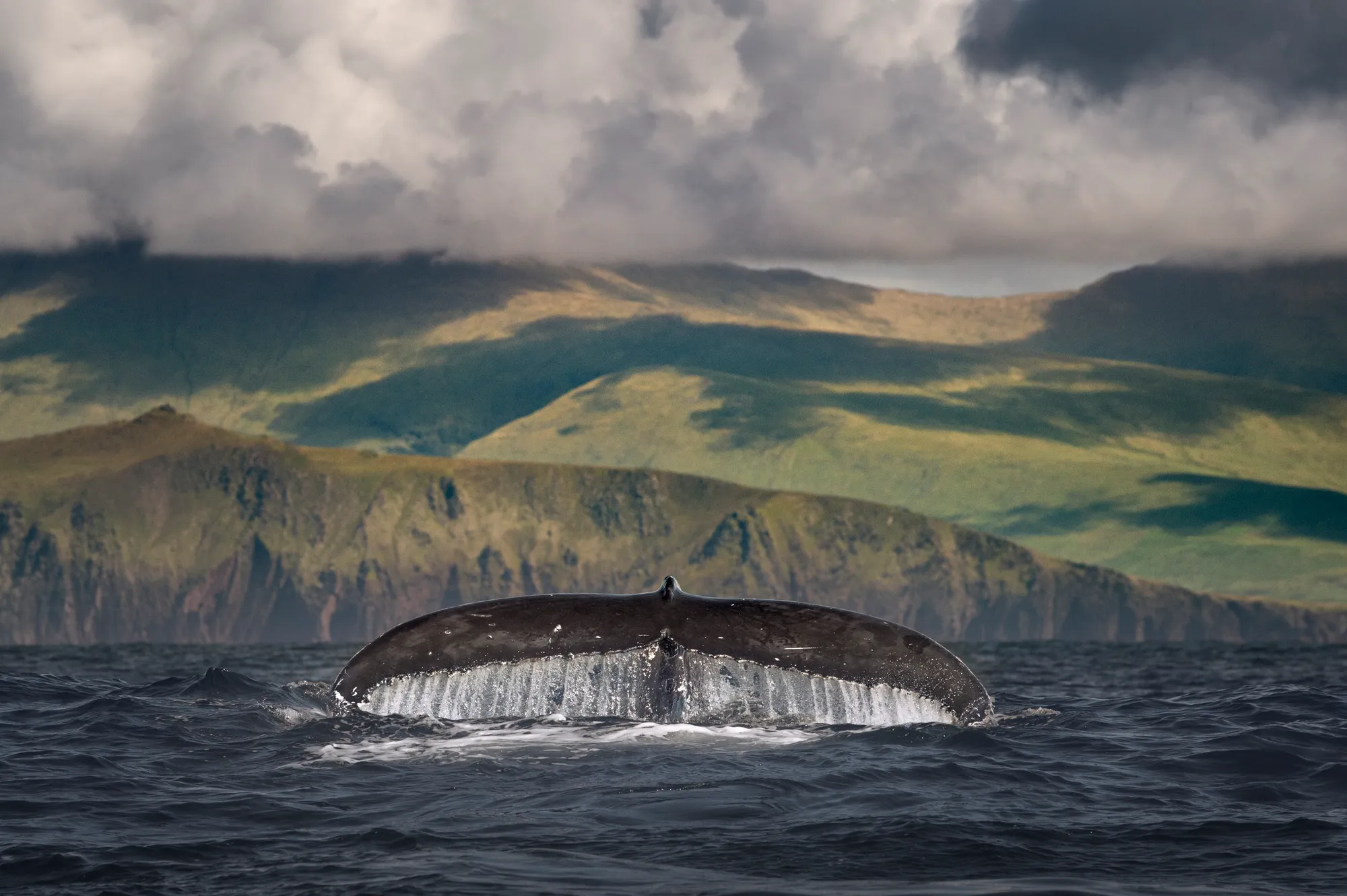
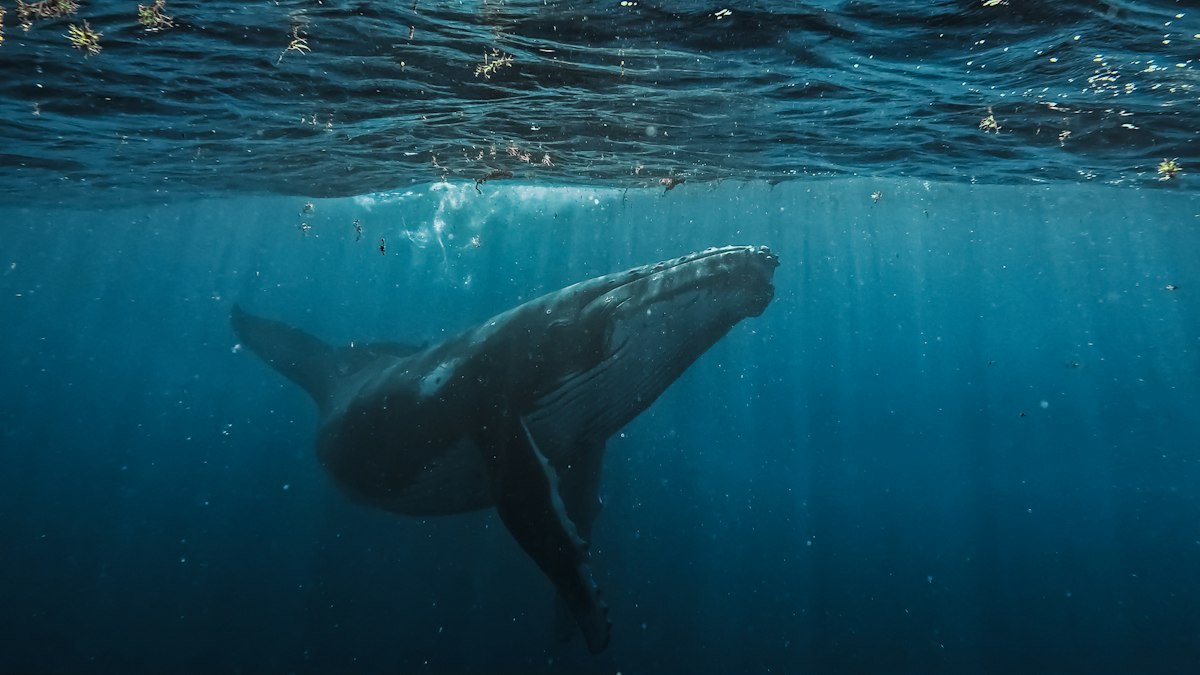
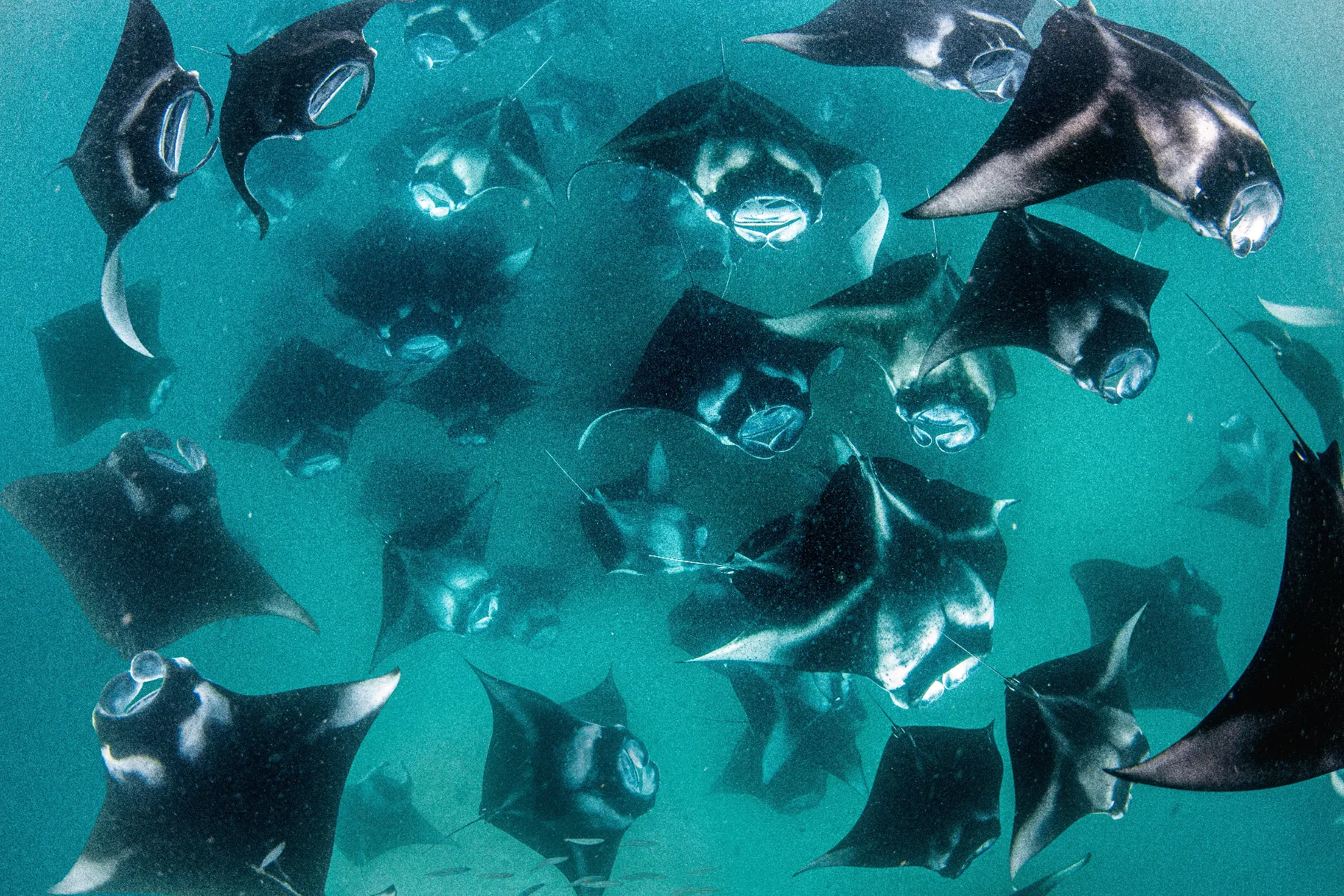
Three manta species now, and one global trade ban finally in force. The first World Manta Day where the law caught up with the animal.
Read More
Category
The ocean is not a backdrop. It is an ecosystem under extraordinary pressure - from warming, acidification, plastic, and overfishing - and the people working to defend it are doing some of the most important work on the planet. These are stories about ocean conservation: the science, the initiatives, and the reasons to remain hopeful.
40 stories
Three manta species now, and one global trade ban finally in force. The first World Manta Day where the law caught up with the animal.
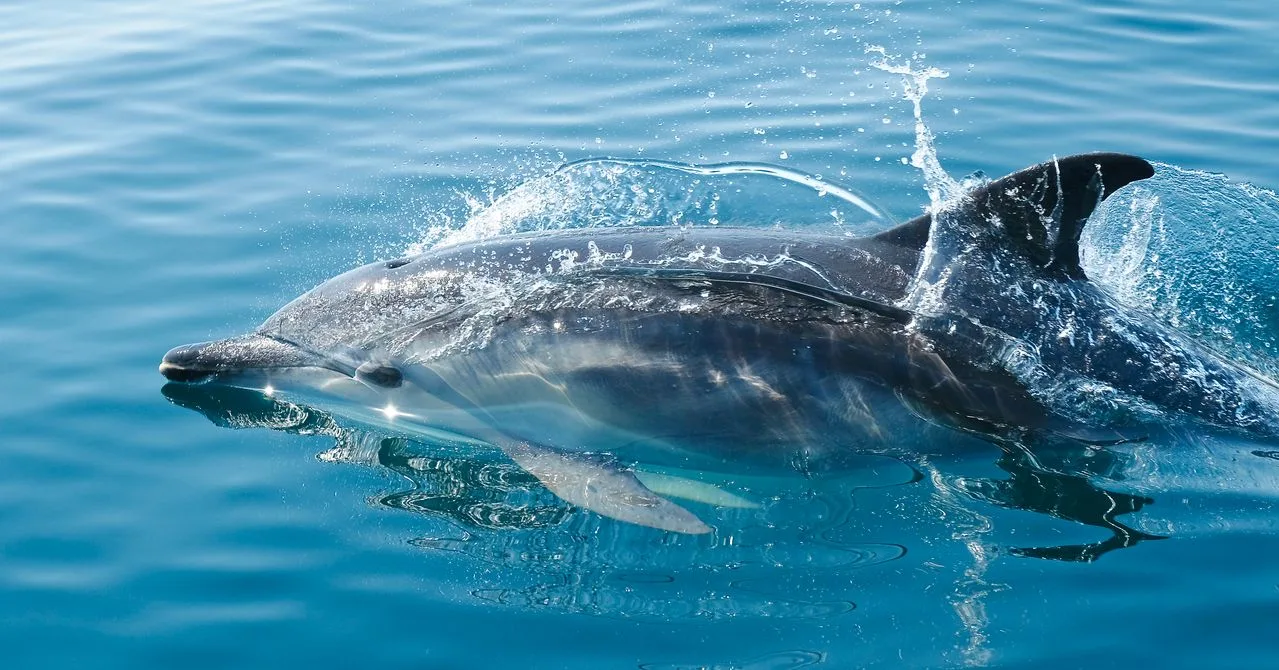
Read More12 September 2021. 1,428 dolphins killed in a single afternoon. That is why the day exists, and why it is not a celebration.
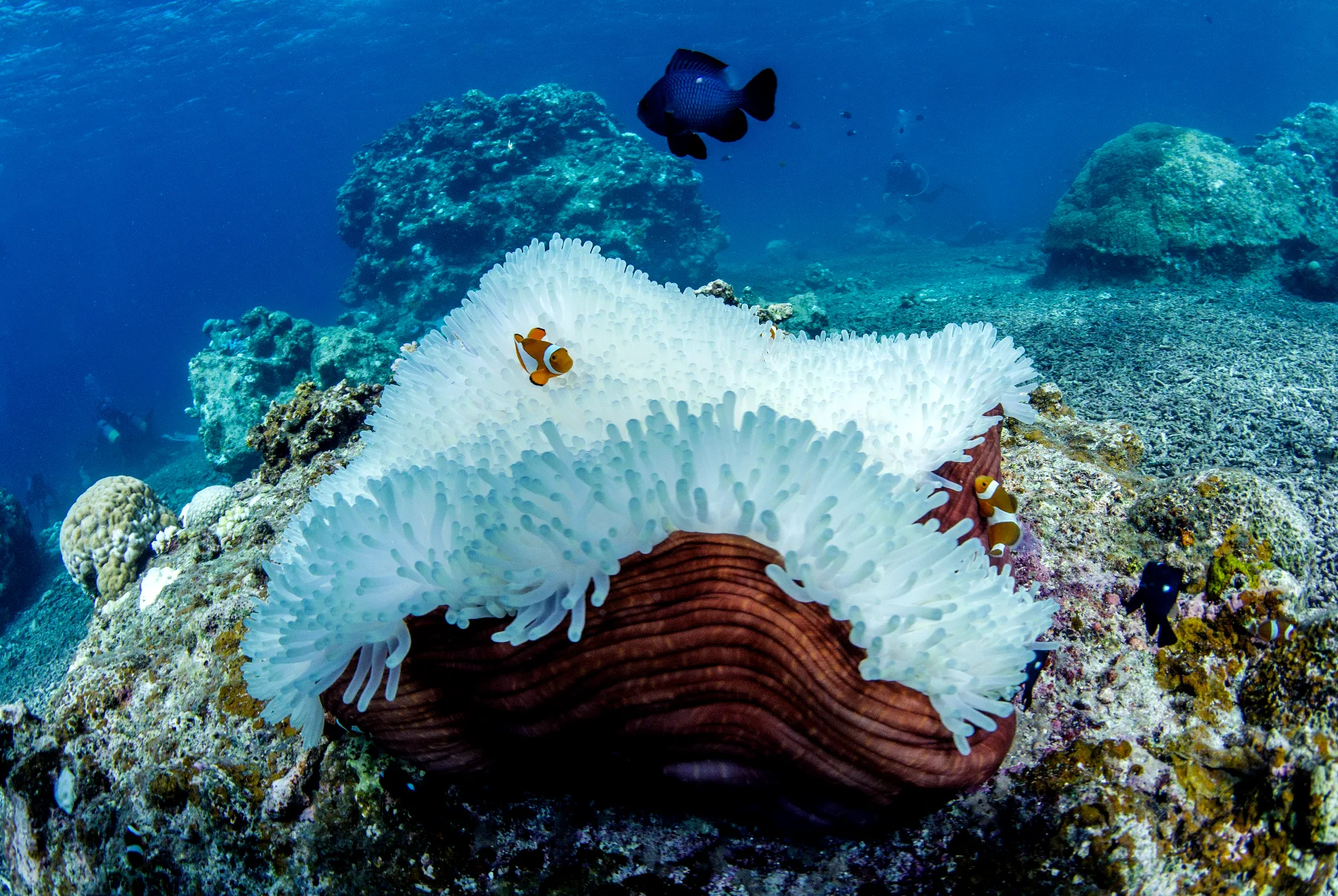
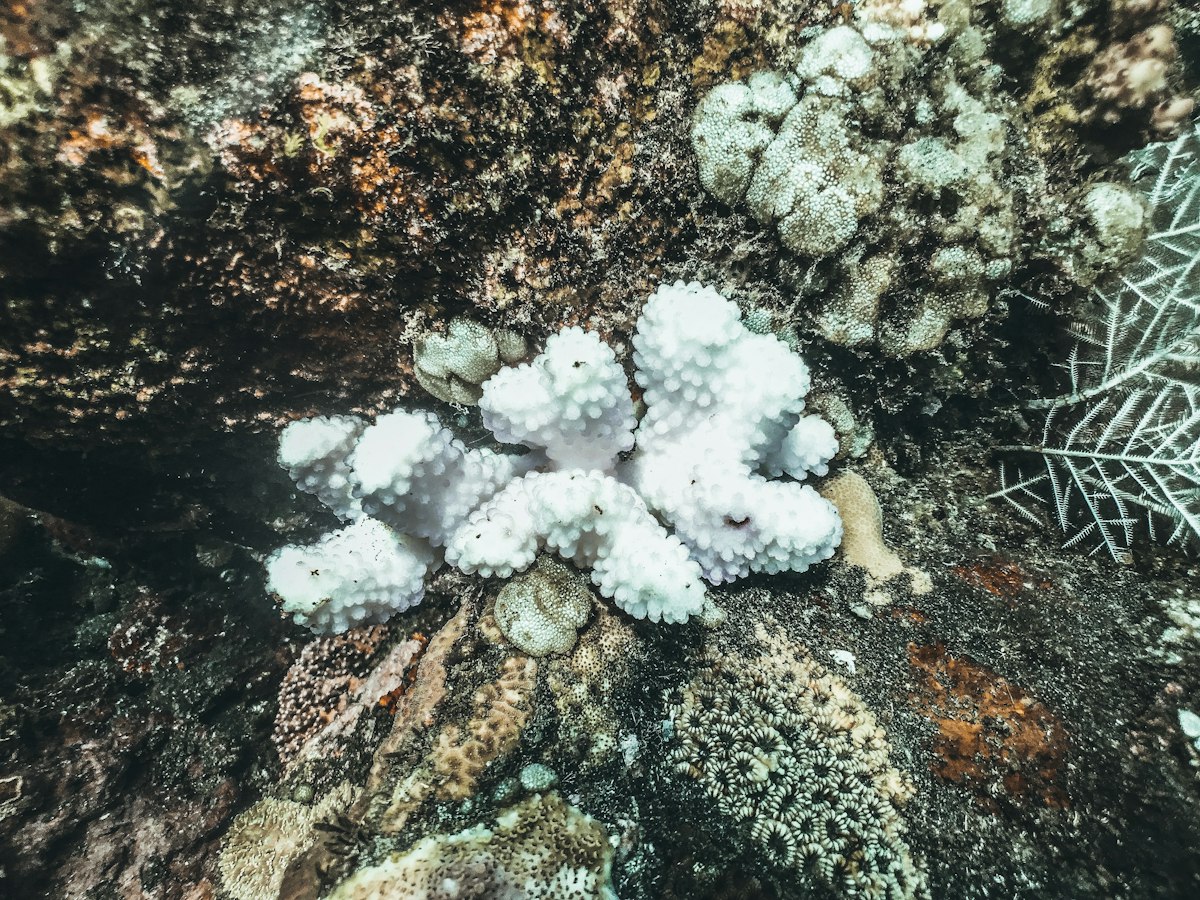
Read MoreSeptember is Coral Bleaching Awareness Month. Reefs now get four years to recover, not ten. What that means underwater.
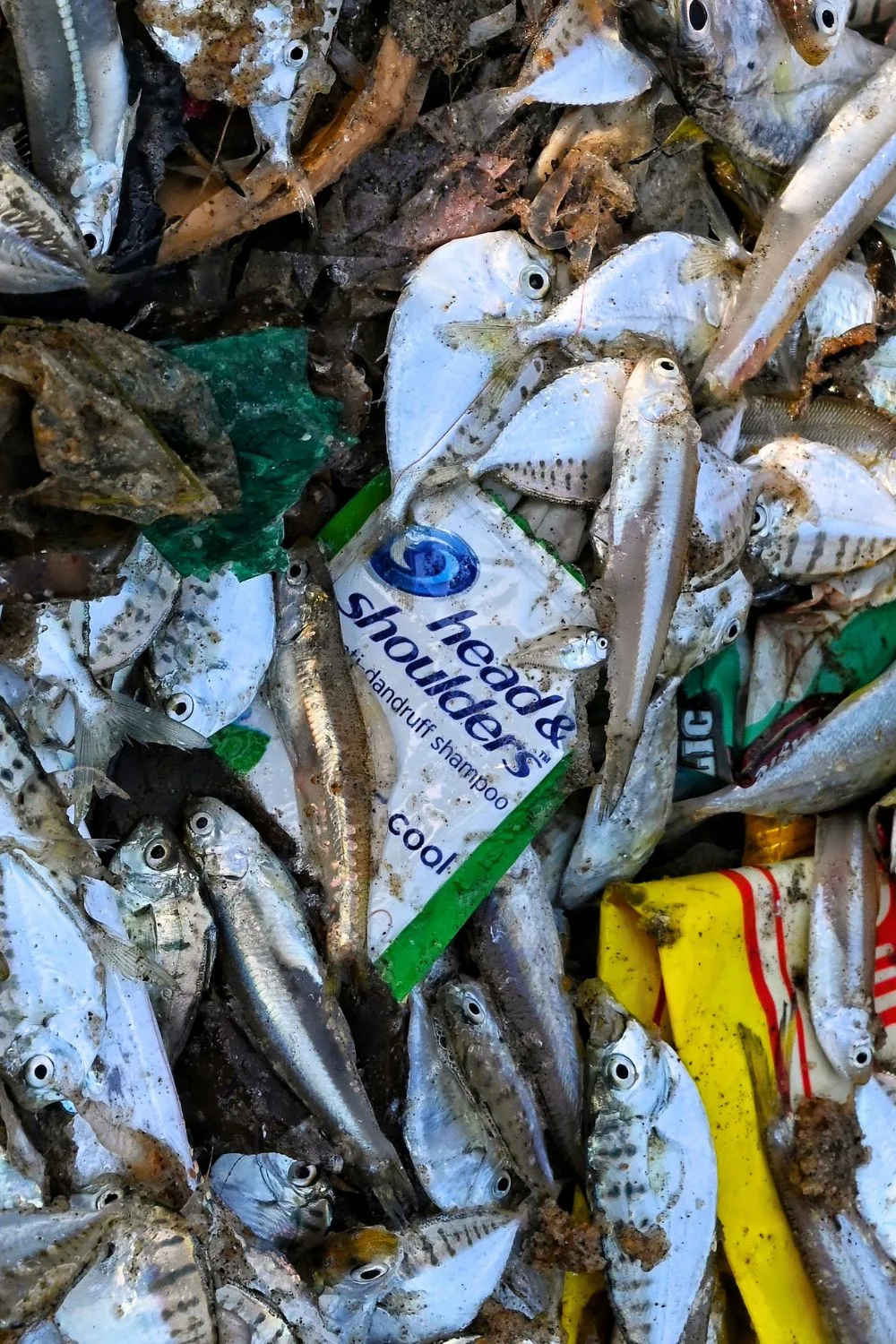
Read MoreThe sachet economy puts 855 billion single-use packets a year into the world's poorest waste systems. How it started and why none of it can be recycled.
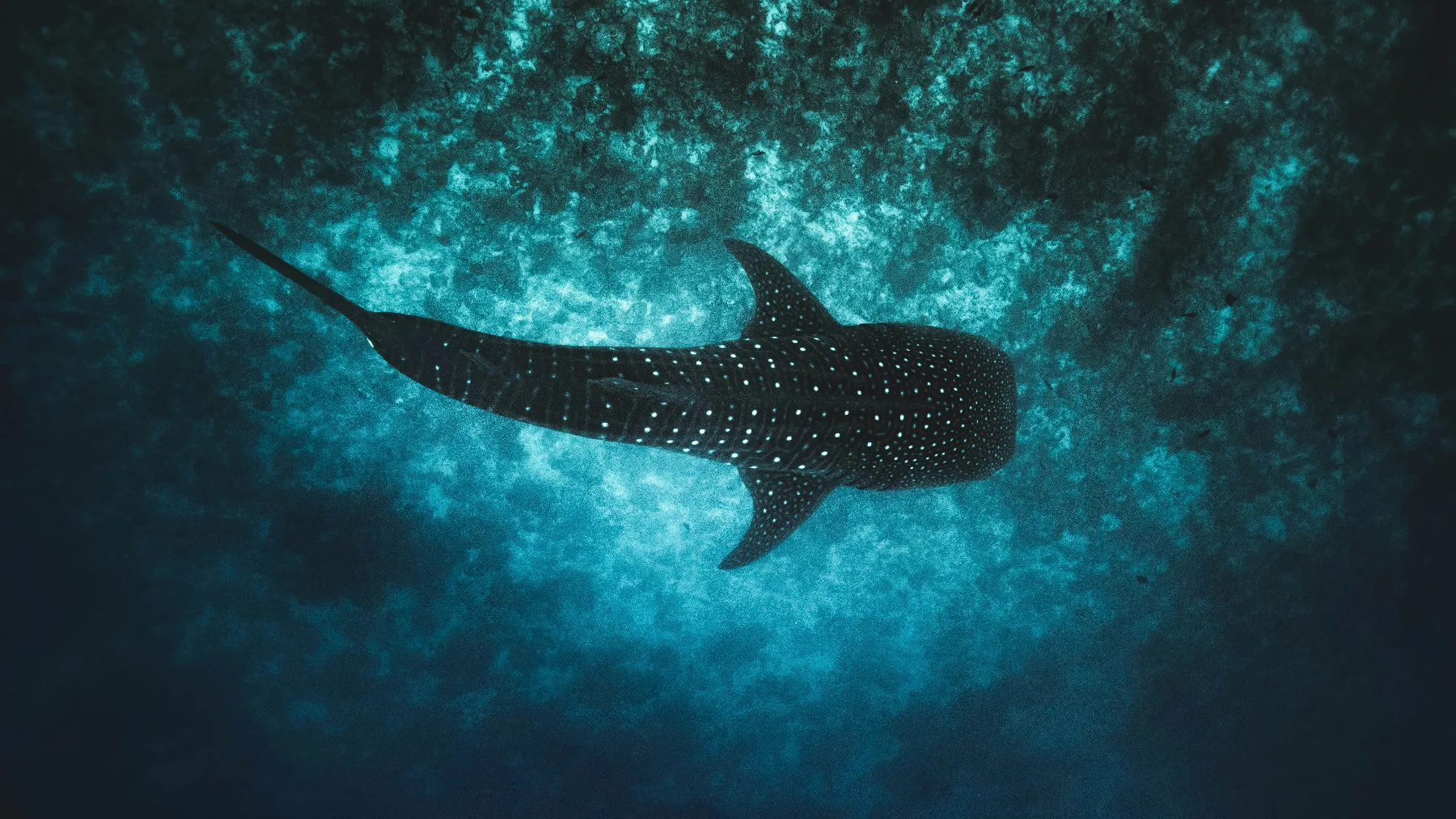
Read MoreDescribed in 1828, and still the most mysterious animal in the ocean. One pregnant female studied in two centuries, no birthing ground ever found.
Read More86 species, in every ocean on earth. The animal that feeds whale sharks, whales and the biggest fishery on the planet, and almost nobody thinks about it.
Read MoreOyster reefs filter the water, raise the fish and slow the waves. We lost 85 percent of them before we thought to measure it, and they can come back.
Read MoreTen years of Blue Carbon: How mangroves store more carbon than rainforest, raise the reef's next generation, and where restoration works.
Read MoreEl Niño is back, 84% of reefs have bleached, and I know what that looks like on the descent. The honest version, without the sugar.
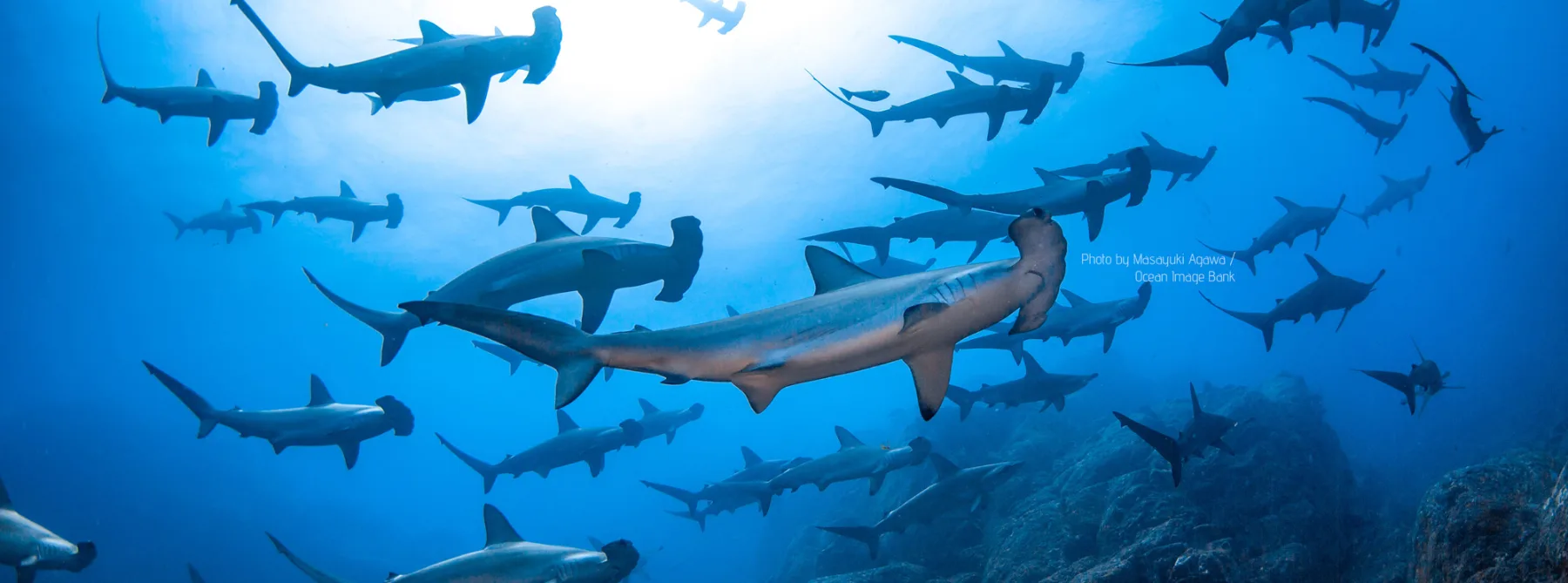
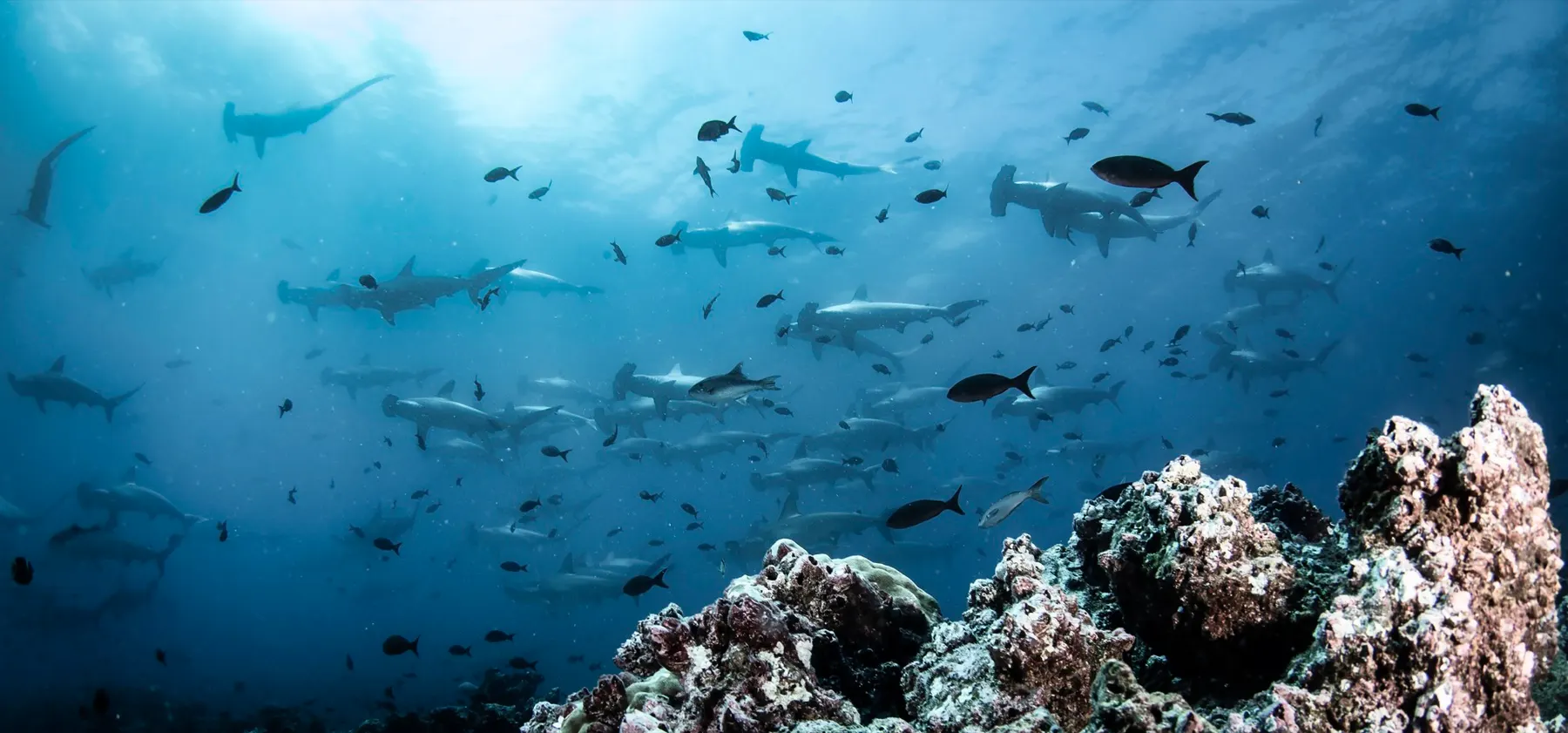
Read MoreEcuador wrote the proposal. Panama backed it. Hammerheads just got Appendix I, the strongest protection this treaty offers.
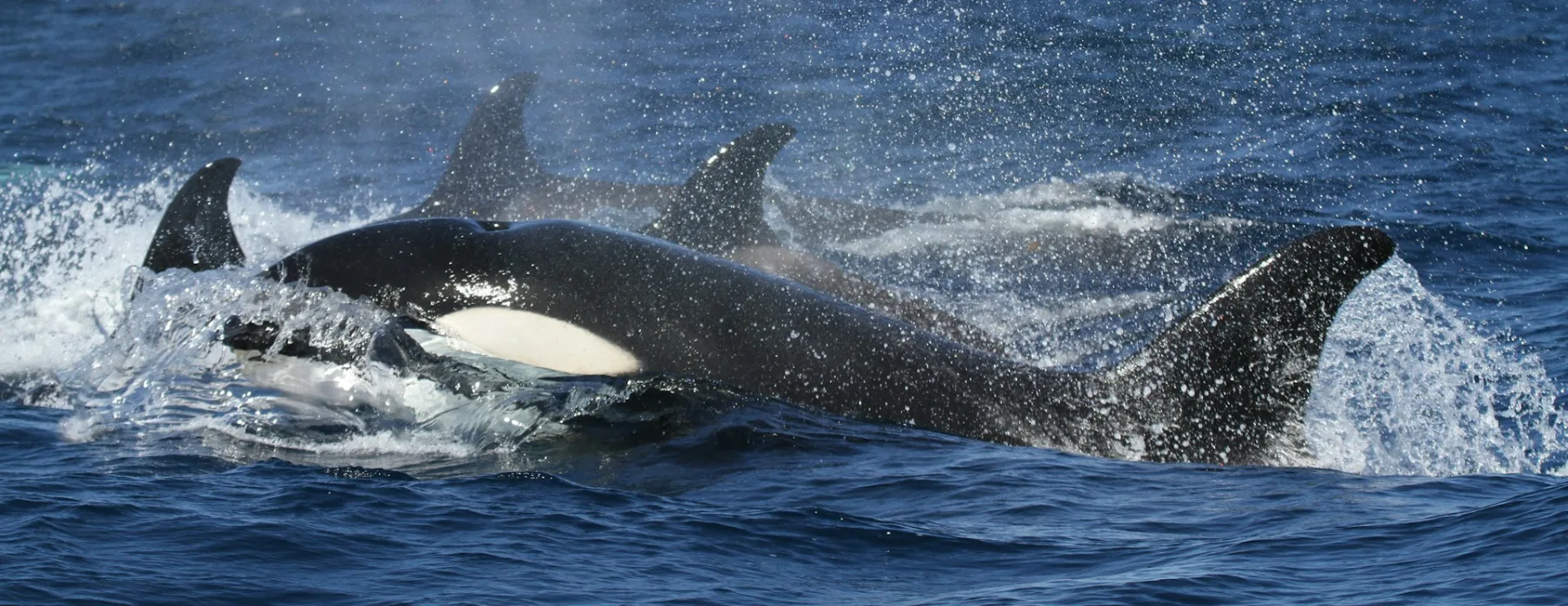
Read MoreWorld Orca Day is a reminder that even the ocean's top predator is not safe from us, and why protecting orcas means protecting us all.
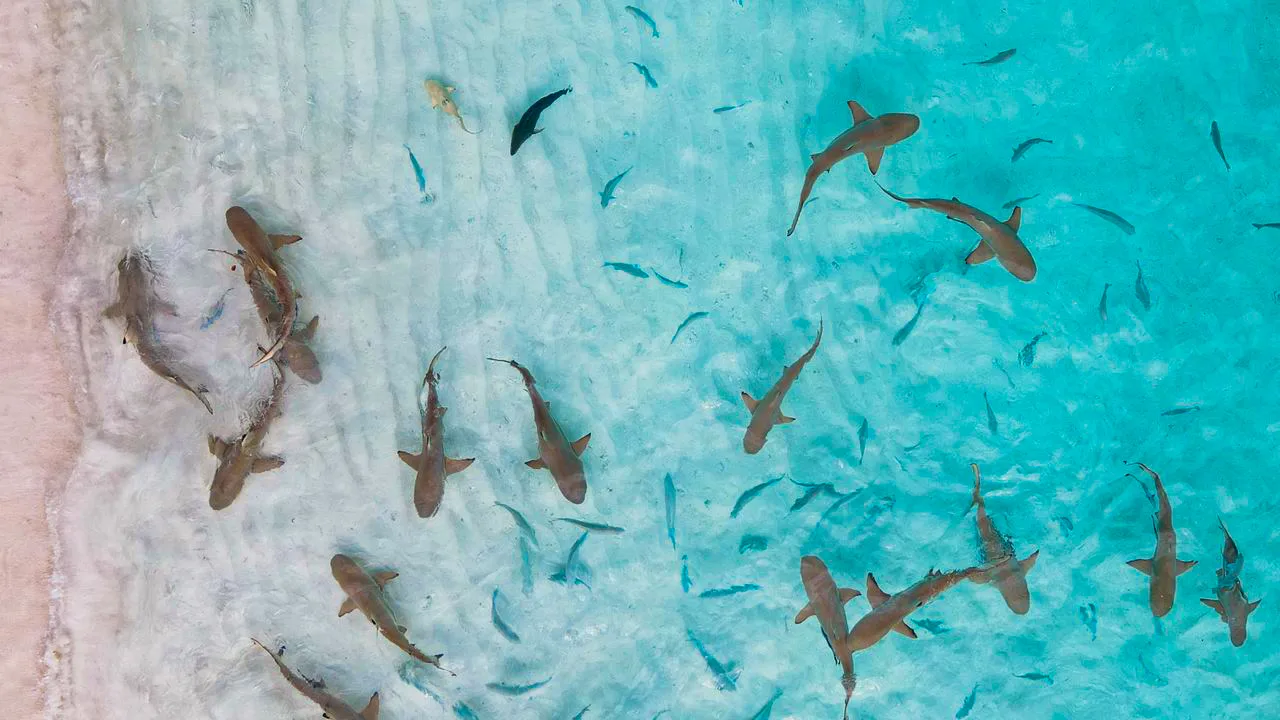
Read MoreWorld Shark Day: celebrating and protecting the apex predators that hold the whole ocean in balance, and challenging the myths that put them at risk.
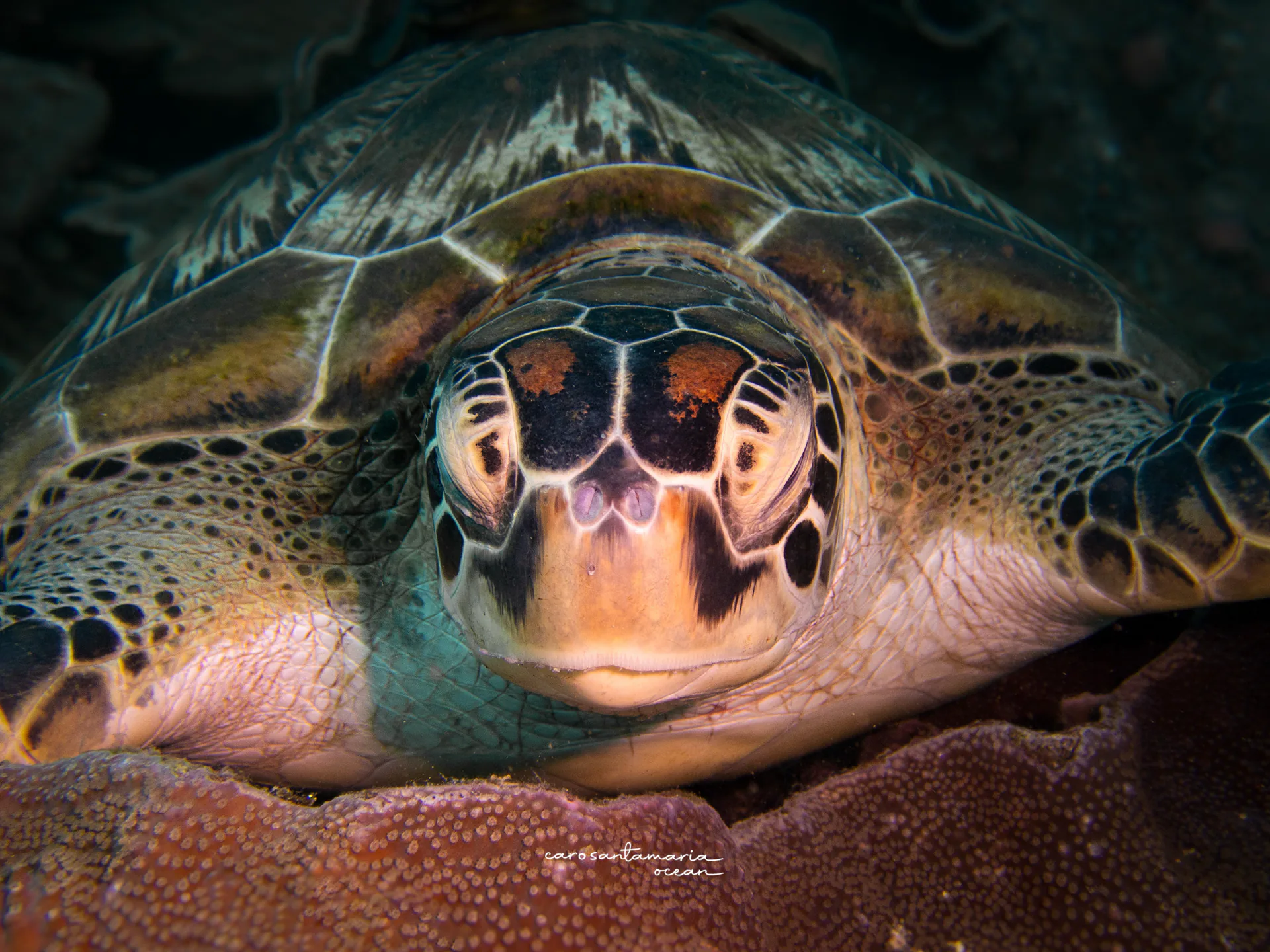
Read MoreThe green turtle just came off the threatened list, the first comeback of its kind in four decades. Two species are still waiting.
Read MoreCoral Triangle Day is 9 June. The Amazon of the Seas spans six nations and holds more marine life than anywhere on earth.
Read MoreThe first World Oceans Day under the High Seas Treaty. Ten days to Mombasa. The state of the ocean and what divers can do about it.
Read MoreYear four of the fourth global bleaching event, 84% of reefs hit. What conscious people and divers can actually do about it.
Read MoreSixty-six percent of the ocean has been significantly altered. Today is the first biodiversity day under the new High Seas Treaty.
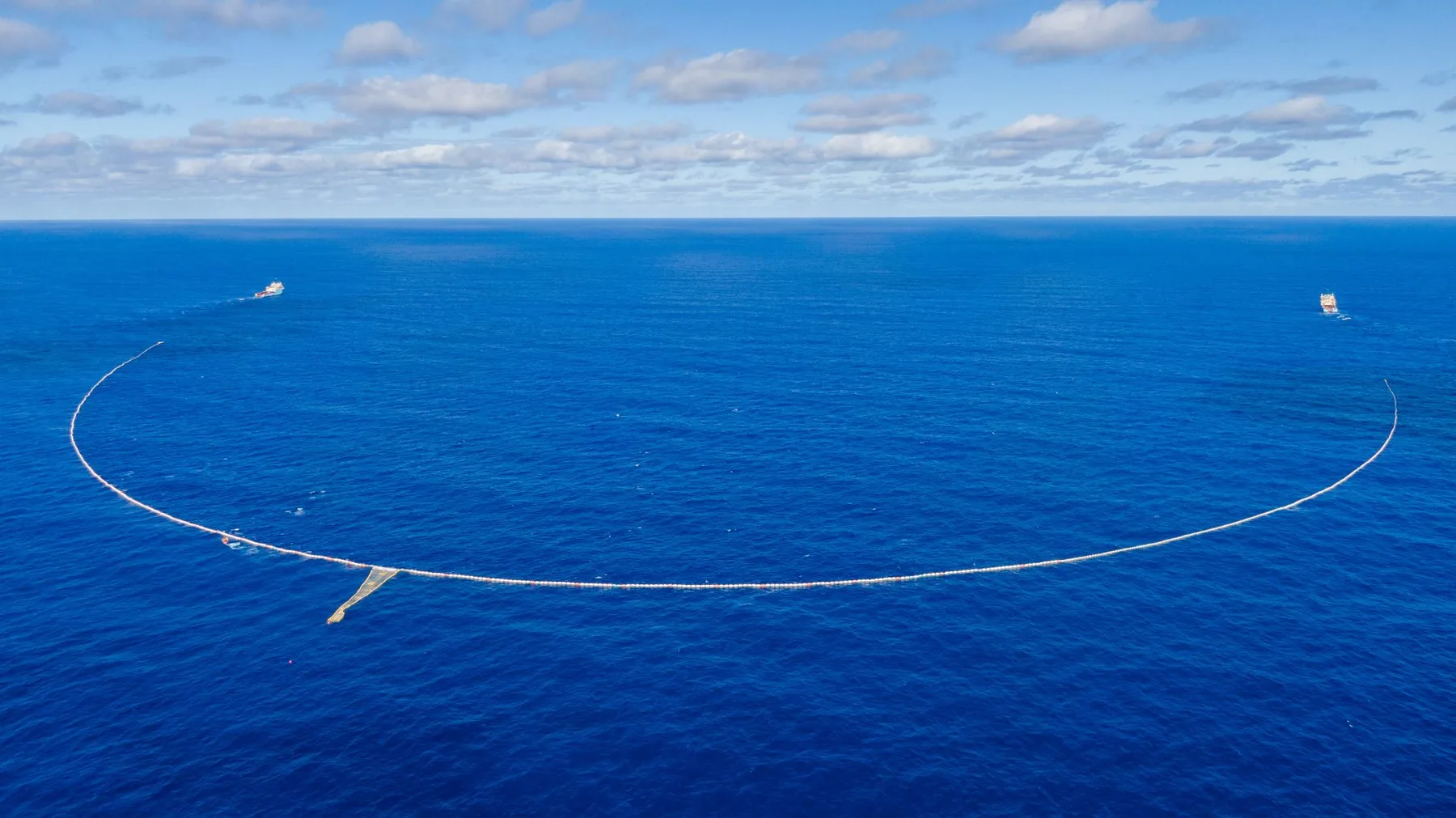
Read MoreAbout 1,000 rivers carry 80% of ocean plastic. The Ocean Cleanup has now intercepted 29 million kilograms before any of it reached the sea.
Read MoreSixty percent of EU Marine Protected Areas are still being bottom-trawled. A 250,000-signature petition just landed in Brussels.
Read MorePapua New Guinea's new Western Manus MPA covers 214,000 km² of the Bismarck Sea, the largest no-take reserve in Melanesia's history.
Read MoreForty years after the moratorium, two North Atlantic nations are still killing whales. What 2026 looks like, and why it still matters.
Read MoreA 2026 Filipino coalition is pushing Congress to give the world's most biodiverse marine corridor full ENIPAS protection.
Read MoreThe 11th Our Ocean Conference lands in Mombasa on 16 June, the first time the summit has been held on African soil. What divers should watch.
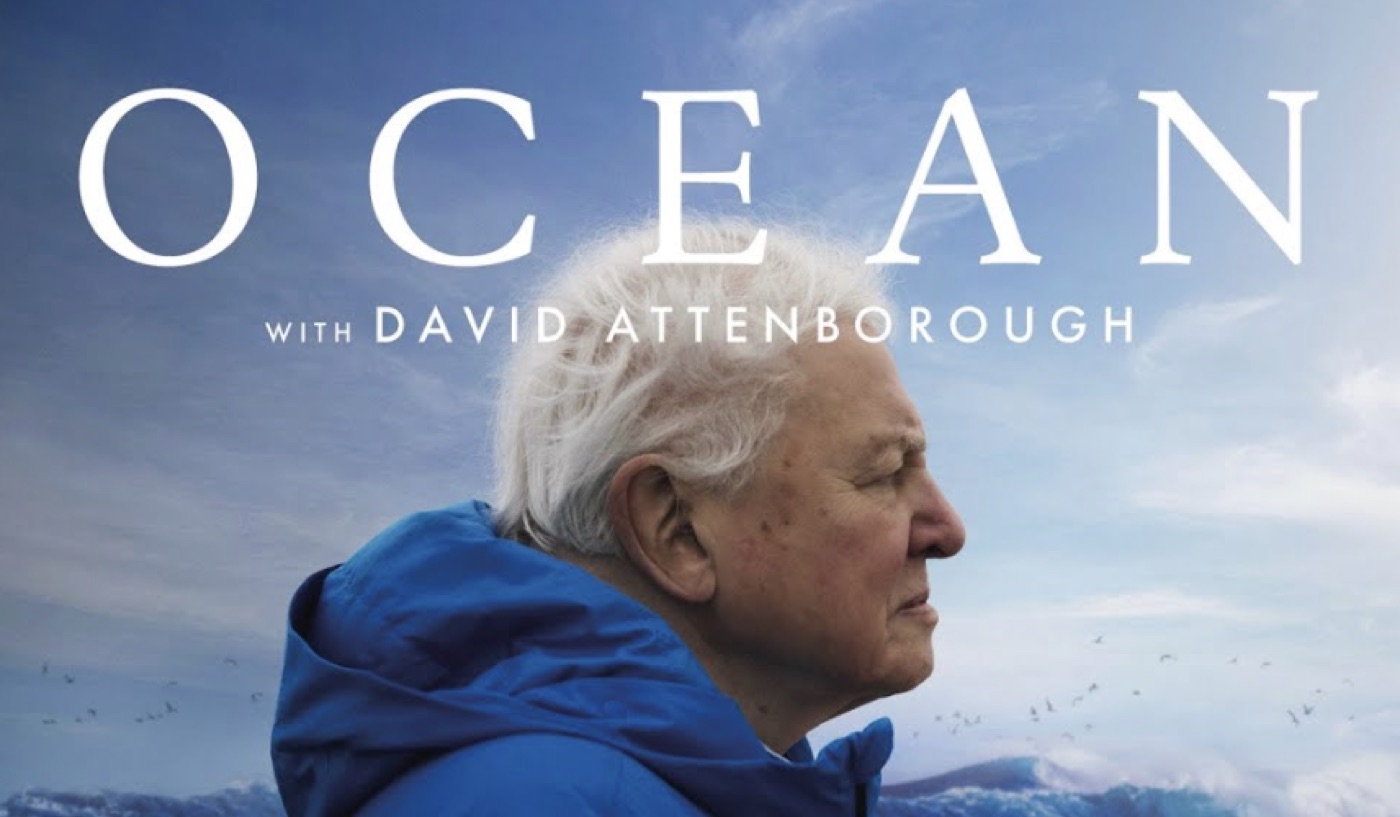
Read MoreSeven decades of filmmaking changed how the world sees the sea. On his hundredth birthday, what David Attenborough actually did for the ocean.
Read MoreA tiny crew lives year-round on a catamaran off Colombia, keeping illegal boats away from the world's most important shark sanctuary.
Read MoreFrom Mozambique's manta rays to South Africa's whale routes, Mission Blue brought the ocean champions of a whole continent together.
Read MoreEgypt just protected 2,000 kilometres of Red Sea reef, the coral system scientists call the most climate-resilient left on earth.
Read MoreGhana declared its first marine protected area, guarding spawning grounds and turtle nesting on the West African coast.
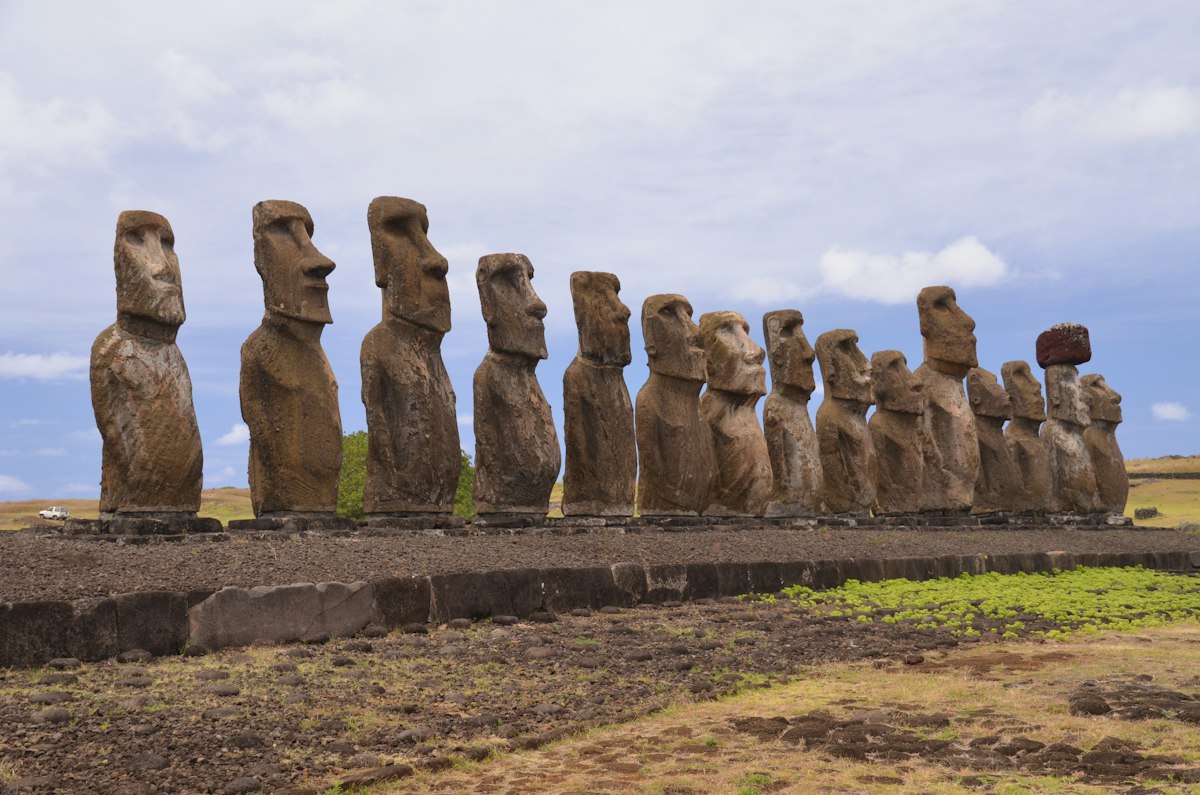
Read MoreThe sacred waters of Easter Island are now a Hope Spot, protected by Indigenous governance that has already held for generations.
Read MoreThe High Seas Treaty is in force. The door to protecting international waters is finally open, and the hard part of it starts now.
Read MoreThe world is close to mining the deep ocean floor, before anyone can say what lives down there or what exactly we would be destroying.
Read MoreA fishing village closed its own bay and fish biomass climbed 460%. It is the strongest case anyone has made for no-take marine reserves.
Read MoreThe longest and most severe bleaching event ever recorded, and why the windows reefs need to recover are closing faster than they can use them.
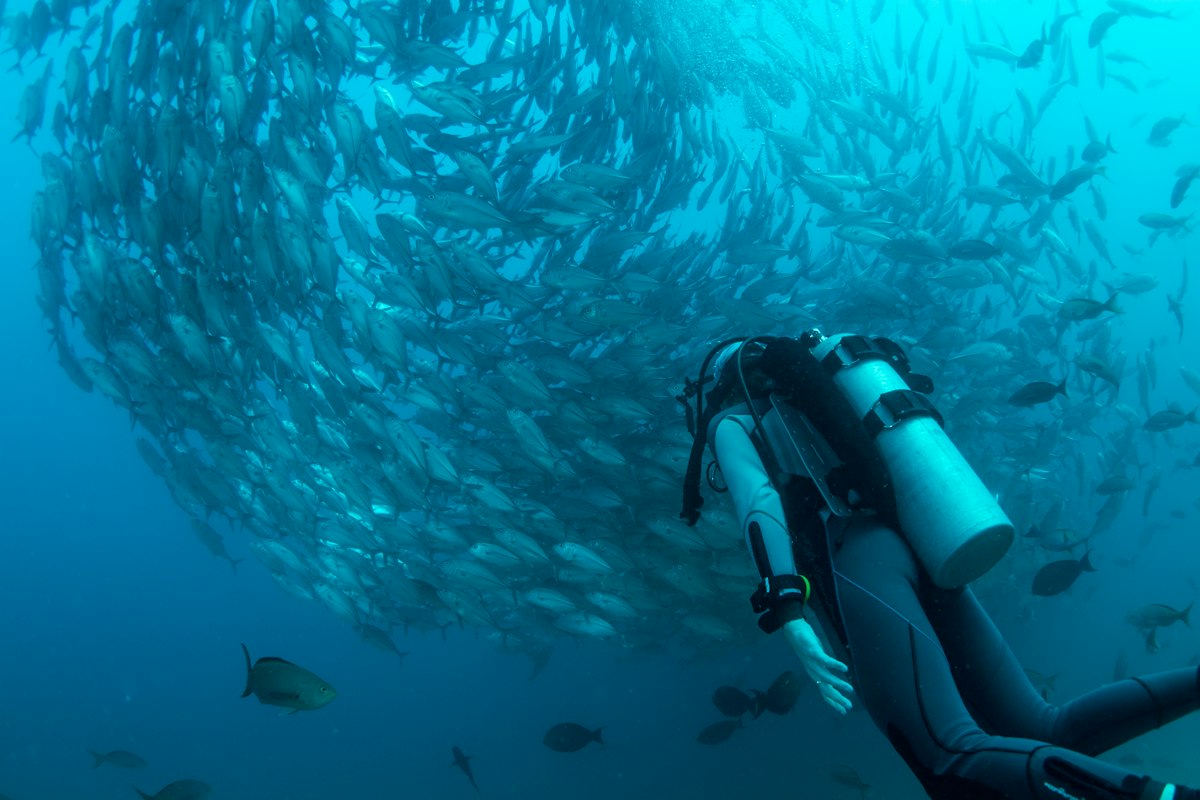
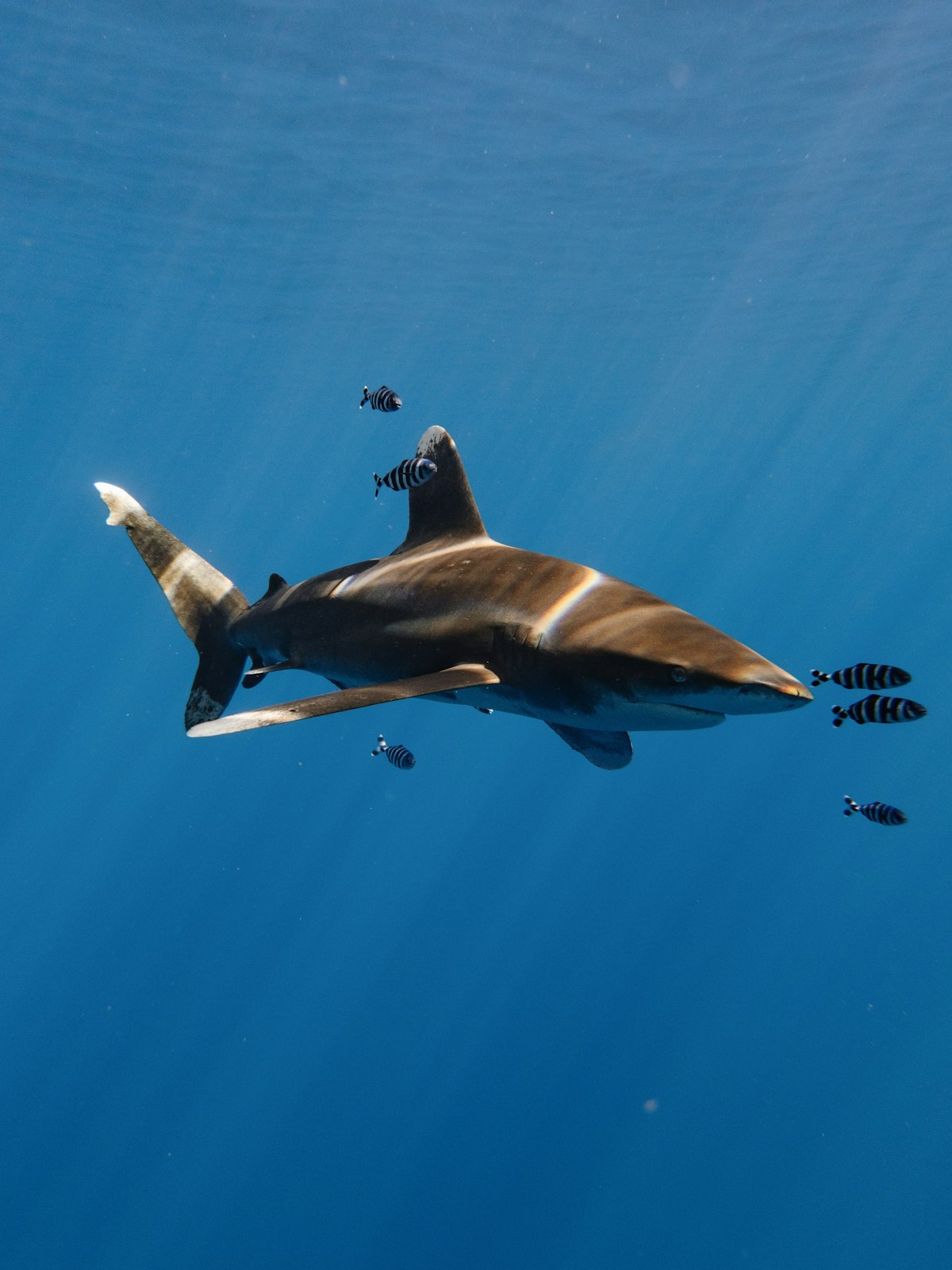
Read MoreAround 11,000 sharks are killed every hour for their fins, and new reef surveys show the ecological toll is still climbing every year.
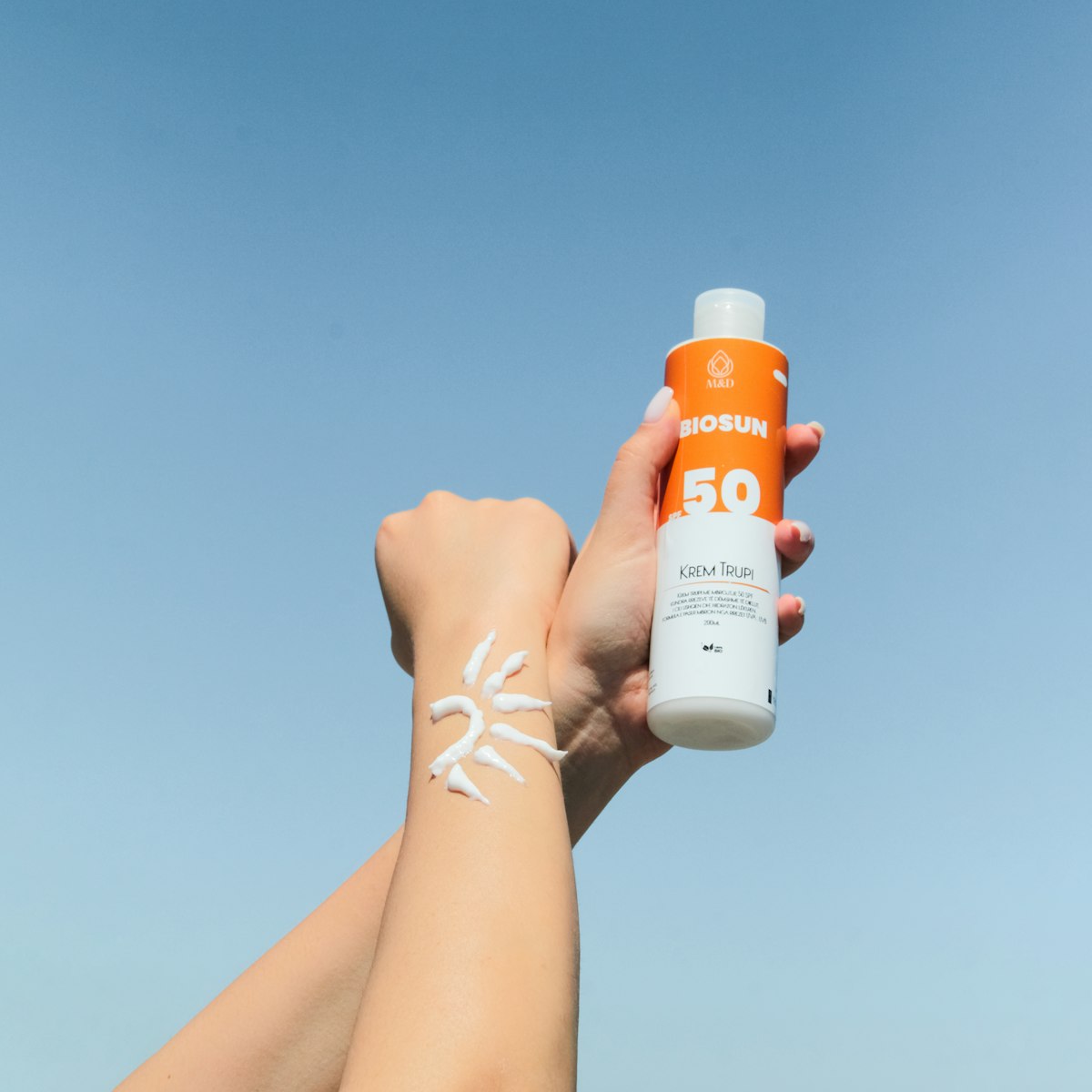
Read MoreCommon sunscreen ingredients damage coral DNA at parts per trillion, and most places in the world still have no rules limiting them.
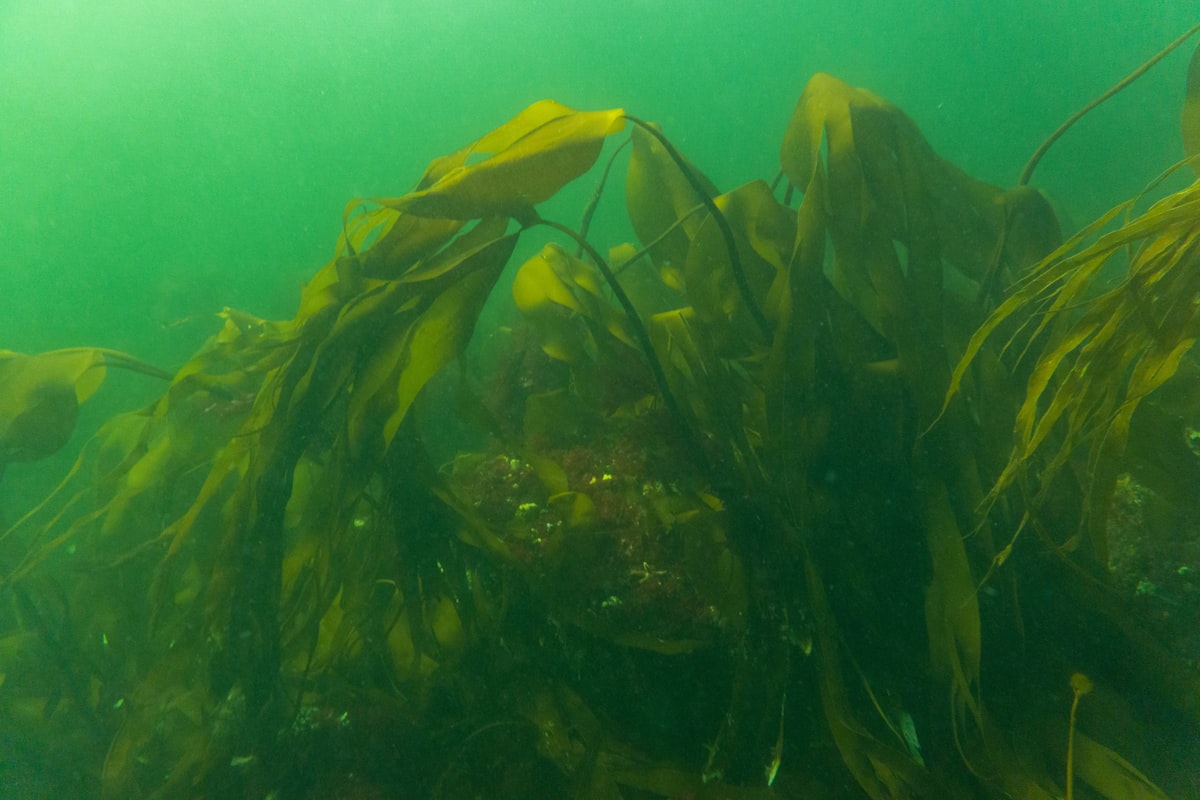
Read MoreIt stores carbon faster than rainforest and raises most of the fish on the reef, and we have lost nearly half of it in under a century.
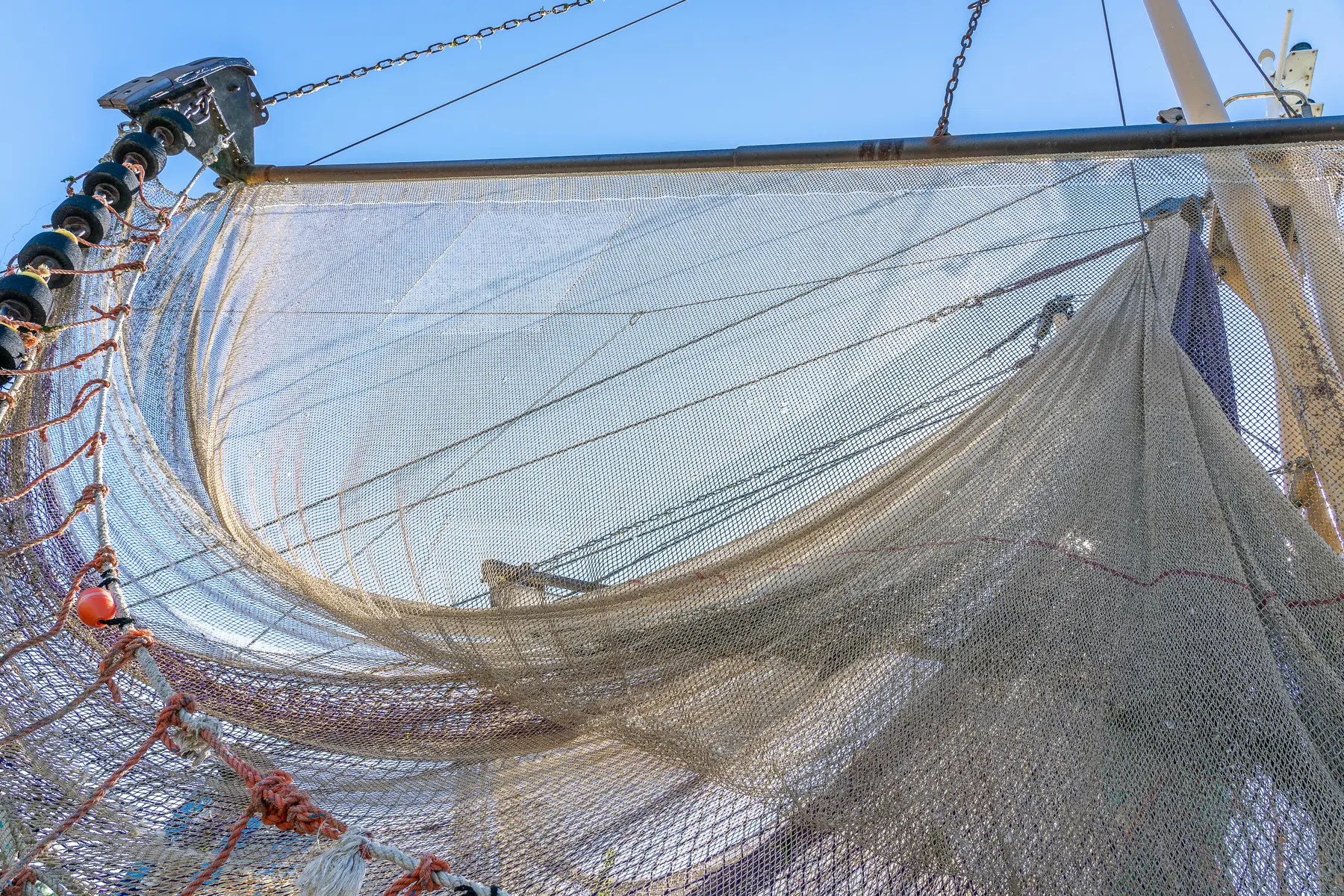
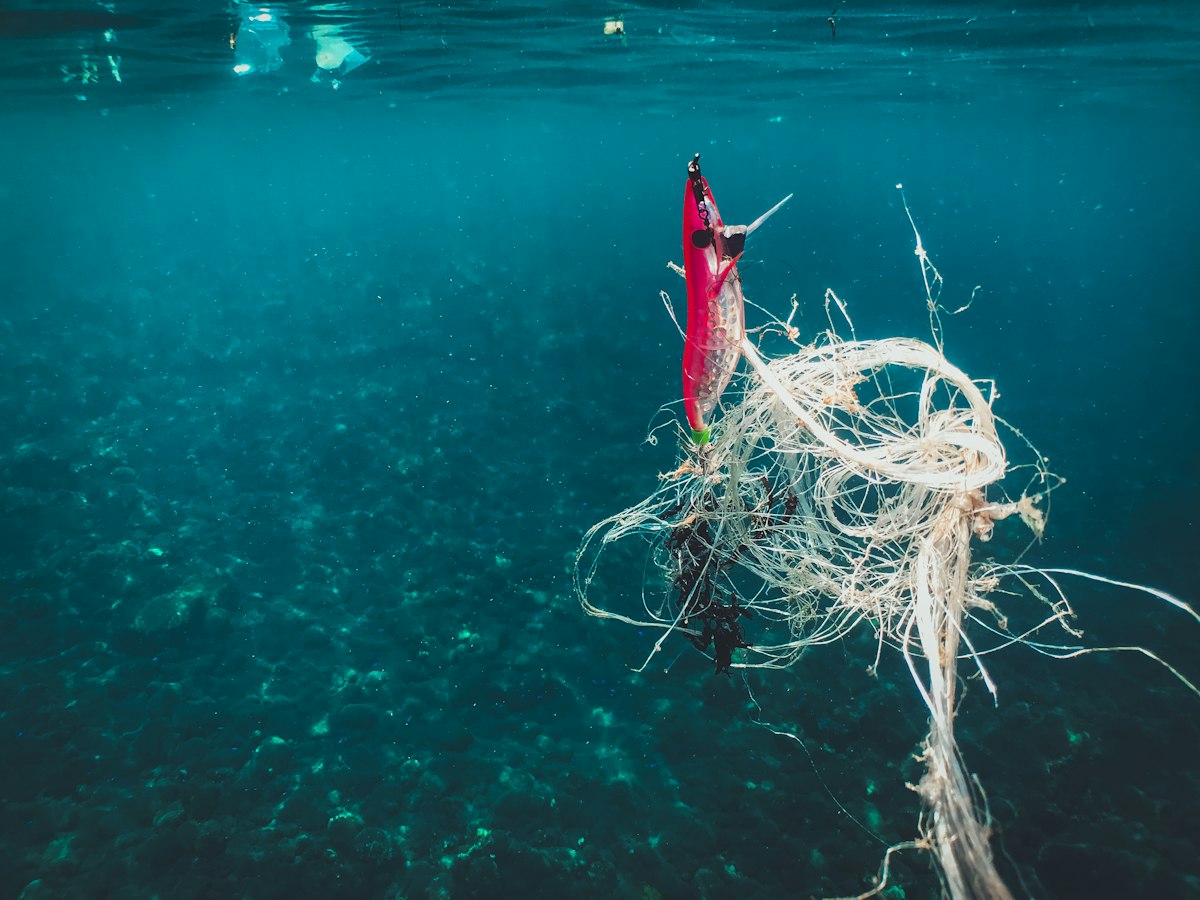
Read MoreLost fishing nets keep killing sharks, turtles and rays for decades after the boat has gone. They are a tenth of all ocean plastic.
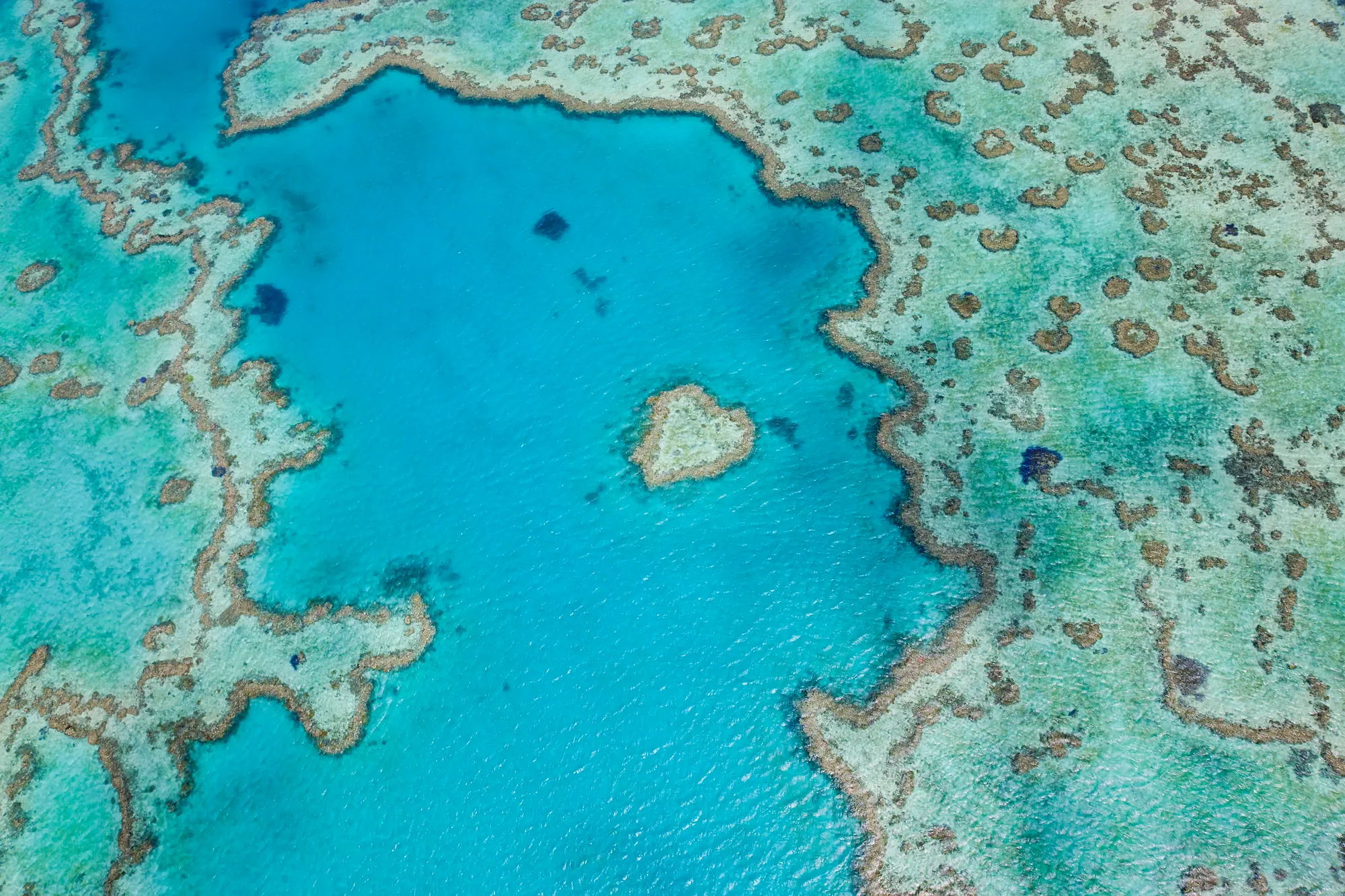
Read MoreGrowing coral from the colonies that survived and replanting it on reefs that are dying. Survival rates are high and the field is moving fast.
Read MoreEight million tonnes a year, most of it from ten rivers. An honest look at which projects are actually working against ocean plastic.
Read MoreFully protected reefs hold 600% more fish, but most marine protected areas are paper parks. What separates the ones that actually work.
Read More