World Krill Day falls on 11 August, and almost everything written about it is about Antarctica. That is fair. The Southern Ocean holds the single largest mass of krill on the planet.
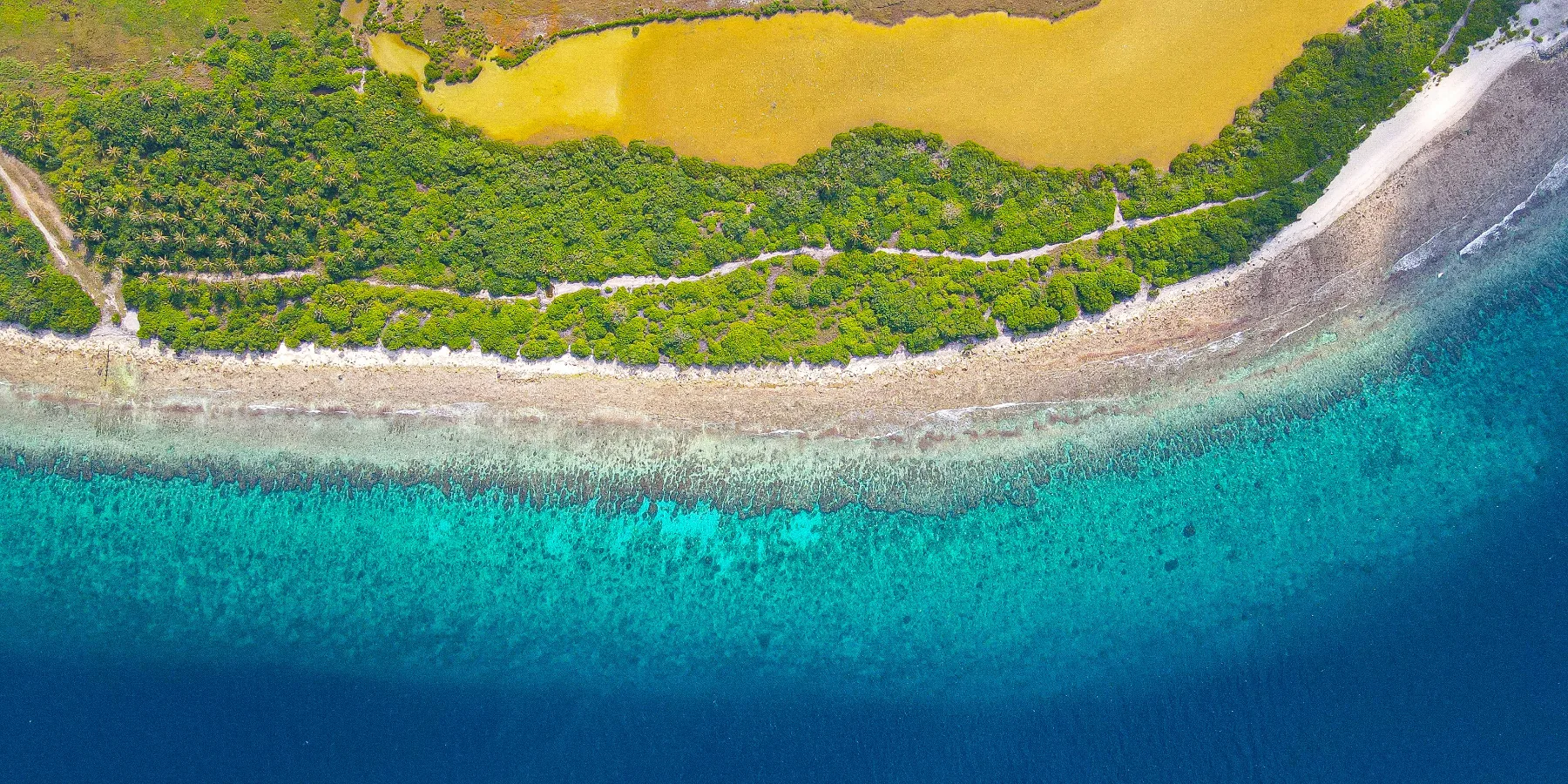
But krill are not an Antarctic animal. There are around 86 species of them, and they live in every ocean on earth. Under polar ice. Off the coast of Japan. Through the Mediterranean. On the reef front at Ningaloo, in water warm enough to dive in a shorty.
They are the reason the ocean has whales. They are a large part of the reason it has whale sharks. And one species of them feeds the biggest single fishery humans have ever run.
If you have ever descended into cold green water and complained about the visibility, there is a decent chance you were swimming through the base of the food chain and calling it a bad dive day.
The day has been marked since 2022. There is no treaty behind it and no UN resolution. It exists because krill lose every popularity contest they enter, and because nobody grows up wanting to save a crustacean. The point is to close the distance between the animals people care about and the animal those animals are made of.
What Are Krill and Where Do They Live?
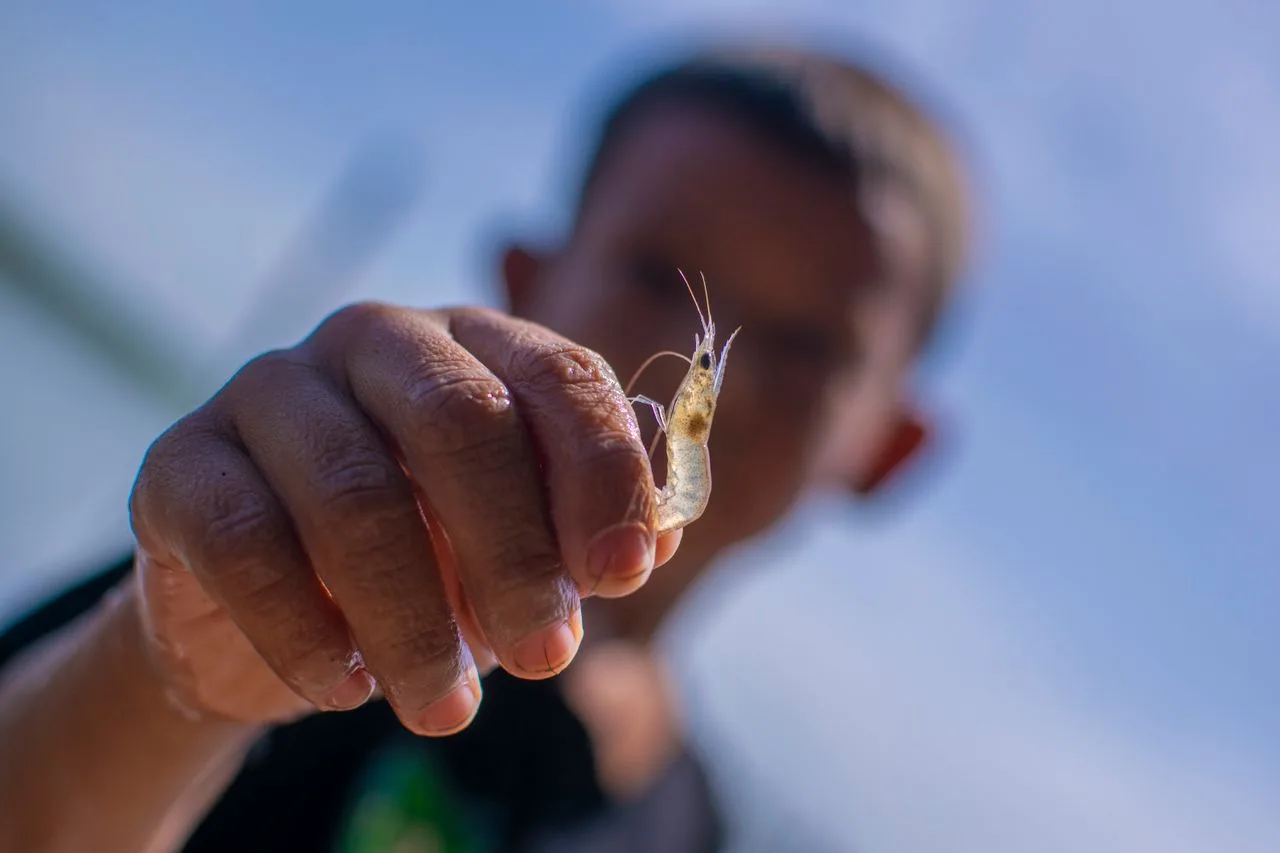
Krill are euphausiids, a group of around 86 species of shrimp-like crustaceans. They are not shrimp. They are their own order, and they range from about a centimeter to six.
The famous one is Antarctic krill, Euphausia superba, found only in the Southern Ocean. Estimates put its total biomass somewhere between 300 and 500 million tonnes, which means no other wild animal species on the planet comes close by weight.
The rest of the family is spread across the world.
North Pacific krill, Euphausia pacifica, runs from the Pacific coast of Japan down to southern California, feeding salmon, hake, seabirds and blue whales along the way.
Northern krill, Meganyctiphanes norvegica, covers the North Atlantic from the subarctic down into the Mediterranean, where it is the main prey of the endangered Mediterranean fin whale population.
Tropical krill, Pseudeuphausia latifrons, swarms in warm Indian Ocean water off Western Australia. Coastal krill, Nyctiphanes australis, schools at the surface off Tasmania and New Zealand.
Wherever you dive, some version of this animal is in the water column.
Two behaviors matter. They swarm, in densities that show up on ship sonar and can stretch for kilometers. And they migrate vertically, rising toward the surface at night to feed and dropping back into the dark by day. Multiply that by every krill in every ocean and it becomes part of the largest daily movement of animals on earth, happening under boats, every night, unwatched.
They also make their own light. Krill carry photophores, small light-producing organs, and a swarm can glow.
Why Krill Are the Base of the Ocean Food Chain
Ocean energy starts as phytoplankton. It is also microscopic, which is a problem if you are a whale.
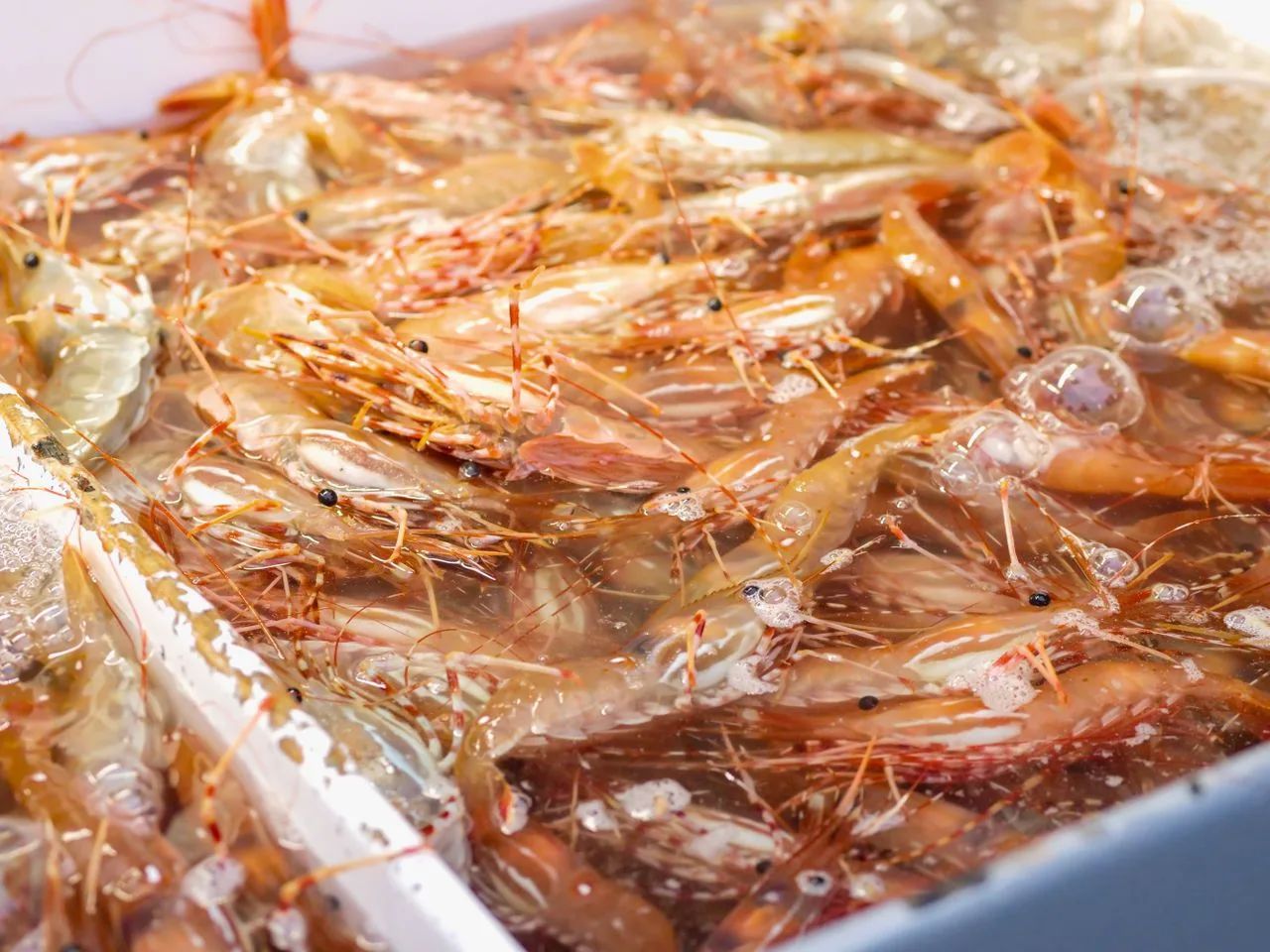
Krill solve that. They eat the plankton and turn it into something big enough to be worth chasing. Almost everything larger works through them.
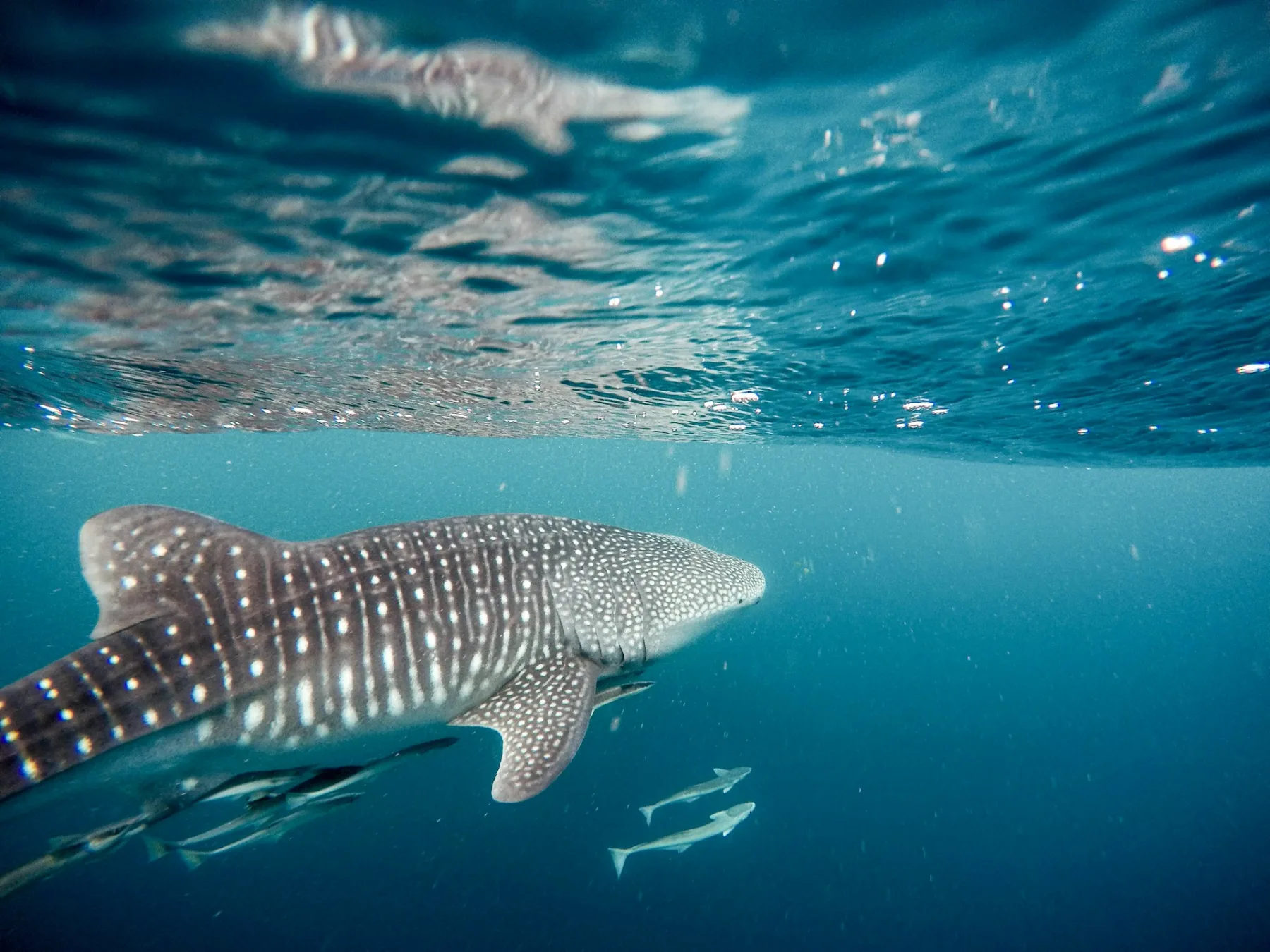
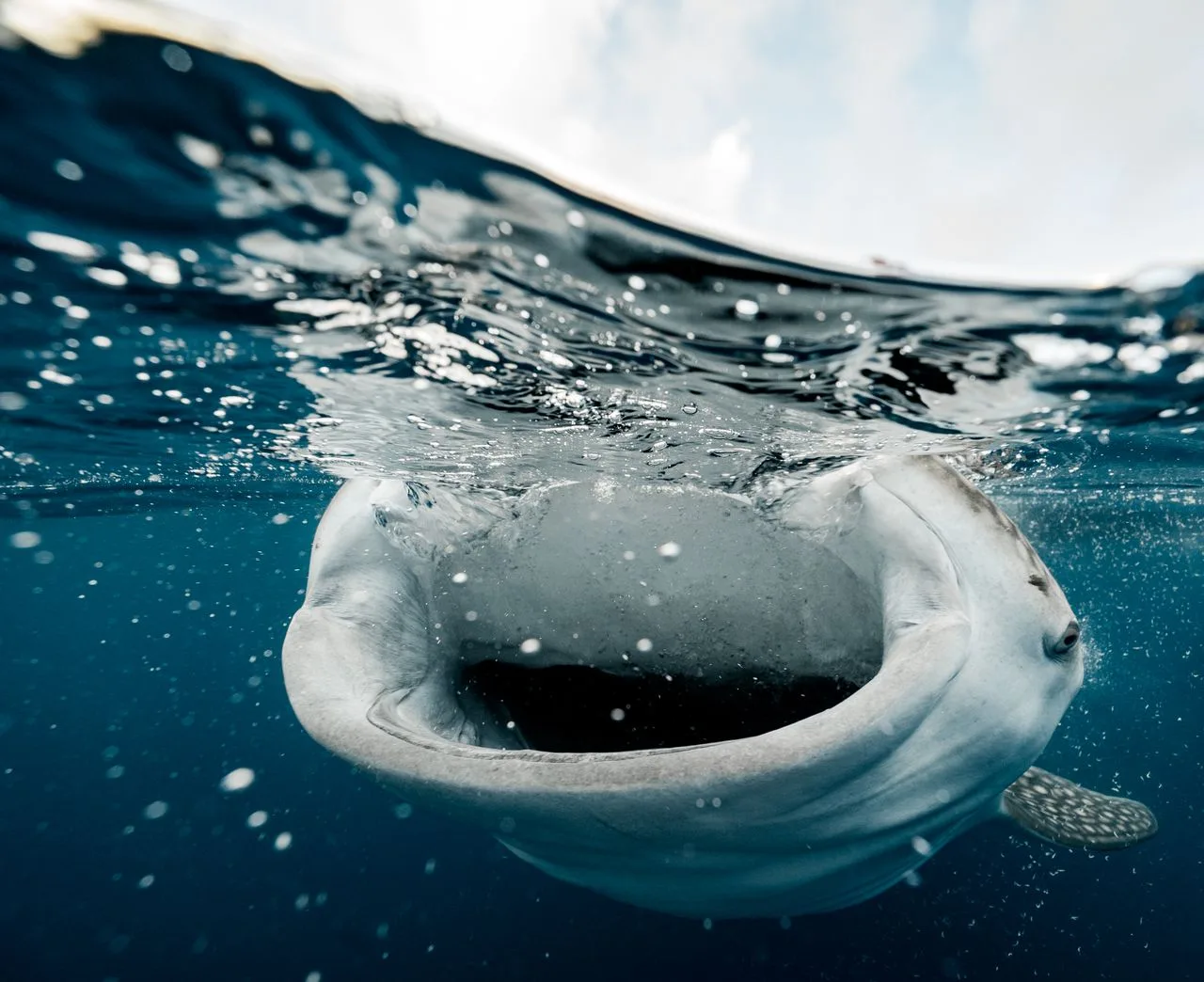
Whale sharks are the clearest example for divers. At Ningaloo, tropical krill is the biggest single thing they eat, and they feed on the swarms at the surface. The link to coral spawning is indirect: the spawn feeds a plankton bloom, the krill swarm on the bloom, and the sharks come for the krill.
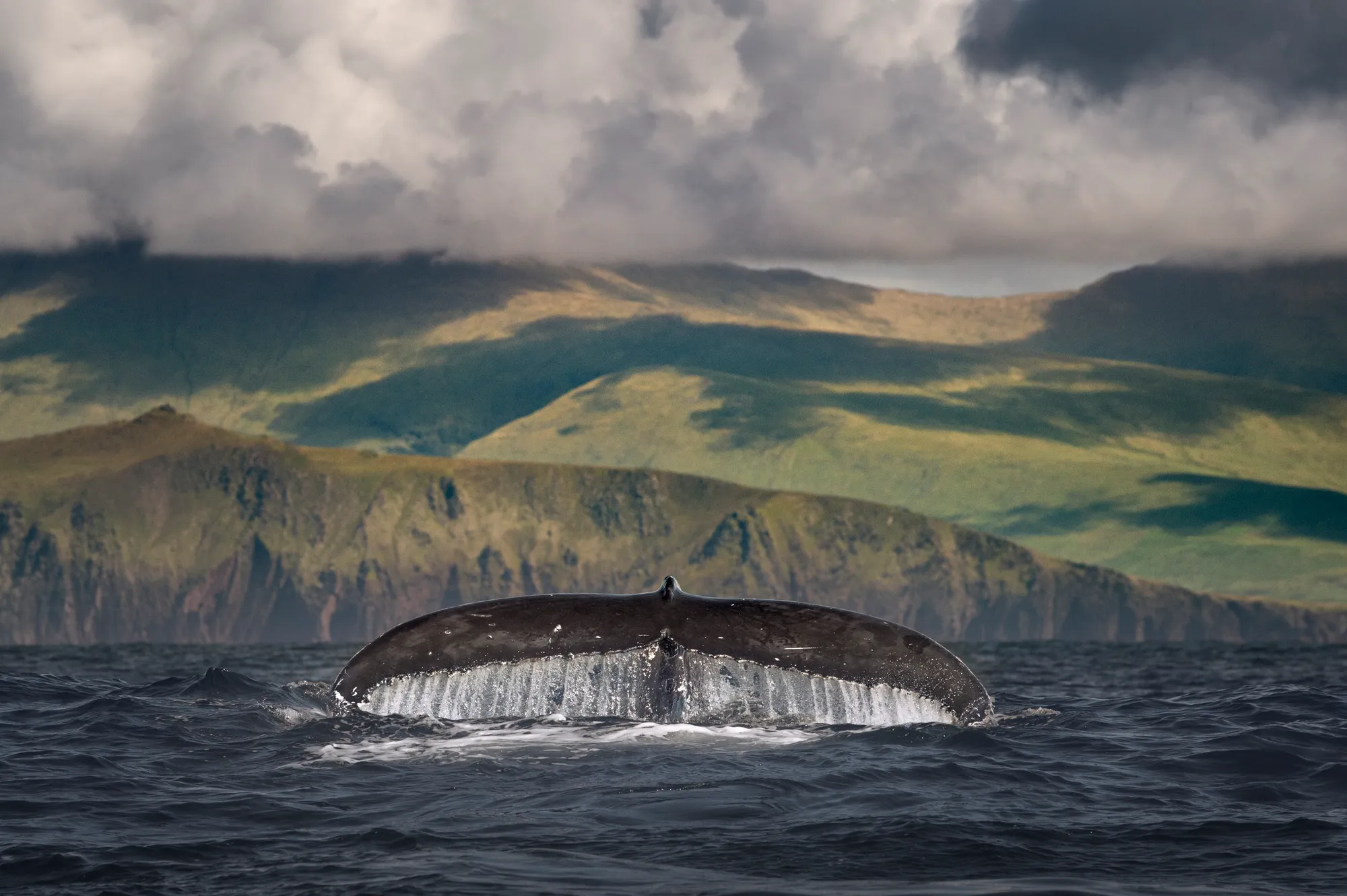
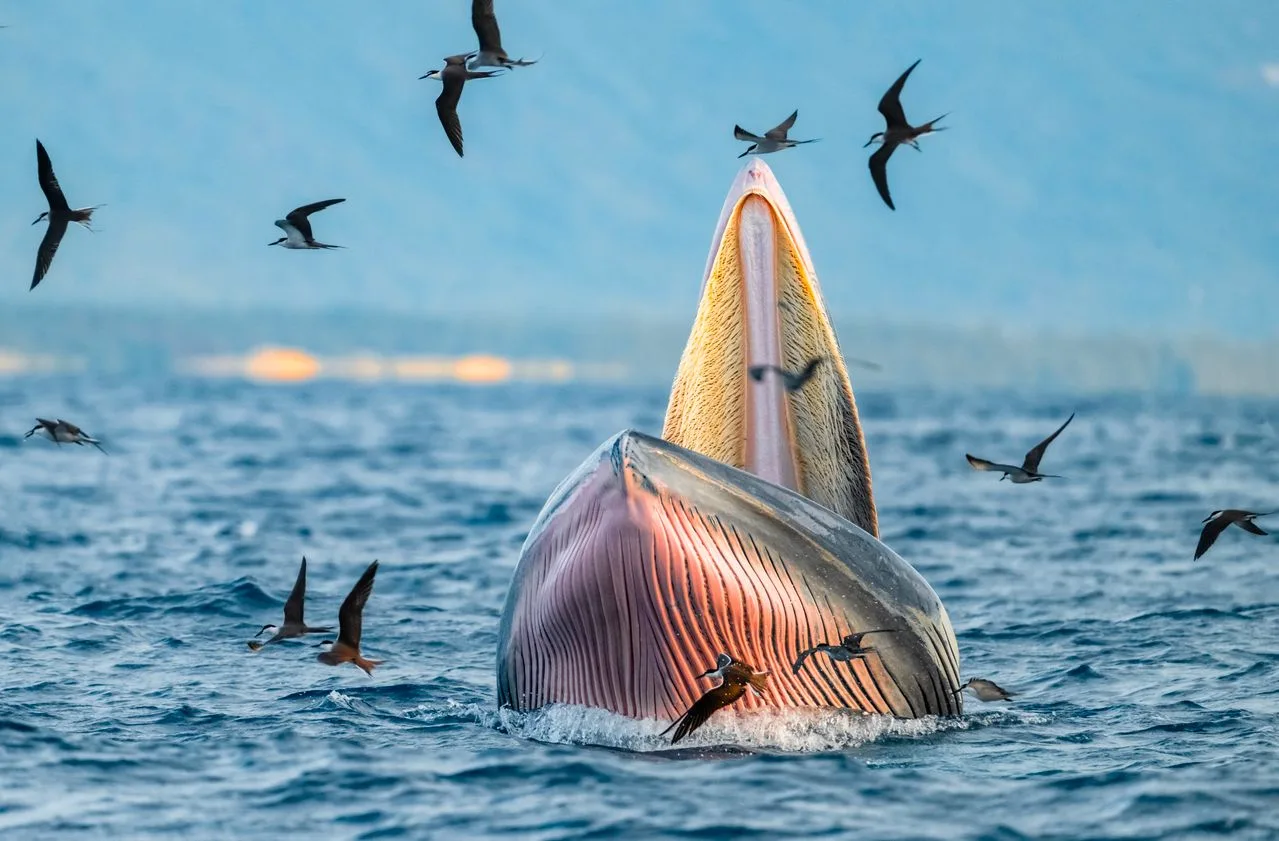
A blue whale can take several tonnes of krill in a day. Fin whales in the Mediterranean live on it. In the North Atlantic, so do cod, herring, mackerel, salmon and bluefin.
So does the Peruvian anchoveta, and that one matters more than it sounds. Anchoveta is the largest single-species fishery on earth. Measured by carbon, krill makes up about two thirds of its diet.
The biggest fishery in the world is a krill fishery with one extra step. That catch becomes fishmeal, and fishmeal becomes farmed salmon, chicken and pork.
Krill are already in most people’s week. They have just never been on the label.
Take krill out and you do not get a smaller ocean. You get a different one, with the whales gone from it.
Krill and Carbon: The Blue Carbon Nobody Counts
Krill eat at the surface and sink their waste. That sounds like a footnote. It is one of the largest carbon transfers on the planet.
A 2024 study in Nature Communications found that Antarctic krill fecal pellets sequester around 20 million tonnes of carbon per productive season, a similar amount to salt marshes, mangroves and seagrass beds. That puts a single animal in the same league as the entire blue carbon category we have built policy around.
The researchers valued it at somewhere between 4 and 46 billion US dollars, depending on the carbon price.
The mechanism is efficient in a way most plankton is not. Krill pellets are large and sink fast, and they only need to reach an average of about 381 meters to be locked away. Once down there the carbon stays for at least a century. Some of it drifts as far as the North Pacific.
Northern krill do the same job in the North Atlantic, and the vertical migration adds to it. Every night a vast biomass feeds at the surface and carries carbon down with it before dawn.
Krill also move iron. The Southern Ocean is iron-limited, so phytoplankton cannot bloom without it. Krill hold iron in their bodies and release it as they feed, moult and die, fertilizing the plankton they eat. Whales eat the krill and release more of it near the surface. The system feeds itself.
Nobody assigned krill this job. They have been doing it for free for as long as there have been oceans this shape.
Is Krill Fishing Sustainable?
Almost all of it happens in one place. The Southern Ocean fishery for Antarctic krill dwarfs everything else, with a much smaller fishery off Japan and a small operation in British Columbia.
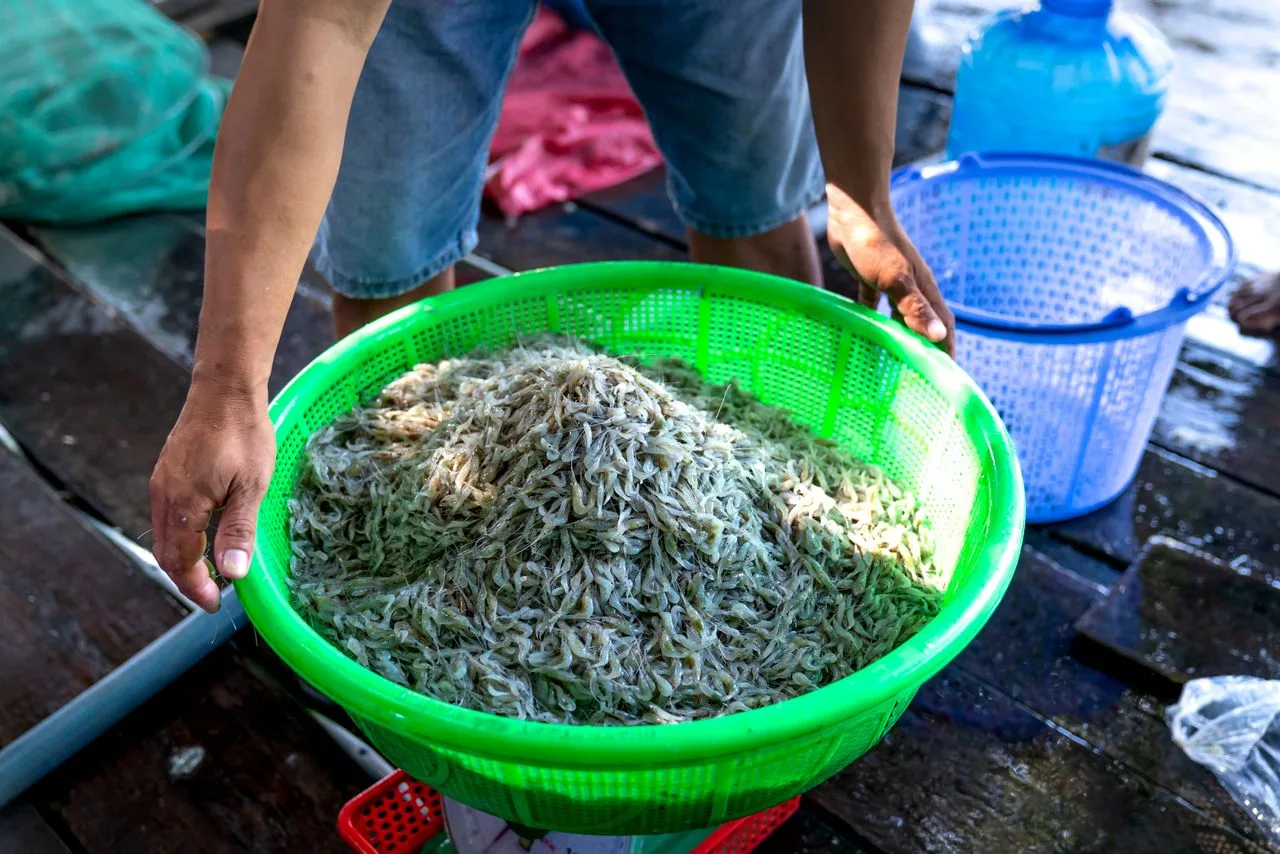
Very little of the catch is eaten by people. It becomes feed for farmed salmon, omega-3 supplements and pet food.
A 2022 investigation into krill supply chains by Changing Markets found krill oil on sale at 68 percent of the world’s 50 largest supplement retailers, and traced krill meal into the farmed salmon sold by all sixteen European supermarket chains it sampled. Almost none of it is labeled.
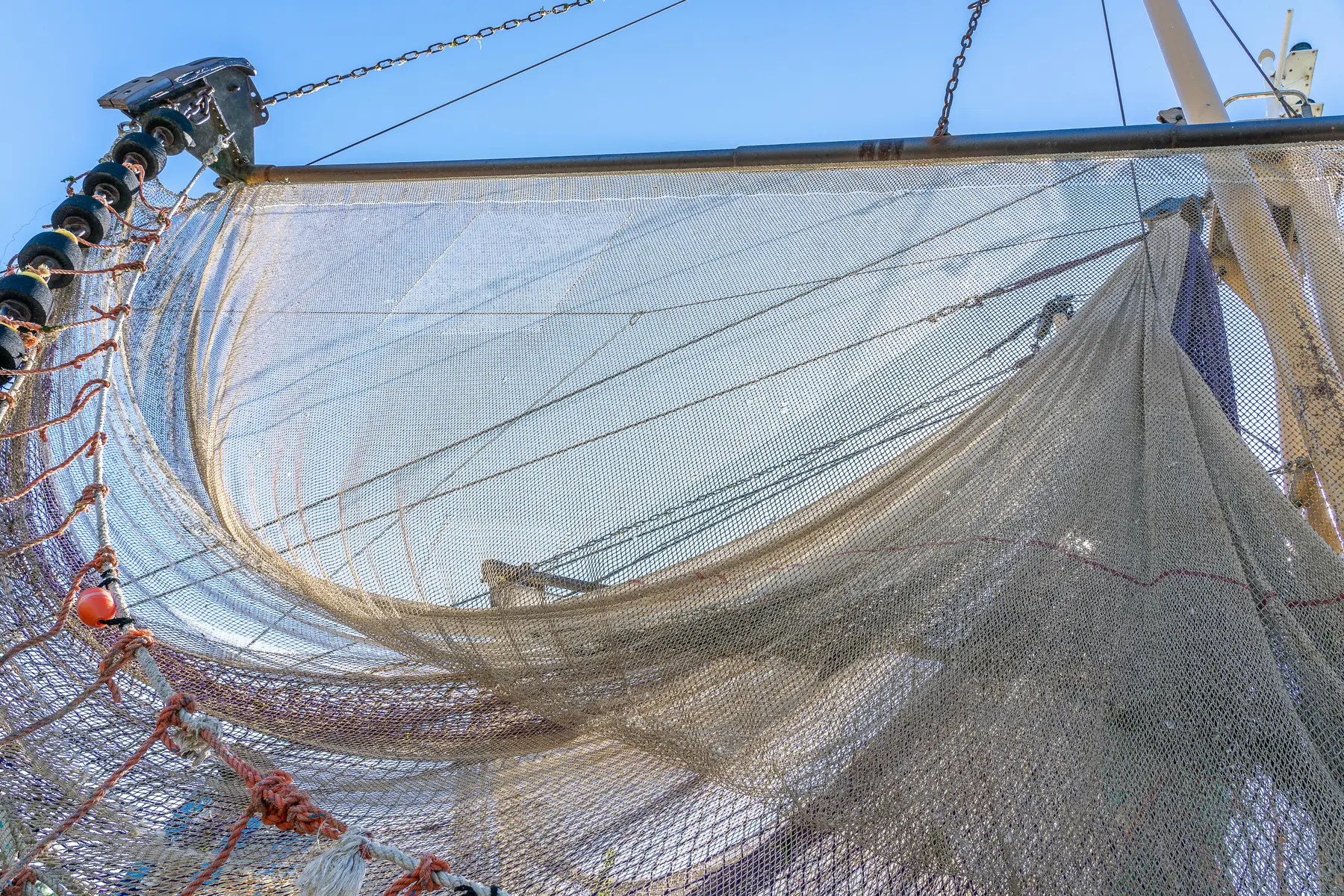
The Southern Ocean fishery runs under an annual limit of 620,000 tonnes, set decades ago as a precaution nobody expected to reach. On 1 August 2025 the fleet hit it, and the fishery shut down four months early for the first time in its history.
The alarming part was not the total. It was the map.
A rule that had spread the catch across four zones was allowed to lapse in 2024, so trawlers could take the whole quota wherever krill were densest. More than half of it came out of the Antarctic Peninsula, waters that are among the most important whale feeding grounds on earth. Three humpbacks were found dead or seriously injured in krill nets in a single season.
The industry argues that the early closure proves the system works, and that the catch stays under one percent of total krill biomass. Peter Hammarstedt of Sea Shepherd has the better line: taking one percent of a country’s deer means little if you shot all of them in one small state.
Both can be true. A catch can be small against total biomass and still land exactly where the animals feed. It is the same logic that makes bottom trawling inside European marine protected areas legal and indefensible at once.
CCAMLR, the body that manages the fishery, met in October 2025 and agreed no replacement rule. Four proposed Southern Ocean marine protected areas are still waiting for adoption. The next meeting is October 2026.
Another approach exists, because one government already took it. In 2009 the United States banned all krill fishing across its entire West Coast, on the grounds that whales, seabirds, salmon and groundfish needed it more. That decision is seventeen years old and has not been controversial since.
Where Krill Are Disappearing, and What It Looks Like
Fishing is the argument people have. Warming is the thing actually moving the krill.
In the Southern Ocean, analysis of ninety years of survey data found the distribution of Antarctic krill has contracted around 440 kilometers south, concentrating over the continental shelves, with fewer juveniles surviving. Krill larvae overwinter under sea ice feeding on the algae on its underside, and Antarctic sea ice extent hit record lows between 2022 and 2024.
Warmer surface water is also pushing krill deeper and further offshore. For a whale that is inconvenient. For a nursing fur seal that has to come back to a beach, it is fatal.
In April 2026 the IUCN moved the Antarctic fur seal from Least Concern straight to Endangered. The population fell from roughly 2,187,000 mature animals in 1999 to 944,000 in 2025, and the assessment named reduced krill availability as the driver. The emperor penguin moved to Endangered in the same update. One of the scientists behind the work put it plainly: krill is the crux of everything down there.
The same story has already played out in the north, faster and closer to home.
During the 2014 to 2016 northeast Pacific marine heatwave, upwelling along the California coast was compressed into a narrow strip. Offshore krill blooms fell away. Humpbacks followed the remaining food inshore, straight into the crab gear, and entanglements hit records. Seabirds died in numbers that left carcasses piled on beaches.
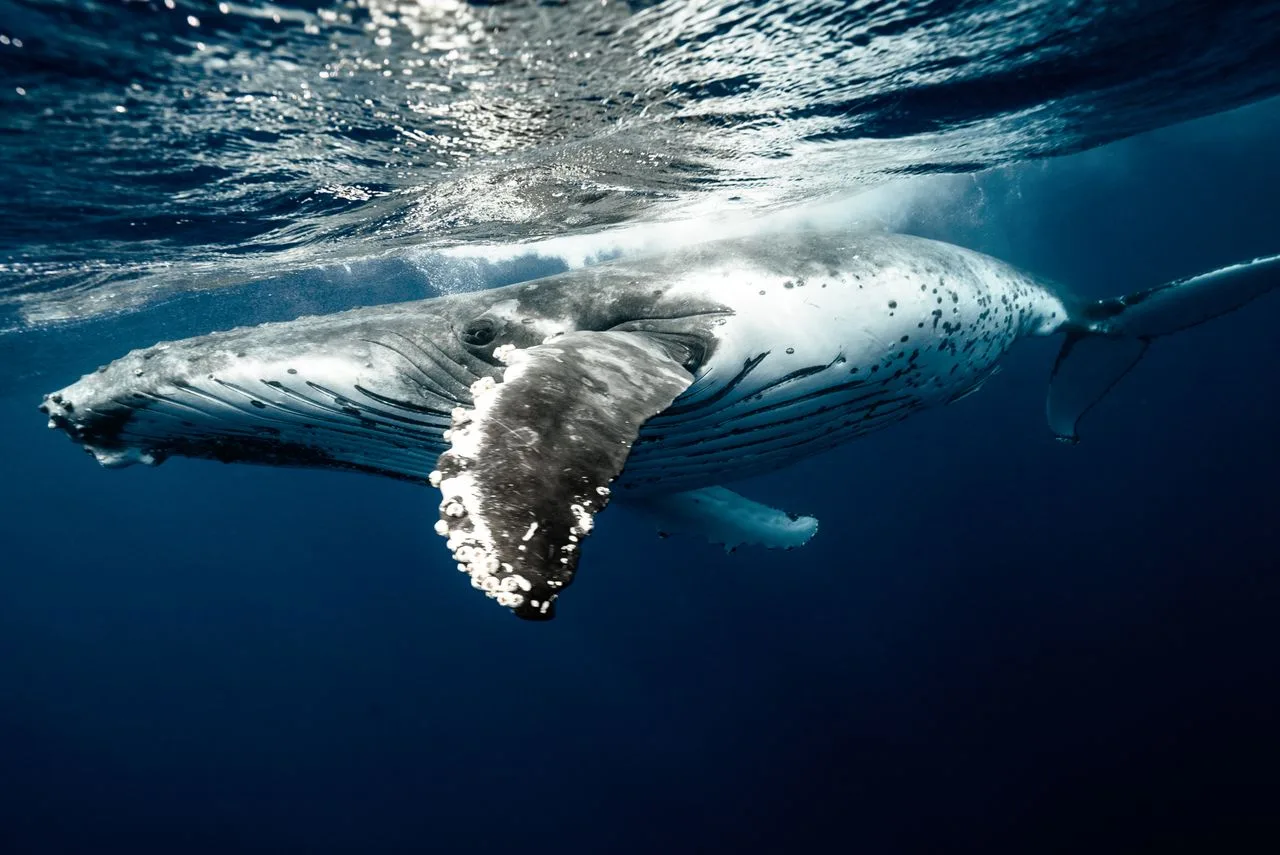
A 2026 study in PLOS Climate found the same mechanism operating as heatwaves become more frequent: weaker upwelling, fewer krill offshore, whales squeezed against the coast, more entanglements.
That is what a food chain failure looks like from the top. Nobody watches the krill go. They count the seabirds and the whales afterwards.
It is worth holding one more layer. Baleen whale populations are slowly recovering from the era of industrial commercial whaling, which is unambiguously good news, and those whales eat krill. More whales competing for a shrinking, deeper krill supply is now listed among the pressures on Antarctic seals. We removed the whales, the krill outlasted us, and the recovery is landing on a food supply we are also fishing and warming.
Why Krill Still Matter
The whole reason this animal has a day at all is that it disappears from the story people tell about the ocean. We have spent decades learning to protect the animals we find beautiful and almost no time protecting the thing they are made of.
That is what makes this one worth paying attention to. Krill are not a niche Antarctic curiosity. They are in every ocean you have ever dived, feeding whale sharks off Ningaloo, whales in the Mediterranean, the anchoveta behind the world’s largest fishery, and they are locking carbon into the deep in the same league as mangroves. Move them and everything above them moves too.
What You Can Actually Do for Krill
🦐 Check the label on your omega-3. Krill do not make EPA and DHA. They get it from algae, the same as fish do. Algae oil goes to the original source and skips the Southern Ocean entirely.
🦐 Check the pet food. Krill meal appears in premium pet products more often than people expect, and it is the easiest krill to remove from your life.
🦐 Ask about farmed salmon feed. Aquaculture is the largest buyer of Antarctic krill, and retailers respond to customer questions faster than any treaty process moves.
🦐 Support the Antarctic Krill Pledge. Holland & Barrett committed to ending all krill product sales by April 2026, and Time Health became the first manufacturer to sign. Companies move when people ask, and they notice when nobody does.
🦐 Watch October. CCAMLR meets annually and decides by consensus, which makes public attention on individual member states one of the few levers that exists.
🦐 Log what you see in the water. Plankton blooms, bait balls, feeding aggregations, unexpected whale shark or manta activity. Divers are in the water column constantly and the base of the food chain is chronically under-observed. Local research groups take that data.
Our ocean, our responsibility. We have spent decades learning to protect the animals we find beautiful and almost no time protecting the thing they are made of. Krill are in every ocean you have ever dived, doing the work, in the part of the frame most of us swim past.