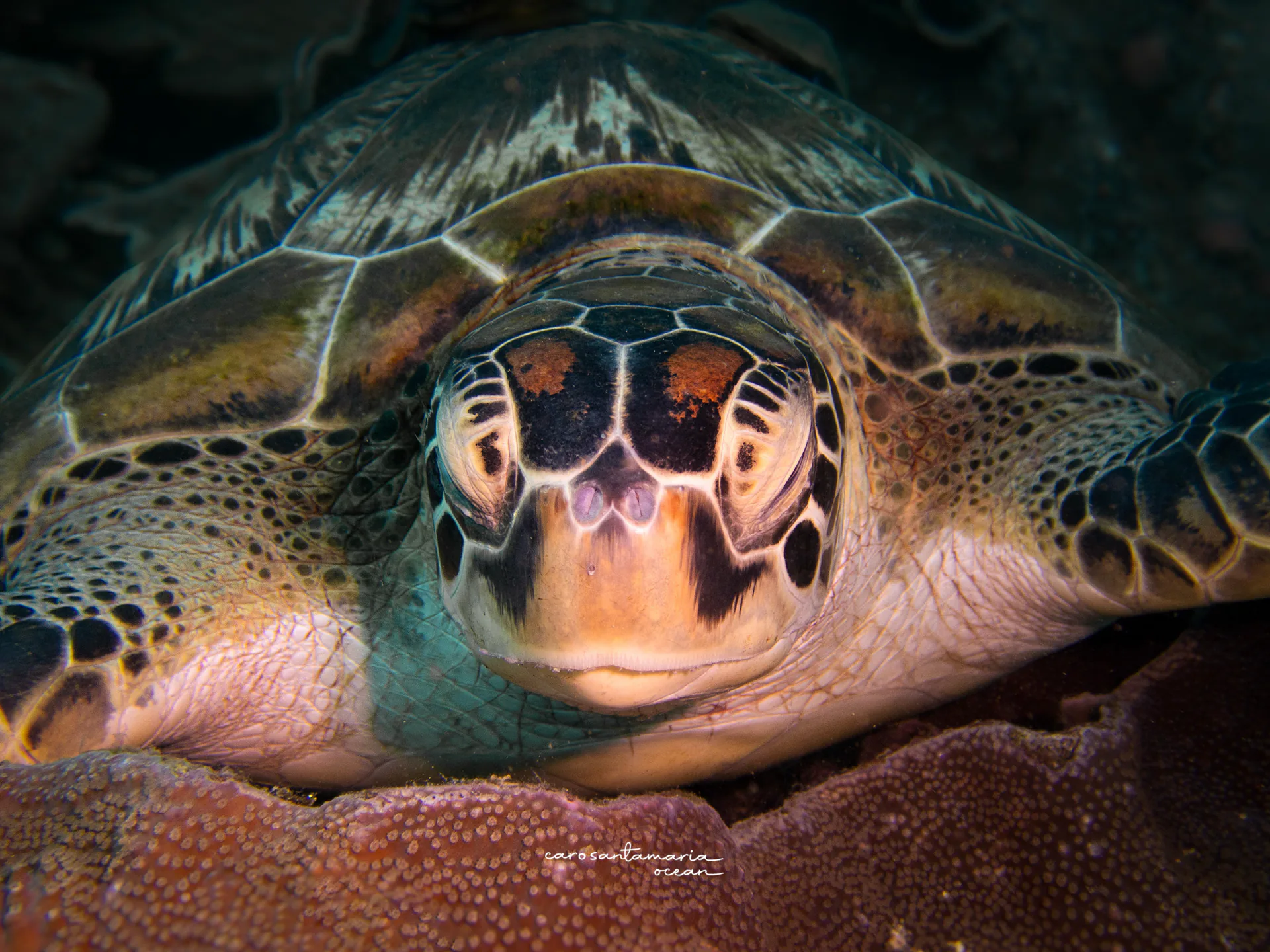
Are sea turtles still endangered? Five of the seven species are, yes. One of them is not, and that is new. In October 2025 the IUCN downlisted the green turtle from Endangered to Least Concern, the first time in more than four decades it has sat anywhere but the threatened list. For a long-lived marine animal, a recovery on that scale is almost unheard of, and it is the closest thing conservation has to proof that the work pays off.
But a single headline is not the whole picture. Two of the seven sea turtle species are still critically endangered. The green turtle’s comeback is real, and it is uneven, and understanding the difference between those two statements is the entire point of World Sea Turtle Day on 16 June.
I have shared water with turtles on three continents: green turtles grazing seagrass in the shallows, a hawksbill picking at a coral wall, prehistoric looking loggerheads cruising the reef, and olive ridley hatchlings scrambling down the sand to the sea. They are the animal most divers fall for first, and the one that shows you, more clearly than almost anything else down there, what protection can do when it is given enough time.
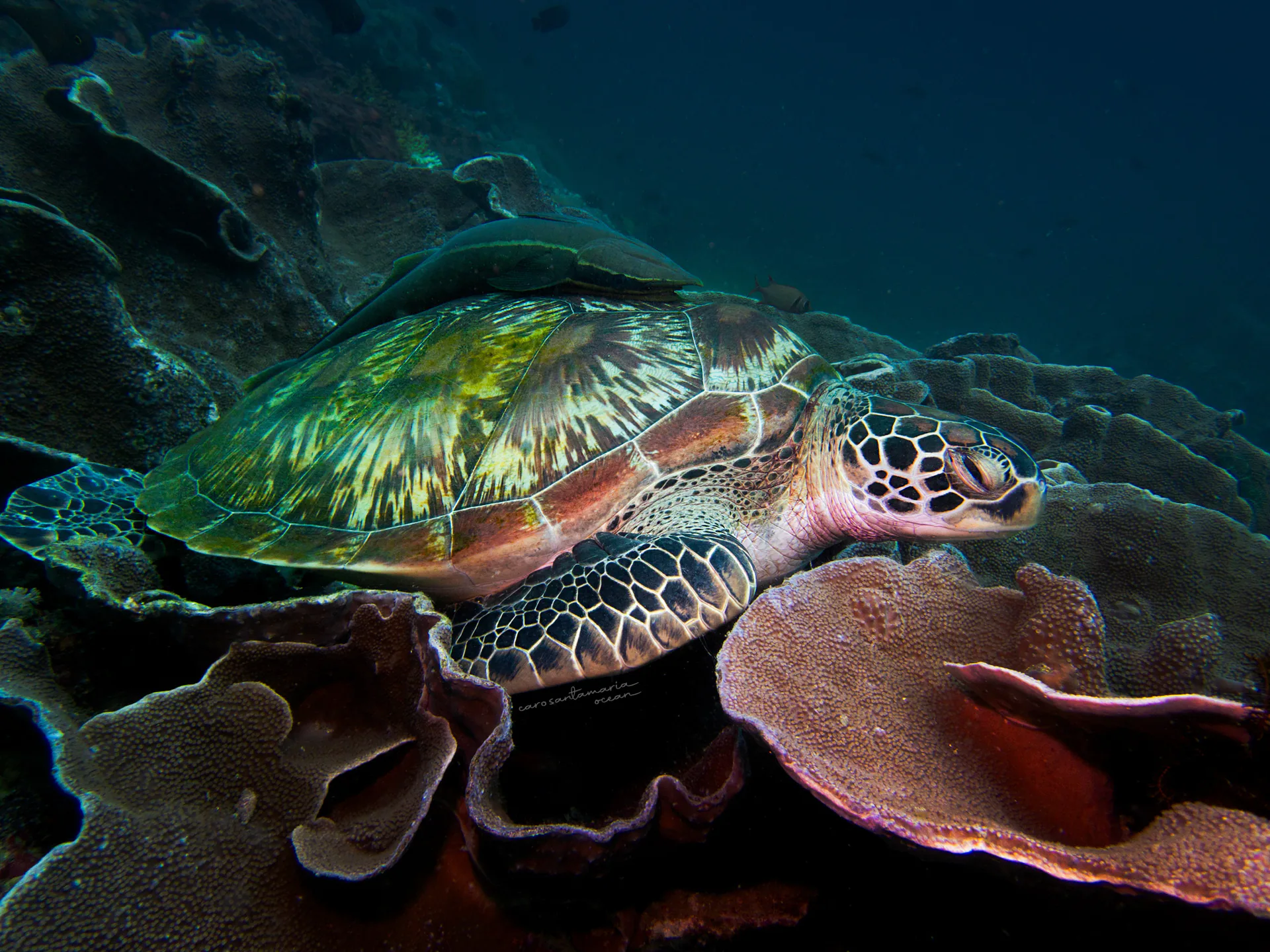
When Is World Sea Turtle Day, and Why 16 June?
The date was chosen in honour of Dr Archie Carr, the man widely called “the father of sea turtle biology.” He spent his career at the University of Florida, founded the Sea Turtle Conservancy, and wrote The Windward Road, the book that did for sea turtles roughly what Silent Spring did for pesticides: it turned a quiet catastrophe into something the public could finally see. Before Carr, the world’s great turtle populations were vanishing almost without notice. The recovery we are celebrating in 2026 is, in a direct sense, the long tail of the field he started.
The Seven Sea Turtle Species, and Where They Stand in 2026
There are seven living species of sea turtle, and they have outlasted the dinosaurs after more than 100 million years on Earth. Here is the honest state of each one after the 2025 reassessment.
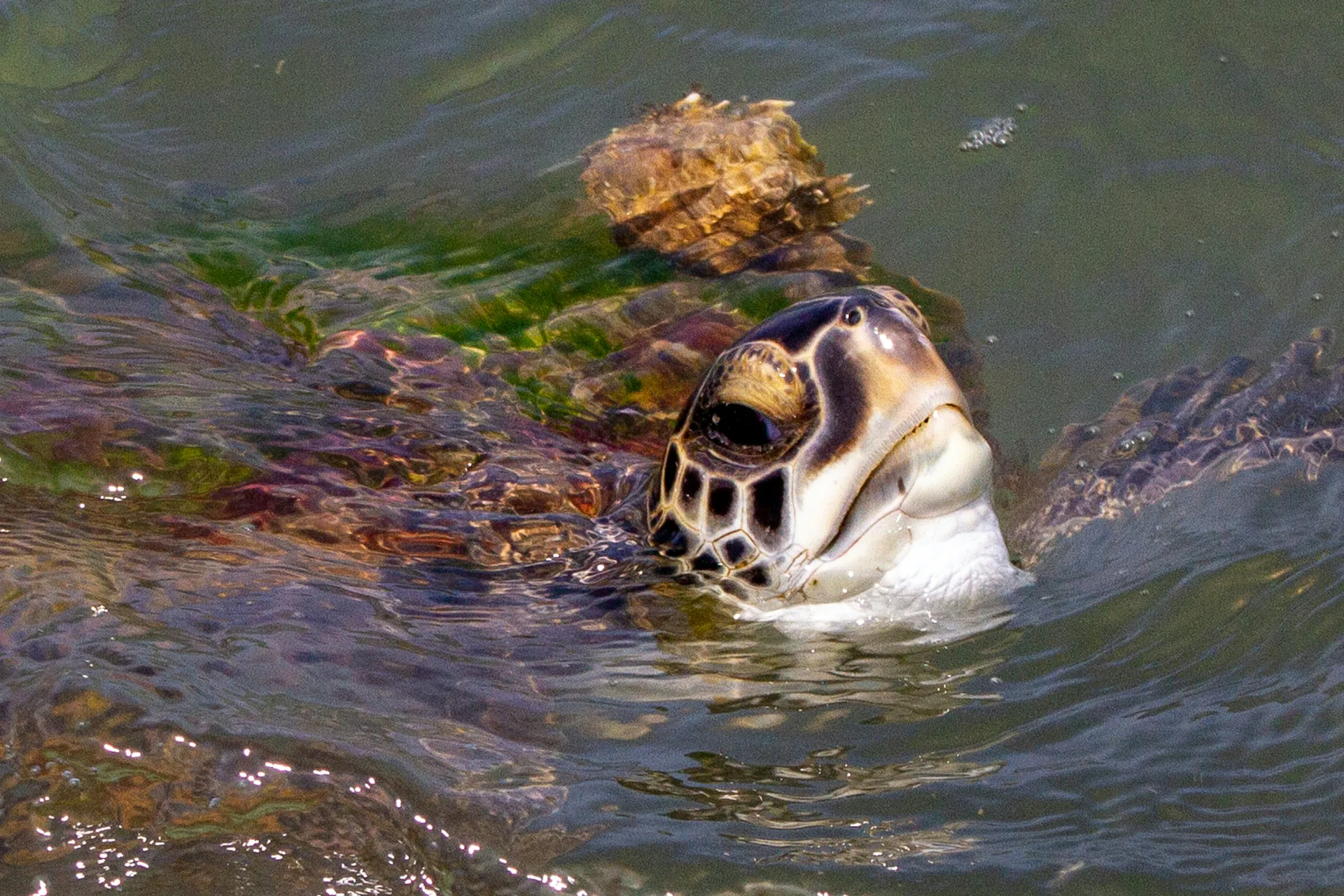
Green turtle: Least Concern, downlisted from Endangered in 2025, with global nesting up roughly 28% since the 1970s. This is the comeback story.
Loggerhead: Vulnerable. Still under pressure from longline and trawl fisheries across its enormous range.
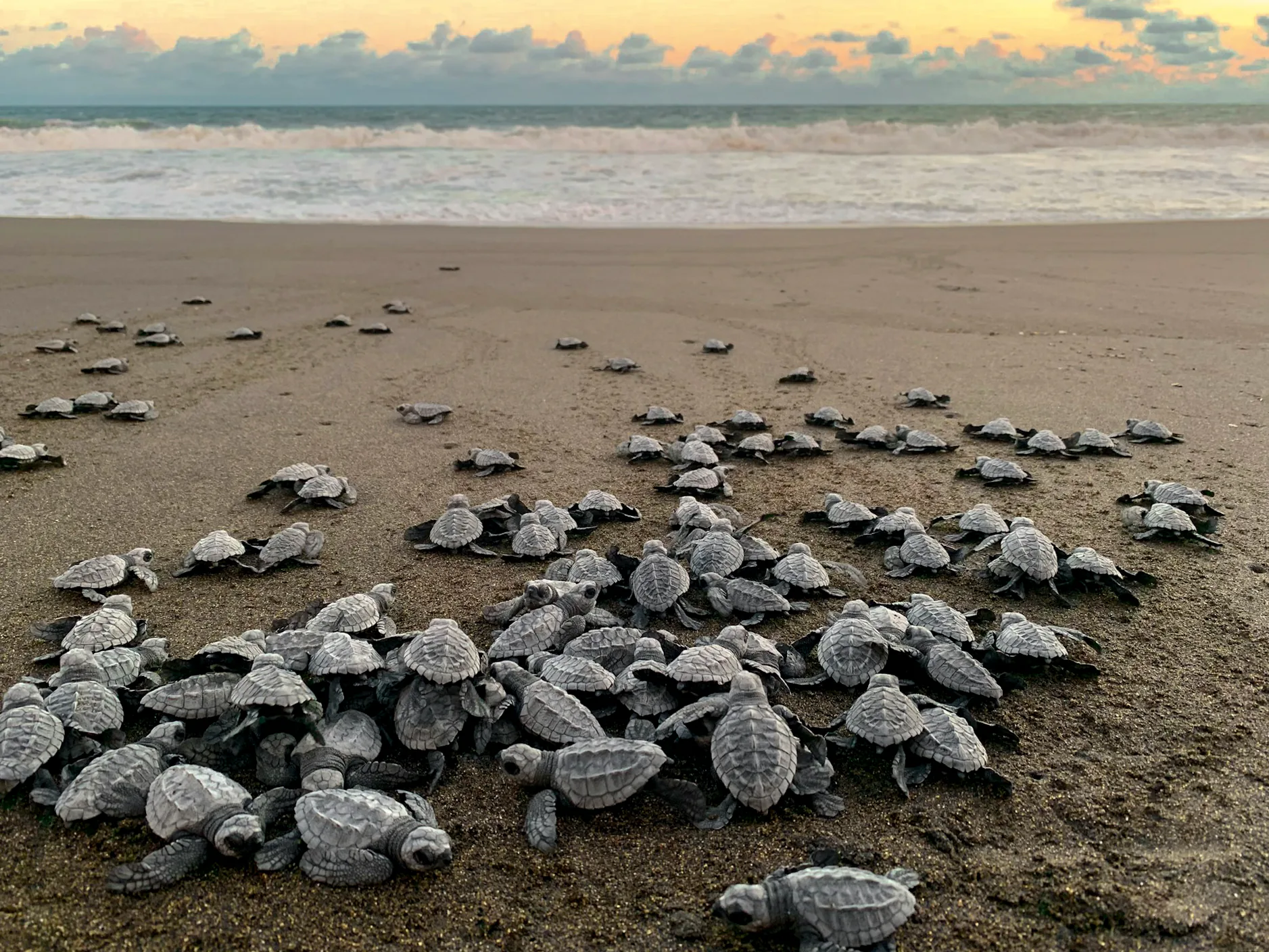
Olive ridley: Vulnerable, and the most abundant of all the species, famous for arribadas, the mass synchronised nestings that bring tens of thousands of females onto a single beach in a few days.
Leatherback: Vulnerable globally, with several subpopulations critically endangered. The giant of the group, over two metres and 900 kilograms, diving deeper than any other reptile.
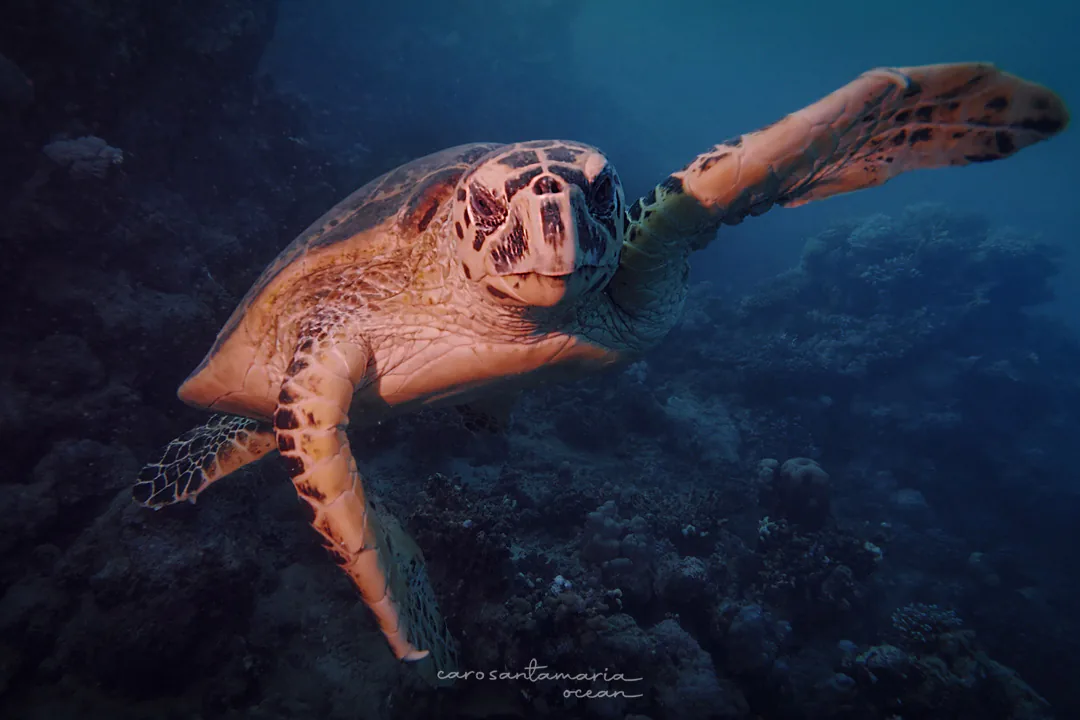
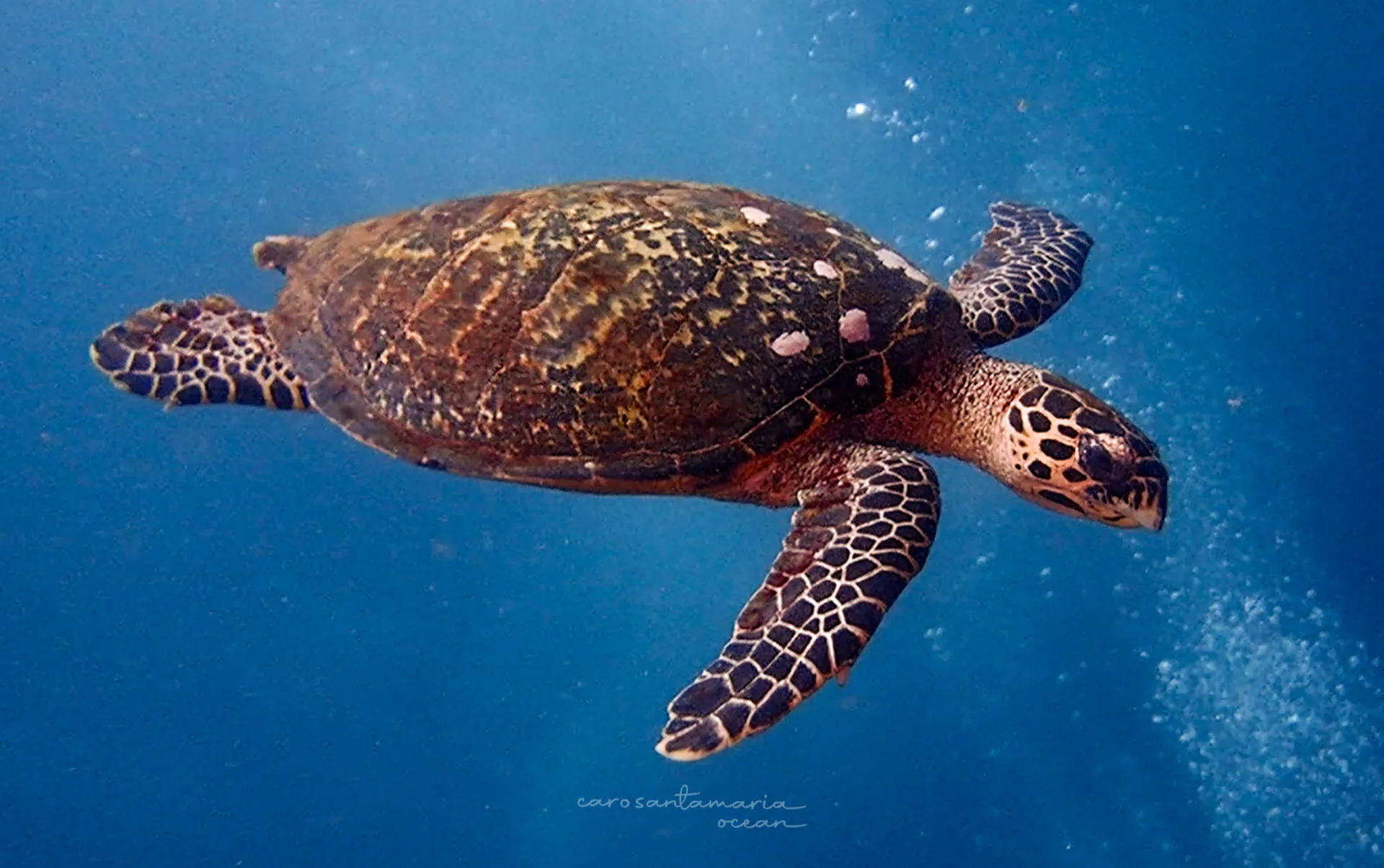
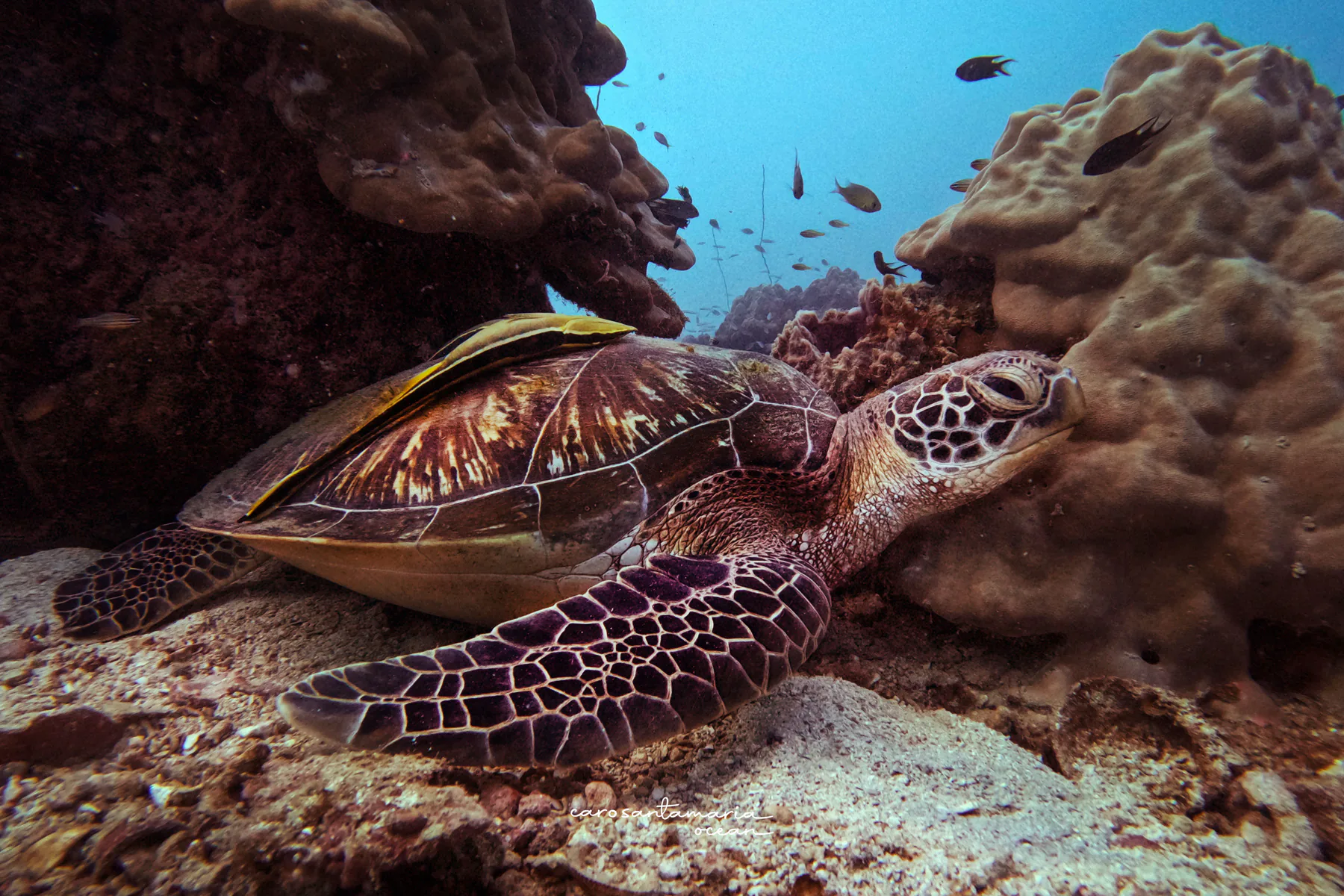
Hawksbill: Critically Endangered. Centuries of being hunted for “tortoiseshell” gutted its numbers. The reef turtle most divers photograph, often over a reef like Puerto Galera, is also one of the two most at risk.
Kemp’s ridley: Critically Endangered. The smallest and rarest sea turtle, tied almost entirely to the Gulf of Mexico.
Flatback: Data Deficient. Found only around Australia, Papua New Guinea, and Indonesia, and so under-studied the IUCN cannot give it a category.
Five of the seven remain threatened with extinction. One has recovered. One we barely understand.
What Actually Happened With the Green Turtle
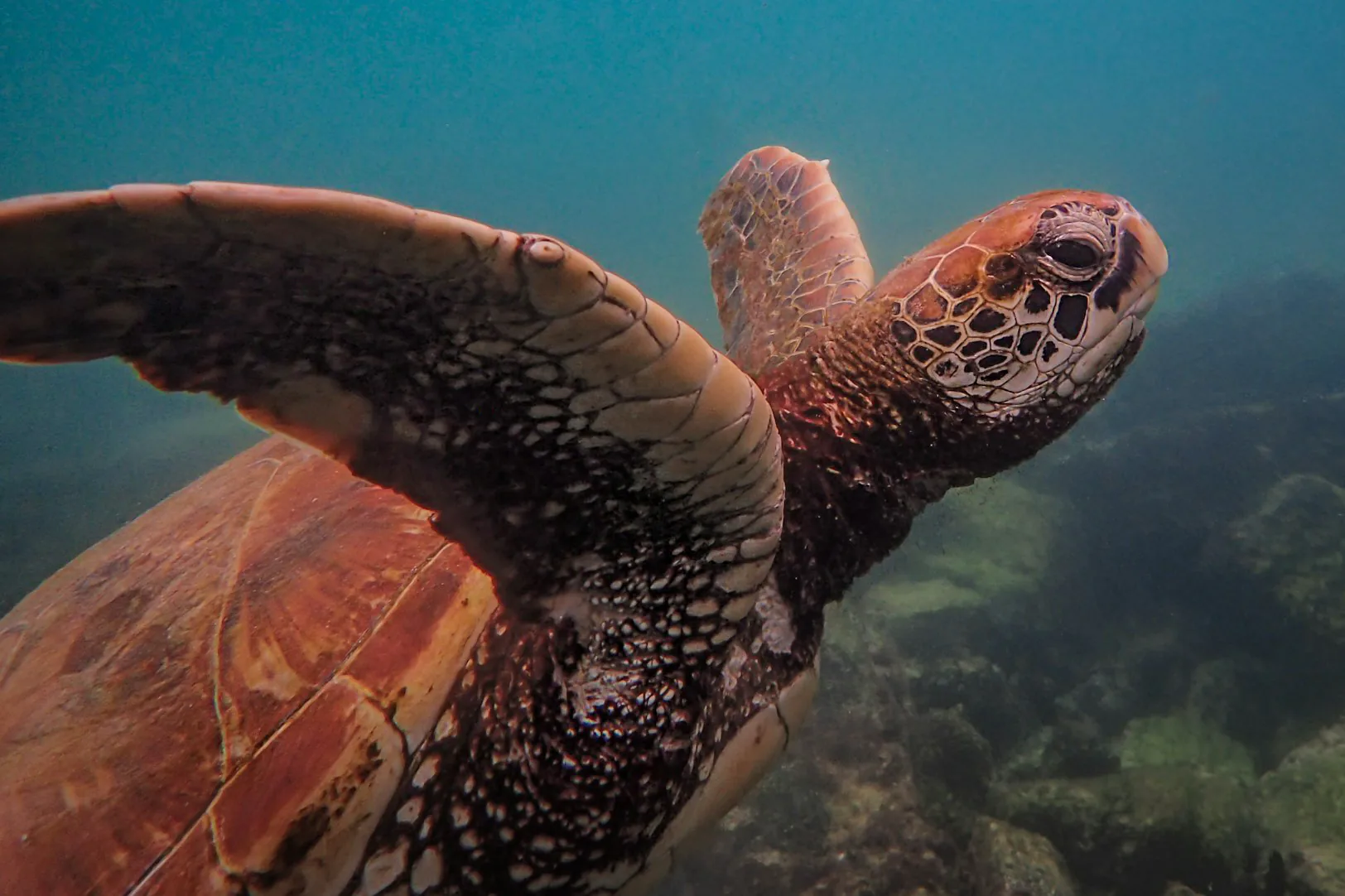
It was not luck. The recovery was built on decades of nesting-beach protection, the near-end of legal egg harvesting in key countries, turtle excluder devices in trawl fisheries, and long-term monitoring that finally let scientists assess green turtles by subpopulation rather than as one global lump. Brazil, Mexico, Hawaiʻi, and other regions recorded real, measurable increases, and the species jumped two categories in one move, skipping Vulnerable entirely.
The caveat matters, though. The global population breaks into roughly eleven subpopulations, and they are not equal: the Central South Pacific group is still Endangered, and others sit just above the threatened line. “Least Concern” globally does not mean “safe everywhere.” It means the trend finally points the right way, and that the gains can be lost if the effort stops.
How Many Sea Turtles Are Left?
Nobody can tell you precisely, and anyone offering a confident single number is rounding hard. Sea turtles spend almost their whole lives at sea and only females come ashore, so nearly every population estimate is built by counting nesting beaches and working backwards from there.
The figure usually quoted is around 6.5 million sea turtles worldwide, roughly a million of them nesting females. The honest version is that credible estimates run from about one million to over nine million, which says more about how hard they are to count than about the turtles.
Species numbers are more useful than the global one anyway. Olive ridleys are counted in the millions. Kemp’s ridley, the rarest, is down to something like 2,500 nesting females. Hawksbills sit in the tens of thousands. A single world total flattens a picture where one species is recovering and another is barely holding on.
What Percentage of Hatchlings Survive?
The number you have heard is one in a thousand. It is on every aquarium wall and in most documentaries.
In March 2026 three researchers went back and checked it. Graeme Hays, Jacques-Olivier Laloë and Takahiro Shimada published a paper in Royal Society Open Science asking exactly that, and using current adult survival and longevity data they put the real range between 1 in 400 and 1 in 2,000, varying considerably between populations. So the folk number is not wrong. It is a midpoint standing in for something that changes from beach to beach.
The shape of it holds either way. A female nests again and again across a season, and across decades, so that a handful of animals reach breeding age. The crawl from nest to waterline is where a lot of them go, to crabs and birds and lights that pull them the wrong way. That is why a lost nesting beach costs so much more than it sounds like it should.
The Threats That Haven’t Gone Away
Bycatch is still the biggest killer. Hundreds of thousands of turtles are caught every year in trawls, longlines, and gillnets. Turtles breathe air; tangled in gear, they drown.
Climate change is quietly reshaping the population. A turtle’s sex is set by nest temperature: cooler sand makes males, warmer sand makes females. As beaches heat up, some rookeries now produce almost entirely females, a problem that stays invisible in a head count until it is well advanced.
Nesting beaches are disappearing. Coastal development, sea walls, and beachfront lighting that disorients hatchlings all chip away at the strip of sand the whole life cycle depends on.
Plastic and direct take continue. Turtles mistake bags for jellyfish, eggs and meat are still harvested illegally, and the hawksbill is still killed for its shell despite a global trade ban.
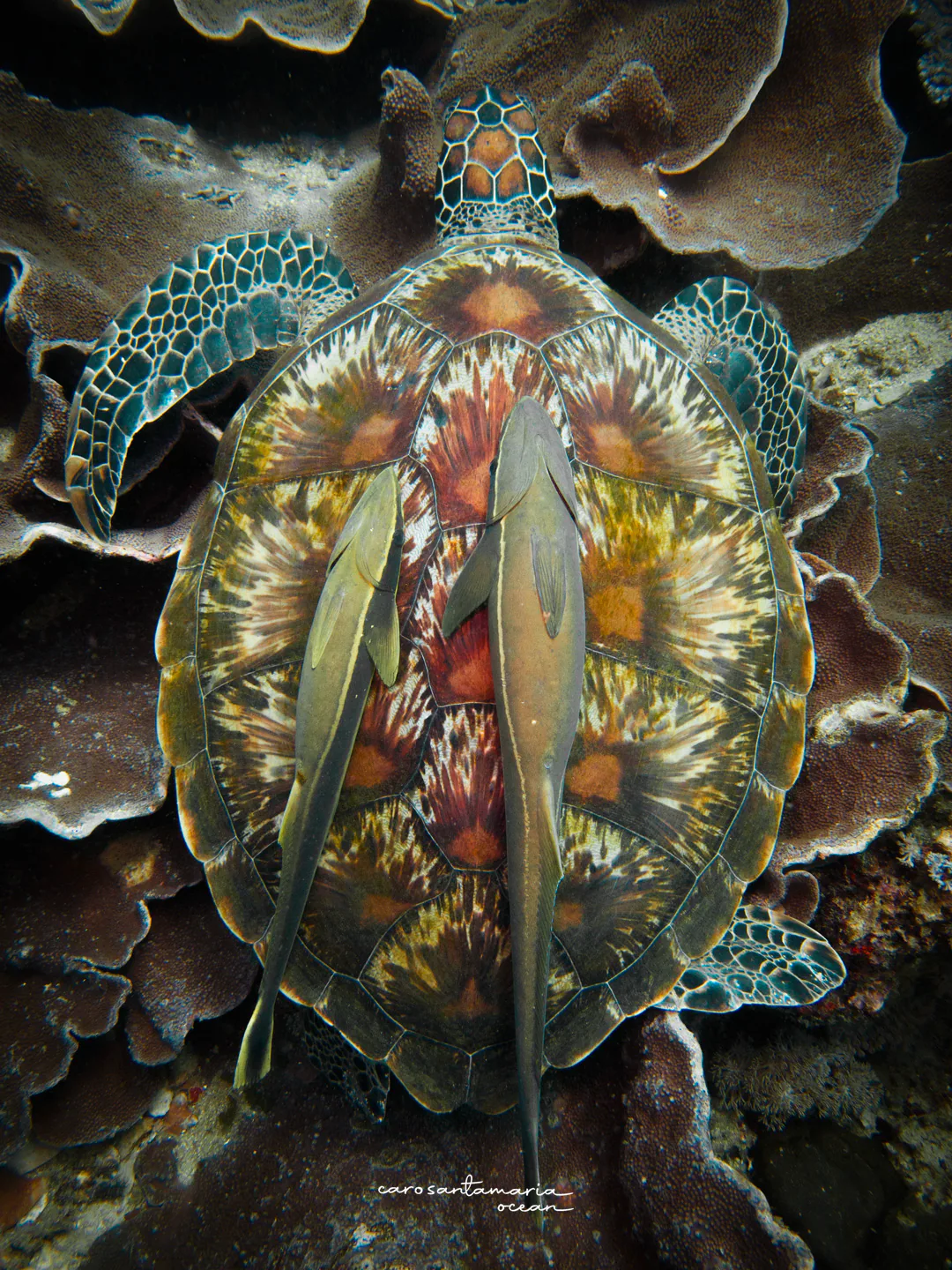
How to Protect Sea Turtles
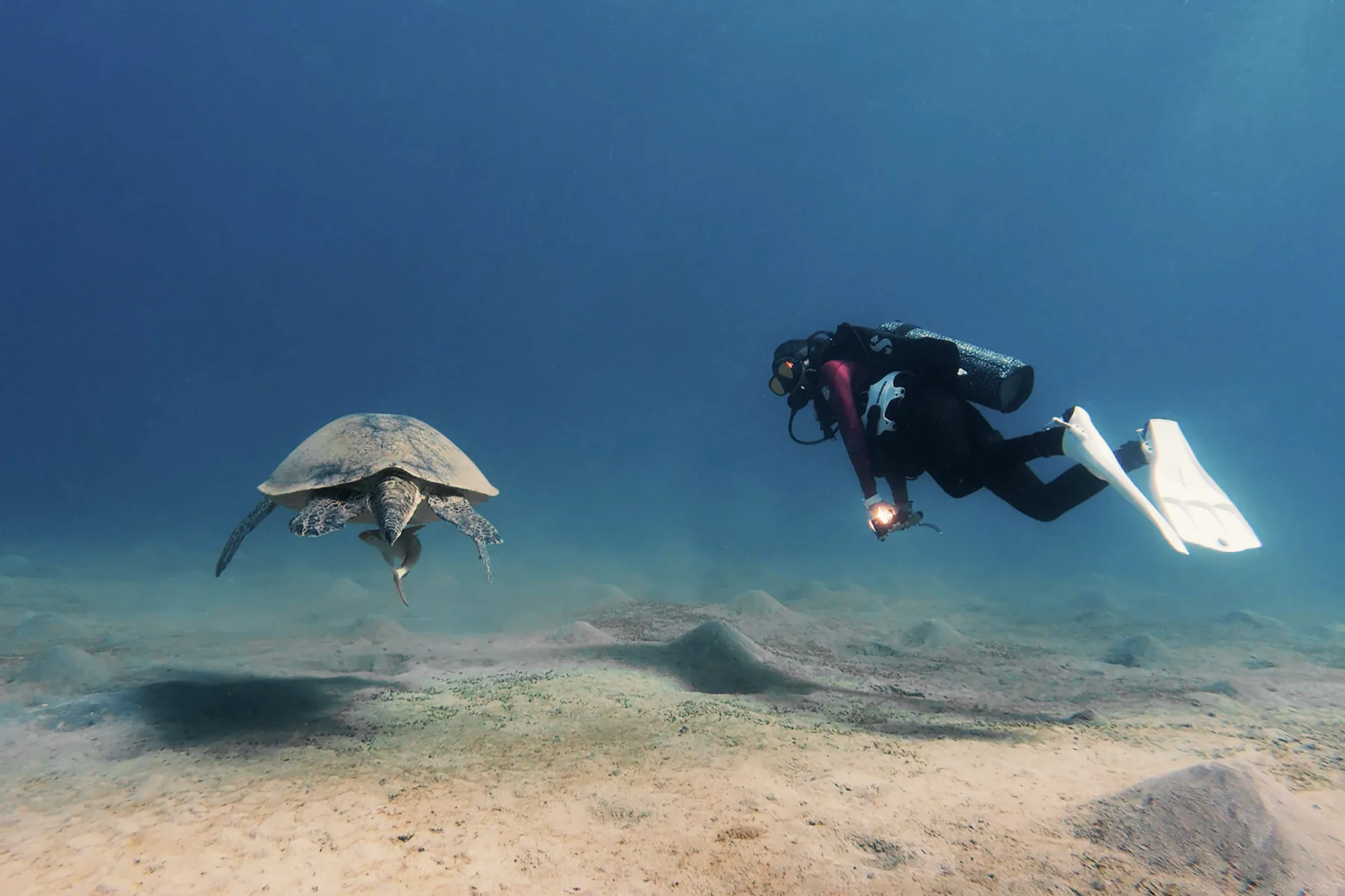
Most people who ever meet a sea turtle are not divers. They are on holiday, on a snorkelling trip booked from a flyer at the hotel desk, after one good photo and a nice morning on the water. There is nothing wrong with that. The problem is what too many tour operators do with it: the boat finds a turtle resting or grazing in the seagrass, motors over, and tips a dozen people into the water on top of it. The turtle, calm and conserving energy a moment earlier, has no choice but to bolt. What feels like a magical encounter is, from the animal’s side, being mobbed off its resting spot several times a day, every day of the season.
You need no qualification to avoid being part of that:
Appreciate from a distance. Watch from the surface, float to the side rather than directly above, and let the turtle carry on as if you were not there.
Do not touch, and never ride one. Touching stresses the animal and strips the protective layer off its shell, and a turtle that learns humans come close is in more danger, not less.
Do not shove a camera in its face. A GoPro lunging at a turtle’s head reads as a predator. Back off, and accept that the best shot is the one where the animal never reacted to you.
Never chase. If it swims away, it is done with you. Let it go and count yourself lucky.
The biggest decision happens before you get in the water: the operator. A good one briefs these rules before the boat leaves, keeps groups small, hangs back, and never grabs or baits a turtle to show the tourists. Ask how they handle wildlife before you book, then watch what they actually do. If they chase, herd, or handle the animals, withhold your money and your five-star review. Tourism that respects the animal pays for its protection; tourism that harasses it is just slow harm with a nicer brochure.
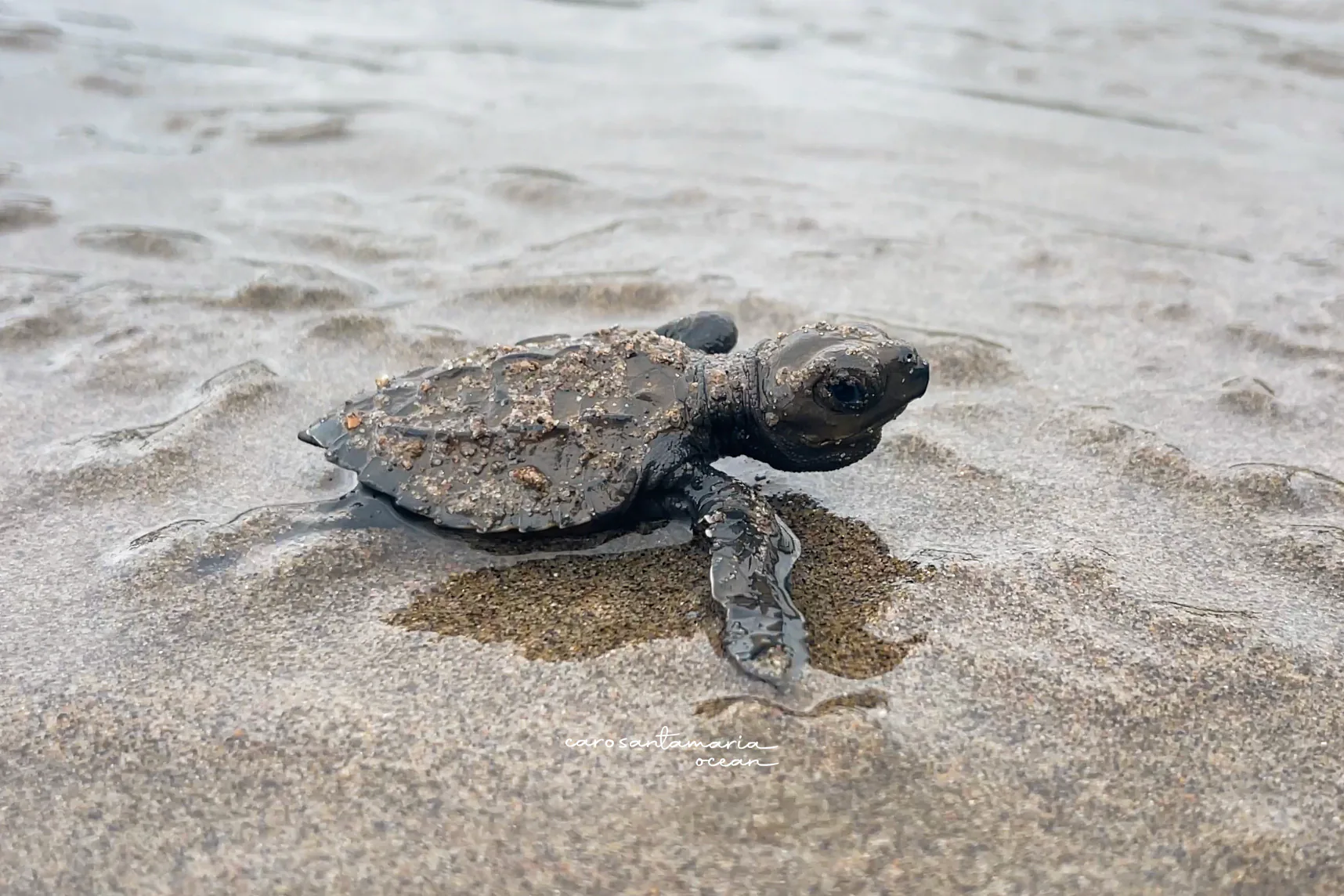
There is a newer version of the same problem worth naming, because it has exploded in popularity: paying to “release” a turtle. Done by a genuine project, a hatchling release is real conservation and a moving thing to witness. Done as an attraction, it quietly harms the animals it claims to save. The warning signs are consistent: hatchlings held in tanks or buckets for days so there is always something to release, babies passed around for photos in a way that stresses them and spreads disease, releases staged at midday when heat and predators are worst. The science is blunt: the great majority of hatchlings should go straight down the beach the moment they emerge, at first or last light, with as little handling as possible, so they can make the crawl that helps them orient and build strength. So ask the same question you would of any operator: who is this really for? If the answer to the money question is louder than the answer to the animal question, keep your wallet shut.
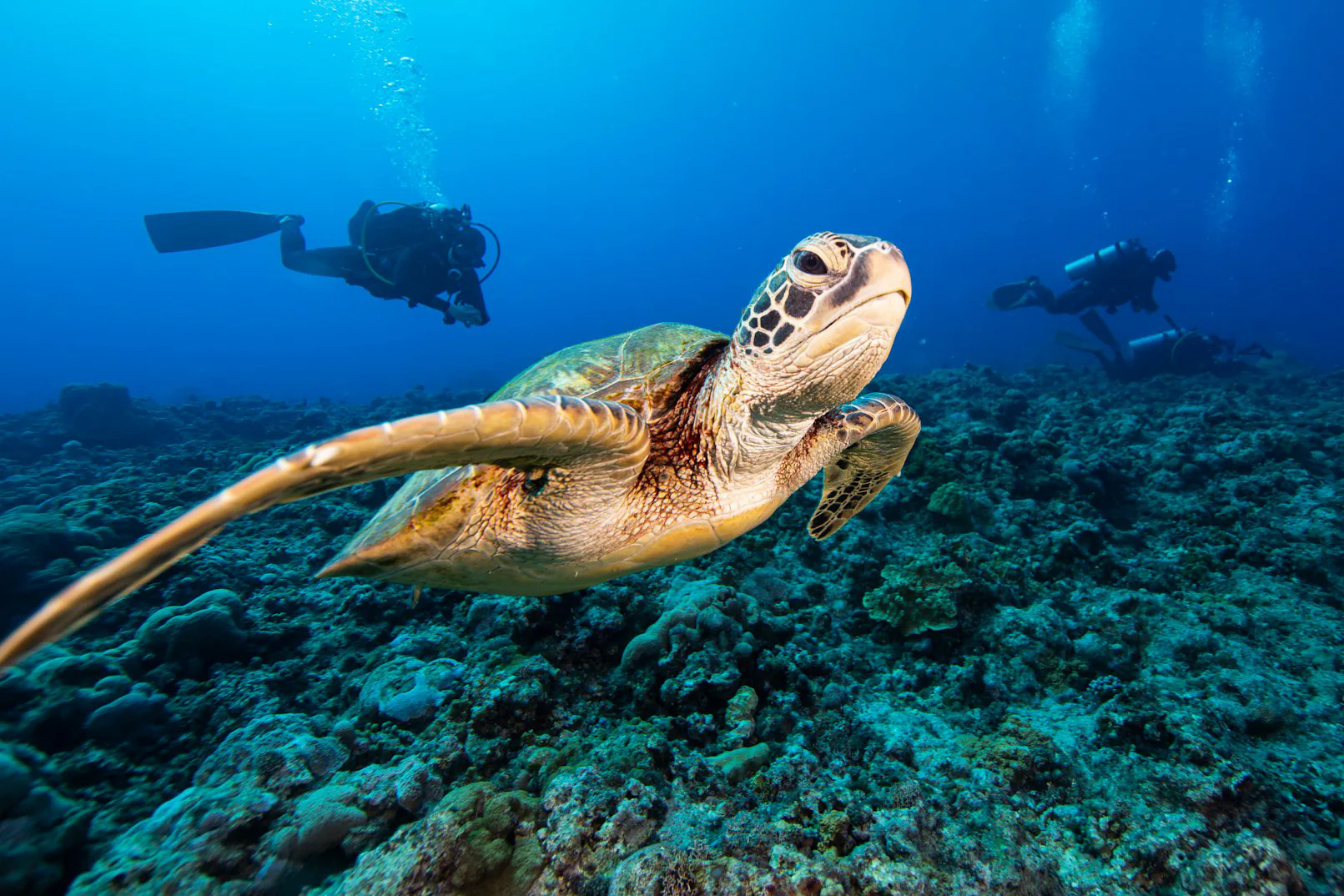
What Divers Can Do for World Sea Turtle Day 2026
Beyond keeping your distance in the water, a few things actually move the needle.
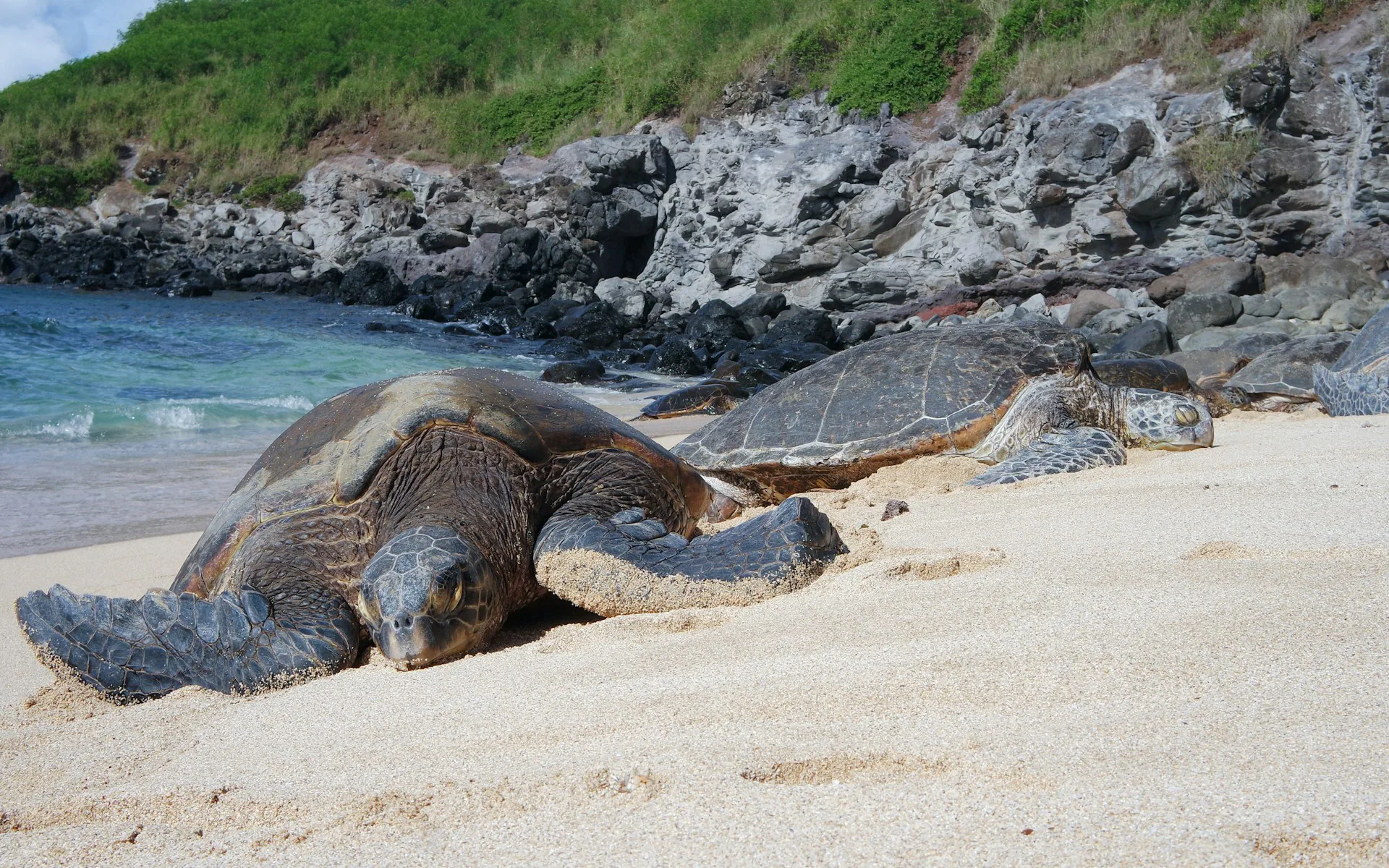
Know the local rules, and follow them. In many places, distance is not just manners, it is law. Hawaiʻi asks everyone to stay at least ten feet (three metres) from a turtle, in the water or basking on sand, and harassing one is a federal offence. Find out the local minimum before you get in, and remember a turtle resting on a beach is a wild animal to be left alone, not a photo op.
Cut the single-use plastic, especially near the coast. A floating bag and a jellyfish look identical to a foraging turtle.
Support nesting-beach protection and lights-out programmes. Most of the green turtle’s recovery was built on beaches, not reefs, and that is where donations and volunteer time go furthest.
Never buy tortoiseshell. The jewellery sold in tropical markets is made from critically endangered hawksbills. Walk past, and tell people why.
Talk about the whole story. The green turtle’s recovery is the best argument conservation has, proof that protection works when it is real and sustained. Sharing that, alongside the fact that two species are still critically endangered, beats another silent reel.
Marine Citizen Science: Make Your Photos Count
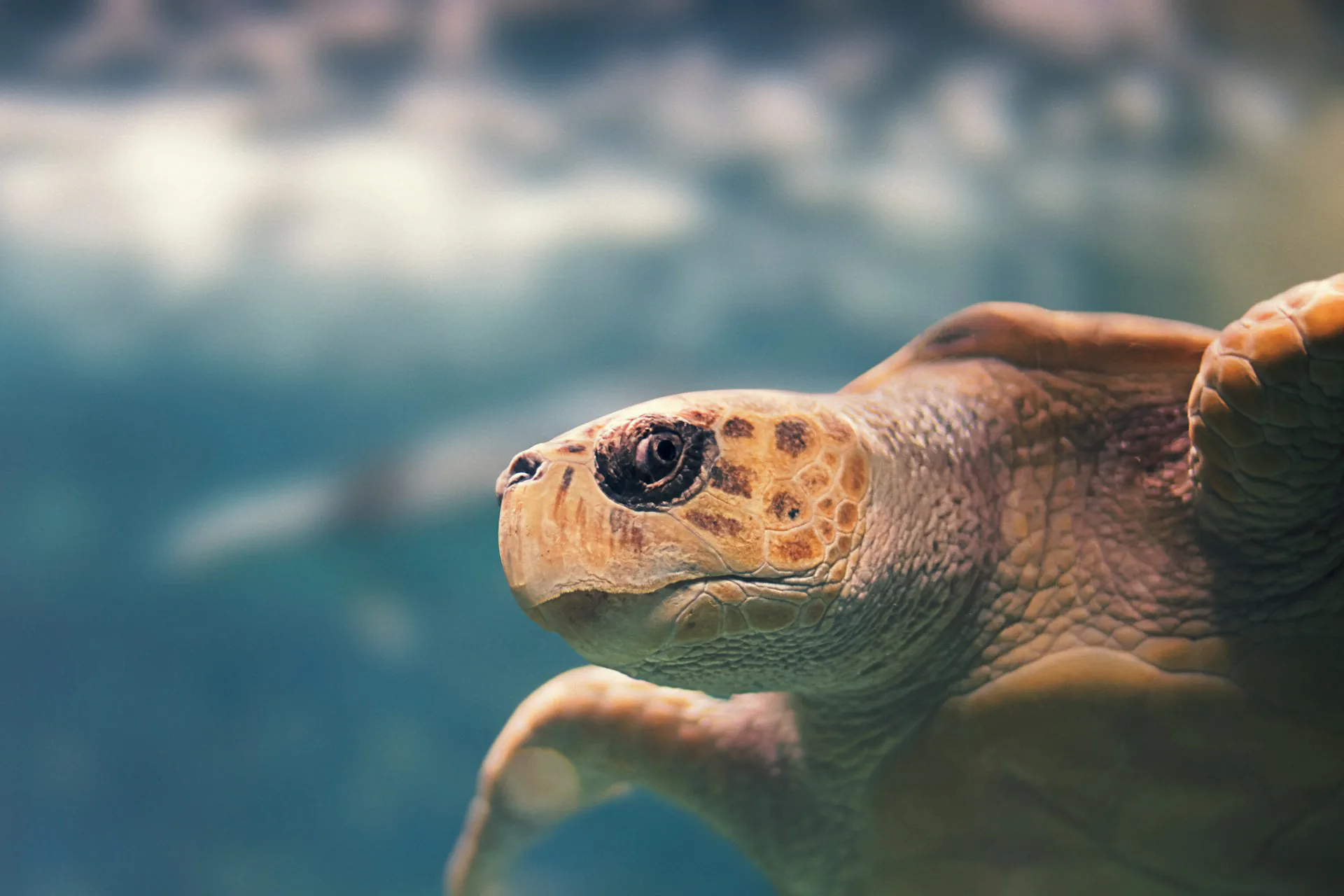
That photo you want of a turtle, taken properly from the side and from a respectful distance, is not just a souvenir. It is data. Every sea turtle’s face is unique: the pattern of scales on the side of its head works like a fingerprint that never changes, so one clear profile shot, which is well within reach of a first underwater camera setup, can identify that exact individual for life. It is called photo-ID, it is non-invasive and cheap, and it is open to anyone with a camera. Whole monitoring programmes now run on it.
On Koh Tao in Thailand, an island nicknamed Turtle Island, the system could not be simpler: you join the local turtle sightings Facebook group, post your head-profile photos with a few basics, and the admins handle the identification and reporting. Over the years that stream of holiday and dive photos has catalogued more than a hundred individual green turtles and over sixty hawksbills, each a named, re-sighted animal rather than a statistic. In the Philippines, along the Verde Island Passage off Mindoro, dive operators feed turtle photos into Internet of Turtles, a global database whose computer-vision software matches the faces automatically. Holidaymakers, not researchers, supply most of the images.
If you are nowhere near either, the principle travels: upload encounters to iNaturalist, or look up the local photo-ID project wherever you are. This is the quiet answer to the GoPro problem, the same instinct to get close, redirected into something useful. Take the photo from a polite distance and send it somewhere it counts. The recovery we are celebrating was measured by exactly this kind of patient data, much of it gathered by ordinary people who simply wrote down what they saw.
The People Doing the Work
None of this happens on its own. It happens because particular people decide to spend their lives on it, and some of them work where I am from.
In Colombia, the Fundación Tortugas del Mar has worked since 2014 to recover turtle populations along both coasts, through research, community collaboration, and education. On the Caribbean side, one of their longest fights is the tortoiseshell trade: for years they have worked the coastal markets, Cartagena especially, to shut down the sale of “Carey”, the hawksbill-shell jewellery that funds the killing of a critically endangered species. On the Pacific, much of the effort goes to the olive ridley, the “Golfina”, whose nesting colonies there have been hit hard by egg poaching and lost habitat. It is slow, unglamorous, essential work, in a country that is home to five of the world’s seven species.
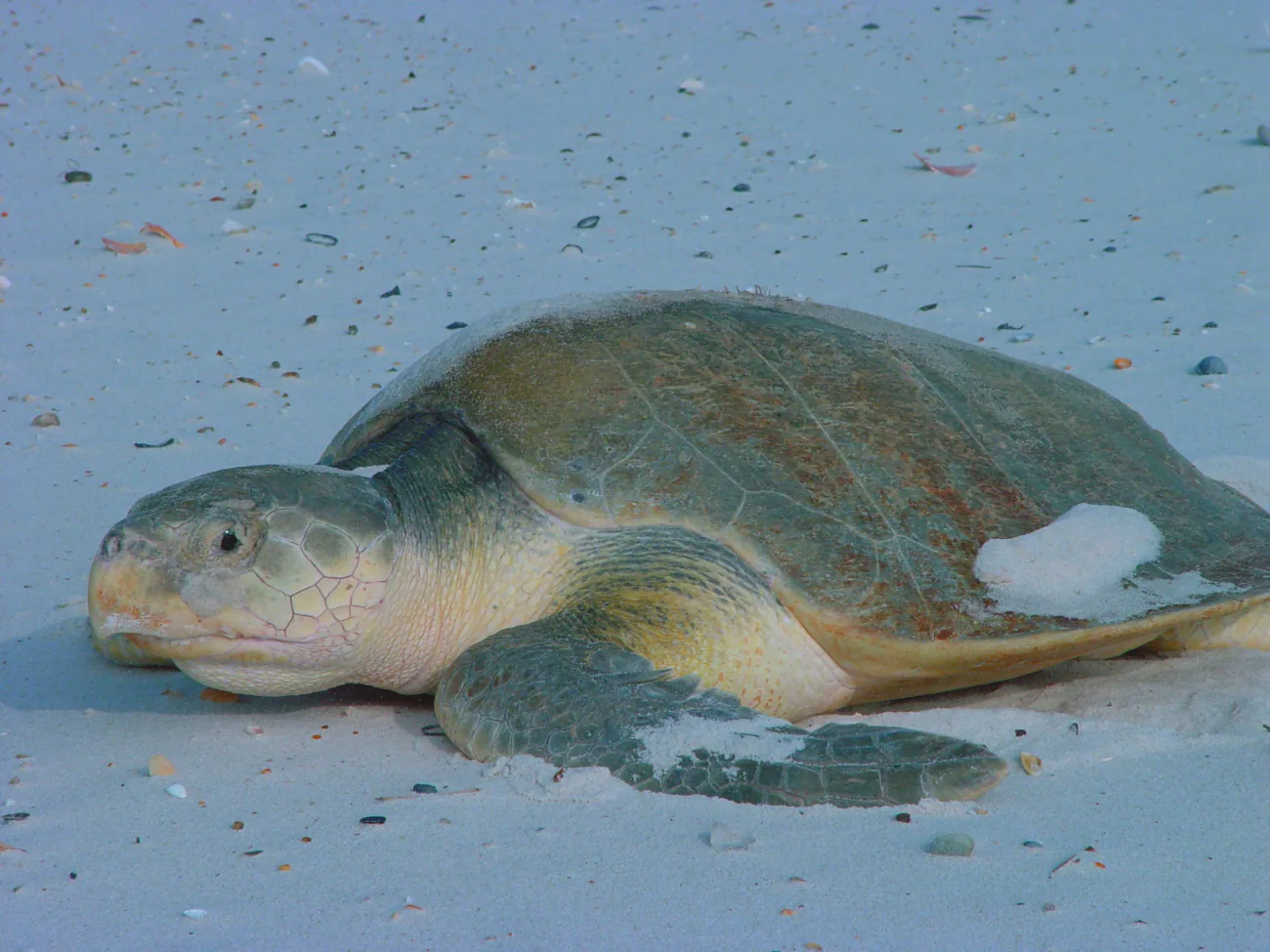
Mexico holds one of the most dramatic recovery stories of all. At Rancho Nuevo, in Tamaulipas, footage from 1947 captured an estimated 40,000 Kemp’s ridleys nesting on a single beach in a single day; egg harvesting and drownings in fishing gear then collapsed that to a few hundred females by the mid-1980s. A joint Mexico and United States effort to guard the nests and force turtle-excluder devices into shrimp fisheries pulled the species back from the edge. It is still critically endangered, but it is still here, which in the 1980s was not a safe bet.
Hawaiʻi shows what recovery looks like once it reaches the beach. The honu was hunted heavily a century ago and has rebounded so well that on Oʻahu’s North Shore the turtles now haul out to bask in front of the crowds. At Laniākea, the volunteers of Mālama nā Honu have stood guard since 1999, roping off a buffer around each basking turtle and teaching visitors to keep back. They know many of the honu by name. It is conservation as patient crowd control, and it works.
And the thread runs back to where this began. In the 1950s Archie Carr set up his green turtle research station at Tortuguero, Costa Rica, work that became the Sea Turtle Conservancy and the longest continuous turtle-monitoring project in the world. Tortuguero holds the largest green turtle rookery in the Western Hemisphere, and the rise in its nesting numbers is a real part of the recovery the IUCN recognised in 2025. The man whose birthday we mark on 16 June started a count on one Caribbean beach that has, in a sense, never stopped.
The green turtle came back because enough people, over enough decades, decided it was worth the work. That is the message of World Sea Turtle Day 2026: not that the job is done, but that it is possible. The hawksbill and the Kemp’s ridley are still waiting for their version of the same headline. Whether they get it is, as always, up to us.
If You Find a Turtle in Trouble
Sooner or later you might find a turtle that is clearly not right: stranded and barely moving, floating listlessly, tangled in fishing line or ghost net, propeller-cut, oiled, or cold-stunned and washed ashore after a cold snap. The instinct to help is good, but the obvious version of it is often wrong.
The key rule: do not just push it back into the sea. A turtle that hauled out weak, or is floating oddly, is usually sick or injured, and the water is the last place it can be helped. Get expert eyes on it first.
While you wait for help, keep your distance and keep people and dogs back. On a hot beach you can shade it and keep its skin damp, but never put a weak turtle in the water, as it can drown. Do not lift it by the flippers or head. Note the exact spot, take photos, check the flippers for tags, and stay with the animal to guide responders in. If it is tangled and you can reach it safely, cut the gear, never the turtle, and leave hooks to trained hands.
Then report it, which trips people up because there is no single worldwide number. Reach local responders fast: the nearest dive shop, marine park, or lifeguard usually knows who to call; otherwise try the coastguard or the national wildlife or fisheries authority. Most coastal countries have a sea turtle stranding or rescue network, so it is worth saving yours before a trip. In the US, NOAA’s Sea Turtle Stranding and Salvage Network covers the Atlantic and Gulf coasts; almost anywhere else, searching “sea turtle stranding network” with your country or island name turns up the right people. And report it even if the turtle is dead, because stranding networks use every case to track what is killing them.