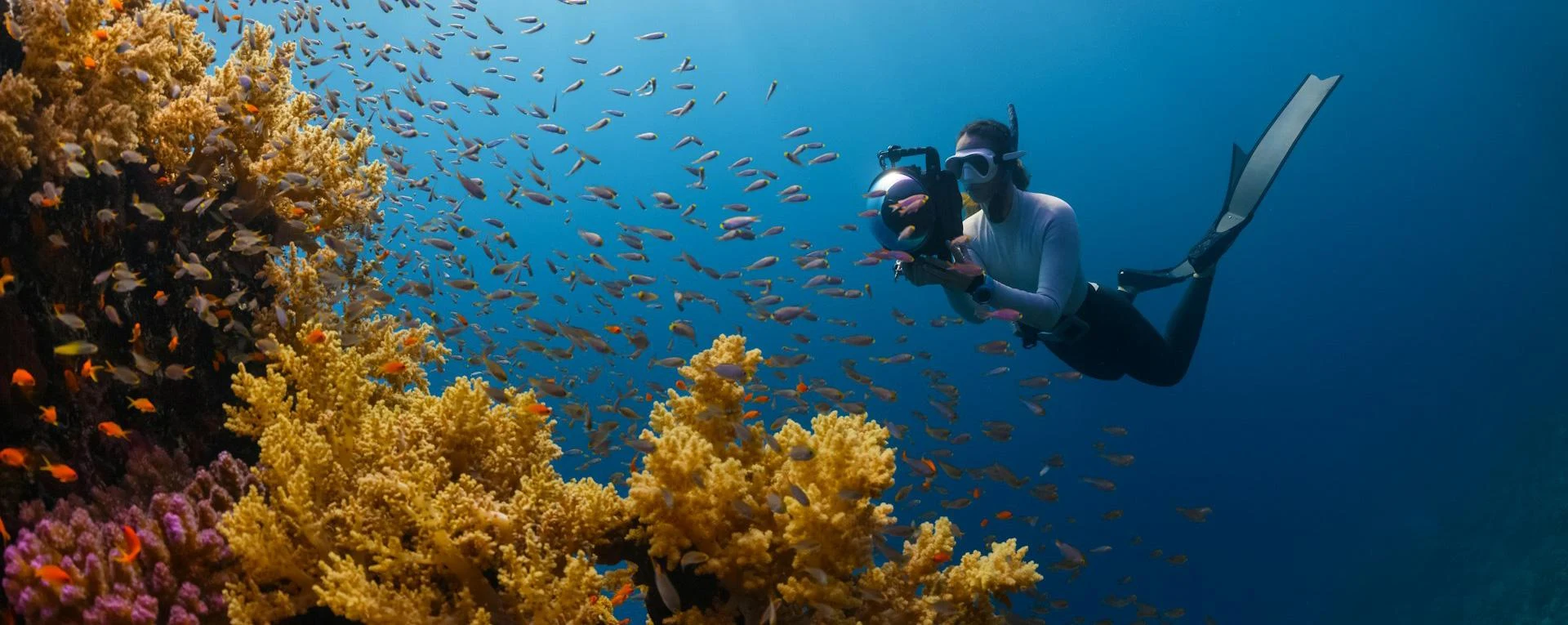
The Coral Triangle is the most biodiverse marine region on earth, with more coral species, more reef fish, and more ocean life per square kilometre than anywhere else on the planet. It feeds 120 million people. And in 2026, it is carrying more pressure than at any point in recorded history.
I have spent the last few years diving across the world, watching reef systems shift beneath me. Watching the colour drain out of coral that should be vivid. Counting species where I once counted abundance. The Coral Triangle is the benchmark against which every other reef destination is measured. Protecting it is not just an environmental cause. It is about protecting what diving is.
What Is the Coral Triangle?
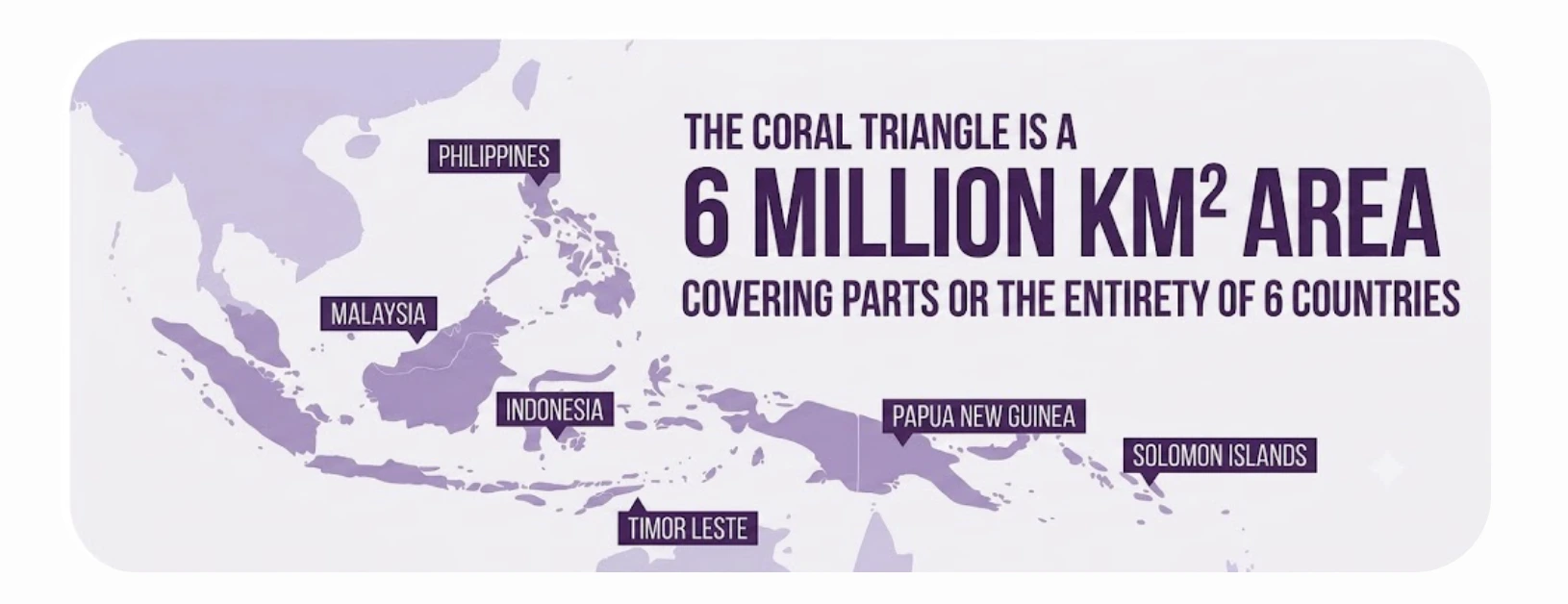
The Coral Triangle is a roughly triangular stretch of tropical ocean spanning six nations: Indonesia, Malaysia, the Philippines, Papua New Guinea, the Solomon Islands, and Timor-Leste. It covers around 5.7 million square kilometres, an area larger than the Mediterranean Sea.
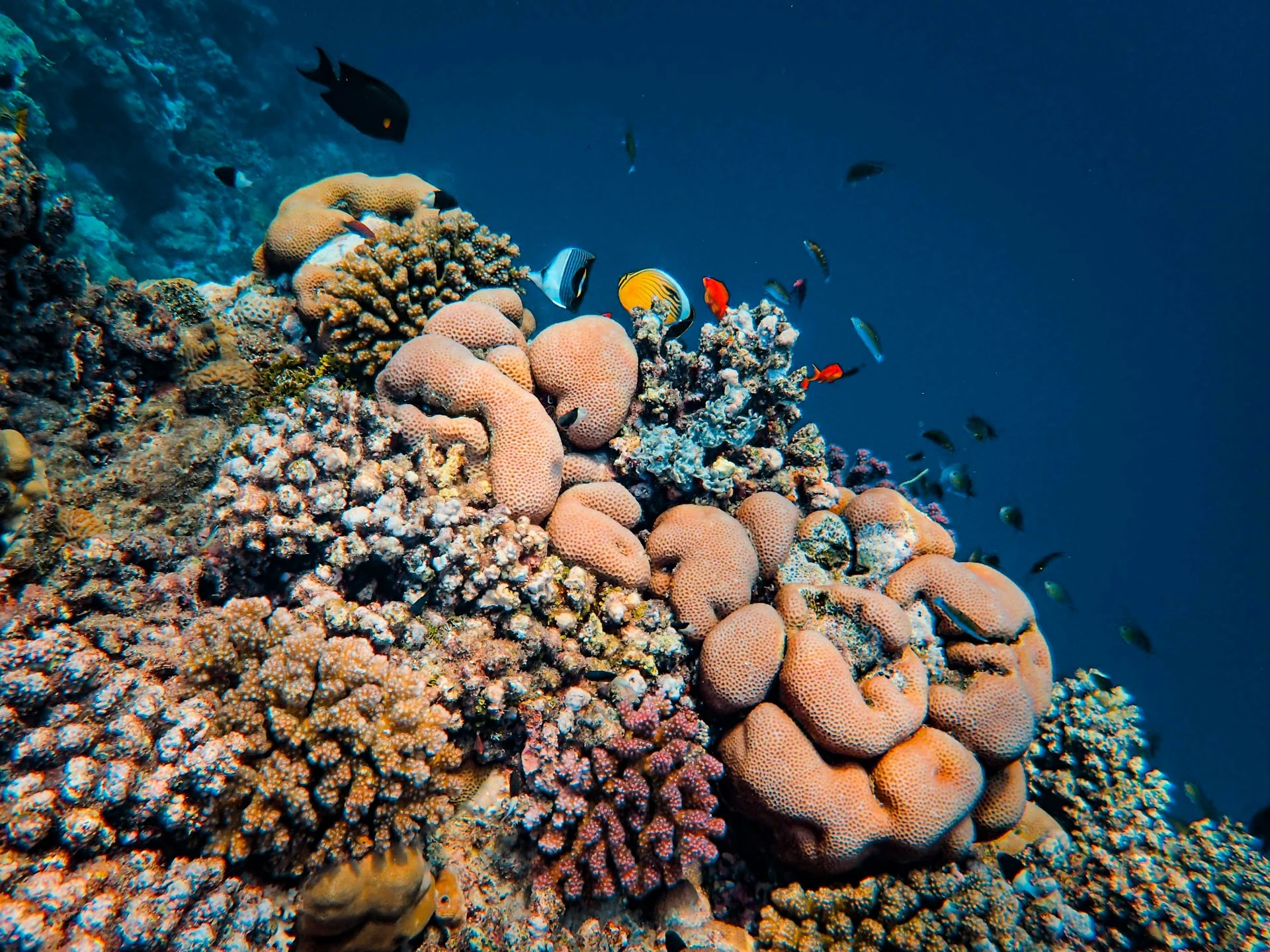
The numbers are hard to take in. The Coral Triangle contains 76% of all known coral species, more than 500 reef-building species, and 37% of the world’s reef fish, over 2,000 species. It is home to six of the seven species of marine turtle, the world’s largest tuna spawning grounds, and species that exist nowhere else.
The term “Coral Triangle” was formalised by the Coral Triangle Initiative on Coral Reefs, Fisheries and Food Security (CTI-CFF), a multilateral partnership of the six nations established in 2009 to manage and protect this shared resource.
The nickname Amazon of the Seas is not poetic licence. Just as the Amazon holds a disproportionate share of the world’s terrestrial biodiversity in one defined region, the Coral Triangle holds a disproportionate share of the ocean’s life. Lose it, and you do not replace it.
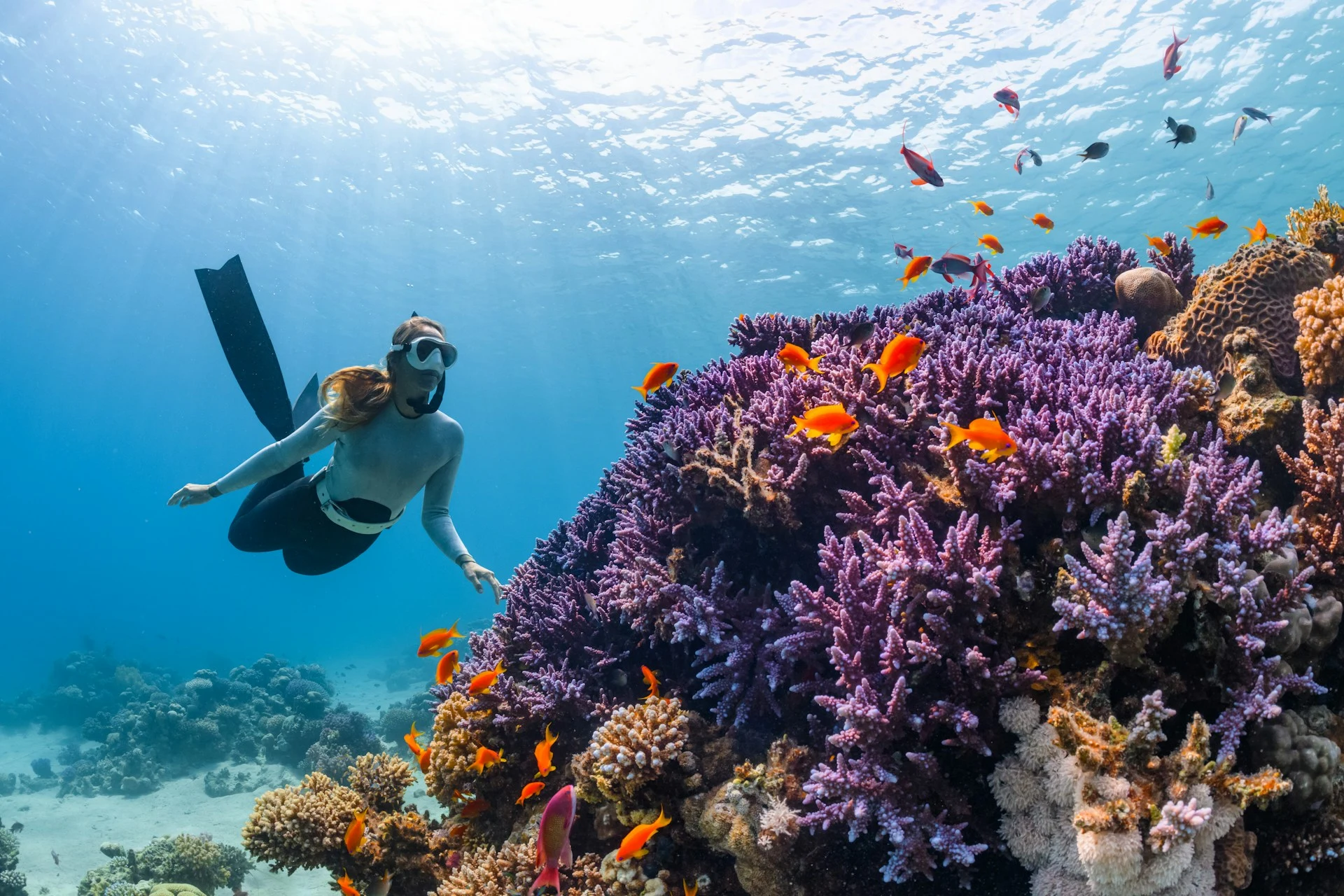
When Is Coral Triangle Day and Why Does It Exist?
Coral Triangle Day is observed every year on 9 June. It was established by WWF and the CTI-CFF to focus attention on this specific ecosystem at a moment when data from the preceding season is being assessed.
Unlike World Oceans Day 2026, which falls eight days earlier and covers the full global ocean, Coral Triangle Day is targeted. It asks the six nations and the global diving community to look at one defined region and take stock. Monsoon season approaches. Bleaching surveys are completed. Fisheries figures are reviewed.
The 2026 edition arrives in the wake of the fourth global mass coral bleaching event, the worst ever recorded, which swept across the Indo-Pacific between 2023 and 2024. Parts of the Coral Triangle were hit hard. Coral Triangle Day 2026 is a moment of reckoning.
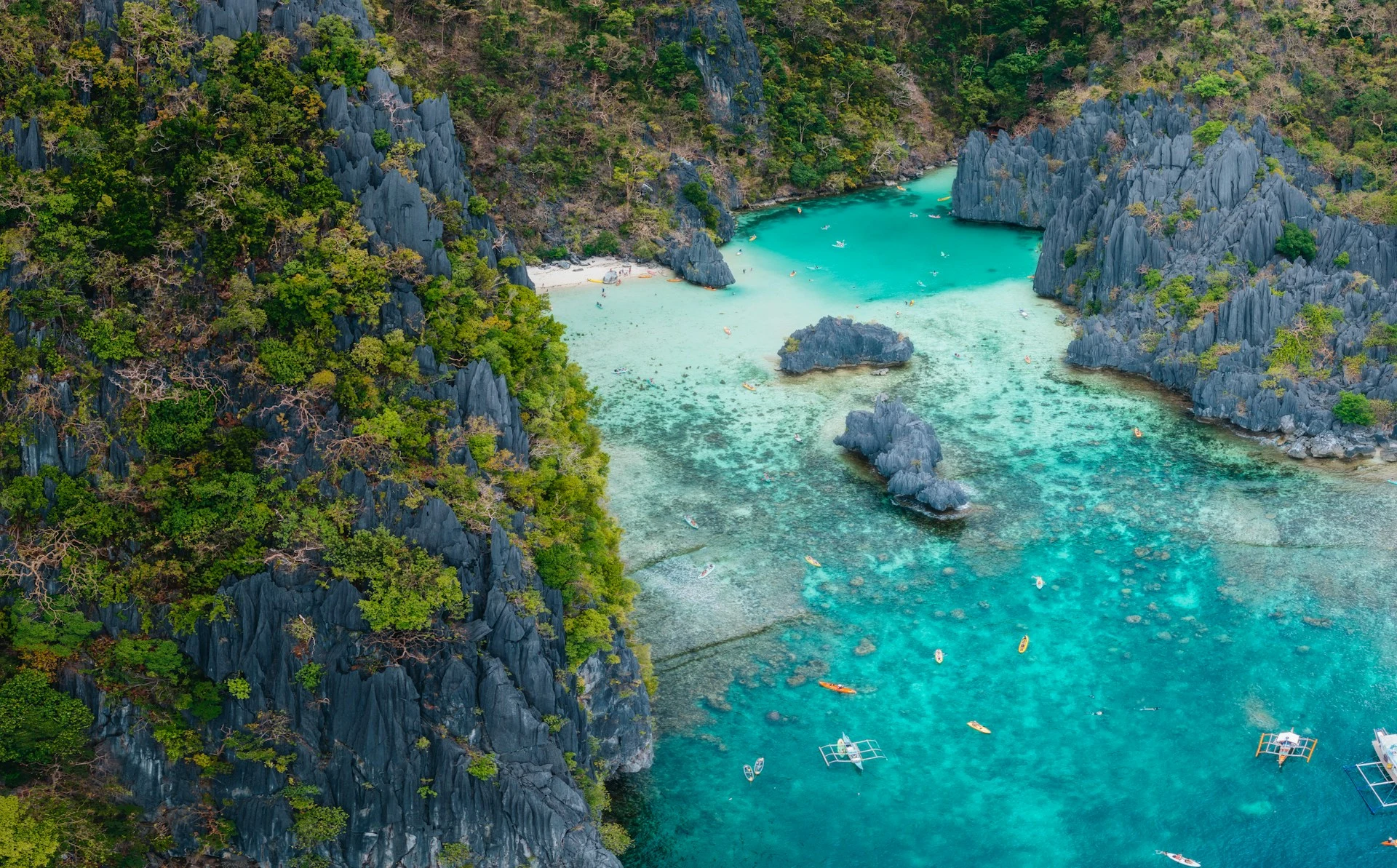
The State of the Coral Triangle in 2026
The honest picture is mixed. There are signs of real resilience in some areas, and signs of serious stress in others.
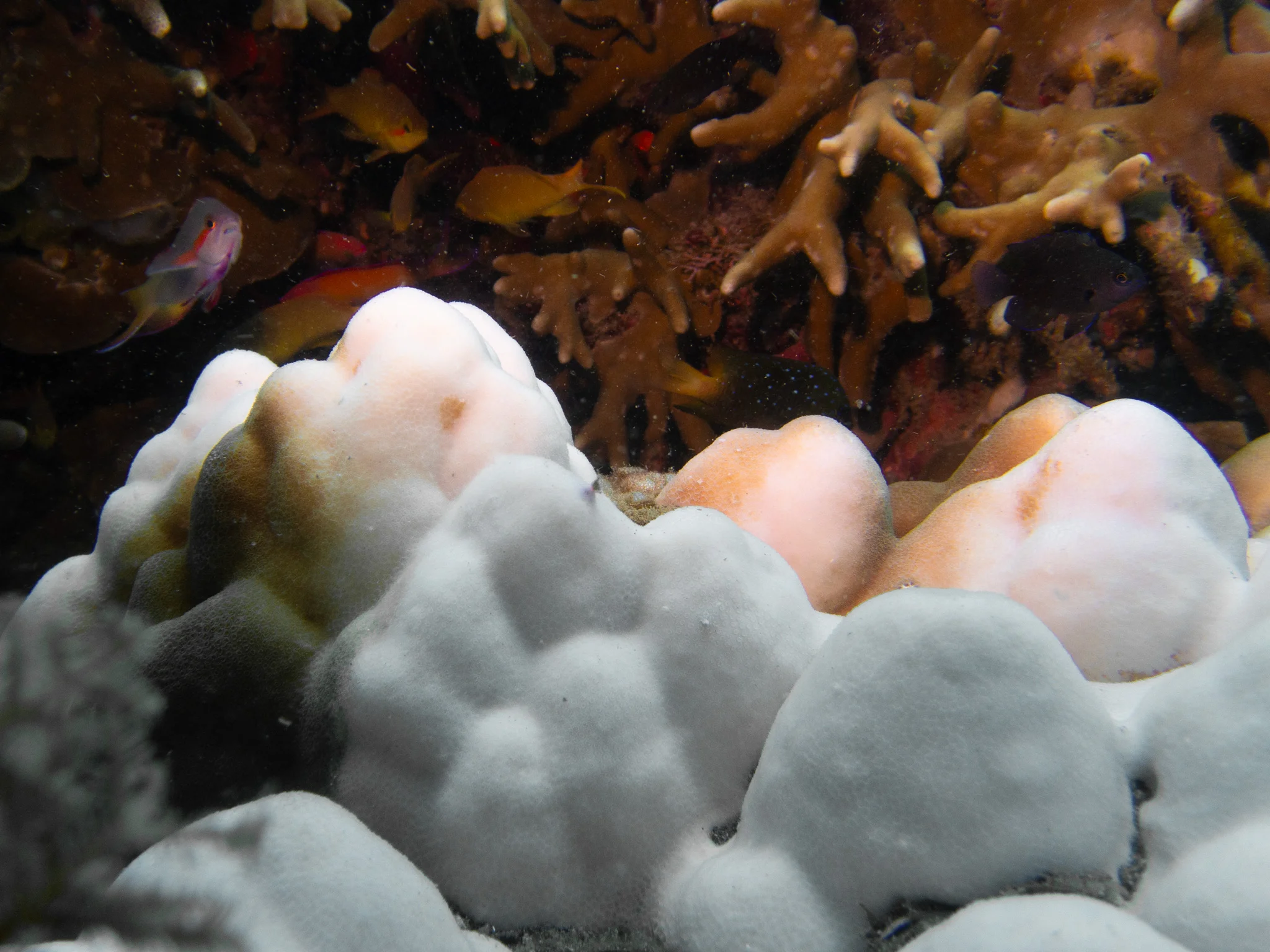
The fourth mass bleaching event elevated sea surface temperatures across the Coral Triangle to record levels. NOAA Coral Reef Watch confirmed bleaching-level thermal stress across significant portions of Indonesian, Philippine, and Papua New Guinean reefs. In some areas, coral cover losses have exceeded 50% since the event began.
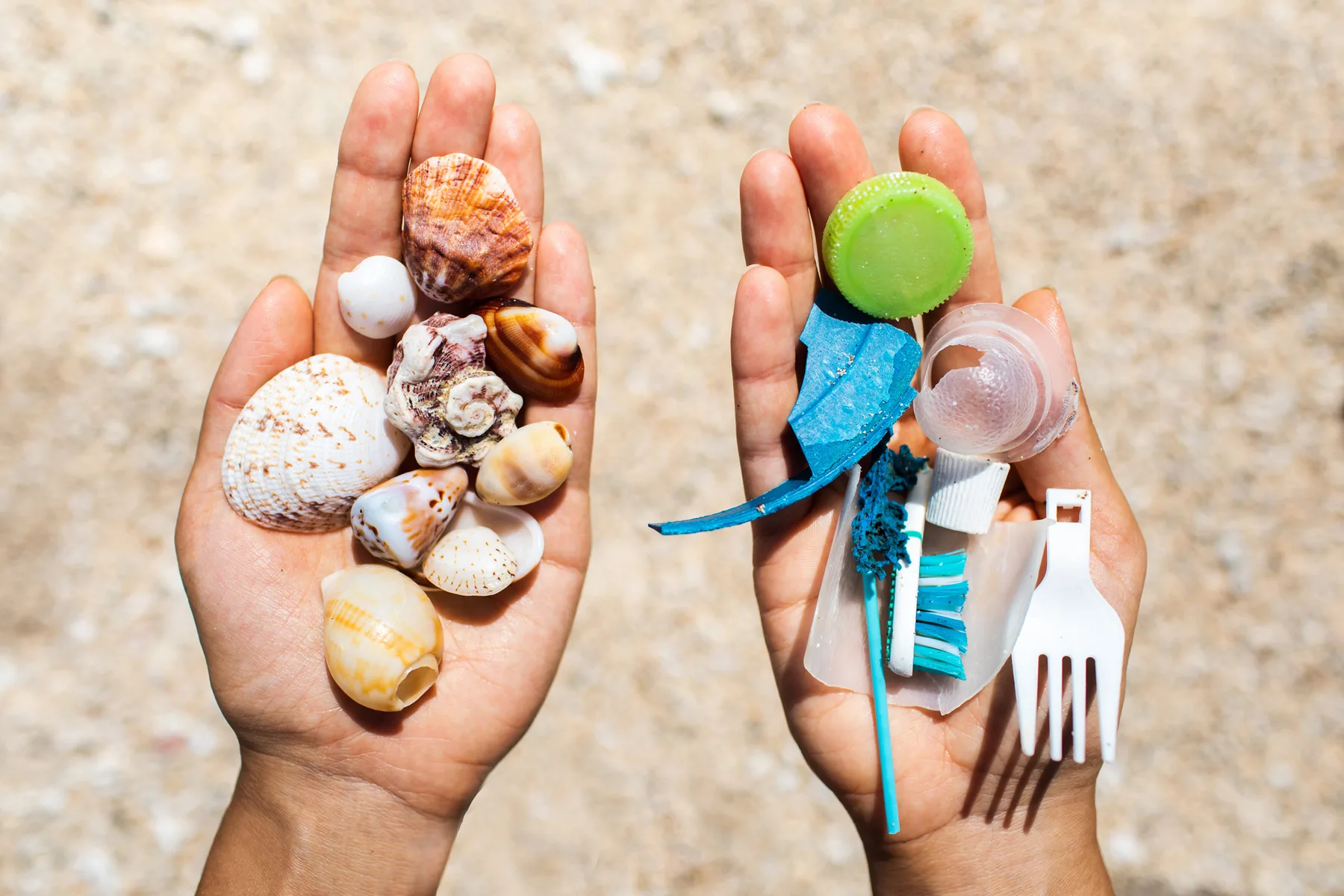
Destructive fishing remains a persistent problem in parts of Indonesia and the Philippines. Blast fishing and cyanide fishing destroy reef structure that took centuries to build, in minutes. Coastal development, plastic pollution, and poorly managed dive tourism are adding chronic pressure to reefs already under acute heat stress.
And yet. Tubbataha Reef in the Philippines, a UNESCO World Heritage Site accessible only by liveaboard, has maintained exceptional coral health through strict no-take protection and tightly controlled visitor numbers. Its fish populations and coral cover are among the healthiest benchmarks remaining in the region. The evidence is clear: protection works, but only when it is real and enforced.
World Reef Day 2026 covers the broader science of what we are losing and why reef restoration is scaling up globally. The Coral Triangle is at the centre of that story.
Why the Coral Triangle Matters Beyond Diving
The numbers that divers cite, the coral species count, the fish diversity, the seamounts, are remarkable. But the Coral Triangle is not primarily a dive destination. It is a food system.
An estimated 120 million people across the six Coral Triangle nations depend on the reef ecosystem as their primary source of protein. These are not abstract figures. They are coastal fishing communities whose livelihoods, and their children’s nutrition, are directly tied to reefs that are now bleaching, eroding, and losing fish populations under compounding climate pressure.
The Coral Triangle also drives some of the world’s largest tuna fisheries, supplying canned tuna to supermarket shelves across Europe, North America, and Asia. When the reef ecosystem degrades, the fish populations that depend on healthy coral structure follow. The economic and food security consequences reach far beyond the six nations themselves.
As divers, we have a specific relationship with this. We are among the few people who go into the water and see what is actually there, and what used to be there. That comes with a responsibility that goes beyond a beautiful reel.
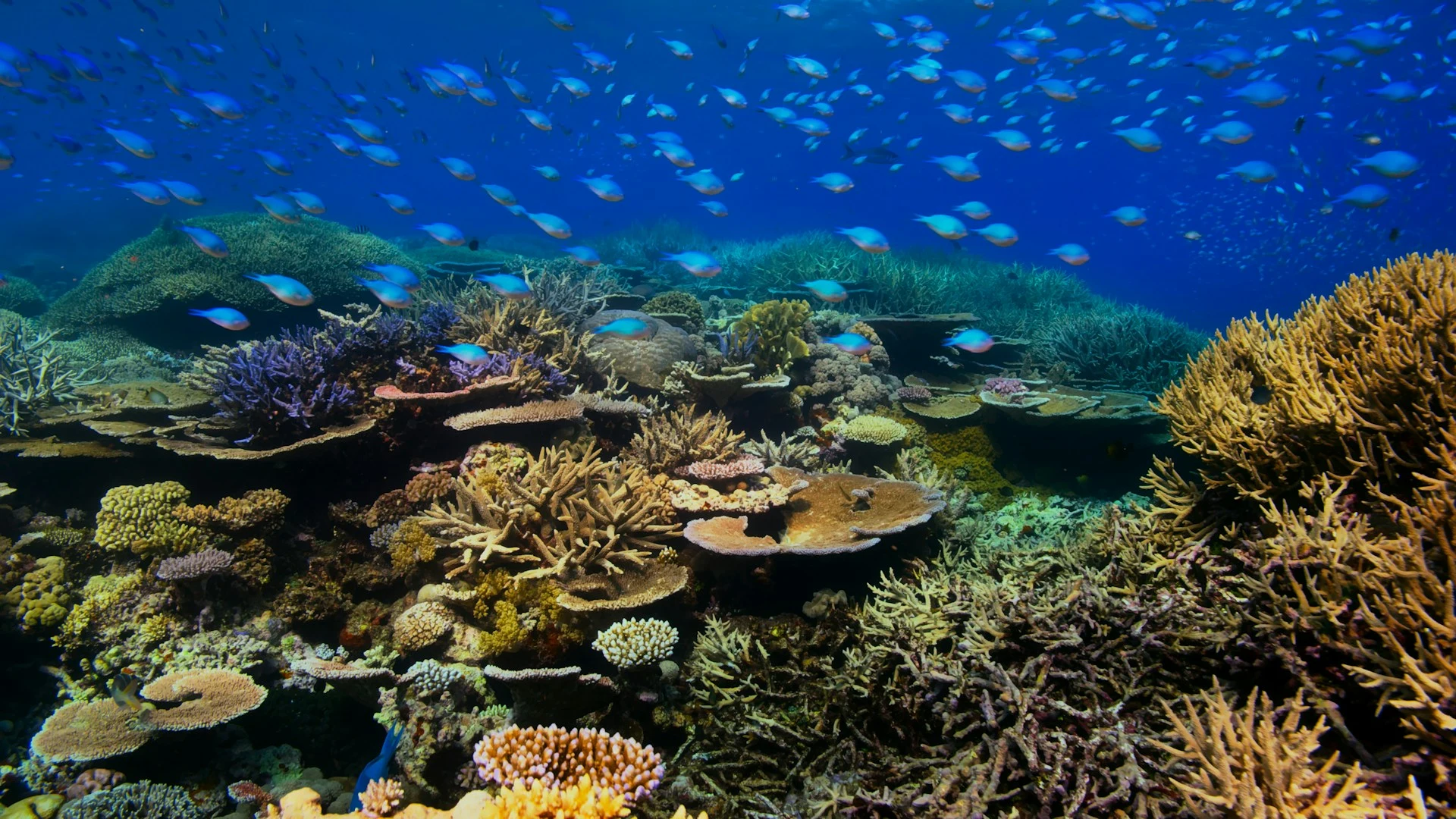
Where to Dive in the Coral Triangle
When most people think of the Coral Triangle, the same names come up every time: Raja Ampat, Nusa Penida, Komodo, Sipadan, Tubbataha, Malapascua, Palawan, the Gili Islands. And for good reason. These are world-class dive destinations that earned their reputations.
But they have also become victims of their own fame. Dive sites with daily permit caps booked out a year in advance. Cleaning stations with more cameras than sharks. Reefs absorbing more fins, more anchors, and more pressure than any ecosystem was designed to handle. The visibility is still there. The marine life, increasingly, is not what it was.
The Coral Triangle spans six countries and covers nearly six million square kilometres of ocean. The places that make every bucket list represent a fraction of that. The rest: the quieter bays, the unnamed seamounts, the islands with one dive operator and no social media presence, are often just as compelling underwater, and infinitely better off for the lack of attention.
These are the places worth diving next.
Indonesia 🇮🇩
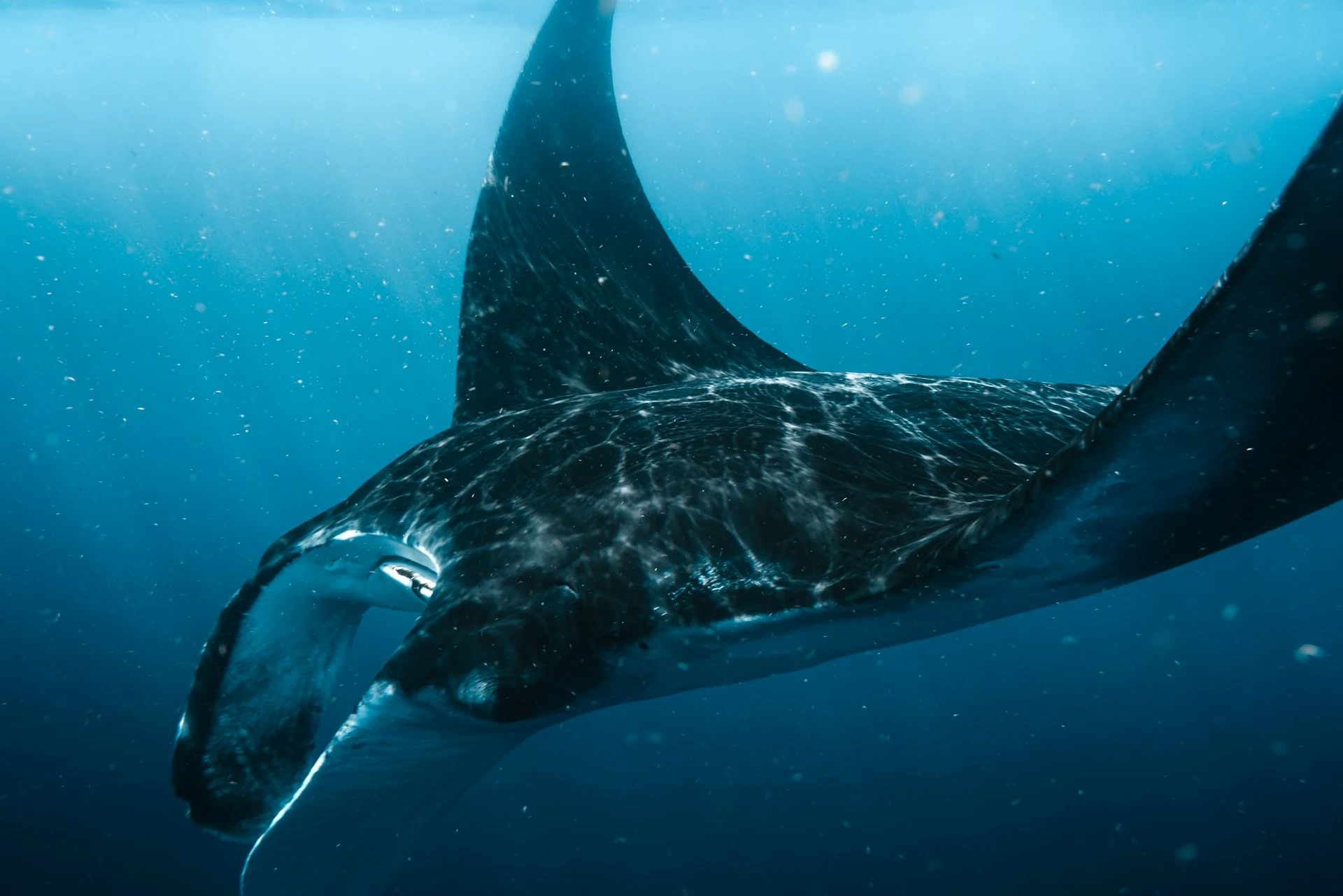
The Banda Sea. Eleven largely uninhabited volcanic islands in the middle of nowhere, reachable only by liveaboard. Hammerheads, mantas, sea snakes, walls that disappear past visibility limits. Most of the dive sites do not have names yet. This is where you go when everywhere else starts to feel familiar.
Bali Amed and Tulamben offer a slower pace and some of Bali’s most accessible and rewarding diving. The USAT Liberty wreck at Tulamben can be entered from shore and is covered in soft corals. Amed’s black sand slopes are full of macro life. A fraction of the noise of the main tourist circuit, with better diving.
Wakatobi, Sulawesi is a UNESCO Biosphere Reserve with some of the healthiest reef coverage in Indonesia and almost no crowds. The coral here has held up remarkably well. Four islands, a strict conservation framework, and the kind of fish density that makes you stop and just hover. The dive sites are largely untouched because most of them still are.
Philippines 🇵🇭
Puerto Galera sits at the northern edge of the Verde Island Passage. The mix here is broader: reef dives, walls, drift dives, wrecks, and a resident fish population that reflects the remarkable corridor it sits within. Scuba diving Verde Island itself, an hour offshore, runs the corridor’s most exhilarating current-driven sites. I fell in love with the diving here and ended up spending six months exploring its sites. Accessible, underrated, and consistently impressive.
Tubbataha Reef is a UNESCO World Heritage Site in the middle of the Sulu Sea, reachable only by liveaboard. No permanent human settlement, no runoff, no tourism pressure: just two atolls in almost untouched condition. Hammerheads, thresher sharks, Napoleon wrasse, and coral coverage that makes you recalibrate what healthy looks like.
Anilao, Batangas is the nudibranch capital of the Philippines and one of the first places in the world where blackwater diving and nudibranch hunting became a serious practice. Close to 600 identified species, macro life dense enough to fill a dive slate on a single site, and a two-hour drive from Manila.
Malaysia 🇲🇾
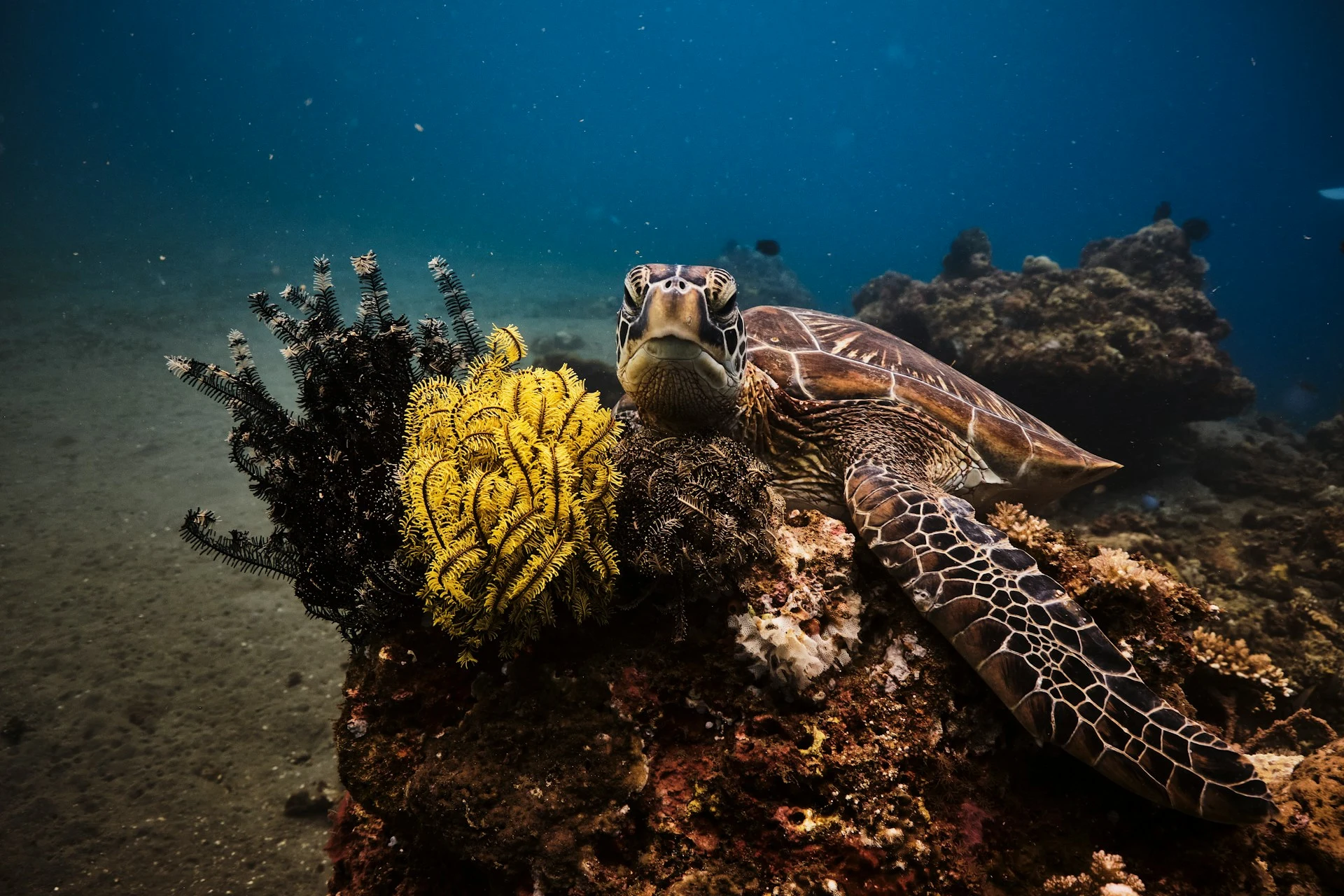
Sipadan is the only oceanic island in Malaysia, rising from 600 metres of deep water. The walls are vertical and alive, the turtle and shark numbers are exceptional, and the schooling barracuda and jacks are the kind of thing you see in documentaries. Permits are strictly limited: plan months ahead.
Mabul is Sipadan’s neighbouring island and its complete opposite in the best way. Where Sipadan is about big water and big animals, Mabul is muck diving: frogfish, ghost pipefish, mimic octopus, hairy frogfish, and creatures that seem to be testing the limits of what evolution is willing to produce.
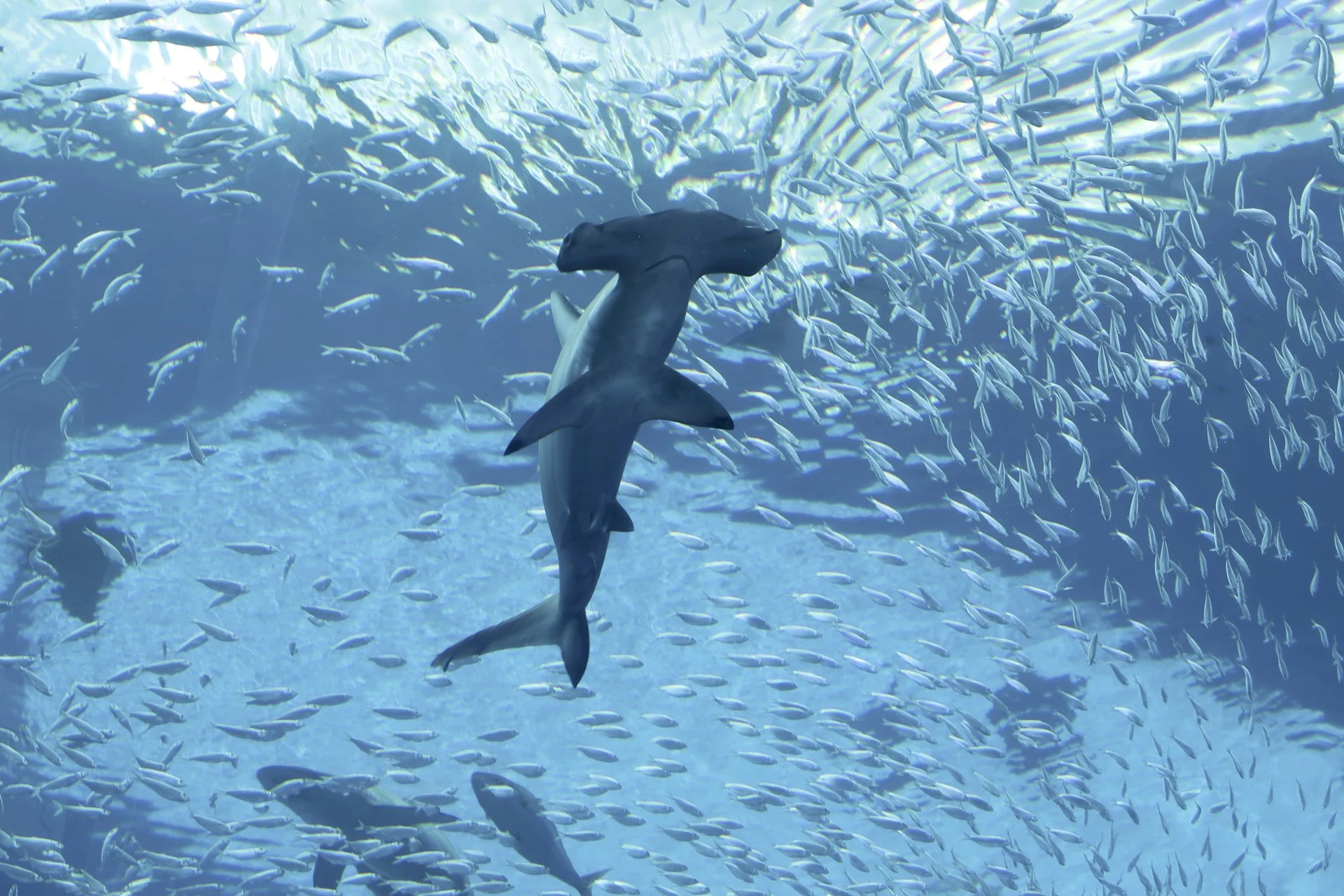
Layang-Layang is an atoll in the South China Sea, 300 kilometres from the Borneo coast, with walls that drop past 2,000 metres. Hammerhead aggregations between March and May. Almost no tourist infrastructure, which is partly the point. One of the more remote dives in the region, and one of the most rewarding.
Papua New Guinea 🇵🇬
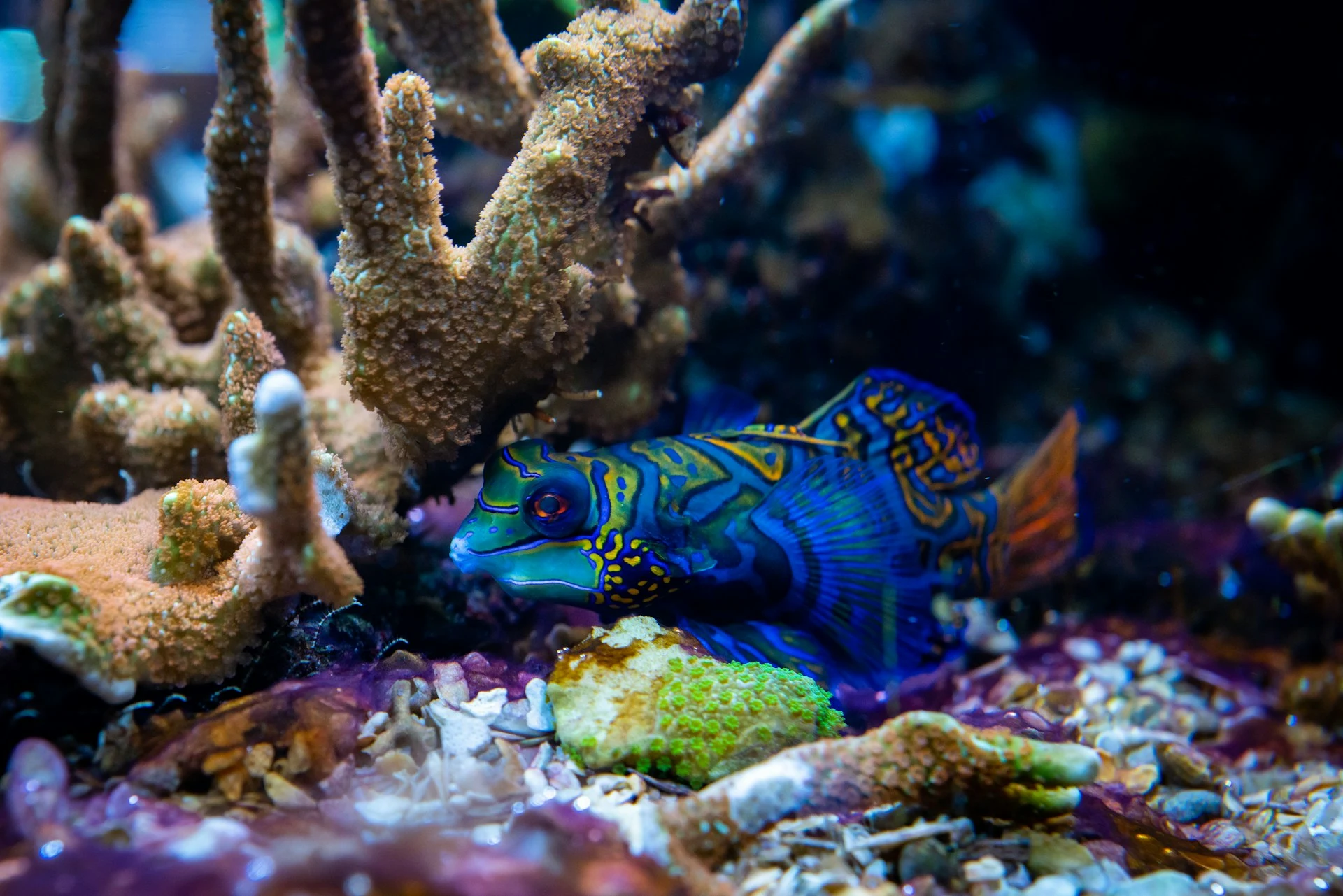
Kimbe Bay sits in the Bismarck Sea with 60% of all Indo-Pacific coral species in a single bay. The reef systems here were some of the first scientifically documented within the Coral Triangle, and the data still holds. Pygmy seahorses, mandarin fish, and macro life dense enough to fill a dive slate on a single site.
Milne Bay is the site where the pygmy seahorse was first described. Muck diving of a calibre that draws serious underwater photographers from across the world, combined with pristine reef systems and a relative absence of other divers. Everything feels slightly undiscovered, because most of it still is.
Rabaul is a natural harbour shaped by a volcanic caldera, with a fleet of Japanese WWII wrecks on the seafloor. Some have not been fully explored. The history alone is worth the trip, and the marine life that has colonised the wrecks over eight decades makes them something else entirely.
Timor-Leste 🇹🇱
Atauro Island: a 2016 survey by Conservation International recorded the highest reef fish biodiversity ever measured on earth, 642 species on a single island. Atauro is not famous. It has no dive industry to speak of. That is the point.
Dili, the capital city, has shore dives accessible straight from the beach, with fish density that most destinations market as a headline feature. Night dives over black sand produce nudibranchs, pipefish, and octopus in numbers that suggest nobody told this reef it is supposed to be depleted.
Jaco Island is uninhabited and protected inside Nino Konis Santana National Park, at the eastern tip of the country where the Banda and Timor Seas converge. The currents bring nutrients and the pelagics follow. The reefs here are among the healthiest in Timor-Leste precisely because almost nobody gets there.
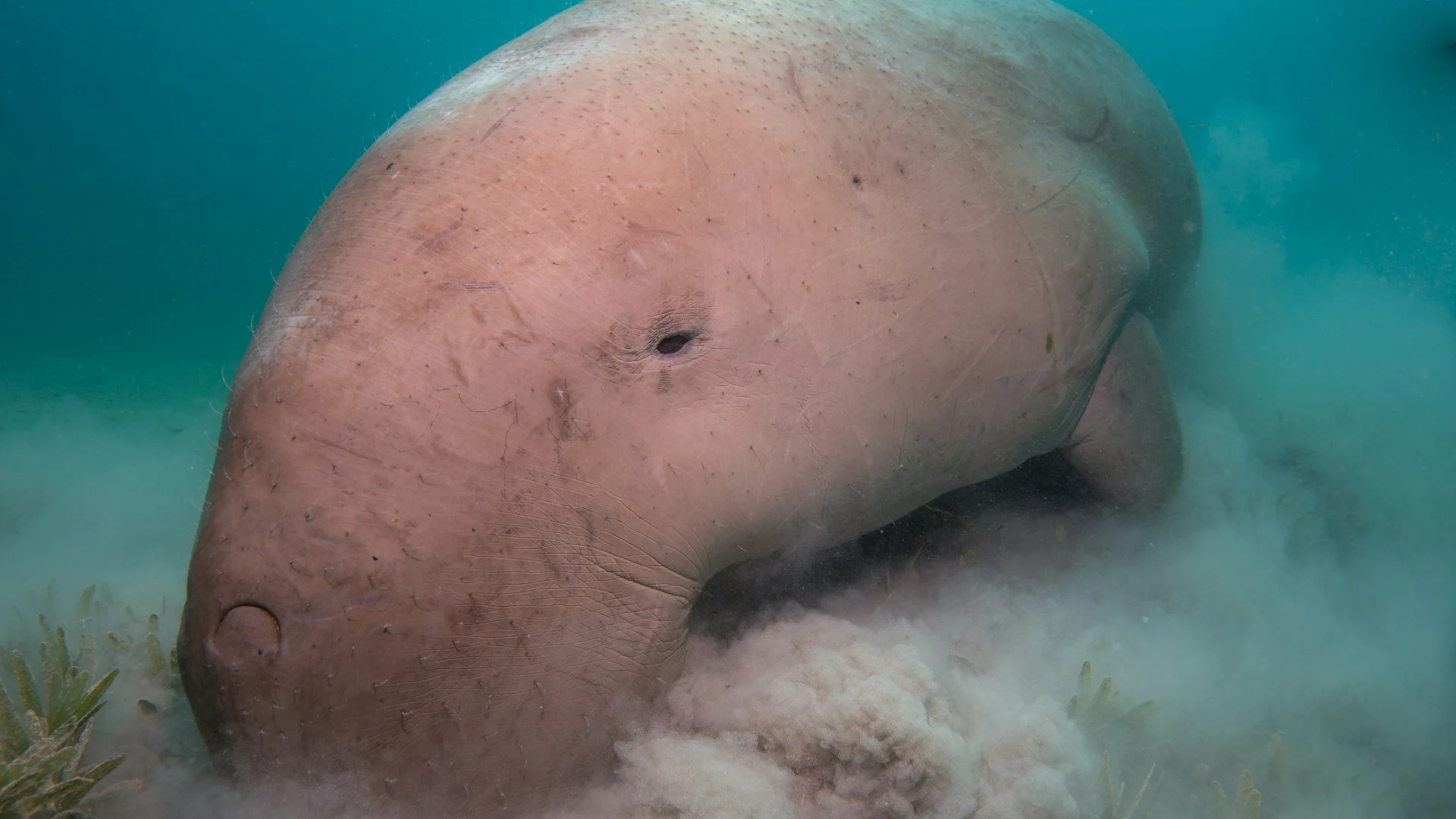
Solomon Islands 🇸🇧
Marovo Lagoon is the largest saltwater lagoon in the world, enclosed by a double barrier reef. The topography alone: channels, passages, bommies, walls, would make it worth visiting. The marine life makes it one of the best dive destinations in the Pacific.
Iron Bottom Sound, Guadalcanal was named by the sailors who lost ships here during WWII. The seafloor is a graveyard of American and Japanese vessels, some of them enormous. Decades of coral growth have turned them into artificial reef systems unlike anything purpose-built. Diving here is history and biology at the same time.
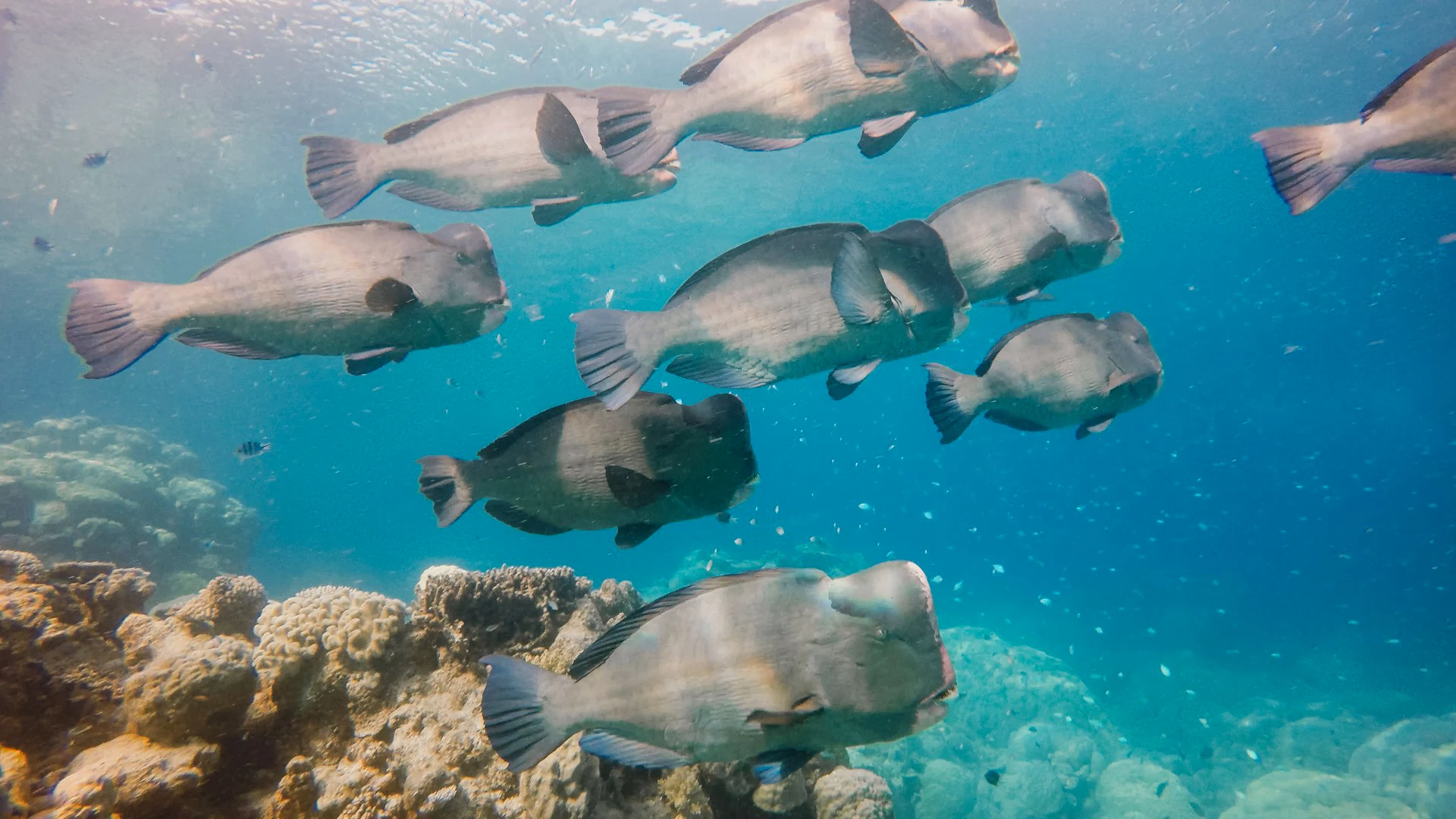
Florida Islands sits removed from the main liveaboard circuits, with pristine reef systems and mangrove ecosystems that function as the nursery for much of the Sound’s marine life. Bumphead parrotfish schools, Napoleon wrasse, and a quietness that is increasingly rare in the Coral Triangle.
What Divers Can Do for Coral Triangle Day 2026
Coral Triangle Day is not a day for passive appreciation. Here is what actually makes a difference.
Choose less-visited destinations. The Coral Triangle’s most famous sites are under the most pressure. Anilao, Puerto Galera, Derawan, Lembongan: these places have the same quality of marine life with a fraction of the diver density. Choosing them spreads the conservation benefit of tourism and reduces the load on already-stressed reefs.
Choose operators with demonstrated conservation commitments. This means operators who enforce no-touch briefings, limit diver numbers at sensitive sites, and actively participate in reef monitoring. In Malaysia, it means operators who enforce the Sipadan permit system. In the Philippines, dive shops that fund reef surveys and report bleaching data. Ask directly. The operators who care about this are proud to answer.
Pay the park fees. Many Coral Triangle MPAs are funded almost entirely by dive tourism levies. Tubbataha’s strict enforcement is financed largely by liveaboard fees. Sipadan’s daily cap is what keeps it from being loved to death. Atauro Island’s minimal infrastructure is what keeps the reef fish count at 642 species. The fee is not bureaucracy. It is the budget for protection.
Support reef restoration projects. Across the Coral Triangle, organisations run coral gardening and fragment propagation programmes rebuilding degraded sections of reef. Many accept volunteers or offer conservation dives as part of their model.
Talk about it. Coral Triangle Day is almost unknown outside diving circles. Posting on 9 June with context, not just a fish photo, reaches people who have never heard of the Coral Triangle and who eat tuna every week without knowing where it comes from.
For anyone planning where to dive in 2026 or 2027, choosing the Coral Triangle and choosing responsibly within it is itself an act of conservation. Tourism that is managed well funds protection. Tourism that is not managed destroys what it came to see.
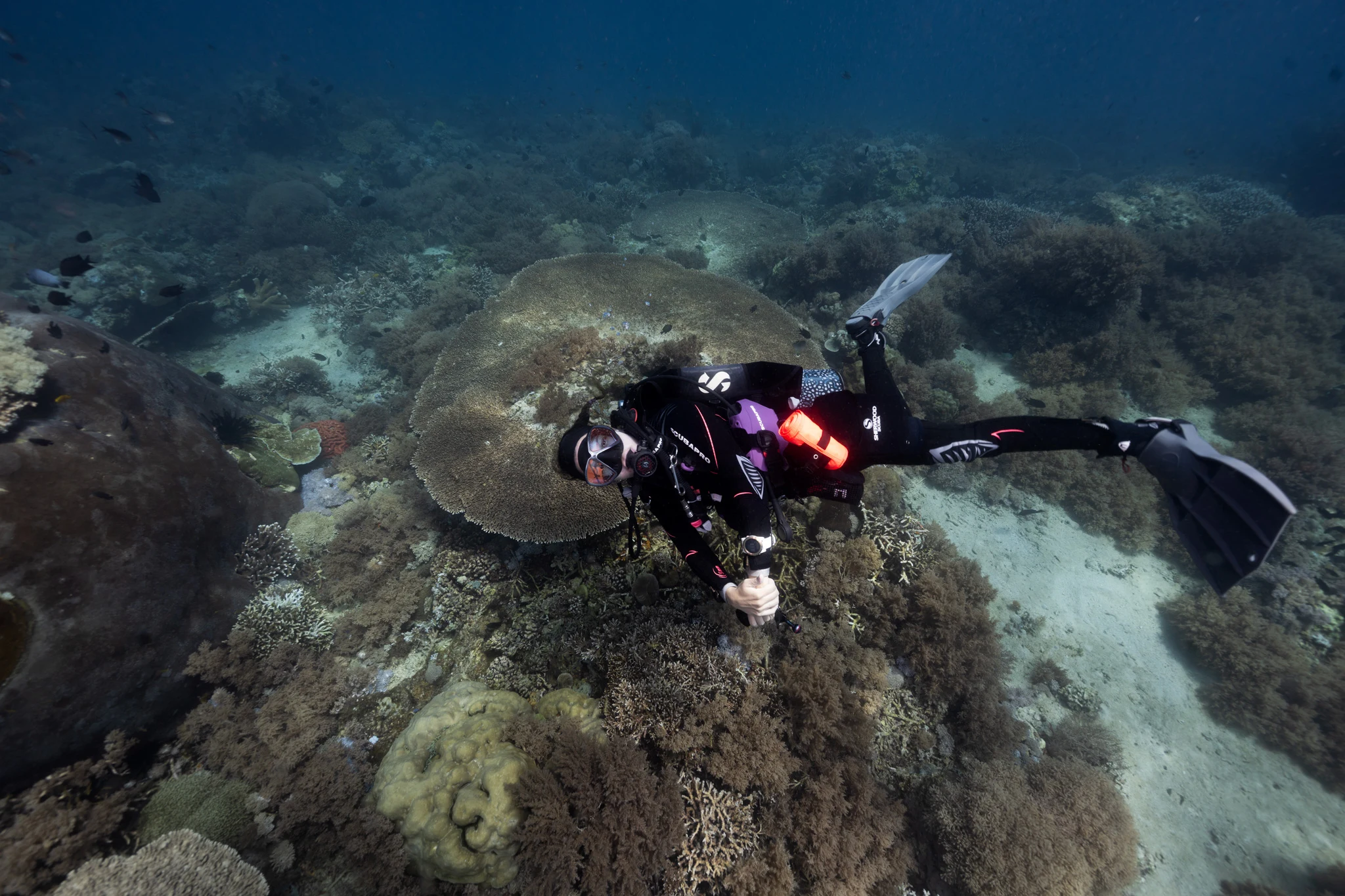
The ocean does not need performative appreciation. It needs people who understand what is at stake and act accordingly. Coral Triangle Day is the prompt. The rest is up to us.