If you only make room for one dive destination on a trip to the Philippines, make it the Verde Island Passage. Scuba diving Verde Island puts you over more marine life per square metre than almost anywhere else on the planet, in a narrow strait between Luzon and Mindoro, and there’s hard science behind that claim.
Why You Can’t Skip Diving the Verde Island Passage
The 1.14-million-hectare Verde Island Passage sits at the heart of the Coral Triangle, the global epicentre of ocean biodiversity, and is widely recognised as the “Centre of the Centre of Marine Shorefish Biodiversity in the World.” In plain terms: nowhere else packs this many species of fish and coral into so small an area, not the Caribbean, not the Great Barrier Reef.
That reputation is built on hard science. A 2015 California Academy of Sciences expedition documented more than 100 species new to science, from nudibranchs and sea urchins to corals and fish. Hundreds of hard coral species have been recorded in the Passage, a figure that rivals or beats almost any comparable reef system on Earth. In 2023 the area was named a Mission Blue “Hope Spot,” recognition of both its global importance and the ongoing fight to protect the Verde Island Passage that it now needs.
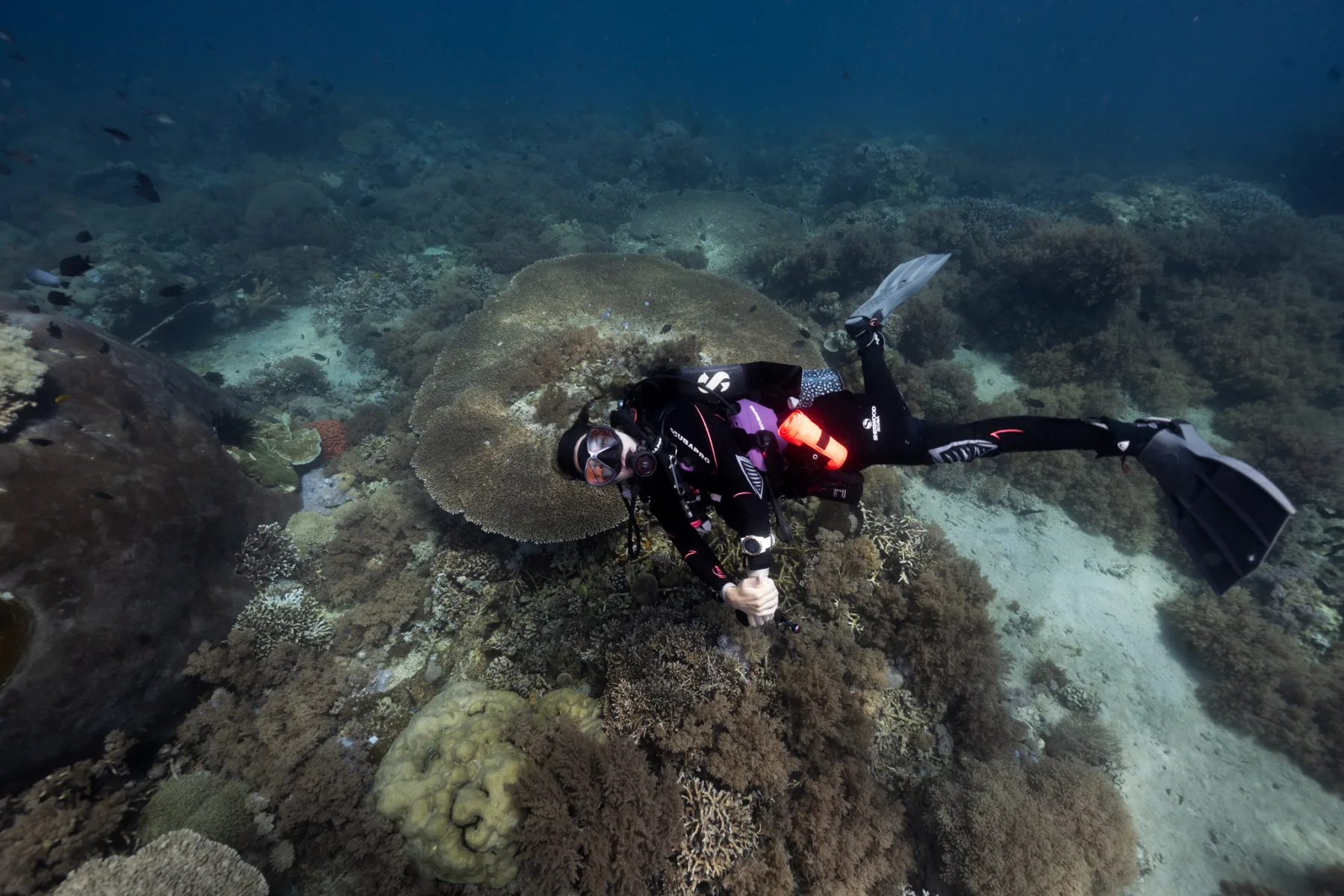
What makes the diving so alive is the water itself. Strong tidal currents sweep nutrient-rich water up from depth and across the reefs, feeding enormous biomass and keeping corals healthy and vivid. Reefs here rise sharply from deep water into walls, ridges and pinnacles. That structure concentrates life and gives every dive a sense of scale.
The Marine Life You’ll Encounter at Verde Island
This is a destination that rewards both the wide-angle diver and the macro hunter. On a typical day in the Passage you can expect:
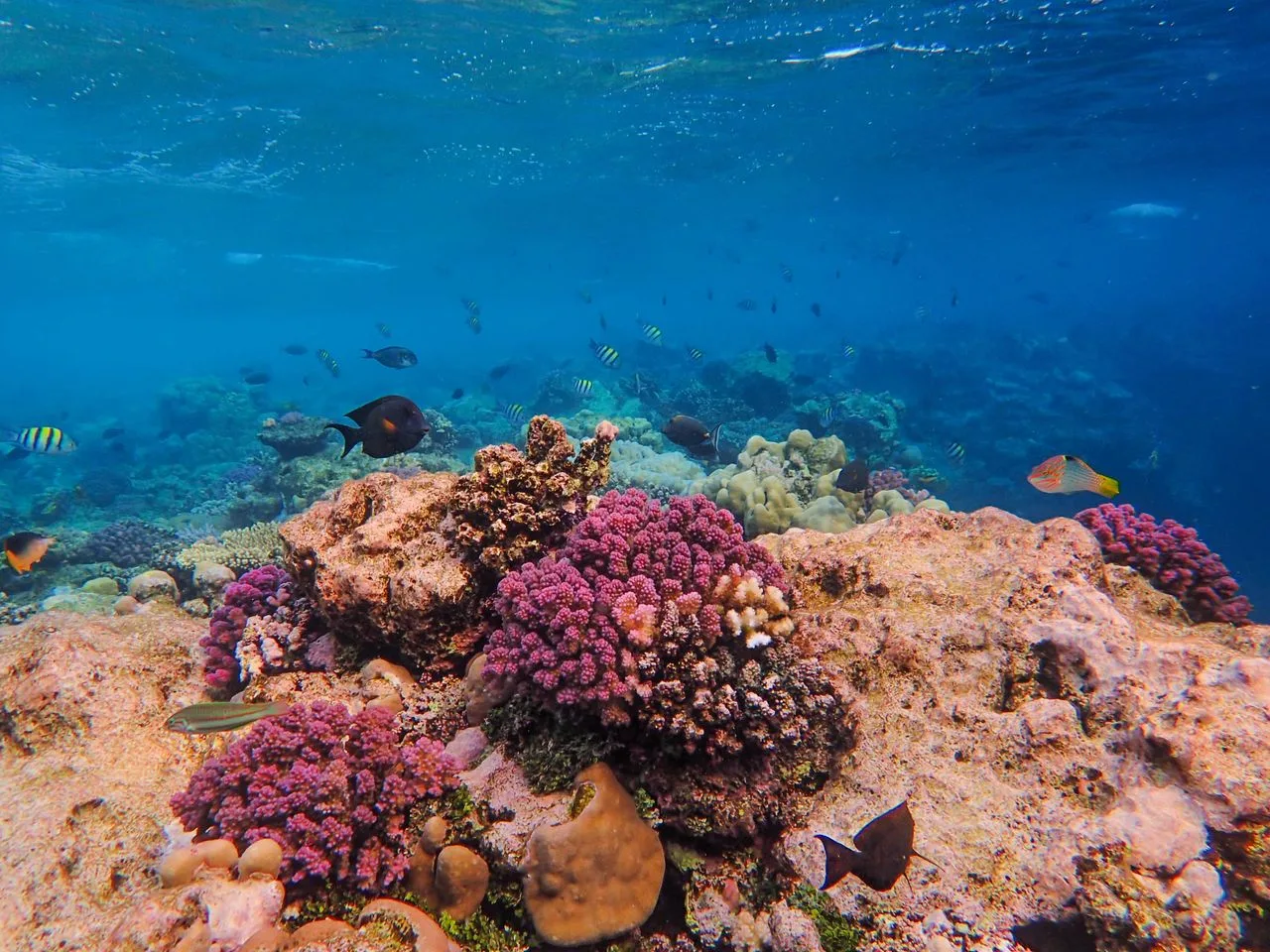
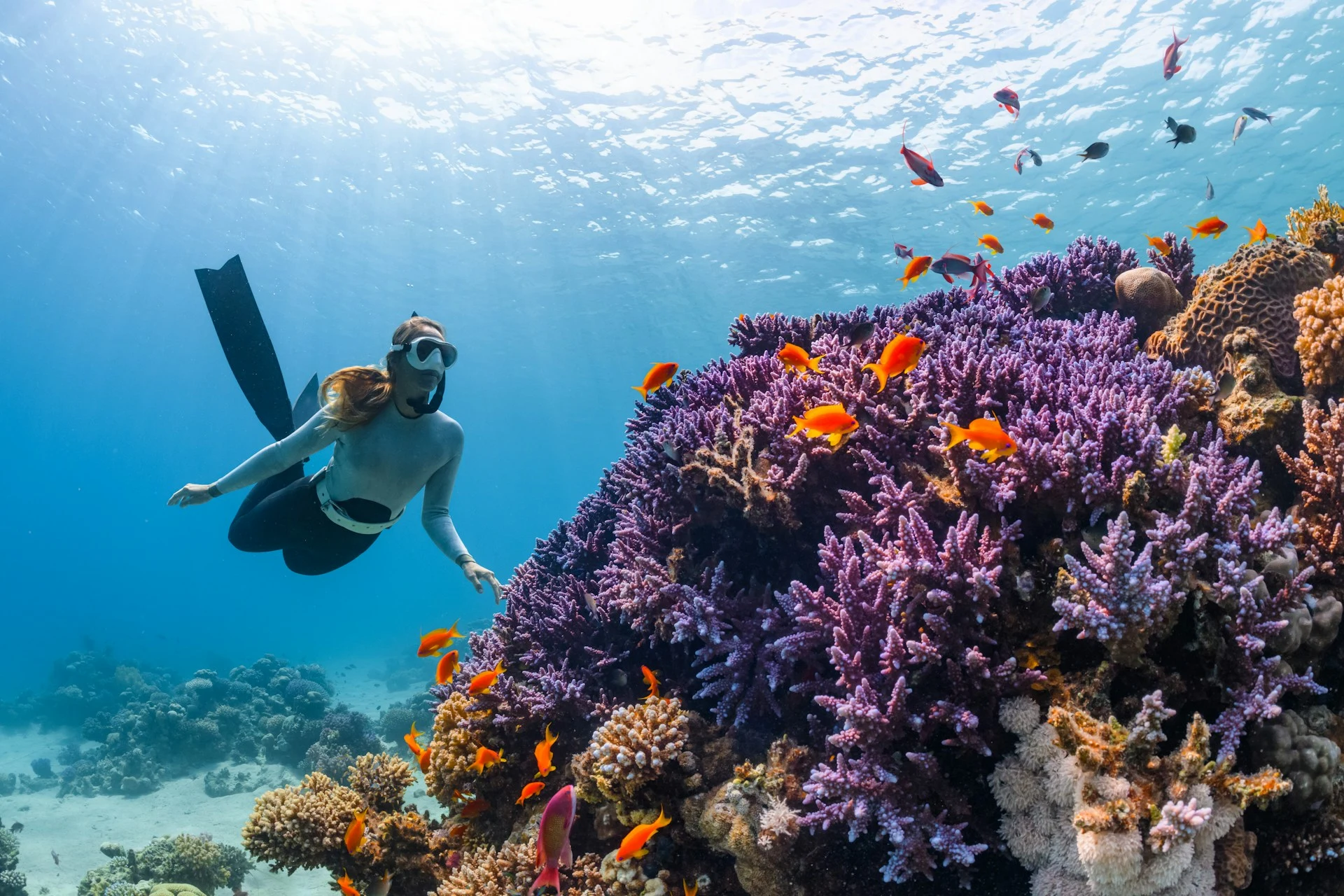
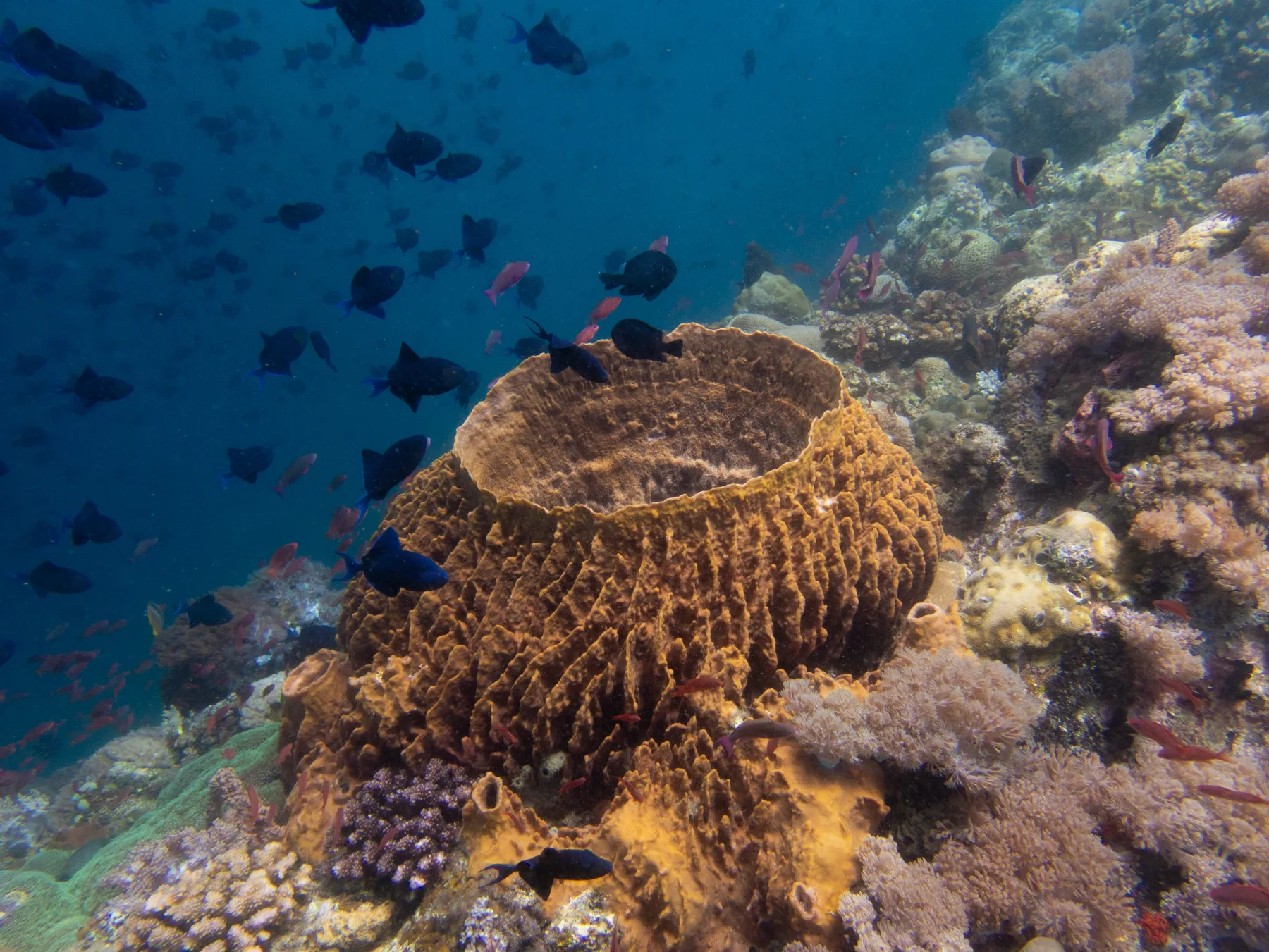
- Coral gardens in every colour: dense hard and soft corals, gorgonian sea fans, whip corals and barrel sponges blanketing the reef so completely you can barely find a patch of sand.
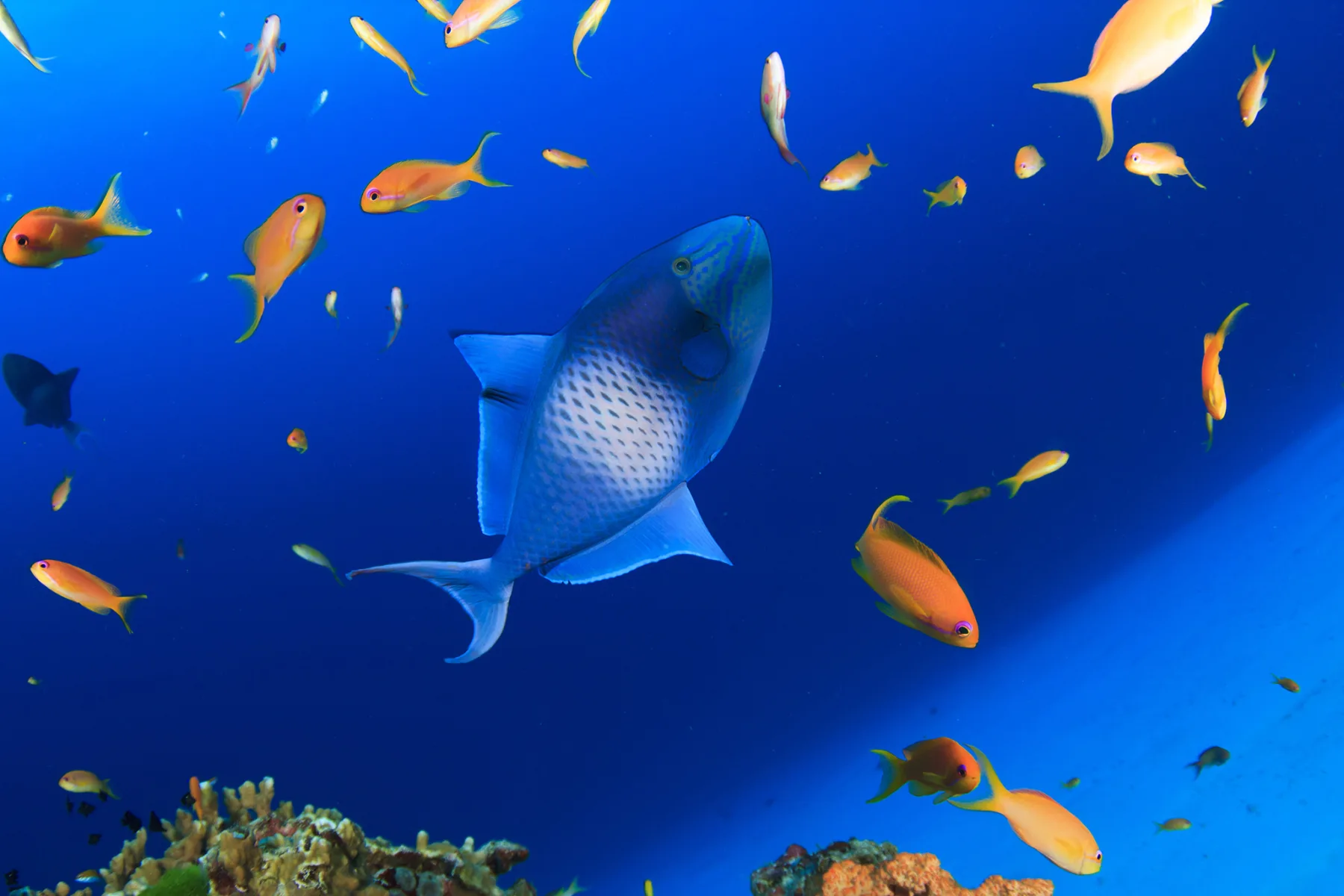
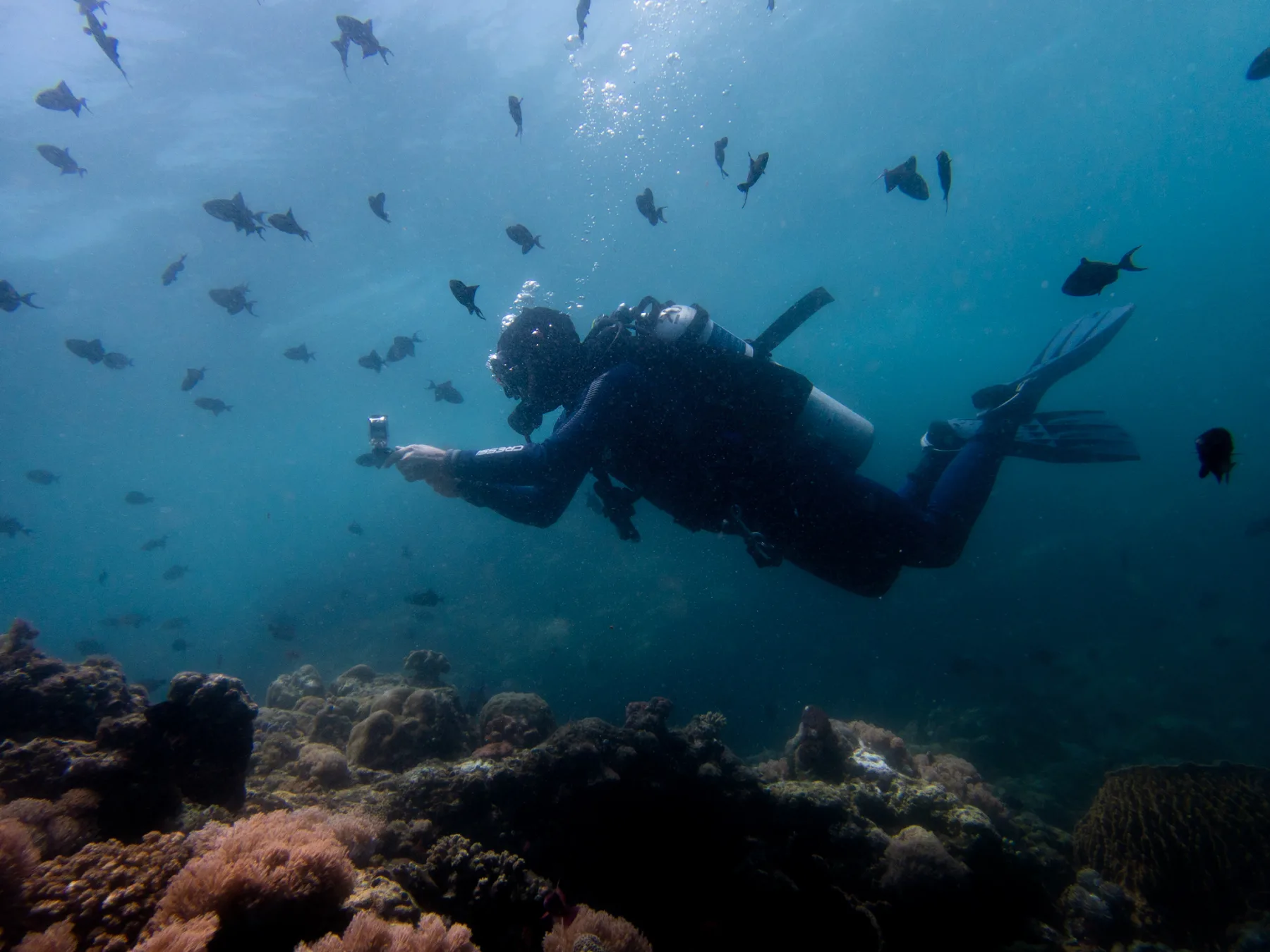
- Walls of reef fish: clouds of anthias, schooling jacks and snapper, and the constant flicker of damselfish and wrasse over the coral. Since Covid, the Passage has seen an explosion in redtooth triggerfish, and at some point you’ll almost certainly find yourself surrounded by thousands of them.
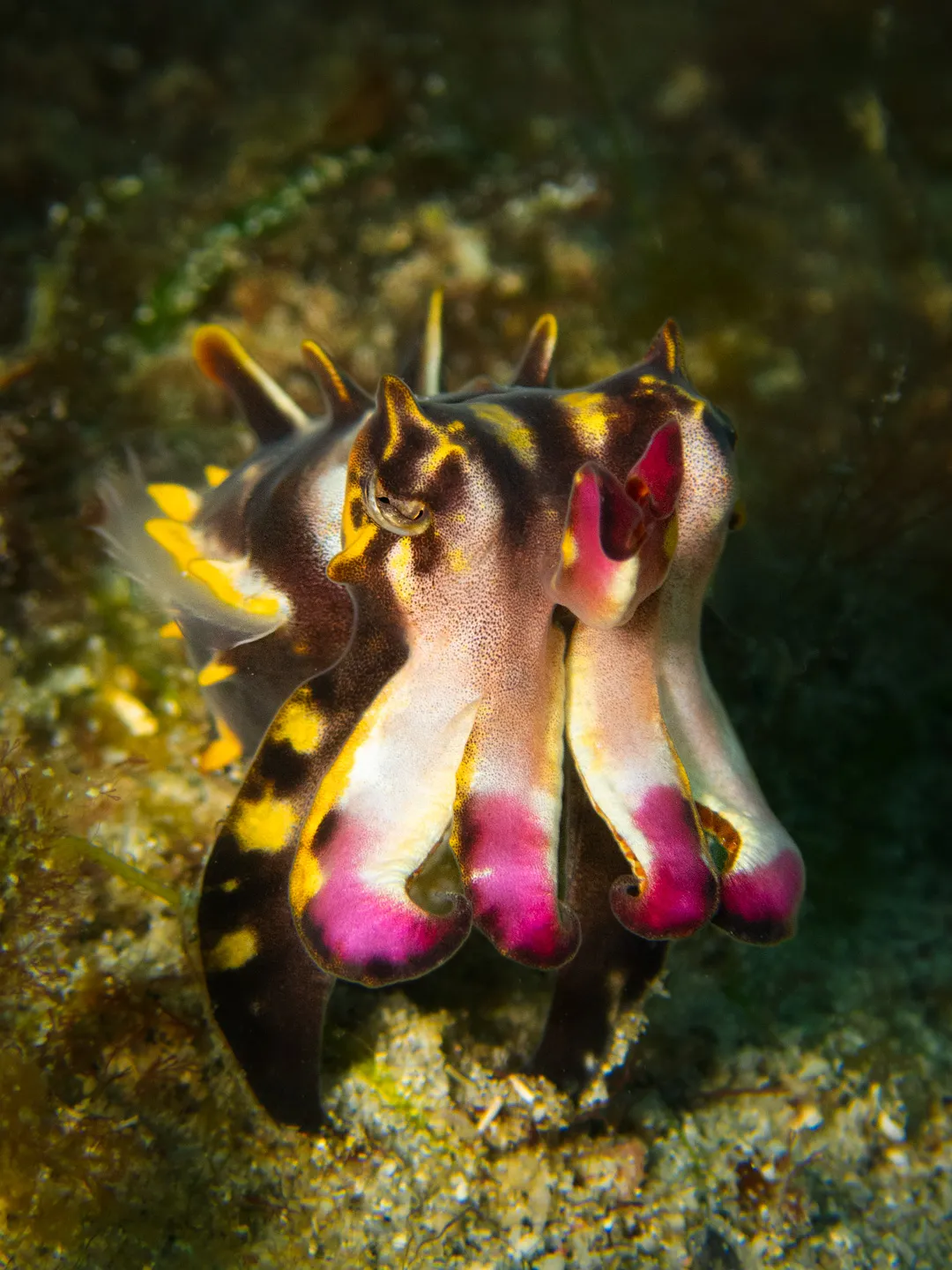
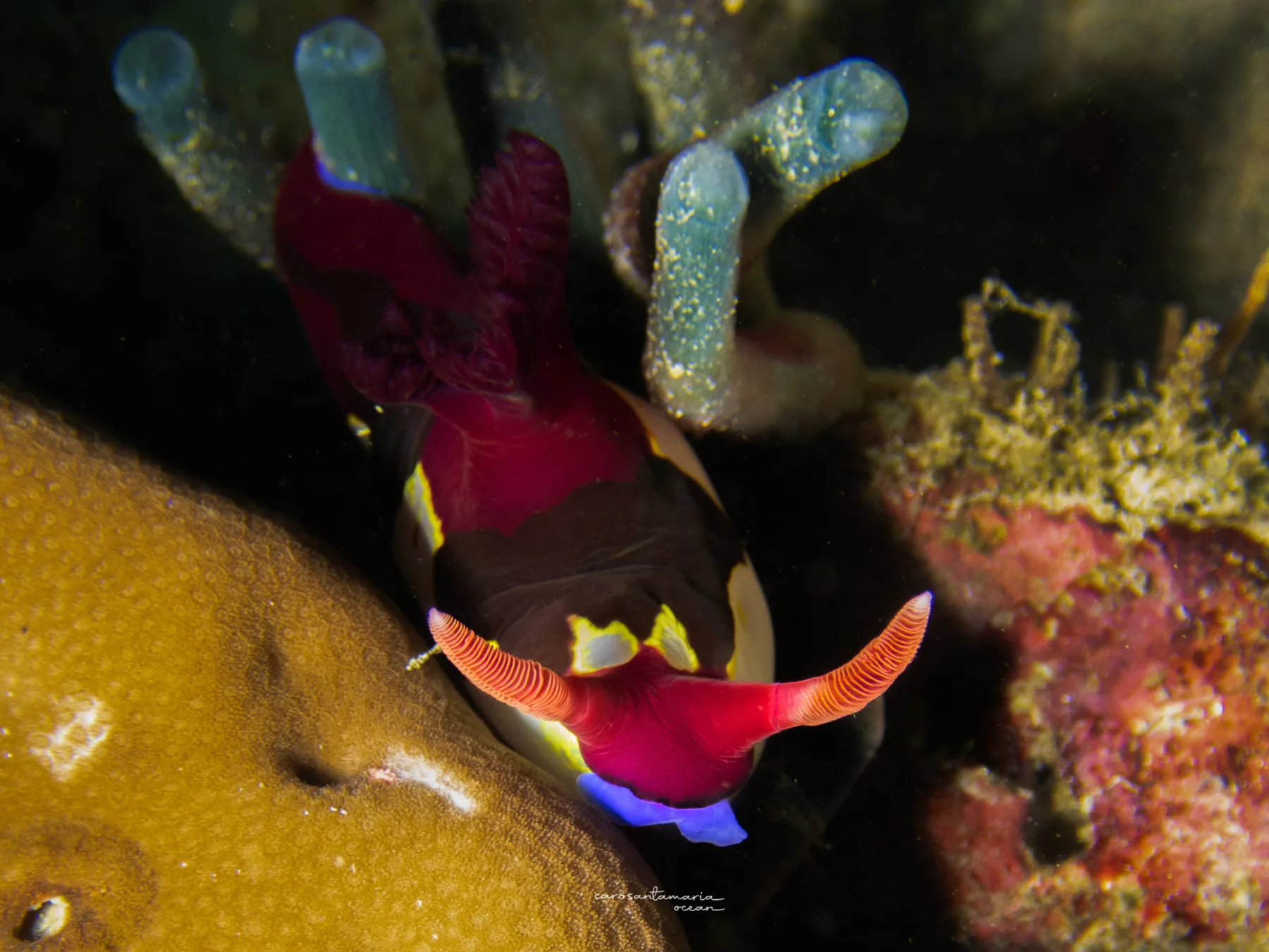
- World-class macro life: the Passage is a celebrated spot for finding nudibranchs (the area helped describe dozens of new ones), frogfish, seahorses, shrimps and other tiny macro critters.
- Threatened and iconic species: green, hawksbill and olive ridley sea turtles, humphead wrasse (also known as the Māori wrasse), giant groupers and giant clams all live here.
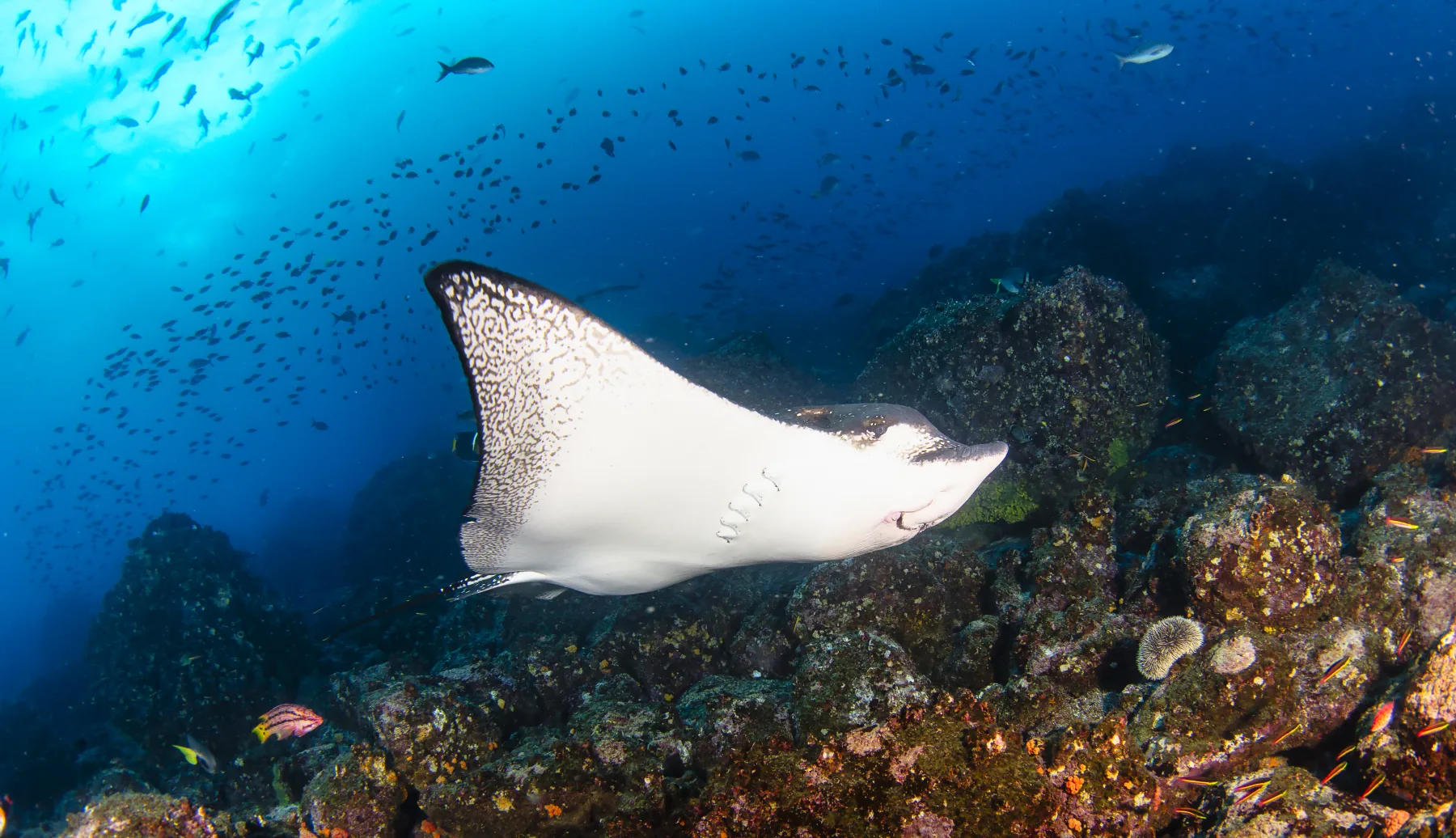
- Pelagic action on the exposed sites: around Verde Island and the offshore seamounts, tuna, mackerel, barracuda, reef sharks and the occasional eagle ray cruise through the blue. The corridor even produces rare big-animal surprises, including an extremely rare documented orca sighting captured by Coral Reef Safari.
For underwater macro photography, the dramatic topography and the sheer density of subjects are hard to beat. You can shoot a pinnacle wall in the morning and spend the afternoon hunting nudibranchs on a gentle slope.
The Best Eco Dive Operator for Verde Island: Coral Reef Safari
Plenty of boats will take you to Verde Island. What sets my favourite, Coral Reef Safari, apart is that the dive is the conservation, and the experience is built around understanding what you’re seeing, not just ticking off a site. This isn’t a sponsored post, but I’m happy to go out of my way to advocate for this amazing dive operator to anyone who wants a remarkable experience in such a wonderful place.
- Gold-certified by Green Fins 🥇 Green Fins is the only internationally recognised code of conduct for minimising the environmental impact of diving and snorkelling, and Coral Reef Safari was just awarded the Green Fins Gold certification, an independently assessed signal of genuinely low-impact practice rather than green-washing. Making them one of only a handful of dive operators in the Philippines to hold this recognition.
- Small groups and expert wildlife guides. Rather than packing a boat, the team runs intimate trips led by naturalist guides, which means closer wildlife encounters, less pressure on the reef and a far richer interpretation of what you’re looking at.
- Education. As the Senegalese conservationist Baba Dioum famously put it, “In the end we will conserve only what we love, we will love only what we understand, and we will understand only what we are taught.” The Coral Reef Safari crew clearly take this to heart, happily sharing their knowledge of marine life and conservation. You even get an “Ocean Journal,” a booklet of genuinely absorbing marine education, along with a pre-dive Discovery Session, ID slates and a Naturalists’ Toolkit.
- Off the beaten track. From their base in Puerto Galera, they head beyond the busy sites to places like the rarely dived Islands of Calapan, the high-energy reefs of Verde Island, and the offshore seamount of Hibo Reef, often with few or no other divers around.
- Dive with a purpose. Through the Reef Support Crew program, recreational divers can join hands-on marine research, turning ordinary dives into useful data for long-term reef protection.
- Carbon neutral. Reaching remote sites burns more fuel, so the operator offsets every journey through tree-planting with Tree Nation, part of a wider regenerative-travel ethos (they’re also members of the Adventure Travel Trade Association and 1% for the Planet).
Getting to Verde Island: Transfers, Tides and Skill Level
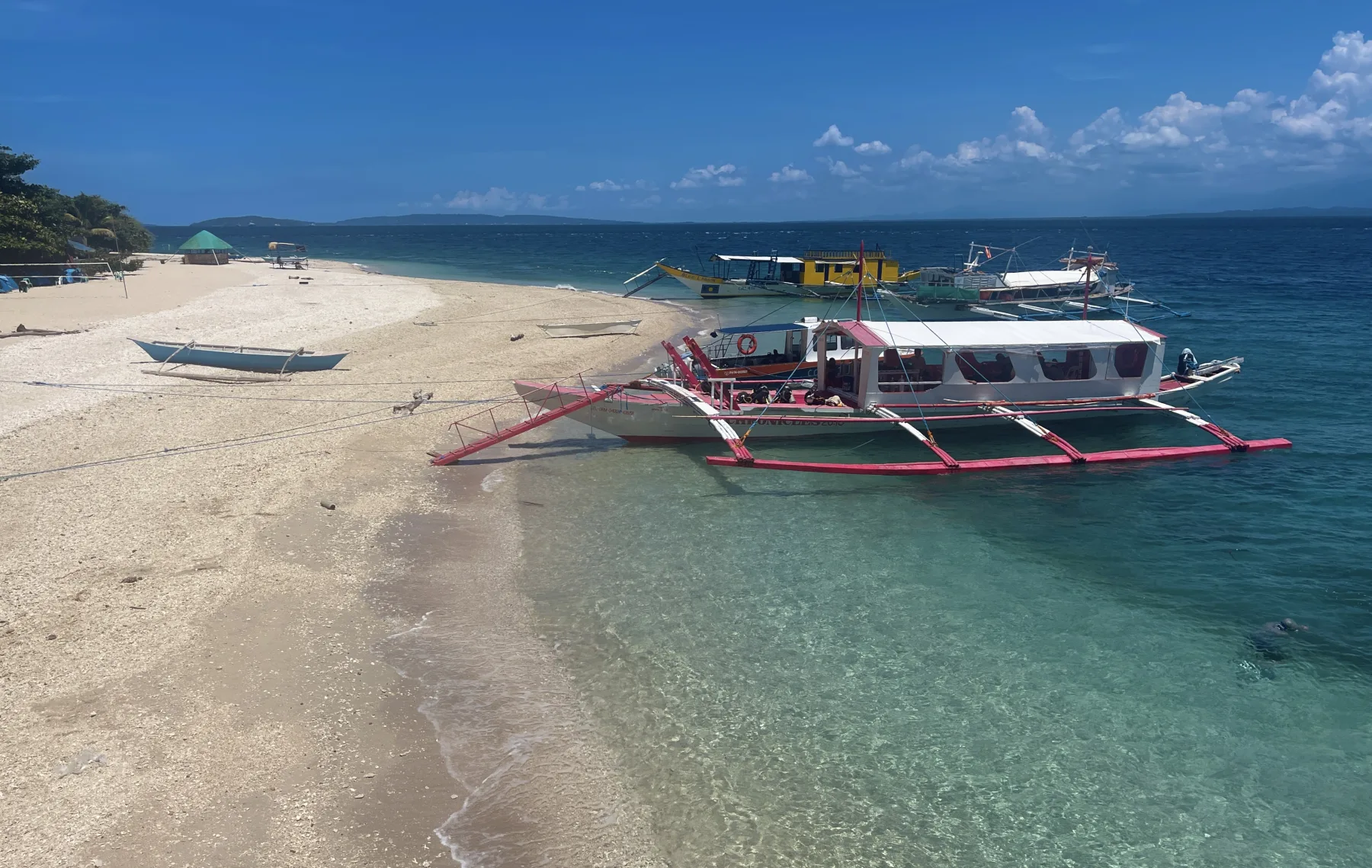
The main base is Puerto Galera, on the northern tip of Mindoro and an easy day trip from Manila via the port of Batangas, where the speedboat crossing to Puerto Galera takes only about 20 minutes. Verde Island itself is roughly an hour by boat. Because the strongest, most exhilarating sites are current-driven, the best Verde diving suits advanced or experienced divers, though the wider area has plenty of gentler reefs for newer divers and snorkellers. Boats typically leave early to catch favourable tides, and conditions are calmest in the morning.
The Bottom Line on Scuba Diving Verde Island
The Verde Island Passage isn’t just a great Philippine dive site; by the numbers, it’s the most biodiverse stretch of ocean on the planet. Diving it with an operator whose entire model is built around protecting that biodiversity means your trip leaves the reef better off than it found it. For divers who want adventure and impact, Coral Reef Safari is the way to experience the centre of the centre.
Ready to dive in? Explore safari options and day trips at coralreefsafari.eco.