World Coral Reef Awareness Day is 1 June. The day was founded in 2019 by Raw Elements USA, a 1% For The Planet member, as a calendar moment for the world to think specifically about coral reefs. Not oceans broadly. Reefs.
In 2026, that 1% of the planet’s surface, the part that holds 25% of all marine life and supports a billion people, is in the middle of the worst coral bleaching event ever recorded.
When Is World Reef Day?
World Reef Day, also called World Coral Reef Awareness Day, is 1 June every year. It is the day the people who work on reefs, and the people who dive them, make the same point at the same time.
Five Things About Coral Reefs Worth Stopping For
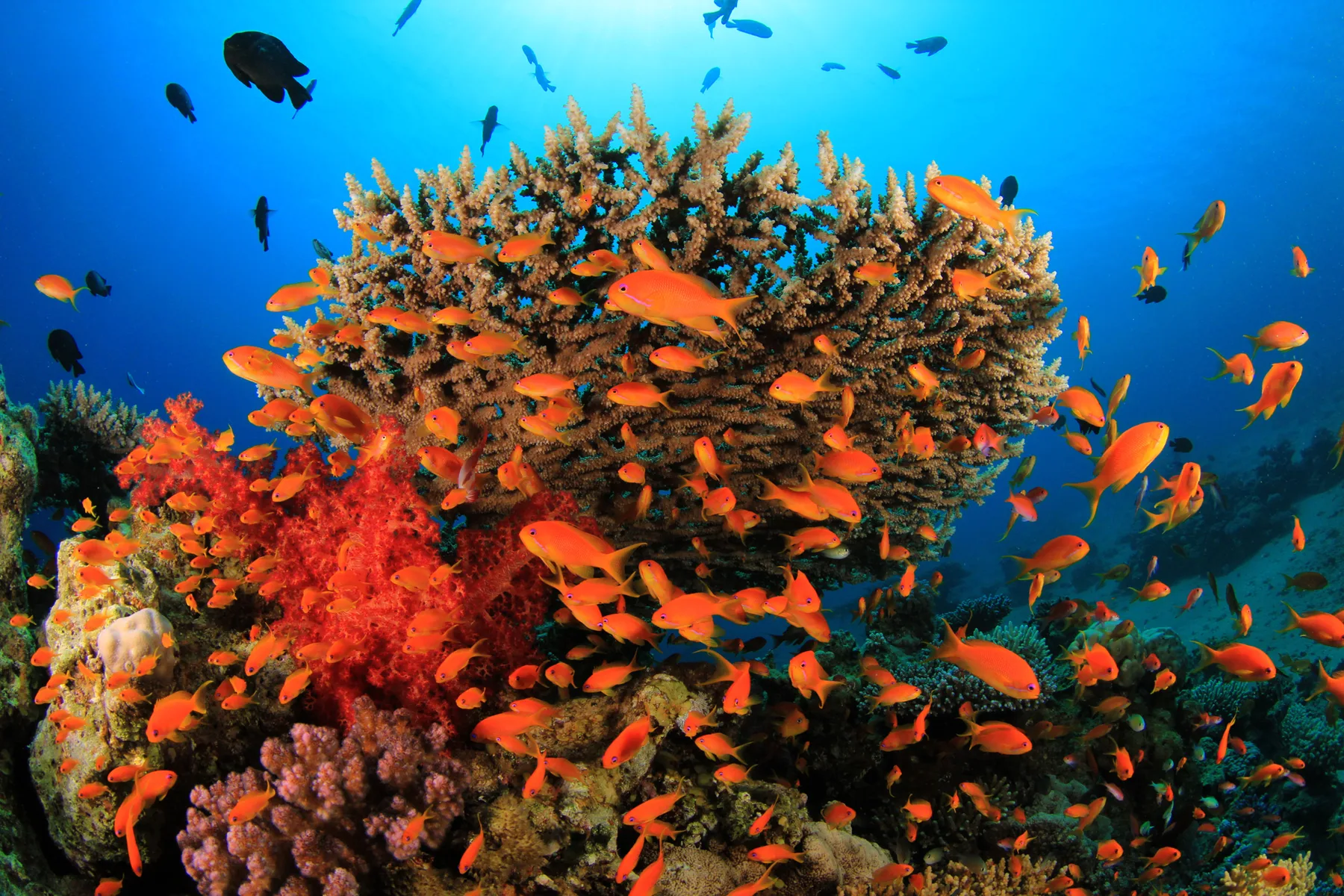
🪸 Coral reefs cover less than 1% of the Earth’s surface, and a quarter of all marine life depends on them. No ecosystem on the planet does more with less.
🪸 They cover just 0.2% of the seafloor, yet support around 830,000 marine species. The maths should not work, but it does.
🪸 Corals are not plants, and they are not rocks. They are animals. Tiny ones called polyps, building some of the most complex ecosystems on earth.
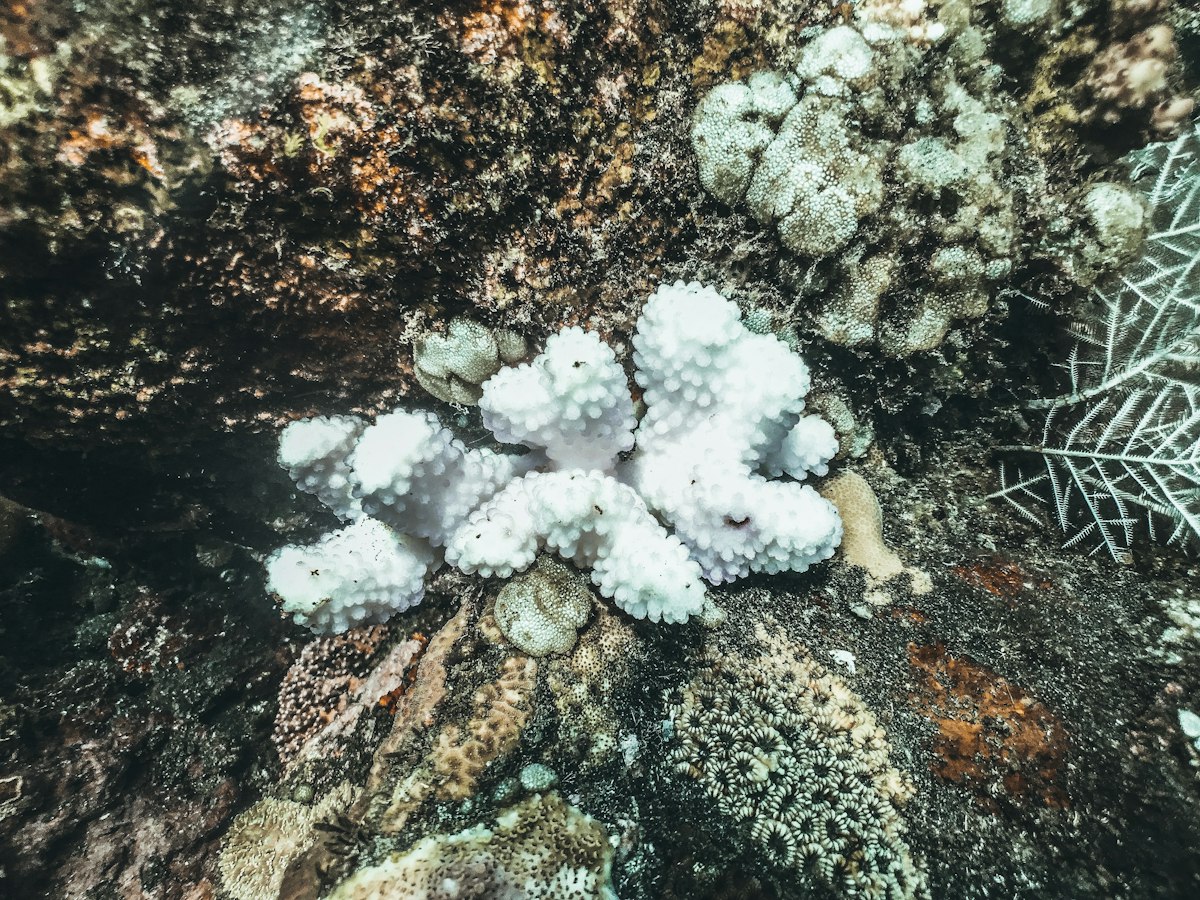
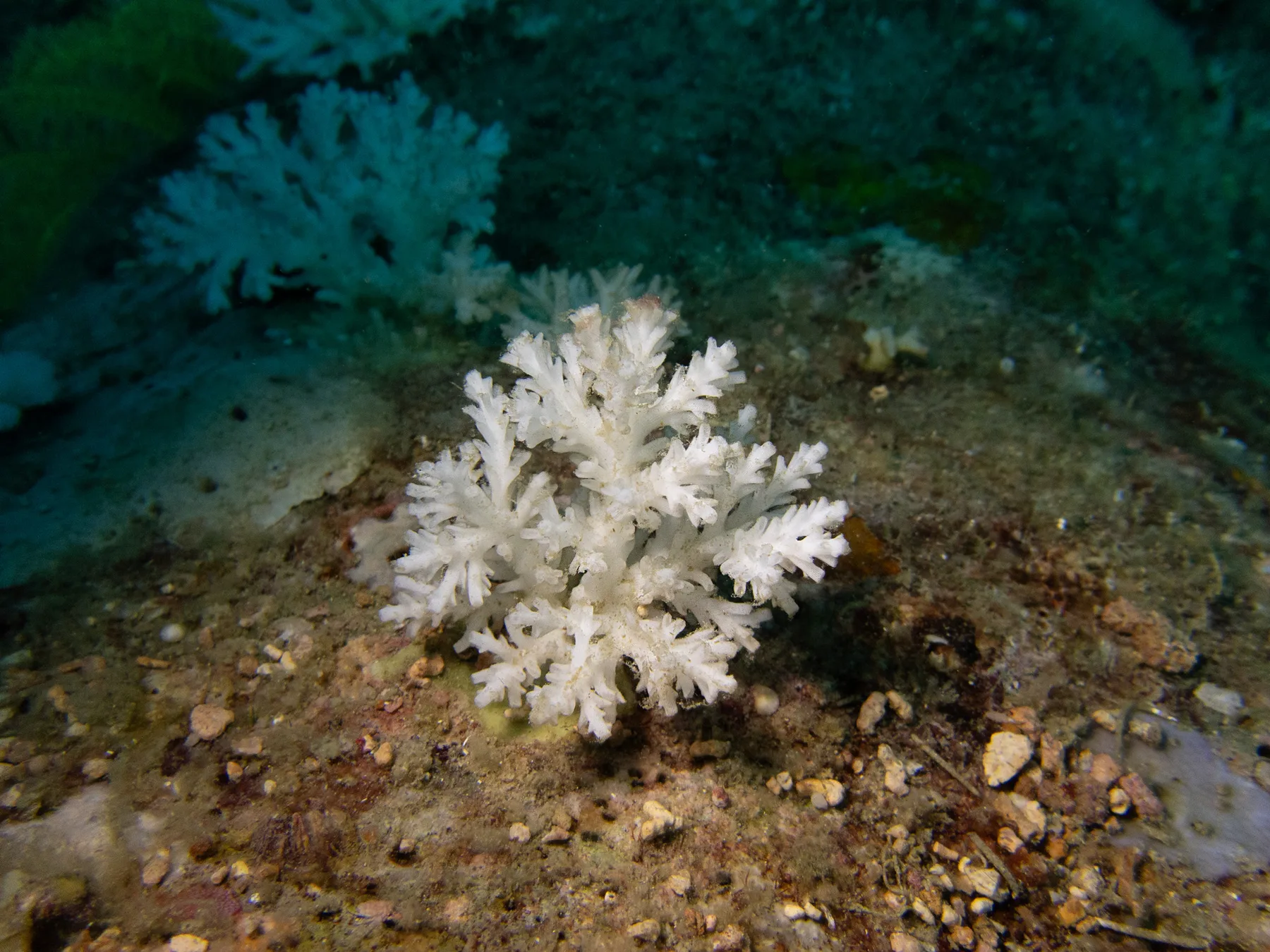
🪸 When corals bleach they are not dead yet, they are stressed. The white colour means they have expelled the algae that gives them both colour and energy. They are alive, but running on empty.
🪸 Bleaching is triggered by water temperature rising just 1 to 2 degrees Celsius above normal. A small number with enormous consequences.
🪸 Coral reefs face almost every ocean threat simultaneously, warming, acidification, pollution, overfishing. Which also means almost every positive choice you make has a ripple effect back to them.
How Conscious People Can Help
🎣 Eat sustainably caught fish when you can. Bottom trawling can flatten in one pass what took a reef 500 years to build. Your dinner order is a vote.
🔋 Reduce your energy consumption. Warming oceans are the biggest threat reefs face, and it starts on land. Every unnecessary light, every short-haul flight, every idle engine adds up.
🧴 Check your sunscreen for oxybenzone, octocrylene, or octinoxate if you are getting in the water, even in the shallows. These chemicals are harmful to marine life, corals included. Swap to a reef-safe alternative or skip the sunscreen entirely and wear a rashguard and hat instead.
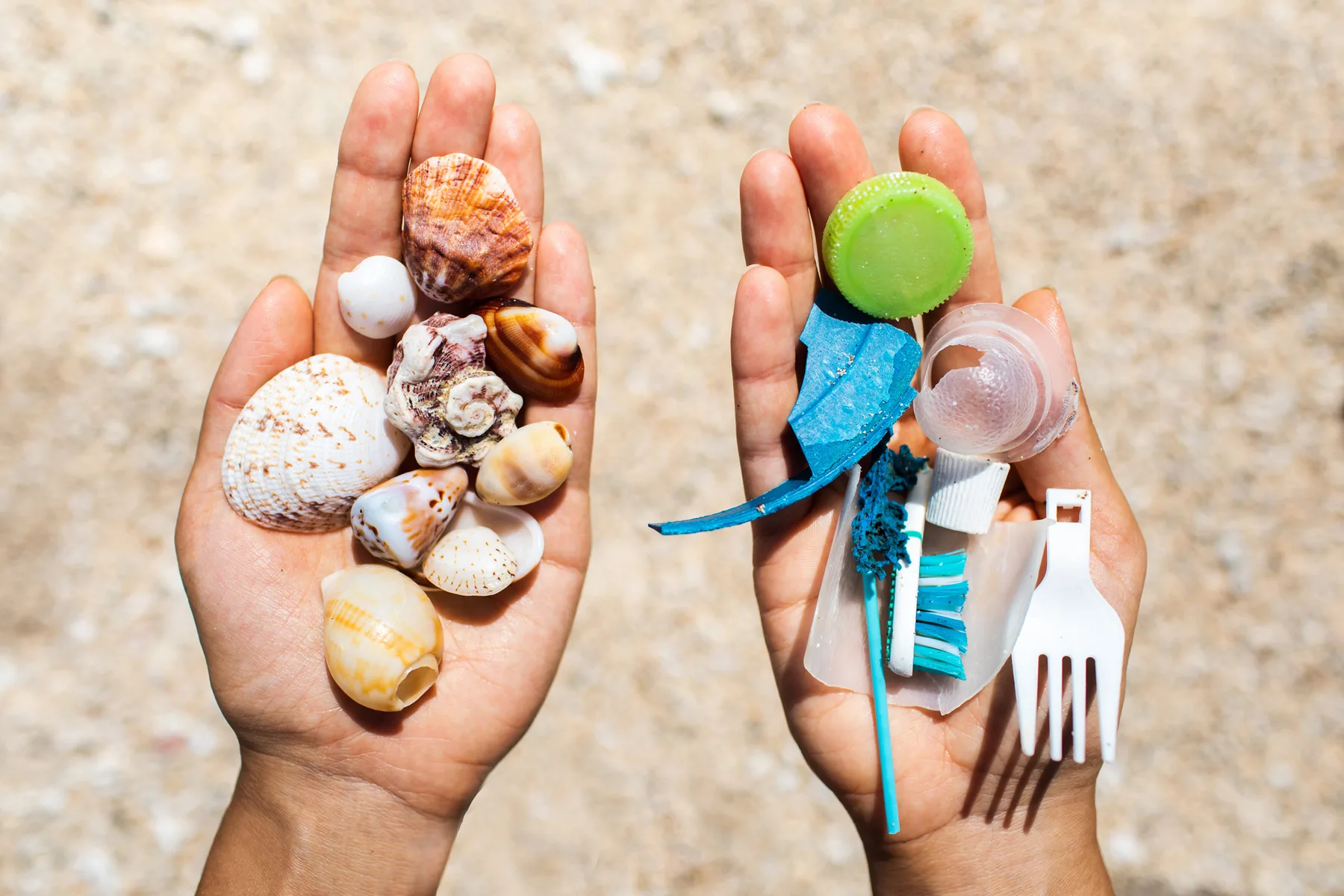
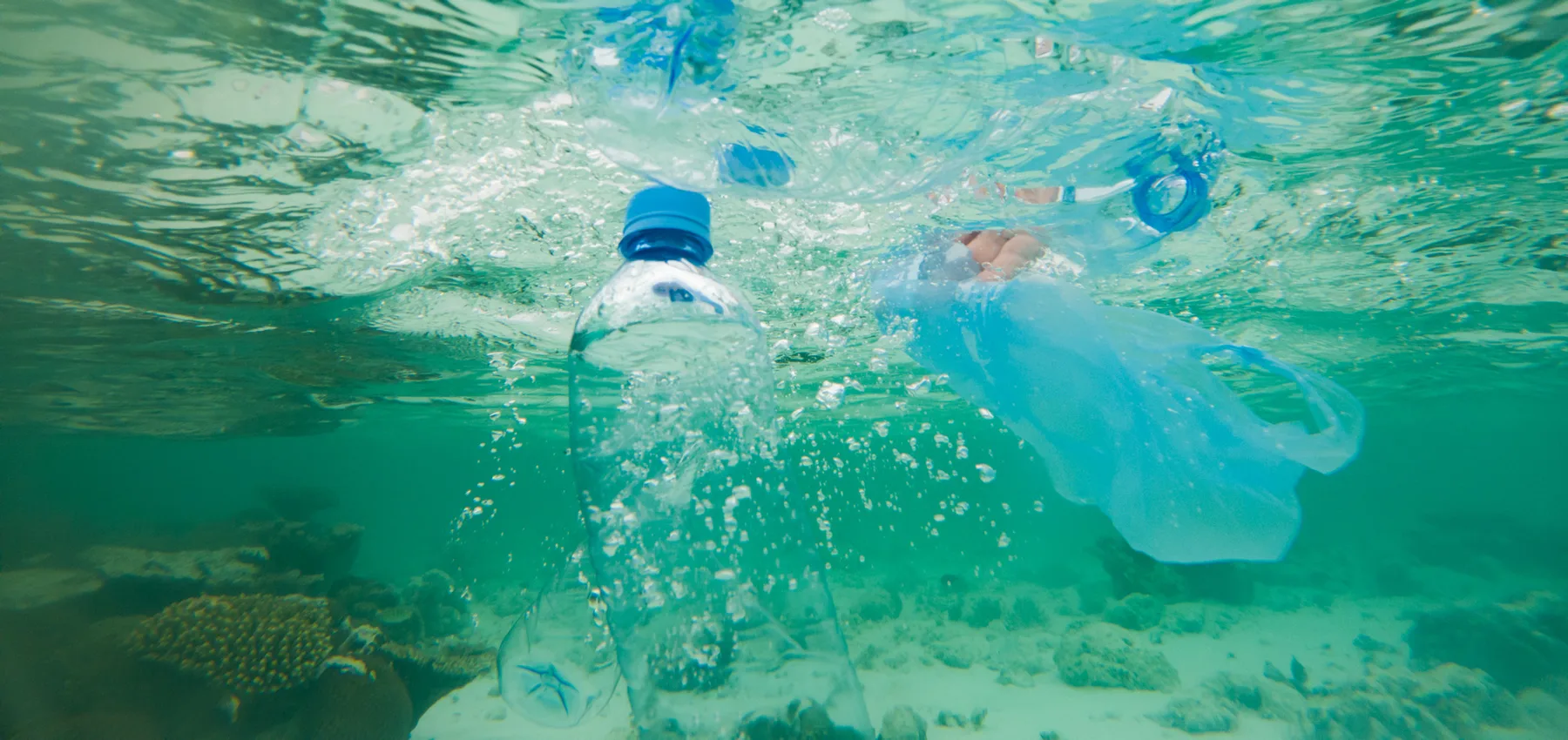
🛍️ Reduce single-use plastic. An estimated 8 million tonnes of plastic enters the ocean every year, smothering reefs, entangling marine life, and breaking down into microplastics that coral accidentally ingest instead of food.
🚰 Carry a reusable water bottle. An estimated 1 million plastic bottles are purchased every minute globally, and a significant percentage end up in the ocean. One bottle you do not buy is one that was never made.
📢 Talk about it. Coral reefs are dying faster than most people realise. Sharing what you know matters more than you think.
How a Conscious Diver Can Help
🧴 Check your sunscreen for oxybenzone, octocrylene, or octinoxate. These chemicals do not just irritate coral, they disrupt reproduction, accelerate bleaching, and persist in the water long after you have left the reef.
👒 Better yet, skip the sunscreen entirely underwater. A rashguard, wetsuit, or dive hat protects you just as effectively, and costs less in the long run than replacing bottles of reef-safe sunscreen.
🦵🏼 Master your buoyancy and learn to fin properly. A flutter kick in shallow water churns up sediment that smothers coral and, worse, brings your fins dangerously close to structures that took decades to grow. A frog kick keeps your fins horizontal and controlled, moving you forward without disturbing anything below. It is not just better for the reef, it makes you a better diver. Always dive within your physical abilities, including any mobility constraints.
✋🏽 Never touch coral. What looks like a rock is a living animal. A single touch removes the protective mucus layer corals produce, leaving them exposed to infection and disease. One hand placement can kill a colony that has been growing since before you were born.
🦯 Do not use a pointer stick to stabilise yourself on coral. It punctures the polyps directly: the equivalent of stabbing a living animal to catch your balance. Inexcusable, and yet it happens on almost every dive site in the world.
🐚 Leave everything where you find it. Shells, empty or occupied, are part of the reef ecosystem. Hermit crabs depend on vacant shells for survival. Taking them, dead or alive, is illegal in most dive destinations and can result in serious fines.
🐟 Do not chase, handle, or feed marine life. Feeding fish disrupts their natural behaviour and diet. Handling animals like sea turtles, nudibranchs, rays, or starfish causes stress and can introduce bacteria that make them sick. Respect means watching, not touching.
📢 Speak up when you see bad behaviour underwater. A gentle signal to a diver who is unknowingly kneeling on coral can save years of growth. Most people are not malicious, they just do not know. Be the person who tells them. If the behaviour is deliberate or repeated, report it to your dive operator or local marine authority.
🔬 Contribute to citizen science. You do not need a research degree to do meaningful science, you need a dive computer and a camera. Platforms like Reef Check, CoralWatch, and iNaturalist accept diver-uploaded observations that feed directly into population-level data researchers depend on. Your dive log is more valuable than you think.
💵 Support marine protected areas with your dive fees. The entry fees, permits, and taxes you pay at protected sites are not bureaucratic box-ticking, they become the enforcement budget that keeps illegal fishing vessels out and rangers in the water. A protected area without funding is just a line on a map.
🐠 Dive with operators who give back. Ask your dive centre if they are Green Fins certified, whether they run reef restoration or coral monitoring programmes, or how they contribute to the health of the sites they dive. The best operators do not just take people underwater, they actively work to protect what is down there. Your money funds either extraction or conservation. Choose accordingly.
None of this saves a reef in isolation. All of it, scaled across the millions of divers who interact with reefs every year, is what the working response to the fourth bleaching event looks like in practice.
Why Celebrate World Reef Day
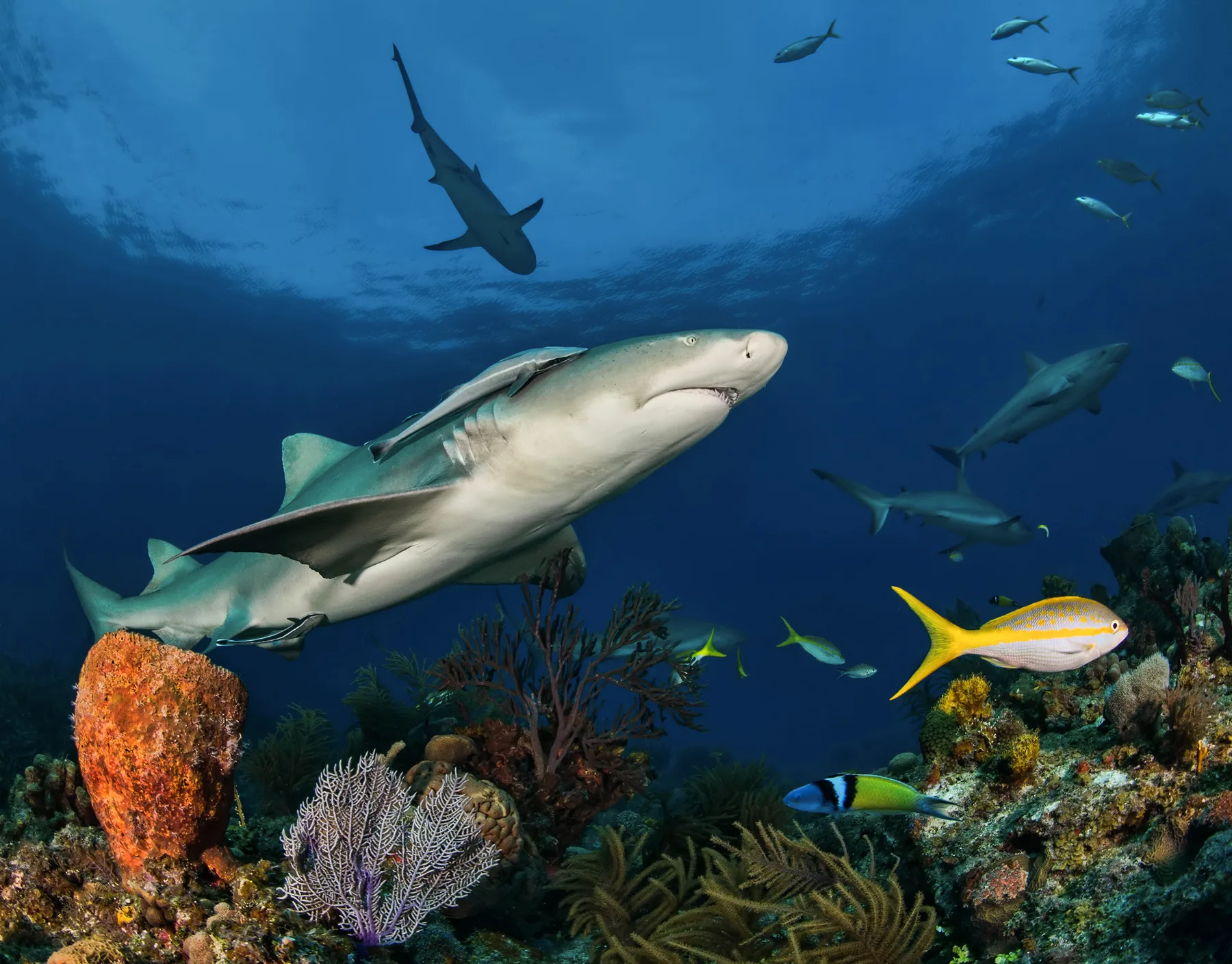
World Reef Day exists because the people who founded it believed reefs needed a dedicated calendar moment. Not oceans broadly. Reefs. The 1% of the planet’s surface that holds 25% of all marine life. The ecosystem a billion people live alongside and depend on to eat, to earn, and to survive.
As a diver, every day feels like Reef Day. It is impossible to spend time underwater and not feel the urgency. But there is something powerful about the whole world looking at the same thing on the same day. When divers, scientists, conservationists, and people who have never seen a reef in their life all raise their voice on 1 June, the message gets louder than any of us could make it alone. Awareness is not everything, but nothing changes without it first.
What World Reef Day Is Actually For
The honest version is that one calendar day does not save a reef. The work happens 364 other days, in fisherfolk coalitions and NGO offices and parliamentary committees and the unglamorous logistics of marine enforcement.
What the day does is make the work legible. The framing the day provides, “this is reef day, this is what reef day is for, this is what is happening to reefs in 2026,” gives journalists a hook, NGOs a moment, and policymakers a date by which announcements get amplified.
The next major moment after 1 June 2026 is the Our Ocean Conference in Mombasa from 16-18 June, the first time the conference has been held on African soil. World Reef Day is part of the calendar that culminates in that conference. The MPAs announced in Mombasa will be the answer to the question of what World Reef Day 2026 actually changed.
What 84% Looks Like
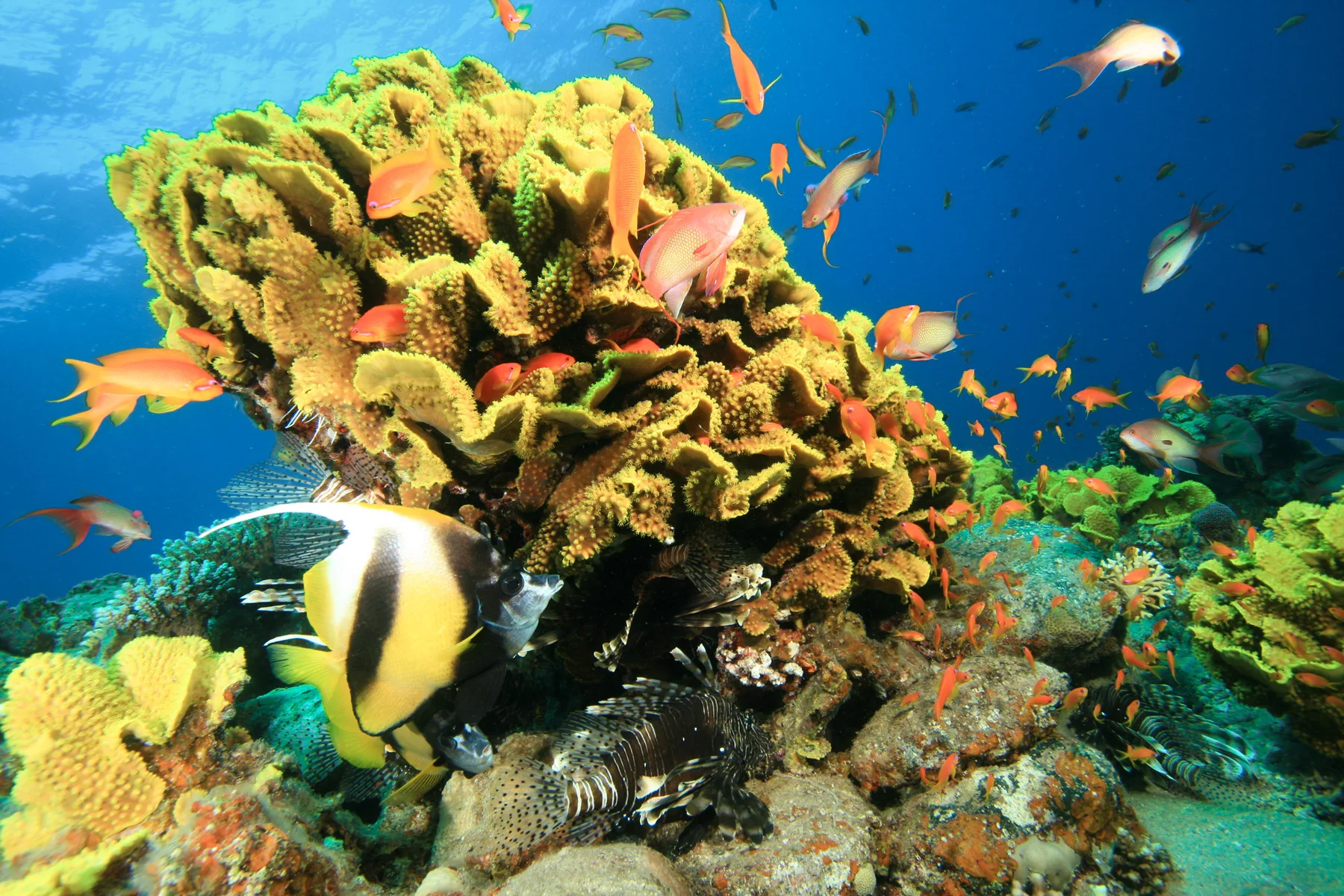
Between January 2023 and September 2025, bleaching-level heat stress affected 84.4% of the world’s coral reef area. If you extend the window to include the 2018-2025 heat-stress period, the figure is 87%. The fourth global coral bleaching event, declared by NOAA in April 2024, is still active in 2026. Median heat stress accumulation is nearly 50% greater than the previous record. The Great Barrier Reef hit its sixth mass bleaching in 2025, the second time it has bleached in consecutive years.
The fourth event is covered more comprehensively in the fourth global coral bleaching event piece. The summary for World Reef Day: this is no longer a periodic event. The 2018-2025 stretch of uninterrupted heat stress means bleaching is now the default condition for most of the world’s reefs.
The Reefs I Have Watched Change
In the last three years I have dived four reefs that should not be in the state they are in. Santa Marta on Colombia’s Caribbean coast. Cozumel on the Mexican side. Koh Tao in the Gulf of Thailand. And the most devastated reefs I have ever explored: Bau Bau in Indonesia, where the bleaching is layered on top of decades of dynamite fishing. All four carrying the white patches and the thinning fish counts that follow heat stress, and the Bau Bau sites carrying scars that no recovery cycle can cover.
The category five heat stress alert tier did not exist when I started diving. NOAA added it in 2023 because the existing scale could not describe what was happening. It exists now because of what is happening on reefs I have been on.
What’s Still Working
The story of World Reef Day 2026 is not only loss. The reefs that are working in 2026 are working because someone decided to defend them, and the defence held long enough to matter.
Cabo Pulmo, Mexico. Closed to fishing by the local community in 1995. By 2009, total fish biomass had increased by 463%. Top predator biomass climbed 11x. It is the most documented MPA recovery in the western hemisphere and a working answer to the question of whether protected areas restore reefs. The full story is in the Cabo Pulmo recovery piece.
The Great Fringing Reef, Egypt. More than 2,000 kilometres of fringing reef along the Egyptian Red Sea coast has shown unusual thermal resilience. Where 84% of the world’s reefs have been bleaching, the Egyptian Red Sea reefs have largely held. The Great Fringing Reef was designated a Mission Blue Hope Spot and formally protected by Egyptian Prime Ministerial Decree No. 4419 in late 2025. The science is in the Egyptian Red Sea reef piece.
Western Manus, Papua New Guinea. Announced in May 2026 at the inaugural Melanesian Ocean Summit as a 214,000 km² no-take reserve, the largest in Melanesia’s history. The full account is in the Papua New Guinea marine highway piece.
Verde Island Passage, Philippines. The Filipino fisherfolk coalition Protect VIP is actively pushing the Philippine Congress for full ENIPAS protection of the most biodiverse marine corridor in the world. The fight is live in 2026. The campaign is covered in the piece on the 2026 Verde Island Passage fight.
These four cases share a pattern. Each one took years of local organising, scientific groundwork, and political pressure. None of them happened because the world cared about reefs in the abstract. They happened because specific groups of people decided specific bodies of water were worth fighting for, and stayed with the fight long enough to win it.
If Coral Reefs Disappear
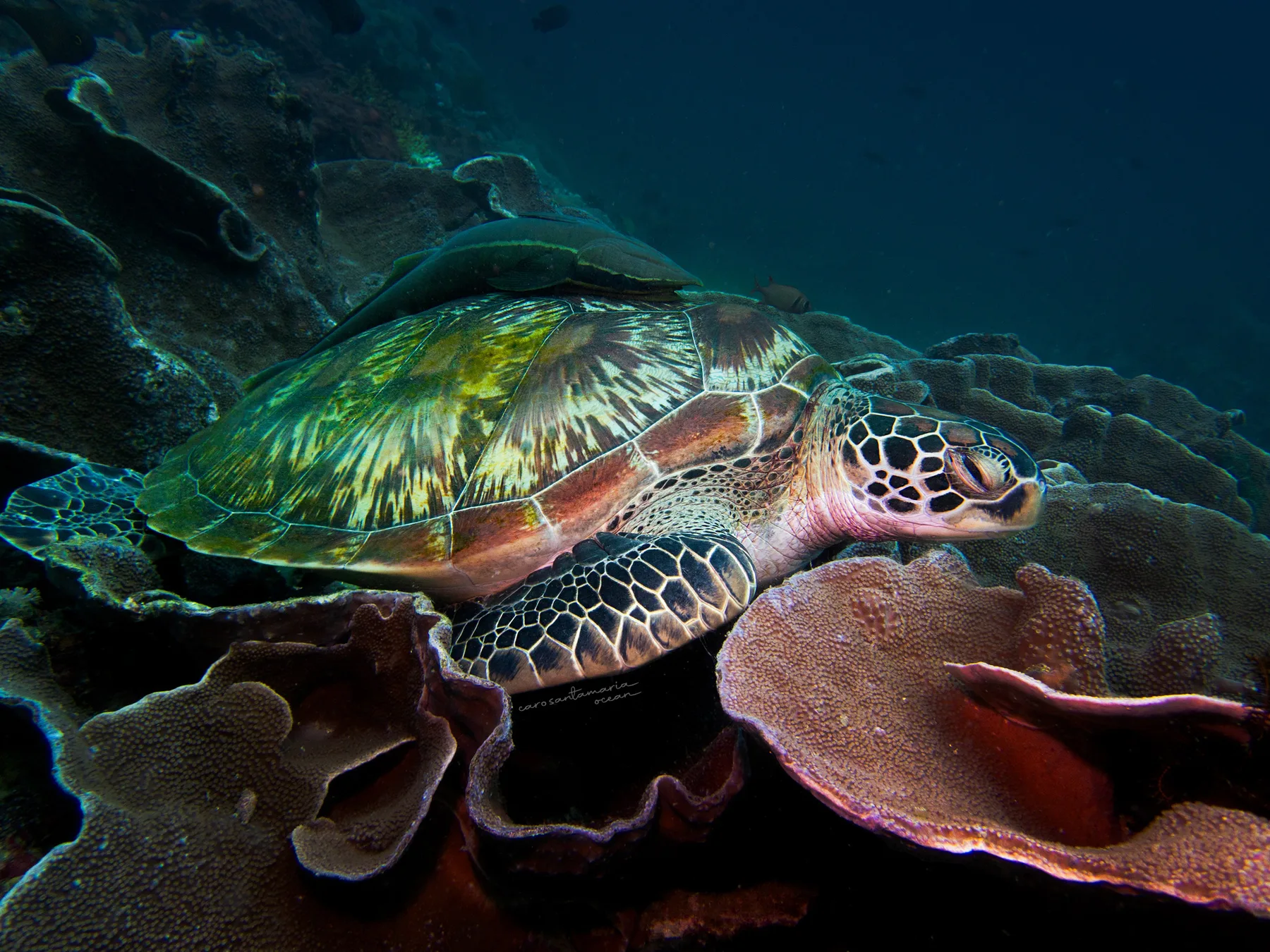
If coral reefs disappear, the consequences reach far beyond the ocean.
Reefs are the nurseries of the sea. Without them, global fish populations collapse, taking with them the primary protein source for over a billion people who depend on seafood to survive. The coastal protection reefs provide disappears with them: without the natural barrier that absorbs wave energy, entire coastlines become vulnerable to storm surges and erosion, threatening hundreds of millions of people who live at sea level. The livelihoods of an estimated 500 million people tied to reef-dependent fisheries and tourism vanish.
Coral reefs are also a significant and underestimated carbon sink. The organisms that build them absorb CO₂ from the water, which in turn allows the ocean to absorb more from the atmosphere. Healthy reefs slow warming. Dead reefs do the opposite. They release stored carbon back into the system, accelerating the very process that killed them. Losing reefs does not just remove a buffer against climate change, it adds fuel to it.
And beyond all of this, reefs represent an enormous and largely unexplored frontier for science and medicine. What we have already discovered barely scratches the surface of what is down there.
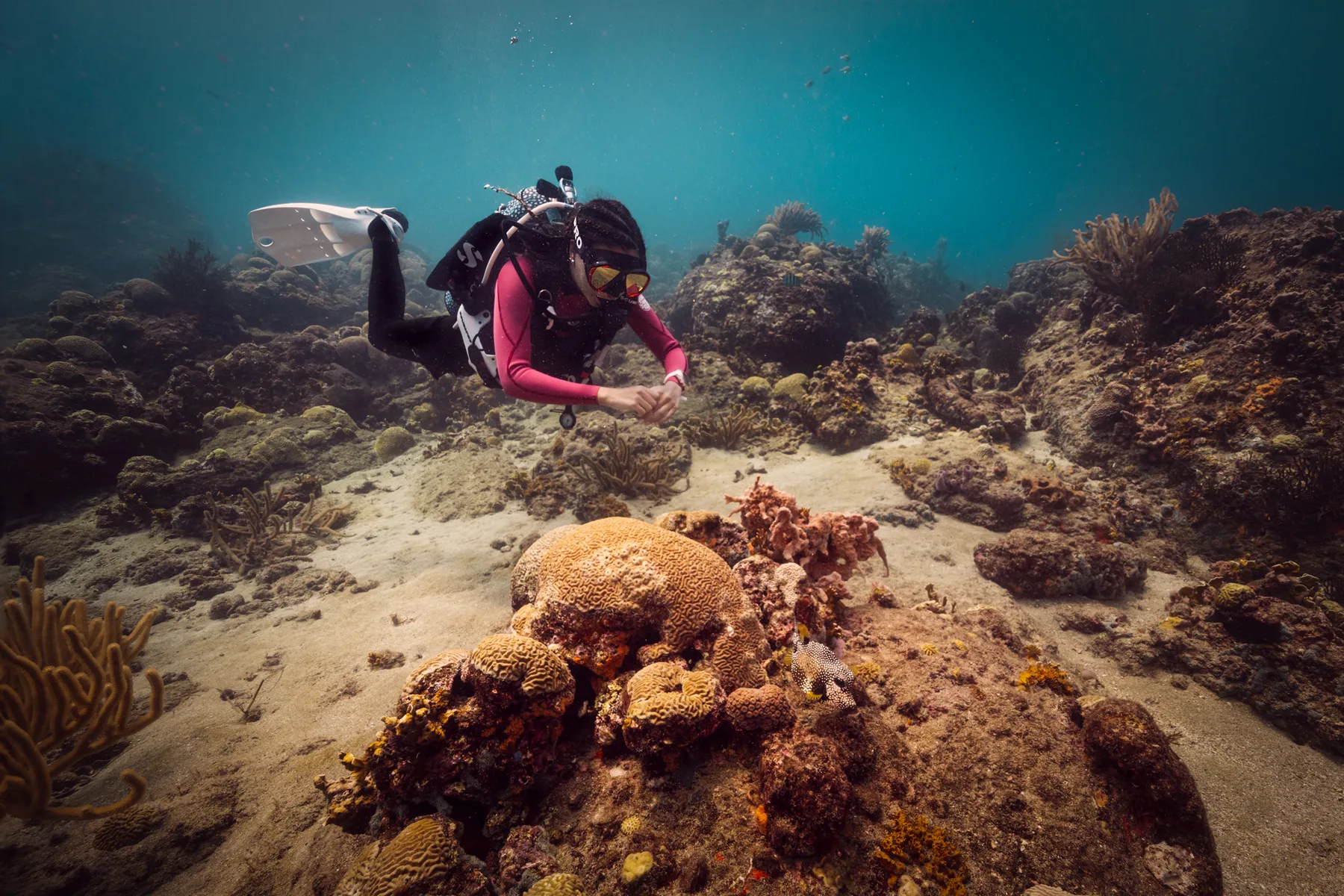
We have already lost an estimated 50% of the world’s coral reefs. Not in geological time. In the last few decades. The other 50% is not guaranteed.
We tend to think of coral reefs as something beautiful to protect. They are, but they are also infrastructure. The kind that took 500 million years to build, that we cannot engineer a replacement for, and that we are dismantling within a single human lifetime. Every choice on this list is a vote for the half that remains. What happens underwater does not stay underwater. It always comes back to shore. 🪸
World Reef Day is 1 June. The work is the other 364.