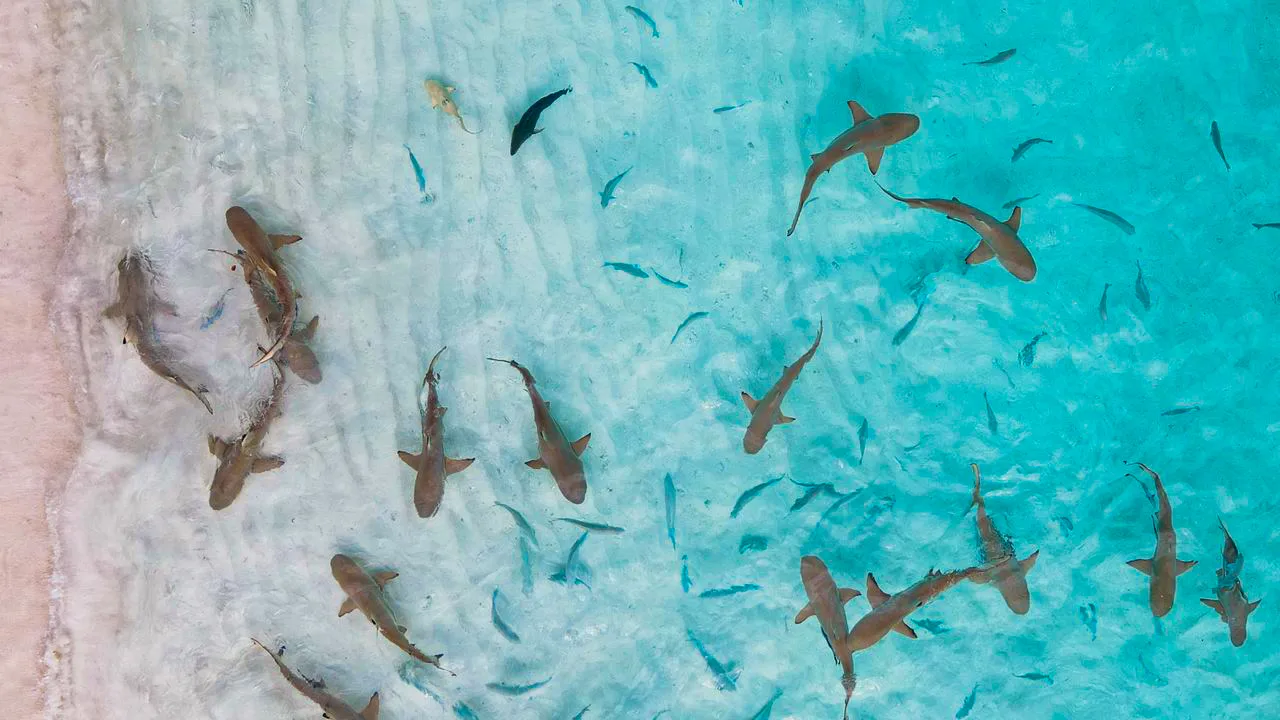
World Shark Day, also called Shark Awareness Day, falls every year on 14 July. It was created to celebrate one of the ocean’s most iconic, and most misunderstood, animals: to promote shark conservation, dismantle the stereotypes that have followed this species for fifty years, and put its ecological role back at the centre of the story. Sharks are apex predators. Remove them and ocean balance goes with them. And still, millions are killed every year, driven by overfishing, habitat loss, and myths nobody has bothered to fact-check.
Here is the fact-check. In 2025, sharks killed nine people, unprovoked, worldwide. That same year, people killed somewhere north of 100 million sharks. Marine biologists, conservation groups, animal welfare organisations and ocean advocates use July 14th every year to launch campaigns, run education programmes, and push for the policy reform that actually closes that gap: ending shark finning, reducing bycatch, protecting habitat. The goal is not sentiment. It is a shark population that survives the century.
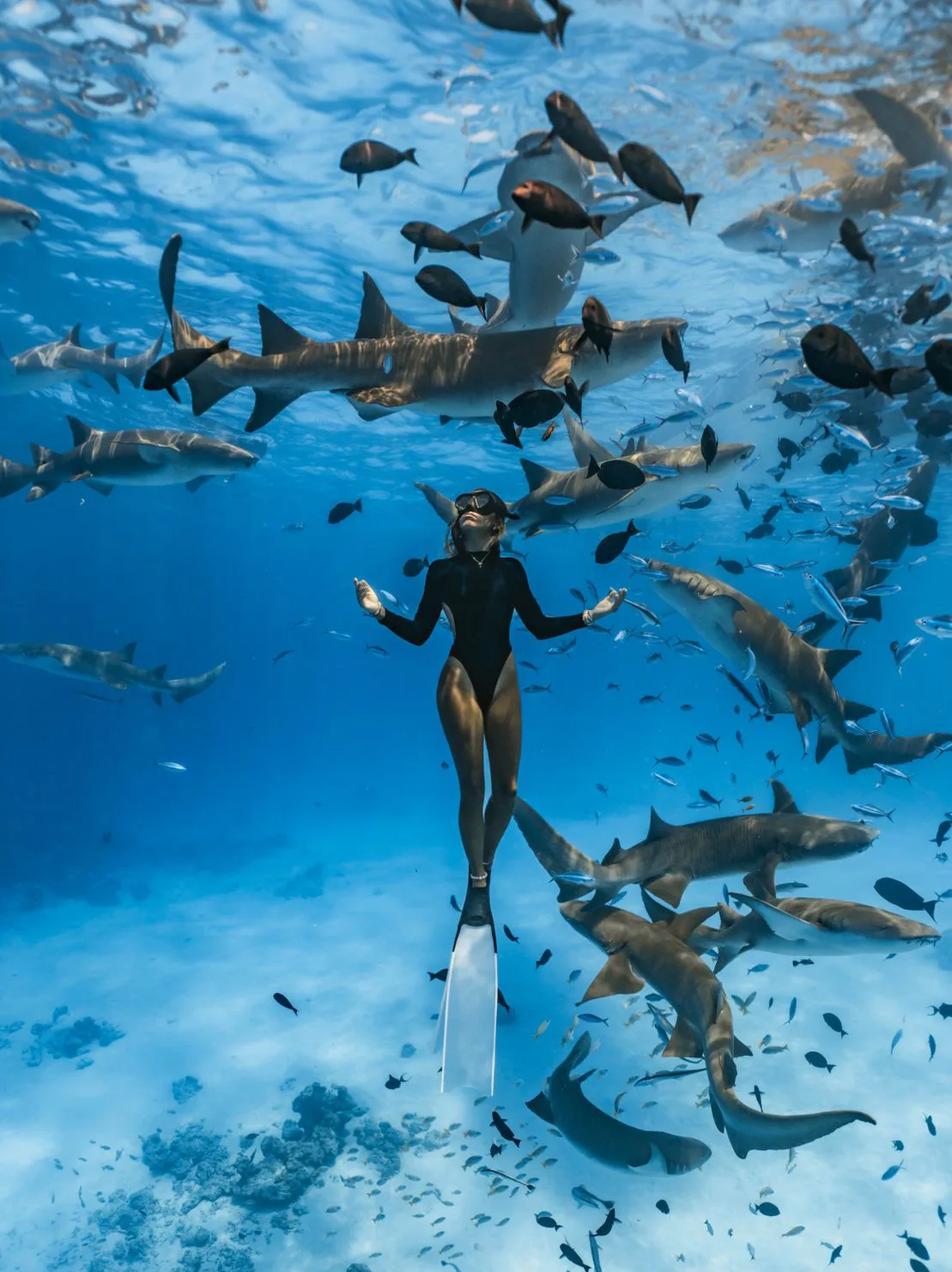
Sharks are beautiful animals, and if you're lucky enough to see lots of them, that means that you're in a healthy ocean. You should be afraid if you are in the ocean and don't see sharks.
Doctor Sylvia Earle
When Is World Shark Day?
World Shark Day, also called Shark Awareness Day, falls every year on 14 July. It exists to give shark research and shark conservation a date the rest of the world is actually looking at.
What World Shark Day Actually Does
A shark population study or a fin-trade report can sit in a journal for months without anyone outside the field reading it. What 14 July does is give that same research a release date. Reports get embargoed to publish on the day. Petitions get timed to close on it. Donation matches run for the 24 hours around it, because a deadline moves people a random Tuesday never will. None of this changes the underlying science, it changes who sees it, and when.
The date also inherits an audience it didn’t have to build. It sits deliberately inside the same window as Discovery’s Shark Week and National Geographic’s SharkFest, when tens of millions of people are already watching sharks on television. Conservation organisations don’t compete with that attention, they redirect it, turning a week of dramatic footage into an opening for the actual data.
None of it fixes the fin trade or the reputation these animals have been saddled with in a single day. What it does is take a year’s worth of underfunded, scattered shark advocacy and compress it into one date the press, the public, and legislators are primed to pay attention to. That compression is the whole mechanism. The awareness is not the goal. It’s the delivery method.
On July 14th we shout and advocate in unison for sharks!
What People Should Know About Sharks:
Why Sharks Are So Misunderstood
A few reasons the fear runs so much deeper than the actual risk:
🦈 The odds are backwards. Your odds of dying in a shark attack are about 1 in 4.3 million. Meanwhile, people kill an estimated 100 million sharks a year.
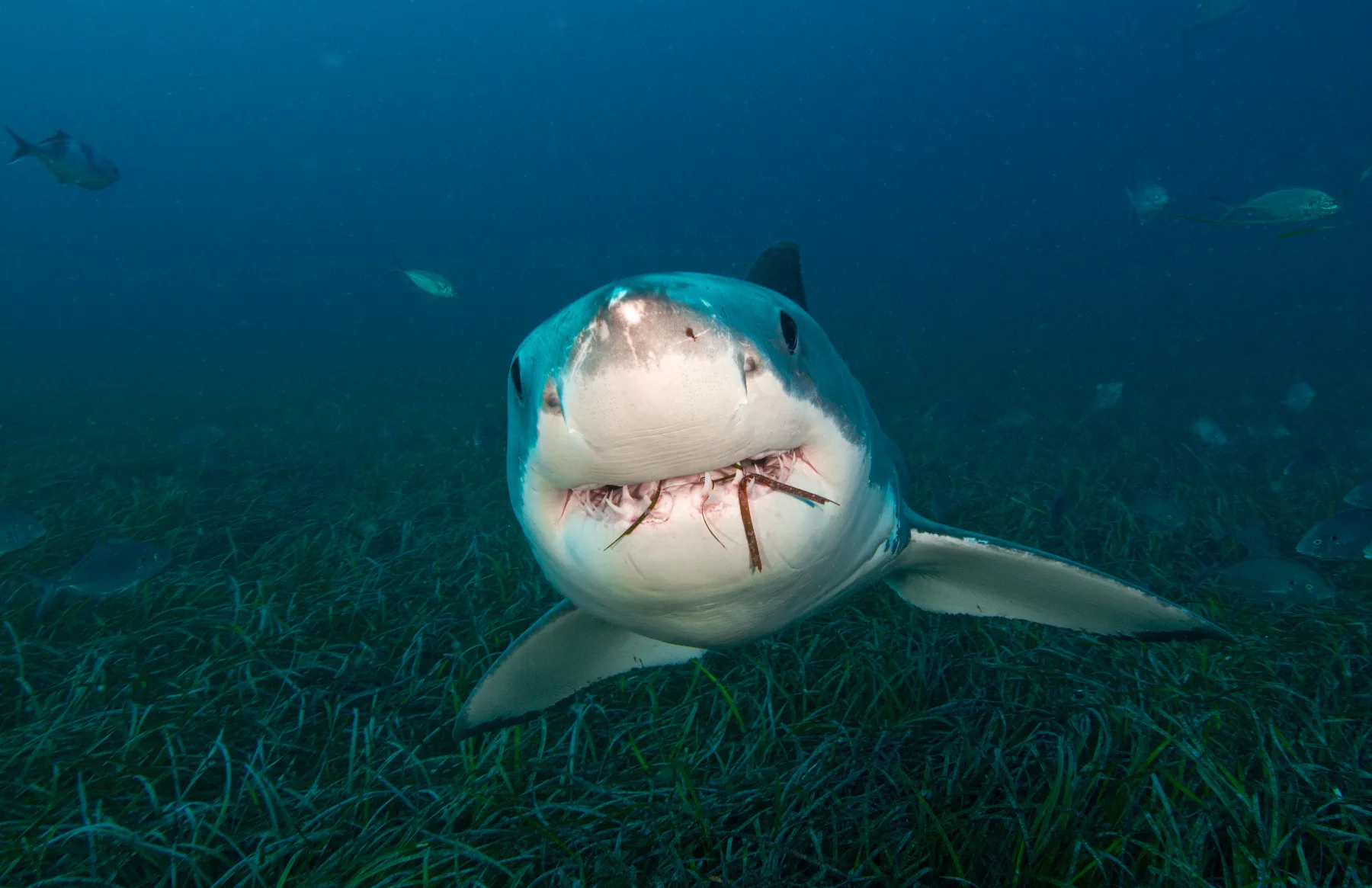
🦈 The teeth aren’t personal. Rows of visible teeth read as danger to us, so we assume the worst. But most of that dental arsenal exists to catch fish, not people, and belongs to species built for exactly that: nurse sharks, reef sharks, even most hammerheads are calm, unbothered animals when left alone. Scary teeth, chill shark 🤙🏽
🦈 It’s generational trauma, passed down by the media. Most of what people fear about sharks traces back to a fifty-year-old horror film, not to any real risk in the water, and every news cycle that leads with “shark attack” keeps that fear alive for a new generation that never saw the movie.
🦈 Ignorance is conservation’s biggest enemy. People fear what they don’t understand, and most people have never been taught anything about sharks beyond what scared them. Education closes that gap faster than anything else.
🦈 Even “sport” fishing runs on ignorance. Species like great hammerheads are illegal to land and must be released immediately, yet anglers still drag them onto the sand for a photo, sometimes for a cash prize in places like Florida. The record-keeping system doesn’t help: world records go by weight, rewarding whoever kills the biggest, most reproductively valuable shark in the population.
🦈 Sharks are the reason healthy reefs stay healthy. As apex predators, they keep everything below them in balance. Take them out and the whole system tips: too many mid-level predators, algae smothering coral, a reef in slow decline. A shark cruising past on a dive isn’t a threat. It’s a sign the reef underneath you is still doing its job.
Without sharks, you take away the apex predator of the ocean, and you destroy the entire food chain.
Peter Benchley, author of Jaws, who spent the rest of his career campaigning for shark conservation after the film's impact became clear.
I truly, and to this day, regret the decimation of the shark population.
Steven Spielberg, director of Jaws, who has also stated that he adamantly opposes any modern remakes of the movie, believing its historical impact cannot and should not be replicated.
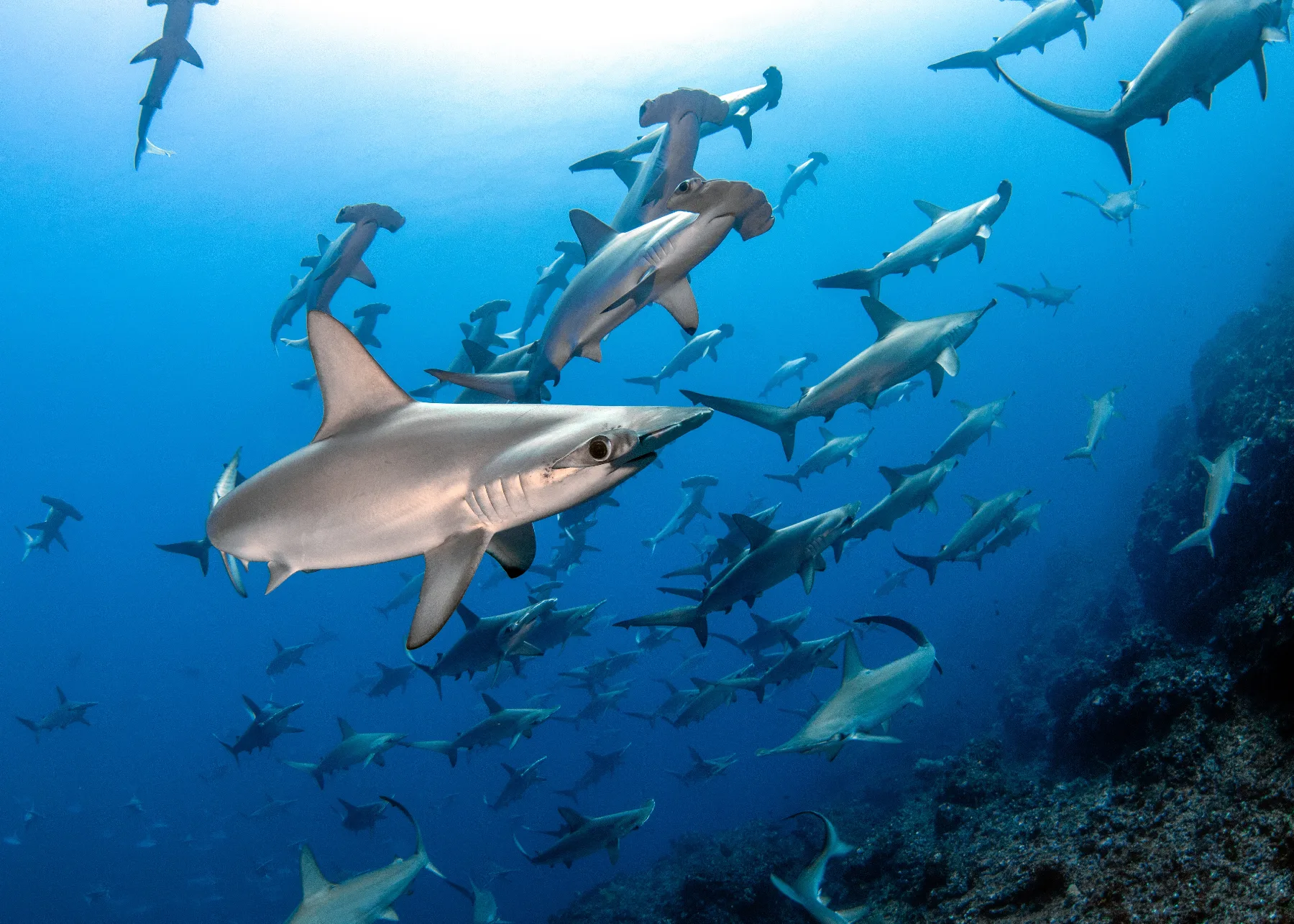
I’ve had the privilege of diving with hundreds of sharks, and it has been life changing. Off diving Playa del Carmen with bull sharks, a handful of bull sharks passed close enough to touch, one of the species people are told to fear most, and what struck me was how unhurried they were. diving Malpelo gave me something else: divers call it the shark superhighway, and the first time I dropped into that current and watched a school of hammerheads move past in their hundreds, I understood why. None of it is an accident, either. A crew lives permanently on a boat anchored off that island just to keep illegal fishing vessels out.
View on Instagram
Nature Never Designed Sharks to be Fished
They can’t bounce back the way other fish can. This is the single most important thing to understand about sharks, and the reason every other threat on this list hits so much harder than it would for an ordinary fish.
A cod or a sardine matures fast and releases millions of eggs at once, so a battered population can rebound in a few good seasons. Sharks are the opposite. Many species take years to reach breeding age, some well over a decade, a great white doesn’t reproduce until its late teens or twenties, and even then they carry only a handful of pups at a time, sometimes after a pregnancy longer than a human’s.
Some sharks reproduce only every second or third year. That slow, low-output biology worked perfectly for 400 million years, right up until industrial fishing arrived. It means a population that loses too many breeding adults in a single season, to a longline, a net, a tournament scoreboard, can take generations to recover, if it ever recovers at all. But the flip side is just as real: give them space and they come back.
When Thailand closed the famous Maya Bay to tourism in 2018, blacktip reef sharks returned within months and began using the bay as a nursery, pups appearing in numbers no one had seen there in years. Protection works. It just has to outlast the damage.
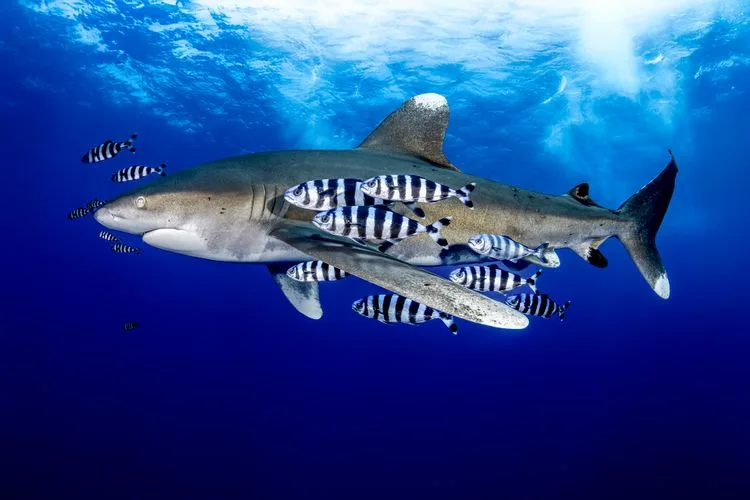
Illegal Boats Are Stealing Sharks from Waters That Aren’t Even Theirs
Some of the worst damage to sharks doesn’t happen inside anyone’s legal fishing quota. It happens when foreign industrial fleets slip into a country’s protected waters, lights and transponders off, and take what isn’t theirs. Most of what they’re after is fins, bound for a market built on a centuries-old belief, unsupported by any evidence, that shark fin soup carries health benefits and status. The fin itself is nearly flavourless. The soup is essentially seasoned broth with cartilage strands added for texture, and it can sell for hundreds of dollars a bowl. The shark fin trade hasn’t stopped, despite decades of bans.
It happens all over the world, wherever a protected zone borders open water and enforcement can’t keep pace. One of the clearest examples is the Shark Superhighway, the migration corridor linking Cocos Island (Costa Rica), the Galápagos (Ecuador), and Malpelo (Colombia), where sharks travel thousands of kilometres between pupping, mating, and feeding grounds. Together these waters form part of the Eastern Tropical Pacific Marine Corridor, one of the only attempts anywhere to protect an entire migratory route rather than a single patch of ocean, and that scale is exactly what keeps drawing boats across the line.
It’s exactly what a small crew stationed permanently at Malpelo, off Colombia, exists to prevent. It’s a big, difficult fight.
This kind of fishing, illegal, unreported, and unregulated, has become one of the most profitable criminal industries on the planet, and it rarely stops at sharks. Illegal shark fishing is the full story.
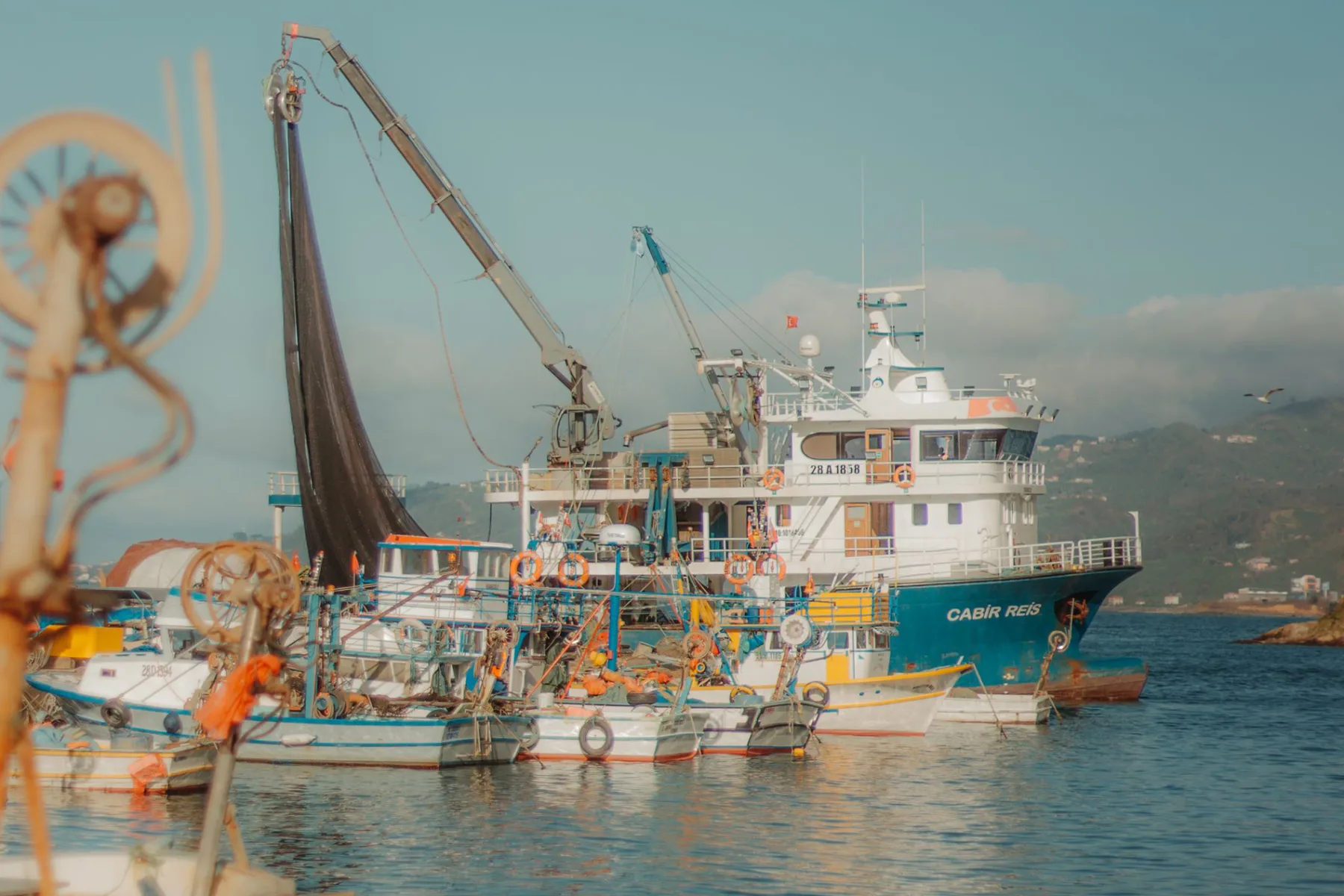
Industrial Fishing By Catch
Most shark deaths are perfectly legal. Longlines aren’t aimed at sharks, and neither are the massive purse seine nets that scoop up entire schools around floating fish aggregating devices, rafts anchored in open water specifically to lure tuna, but between the two, tens of millions of sharks die as bycatch every year regardless. Even “sustainable” seafood labels don’t guarantee a shark-free catch. If you can’t verify the species and the method, don’t eat the fish.
You (and I) Have Probably Eaten Shark Without Knowing It
The disguise isn’t limited to the UK. Order fish in Australia and “flake” might be shark. In Brazil, look for cação. South Africa sells it as ocean fillets or skomoro. Across Latin America it shows up as cazón, tollo, bolillo, or paletita, depending where you are. In Greece, it’s galeos. And in parts of Asia, shark turns up disguised as imitation crab meat or simply “whitefish,” slipped into everything from restaurant plates to pet food. Every one of those names exists for the same reason: to hide what’s actually on the plate. Call it “whitefish” and a slow-breeding, overfished predator moves through the supply chain exactly like any sustainable catch, no questions asked, no red flags raised.

Not every “bucket list” shark encounter is a good one.
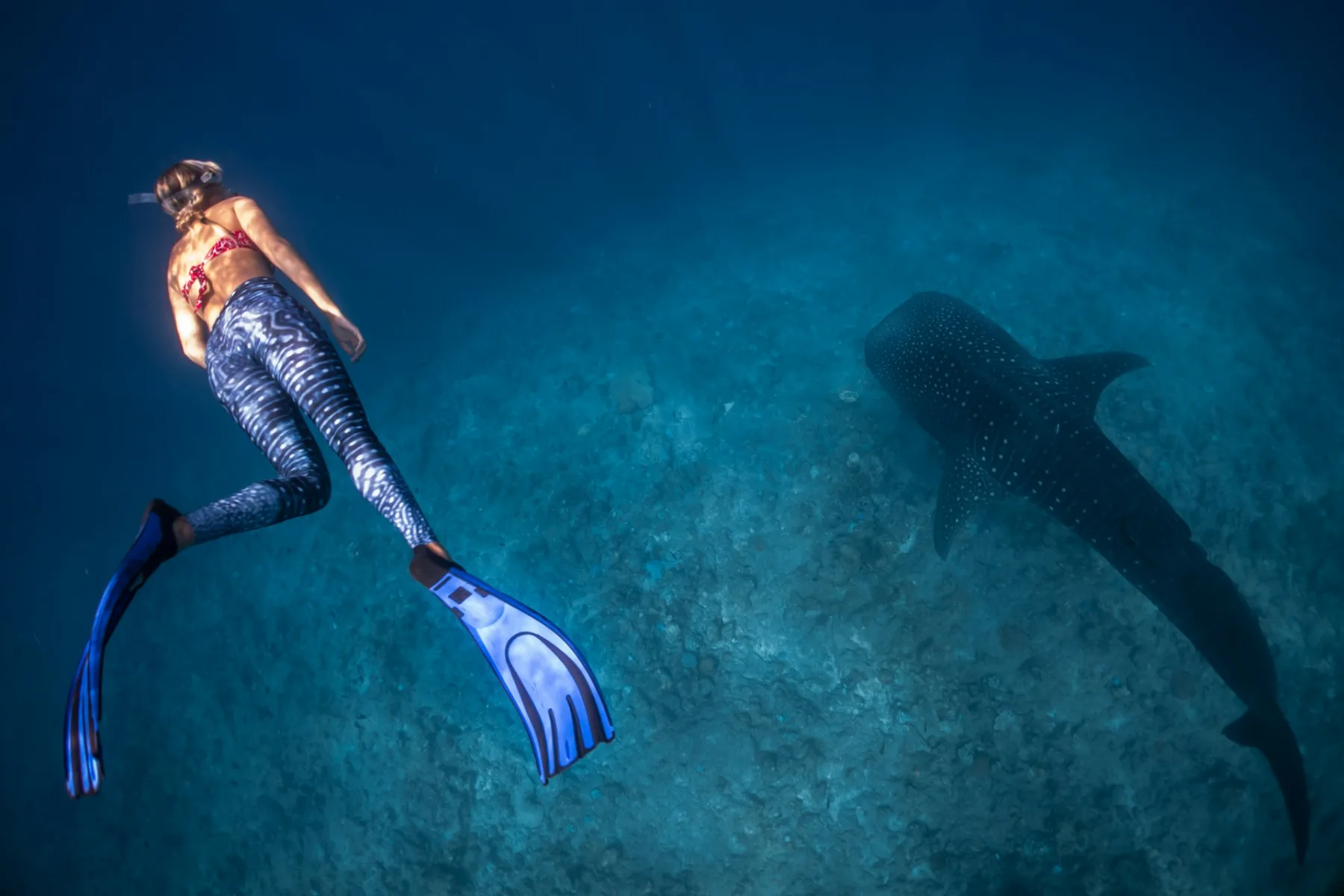
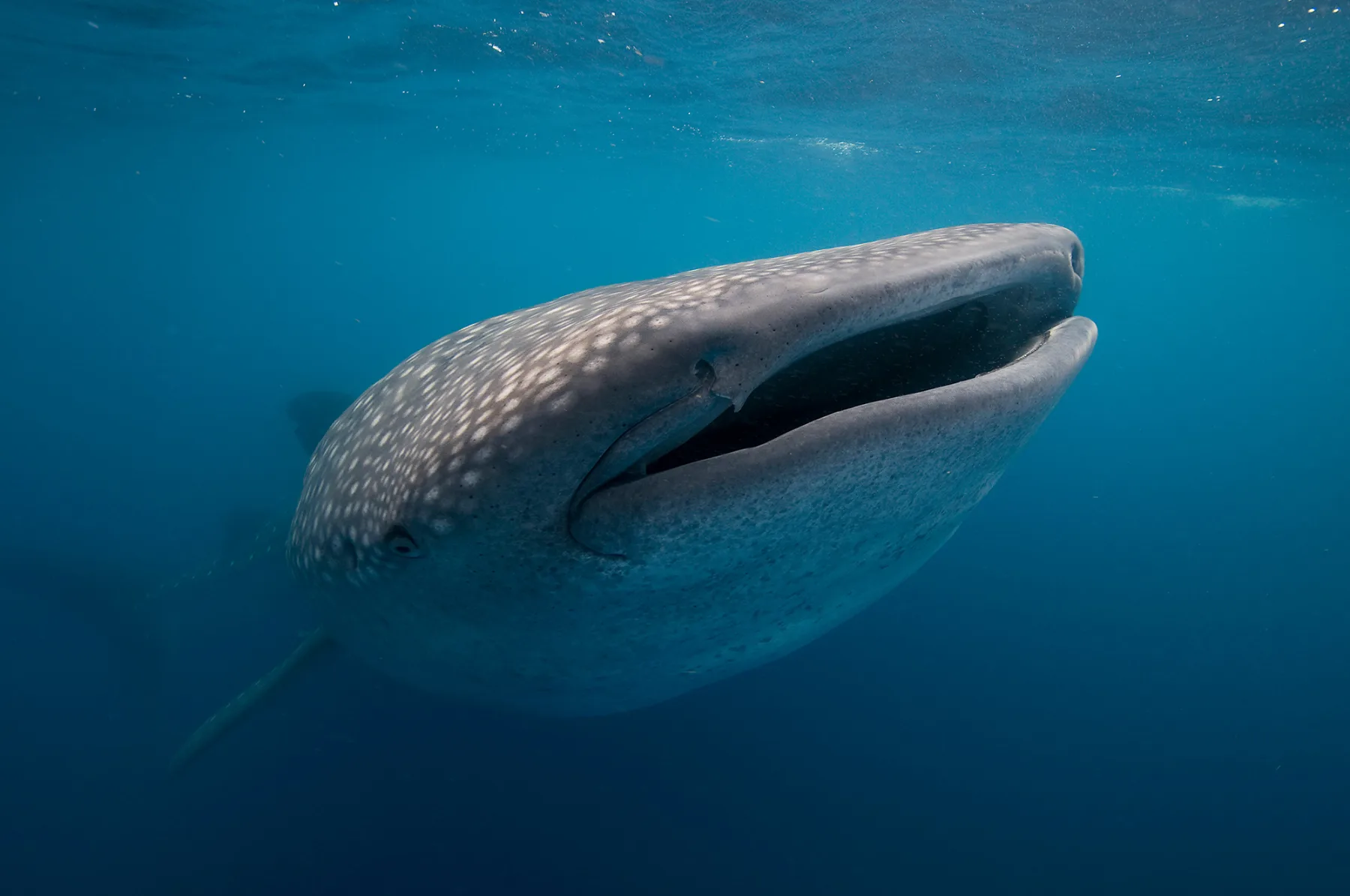
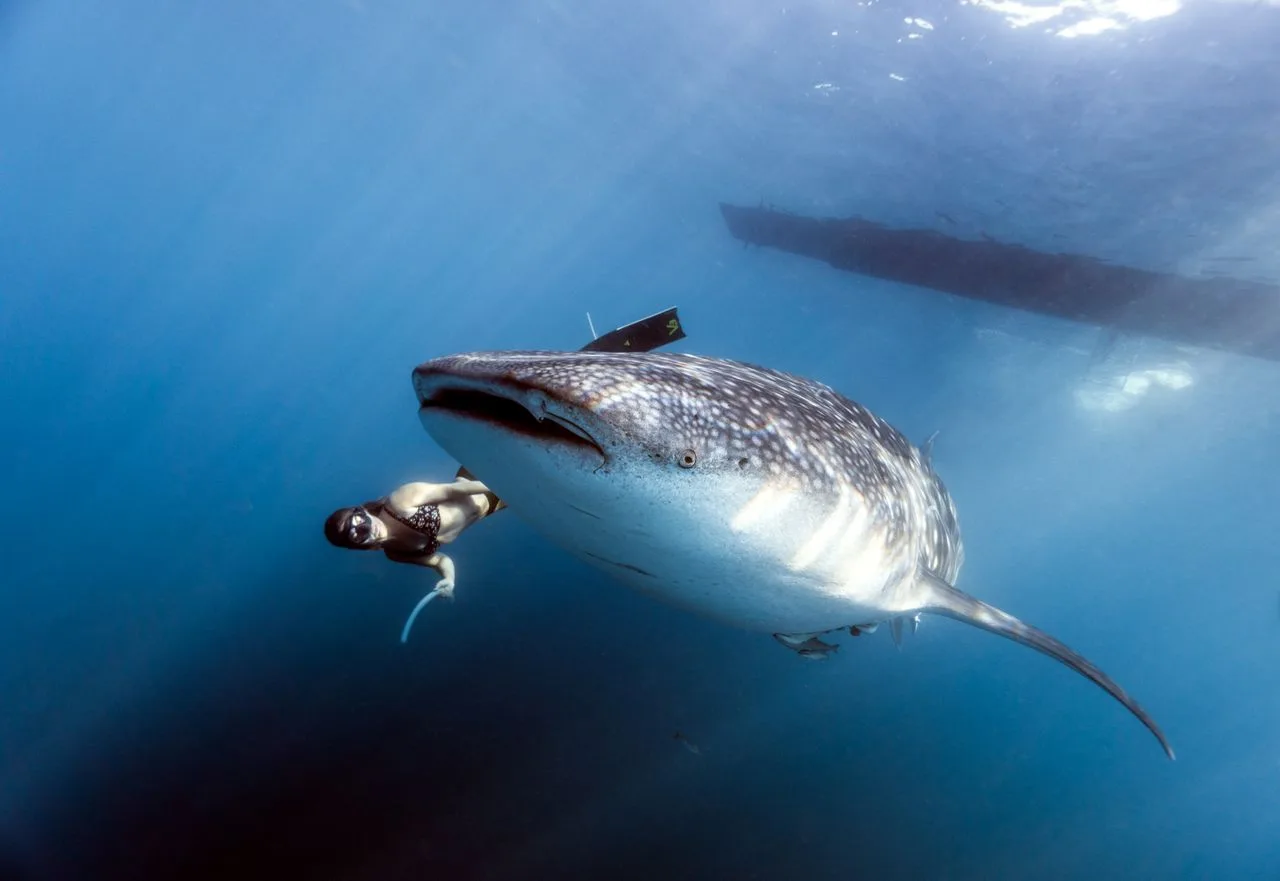
Swimming, snorkelling, or diving with sharks, whale sharks, nurse sharks, reef sharks, any of them, is one of the most sought-after wildlife experiences in the world, and that popularity is exactly why it’s so easy to book one without a second thought. Done right, it funds real protection. Done wrong, it does real harm.
The pattern is the same everywhere: operators bait or hand-feed to guarantee sightings, and wild animals that should be roaming and hunting instead learn to loiter, wait for handouts, and crowd around boats, their natural behaviour rewired and their bodies scarred by strikes and hooks.
The most notorious example is Oslob, in the Philippines, where whale sharks are hand-fed daily for hundreds of thousands of tourists a year, widely considered the most unethical shark operation in the world, but the same bad practices show up at reef and nurse shark sites across the globe.
Do the work before you book: read reviews, check whether the operator follows a code of conduct, and choose the ones who talk about the animals’ welfare rather than just the photo you’ll get. A good operator doesn’t bait, feed, touch, crowd, or chase, and never guarantees a sighting, because a guaranteed wild animal isn’t behaving like a wild animal anymore. Booking with someone who actually cares, not someone chasing the money, is the difference between tourism that protects sharks and tourism that quietly wears them down.
Donate to Shark Conservation Organizations
Donations to these organisations rarely go where people imagine. It’s not adoption certificates and plush toys, it’s boat fuel, satellite tags, thermal cameras for spotting poachers at night, radios, staff salaries for the people actually on the water, and the unglamorous cost of keeping a vessel patrolling 365 days a year. It also funds the slower work: policy lobbying, school programmes, and the research that gets a species onto a protection list in the first place.
If today moves you to actually do something, here’s where it goes furthest:
Project Hiu: donations are tax-deductible depending on your country (US via the Hooper Collective, Australia via the Project Hiu Foundation, everywhere else via Donorbox), and every trip booked also funds a fisherman’s shift away from shark fishing. Donate here.
Fundacion Malpelo: the organisation behind the crew living permanently on the water to protect Malpelo’s shark sanctuary. Learn more and support their work.
The Shark Trust: science, policy, and education across Europe, including the Great Eggcase Hunt. Donate here.
WildAid Marine: demand-reduction campaigns and marine protection, including anti-poaching work in the Galápagos. Ways to give.
Oceana: the policy engine behind the US Shark Conservation Act and the EU finning ban. Donate here.
So, Why is World Shark Day Important?
One day does not undo fifty years of Jaws. It does not eliminate an ignorant, baseless cultural belief, it does not stop a longliner from going dark at the edge of a marine reserve, and it does not relabel a single packet of “rock salmon” at the fishmonger’s counter. What World Shark Day does is force a comparison most people never make on their own: nine deaths against a hundred million. Once you’ve seen that number pair sit next to each other, the fear is very hard to hold onto in quite the same way.
Sharks do not need to be loved to be protected. They need to be correctly understood, as the animal holding the rest of the reef in balance, not the one to fear. Every fin ban, every sanctuary, every crew that stays anchored off an island like Malpelo instead of somewhere easier, started with somebody deciding the maths was worth fixing.
And this is where you come in, because awareness only works if it travels. You don’t need to run a campaign or fund a patrol boat to matter here. Post something. Repost someone who knows more than you. Correct the friend who calls sharks monsters. Share the fact that stuck with you from this page. Every myth this article took apart was kept alive by people repeating it, which means every myth dies the same way it spread, one voice at a time.
The ocean does not need another day of dramatic music and a shark silhouette against the sun. It needs the truth to travel as far as the fear did. That is what 14 July is for.