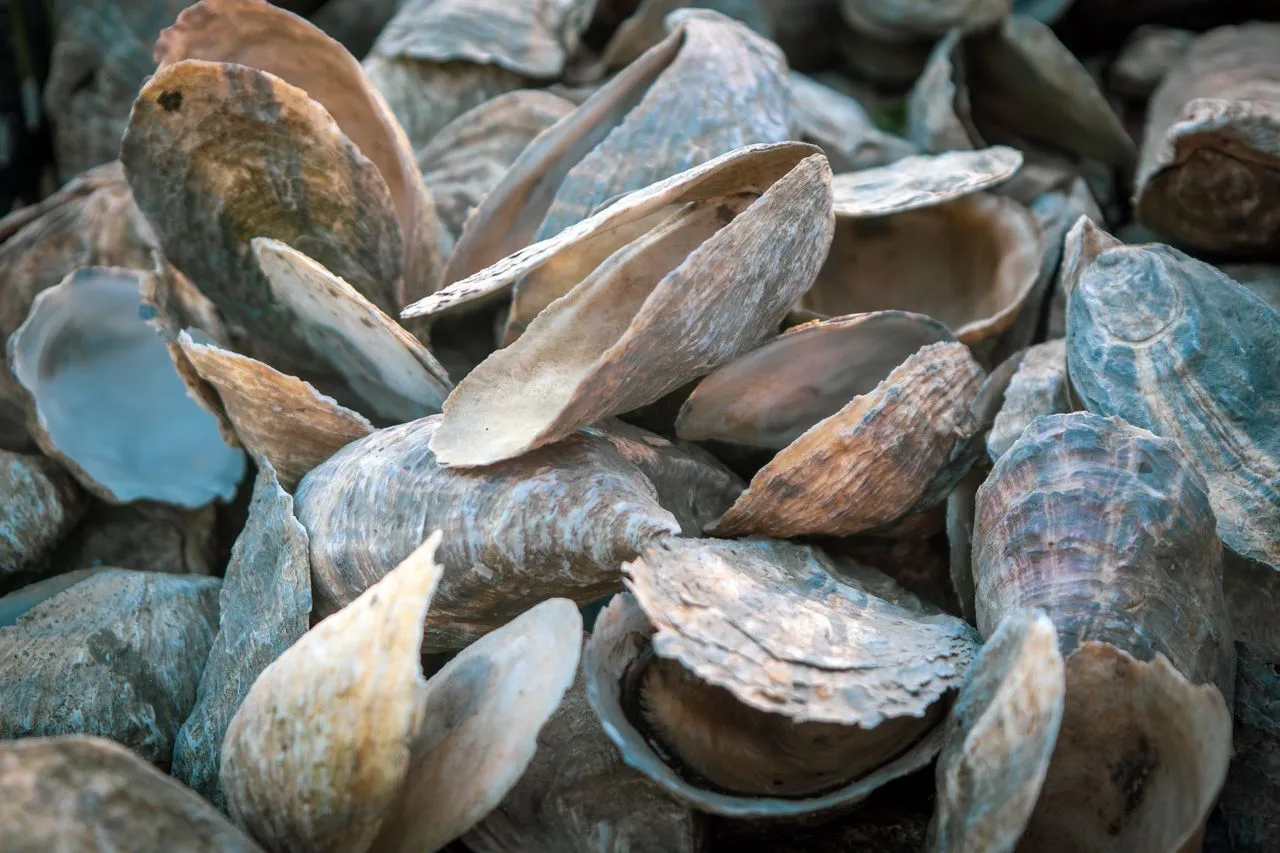
World Oyster Day lands on 5 August, and almost everything written about it is a recipe. That is fair enough. Oysters have been food for as long as people have lived beside a coastline. But the oyster is also a reef builder, and the reefs it built are in worse shape than any other shallow water habitat in the ocean.
Around 85 percent of the world’s oyster reefs are gone. Not bleached, not thinning. Gone.
This is not a habitat I dive. Almost nobody does, because there is barely any of it left to dive. That is the whole problem with oysters as a conservation story: the collapse finished before anyone was underwater with a camera to record it.
What Is World Oyster Day and Why It Falls on 5 August
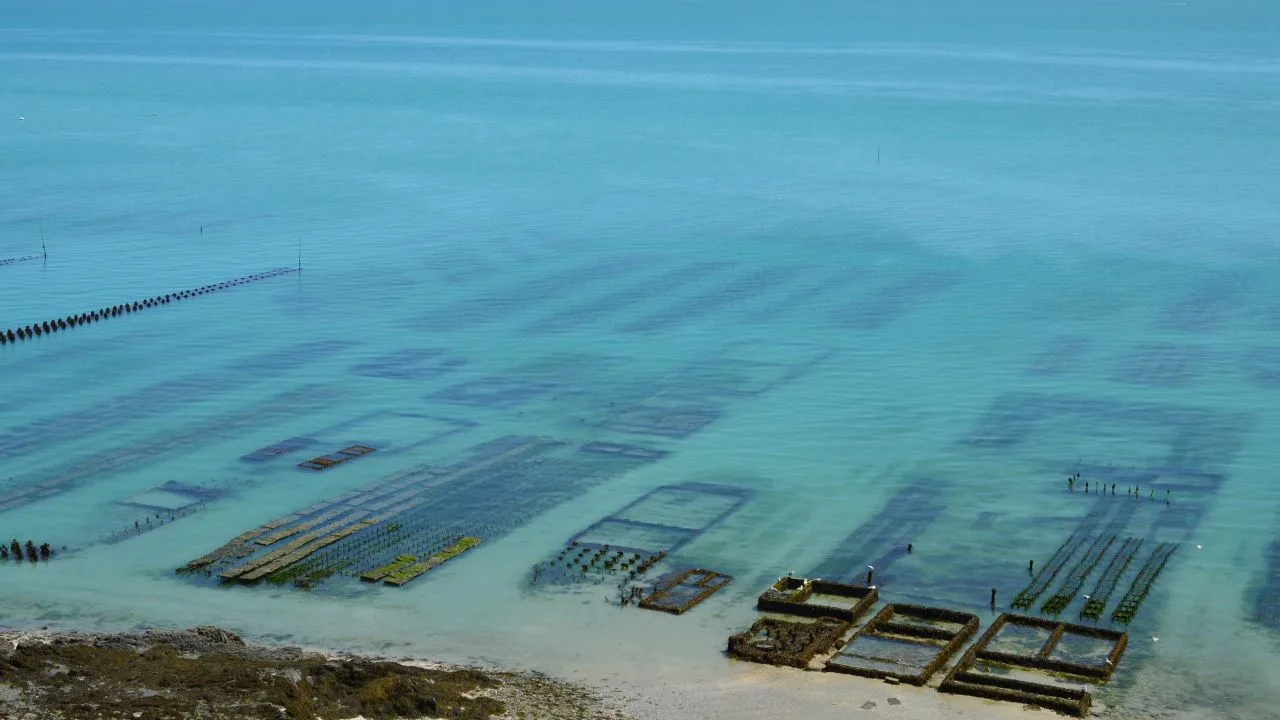
World Oyster Day is observed every year on 5 August. It is worth being straight about what this day is. Unlike the UN and UNESCO ocean days, World Oyster Day has no treaty behind it and no clear origin. It began as a food holiday in the United States, spread through restaurants and seafood markets, and is now marked from Sydney to Galway to New Orleans.
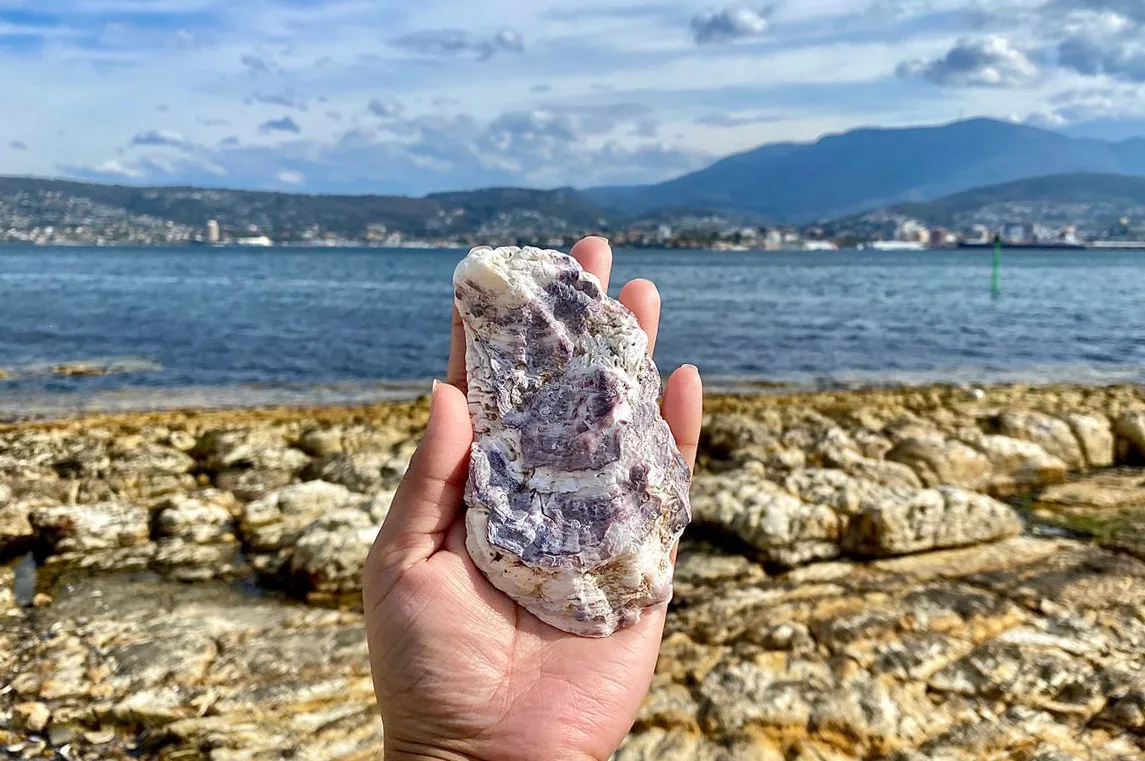
Which is exactly why it is useful. Oysters are one of the very few marine animals most people have a direct, physical relationship with. They have eaten one. They have held the shell. That is a much shorter distance to cross than asking someone to care about a habitat they will never see.
Why Oyster Reefs Are the Most Damaged Marine Habitat on Earth
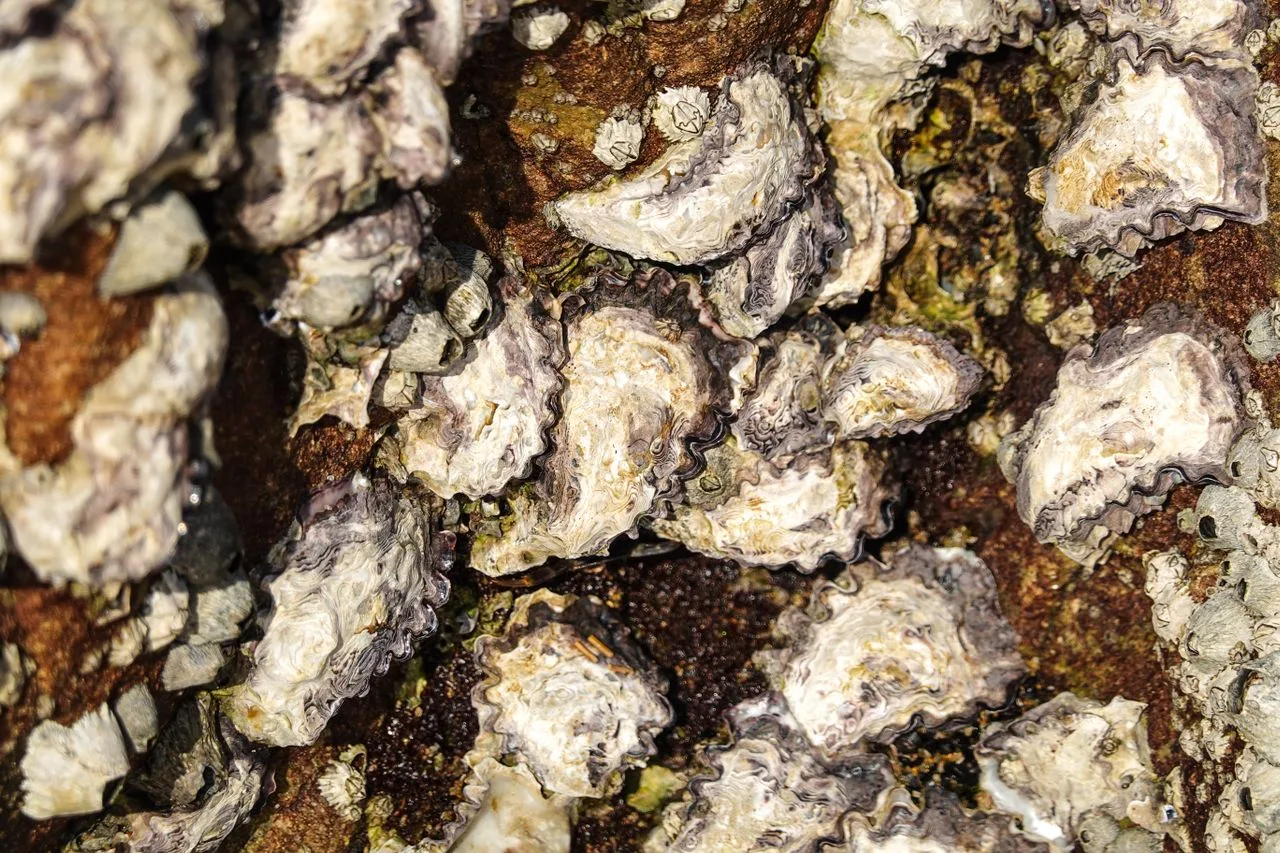
The number that defines this subject came out of a global study of 144 bays across the Americas, Europe, Asia and Australasia. Researchers compared historical records against what is there now. In 70 percent of those bays, oyster reefs sit at less than 10 percent of their former abundance. Overall, at least 85 percent of the world’s oyster reefs have been lost.
The scientists behind that work were blunt about what it meant. Oyster reefs are the most threatened of all the shallow water structured habitats studied this way. More threatened than coral. More threatened than mangroves.
The causes stack up in a familiar order. Overharvesting came first, and the method mattered as much as the volume. Dredging does not only remove the animals, it flattens the structure they built, and once that structure is gone there is nothing left for the next generation of larvae to settle on. The reef cannot rebuild itself. Then came coastal development, sediment, poor water quality and introduced disease.
It is the same story as bottom trawling on the seabed today, just run to completion a hundred years earlier.
What an Oyster Reef Actually Does for the Ocean
Oysters are ecosystem engineers, in the same category as corals. They settle on each other, cement together and build hard, complex, three dimensional structure out of their own bodies. Everything else follows from that.
They filter. A single oyster can move close to 200 liters of seawater through its body in a day, stripping out phytoplankton and suspended organic matter. A working reef of them changes the water: better clarity, fewer algal blooms, less of the nutrient loading that ends in dead zones.
They raise fish. The structure gives juveniles somewhere to hide, the same nursery function that makes seagrass meadows so valuable, running in temperate water where seagrass and mangroves do not always reach.
They hold the coastline. Reefs break wave energy before it reaches salt marsh and shore, which is why oyster reefs now appear in coastal engineering plans as living breakwaters rather than only as fisheries.
They lock away nutrients. The reef buries nitrogen and carbon in the sediment beneath it, a version of the job that makes blue carbon habitats so important to the climate conversation.
One animal, four ecosystem services, and we removed 85 percent of them before we had measured any of it.
Oyster Restoration Is Working, and the Numbers Are Getting Big
Here is the second half of the story, and it is a better one than most conservation subjects get.
In September 2025, partners across the Chesapeake Bay completed the largest oyster reef restoration project in the world: ten tributaries in Maryland and Virginia, plus a bonus eleventh, covering roughly 1,900 acres of rebuilt reef. That is in a bay where only about one to two percent of the historic oyster population survives.
The detail worth holding onto is small. At the Manokin River in Maryland, monitoring found wild spat settling in strong enough numbers that managers did not need to plant hatchery reared oysters on 90 acres of constructed reef. The oysters were recruiting on their own. That is what recovery looks like when it starts running without you.
In New York, the Billion Oyster Project has returned more than 150 million oysters to one of the most industrialized harbors on earth, working with over 100 schools. In Australia, the Reef Builder program has rebuilt 64 hectares of shellfish reef across 21 sites and was named a UN World Restoration Flagship in December 2025.
One honest caveat. A global analysis found restored oyster habitats gain biodiversity quickly in the first two years, then slow, leaving an average shortfall of 35 percent against pre disturbance conditions. Restoration works. It does not get you all the way back.
Can You Eat Oysters and Still Care About the Ocean?
Yes, with a couple of conditions. This is one of the rare places where the seafood answer is not depressing.
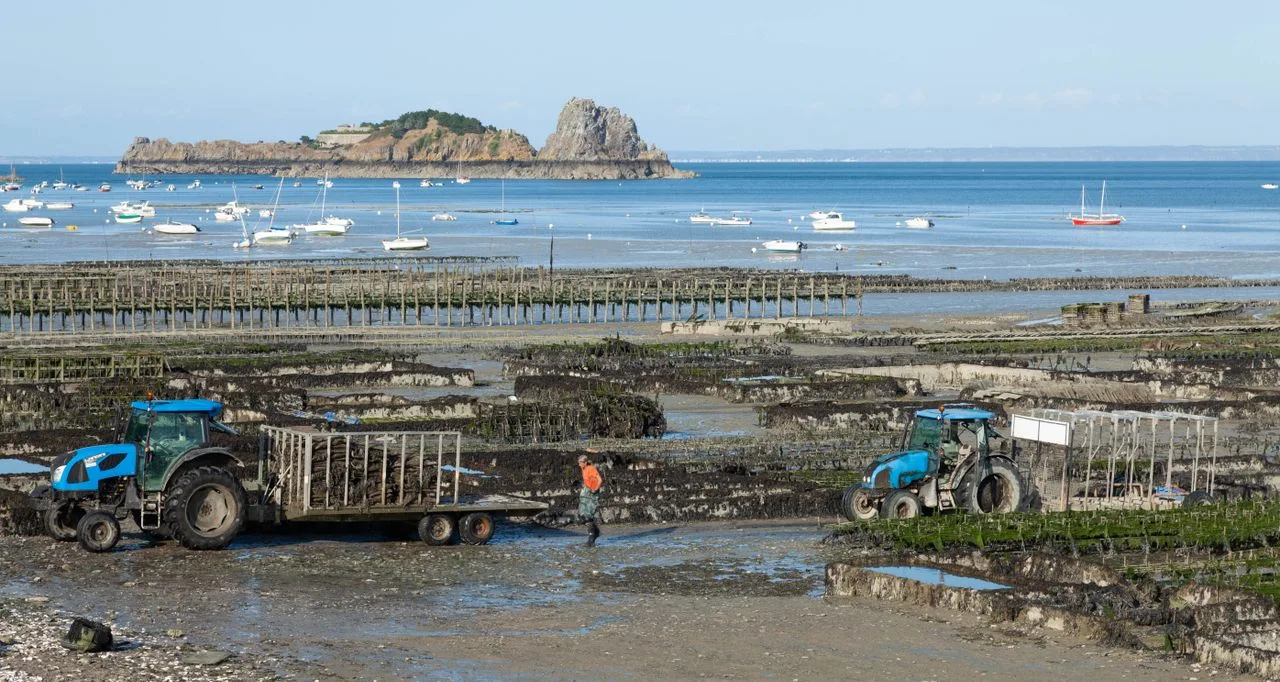
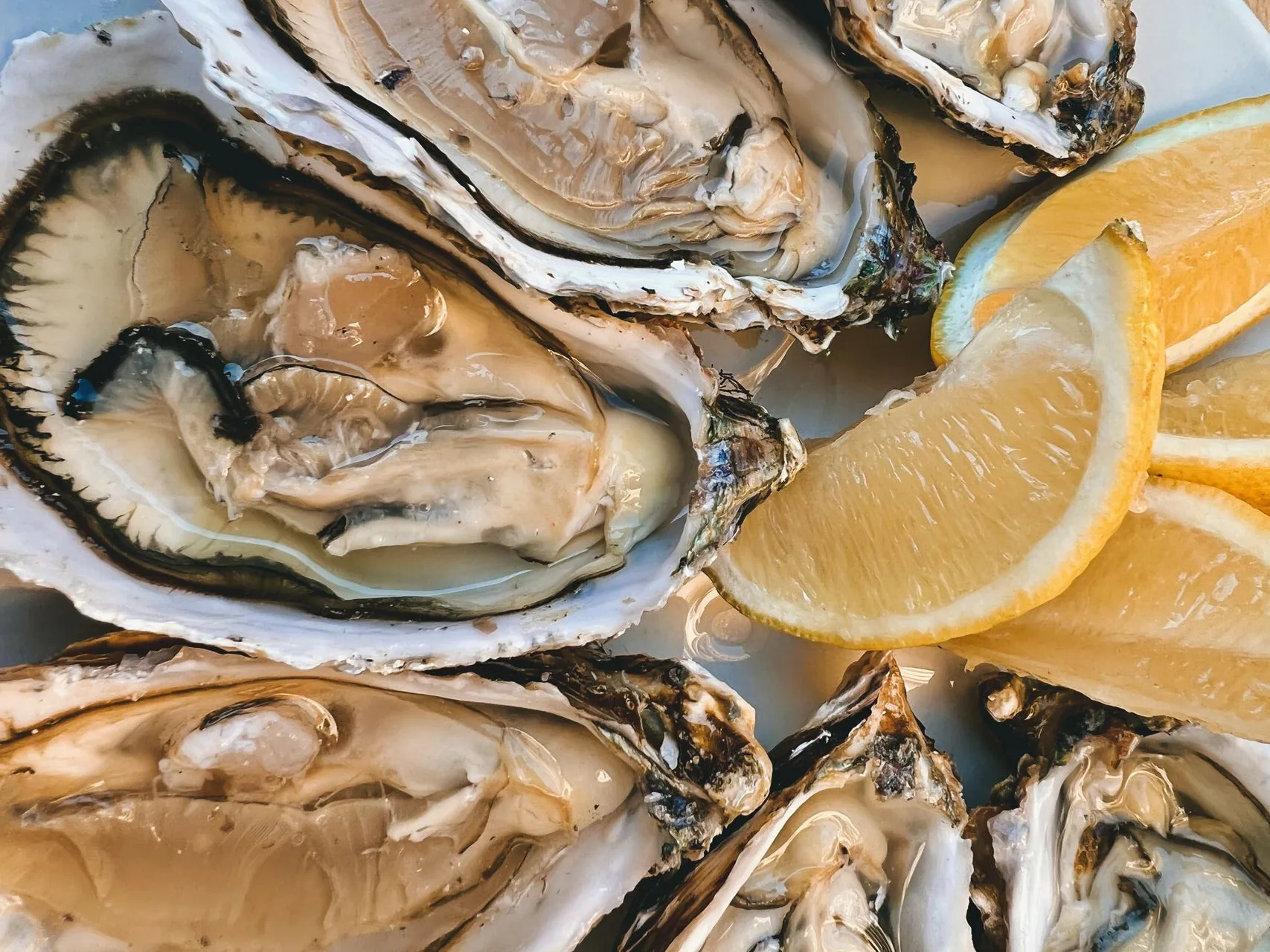
Most oysters on a menu today are farmed rather than dredged from a wild reef. Farmed oysters need no feed, no fresh water, no fertilizer and no forage fish. They eat what is already in the water and they filter it while they grow.
The catch is the shell. Baby oysters need old shell to settle on, and most restaurant shell goes to landfill, which turns a circular system into a linear one. Shell recycling closes that loop, and programs from the Gulf Coast to New York to San Francisco Bay now cure recycled shell and return it to the water as substrate for new reefs.
Wild dredged oysters are a different question. Dredging is the thing that flattened these reefs in the first place.
What You Can Actually Do for Oysters
🦪 Ask whether they are farmed or wild dredged. Farmed is the low impact answer. Wild dredged is the method that emptied the world’s estuaries.
🦪 Eat where the shell goes back in the water. Restaurants that partner with a shell recycling program usually say so. The ones that do not will notice if people keep asking.
🦪 Give to a restoration project directly, the same logic that makes coral gardening work. Billion Oyster Project, the Oyster Recovery Partnership and The Nature Conservancy’s shellfish reef work all take donations and, in most places, volunteers.
🦪 Turn up to a reef build. These projects run on volunteers hauling shell bags. It is unglamorous, it is outdoors, and it is one of the few conservation activities where you can point at what you built.
🦪 Push for the reefs to be left alone once built. Restoration only holds if dredging and trawling stay off the site. Protection is the boring half, and the half that decides whether any of it lasts.
Our ocean, our responsibility. The oyster is the clearest case I know of a habitat humans have destroyed almost entirely, almost silently, and we can still get back. That combination is rare. It is worth more than a plate of them.