Coral Reef Awareness Week runs from 20 to 26 July this year. It lands on the third Monday of July every year, which means it arrives in the middle of the northern summer, in the middle of the warmest water most reefs will see all year. That timing is not an accident, and it is not comfortable.
I want to write about this the way I would talk about it on a boat, not the way a press release would. So here is the honest version.
What a Reef Looks Like When it is in Trouble
Bleaching does not look like death. That is the part nobody prepares you for.
A bleached reef is bright. It is white and lilac and pale gold, and if you have never seen a healthy reef you might surface and call it beautiful. I have watched divers do exactly that. The coral is not dead when it bleaches, it has expelled the algae living in its tissue, the algae that give it both colour and most of its food. What you are looking at is a translucent animal over a white skeleton. It is starving, in public, in a colour palette that photographs well.
If the water cools in time, some of it recovers. If it does not, the white turns furry and brown as algae colonise the skeleton, and then the structure begins to crumble. That is the stage where the fish leave. A reef can lose its function long before it loses its shape.
The difference between a reef that is quiet and a reef that is empty often comes down to sound. Healthy reef is noisy, crackling, popping, constant. Dead reef is silent. You can notice it on the descent, before you can see anything at all.
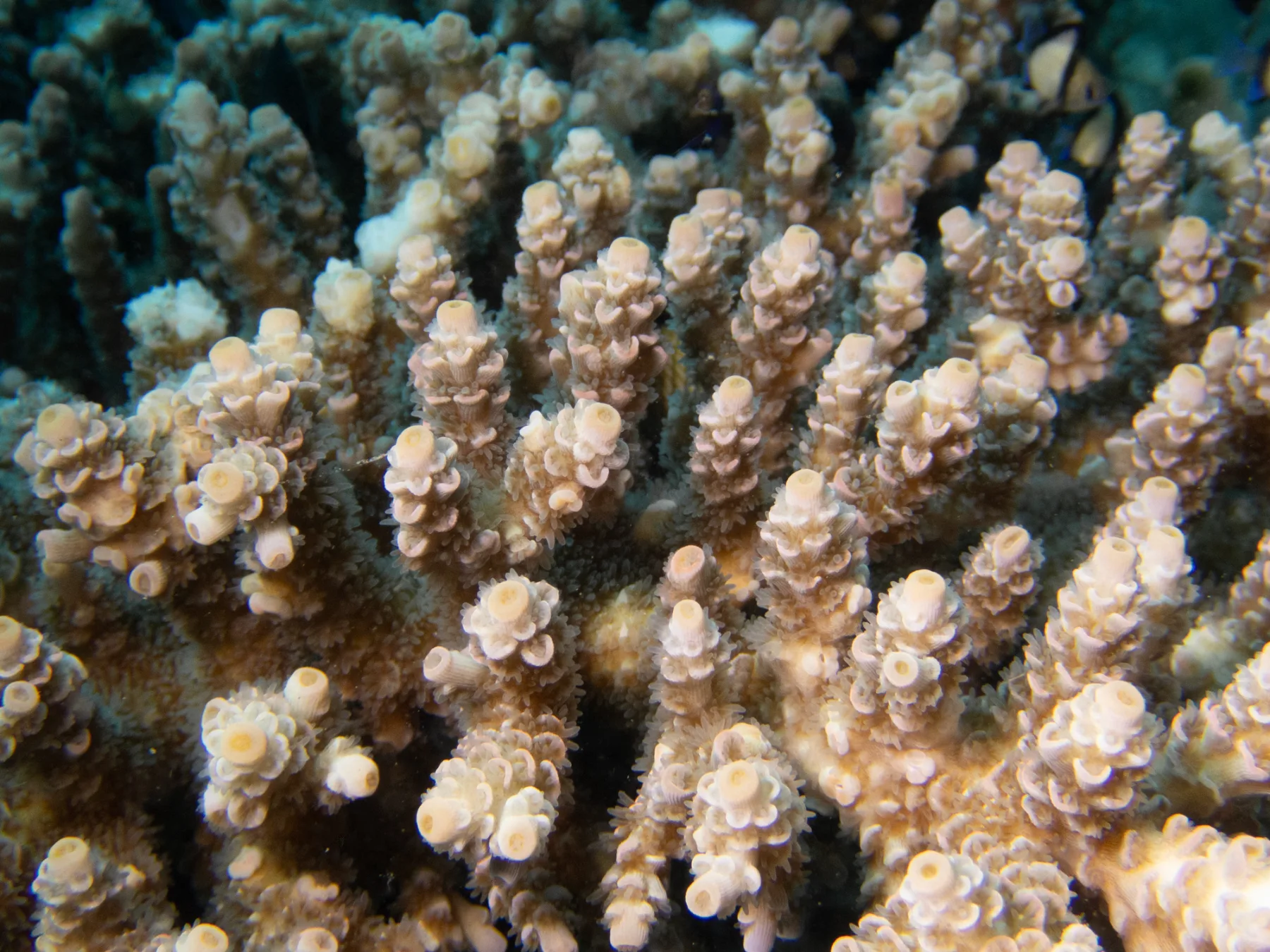
The Numbers Behind This Particular Week
We are in the fourth global bleaching event, and it is the longest and most severe on record.
Bleaching-level heat stress has now hit 84% of the world’s reefs, with damage recorded across 82 countries and territories. To put that in some kind of order: the first global bleaching event in 1998 affected 21% of reefs. The second, in 2010, reached 37%. The third, running from 2014 to 2017, reached 68%. This one is 84% and it has not finished.
The monitoring itself has had to change to keep up. The bleaching alert scale used to stop at Level 2, which signalled likely mortality for heat-sensitive corals. New levels were added, up to Level 5, which describes conditions where more than 80% of the coral on a reef could die. A scale had to be extended because reality overran it. I find that detail more chilling than any single percentage.
And the reason this matters beyond the diving: coral reefs cover less than 0.1% of the ocean floor but support around a quarter of all marine species, and roughly a billion people depend on them for food, income, or the fact that reefs break the waves before the waves reach their houses.
I have written the fuller version of the bleaching story here, the fourth global bleaching event, if you want the science rather than the summary.
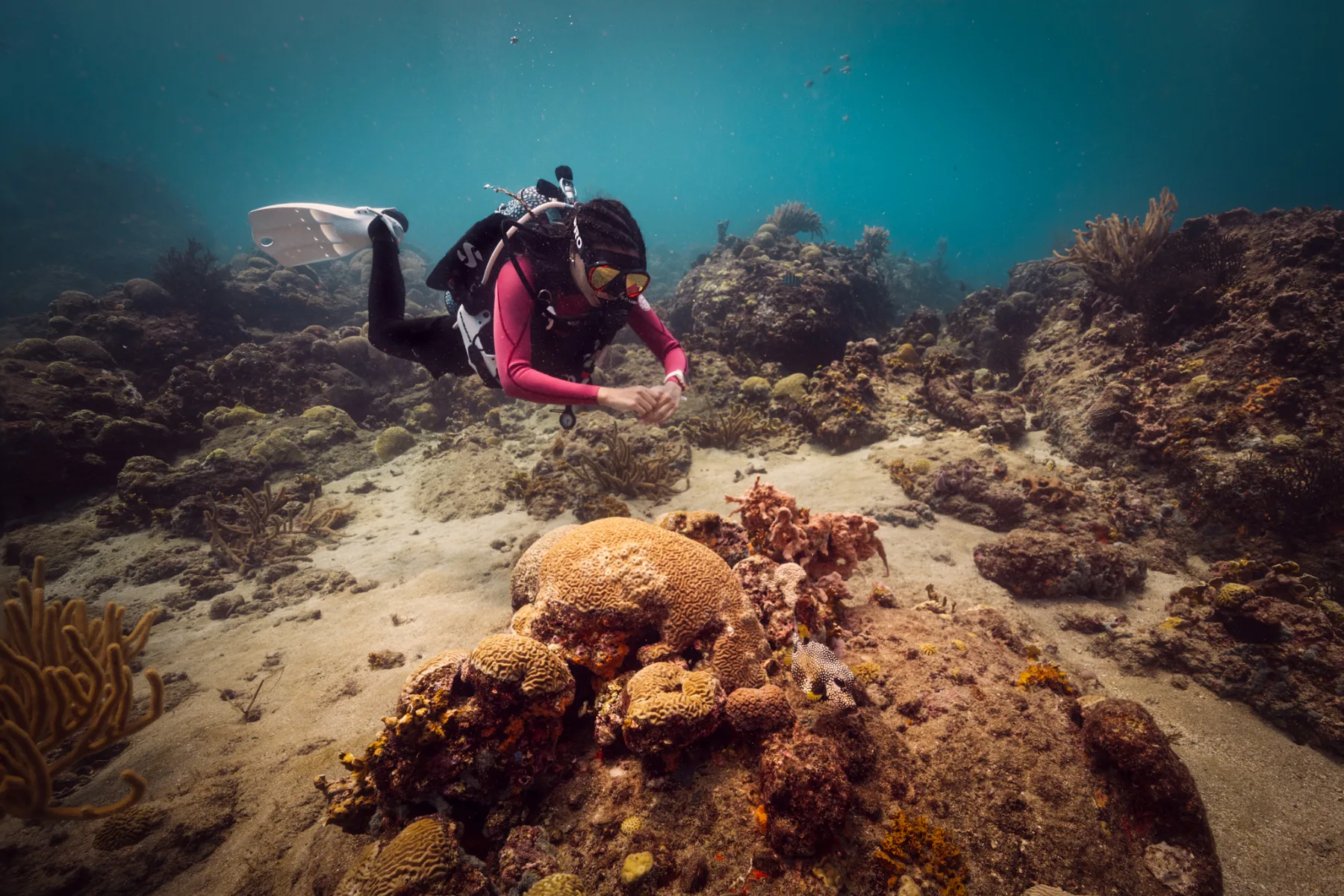
What “Recovered” Actually Means
The obvious question, and the one I get asked on boats: so how much of it came back?
The honest answer is that nobody can tell you yet, and anyone giving you a clean global percentage for the last event is guessing. Heat stress is measured by satellite in near real time. Mortality and recovery are measured by people in the water, reef by reef, and that work takes years to compile.
What we do have is the equivalent figure for the previous event, published only this February, the most geographically extensive bleaching analysis ever done, drawing on nearly 200 co-authors from 143 institutions across 41 countries. Looking at the 2014–17 event across more than 15,000 reef surveys: 80% of surveyed reefs bleached moderately or worse, and 35% suffered moderate or worse mortality. Scaled globally, the team estimated that over half the world’s reefs bleached significantly and 15% experienced significant mortality.
Fifteen percent dead. Not bleached, not stressed, gone, from one event, nearly a decade ago. And that was the event that the one we just finished exceeded.
The other finding in that paper is the one that keeps me up. Around half of the reef locations hit by bleaching-level heat stress during those three years were hit twice or more within the same event. The researchers’ summary of it was blunt: reefs are not getting time to recover before the next event arrives.
That is the real damage mechanism. Not any single hot summer. The shortening gap between them.
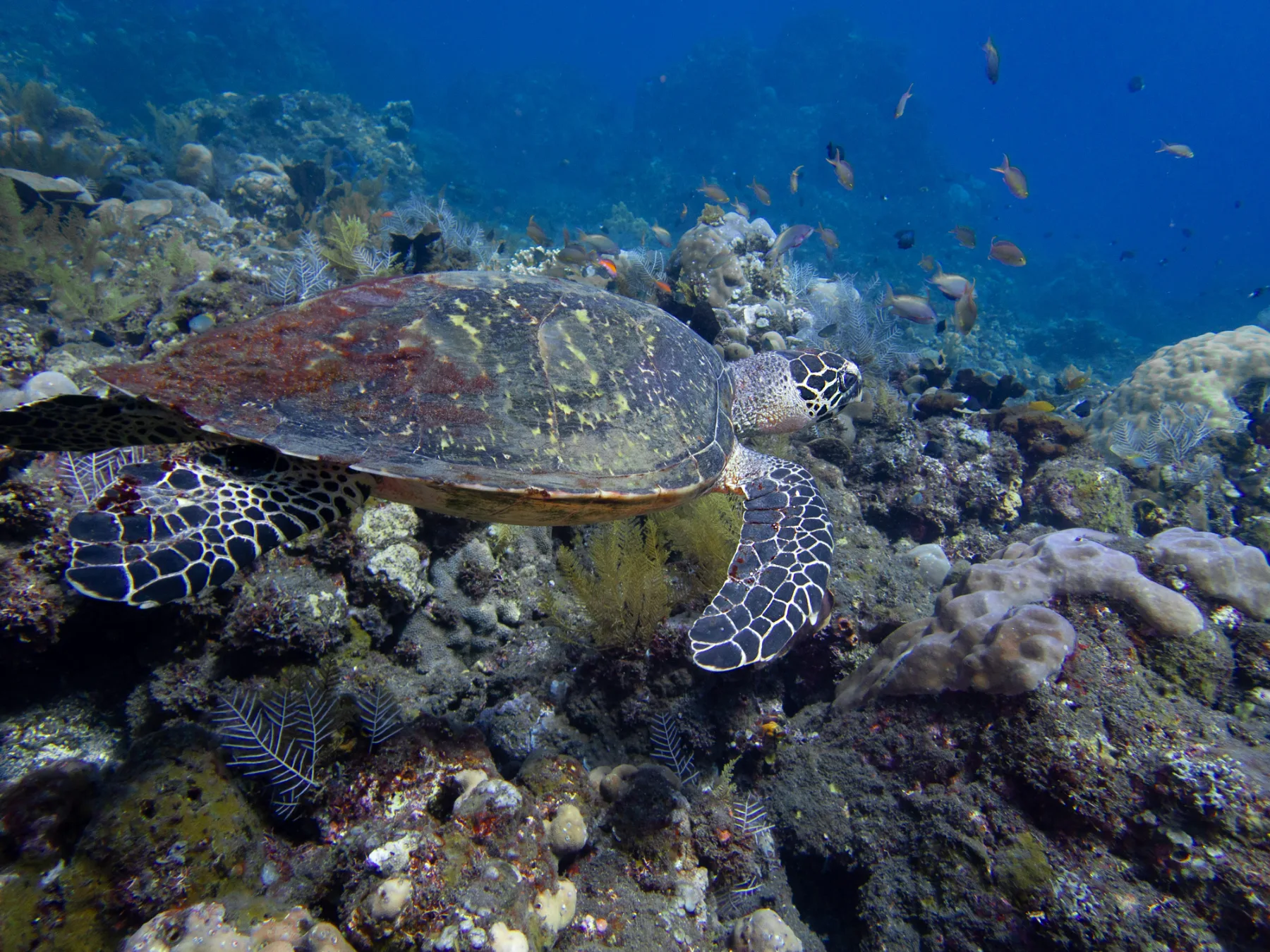
El Niño and Coral Reefs
And then there is El Niño.
Here is the part that makes this particular July different from last July.
El Niño formed in the tropical Pacific in June 2026, and NOAA has had an El Niño Advisory in effect since. It is not fading. Forecasters put the odds of it persisting and strengthening through the 2026–27 winter at somewhere between 97 and 99%, and the model consensus points to a peak around September to November, with a real chance it lands in the “very strong” category, Niño-3.4 anomalies at or above +2.0 °C.
For most people, El Niño is a weather story. Drought in Indonesia, the Philippines, eastern Australia. Rain where there is usually none on the South American coast. A quieter Atlantic hurricane season.
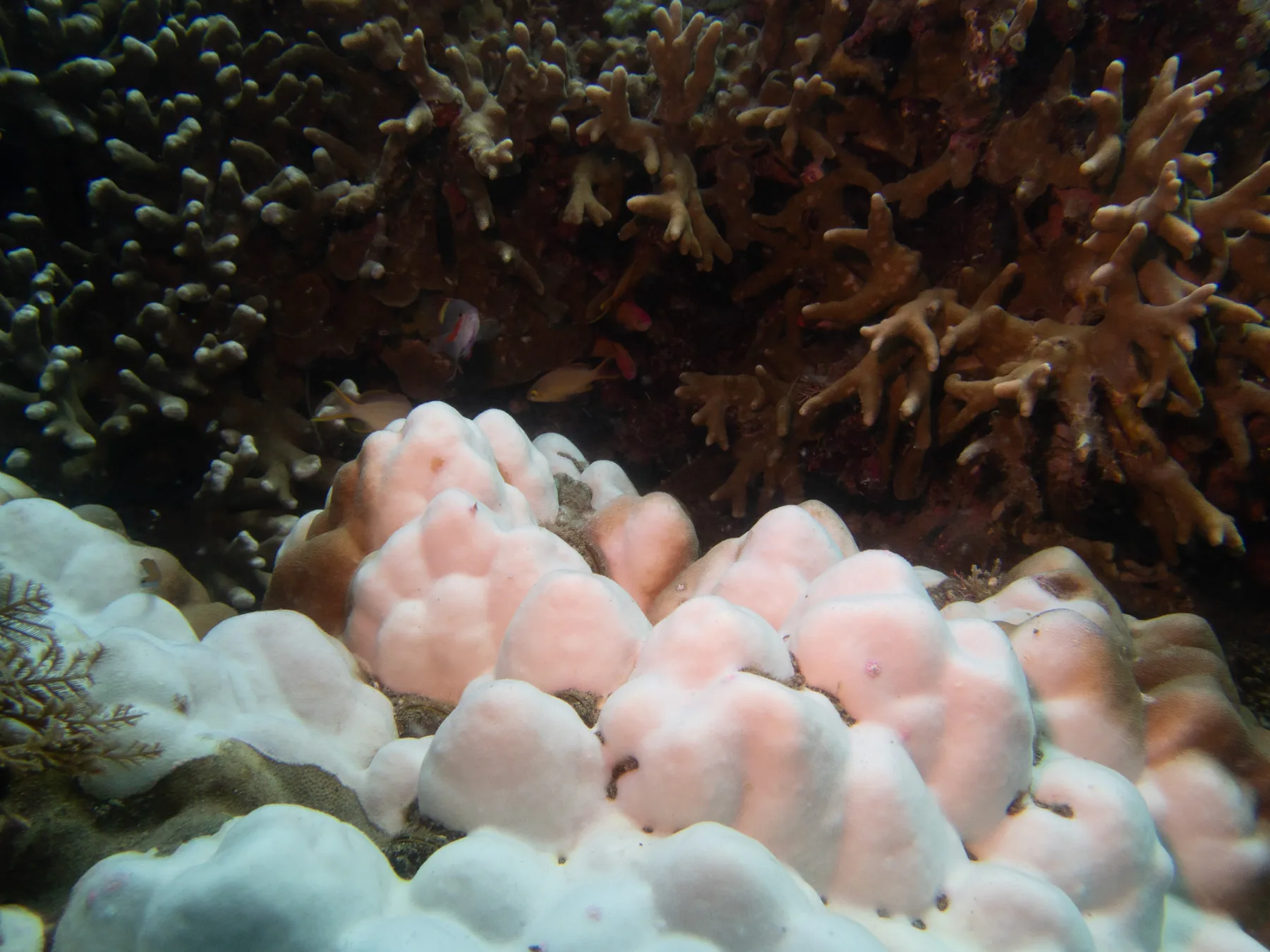
For reefs, it is something much more direct. El Niño dumps additional heat into the surface ocean across huge stretches of the tropics, and it does it on top of a baseline that is already the warmest in the instrumental record. Since 1998, every strong El Niño has coincided with a global coral bleaching event, and each one has been more widespread and more severe than the last. The pattern is not subtle.
So put the two halves together. The fourth global bleaching event ended barely a year ago. Reefs have had one cool season, one, and NOAA’s own four-month outlook already shows high bleaching risk across much of the north Pacific including Hawai’i, and across Florida and the Caribbean later this summer.
That is what I want people to understand about the timing of this week. It is not an anniversary. It is a warning issued a few months in advance.
If you dive the Coral Triangle, the eastern Pacific, the Caribbean, or the Great Barrier Reef between now and early 2027, there is a reasonable chance you will see bleaching in progress. Learn what it looks like before you go. Photograph it with a date and a location. Report it to Reef Check or the local marine park authority. Divers noticing things in real time is part of how these events get mapped.
The Part That is Not Hopeless
I am not going to end there, because that would be dishonest in the other direction.
Reefs are not uniformly dying. Some are holding. The Red Sea’s northern reefs are showing thermal tolerance that scientists are still trying to explain. Reefs inside well-enforced no-take protection consistently outperform reefs outside it, not because protection cools the water, but because a reef that is not also being fished, anchored on, and silted has enough margin left to survive a bad summer. Protection does not stop bleaching. It buys the reef the strength to come back from it.
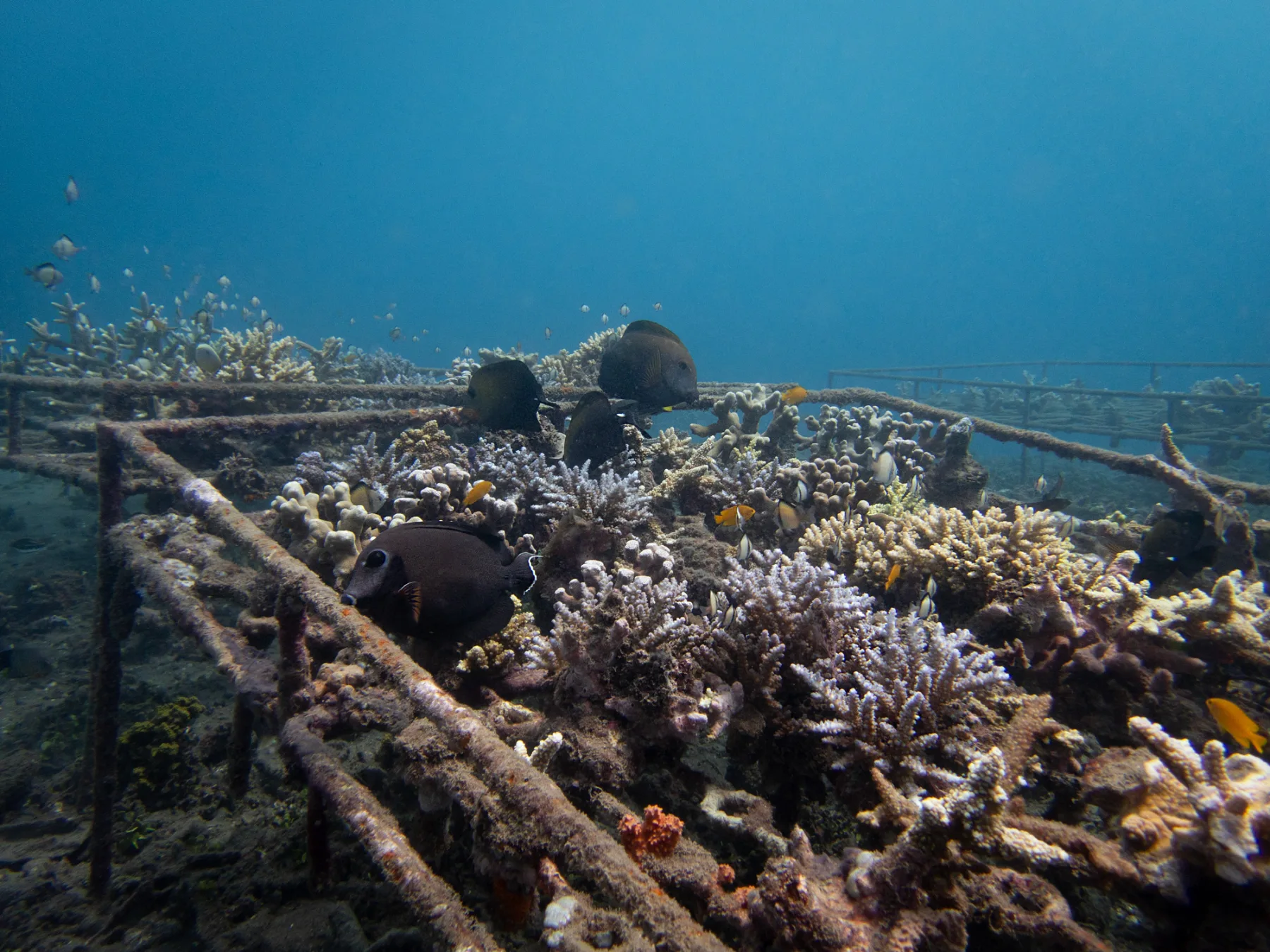
And restoration has stopped being a nice idea. Coral nurseries take fragments from colonies that have already survived heat events, grow them out, and replant them, and the survival rates are good enough now that this is real work, not symbolism. I wrote about how that actually functions in coral gardening and reef restoration.
The thing I keep coming back to is that reefs are not fragile in the way we tend to imagine. They are ancient and they are stubborn. What they are is slow. They can recover from almost anything if the gap between disasters is long enough. Our entire problem is the length of the gap.
What a Diver Can Actually Do This Week (Any Time, Really)
🪸 Change your sunscreen, and understand why. Common UV filters damage coral DNA at concentrations measured in parts per trillion, and most places still have no rules about it. The full explanation is here in what sunscreen does to coral, and it is the cheapest change on this list.
🪸 Fix your buoyancy before you fix anything else. The single largest thing most recreational divers do to a reef is touch it, a fin kick, a dangling gauge, a knee down for a photo. If you are in the water this week, dive one dive where the only thing you work on is not making contact. Trim, breathe, hover. It is a better contribution than a hashtag.
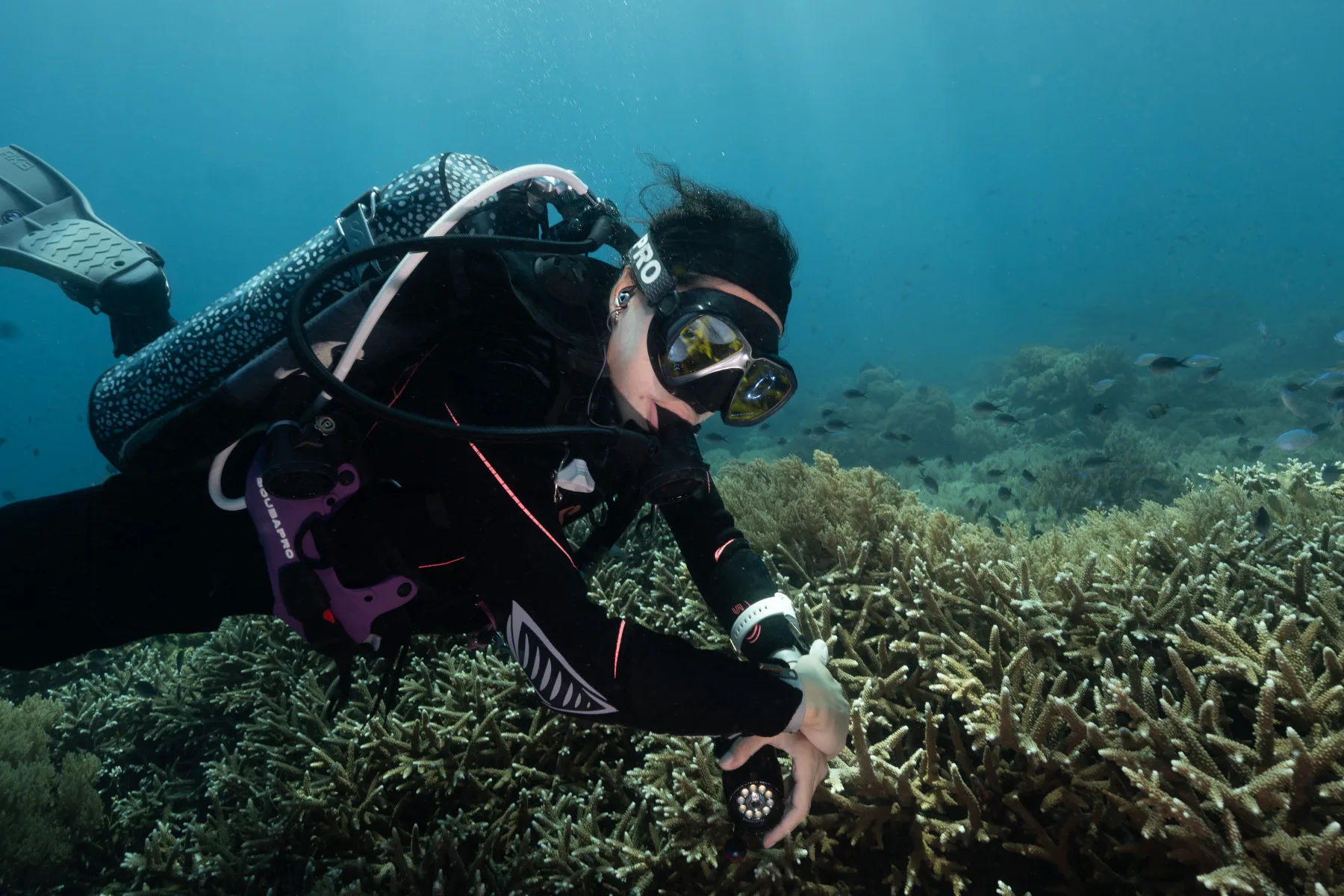
🪸Look into conservation-focused specialties. The Scientific Diver Distinctive Specialty trains you to collect real survey data underwater (species counts, transects, condition assessments) the same skills marine researchers use, and it opens the door to volunteering on actual expeditions. Reef Check’s EcoDiver does something similar for reef monitoring specifically. Neither takes long, and both turn dives you were already doing into dives that produce something.
🪸Get involved in a coral restoration programme. Many dive operators near degraded reefs now run nurseries you can join as a volunteer diver, maintaining coral fragments, outplanting them onto the reef, tracking survival. It is hands-on, it is local, and it is one of the few forms of “doing something” that produces a reef you can go back and visit years later.
🪸 Choose the operator that says no. The dive center that cancels a site because conditions would put divers on the coral, that briefs properly, that runs small groups, that does not chase the octopus for you. Pay them. They are more expensive for a reason and the reason is the reef.
🪸 Log what you see. Reef Check trains recreational divers to run real survey protocols, and the data goes into actual monitoring. If you dive regularly in one place, you are more useful to science than you think.
🪸 Give money to something local and specific. A named nursery, a named ranger programme, a named MPA. Small organisations working one reef tend to convert money into outcomes at a rate the large ones cannot match.
🪸 Join a cleanup, underwater or on the sand. Ask your local dive operator if they run one. Most do, especially this week, and it just takes a day. Debris damages a reef in two ways: it smothers coral directly, and it snags on branching structures during storms, breaking colonies that survived the heat just fine. An hour with a mesh bag does more for a reef than a week of talking about it.
Why I Don’t Give Up and You Shouldn’t Either
Somebody asked me recently whether it gets depressing, diving reefs while knowing all this. It does, sometimes.
But there are also real success stories out there, places where conservation has been prioritized. Reefs can come back when people join forces and put the work in.
That is what this week is for, as far as I am concerned. Not mourning. Attention. Reefs respond to what we do, on a timescale we can actually watch. Which means every year we keep the pressure off is a year they get to use.
Get in the water. Don’t touch anything. Tell someone what you saw.
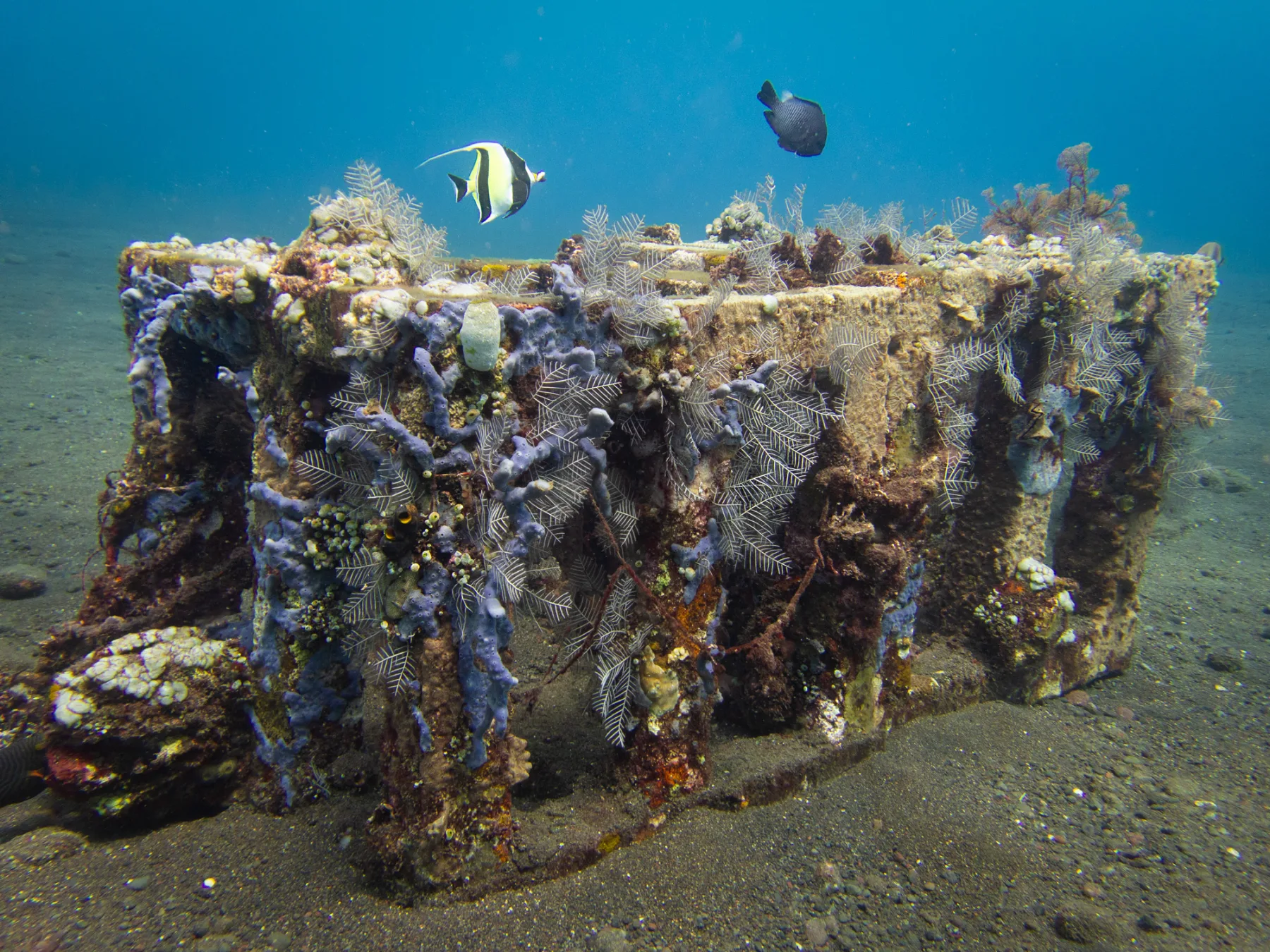
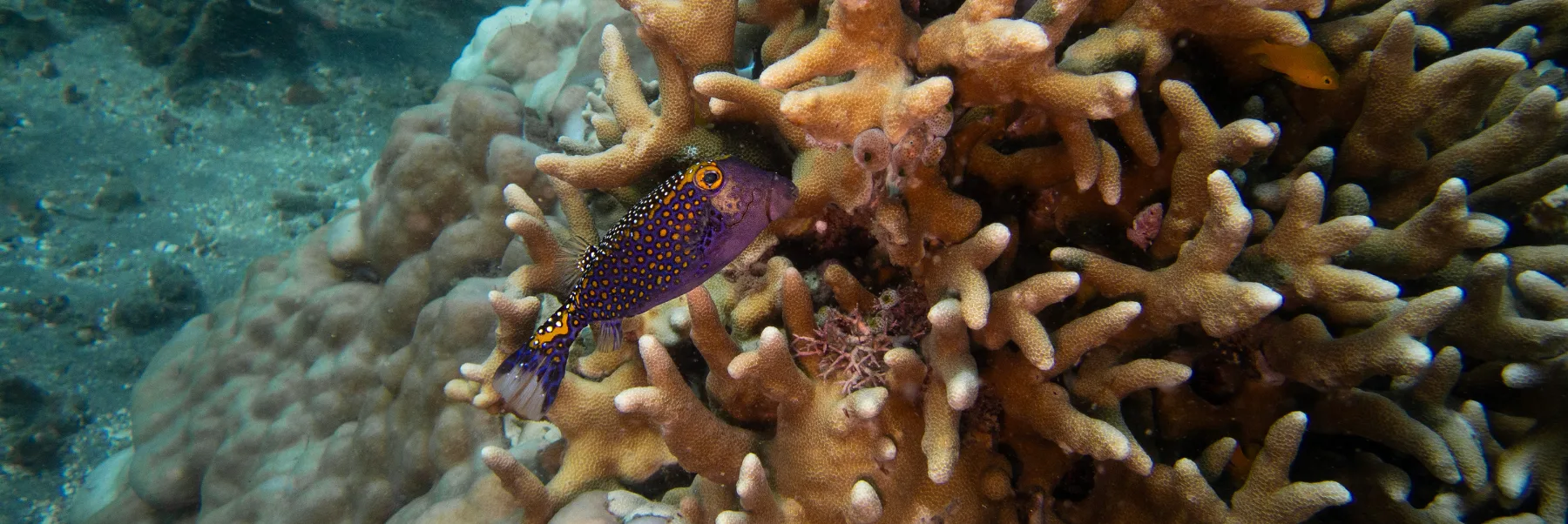
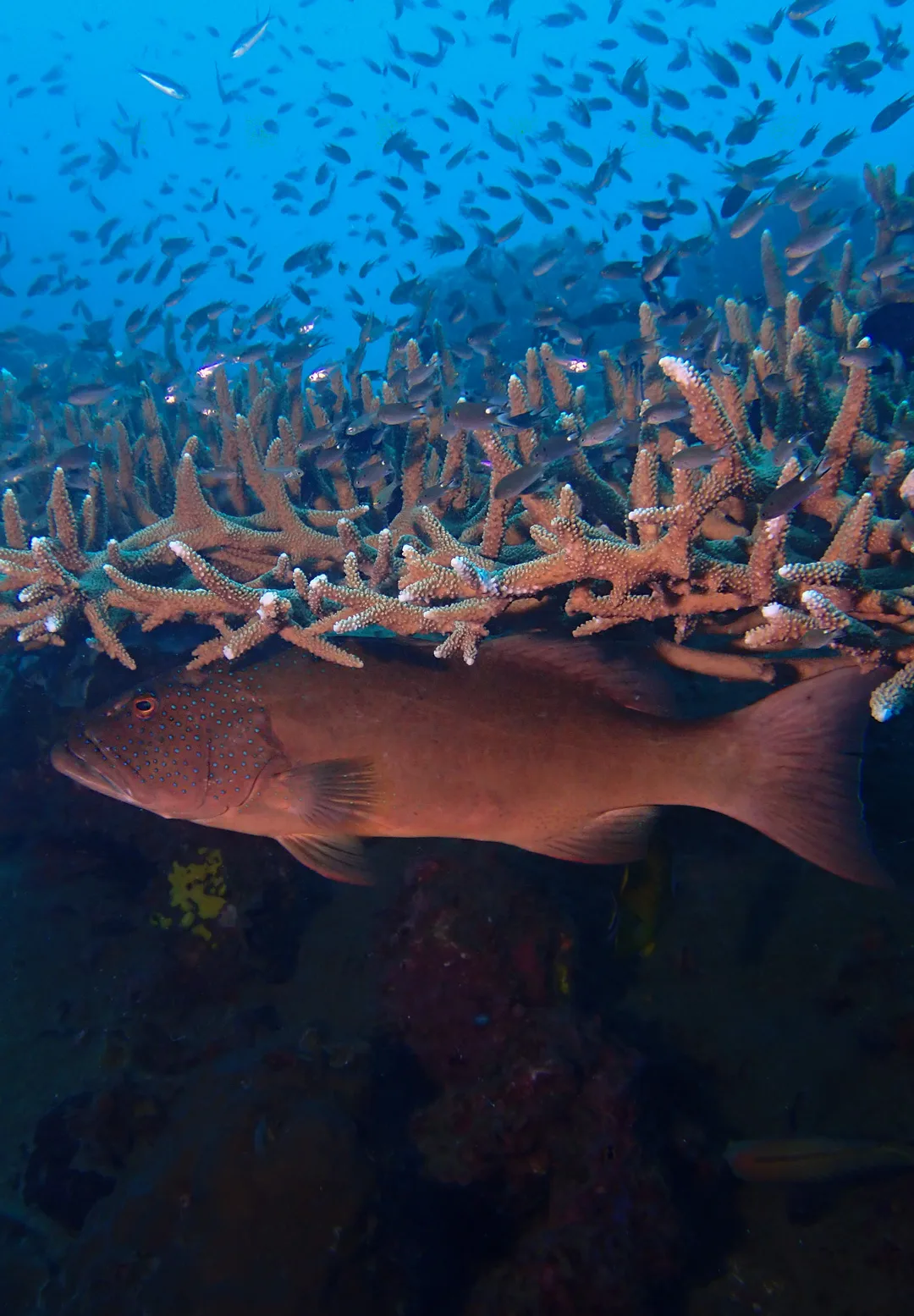
All the underwater photography in this article is mine. If you’re familiar with my work you know I focus on macro photography, but I wanted to share the wider reef context here too.