I have dived in a 2mm shorty in the Maldives at 29 degrees and in a 7mm semi-dry in Scotland at 8 degrees, and the experience of suiting up for each could not be more different. One is a formality. The other is a commitment. But in both cases the principle is the same: keep your core warm enough that your body does not start rationing blood from your extremities, and your dives will be longer, safer, and far more enjoyable.
How Wetsuits Work
A wetsuit works by trapping a thin layer of water against your skin. Your body heats that water, and the neoprene insulates it. The thicker the neoprene, the more insulation, but also the more restriction and buoyancy.
This is why fit matters as much as thickness. A poorly fitting wetsuit flushes constantly, replacing that warm water layer with cold water from outside. Even a 7mm suit will leave you shivering if it does not fit correctly around the neck, wrists, and ankles.
Thickness by Water Temperature
| Temperature | Thickness |
|---|---|
| 28°C + | 2mm shorty or skin suit |
| 24-28°C | 3mm full suit |
| 18-24°C | 5mm full suit |
| 12-18°C | 7mm semi-dry |
| Below 12°C | Drysuit |
These are starting points, not rules. Some people run cold; some run warm. If you are someone who shivers at the surface in tropical water, size up. If you overheat easily, size down.
Sealed vs. Lined Neoprene
Entry-level wetsuits use a smooth external skin that seals well against water intrusion but tears easily. Mid-range and premium suits use nylon-lined exteriors, more durable and easier to get on, but slightly more water-permeable at the seams. For serious cold-water diving, look for suits with glued-and-blind-stitched seams, which dramatically reduce flushing.
Getting the Fit Right
A wetsuit should be snug enough that you cannot pinch loose neoprene anywhere on the torso, but not so tight that it restricts breathing or cuts into your neck. The crotch should sit high. The knees and elbows should align with your joints.
If you are between sizes, a custom wetsuit is worth the cost. Most manufacturers charge 10-20% above standard pricing for custom sizing, and the improvement in warmth and comfort is significant.
A Note on Rashguards
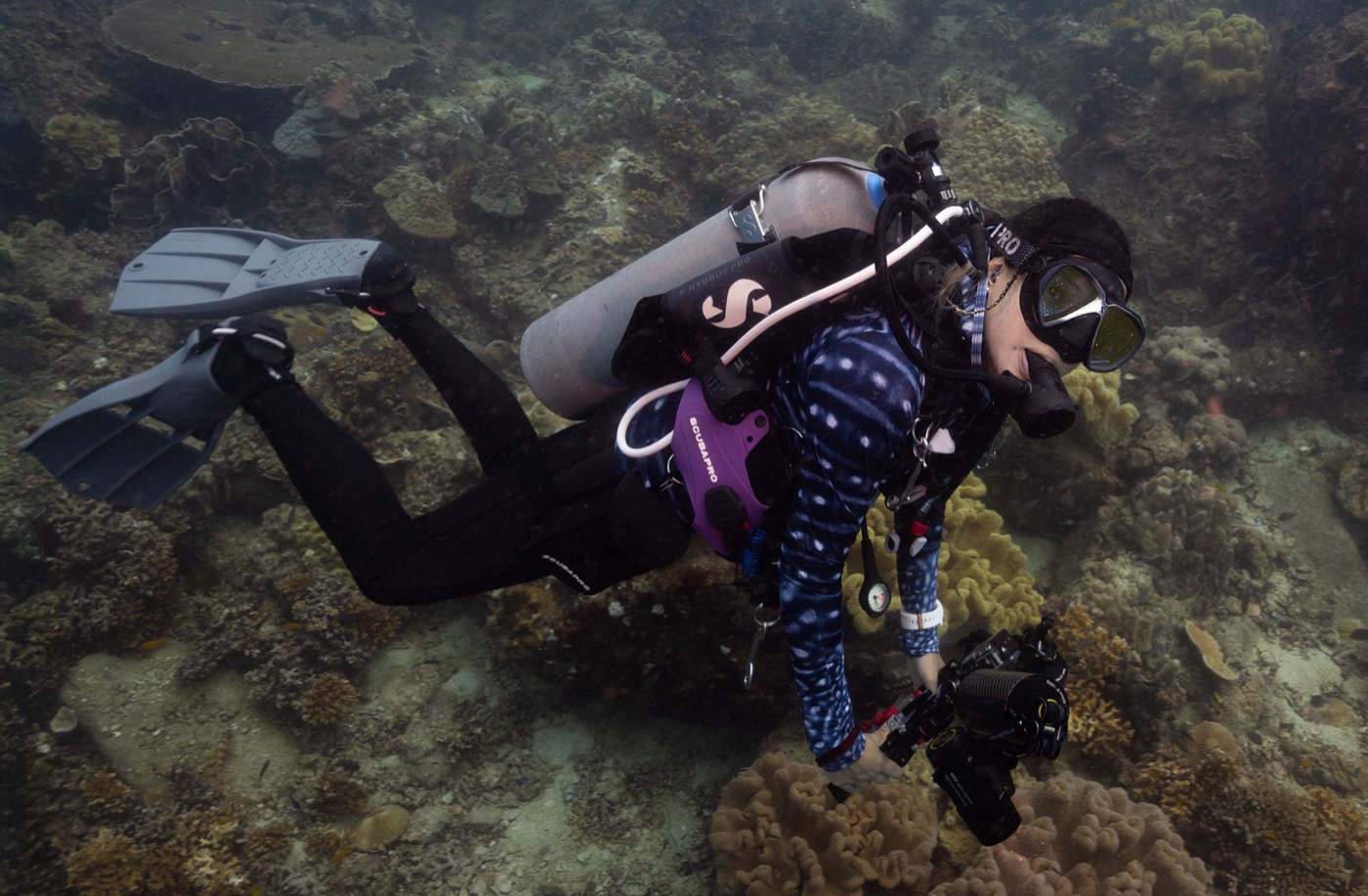
In tropical water, a 1-2mm rashguard or skin suit worn under your swimwear protects against coral abrasion and stingers and adds a small thermal layer. For anyone spending significant time in 28°C+ water, this is often a better choice than a full wetsuit, and far easier to manage on a liveaboard.
The sea takes your heat. The right suit gives it back. One thing a wetsuit does not protect: your ears. If you dive frequently, ear protection belongs in your kit bag alongside everything else. For the rest of your gear, see the guides on regulators, BCDs, and dive computers, or read the forever kit guide for the full picture in one place.