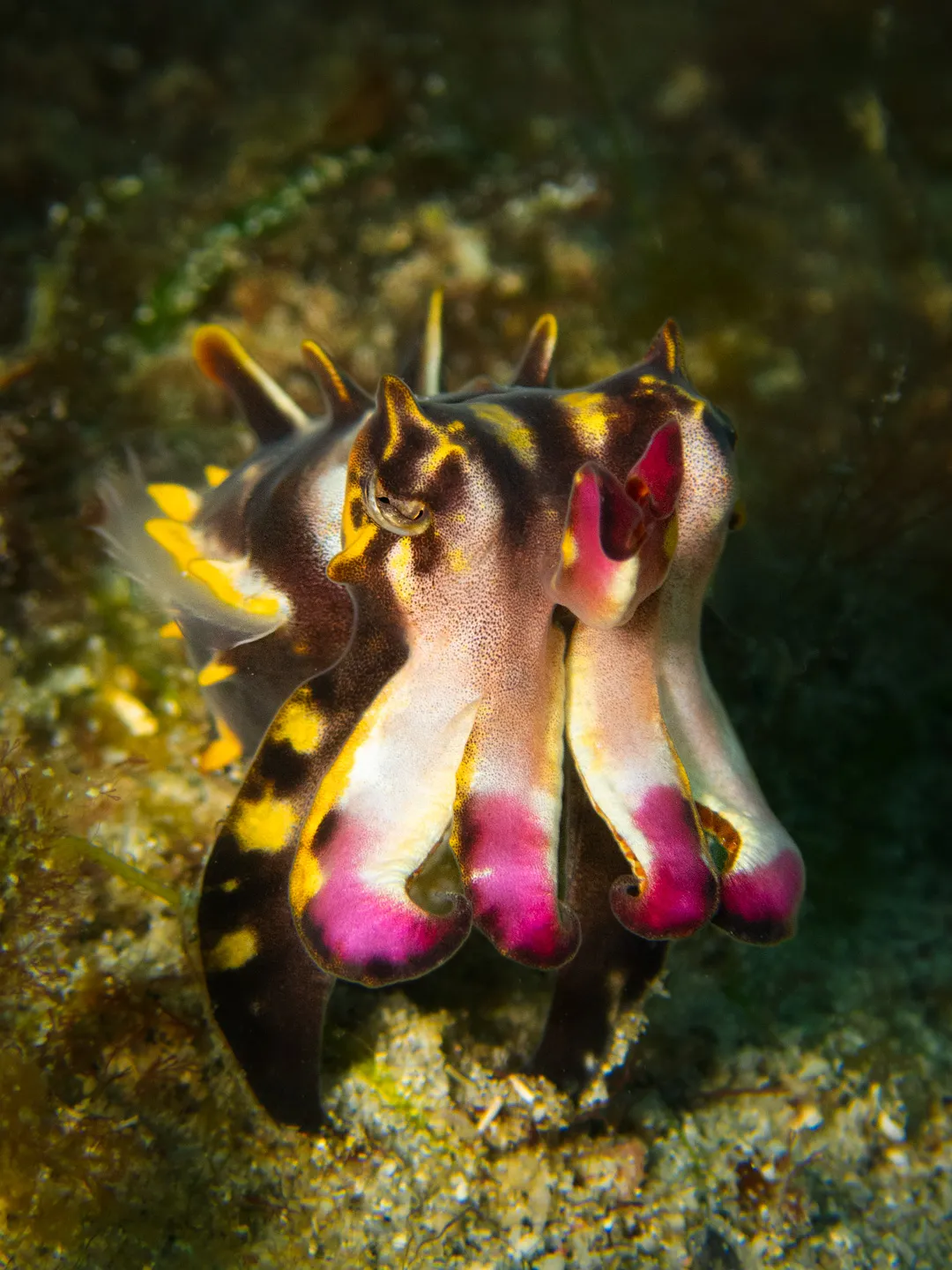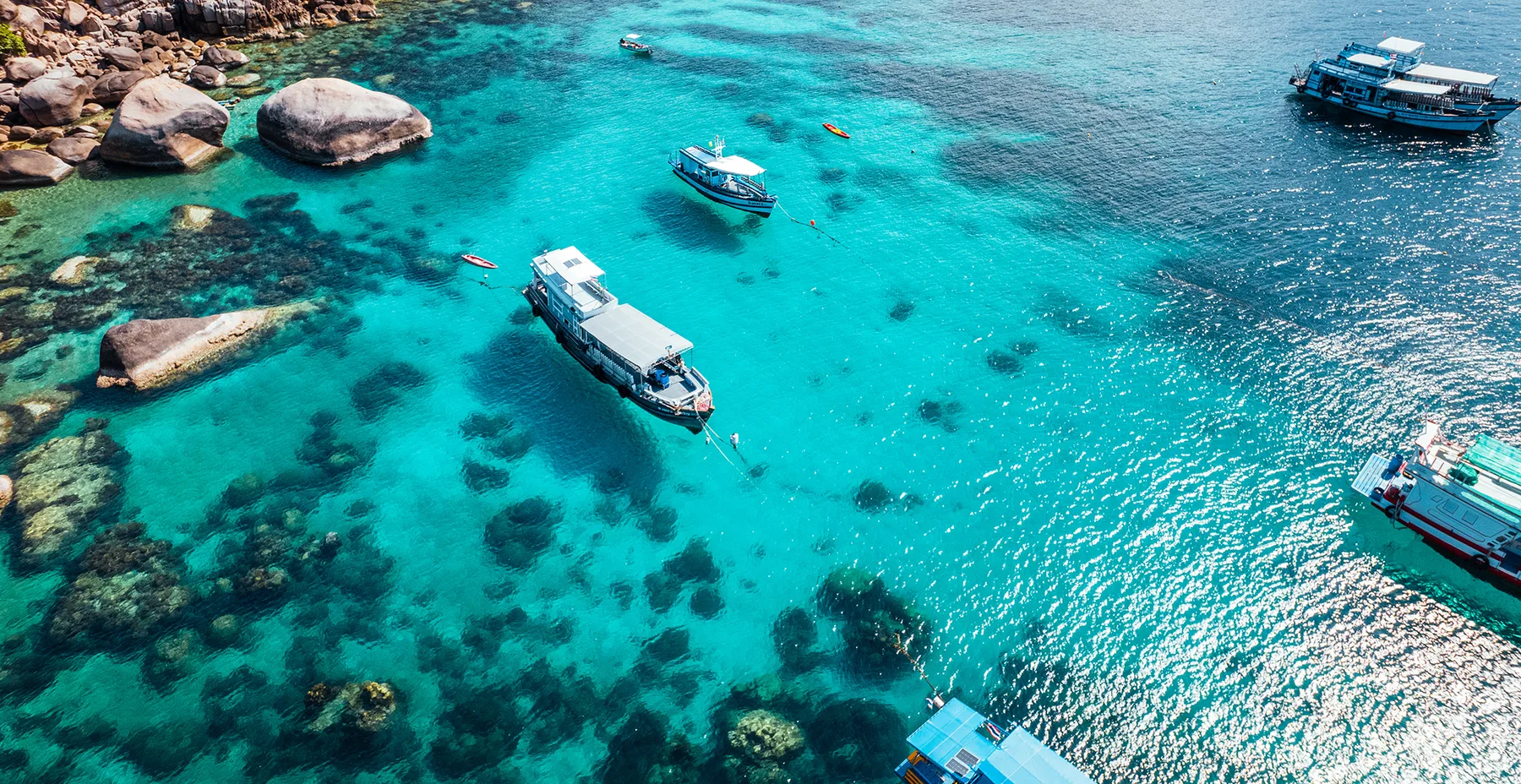
Nudibranchs are my thing. If you are already a nudibranch enthusiast, or, let’s be honest, a nudibranch geek, or if you want to join this underwater cult, this guide is for you. Most recreational divers chase pelagic animals. Turtles, dolphins, sharks. The big charismatic stuff, and I get it, I love that too. But the moment you slow down and start finding nudibranchs, the dive opens up into something completely different. Suddenly every site has hundreds of things to see that you were swimming past for years.
My Instagram series Finding Nudibranchs is built around exactly this, and the question I get most often is some version of how do you actually spot them? So here it is, the honest version.
What Is a Nudibranch?
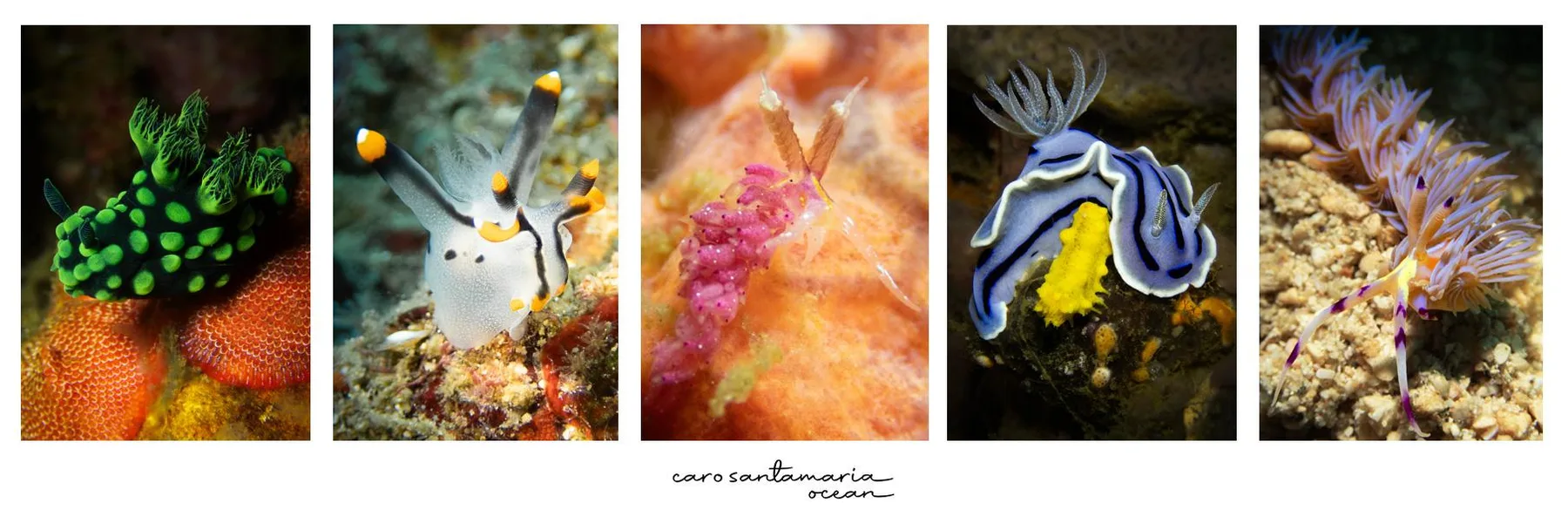
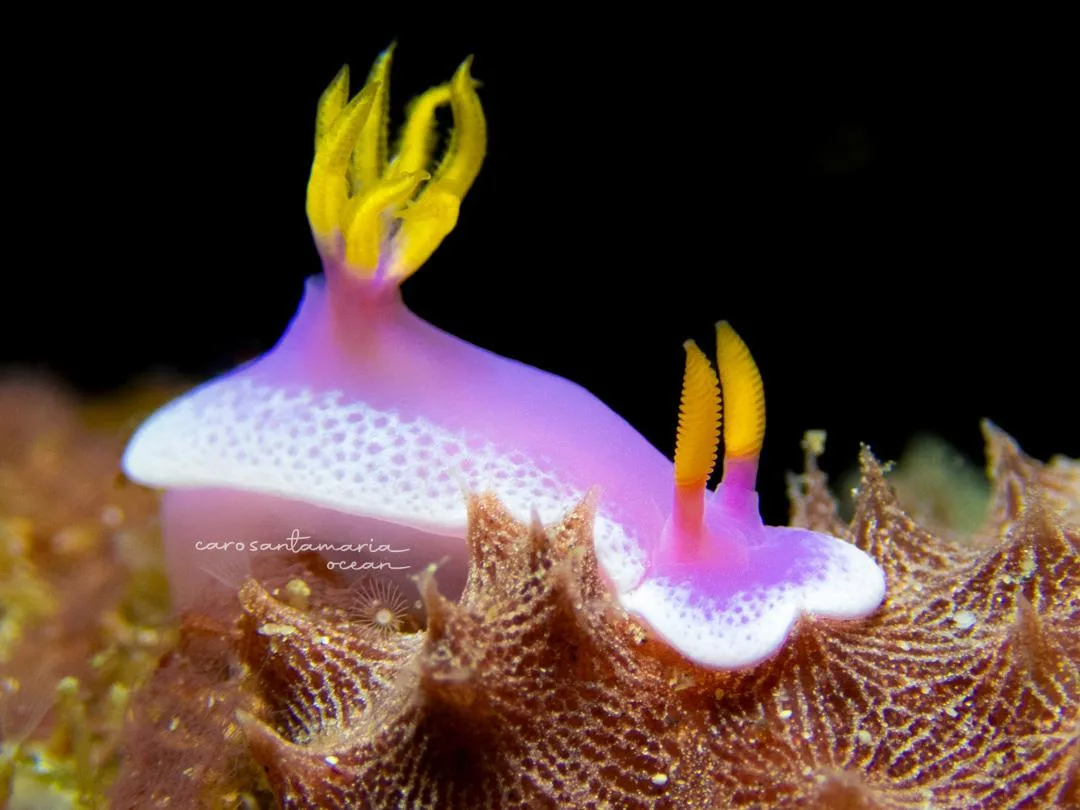
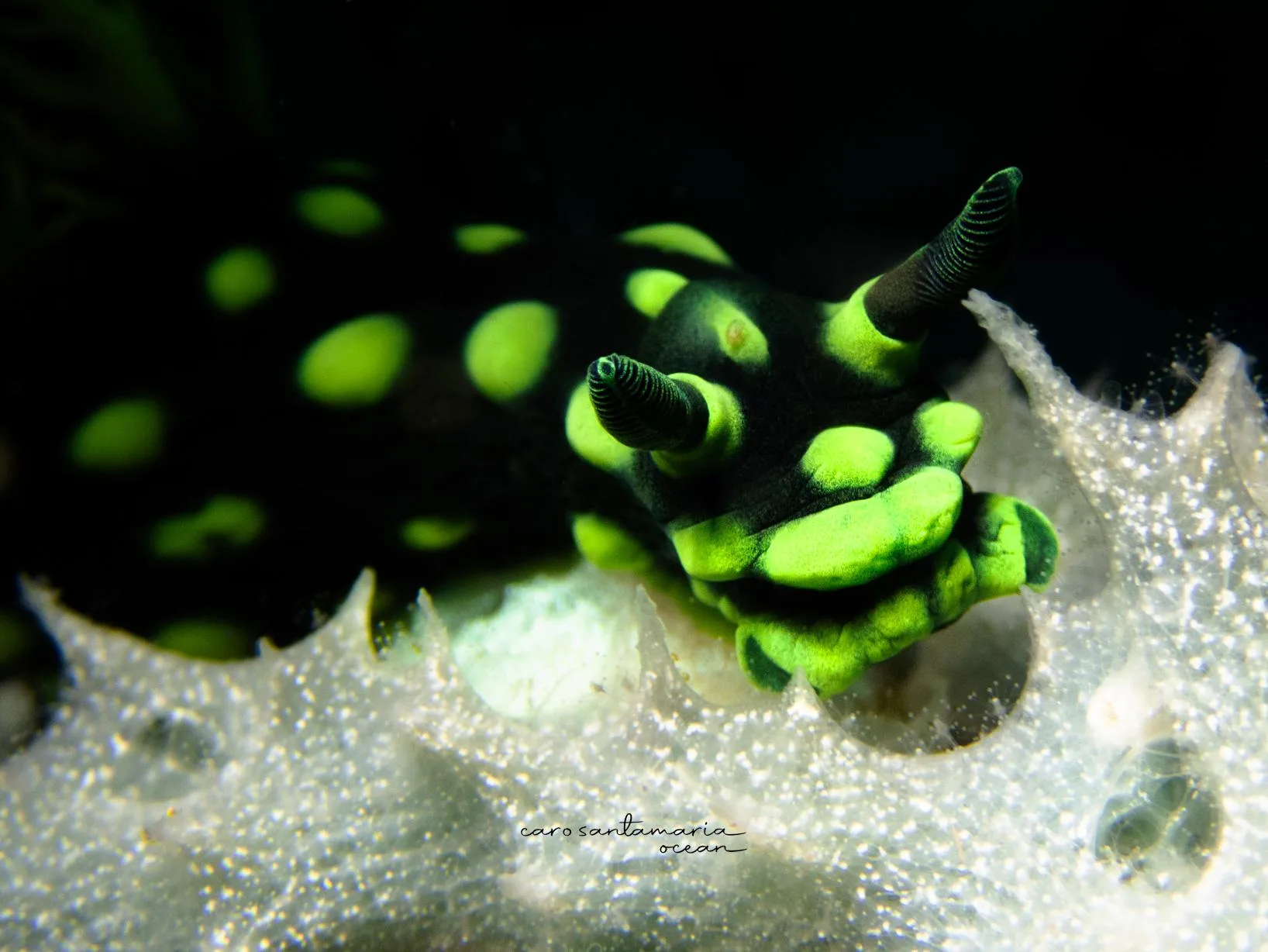
For anyone new to the genre, nudibranchs are soft-bodied marine molluscs, technically a kind of sea slug, although calling them sea slugs does them no favours. They come in colours and patterns that look painted on by a psychedelic artist, with horn-like rhinophores, frilly mantles and gills sticking out at improbable angles.
Some of them look like animated coral. Some of them look like real-life Pokémon. Some of them look like alien spacecraft that landed on the reef by mistake. If you showed photographs of certain species to someone who had never seen one, they would assume the images were not a real marine animal but AI.
There are over 3,000 known species, and new ones are described every year. They live in oceans all over the world, from tropical reefs to cold-water kelp forests, and almost every dive site you have ever been to has them. You just may not have been looking.
Learn the Cast
The other half of finding them is knowing what you are looking at. Different regions of the world have wildly different species. The nudibranchs of the Coral Triangle do not look like the ones in California, which do not look like the ones in the Mediterranean. Even within a single country, two dive sites a few hundred kilometres apart can have completely different cast lists. Building a mental library of what lives where you dive is part of the work, and the more of it you do above water, the more you will see below it.
Books help enormously. The one I keep coming back to is Reef Nudibranch Identification: Tropical Pacific. It costs money, but it is worth every cent if you dive that region.
There are also excellent free resources online:
- Nudibranch Domain, an extensive species database
- iNaturalist, community-driven, where you can log your own sightings and have them identified
- Nudipixel, a searchable photo archive
The Facebook groups are where the community actually lives. Other enthusiasts and a few real experts post sightings, identifications, and behaviour observations every day:
Joining these groups will teach you more than most courses on the subject. Identifications, behaviour notes, range observations. It is where I learned half of what I know and the only reason I still use Facebook 😅
Slow Down. That’s Most of the Skill.
This is the whole game.
Nudibranchs are small. Most are under five centimetres, plenty are smaller than your thumbnail, and some are smaller than a grain of rice. The smallest I have encountered measured a mere 1 mm. You will never see them if you are kicking at a normal cruising pace. The first adjustment is to dive at maybe a quarter of your usual speed, hover often, and accept that you are going to cover a fraction of the reef you used to.
This is also why nudibranch diving is one of the best things you can do for your skills. It forces good buoyancy, slow breathing, and the kind of patient watching that quietly makes everything else about your diving better. The best thing is to dive with buddies who are also interested in finding nudibranchs, just so no one feels rushed.
Learn What They Live On
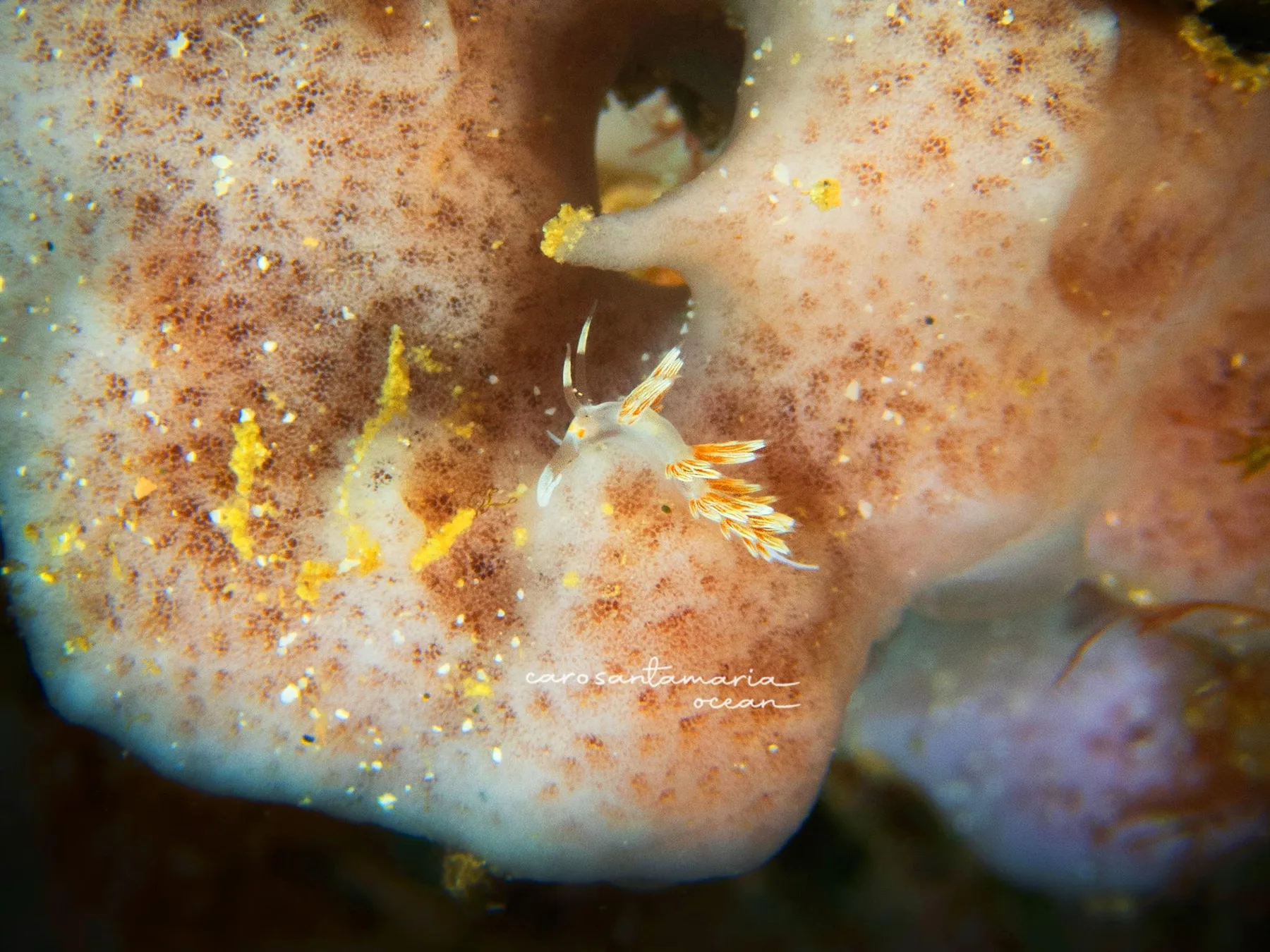
Nudibranchs are not scattered randomly. Each species eats something specific: sponges, hydroids, bryozoans, certain algae, other nudibranchs, sometimes coral. They live on or near whatever that food source is. Learning to recognise the substrates is half the work.
Look at sponges, especially encrusting ones in shaded overhangs. Look at hydroids, those feathery branching colonies that look almost like plants. Look at the undersides of rocks and ledges where you wouldn’t normally point your light. Look at patches of certain algae. Look at the things growing on dead coral. Many nudibranchs are perfectly camouflaged on the exact thing they eat, which is half cruel and half the whole point.
Use a Torch, Even in Daylight
A small dive torch changes everything. It makes the colours pop, it cuts through shadow under ledges, and it picks out the texture of substrate where a nudibranch might be sitting. I use a torch on every dive regardless of depth or time of day. You would be surprised how much living reef sits in shadow during a perfectly bright daytime dive.
Get Low and Look Sideways
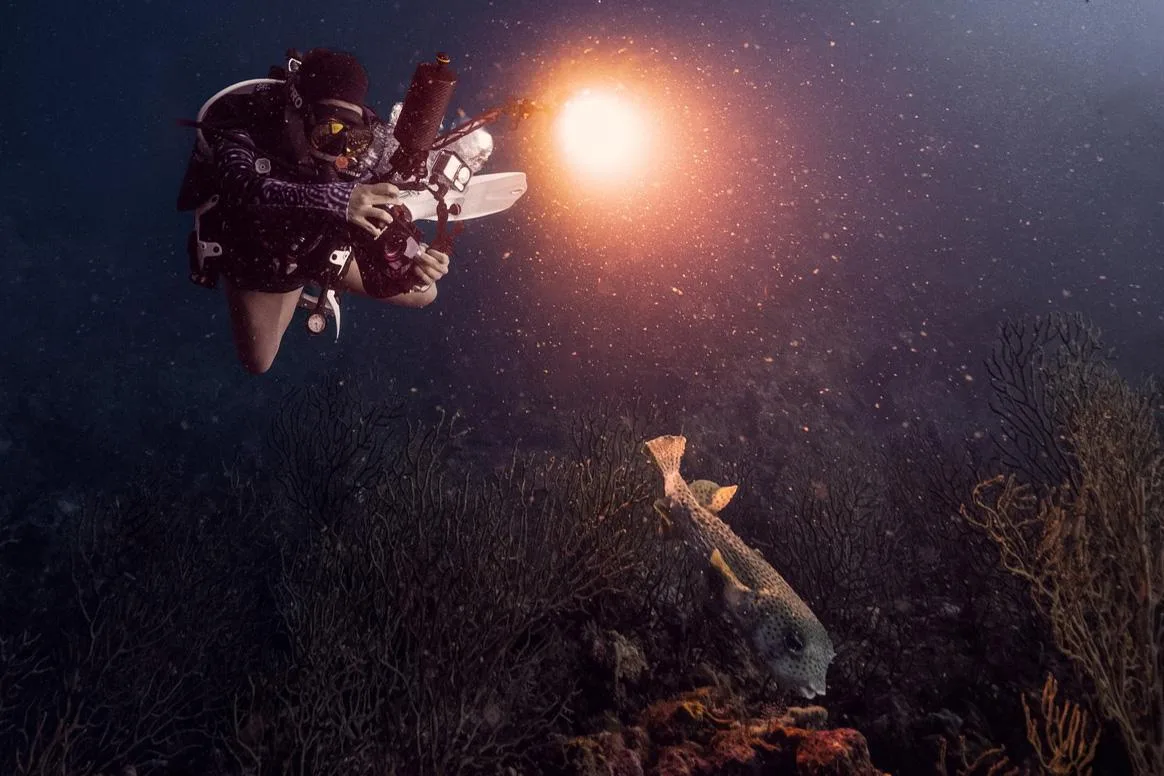
Most divers swim above the reef looking down. Nudibranchs live on vertical surfaces, undersides of ledges, and inside cracks. If you are not occasionally upside down with your nose a few inches from a rock, you are missing most of them. This is also where good buoyancy stops being optional. You cannot poke around the reef this way without it, and you definitely cannot do it without damaging something.
Try a Night Dive
Some nudibranch species only come out at night, or are far more active and visible after dark. If you can do a night dive at a site you already know well, do it. The cast of characters changes completely after sundown, and there are species I have only ever seen on night dives.
Do Not Touch Them. Ever ✋
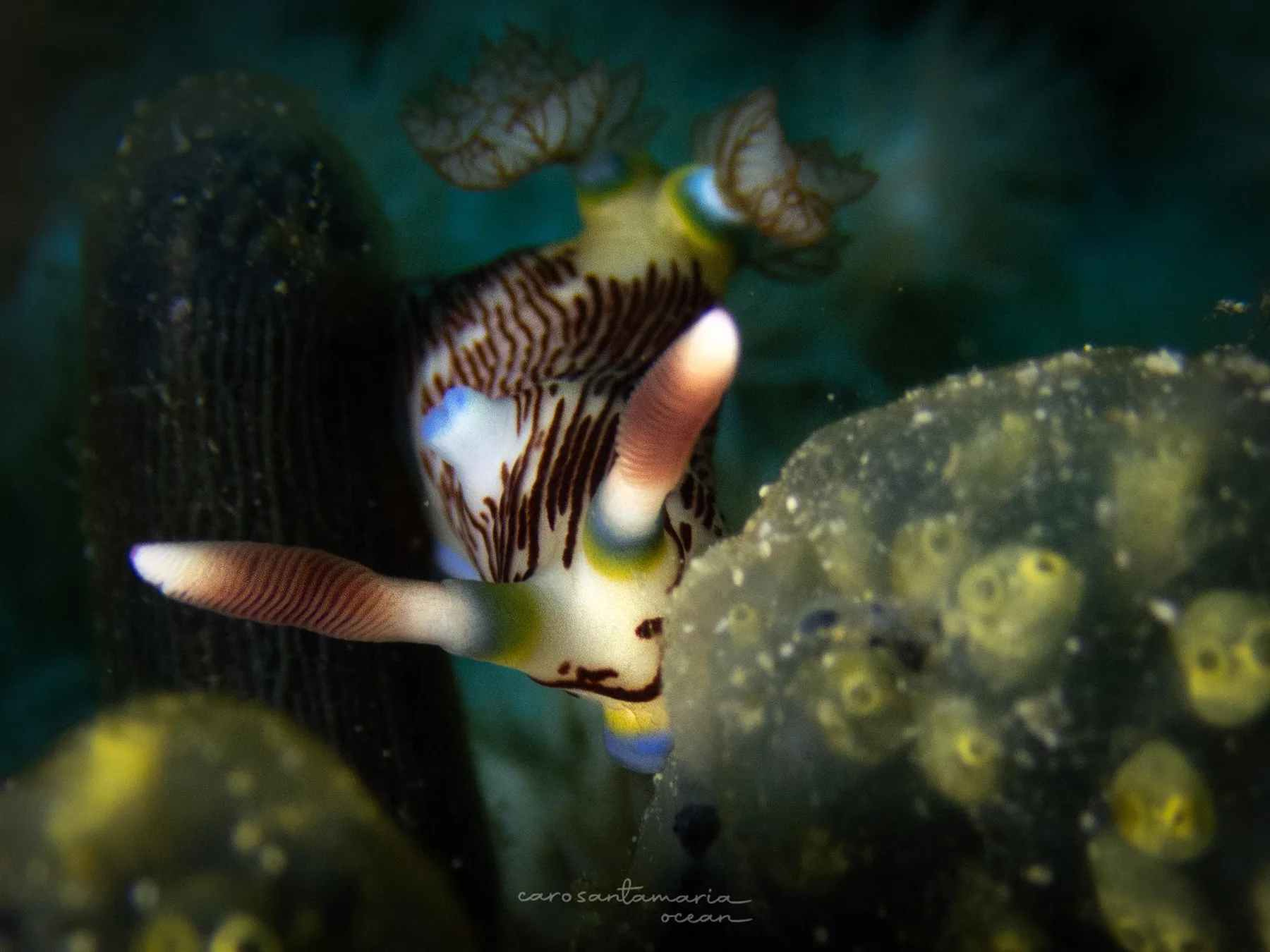
This one matters, so I am not going to soften it. Nudibranchs are extremely fragile. The film of mucus and chemical defences on their bodies is part of how they survive, and handling them strips that off. Lifting them off their substrate can damage the foot. Moving one to a “better” spot for a photograph is essentially a death sentence. They often cannot find their way back to their food source, and they die slowly afterwards. They are so small, your fingers could simply squash them to death.
The same goes for clearing the area around them. Do not move the algae, do not flick away the hydroid, do not blow water at them to make them retract or pose. They are doing exactly what they are supposed to be doing. Watch them do it.
I have seen people handle nudibranchs underwater more often than I would like, and it is almost always for a photograph that would have been better with patience. There is no version of this where touching them is okay. Get your buoyancy right, get your settings sorted before you approach, and let them be.
A quick note on pointing sticks. They are useful: for signalling to your buddy, for pointing things out, and for bracing yourself in current without putting a hand on the reef. But they only work as a conservation tool if you actually use them that way. Brace on bare rock or sand, never on coral, sponges, or anything alive. Never use the stick to nudge, flip, prod, or “reposition” a critter for a better angle. If you cannot tell the difference between bare substrate and a living organism, the stick is not the thing helping you. Slowing down and looking properly is. Used well, a pointing stick keeps your hands off the reef. Used badly, it just gives you a longer reach for the same bad behaviour.
A Note on Photography
Every photograph in this guide was taken with an Olympus TG6. The longer write-up on why I keep using it and how the TG6 compares to the newer TG7 is in the underwater macro photography guide for the Olympus TG6 and TG7.
If you are shooting them, dial in your camera settings before you get close. Fiddling with the camera while hovering over a delicate subject is how you crash into the reef. A wet diopter or a dedicated macro lens helps, but you can get beautiful shots on a basic compact with a torch and patience. The best nudibranch photographers I know are not the ones with the most expensive gear. They are the ones who can hold position six inches from a piece of reef for ten minutes without touching anything.
Build a Search Image
This is the thing that develops over hundreds of dives and you cannot really shortcut it. After enough time diving and looking, your eyes start picking out shapes that do not belong. A curve that is not quite the curve of the algae, a colour that is half a shade off, a texture that is faintly wrong. Your brain learns the difference between background and subject. Once you have it, you cannot turn it off, and the reef you used to swim past in five minutes becomes a place you could happily spend an hour on a single ledge.
Where to Start
If you are new to looking for them, ask your dive shop whether there is a guide who likes critter diving and pair up with them. The good ones are passionate about this stuff and will happily show you what they are seeing. A single dive with someone who knows the local species teaches you more than ten dives spent hunting on your own.
And if you want to see what is possible once you start looking, Finding Nudibranchs on my Instagram and YouTube shorts is where I post the ones that stop me underwater. Some of them look like Pokémon. Some look like little monsters. Some look like alien spacecraft. All of them have been on the reef the whole time, waiting for somebody to slow down enough to see them.
This is such a whimsical world, and I am happy to share it. Enjoy the magic of the ocean.