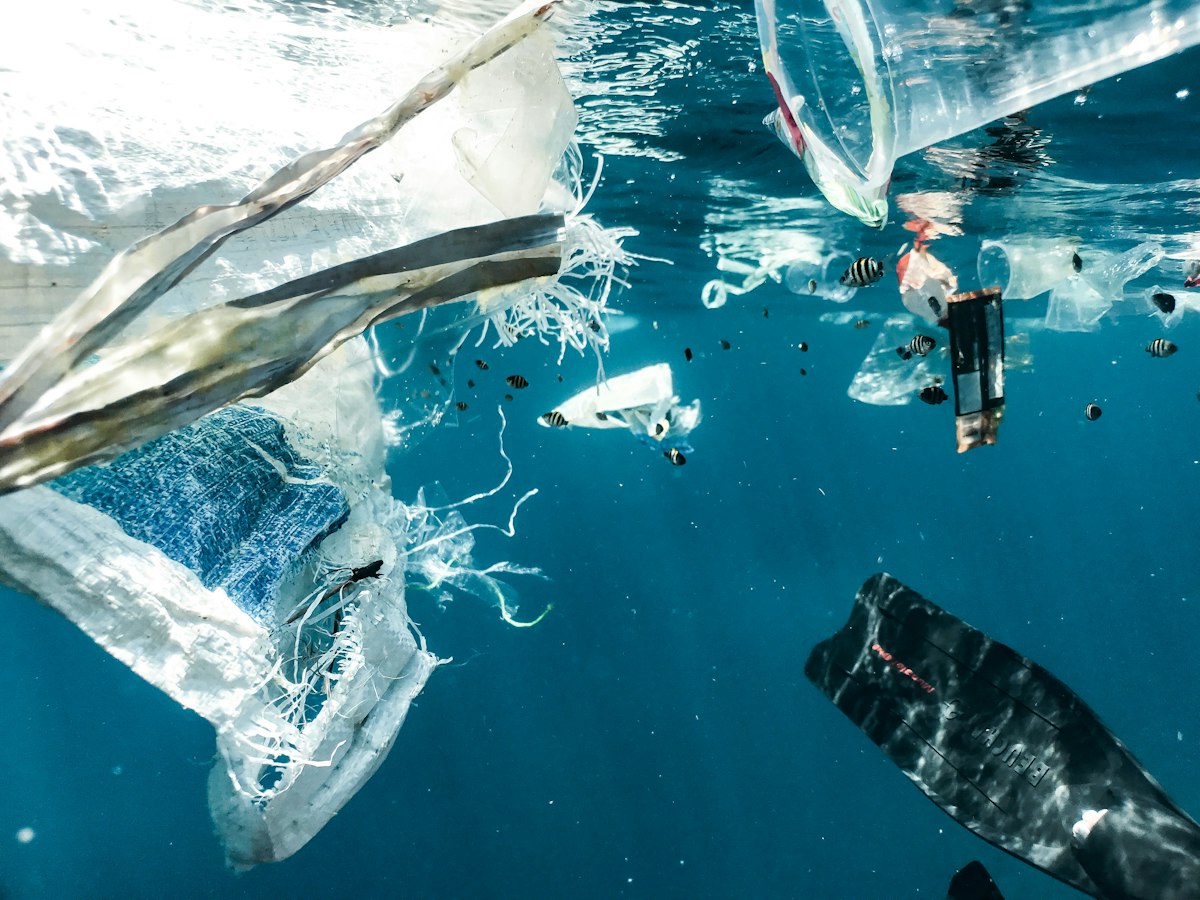
The first time I found a ghost net, I nearly missed it. A faint blue line running under an overhang, tangled in a sea fan, trailing out of sight into deeper water. It looked, at first glance, like a piece of rope. Then I followed it and found the rest of it: twenty metres of monofilament gill net draped across a coral slope, with the bones of three fish still caught in it, long dead, and a hawksbill turtle shell wedged into the mesh at the far end.
The net was still fishing. Not actively. But passively, continuously, catching whatever brushed against it, had been doing so since whenever the vessel that deployed it moved on without recovering it.
Ghost gear is the name given to fishing equipment, nets, traps, lines, pots, that is lost, abandoned, or discarded at sea. It is estimated that 640,000 tonnes of ghost gear enters the ocean every year. It accounts for approximately 10% of all ocean plastic by weight, and roughly 46% of the Great Pacific Garbage Patch by mass. Unlike most marine debris, ghost gear is designed specifically to catch marine animals. It keeps doing what it was designed to do.
How Gear Becomes Ghost
Fishing gear is lost through several routes. Storms and rough weather can pull gear from the water faster than vessels can respond. Gear can become snagged on the seafloor and cut loose rather than recovered. In heavily fished areas, gear from multiple vessels becomes tangled and entangled sections are often simply cut free. And gear is deliberately abandoned when it becomes too worn to fish legally, but too expensive to bring to port for disposal.
In developing-world fisheries with minimal monitoring and enforcement, abandonment is common. A study of the Gulf of Thailand estimated that a single region of intensively fished water saw the equivalent of 600 to 800 full-sized gill nets abandoned per year. Gill nets are typically 50 to 300 metres long.
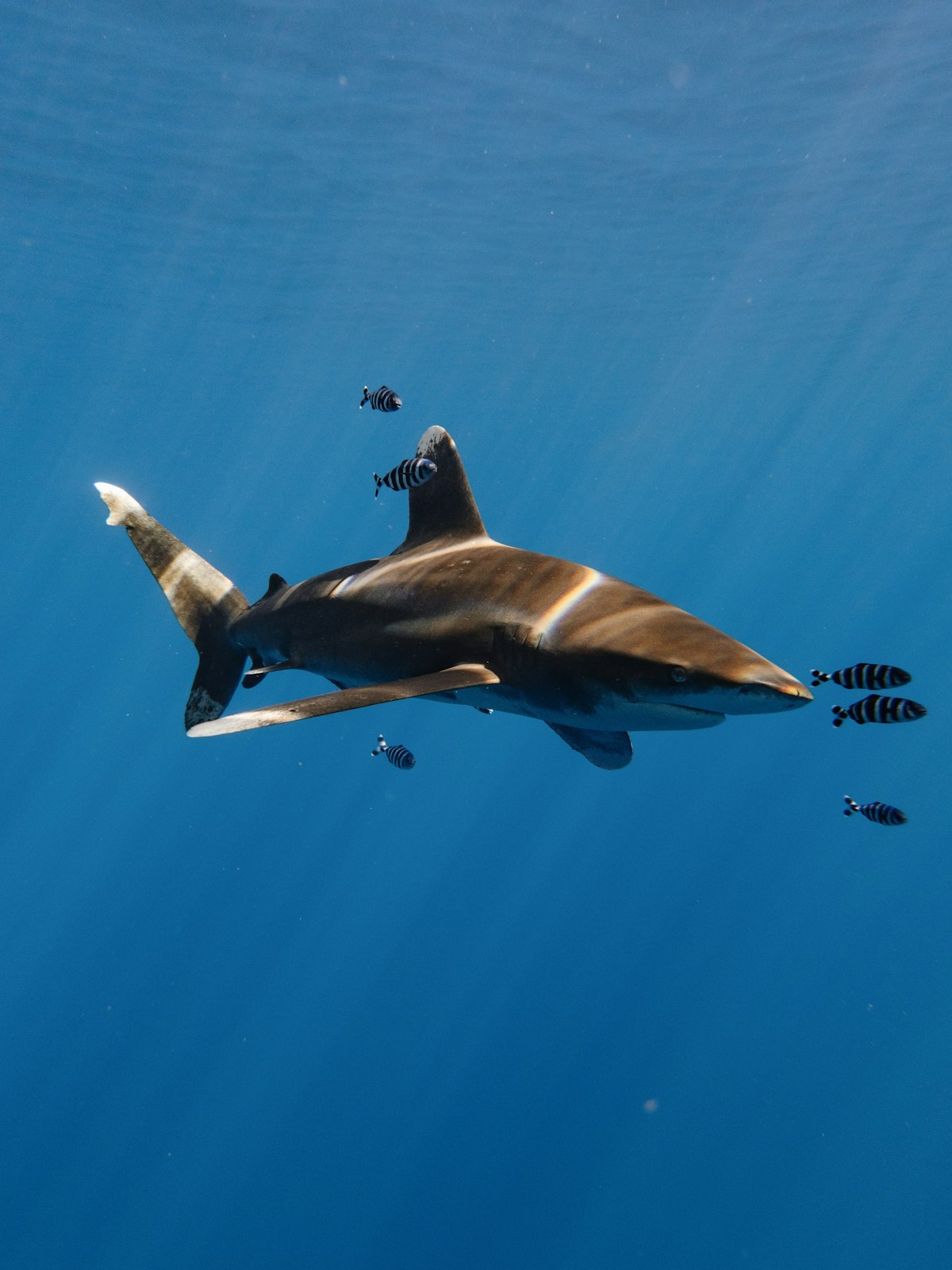
Once on the seafloor, gear entangles reef structure and begins the process of passive fishing. It catches fish, which attract larger predators, which become entangled themselves. Sharks, rays, and turtles are particularly vulnerable, they are larger than most fish and interact with the reef at the surface level where loose netting tends to collect. A hawksbill turtle can drown in a gill net in under three minutes. A nurse shark, which rests on the bottom, can become hopelessly wrapped in monofilament during routine movement.
The Species Most at Risk
Sea turtles are among the most consistently documented victims of ghost gear. All seven sea turtle species are classified as either Threatened or Endangered under the IUCN Red List, and bycatch, both active and ghost, is a primary driver of adult mortality across most populations.
The figure cited most often is 136,000 sea turtles entangled in ghost gear every year. The number is an estimate with significant uncertainty, but the order of magnitude is supported by multiple independent analyses. Green turtles and loggerheads appear most frequently in ghost gear data, likely because of their range overlap with high-intensity fishing areas in the Atlantic and Pacific.
Marine mammals are affected too. Sperm whales, humpbacks, and dolphins have been found entangled in abandoned longline gear thousands of kilometres from any shoreline. The entanglement is often not immediately fatal, animals may drag gear for months before dying of exhaustion, infection from lacerations, or inability to feed. Stranded animals found with rope marks and embedded line are a consistent feature of cetacean necropsy data globally.
For reef systems, the slow accumulation of gear on coral causes direct physical damage, netting abrading coral, metal trap frames crushing structure, as well as the ongoing mortality of fish and invertebrate populations that form the base of the reef food web.
The People Removing It
Ghost gear removal has become a legitimate field of conservation work, combining citizen science, commercial diving, and NGO-led operations. World Animal Protection’s Global Ghost Gear Initiative is the largest international alliance working on this, with over 100 partner organisations and a database of ghost gear locations contributed by divers, fishers, and coastguard agencies.
PADI’s Ghost Diver specialty course trains recreational divers in safe ghost gear removal techniques: how to approach entangled gear without becoming entangled yourself, how to assess whether removal can be done safely at depth, and how to document and report finds that require professional retrieval teams. The course exists because untrained divers attempting to remove gear underwater have themselves become entangled and required rescue.
In the Azores and in parts of the Mediterranean, commercial dive teams working with local government have removed hundreds of tonnes of gear from shallow reef systems. The logistics are unglamorous: it involves lifting heavy, awkward masses of degraded netting, often in poor visibility, and sorting it on the surface before transport. The reefs below, in every documented case, show measurable recovery within twelve to eighteen months.
What a Diver Can Do
The most immediate action is documentation. If you find ghost gear, photograph it with a compass bearing and depth noted, log the GPS position of the dive site, and report it through the Ghost Gear portal at worldanimalprotection.org, through the iNaturalist platform, or directly to your local marine park authority.
Do not attempt removal without training unless the piece is small, clearly isolated, and presents no entanglement risk. A single diver pulling on an embedded net in mid-water can dislodge the structure it is anchored to, release a cloud of suspended sediment that renders the area unworkable, or, in the worst cases, become wrapped in free-floating monofilament that tightens under tension.
Choose dive operators who conduct pre- and post-dive gear checks on the surface and who brief guests on reporting protocols. Advocate for expanded mooring infrastructure in protected areas: most ghost gear loss from recreational vessels happens when anchoring in areas with no mooring buoys available.
The net I found off the Caribbean coast is no longer there. A team from a local dive centre went back with cutters and removed it over two dives. They brought up the turtle shell too.
There will be others. There always are.