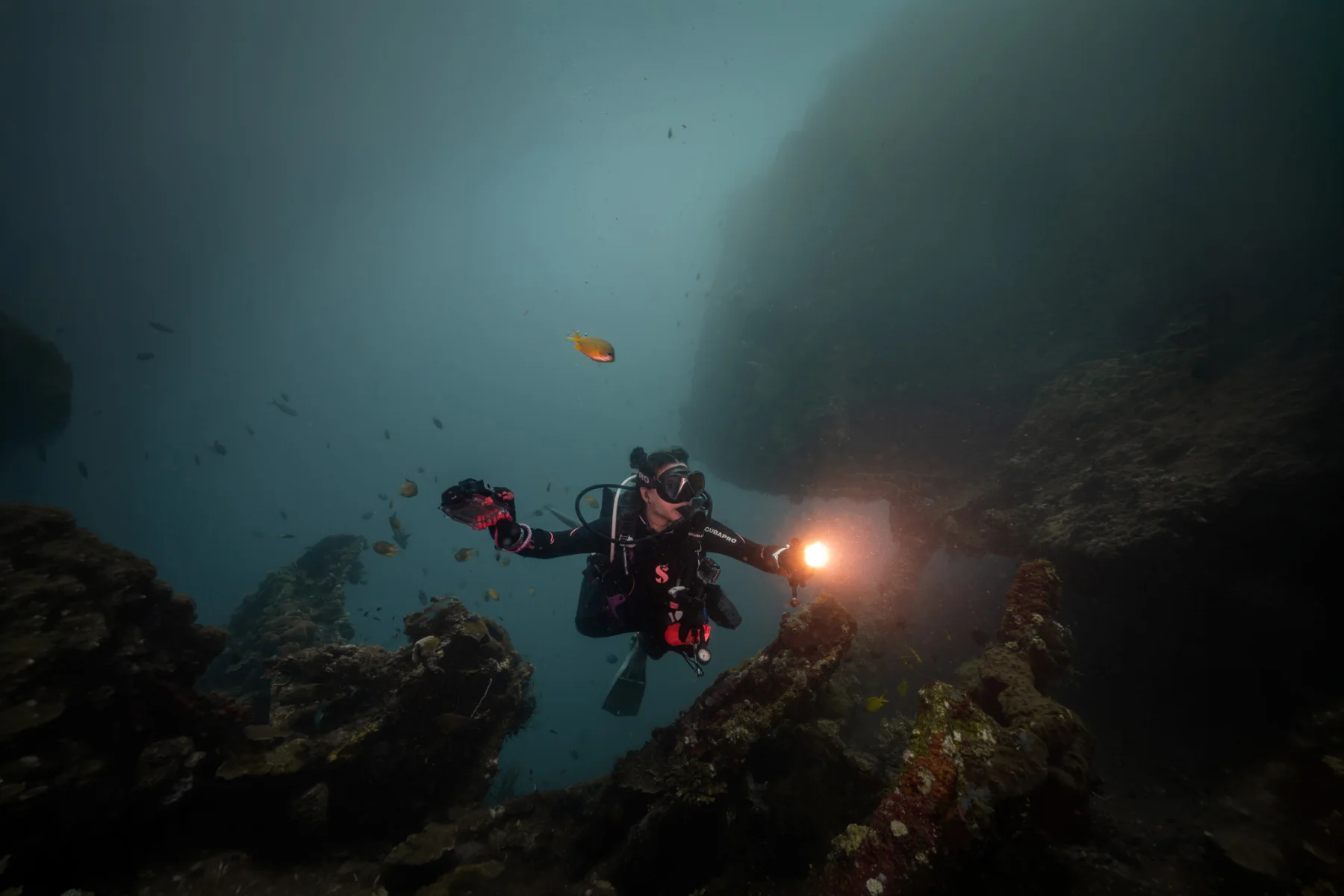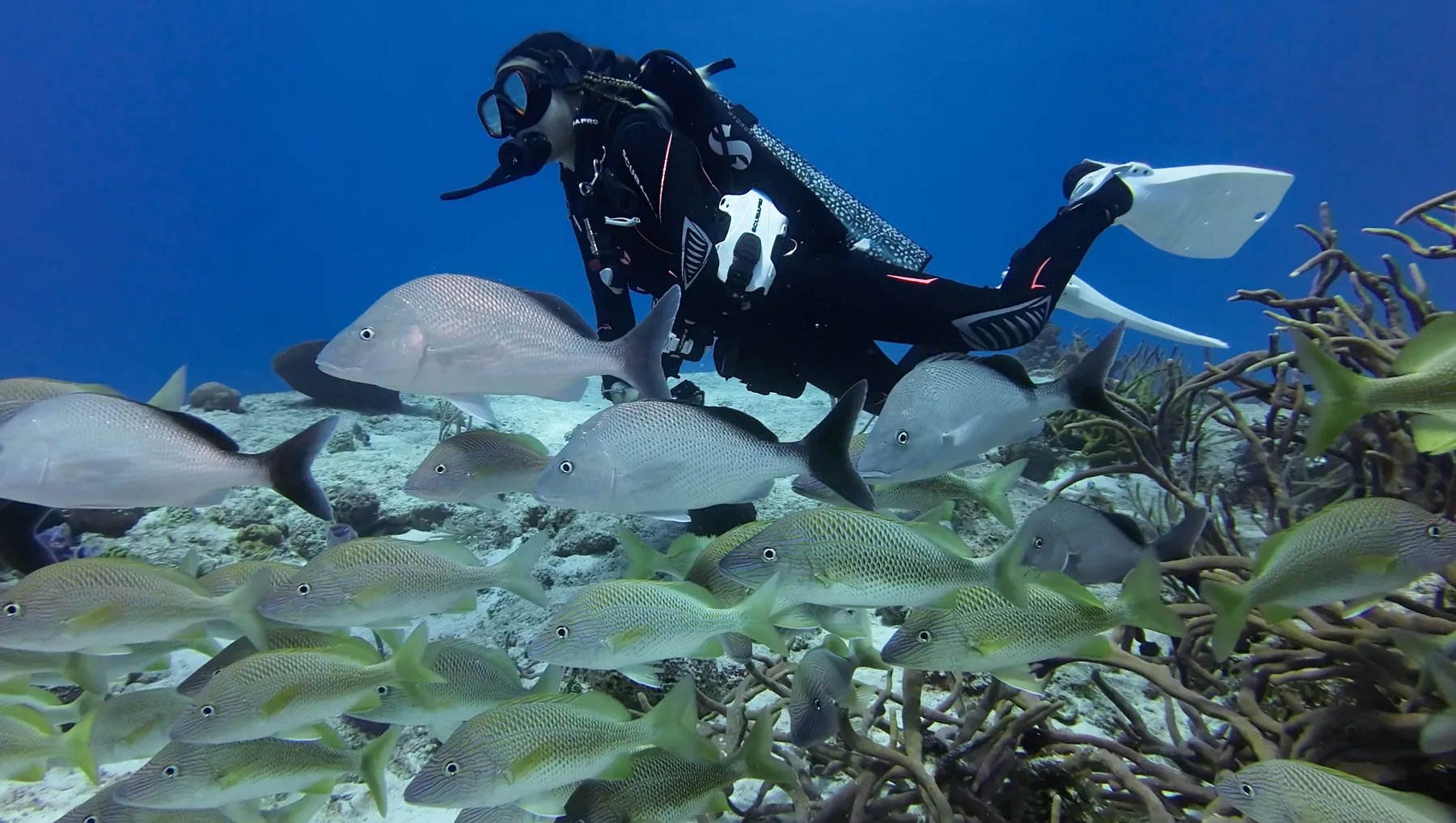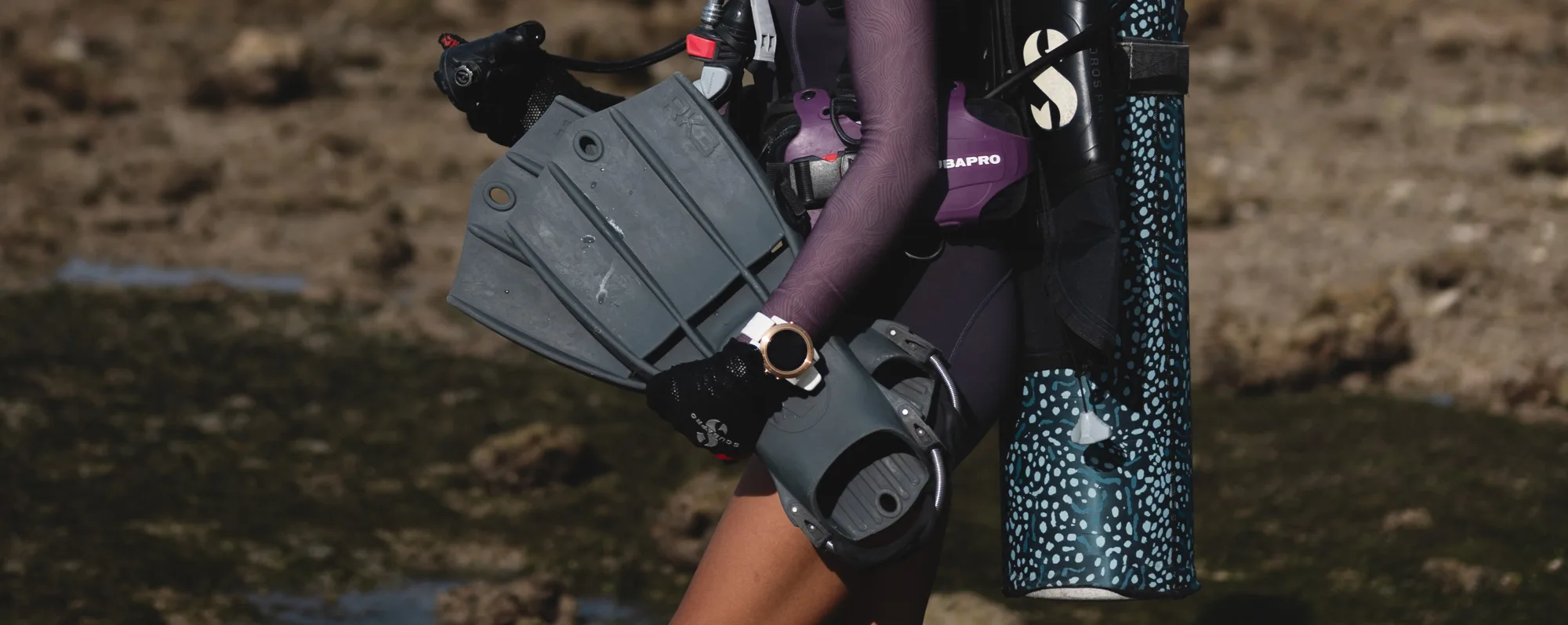
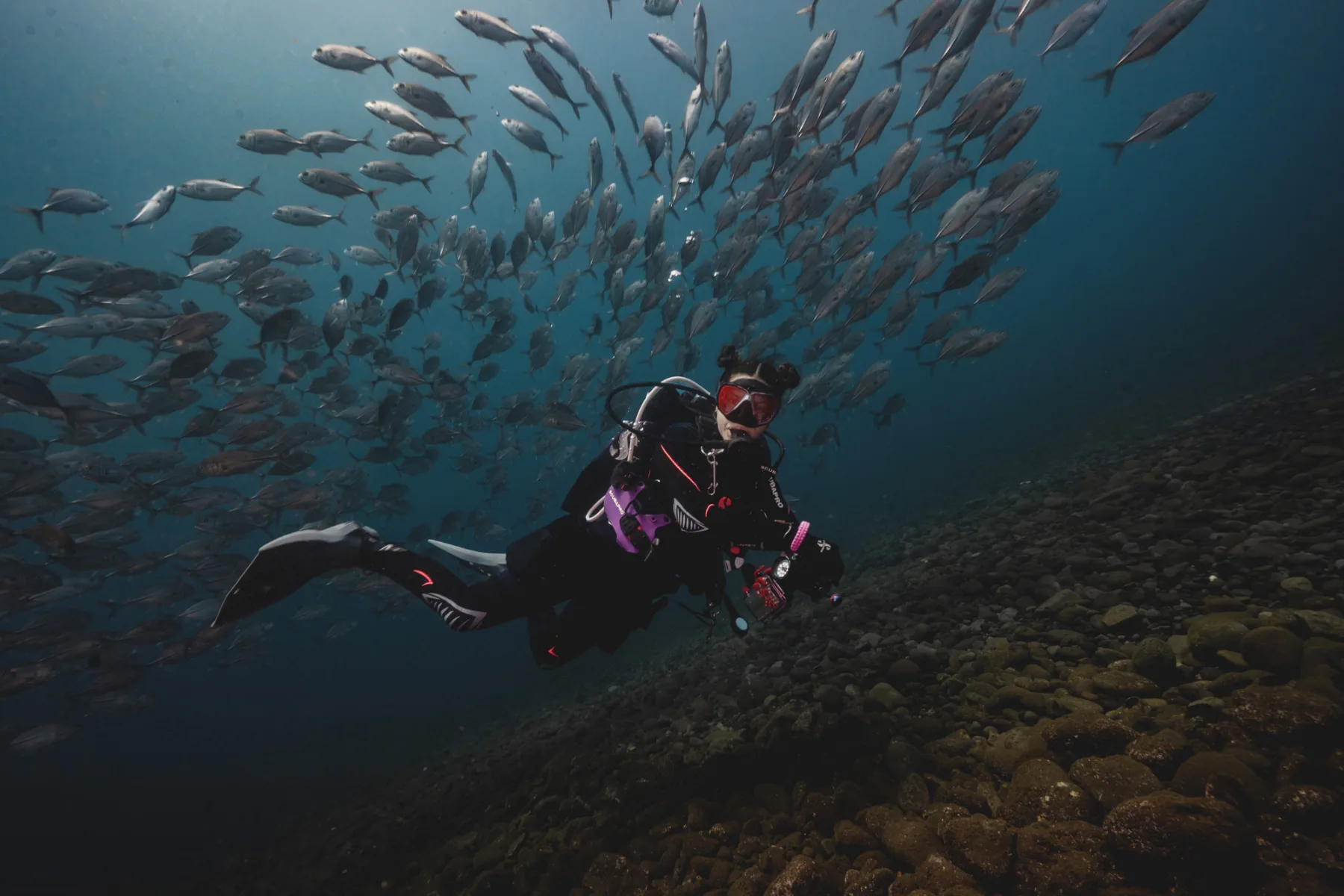
Choosing the best women’s wetsuit for scuba diving comes down to two things that brochures rarely put front and centre: fit and warmth. A suit can be built from the fanciest neoprene on the market, but if it gaps at the lower back, bunches behind the knees or squeezes your neck, you will be cold and uncomfortable no matter what the spec sheet promises. Women’s bodies are not scaled-down men’s bodies, and the brands that understand that are the ones worth your money. This guide walks through how a wetsuit actually keeps you warm, the technologies each major brand leans on, and which of their lines suit which kind of diving and which body shapes.
I’m going to entirely skip talking about shorty wetsuits as I personally don’t like them and don’t recommend it. The reason for that is that you wear a wetsuit not only for warmth but as a barrier of protection. If your arms and/or legs are left exposed, you’re not being properly protected so in my opinion it’s pointless. Not only that, I’m also not a fan of the tan lines you get from them and they’re very hard to correct. I’ve worn a Spring suit (long sleeve, 3/4 leg) in the past and although it’s very cute, that’s when I was stung by jellyfish and scraped my leg while diving a wreck.
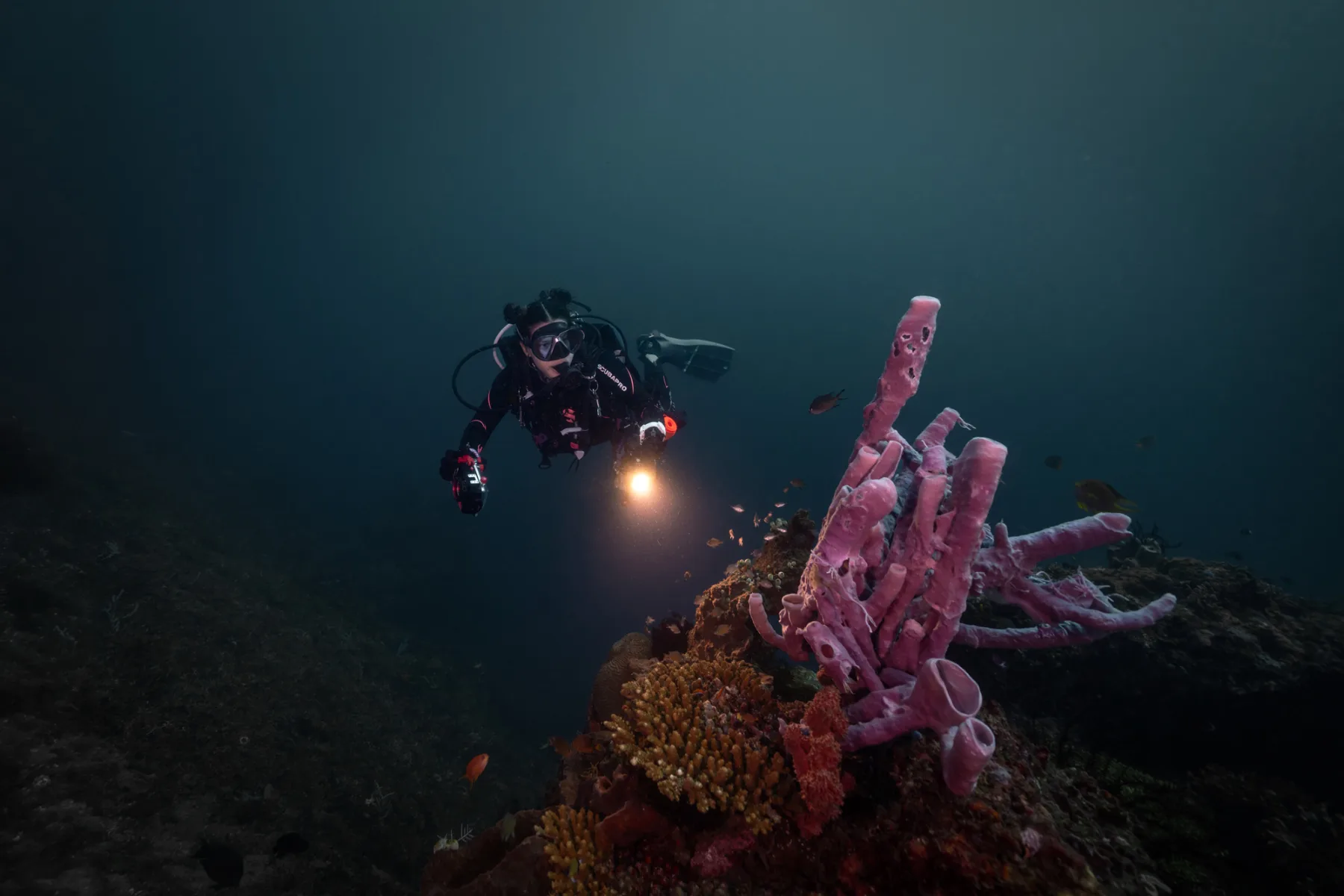
How Women’s Scuba Diving Wetsuits Actually Keep You Warm
A wetsuit does not keep you dry. It traps a thin layer of water against your skin, your body warms that layer, and the neoprene slows how fast that warmth escapes. That is why fit is everything: too loose and the suit flushes cold water through every time you move, too tight and it restricts your breathing, circulation and movement. Thickness is measured in millimetres, and thicker neoprene means more insulation but less flexibility and more buoyancy to offset with weight.
Water pulls heat away from your body far faster than air at the same temperature. That’s why a tropical 27°C dive site still needs a wetsuit for anything longer than a quick dip. Your body simply can’t generate heat as fast as the water strips it away.
Many women feel this faster than men, and it isn’t personality. On average, women tend to have a higher surface-area-to-mass ratio and less muscle mass to generate internal heat, and cold tolerance can also shift across the menstrual cycle. None of this means we’re worse divers, obviously. It means our wetsuits often have to work harder, which is exactly what the rest of this guide is about; finding the right one for YOU.
The following is a rough temperature guide and applies to most people. I’m personally not “most people” and get cold very easily. I’m from the tropics and I’m relatively petite so my body is happier when I wear a 5mm wetsuit even if it’s 28°C. So keep in mind that it depends on your body as well.
*If you’re not sure you can try rental wetsuits until you learn what thickness works best for you.
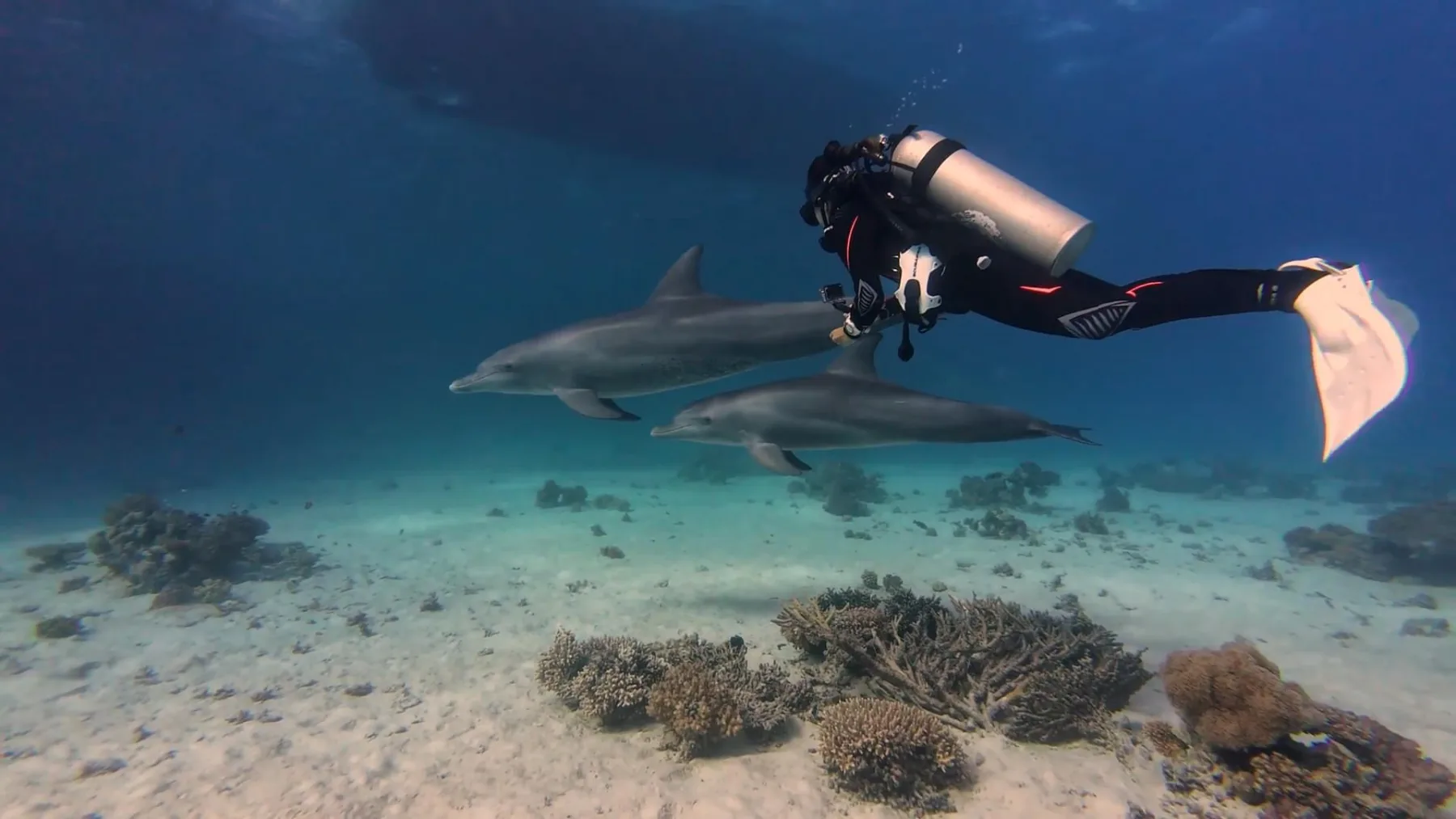
Wetsuit Thickness Temperature Chart
- 3mm ☀️ suits water around 24 to 30°C, typical tropical diving.
- 5mm covers roughly 18 to 24°C, temperate and cooler tropical water.
- 7mm (often with a hood or as a semi-dry) handles water below about 18°C.
Seals at the wrists, ankles, and neck decide how much cold water sneaks in, and the seams do the rest of the work. Glued and blind-stitched seams leak far less than plain flatlock. Once you understand those two things, the differences between brands start to make sense.
One important thing to flag before we go further: not all wetsuits are built for the same job. Swimming, surfing, freediving, and scuba diving each ask something different from a suit, and a suit built for one won’t perform well doing another. This guide is specifically about scuba wetsuits, which are engineered to handle the pressure of depth, longer time in the water, and the extra wear and tear that comes with tanks, weight belts, and BCDs.
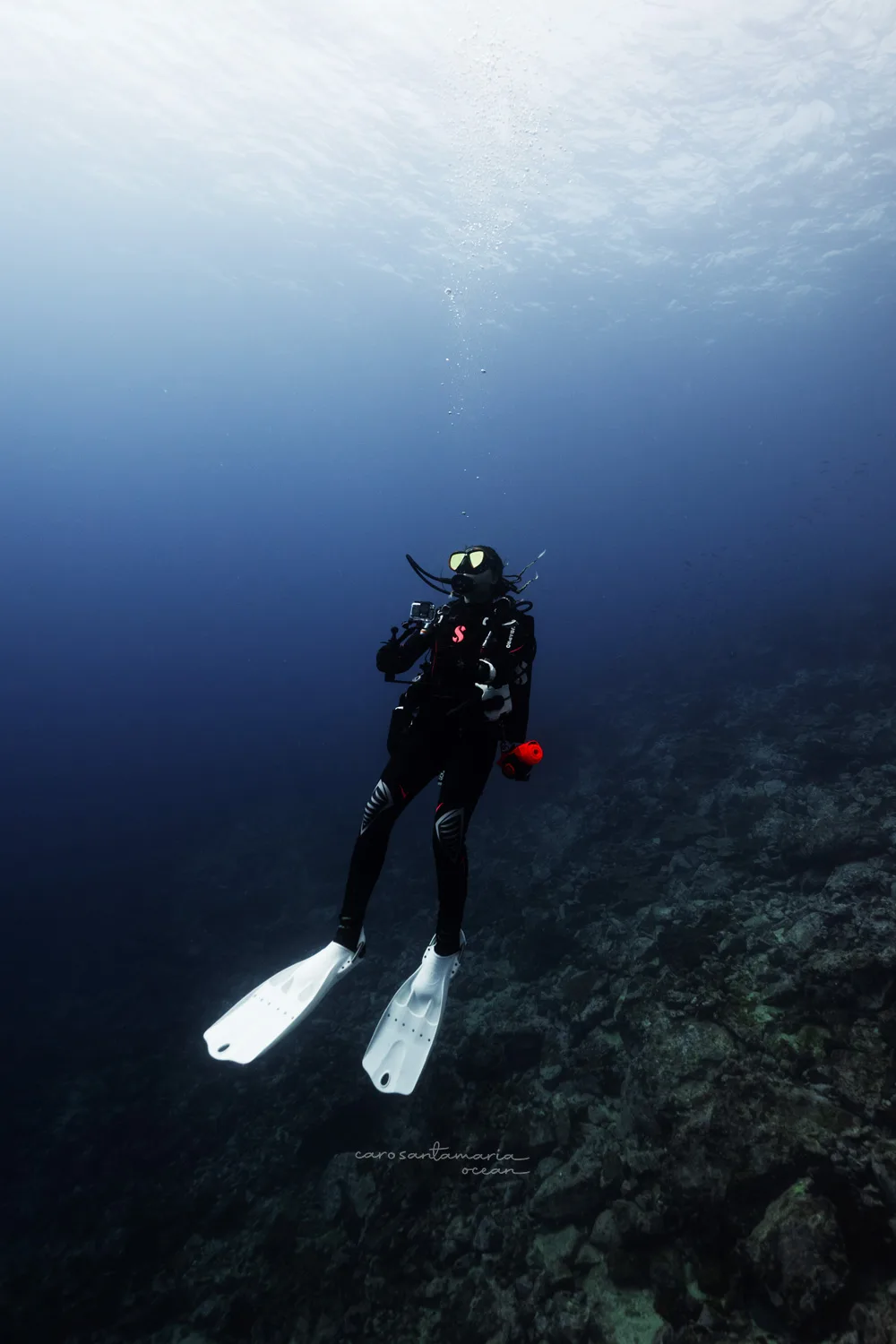
Fourth Element Wetsuits
Best for: divers who care about fit detail, warmth-to-flexibility, and sustainability.
Fourth Element has built a strong reputation with women divers, and its Xenos and Proteus lines come up again and again in reviews. The neoprene uses limestone-based and recycled materials rather than petroleum-based foam, which makes it a better environmental option. What people praise most is the warmth for the thickness and the cut across the shoulders and back, which tends to fit a wider range of body shapes without gaping. Reviewers frequently single out the women’s Xenos for accommodating curvier and fuller-busted divers better than most, thanks to the shaping through the chest and hips, while the Proteus gets mentioned for its extended size range that reaches beyond where many brands stop. The trade-off some reviewers note is that the snug, warm fit can make the thicker suits a little more effort to pull on when dry. A 3mm for the tropics and a 5mm for temperate diving cover most of what a recreational diver needs. Out of all wetsuits for women I’ve seen out there, I think the Fourth Element ones are the most flattering ones. I’m also a fashion designer and when I analyze the patterns of their wetsuits, I can recognize how perfectly engineered they are. I must admit, I want to own one.
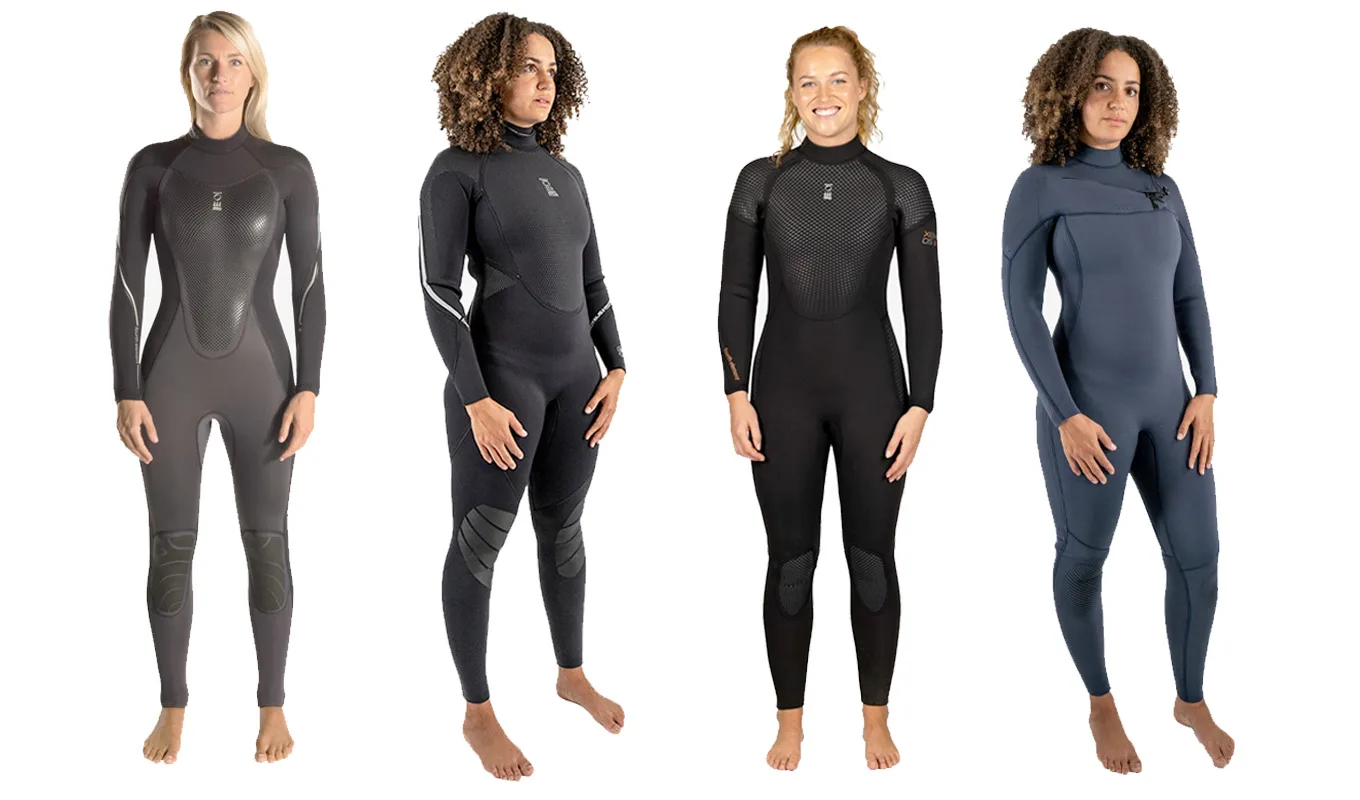
ScubaPro Wetsuits
Best for: divers who want a clear line-up organised by thickness and water temperature.
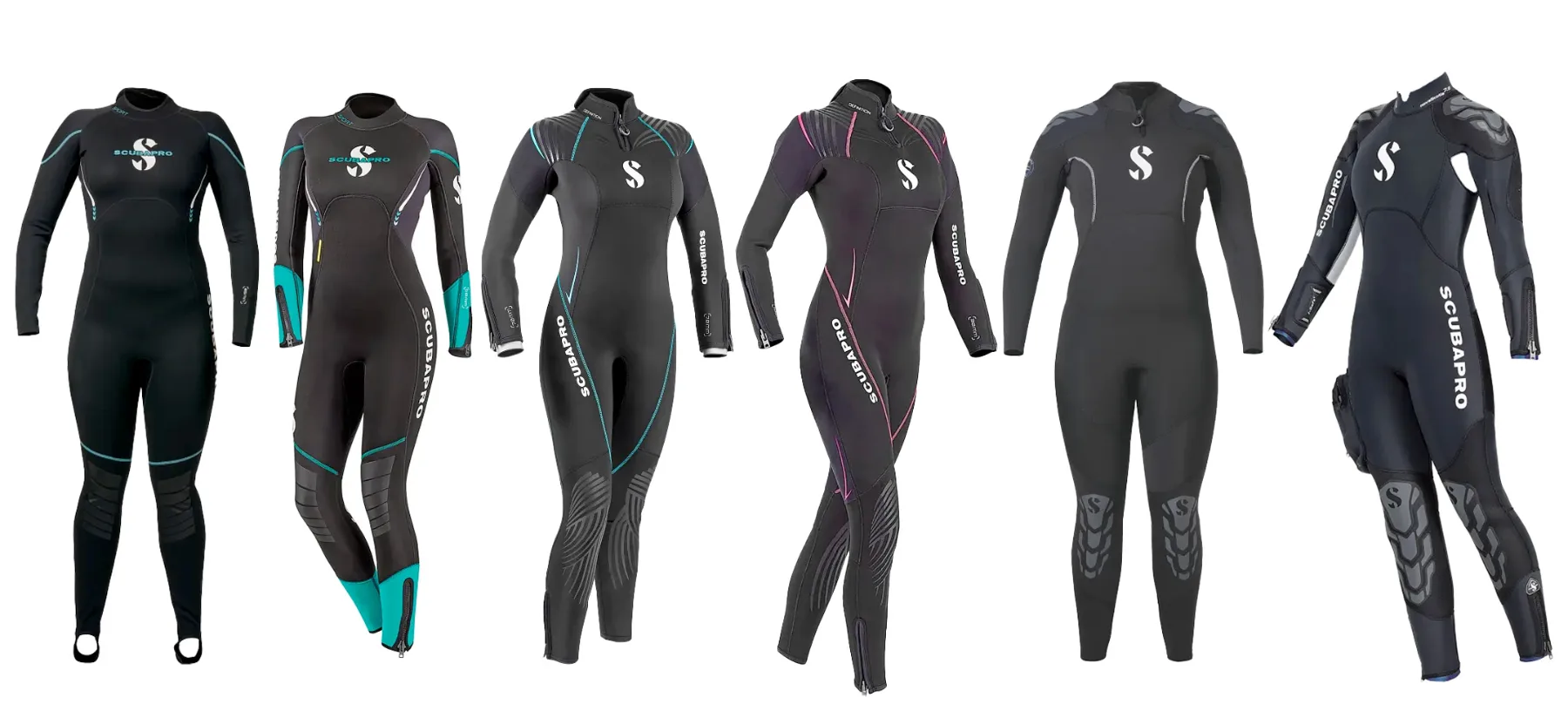
ScubaPro builds its women’s range around a straightforward tiered system, so you can match the suit to your water. Their warmer-water suits use thinner, stretchy neoprene for tropical diving, while the mid and thicker options add features like internal heating panels (their X-Foam and Everflex-style constructions) and thermal linings to trap more warmth in colder water. The women’s cuts are shaped for the female body rather than unisex patterns relabelled. Reviewers consistently mention that the stretch makes them relatively easy to get in and out of for their thickness, which is a real plus when you are wrestling a wet suit on a rocking boat.
On body shape, reviewers tend to describe the ScubaPro Everflex women’s cut as best suited to average and athletic builds, with several noting the torso can run long, so petite divers often report the closest fit in the shorter or lower size within their range. Look at their tropical 3mm lines for warm-water trips and step up to their 5mm and 7mm options as the water cools. I can personally add that the quality of Scubapro wetsuits is outstanding, so they might be an investment but they will last you a long time.
Mares Wetsuits
Best for: reliable value across a broad range of conditions.
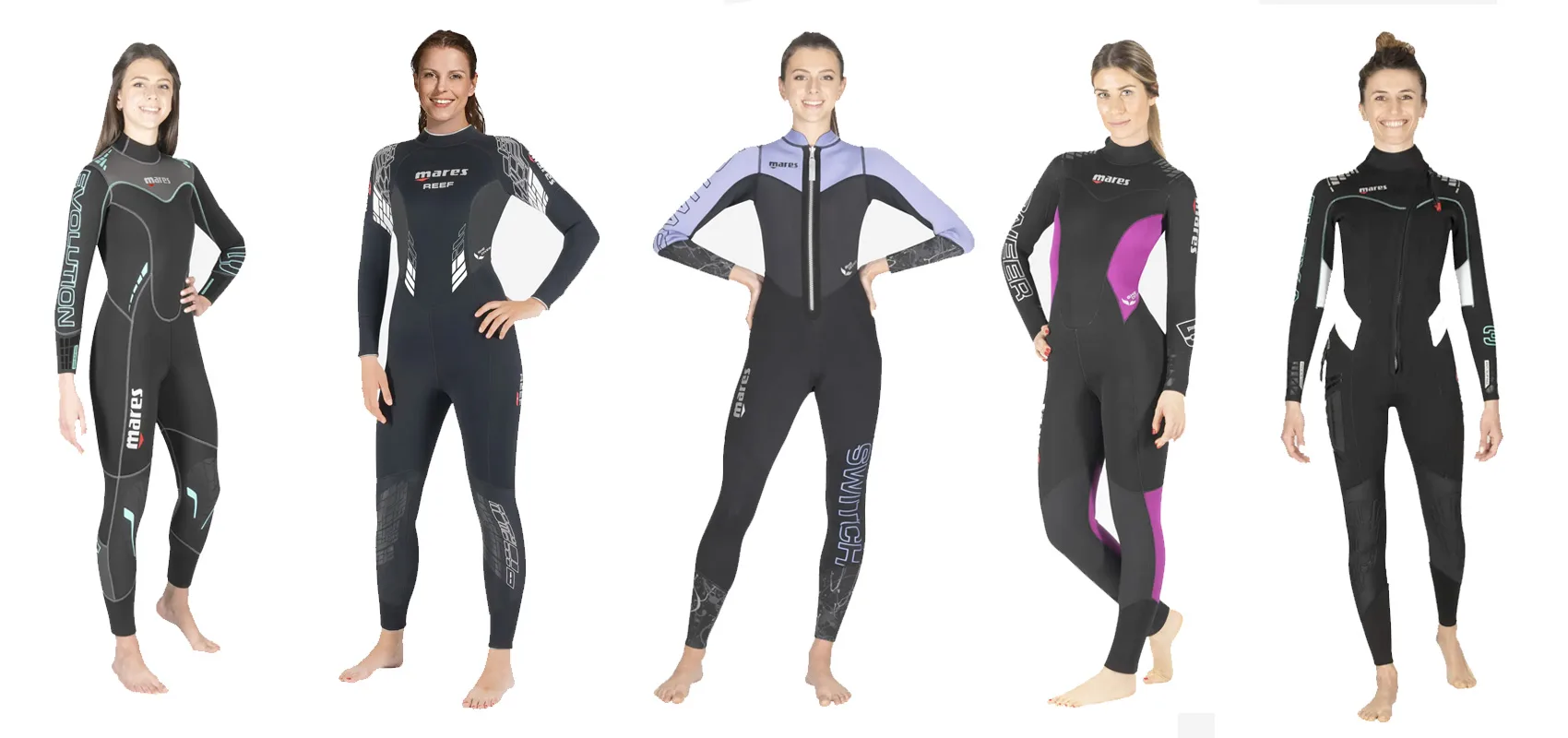
Mares offers a wide women’s range with suits pitched at everything from warm reef diving to cold water, and they tend to sit at a friendly price point without feeling cheap. Their neoprene blends and pre-shaped panels give a comfortable, flexible fit, and reviewers generally find them easy to don thanks to smooth internal linings. On fit, reviewers describe the Mares women’s cut (lines like the Flexa) as leaning towards a shorter torso and a more compact build, which many petite divers report as an easier off-the-rack fit than taller-cut rivals, though taller or longer-torsoed divers sometimes size up as a result. If you want a dependable all-rounder rather than a specialist suit, Mares is a safe first purchase, with 3mm and 5mm options being the most useful for recreational diving.
Waterproof Diving Wetsuits
Best for: cold-water divers and anyone who prioritises warmth and seal quality.
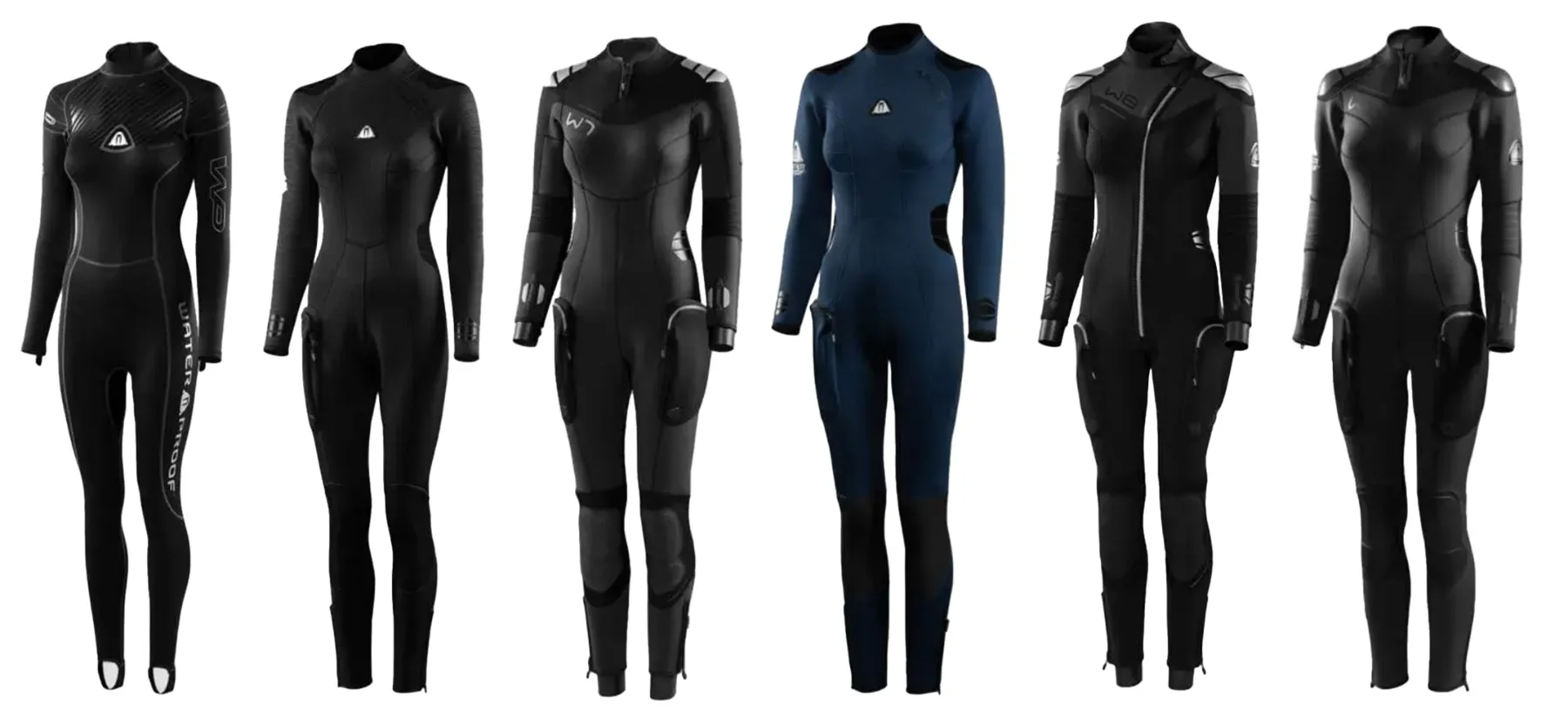
Waterproof (the Swedish brand with the stunning walrus logo) is known for warm, well-sealed suits, including semi-dry options that seriously cut down on flushing in colder water. Their women’s suits use high-stretch neoprene with thermal linings, and reviewers rate them highly for how well the wrist, ankle and neck seals hold. Reviewers also note that Waterproof runs one of the broader size ranges in the category and offers women’s-specific patterns that hold their seal on fuller figures, which is why plus-size divers often see this brand recommended in forums. The flip side of a good seal is that these can take a bit more effort to get on and off, especially the semi-dry models, but for water below about 18°C that trade-off is usually worth it.
Aqua Lung Wetsuits
Best for: divers who want a comfortable, easy-wearing suit with good women’s-specific tailoring.
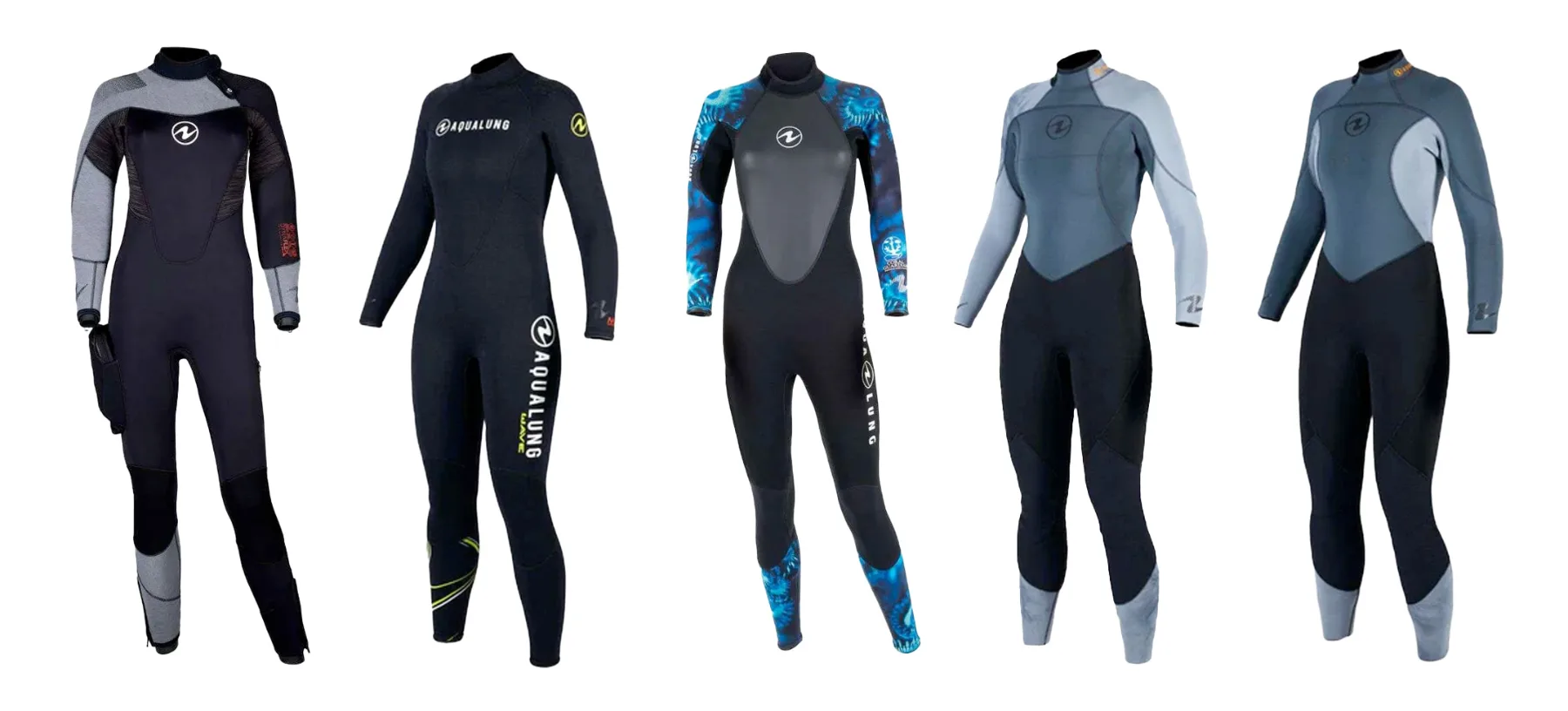
Aqua Lung’s women’s wetsuits, including lines like the Aquaflex and HydroFlex, are frequently described as comfortable and easy to move in. They use stretchy neoprene and cuts designed around the female form, with attention to the torso length and bust area that off-the-rack unisex suits often get wrong. Reviewers tend to highlight comfort and ease of donning over maximum warmth, and several describe the Aquaflex cut as forgiving through the bust and hips, which makes it a common recommendation for hourglass and curvier builds who struggle with straighter unisex patterns. This makes their 3mm and 5mm lines a solid choice for tropical and temperate recreational diving.
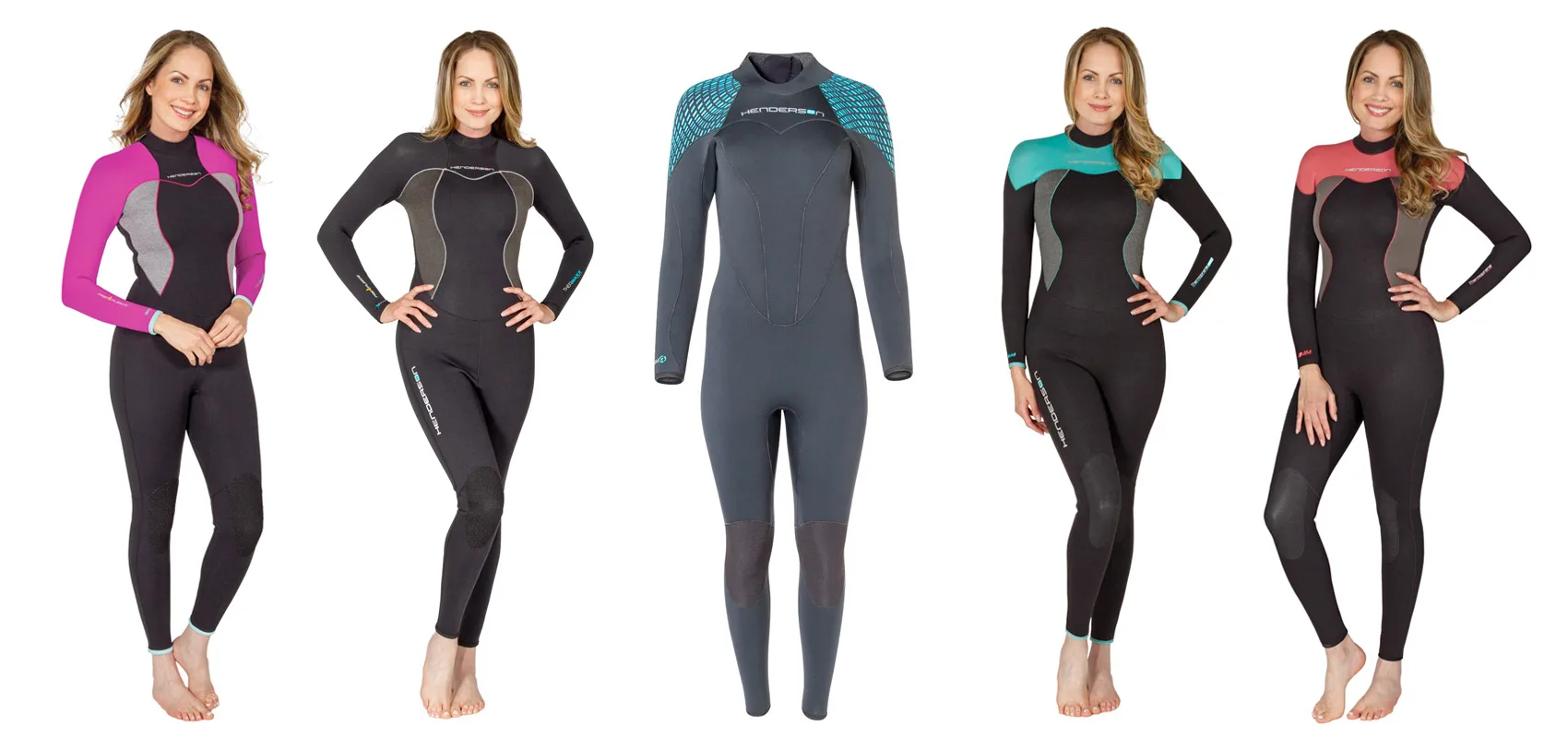
Henderson Wetsuits
Best for: divers who want proven thermal performance and durable, made-to-last construction.
Henderson is a long-established name with a serious focus on warmth, and its women’s suits are built to keep divers comfortable rather than to chase fashion. The brand is best known for its thermal neoprene, which stays flexible and warm even as the water cools, and for construction that holds up to heavy use over many seasons. Their women’s cuts pay attention to the tailoring that unisex suits miss, with torso length and shaping designed around the female body so the suit sits close without gaping at the back. Henderson is also one of the names reviewers point to for custom and made-to-measure options, which is worth knowing if you are tall, petite or plus-size and consistently fall between off-the-rack sizes. For a woman who wants a dependable, warm suit that will not fight her every time she pulls it on, Henderson’s 3mm and 5mm lines are worth a close look, with thicker options available for cooler water.
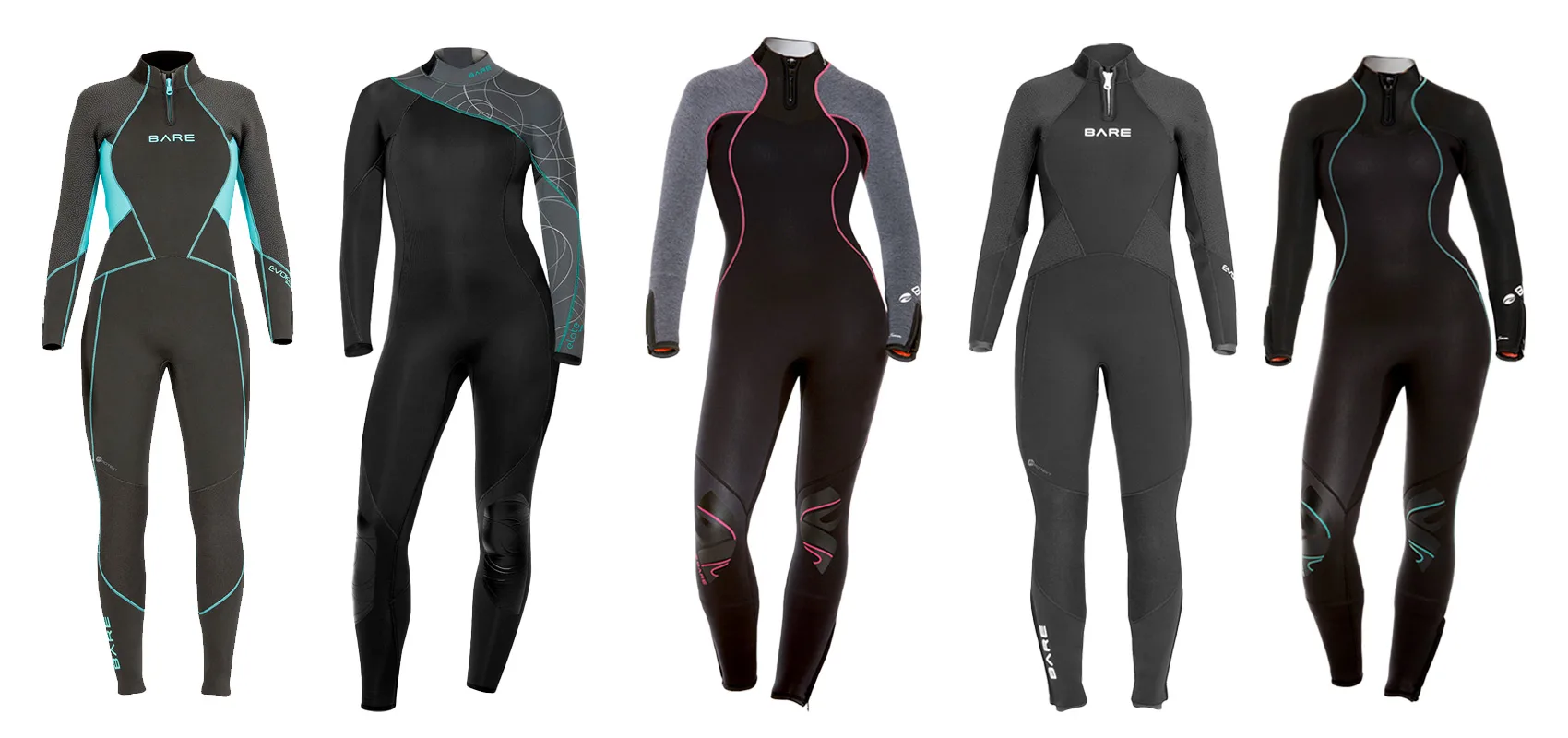
Bare Wetsuits
Best for: warmth-focused divers who want thermal tech in a flexible suit.
Bare is well regarded for its thermal technology, with linings (such as their Celliant-based Infrared lining) designed to reflect body heat back at you and keep you warmer for the thickness. Their women’s Elate, Nixie and Reactive lines get good reviews for combining that warmth with flexible, low-restriction neoprene. Reviewers describe the Elate and Nixie cuts as tailored closely to the female form with a defined waist and shaped hips, which tends to flatter athletic and hourglass builds, while divers with a longer torso occasionally mention checking the length before buying. If you tend to run cold or dive in cooler water but still want a suit that moves well, Bare is worth a close look.
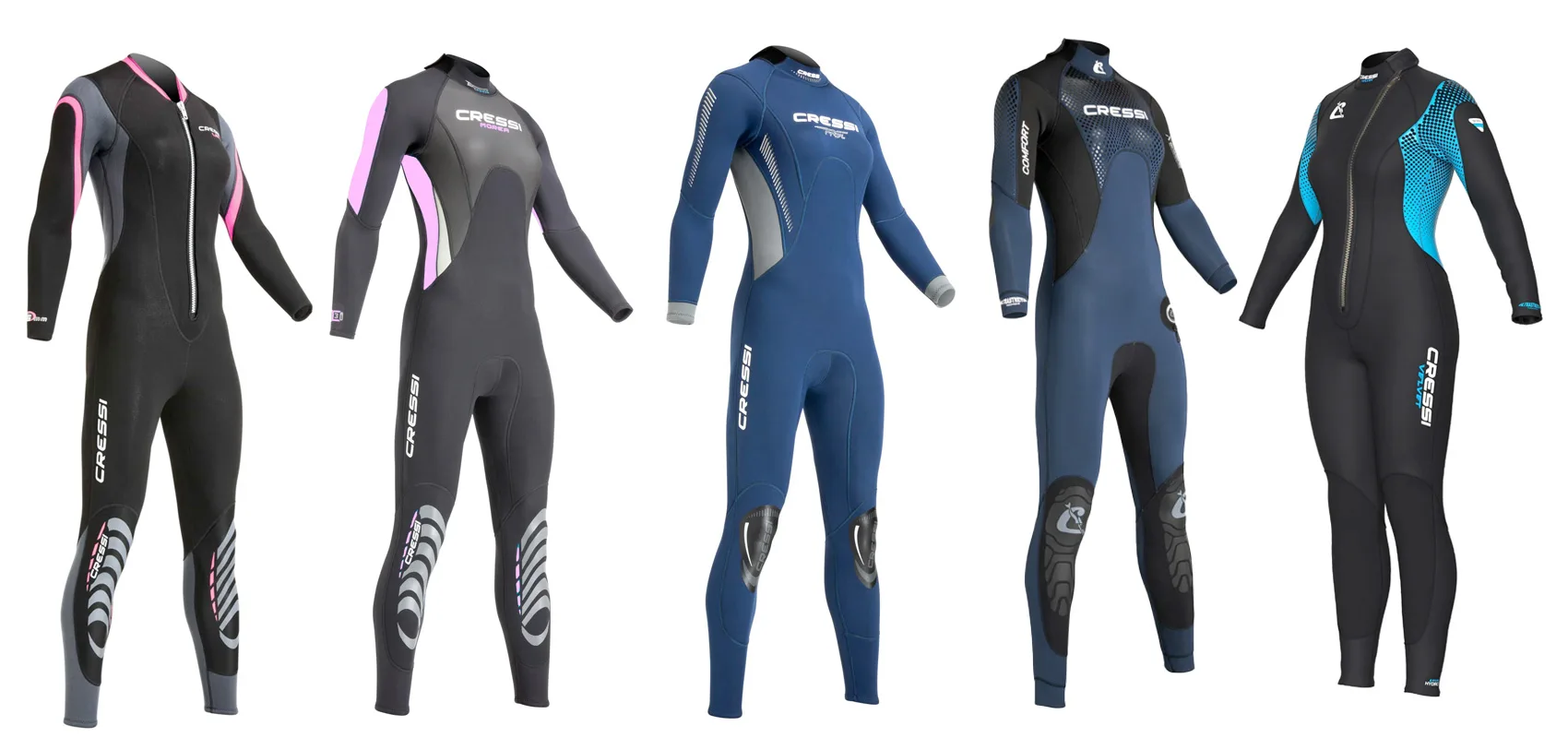
Cressi Wetsuits
Best for: newer divers, occasional divers, and anyone building their kit on a budget.
Cressi’s three most popular women’s suits cover most warm-water diving. The Morea 3mm is the entry-level workhorse for tropical dives, with Ultraspan panels for stretch and reinforced knees. The Fast 3mm steps up with pre-shaped legs, a 120° anatomical collar that doesn’t dig into your neck, and a wider neck flap to reduce flushing. The Lei 2.5mm is the front-zip option, which most divers find dramatically easier to get in and out of solo. The Fast and Morea run a bit stiff, so most people size up. Cressi won’t match the neoprene, seams, or long-term durability of the technical brands higher up this list. But at this price point, it gets a lot of divers into a suit that works for the diving they’re actually doing, which matters more than owning something premium that sits in a closet.
FADER Scuba Wetsuit
Last but not least, the wetsuit of my achievable dreams. I’ve had my eyes on the first wetsuit exclusively designed for scuba diving by the independent Australian brand FADER, the MESO Scuba Wetsuit 5/4mm Pearl Grey. The issue is that they’re not always available and the worldwide shipping seems to be complicated (and not cheap) though if you’re in AU or NZ, it’s easy for you. But if you want one, you need to keep an eye out for their releases. They truly seem to be worth it.
FADER designed the MESO to combine what’s good about open-cell suits (warmth, flex, minimal water entry) with what’s good about traditional scuba suits (durability, ease of use), and by the sound of it, they’ve pulled it off. It’s rated to feel as warm as a 7mm without the bulk, thanks to double blind-stitched and glued seams, raised slickskin neck, W-seals at the wrists and ankles, and a patent-pending STS zipper. The cut is built for shoulder rotation and follows major muscle groups, which is the kind of detail most scuba brands ignore. The Pearl Grey colourway is a subtle gradient designed to reduce your outline underwater (this is the brand’s pillar), useful if you shoot or dive with sharks.
View on Instagram
Why do I want one so badly? For one, it’s not the default black. I’m genuinely grateful for the technology every other brand has poured into making scuba suits warm, comfortable, and safe, but gosh, I need a little bit of style in my diving. As a designer myself, it frustrates me how limited our options are. Any cute wetsuit design out there tends to be built for surfing or freediving, not scuba.
If we’re lucky we get a pink stripe somewhere or like that one time Aqualung came out with two prints and Scubapro made a white wetsuit. I know I’m not the only one who wishes there were more options. Look back at scuba wetsuits from the 90s and you’ll find a genuinely fun range of colours and patterns, and even today, some freediving suits are absolutely gorgeous. Somewhere along the way, scuba just decided to go all-black and stay there.
It’s fine, I wear my black “uniform” like everyone else. It does the job, and I find other ways to add a bit of personality to my gear. But when a brand like FADER comes out with something that actually looks considered, in a colour that isn’t the void, I pay attention.
And yes, I’m aware their design wasn’t born from style but from the necessity of reducing the likelihood of accidental shark encounters (an admirable achievement) either way, it looks amazing and I can’t wait to get my own. 🦈
Other Brands Worth Considering
A few more names come up regularly and are worth a look depending on where you dive and your budget:
- Beuchat makes flexible, well-fitting suits with a strong following among warm-water divers, often described as a snugger, more compact fit that petite divers get on well with.
- Xcel and O’Neill, better known from surfing, produce warm, stretchy suits that plenty of divers use, particularly in cooler water, and both are often mentioned for offering wider size ranges than dedicated dive brands. Xcel, though it usually makes surfing wetsuits, does have a small line of suits designed specifically for diving, which is worth knowing if you like the brand but want something built for the demands of scuba.
- Best Dive offers one scuba diving two piece wetsuit, so it’s worth a look if you want a focused, purpose-built option rather than choosing from a broad line-up. Keep in mind that their sizes are asian standard.
Getting the Fit Right on a Women’s Wetsuit
A wetsuit should feel snug everywhere without pinching. Check that there are no loose folds or air pockets at the lower back, behind the knees, in the armpits or around the crotch, because those are the spots where cold water pools and flushes. The neck seal should sit close without choking you, and you should be able to reach both arms overhead and squat down comfortably. Women’s-specific patterns matter here: torso length, bust room and hip shaping are exactly where unisex suits go wrong, so if a men’s or unisex suit gaps at the back no matter the size, that is a fit problem no thickness will fix.
Try the suit on when possible, ideally damp, since neoprene behaves differently wet. If you are buying online, follow the brand’s own size chart rather than assuming your usual clothing size, and pay attention to how reviewers describe the sizing running small or large. A slightly harder-to-don suit that fits snugly will keep you far warmer than a loose one that slides on easily.
A Note on Buying and Caring for Your Wetsuit
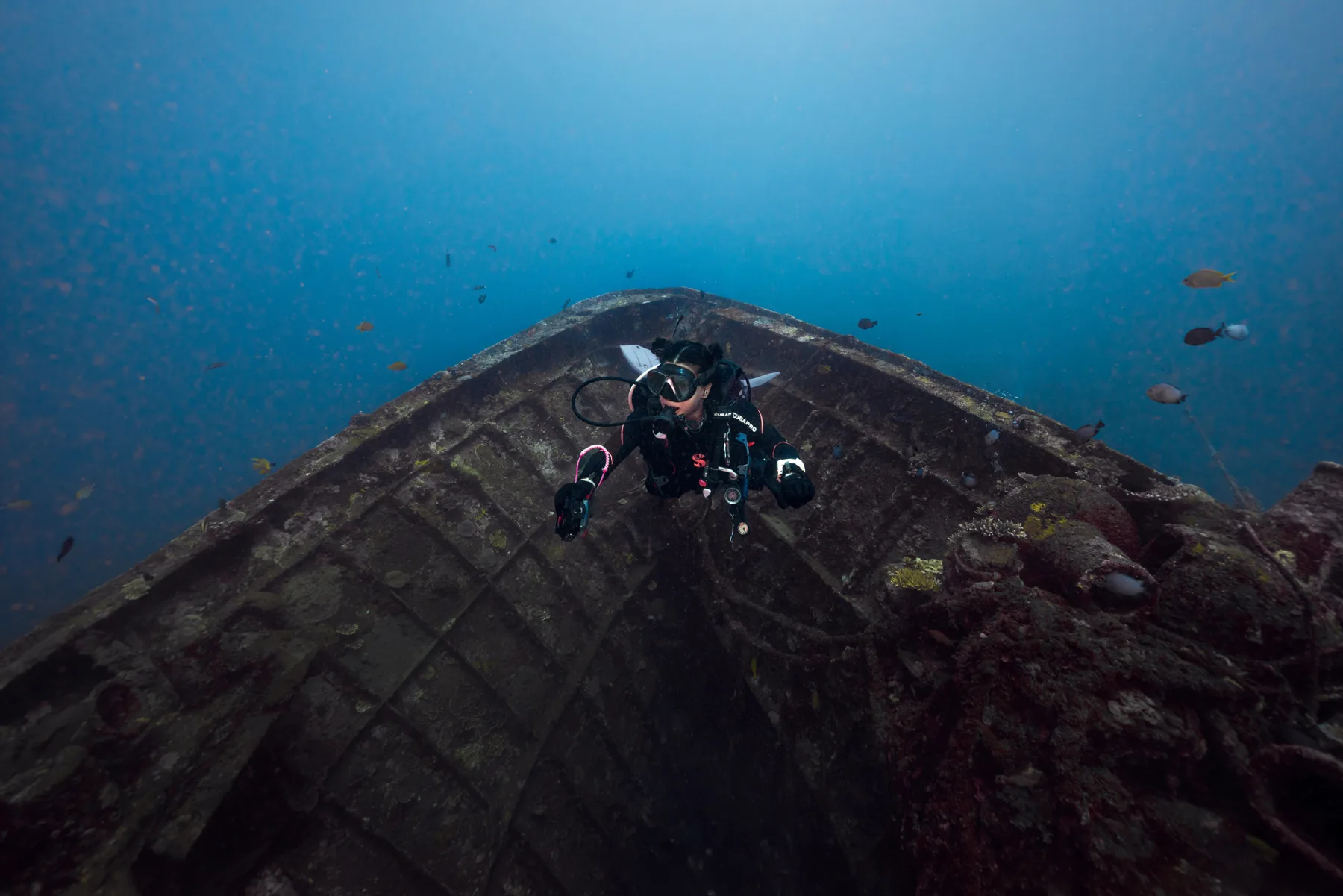
Whatever you end up in, rinse it in fresh water after every dive, dry it out of direct sunlight, and hang it on a wide hanger rather than a thin one to protect the shoulders. Looked after properly, a good wetsuit will outlast several sets of other gear, which makes getting the fit right the first time the best money you can spend.
Wetsuits are usually one of the last pieces of gear divers commit to owning, because they’re expensive, easy enough to rent, and sometimes you can get away with a rash-guard and leggings instead, which saves you precious space and weight on your luggage allowance if you’re travelling.
If you’re at the point of buying one, though, you’re serious about this. The guide on buying your own scuba gear covers everything else worth owning, what’s better left to rentals, and where your money actually goes furthest.
Now go enjoy your dives. And if you’d like to come along for mine, you’re very welcome over on Instagram, where I share the reef, the gear, and everything in between.
View on Instagram
*Quick Note to Scuba Brand Marketing Teams: I Want to Help.
Building this guide, I was genuinely surprised by how little visual content most of you produce. A single white-background product shot is essential, but for most of the suits featured here, that was all I could find. No lifestyle imagery, no shots of the suit in the water, no video, nothing showing the fit on a real body from more than one angle. As a professional diver, designer, and someone actively writing about scuba gear, I promise you your customers are looking for more than that, and so are the writers trying to help them buy.
I’m open to collaborations, product features, and content partnerships with brands making genuinely good diving gear. If that’s you, and your brand is ready to stand out, my work with me page has the details.
Oh, and the logos don’t need to get any bigger.
Craving more underwater inspiration? Head over to my Diving Destinations page for guides to some of the best dive spots around the world.