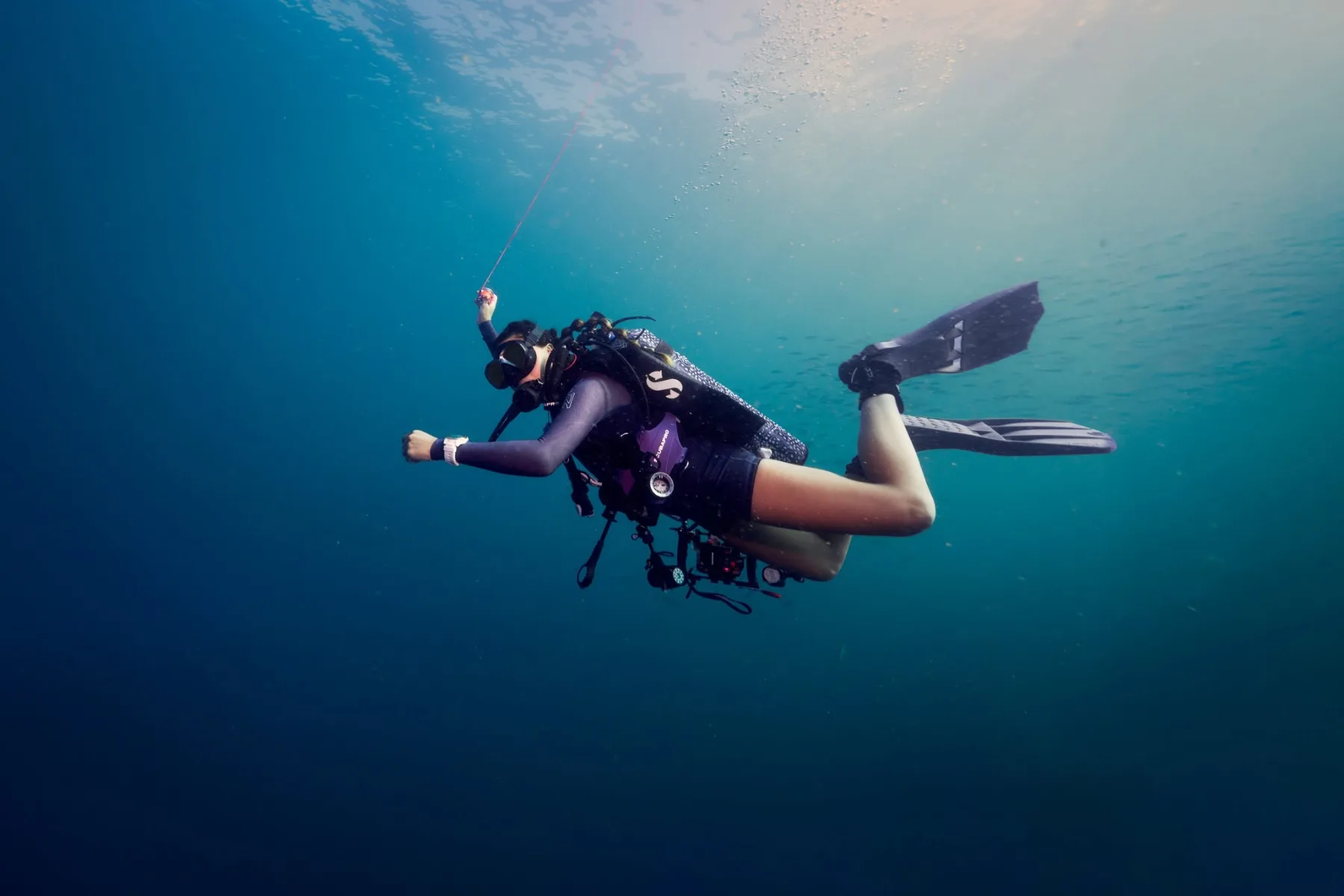
Most new divers buy their first BCD to solve a short-term problem: they want to stop renting and own gear that fits. That’s a fair goal, but it often leads people to grab the cheapest recreational jacket on the shelf, dive it for a trip or two, then outgrow it the moment they start doing deeper, colder, or more advanced dives. Choosing a BCD that grows with you means putting in a little more thought (and sometimes a little more money) up front, so you buy once instead of twice.
This guide is about durability and adaptability, not about chasing the most expensive unit on the market. Below, you’ll find seven essential things to look for when shopping for a BCD. A good one is a BCD you can still trust after a few hundred dives, that adjusts to a thicker wetsuit or a drysuit, and that won’t fight you if you decide to go pro.
If you are still deciding on the rest of your kit, it pairs naturally with thinking through how to choose the best scuba diving regulator.
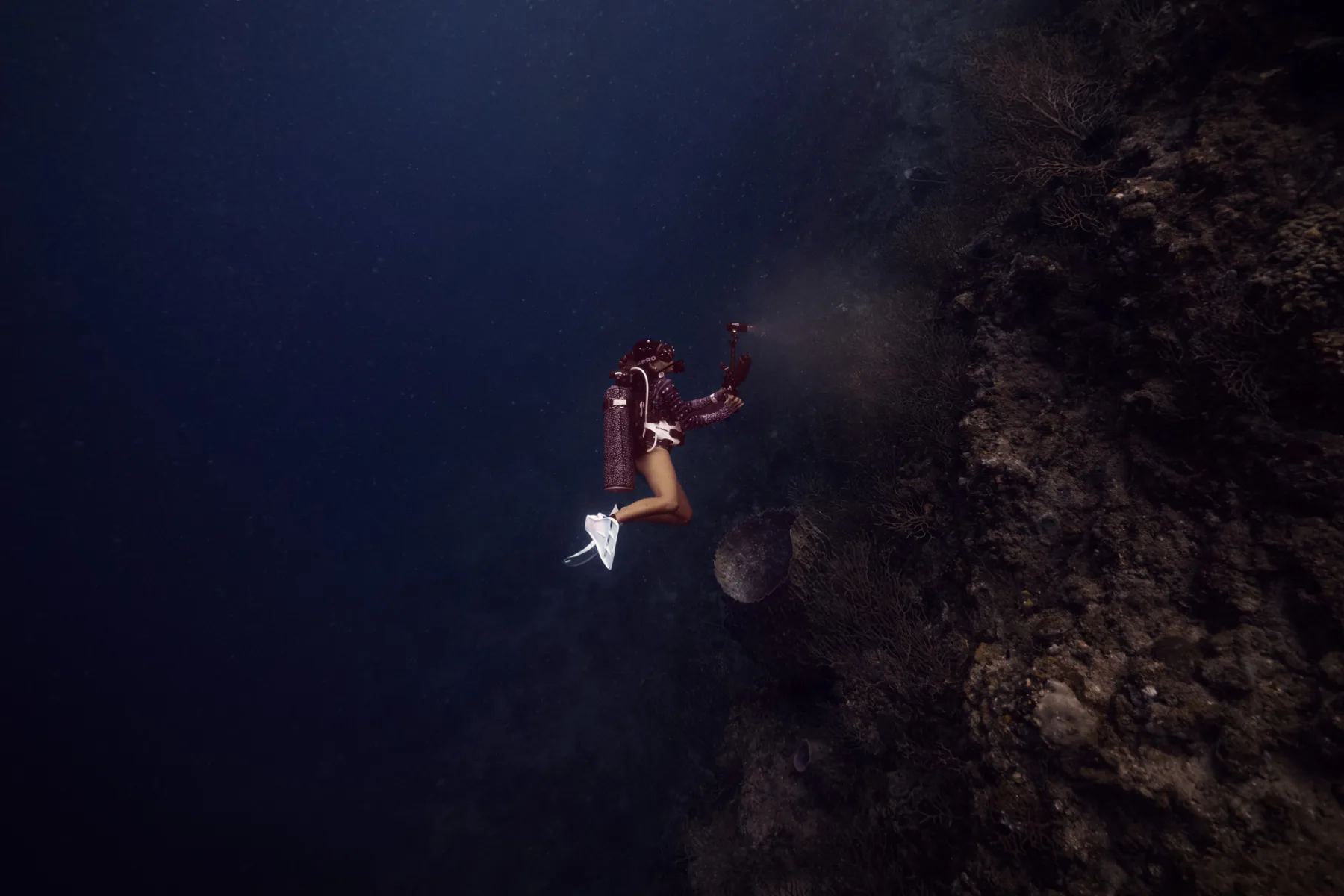
1. What to Look for in a Recreational Diving BCD
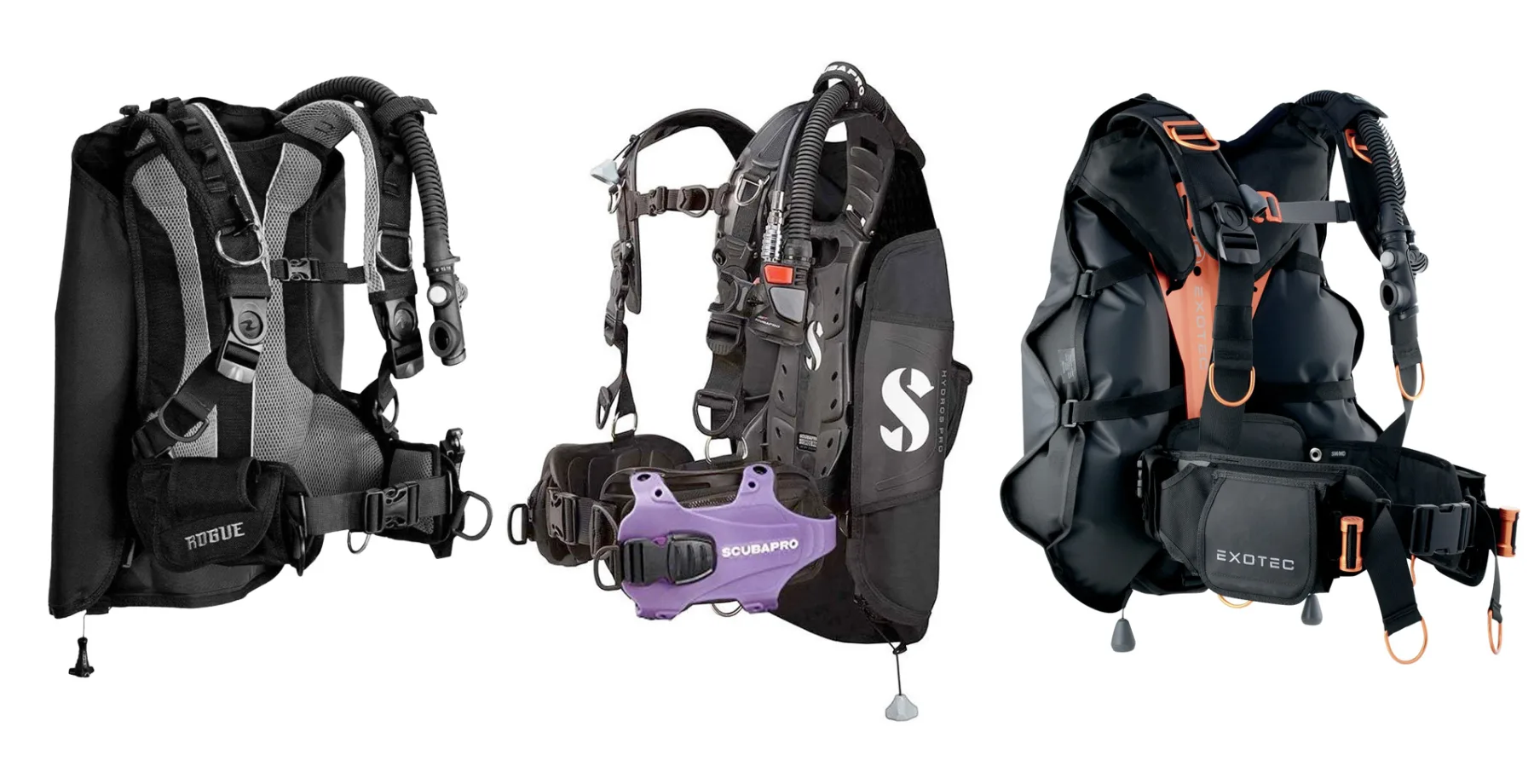
A buoyancy control device does one core job: it lets you fine-tune your buoyancy underwater so you can hover, ascend, and descend in control. You add air from your tank into the bladder to become more buoyant and dump air to sink. On the surface, it holds you up so you can rest without effort. Everything else, the pockets, the D-rings, the weight system is built around that one function. The differences between BCDs come down to where the air sits and how the harness carries the load.
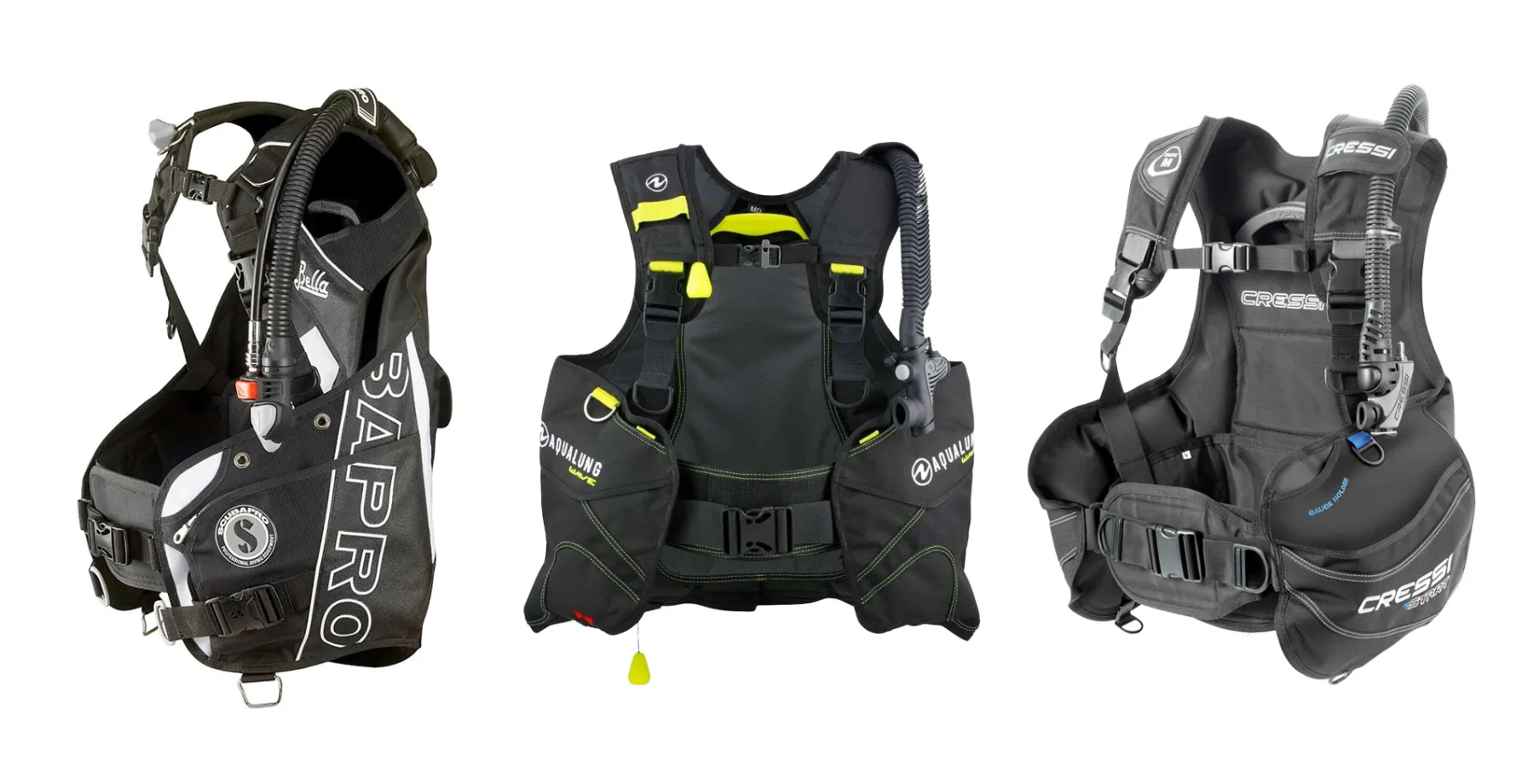
A jacket-style BCD wraps the air around your torso and lifts you upright at the surface, which feels intuitive to new divers. It’s the classic Open Water setup and does everything a recreational diver needs.
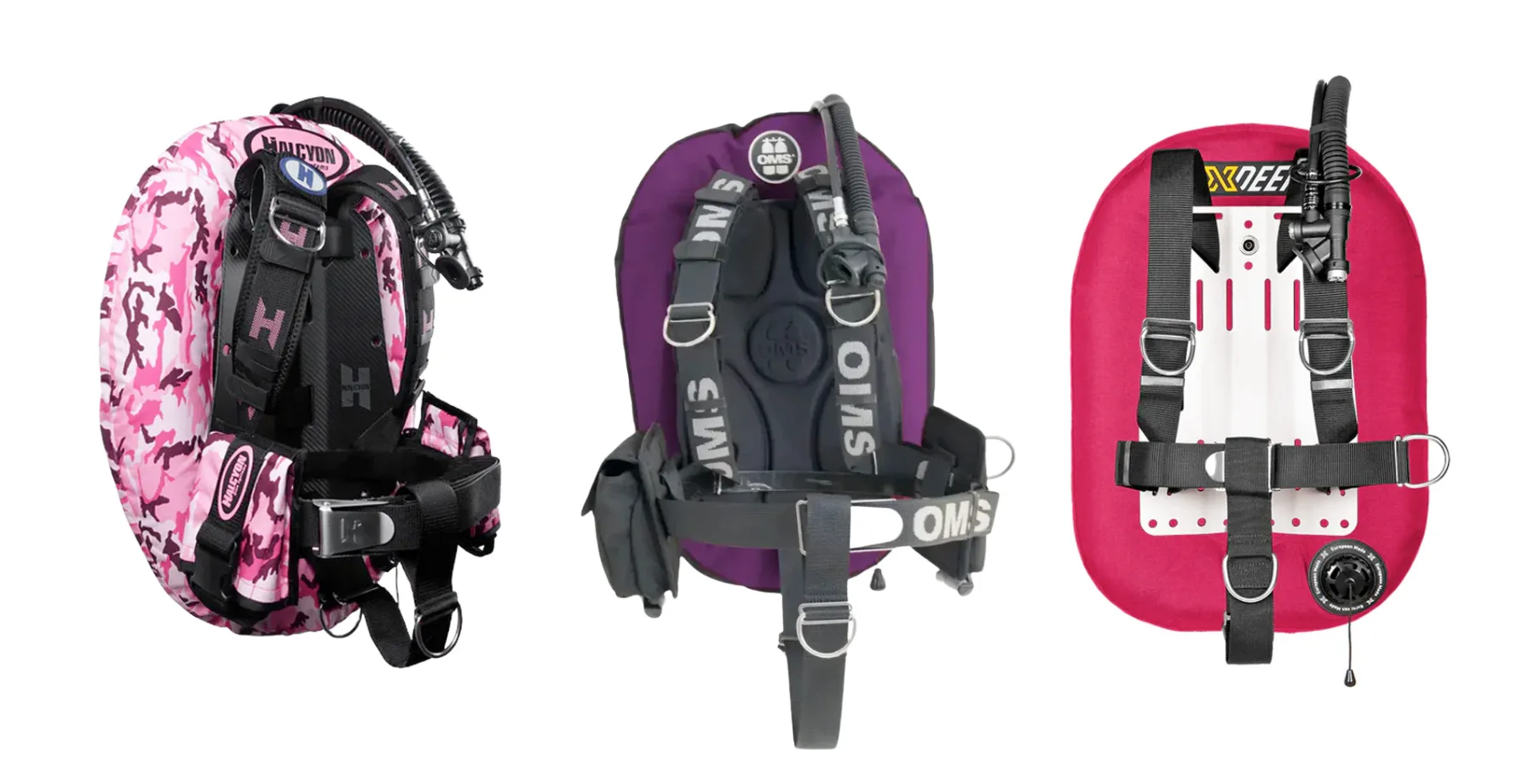
A back-inflate BCD moves the air behind you while keeping a soft, padded harness similar to a jacket. This keeps your chest open and helps you settle into a flat, horizontal trim underwater, while still feeling familiar out of the water. A backplate-and-wing (BP/W) takes that idea further and strips it down to its parts: a rigid metal plate against your back, a separate inflatable “wing” for buoyancy, and a simple webbing harness. It’s fully modular: you can swap wings, change plates (aluminium for travel, steel for cold water), and size the harness precisely to your body. It offers the cleanest trim and the most durability, which is why tech and serious recreational divers favour it, though it has a steeper learning curve.
A hybrid BCD sits between a jacket and a back-inflate, aiming to give you the surface stability and comfort of a jacket with some of the streamlined trim of a wing. It’s a middle-ground option for divers who want a bit of both.
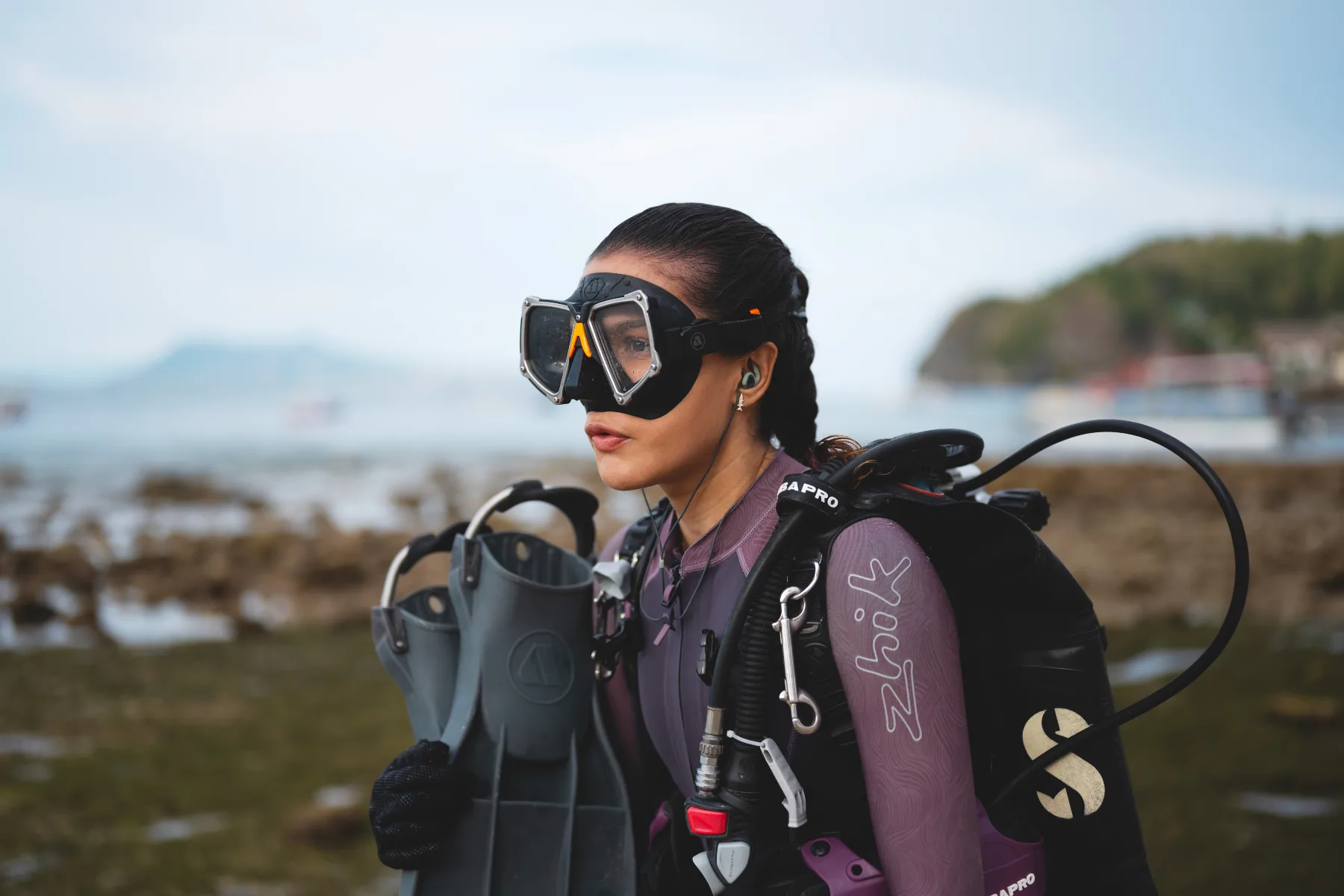
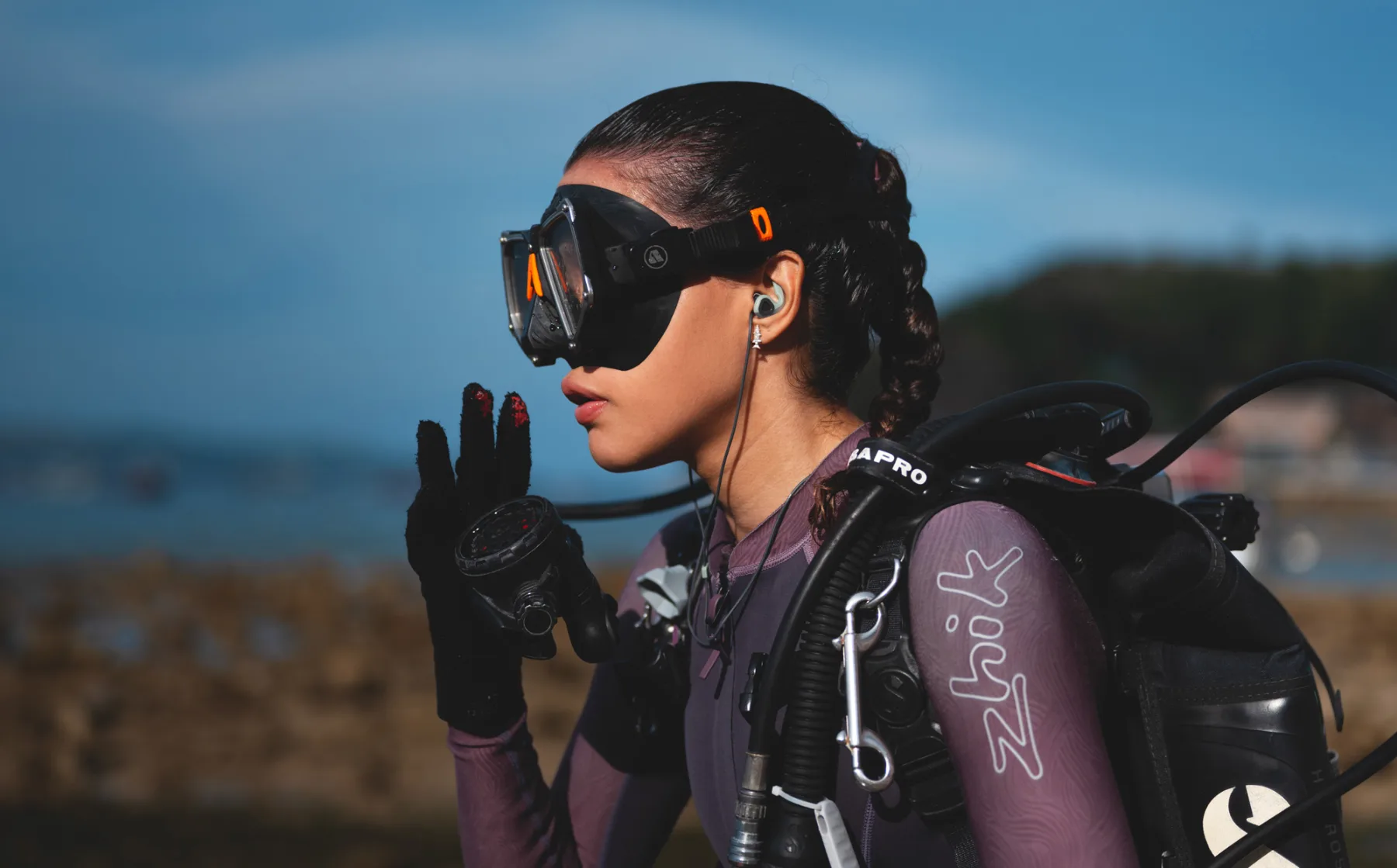
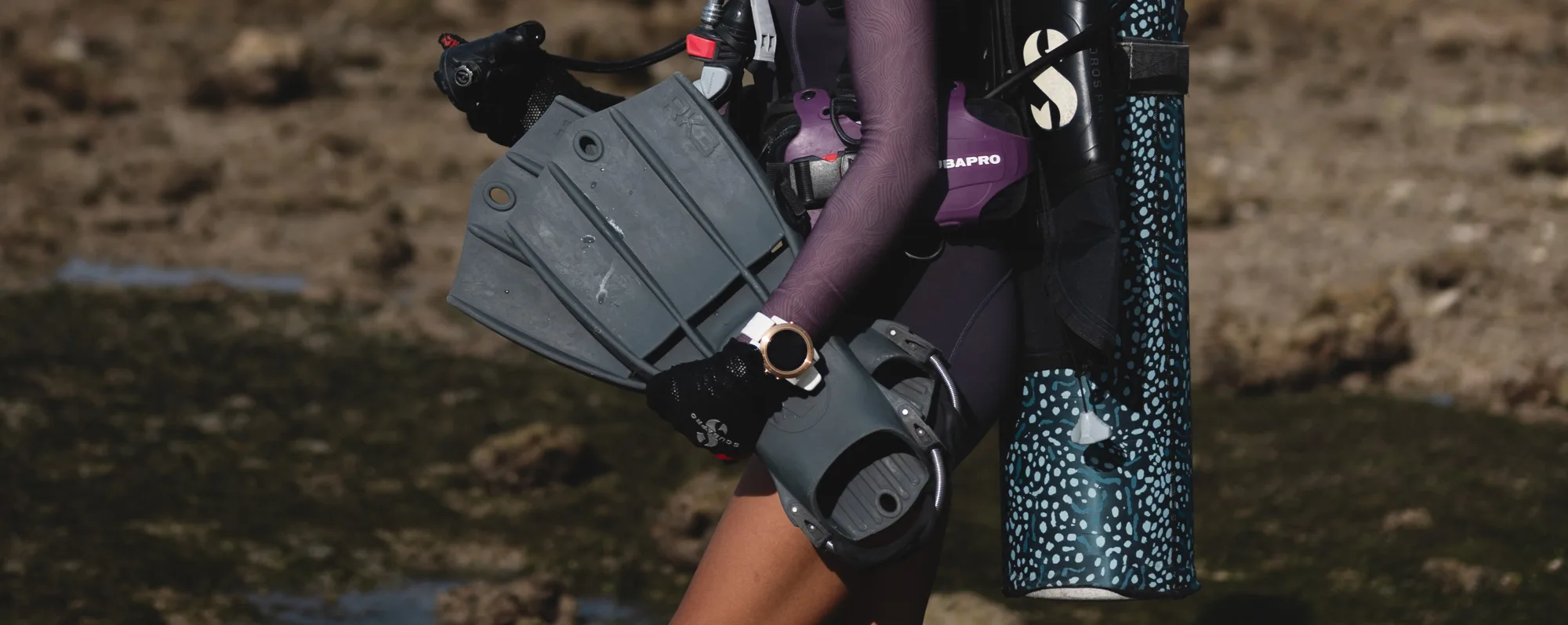
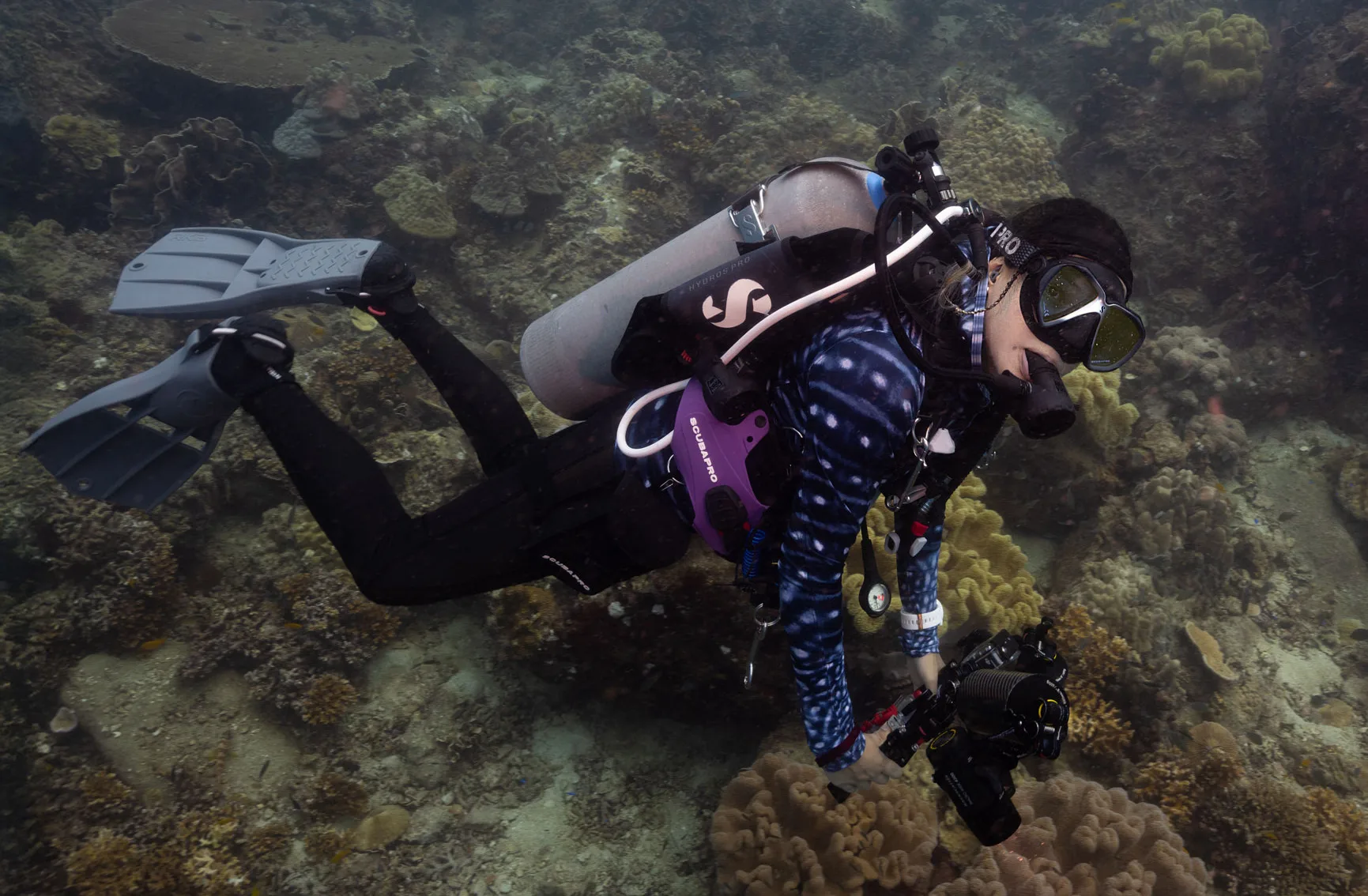
This was my choice, and 700+ dives in I’m still happy with my Scubapro HydrosPro.
2. Aesthetics of a BCD
This is a section other outlets avoid entirely, so I’m happy to be the one to say it. It’s not a judgement, just something some people might not know about and might appreciate the insight on. A classic BCD jacket is usually associated with beginner divers. It’s what you’re taught in during your Open Water course. It does the job, but aesthetically, it gives off a beginner vibe. That’s perfectly fine if you are in fact a beginner, don’t care much for looks, and just want basic function. Again, no judgement! Some professionals actually choose to dive a traditional jacket precisely because they teach in it. It’s easier to demonstrate correct usage when you and your students are on the same, or at least similar, gear.
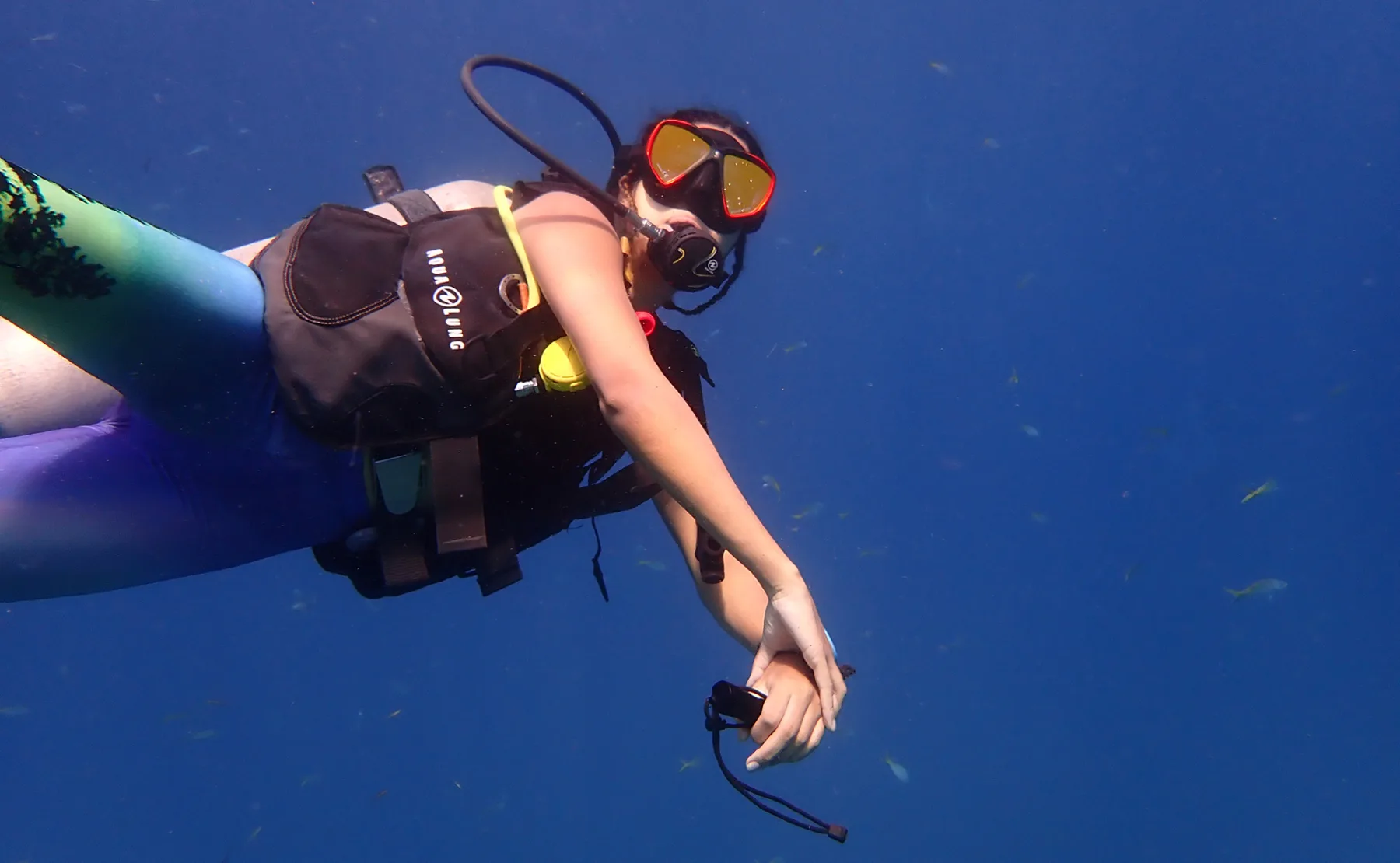
More ergonomic, less bulky, streamlined styles like wings and hybrids tend to be preferred by more seasoned divers. It’s not really up for debate that tech divers (most of the time) look cooler than the rest of us, and you’ll almost always see them on wings or backplates. But again, the diving itself matters far more than the looks, so treat this as just a brief note on style.
You might have heard the saying “all the gear, no idea” 🫢 meaning it doesn’t matter how cool or expensive your kit is, what matters is whether you can actually use it. How cool is it to own a high-end BCD or wing if you have zero buoyancy control and you’re constantly kicking the coral? Not cool at all.
3. Build Quality and Materials
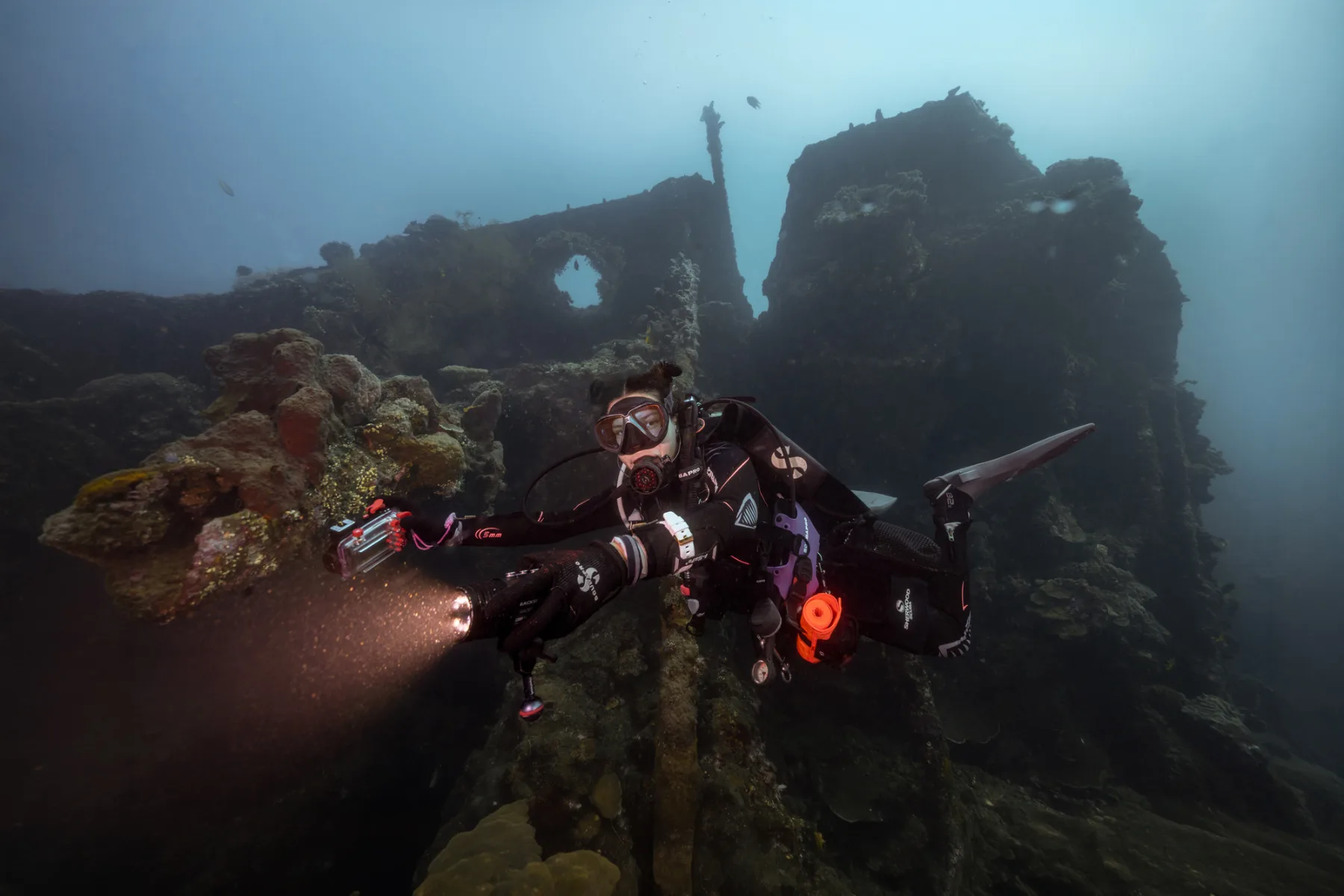
A BCD lives a hard life. It is repeatedly soaked in salt water, baked in the sun, stuffed into rinse tanks with other people’s gear, and packed wet. Build quality determines how many of those cycles it survives.
The materials to look for: 1000-denier Cordura or equivalent on high-wear surfaces, stainless steel or quality plastic D-rings rather than cheap zinc, and bladders made of laminated nylon rather than vinyl-coated fabric. The components most likely to fail first are the inflator hose connection at the BCD, the dump valves, and the velcro on weight pockets. Higher-quality BCDs use better components throughout, and the difference manifests after the first hundred dives.
A serviceable BCD with a brand still in business and a parts supply chain is significantly more valuable than a discounted closeout from a brand that has discontinued the model. The repair shops that service your gear will tell you, if you ask, which brands they stock parts for and which they have stopped trying.
4. Adaptability as You Progress
The single most important “grows with you” feature is a modular design. A BCD that accepts trim weight pockets, extra D-rings, and different tank configurations will follow you from warm-water recreational diving into cold water, doubles, or a pro track without needing to be replaced. Back-inflate and modular harness systems tend to adapt better than fixed jacket styles because you can rebuild the setup around your changing needs.
Buying with a little margin on lift capacity is part of the same idea: a unit rated to handle a steel tank and a drysuit gives you headroom you will grow into. Undersized lift is fine on your tenth dive and a real limitation on your two-hundredth. That topic deserves its own section, so here it is.
Lift Capacity
A BCD’s lift capacity is the amount of buoyancy it can provide when fully inflated, expressed in pounds or kilograms. The number to aim for is somewhat counterintuitive: more is not better.
You need enough lift to support yourself, your gear, and your tank at the surface, with enough margin for emergencies. For a recreational diver in tropical water, this is typically 25 to 35 pounds (11 to 16 kg). Cold-water divers in drysuits need more, around 35 to 45 pounds, because the gear is heavier and the additional thermal protection requires more lead. Technical divers using doubles need significantly more, often 60 to 80 pounds.
Excess lift capacity beyond what you need adds bulk, drag, and cost. A BCD rated for 60 pounds of lift used by a recreational diver in tropical water is over-specified, harder to streamline, and unnecessarily expensive.
5. Weight System and Comfort
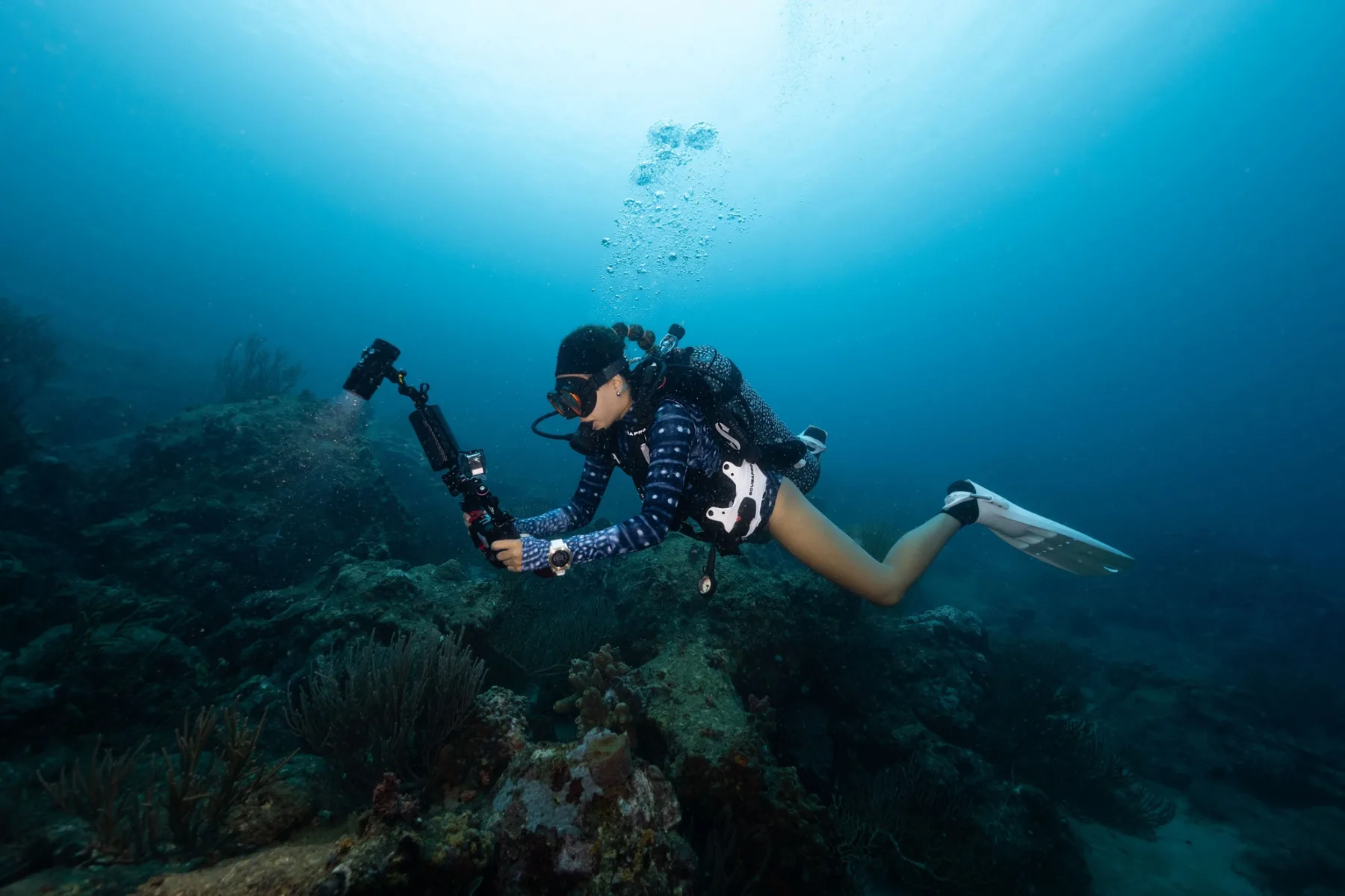
Integrated weight pockets that release cleanly are both a safety feature and a comfort feature. A good ditchable weight system lets you drop weight fast in an emergency and keeps the load off your lower back on long dives. Check that the pockets are easy to load, lock positively, and release with a firm pull you can do one-handed.
If you’ve only used weight belts in the past, let me tell you: You want to switch to integrated weight pockets! Having to weave the weights through the belt, making sure they’re the right way around to then having to find the sweet spot for it to sit on your body without interfering with the rest of your gear before every single dive is life changing!
Comfort is not a luxury on a BCD you plan to keep for years. Padded, adjustable shoulder straps, a supportive backplate or backpad, and a waist system that cinches evenly all reduce fatigue. A BCD that hurts after an hour is one you will want to replace, which defeats the whole point.
6. BCD with Pockets
I find pockets essential while diving. You’ll often come across things you need to bring up out of the water, like trash, but you also want somewhere to store important gear such as cutting tools, writing slates, a GPS, or anything else you like to keep on hand just in case. If you care about what ends up on the reef, carrying out what you find is a small part of the wider ocean plastic problem.
The trade-off is that a BCD with built-in pockets usually just adds bulk to the design. Fortunately, there are alternatives. You can clip on attachable pockets that hang from a D-ring, add a leg pocket, or simply wear tech shorts over your wetsuit for plenty of extra storage.
7. Getting the Fit Right
Fit is where a lot of otherwise good buying decisions fall apart. A BCD should be snug enough that it does not ride up when you inflate it at the surface, but not so tight that it restricts your breathing when the bladder fills. Try it on over the wetsuit thickness you actually dive, because a jacket that fits over a rash guard can feel very different over a 5mm suit.
Fasten every strap, then have someone lift the shoulders while you wear it to see if it shifts. Check that the waist strap closes with room to spare rather than at its very last adjustment, so you have range for thicker exposure suits later. The right size is the one that stays put, distributes weight without pressure points, and leaves your chest free to breathe deeply. And if you can do all of this in person, even better, some dive centers will let you take a unit on a try dive so you can feel how it behaves underwater, not just on land. If your friends dive their own gear, ask for a go on theirs too. Just keep in mind that anything very different from what you’re used to will feel alien at first, so don’t write a BCD off if your first attempt isn’t perfect; some of that could be just unfamiliarity.
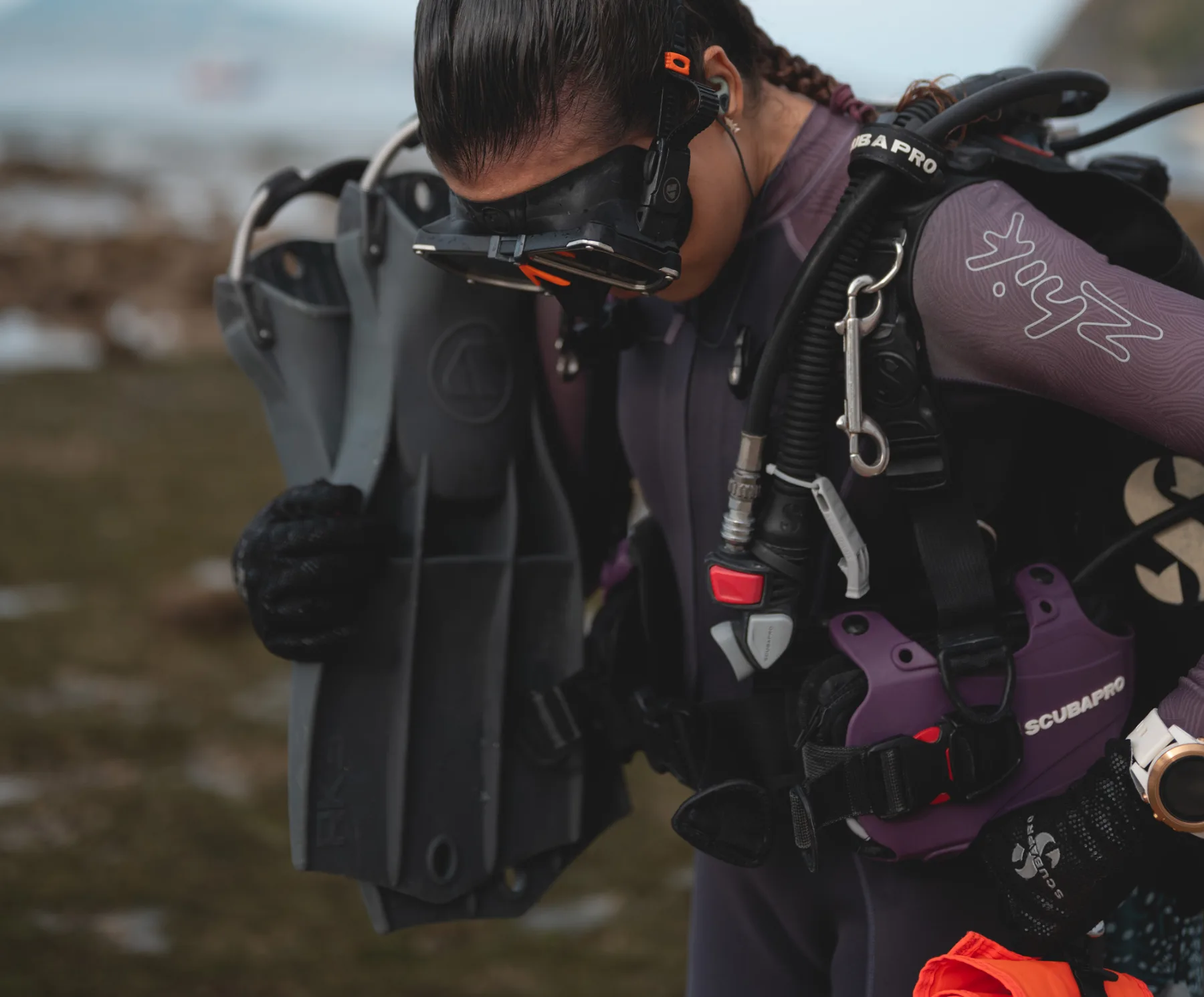
Of course, not everybody has these options. A local shop you can walk into and try on many different models isn’t the reality for most divers around the world. Sometimes all you can do is research online, trust the measurements on the product page, and hope your homework pays off. I was in exactly that position when I bought my own gear. I relied entirely on online reviews and even asked about specific models on dive forums. Luckily, that worked out.
A Note on Buying Once
It’s tempting to treat a first BCD almost as disposable, something to replace once you “know what you want.” But the divers who spend the least over time are usually the ones who bought a durable, adaptable unit early and grew into it. You don’t need the most advanced technical rig on day one. You need one built well enough to survive years of salt water, and flexible enough to reconfigure as your diving changes.
That’s also why renting at the very beginning of your diving journey is perfectly fine, there’s no rush. But once you start building your own kit, buy for the diver you’re becoming, not just the one you are today. The same logic applies to your exposure protection, which is worth thinking through alongside the best scuba diving wetsuits for women.
For a full overview of the six pieces worth buying once, see the guide to buying your own scuba gear.
One last thing worth mentioning: whatever you buy, look after it. A quick freshwater rinse after every dive, proper drying, and careful storage will add years to a BCD’s life. And don’t skip servicing: when your BCD is due for a service, take it in. The inflator and dump valves are life-support components, and keeping them maintained is what lets a good BCD stay reliable for hundreds of dives.
Now that we’ve covered the seven essential things to look for when buying your own BCD, keep this guide handy as your reference when you compare specific models against the way you actually dive.