

If you’re shopping for your first regulator, congratulations are in order! Of all the gear you’ll buy, this is the one that says you’re in it for the long haul, and owning your own genuinely changes how diving feels.
The first time I was handed a set of regulators, I didn’t think much of it. Beyond trying my best to scrub down the visibly worn mouthpiece, I just breathed through them as instructed and got on with it.
A lot has changed since then. Now, as a professional diver, I’m writing the guide I wish I’d had when I started. There’s an art to shopping for scuba gear, but unlike actual art, it isn’t subjective, and the mistakes can cost you. This guide covers everything you need to know about regulators for recreational diving, plus a few tips you won’t find anywhere else.
How a Regulator Works

A scuba regulator reduces tank pressure (typically 200 bar) down to ambient pressure, matching the water around you, so you can breathe effortlessly at any depth. It does this in two stages. The first stage attaches to your tank and drops the pressure to an intermediate level. The second stage sits in your mouth and delivers air on demand as you inhale.
The engineering inside a good regulator is genuinely remarkable. The best ones are so finely balanced that breathing from them at 30 metres feels no different from breathing at the surface.
Fun fact: this is THE invention that created the sport. In 1943, in occupied France, Jacques-Yves Cousteau and engineer Émile Gagnan adapted a valve originally meant to run cars on cooking gas into one that fed a diver air only when they inhaled. They called it the Aqua-Lung, and every regulator you breathe from today is a descendant of it.
*If you’d like to learn more about the mechanics of how a regulator works, I recommend this video:
Buying Your Own Scuba Regulator
Most beginner checklists park the regulator at the bottom, the thing you finally splurge on once everything else is sorted. I’d flip that. It’s the piece your life most directly depends on, your lifeline, so it’s an odd one to leave in the hands of whatever happens to be hanging on the rental rack. And those racks are a gamble. A rental reg might have been serviced last month or last decade, and you’d have no way to tell from the outside, especially if you’re not an experienced diver.
I’ve seen that gamble play out for years, and the losing hands aren’t pretty: regs that dump a full tank of air in a couple of panicked minutes, second stages that trickle water into your mouth from the first breath, first stages quietly leaking bubbles the second they’re pressurised, octopuses jammed so solid they won’t clear. None of that is unheard of. It’s just what happens when your safety runs on a maintenance schedule someone else forgot about. And no, a wack is never the solution to this kind of issues.
Pro-Tip: Until you own your own, your best protection is choosing where you dive carefully. Read the reviews before you book, divers very often mention the state of the gear, and a pattern of complaints about tired or poorly maintained equipment is a serious red flag. Then trust your own eyes on the day. Cracked mouthpieces, corroded metal, perished hoses, sticky purge buttons: if the kit looks neglected, it probably is, and you’re well within your rights to ask for a different set or a different shop. A good dive center maintains its gear like lives depend on it, because they do.
Own the thing, service it once a year, and it’ll likely outlast your diving altogether, whether you’re doing twenty dives a year on holiday or five hundred as a working pro.
What to Look For

- A balanced first stage so your air stays easy to draw whether your tank’s full or nearly empty and whatever your depth.
- Diaphragm over piston for the cold Diaphragm designs seal better against cold and grit than piston ones, so get one rated for cold water even if your diving is all bath-warm for now. It costs little extra and quietly future-proofs you.
- A DIN fitting over yoke DIN screws directly into the tank valve and handles higher pressures more securely. The catch is that most rental tanks, especially in warm-water spots, are yoke, so pack a yoke-to-DIN adapter. It’s tiny, costs around $20, and lets your reg mate with any tank on the planet.
- A lightweight second stage ideally under 200g. Your jaw will notice over a long dive, and so will your luggage.
- An environmentally sealed first stage if there’s any chance of cold or silty water in your future. It keeps muck and freezing water out of the internals.
One more reason to own: a proper travel reg set comes in under a kilo and tucks into a corner of your carry-on. No more squinting at a rental’s service sticker and doing mental risk maths, because you’ll know precisely when it was last opened up: you were there.
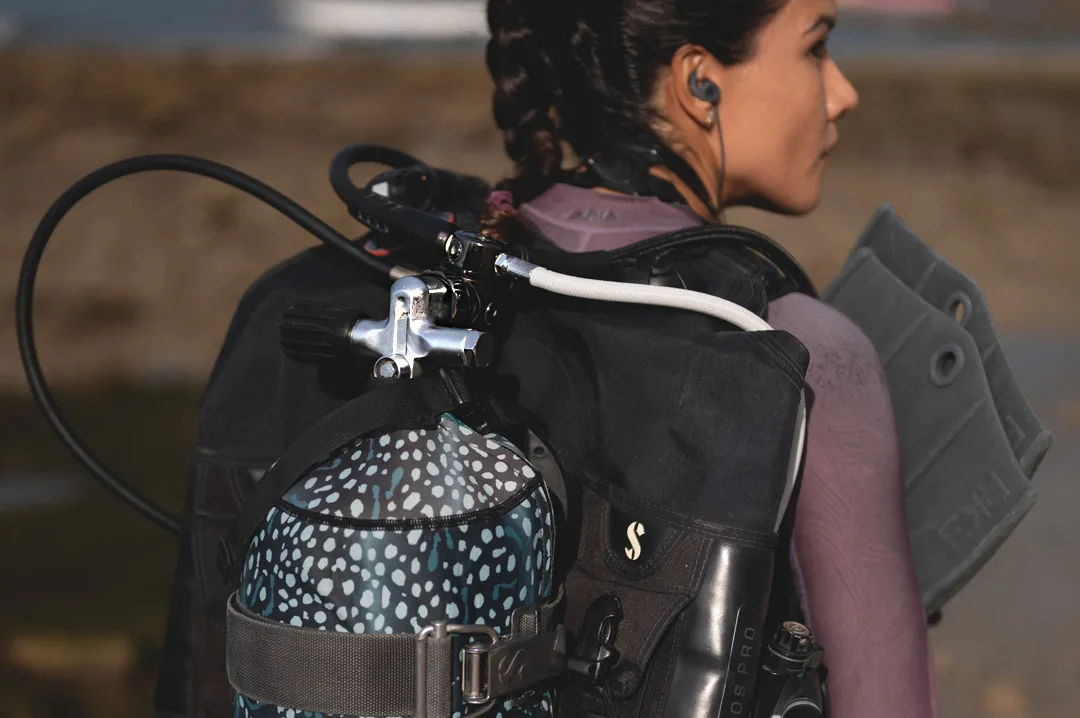
How Much Does a Scuba Regulator Cost?
Short version: somewhere between $400 and $1,200 for a set.
A quick note before the numbers, because this is where people get stung. The prices below are for a regulator set, meaning a first stage and a primary second stage. They usually don’t include the octopus (your backup second stage) or a pressure gauge, and you need both. Budget another $90 to $250 for an octo, and factor in a gauge or transmitter if your computer is air-integrated. The “$300 regulator” you saw advertised is rarely the whole story.
The cost nobody advertises: servicing. A regulator isn’t a one-time purchase, it’s a small annual commitment. Most need a service every year or every 100 dives, whichever lands first, and that runs roughly $60–150 each time depending on the reg and where you have it done. Cheaper regs can need servicing more often; premium ones less, but each visit costs more. Either way, budget for it. A reg you never service isn’t saving you money, it’s quietly becoming the thing that fails you at depth.
So what’s it really cost? For a mid-range set with an octopus and a gauge, properly serviced, think somewhere around $600–900 to get diving and a modest yearly sum to keep it safe. Spread across a decade and a few hundred dives, it’s one of the best-value purchases in the sport, and a far better deal than buying cheap twice.
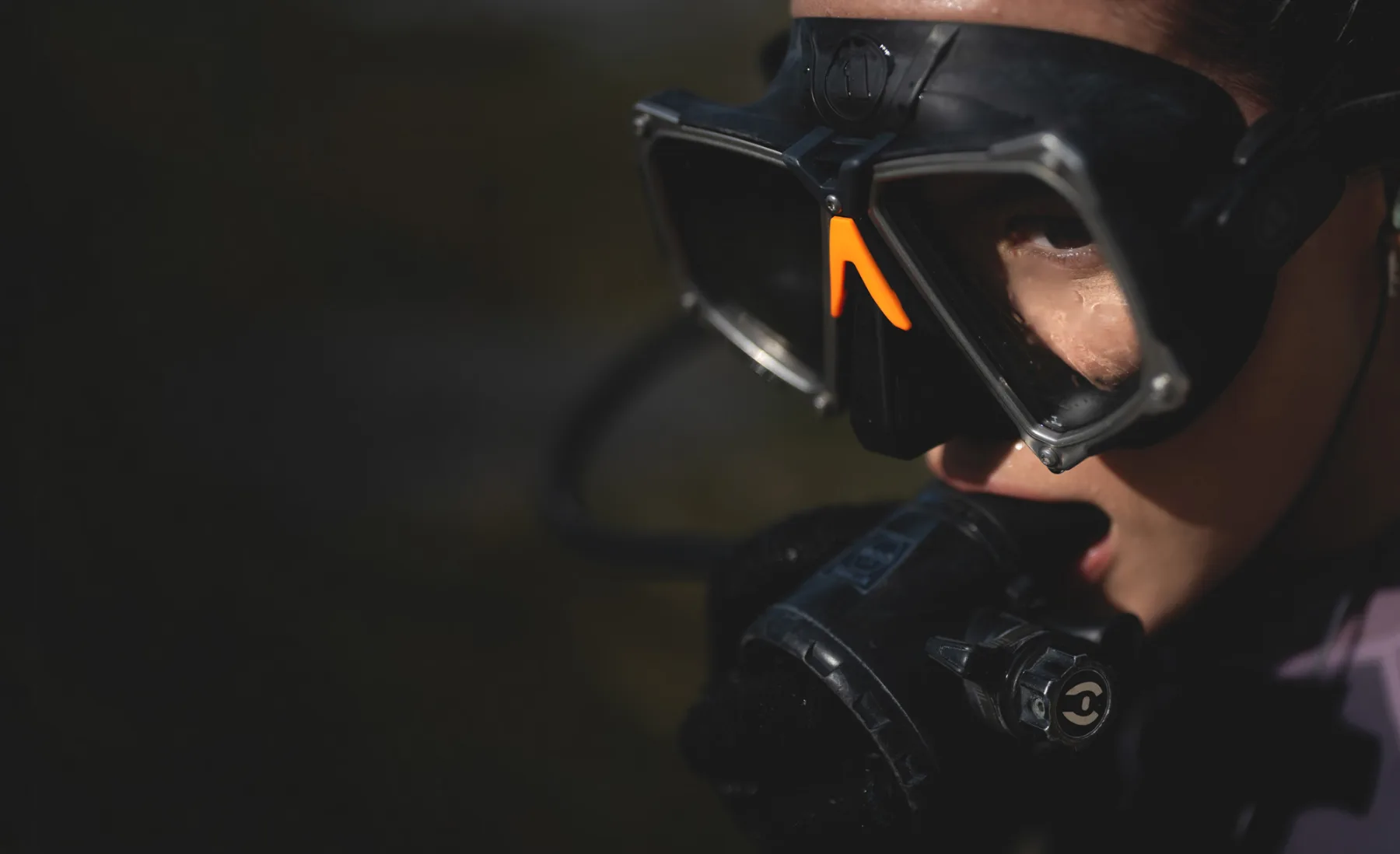
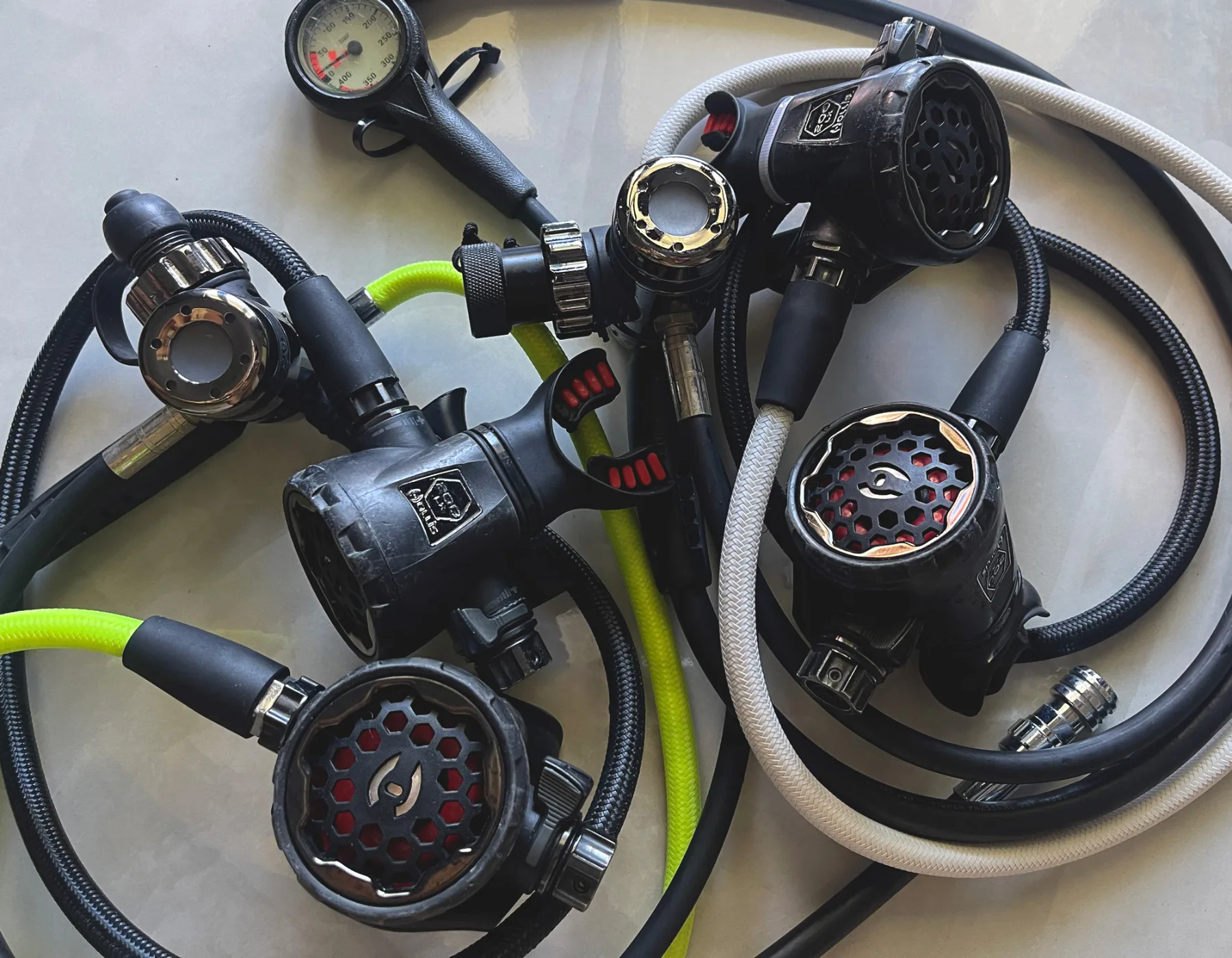
First, a note from experience ⚠️ I invested in the Hollis 200LX, and not in a small way. Between my own kit and my buddie’s, that meant four affected units: two primary second stages and two octopuses (same model). A couple of years later, every single one sold in the last 9 years was recalled. Which, as you can imagine, was terrible news, especially as a dive professional. This was Hollis’s flagship reg, sold with a “lifetime warranty” and “free parts for life,” and it still added up to well over a thousand dollars of gear I could no longer dive. Worse, I never got a resolution from the company, despite their website saying they’d fix it. And after a while my emails started to be ignored.
So here’s the lesson I paid for, four times over: buy from brands with a track record of standing behind their gear, and read the customer-service reviews before you read the spec sheet. A recall is bad luck. Being left to deal with it alone is a choice the manufacturer makes.
The Best Scuba Diving Regulators
Budget Regulators ($300–450)
You’ll see complete “beginner” sets advertised below this, and that’s exactly where you need to slow down (more on that in a second). At the genuine entry level, the trade-off is what’s happening inside: many regs at this price are unbalanced, meaning breathing gets noticeably harder as you go deeper and as your tank empties, exactly when you’d rather not be working for air. Most also aren’t environmentally sealed, so they’re a poor match for cold or silty water. There are honest, no-frills regs in this band from the likes of Aqualung and Scubapro, but this is also where the genuine junk hides, so it’s the tier to shop most carefully.
There’s a chance you won’t like me saying this, but I have to. If you come across an absurd bargain, an entire regulator set (first stage, second stage and octopus) for under $400, please think twice. Those “beginner” kits are usually poor quality, built from cheap materials, and sometimes a part that should be metal is quietly swapped for plastic. So I’ll say it one more time: your regulator is your lifeline. You’re already investing in yourself here. If you can’t quite afford the right one yet, look into a payment plan, or keep saving until you can. A reliable regulator is worth the wait.
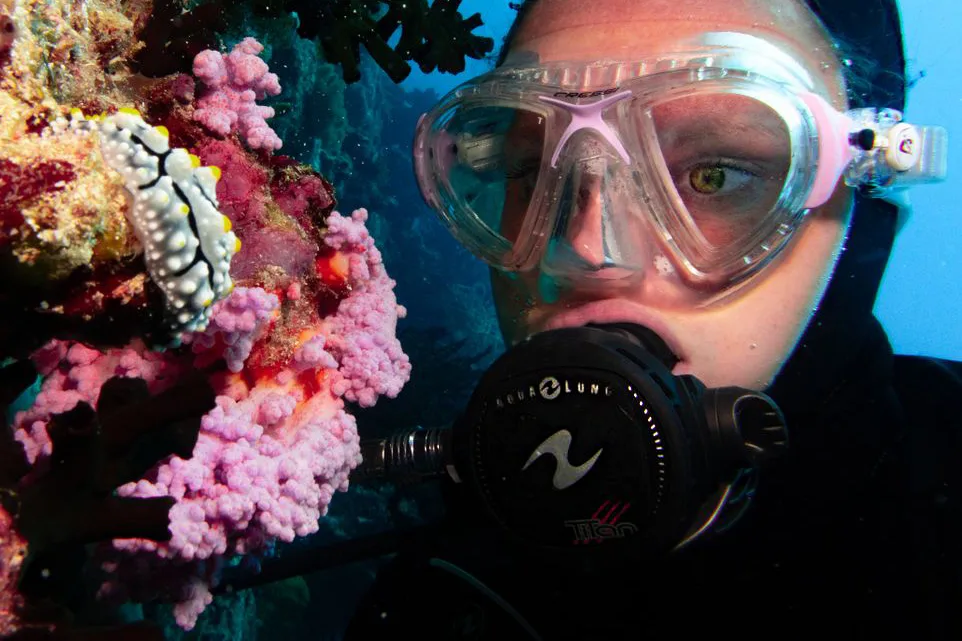
- Aqualung Titan Balanced diaphragm first stage means easier breathing at depth, and it’s rugged enough that dive centres run them in rental fleets. Arguably the best “buy once” budget choice.
- Scubapro MK2 EVO / R195 A bombproof unbalanced piston with cold-water EVO tweaks and barely any moving parts. Reliable, easy to live with, and a great backup reg once you upgrade.
Mid-range Regulators ($400–800)
This is the tier most regular divers should actually be looking at, and the one I’d point a serious beginner toward. Here you get a balanced first stage (consistent, easy breathing at any depth and any tank pressure) and usually environmental sealing, which opens up colder and murkier water. This is the sweet spot where price and performance meet, and where a reg stops being “fine” and starts being something you forget you’re breathing from.
- Scubapro MK17 EVO 2 / C370 Scubapro’s mid-range all-rounder. Environmentally sealed and air-balanced, so it breathes smoothly and laughs off cold, salt and silt. The reliable choice many instructors actually dive.
- Aqualung Helix Pro Balanced first and second stage with venturi control; light, consistent, and a favourite of working dive pros for near-daily use.
- Apeks XTX50 Apeks’s mid-range workhorse, and the one many divers never bother upgrading from. Over-balanced diaphragm, environmentally sealed, with adjustable breathing control. Rugged, reliable, and built to last a lifetime.

Premium Regulators ($800–1,200+)
Titanium internals, the smoothest breathing money buys, and often longer service intervals (some premium regs stretch to every two or three years instead of annually). You’re paying for marginal gains in performance, real gains in durability and weight, and the features working pros and tech divers genuinely use. Lovely to own, not necessary for most recreational divers.
- Apeks EVX200 Apeks’s new flagship regulator. Over-balanced diaphragm for effortless breathing at depth, extreme cold-water rating, and the rugged, adjustable build serious divers trust anywhere.
- Aqualung Legend (Leg3nd) The flagship from the brand that invented the regulator. Over-balanced diaphragm, excellent cold-water performance, and ACD protection against contaminants. Smooth, refined, and built to last.
- Scubapro MK25 EVO/S620Ti High-airflow air-balanced piston first stage with thermal insulation for cold water, matched to the proven S600 second stage with adjustable inhalation and a Venturi switch. Effortless, consistent breathing at any depth, and built to take years of hard diving.
Second-Hand Regulators
Out of all your diving gear, your regulator is the one place not to cut corners. I usually encourage people toward second-hand gear because it’s sustainable and saves real money. The regulator is my one exception. You can’t see a reg’s history, and the history is the whole point. A used or rental reg has passed through a lot of hands, and any one of them could have dropped it, knocked it against a tank, or banged it on a boat ladder without a word to anyone. Damage like that doesn’t always show on the outside, but it’s exactly the kind of thing that turns a regulator into a liability at depth.
If you do buy used, treat the service as non-negotiable. Buy it only on the condition that a technician can strip it, service it, and confirm there’s nothing wrong before it ever touches a tank, and factor that service cost (and any replacement parts) into the price you’re paying. A “bargain” reg that needs $120 of work and two worn parts isn’t always the bargain it looked like. Stick to recent models from brands still making parts, too, because a beautifully priced vintage reg is worthless the moment its service kit is discontinued.
Looking After Your Regulator
As I stated before, a good regulator will serve you for years, BUT only if you treat it well. The basics are simple: after every ocean dive, rinse it thoroughly with fresh water to flush out the salt and grit that quietly corrode it from the inside (keep the first-stage dust cap on while you do, water in the first stage is bad news, like … horrific news ‼️). Let it dry out of direct sunlight, then store it loosely coiled somewhere cool and dry, never crammed tight or left baking in a hot car. Don’t skip the annua/bi-annual service on top of that, and your reg will outlast far more expensive mistakes. Remember: salt is the enemy, fresh water is the cure, and a few minutes of care after each dive buys you years.
In closing

My Hollis story isn’t a reason to fear buying gear, it’s a reason to buy smart. A regulator is a relationship that lasts years, through servicing, the occasional warranty claim, and, rarely, a recall. So before you fall for a spec sheet, spend twenty minutes checking how the company treats people after the sale.
- Search “[brand] warranty claim” and “[brand] recall,” not just reviews. Anyone can post a glowing review on day one. What you want is how the brand behaved when something went wrong, two years in. Dive forums like ScubaBoard are where the real stories live.
- Check that parts and service exist where you are. A brilliant reg is useless if no technician near you is certified to service it, or if the service kits take months to ship. Ask your local dive shop which brands they can service in-house.
- Read what voids the warranty. Strong warranties (some even “free parts for life”) are often conditional on annual servicing through an authorised dealer. And only apply to specific regions, not worldwide (like Hollis). Know the strings before you rely on the promise.
- Favour a long track record and a wide service network. The big, established names aren’t the most exciting, but they’re the ones still answering the phone, and still making your parts, a decade from now.
None of this guarantees you’ll never get unlucky. Supposedly, I did everything right and still got burned. But buying from a brand with a real reputation for standing behind its gear stacks the odds in your favour, and means that if something does go wrong, you’re far more likely to have someone in your corner.
Buy well. Breathe well. The rest takes care of itself. Once you have your regulator sorted, the BCD is the next decision that will define every dive. If you want to see how the regulator fits into a full travel-ready kit, read the guide to buying your own scuba gear.