Today David Attenborough turns 100.
There will be tributes today from governments, conservation organisations, and anyone who has ever sat in front of a television and felt the ocean become real to them in a way it had not been before. The BBC is airing a special. The Royal Albert Hall is hosting an event. Forty-plus species have been named after him. The accolades are deserved and will be numerous.
I want to talk about something more specific. What he actually did for the sea.
Before Attenborough, the Ocean Was Somewhere Else
The deep ocean was not something most people had a relationship with before the age of nature television. It was abstract. Dangerous, unknowable, relevant only to fishermen and sailors. The idea that you might care about it, worry about it, fight for it, was not a mainstream position.
Attenborough did not create ocean conservation. The scientists, the divers, the researchers, the activists were already there. But he gave the sea an audience. And an audience, given the right footage and the right voice at the right moment, becomes a public. And a public can eventually become a political force.
His BBC career began in 1954 with Zoo Quest. Life on Earth, screened in 1979, was watched by 500 million people worldwide and made him a household name. But it was the ocean work that changed things at a different scale.
Blue Planet and What It Opened
Blue Planet in 2001 was the first time most viewers saw the deep ocean as a world. Not the surface, not coral reefs in the Caribbean, but the mid-water column, the hadal zones, the bioluminescent creatures that have never seen sunlight. It was genuinely alien footage from a place that existed on the same planet as a supermarket car park.
The response told you something about what people were waiting for. The series was not just watched. It was talked about. It changed how people described the ocean in conversation, in classrooms, in policy papers. It established a baseline understanding that the sea was not empty. That it was full of things. That those things were extraordinary. That they existed.
Blue Planet II and the Shift That Counted
Blue Planet II, broadcast in 2017, is where the work became political.
The series reached 14 million viewers in the UK. It was exported to 30 countries and watched by 750 million people worldwide. But the number that matters most is what happened afterwards.
Online searches for “dangers of plastic in the ocean” doubled in the weeks after broadcast. Searches for “plastic recycling” increased by 50%. The Environmental Audit Committee published a report on plastic litter. Policy conversations began that had previously been stuck. The research on whether Blue Planet II directly changed individual behaviour is mixed. People’s likelihood to actually choose plastic did not significantly shift. But what it did do was make the topic politically viable in a way it had not been before. It opened a window. Some policy walked through it.
This is the Attenborough effect. Not that a documentary solves a problem. But that it creates the public awareness that makes solving the problem politically survivable. That is how change tends to work. Someone has to make enough people care first.
Ocean: His Most Direct Statement
Last year, on his 99th birthday, he released Ocean. By his own standard it is his most direct conservation film, and the most unsparing. He called the industrial fishing methods of wealthy nations “modern colonialism at sea.” He showed bottom trawling, dragging weighted nets across the seafloor, in more detail than any documentary had managed before. The footage was described by marine biologists as “ecological vandalism.” That is accurate.
The film made its argument with evidence. Only 3% of the world’s ocean is under meaningful protection. At COP15, 200 countries signed up to protect 30% by 2030. Bottom trawling releases CO2 on the scale of global aviation annually. An area the size of the Amazon is trawled every year. In England, 74% of supposedly protected marine areas still permit trawling.
After the film released, polling found 75% of the British public supported banning trawling inside marine protected areas. 62% said a politician’s stance on ocean protection affected how they would vote. He had done it again. Made enough people care that ignoring the problem became harder.
What 100 Years Looks Like From the Water
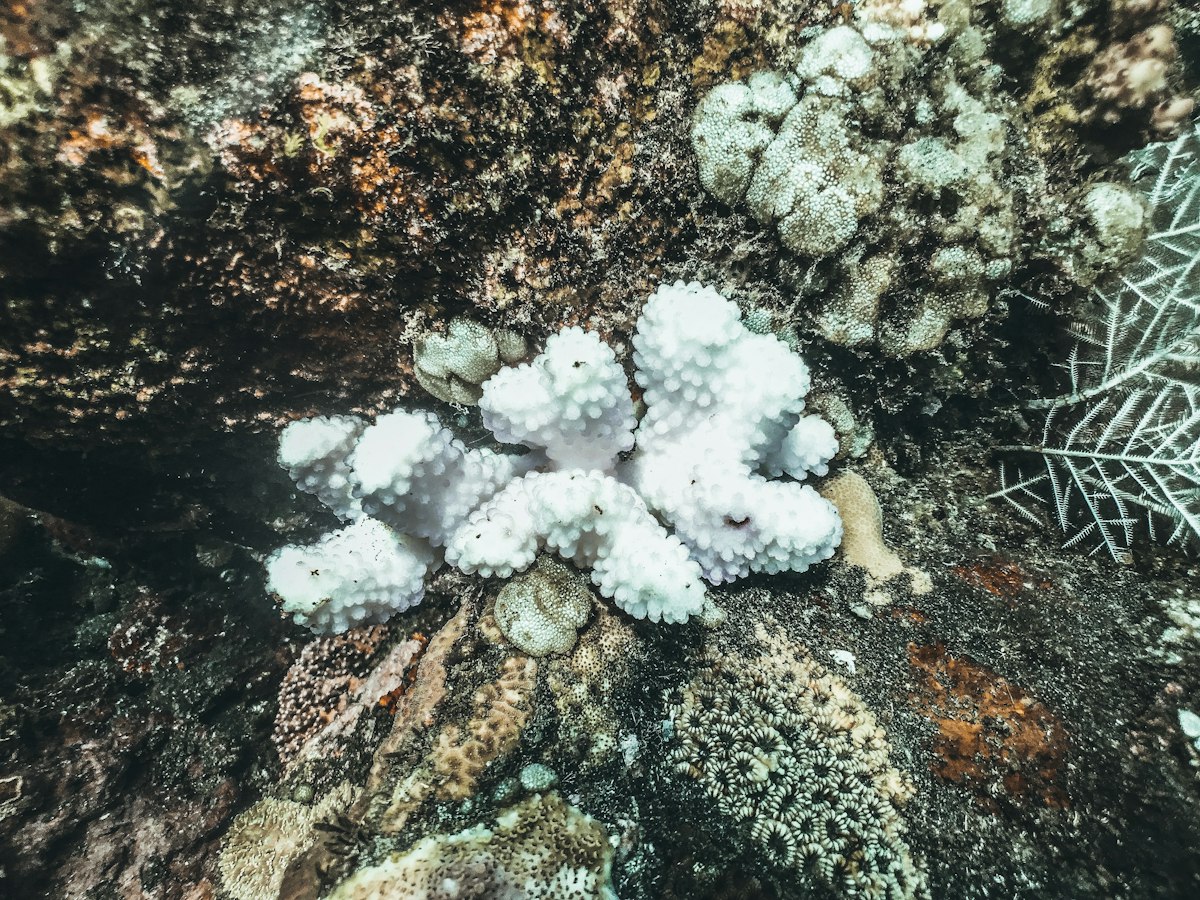
I became a diver in my late twenties, long after Blue Planet had already told me the ocean was worth caring about. By the time I was on my first reef, I already knew what a healthy one was supposed to look like. I had seen it in footage Attenborough narrated. When I eventually saw reefs that had been degraded, bleached, fished out, I knew what I was looking at because I had a reference point. That reference point came from television. It came, largely, from him.
The divers and researchers who work in places like Cabo Pulmo, where real protection began in 1995 and biomass increased by 460% in a decade, did not need Attenborough to tell them recovery was possible. They could see it. But the rest of the world needed someone to explain what they were seeing. That translation, from reef to living room, from data to understanding, from fact to feeling, is what he spent a century doing.
The ocean can recover. He has been saying it for years. The science is unambiguous. The recovery of coral reef ecosystems when given proper protection is documented across dozens of sites worldwide. The limiting factor has never been biological.
Happy 100th birthday, Sir David. The sea is better known because of you. That is not a small thing.