The Red Sea has always been a place divers return to. The visibility is exceptional, the water is warm, and the reef walls off Marsa Alam and the Sinai drop into a blue that feels genuinely different from the Pacific or Caribbean. What fewer people know, and what a new government decree has just made official, is that the reef running along the Egyptian coastline may be one of the most important coral ecosystems left on the planet.
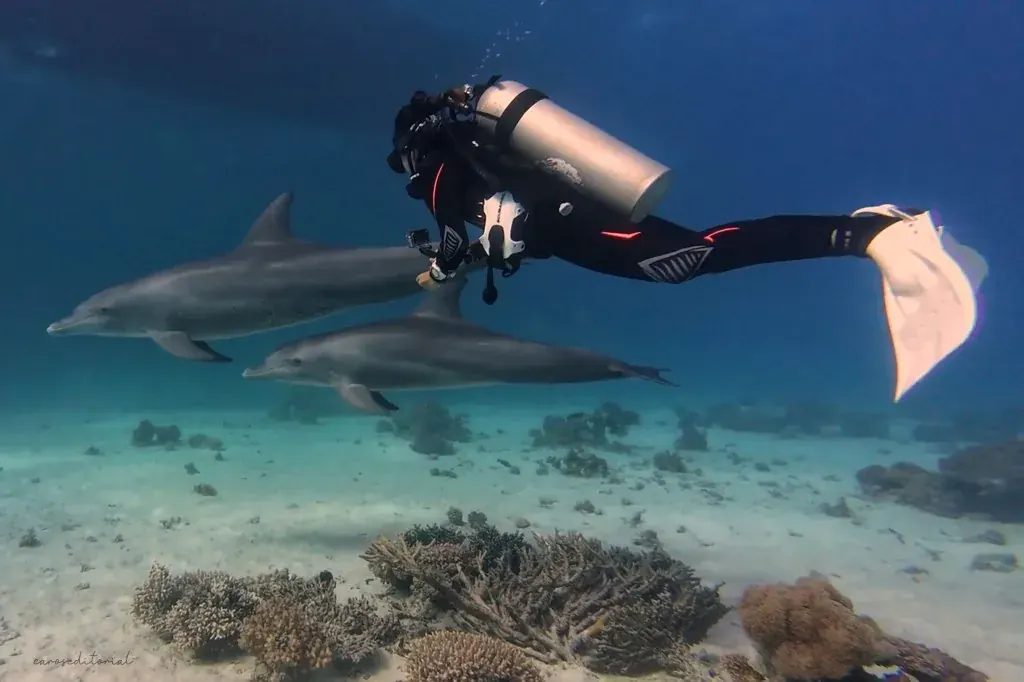
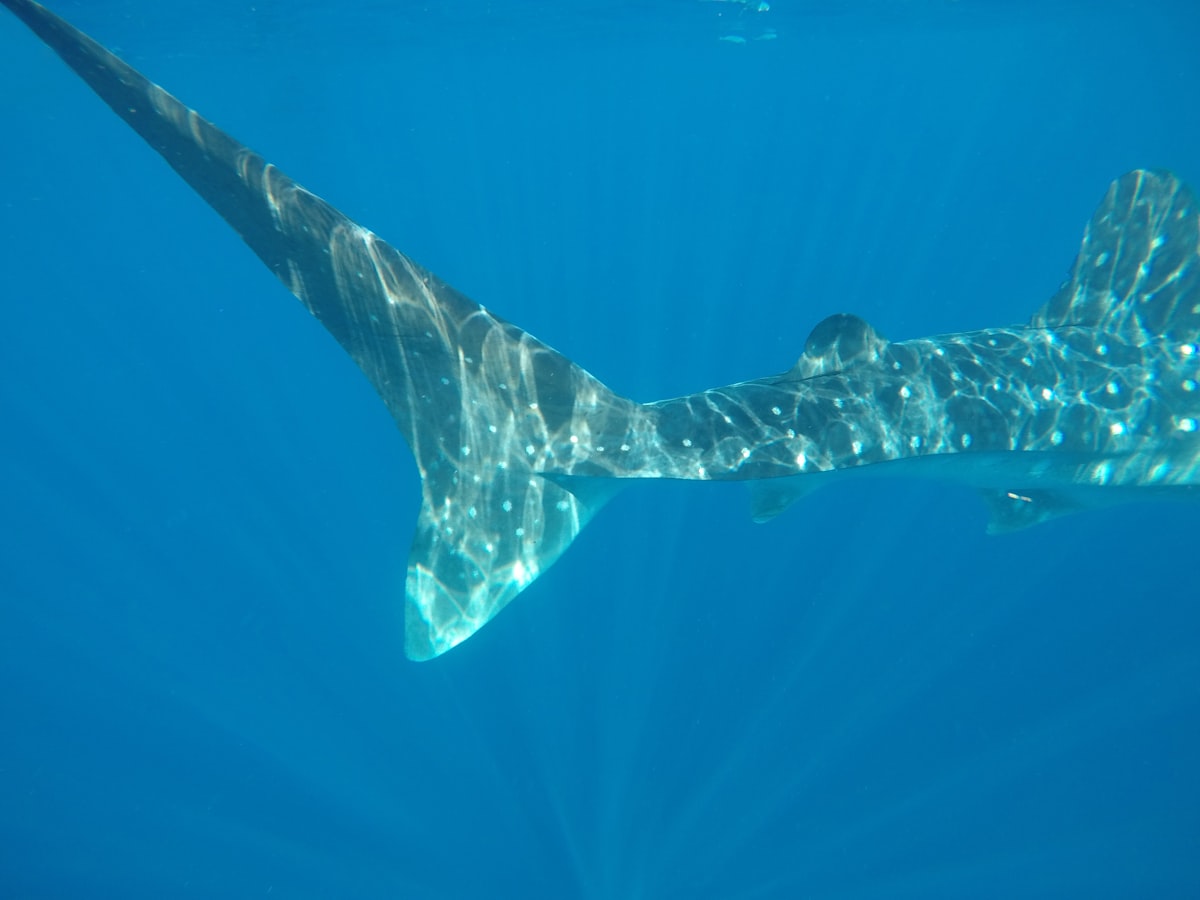
I spent three months diving the Egyptian Red Sea. In all of that time I saw two sharks. The dive guides I worked with talked about it openly: the population has been emptied out, and the locals point at post-COVID overfishing as the inflection point. The reef itself looked extraordinary. The thermal resilience was visible. The architecture was intact. But the fish that should have been there, and the predators above them, were not. That is the gap the new protection is being asked to close.
In late 2025, Egypt’s government issued Prime Ministerial Decree No. 4419, formally designating the Great Fringing Reef of the Egyptian Red Sea as a protected area. The announcement formalised years of campaigning by HEPCA, the Hurghada Environmental Protection and Conservation Association, and confirmed what Mission Blue had already recognised when they designated the area a Hope Spot: this reef is different, and different in a way that matters enormously.
What Is the Great Fringing Reef
The Great Fringing Reef runs for more than 2,000 kilometres along the shorelines of the Gulf of Aqaba, the Gulf of Suez, and the Egyptian Red Sea mainland, encompassing the fringing reefs of nearly 44 islands. It is not a single reef structure but a continuous system, one of the longest and most intact fringing reef networks anywhere.
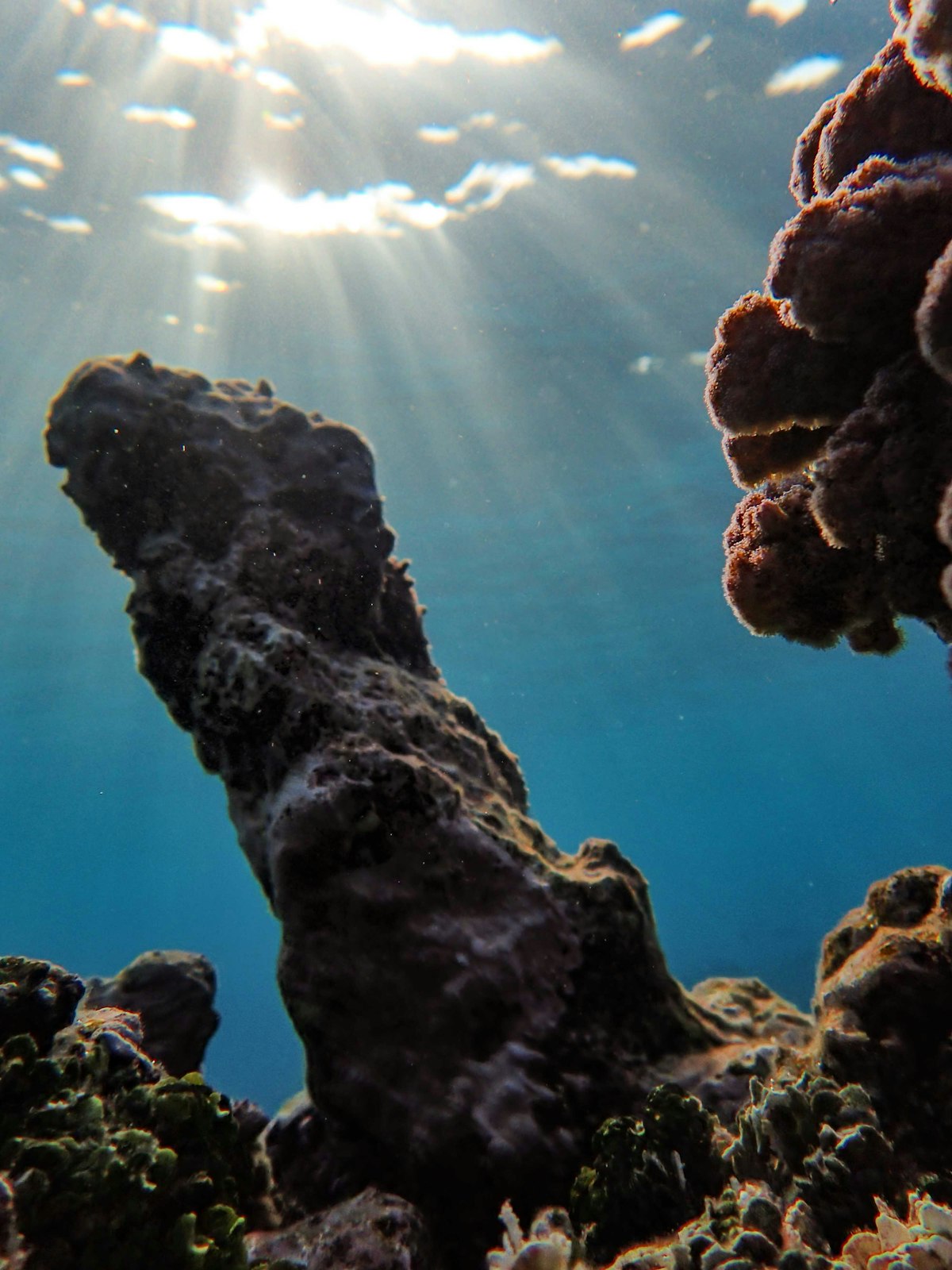
What makes it exceptional is its response to heat. While coral bleaching has reached crisis levels globally, the fourth mass bleaching event, declared in April 2024, has affected more than 84% of the world’s reefs, the Egyptian Red Sea reefs have shown unusual resilience. Scientists studying the system found corals surviving temperatures that would have bleached or killed colonies elsewhere. The reef appears to be a thermal refuge: a place where corals may have developed adaptive tolerance, and where the deep basins of the Red Sea moderate temperature fluctuations in ways that shallower reef systems cannot.
For coral conservation globally, thermal refuges like this are essential. They are the seed banks. If these populations survive the next decades of warming, they carry genetic material that future restoration efforts will depend on.
What the Designation Actually Does
The protection formalises restrictions on damaging activities within the reef system, including unregulated development, coastal construction, and industrial activity that had been expanding along parts of the Red Sea coastline. It establishes a legal framework for enforcement where previously the protections were inconsistently applied.
HEPCA, which has been operating in the Red Sea for over two decades, was central to building the scientific and political case. Their monitoring data, combined with research from Mission Blue and international partners, demonstrated both the ecological value and the vulnerability of the system, and that tourism, responsibly managed, is worth more than extraction.
The reef’s dugong population in particular benefits from this. Dugongs at Abu Dabbab rely on seagrass meadows in the shallows, exactly the kind of coastal habitat that development pressure had been eroding.
What It Means for Divers
Anyone who has dived the Red Sea understands, instinctively, that these reefs are something worth protecting. The Salem Express wreck sits in this protected zone. The reef walls at Elphinstone, the shark aggregations at the Brothers, the manta cleaning stations along the southern coast, all of this now sits within a legally recognised protected area.
What changes for visiting divers is accountability. Operators who anchor on coral, run boats over shallow reef, or service clients who collect marine life now face a legal framework rather than soft guidelines. Whether that framework is enforced depends on the Egyptian government’s commitment. But the designation exists, and advocacy groups can hold it to account in a way that was harder before.
Choose operators who already operate within the spirit of what this protection is trying to do. The Red Sea diving industry has a genuine economic interest in the reef remaining intact. That alignment is the strongest argument that this protection can work.