The first thing you see when the liveaboard approaches Malpelo after 36 hours at sea is the island itself, black basalt rising almost vertically from the Pacific, seabirds circling the cliffs, no sign of anything human. Then, anchored in the lee of the rock, a catamaran. Someone lives here. In one of the most remote stretches of ocean in the western hemisphere, someone has chosen to stay.
That choice is the reason Malpelo still looks the way it does.
What Malpelo Is
Malpelo is a UNESCO World Heritage Site and Colombia’s most significant marine protected area. The sanctuary covers roughly 857,000 hectares of open Pacific, one of the largest no-take marine reserves in the Americas. Within that area, commercial fishing is prohibited. All extraction is prohibited. The island and its surrounding waters exist as a functioning reference point for what an unexploited Pacific ecosystem looks like.
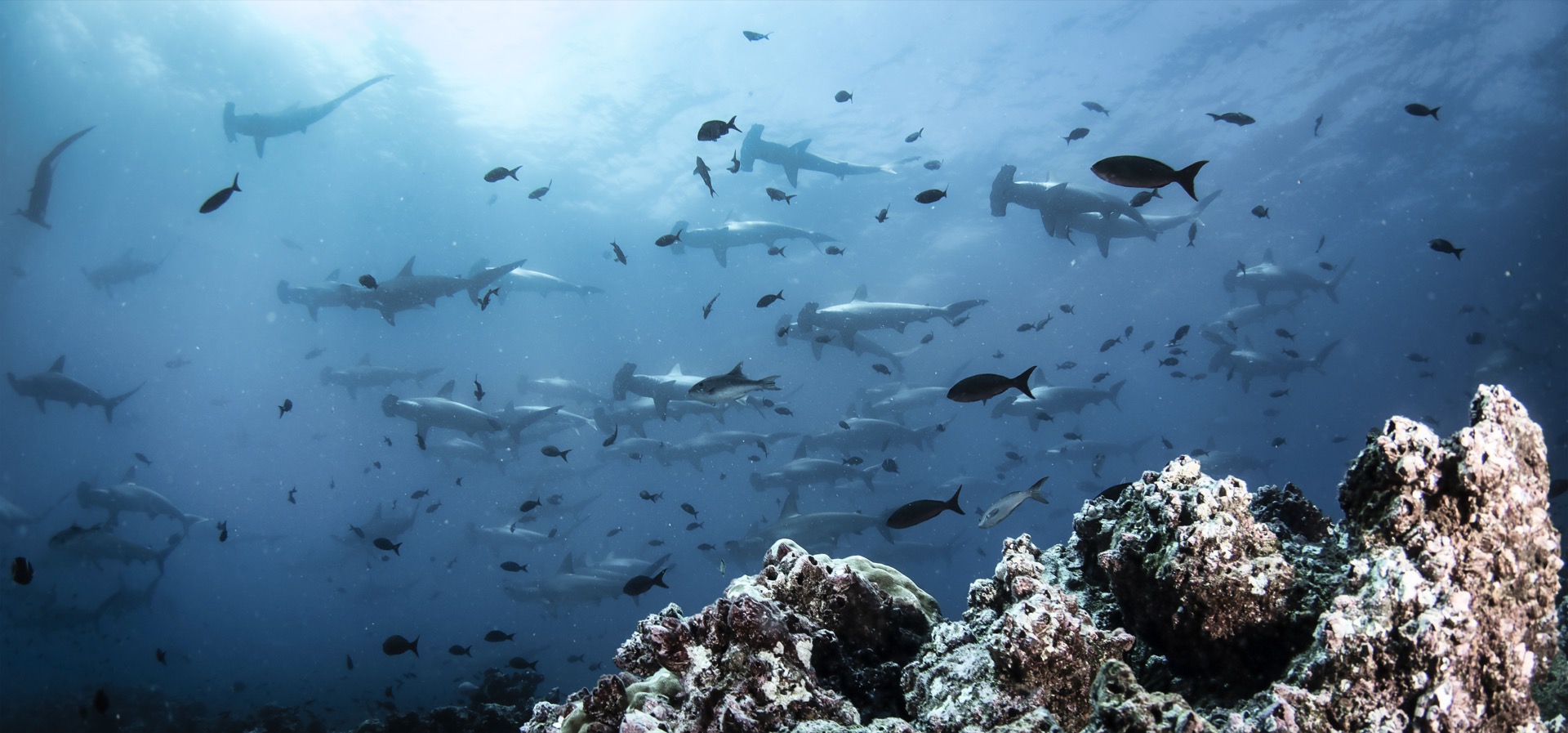
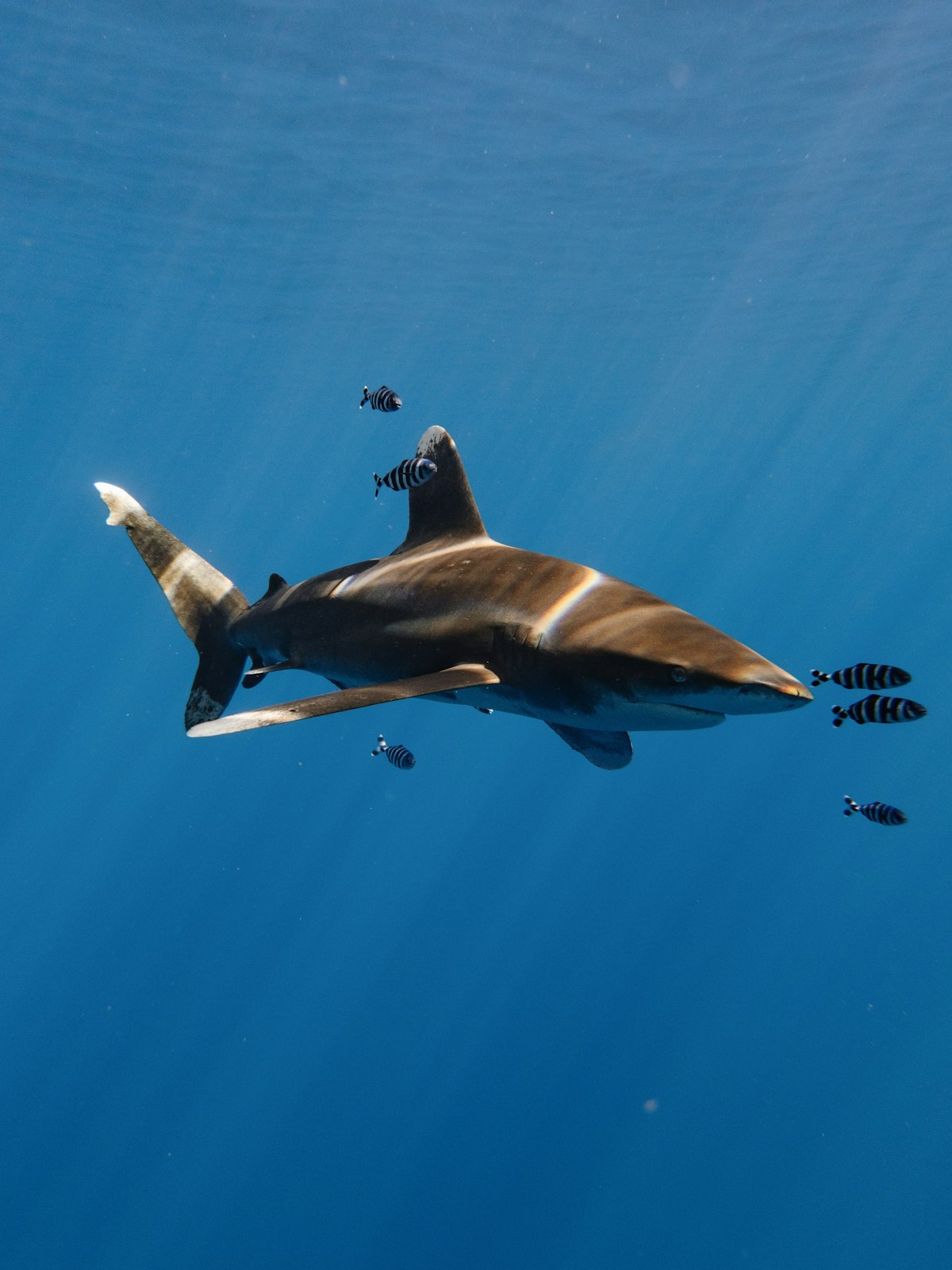
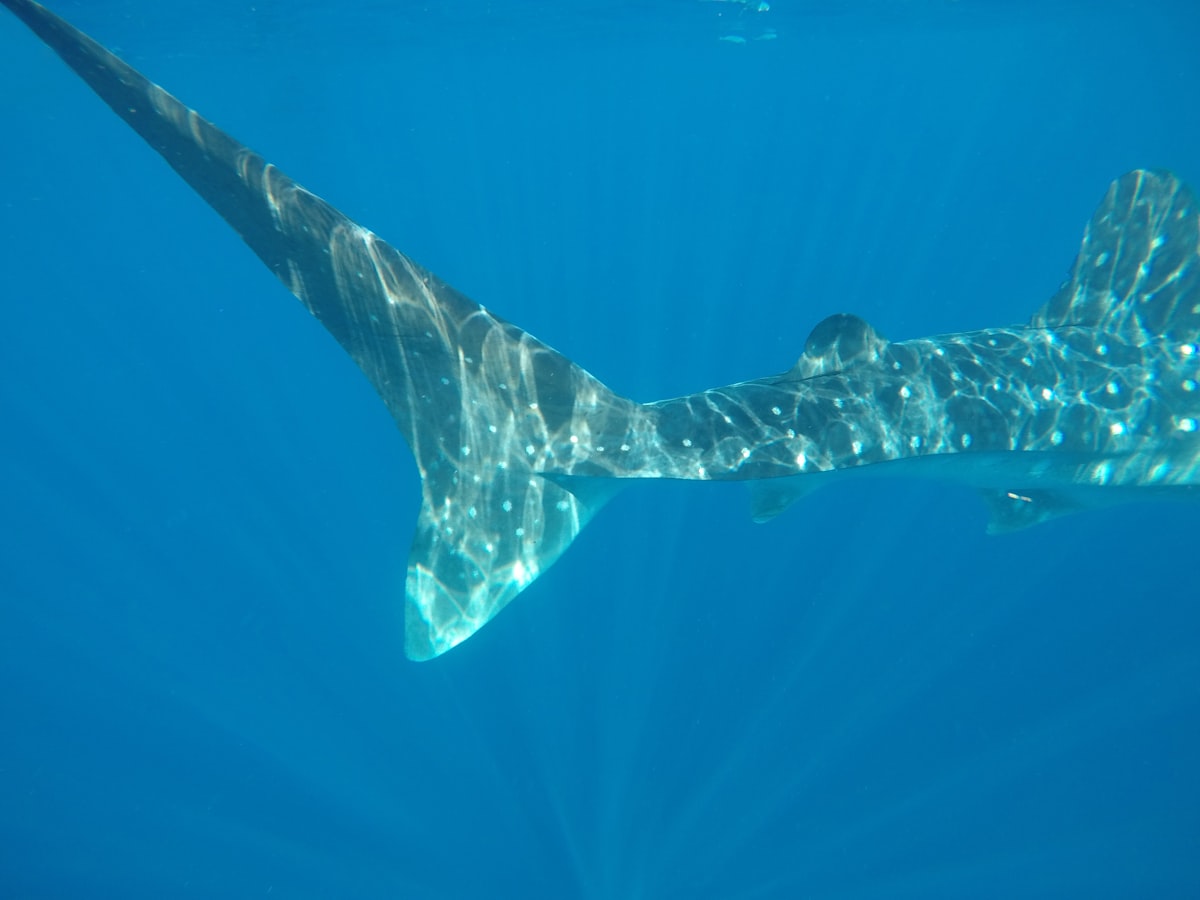
The marine life reflects this. Hammerhead sharks in schools of hundreds. Whale sharks appearing year-round. Silky sharks present on almost every dive. Malpelo records more shark species per dive than almost any other site on Earth. That is not an accident. It is the result of decades of protection, carried out by people who are there when nobody is watching.
The Threat
Five hundred kilometres of open ocean is not a deterrent for industrial fishing fleets. Malpelo sits in some of the most productive fishing grounds in the Pacific, and the sanctuary’s boundaries are lines on a chart, not walls. Illegal fishing vessels, many of them large longline and gillnet boats operating out of distant ports, cross into the protected area regularly. They are after tuna, sharks, and anything else the upwelling currents have concentrated around the seamounts.
The shark fin trade is part of this equation. Hammerheads, the signature species of Malpelo, are among the most targeted sharks globally. Their fins command high prices. The remoteness that makes Malpelo so ecologically extraordinary makes enforcement genuinely difficult. Without a permanent presence, the sanctuary would be, in practice, unprotected.
The People on the Catamaran
The catamaran anchored off Malpelo is not a research vessel in the conventional sense. It is home. The small crew who live aboard, rangers and conservation workers operating under the auspices of Colombia’s national parks authority and conservation organisations including Fundación Malpelo, are stationed there on rotation, monitoring the waters, documenting incursions, and maintaining a visible presence that makes illegal operators think twice.
Their work is unglamorous in the way that most real conservation work is. Long stretches of routine punctuated by confrontations with vessels that should not be there. Recording coordinates. Radioing reports. Living on a boat anchored to a rock in the open Pacific, far from anything, because the alternative is leaving the most important marine sanctuary in Colombia unwatched.
When we were at Malpelo, we saw what that presence meant. Dive sites that look the way dive sites have not looked in most of the world for decades. Sharks that are not afraid of divers because they have not learned to associate humans with danger. An ecosystem still doing what ecosystems are supposed to do.
Why It Matters Beyond Malpelo
Malpelo does not exist in isolation. The sharks that aggregate here travel. The hammerheads, the whale sharks, the silky sharks, they move across the Pacific, connecting Malpelo to the Galápagos, to Cocos Island, to the broader network of protected areas that form what researchers call the Eastern Tropical Pacific Seascape. What happens at Malpelo affects the whole corridor.
Marine protected areas only function when they are enforced. A sanctuary on paper that is fished in practice is not a sanctuary, it is a map with lines on it. The crew on that catamaran are the enforcement. They are why the lines mean something.
What Divers Can Do
Visiting Malpelo through a responsible operator matters. DivingLife, who ran our expedition, holds conservation partnerships and contributes to the visibility of the sanctuary as a place worth protecting. The economics of dive tourism, boats booking passages, permits being purchased, the wider attention that comes with people writing and talking about Malpelo, are part of what makes the case for continued protection.
The simplest thing a diver can do is go, and tell people what they saw. The full diving guide to Malpelo covers everything you need to plan the trip. Malpelo is one of the last places on Earth where the ocean works at full volume. The people keeping it that way deserve to be known.