The Caribbean coast of Colombia does not appear on most divers’ lists. It should. The dive sites along this stretch of coast sit inside Tayrona National Park, one of the country’s oldest protected areas, and the reef life is doing better than a lot of the Caribbean that has been more visited and less protected.
I am Colombian, but this coast was not the diving I started with. It was the diving I came back to. The walls and reef structures inside Tayrona are the kind of accessible Caribbean reef that most divers travel to Cozumel or Roatan to find, with a fraction of the volume and inside a national park boundary that still means something.
The Diving
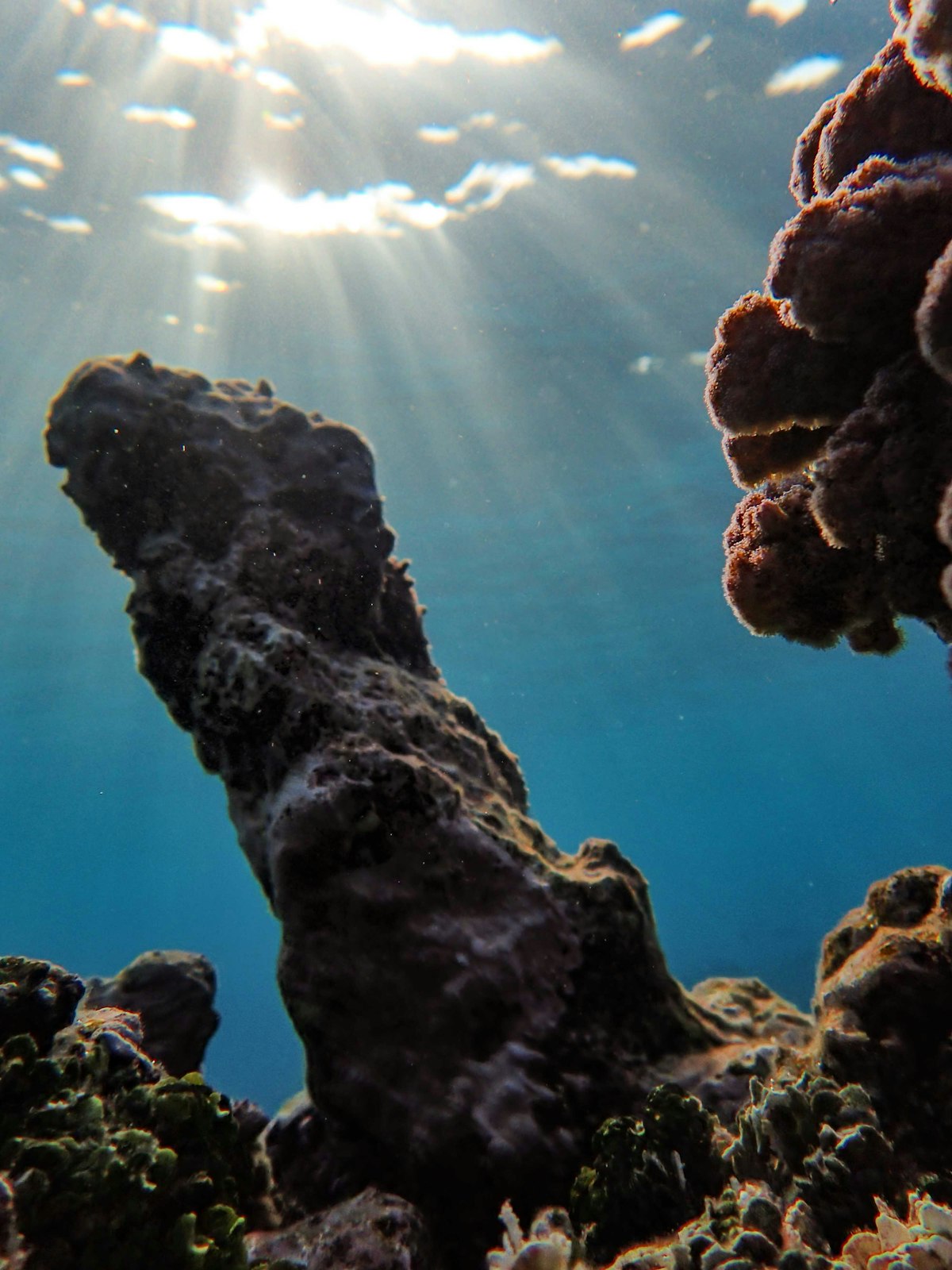
The dive sites within Tayrona National Park sit between roughly 8 and 30 metres. They are reef structures and walls covered in sea fans, brain corals, and great domes of star coral that look like small cathedrals when the light hits them from above. Visibility runs between 10 and 20 metres depending on the season, peaking in February and March.
The reefs are dived from boats out of Santa Marta. The park itself is a protected area, which has implications for how the diving is run, where boats can anchor, and how many divers any one site sees on a given day. It is the kind of regulation that you notice only when you have dived enough places where it does not exist.
Marine Life
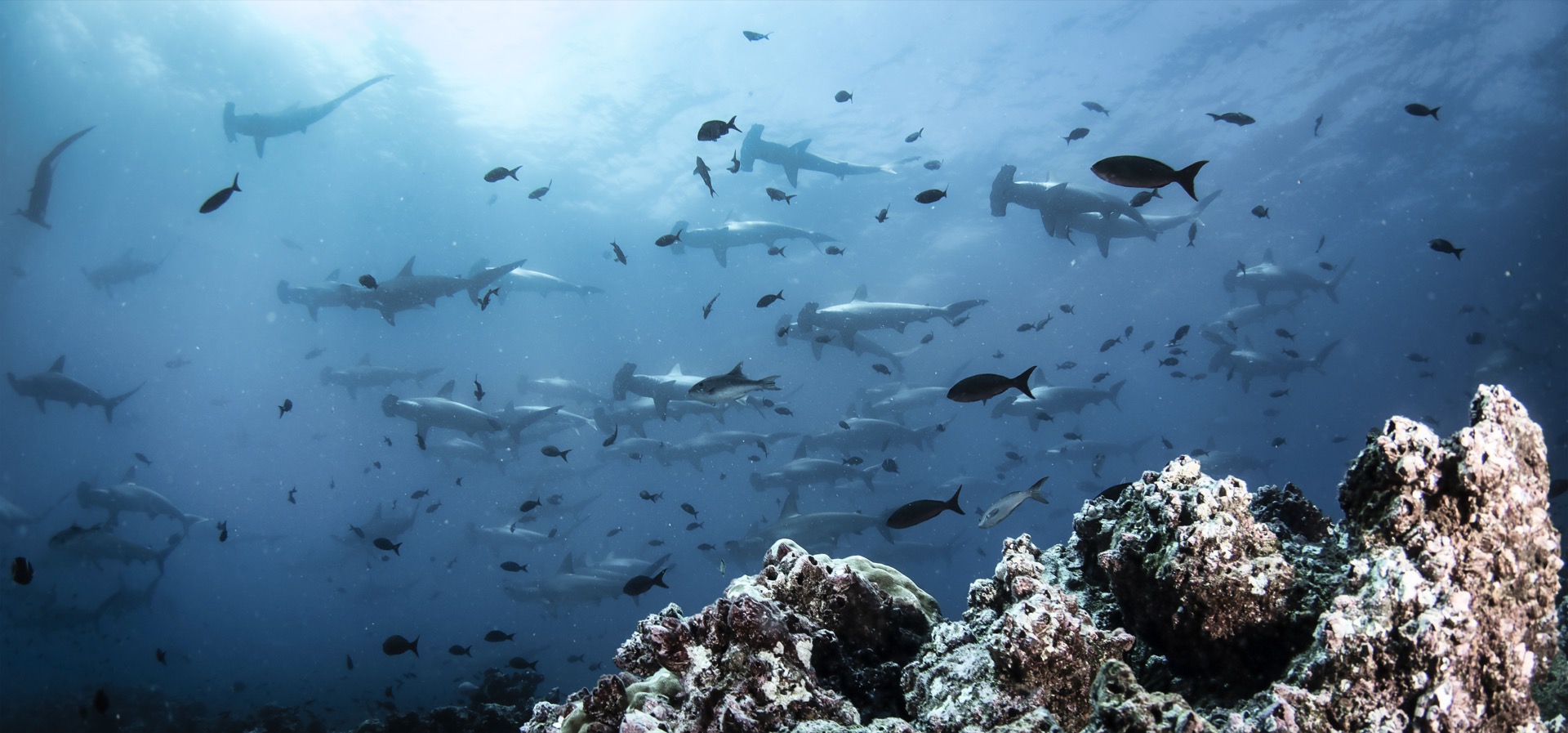
The Caribbean reef species are present in the numbers a healthy reef should produce. Queen angelfish, French grunts, trumpetfish, barracuda hanging motionless in mid-water. Nurse sharks rest under coral overhangs. On night dives the reef changes entirely. Octopus hunting, lobsters walking openly across the sand, parrotfish visible in their mucous cocoons.
The coral health is genuinely good by Caribbean standards. Branching elkhorn and staghorn corals appear in several sites, both species that have largely disappeared elsewhere in the region.
The Port Question
Santa Marta is one of Colombia’s most important commercial ports. The Sociedad Portuaria de Santa Marta operates from the city’s main bay. A separate coal-handling terminal further south, between Santa Marta and Ciénaga, has been operating since 1982. Together they have generated decades of vessel traffic, dredging, sediment plumes, and the chronic chemical pressure that comes with industrial port operations on a tropical coastline.
What the port and coal terminal actually did to the surrounding reefs is harder to answer than it should be. No comprehensive baseline survey of the reefs existed before the ports were built. Punta Betín, the rock mass at the northern end of the city, is the home of the Instituto de Investigaciones Marinas y Costeras (Invemar), Colombia’s main marine research institute, and reef monitoring at the bay-reef level has been ongoing for years. But it post-dates the major port infrastructure, which means the comparison point is a reef that was already changing.
The reef inside Tayrona National Park has been less affected. Some of that is the protected status, holding since 1969. Some of it is geography. The coastline turns east of the city, and the bays inside the park sit far enough from the port plume that the chronic sediment and contaminant pressure does not reach them in the way it reaches the bay reefs nearer the city.
It is, in its own way, a useful reminder that conservation is often the difference between a reef that has data on its history and a reef that does not.
When to Go
The driest and clearest months are December through April. Visibility peaks in February and March. From May onwards, rain increases and visibility drops, but diving remains possible and the sites are even more empty.
Tayrona is doing what most of the Caribbean is no longer able to. For Colombia’s other great dive destination, wilder, more remote, and unlike anything else in the Pacific, read about Malpelo Island and the shark superhighway. And for the story of how Colombia keeps its most important sanctuary protected against illegal fishing, read about the guardians of Malpelo.