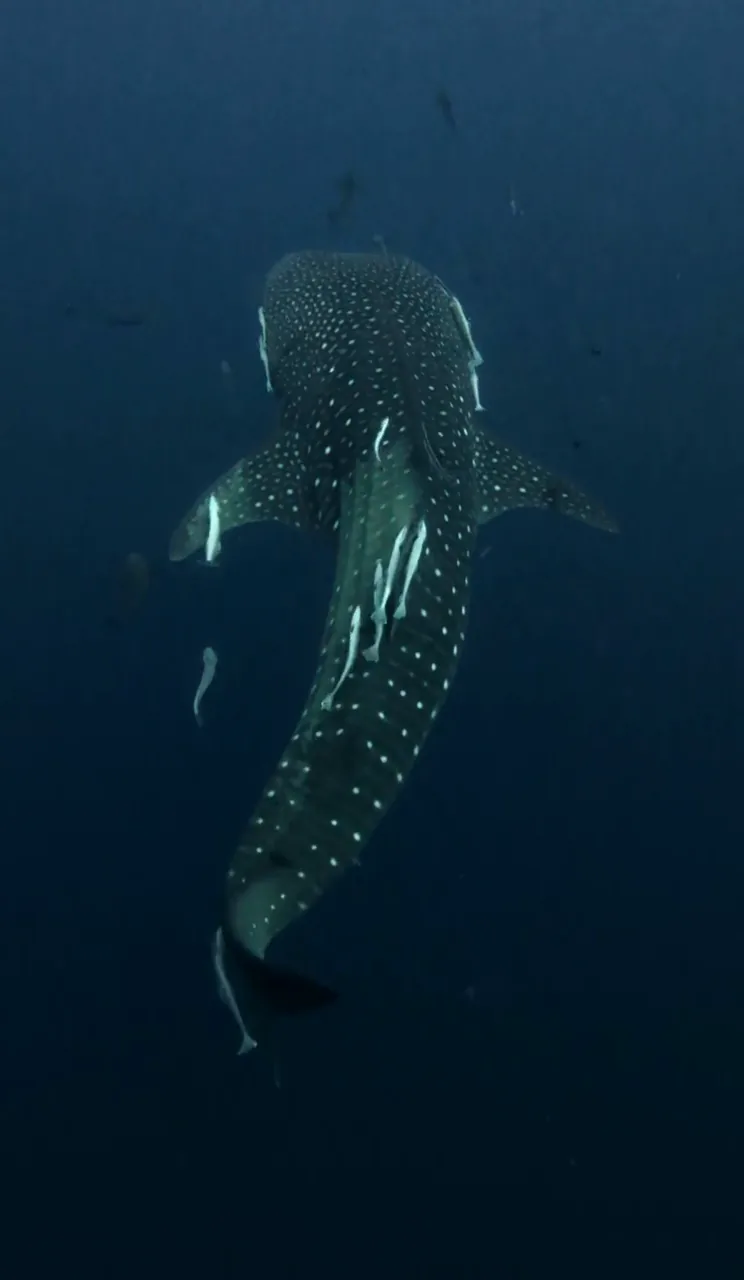
It appeared from below. One moment there was open blue water, and then there was something vast moving through it, resolving slowly into the unmistakable silhouette of a whale shark: the wide flat head, the white-spotted grey body, the long scythe of the tail pushing it forward at a pace that looked leisurely and covered ground quickly.
I was at around 18 metres on Chumphon Pinnacle, one of Koh Tao’s best open-water sites, and I had been waiting for this for three days.
Koh Tao as a Dive Destination
Koh Tao is Thailand’s dive island. It has been certifying divers for decades and the infrastructure shows: dozens of reputable operators, fast boats, well-maintained equipment, and guides who know every metre of the sites. For a first diving holiday it is hard to beat. For experienced divers, the pinnacle sites in the north deliver genuinely world-class encounters.
The island is small and easy to navigate. Most dive operators are based in Mae Haad or the north coast around Sairee Beach, and most of the best sites are a 20 to 40-minute boat ride away.
The Whale Shark Sites
Whale sharks in Koh Tao are most reliably encountered at the deeper, current-exposed pinnacle sites.
Chumphon Pinnacle is the top site. Rising from 36 metres to around 14 metres below the surface, it attracts schooling chevron barracuda, giant trevally, and periodic whale shark passes. The current can be strong; this is a dive for those comfortable with some drift.
Sail Rock sits between Koh Tao and Koh Phangan and is one of the best dive sites in the Gulf of Thailand. A vertical chimney runs through the pinnacle from 5 to 18 metres. Whale sharks are seen here regularly, especially between March and May and again from October through December.
Southwest Pinnacle is shallower and slightly more protected, which makes it a good alternative when conditions are rough elsewhere. Whale shark sightings here tend to be more occasional but the site is reliably excellent for reef life regardless.
The Encounter
Whale sharks are filter feeders. They are not interested in divers and they do not change course for them. The rule is simple: do not touch, do not chase, and do not position yourself above the animal. Swim alongside and let it set the pace.
On Chumphon that morning, the shark stayed at around 15 metres for perhaps six minutes before descending back into the blue. It was around six metres long, a juvenile by whale shark standards. It paid us no attention whatsoever, which is exactly the right relationship.
When to Go
Whale shark sightings in Koh Tao peak in two windows: March through May, and October through December. The island has two distinct weather seasons: the dry northeast monsoon from November to April brings calm seas and good visibility on the east side, and the southwest monsoon from May to October can bring rougher conditions but also different sites open up.
Visibility across the island averages 15 to 20 metres, and water temperature sits between 27 and 30 degrees year-round.
Practical Notes
Certification to Advanced Open Water is recommended for the pinnacle sites due to depth and potential current. Most operators will rent full equipment. Nitrox is widely available and worth considering for multiple-dive days at depth.
The encounter is not guaranteed. Come for the diving, and let the whale shark be the thing that makes it extraordinary. To understand why these encounters remain possible at all, read about marine protected areas and the ongoing shark fin trade that threatens populations like these globally.