The sachet economy is the largest plastic problem most Western divers have never heard of. Around 855 billion of these small sealed packets are sold every year. Southeast Asia takes close to half of them. The projection is 1.3 trillion by 2027.
If you grew up in Europe, North America or Australia, a sachet is a ketchup packet, a hotel shampoo, a free sample taped to a magazine. Something marginal. In much of the world it is not marginal at all. It is how shampoo is bought. How coffee is bought. How detergent, soy sauce, cooking oil, toothpaste, instant noodles and drinking water are bought, every day, by hundreds of millions of people.
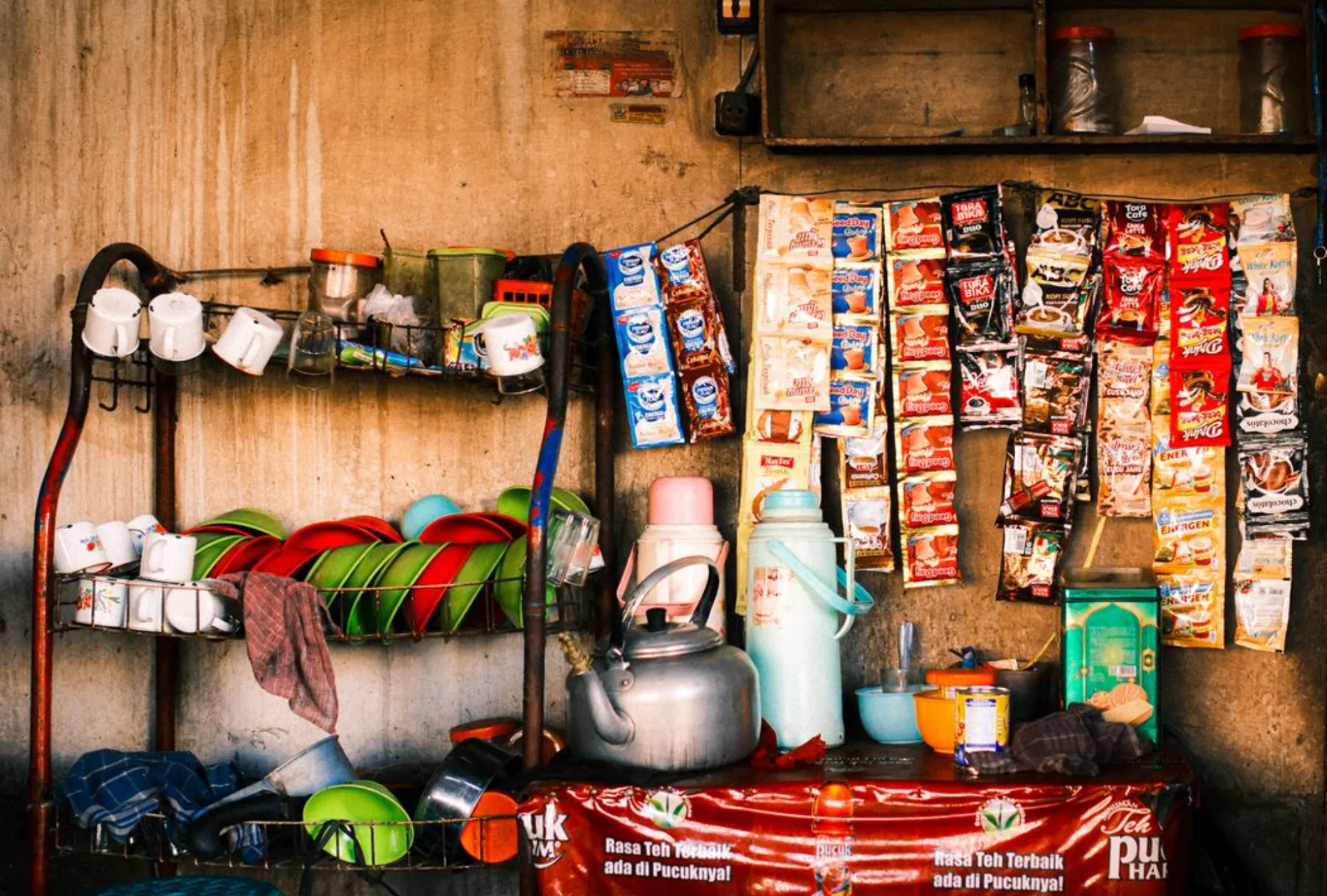
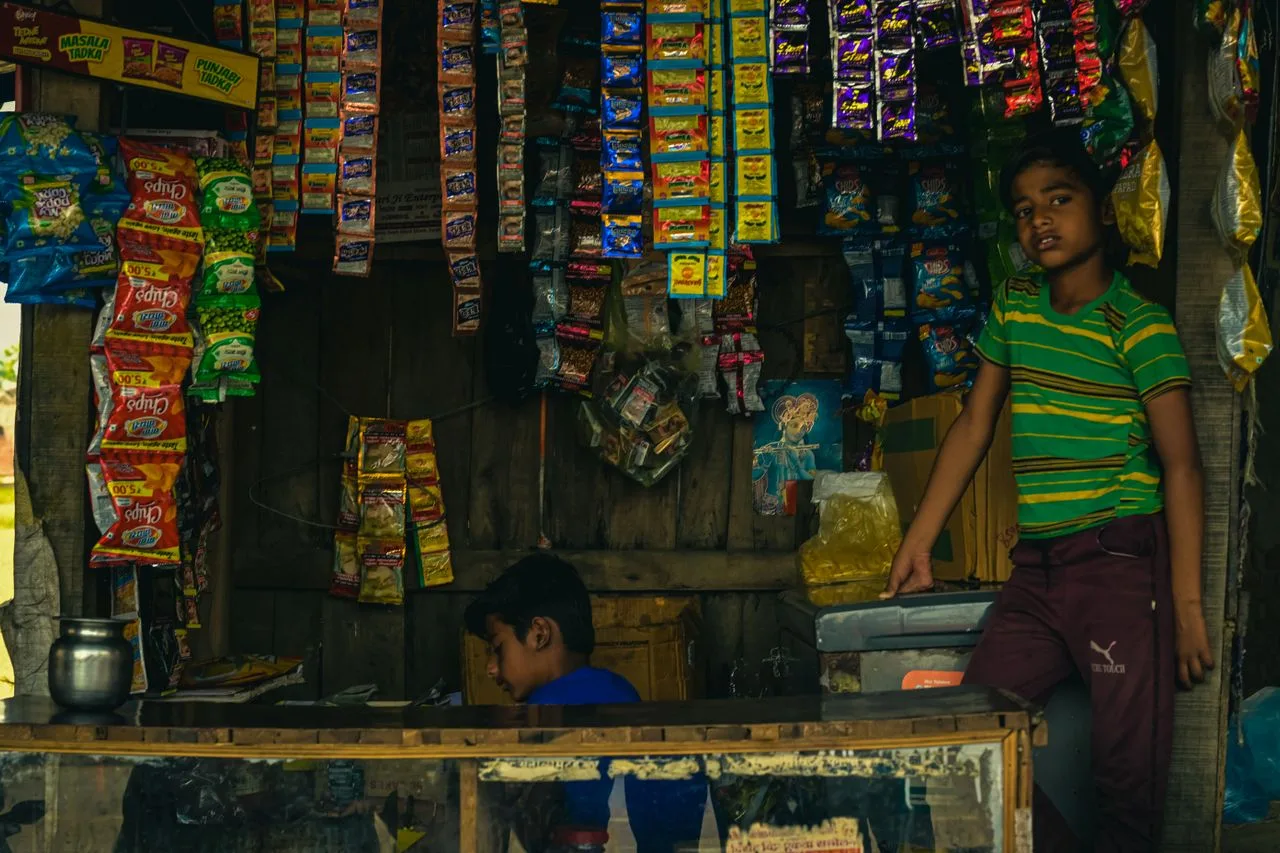
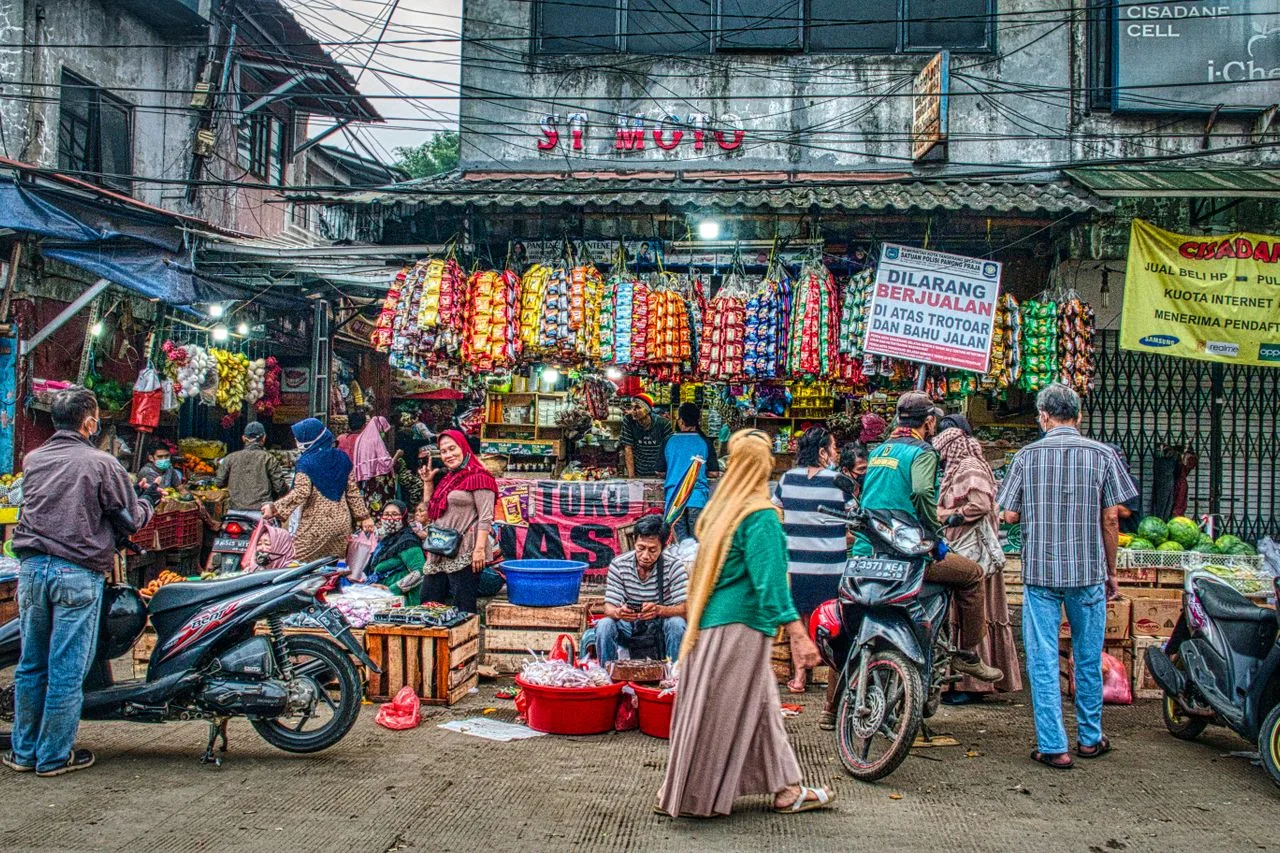
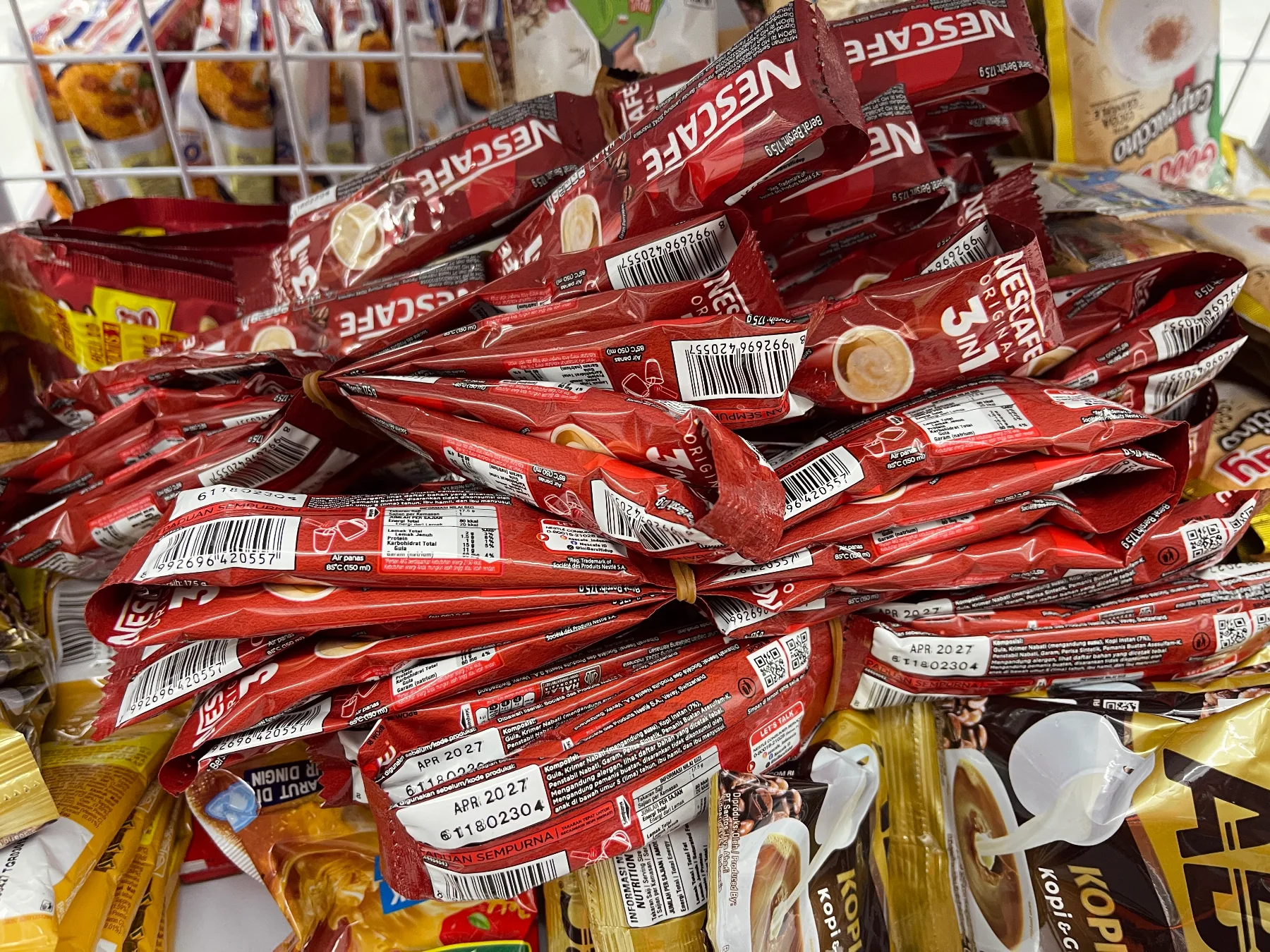
I have seen this most in Indonesia and the Philippines. You get used to a particular kind of shop: a shack, sometimes barely bigger than the person sitting inside it, with the whole frontage covered floor to ceiling in sachets. Long shiny strips of them hanging in rows, still joined together, coffee beside shampoo beside detergent. A wall of color you can pick out from down the road.
It took me a while to understand what I was actually looking at. Not carelessness. An economic system, running exactly as designed.
What Is the Sachet Economy?
A sachet is a single-serve packet, usually between 5 and 50 milliliters, sealed and shelf-stable, sold for the equivalent of a few cents.
The sachet economy is what happens when an entire retail system reorganizes around that format. In the Philippines it is called tingi, buying in small portions. Indonesia, India, Vietnam, Nigeria, Ghana, Kenya, Bangladesh and much of Latin America run some version of the same thing.
The logic is household cash flow, not preference. Most families in these markets budget daily, not monthly. A tricycle driver, a market vendor, a fisherman paid on the day is not short of money in the abstract. They are short of money at the moment of purchase. A full bottle of shampoo might cost the equivalent of a day’s earnings. A sachet costs the equivalent of ten minutes. The bottle is not expensive, it is simply not available to someone who cannot assemble that much cash at once.
There is also no storage problem to solve, no fridge to fill, no bulk to carry home, and no risk in trying a product you have never used before.
In the Philippines this runs through roughly 1.3 million sari-sari stores, small shops operating out of the front of houses, serving the overwhelming majority of households. In Ghana and Nigeria it runs through street hawkers. In India it runs through kirana stores. The infrastructure is different everywhere. The math is identical.
Two things follow from that, and both matter.
The first is that this is not a system anyone can opt out of by deciding to be more responsible. The second is that the practice of buying small is much older than the plastic. In the Philippines, tingi originally meant bringing your own container for liquids and taking dry goods wrapped in newspaper. The behavior was already there, and it was already low waste. What changed was the packaging that got poured into it.
Where the Sachet Came From
The story starts, as far as anyone can trace it, in a shed in Tamil Nadu.
In the 1970s a small manufacturer in Cuddalore named Chinni Krishnan started packing products in tiny quantities on the reasoning that people who could not afford a bottle could afford a spoonful. He died before the idea took off. His son, C.K. Ranganathan, launched Chik shampoo in sachets in 1983, priced under a rupee, targeted squarely at rural South India. The first month sold twenty thousand of them. The company became CavinKare.
The multinationals had written off this market entirely. Their assumption was that low-income consumers could not afford the product, so they were not worth selling to. Chik proved the assumption wrong, and Hindustan Unilever and the rest moved fast. Some accounts credit Unilever’s Indian subsidiary with commercializing the format at scale in the 1980s. Today around 70 percent of shampoo sold in India goes out in sachets.
From there it spread through the entire fast-moving consumer goods playbook. In 2004, C.K. Prahalad’s “The Fortune at the Bottom of the Pyramid” gave it an intellectual framework and a business-school vocabulary. Serve the poorest four billion consumers profitably, in units they can afford. It was pitched, sincerely in many cases, as a development strategy.
What nobody costed was the packaging after the fact. The sachet was engineered to survive tropical heat and humidity on an unrefrigerated shelf for months. It was not engineered to be picked up again.
Why Sachet Packaging Cannot Be Recycled
This is the technical heart of the problem and it is worth understanding properly, because it is the reason a sachet behaves so differently from a plastic bottle.
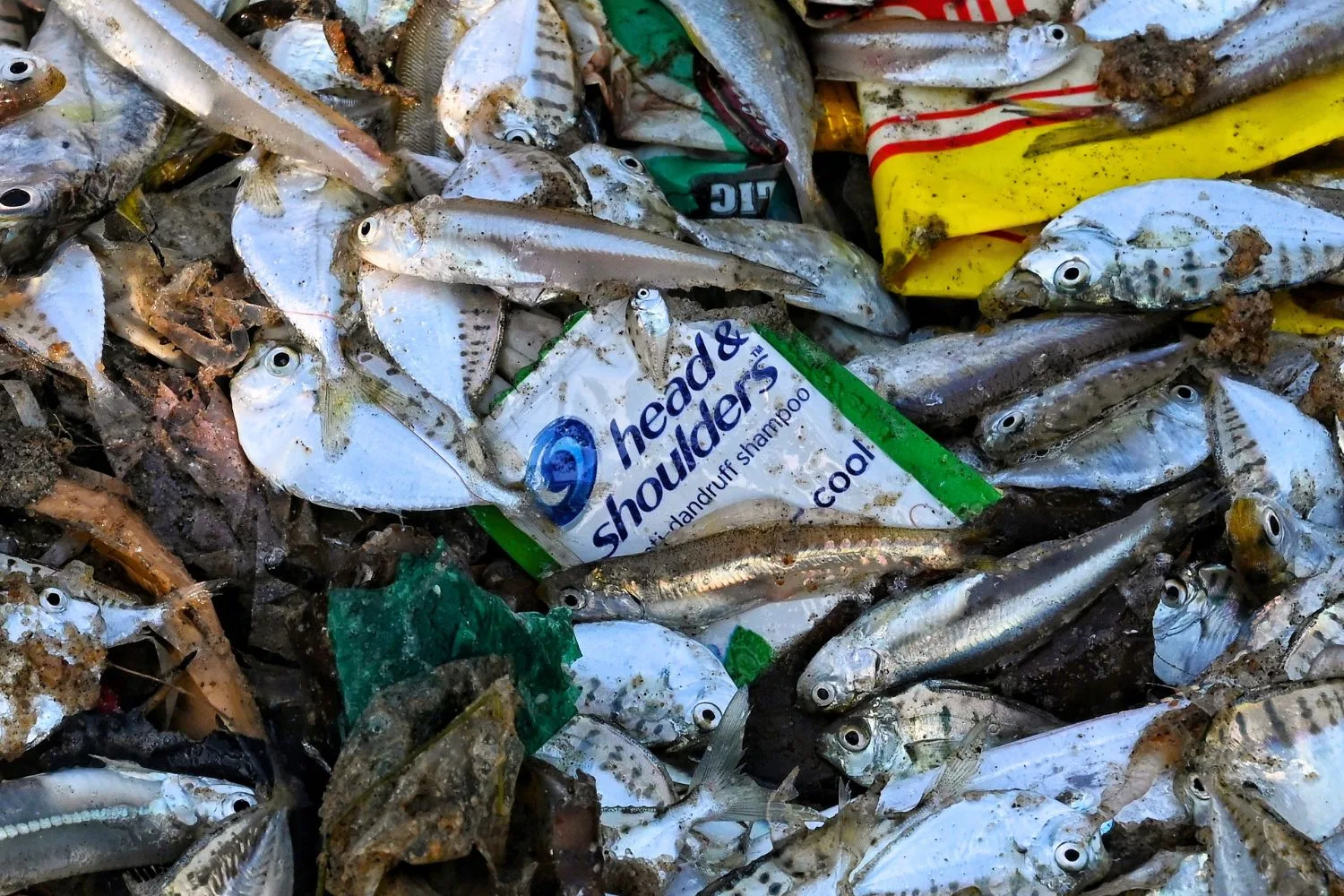
Around 62 percent of the sachets discarded daily in the Philippines are multilayer laminate: aluminum, adhesive and plastic film such as PVC or polystyrene, fused into a single sheet a fraction of a millimeter thick. That structure is what keeps powder dry and oil from going rancid. It is also what makes the material unseparable. You cannot pull the aluminum back out of the plastic at any price that makes sense.
So the sachet has no scrap value. None. Not a low value, zero.
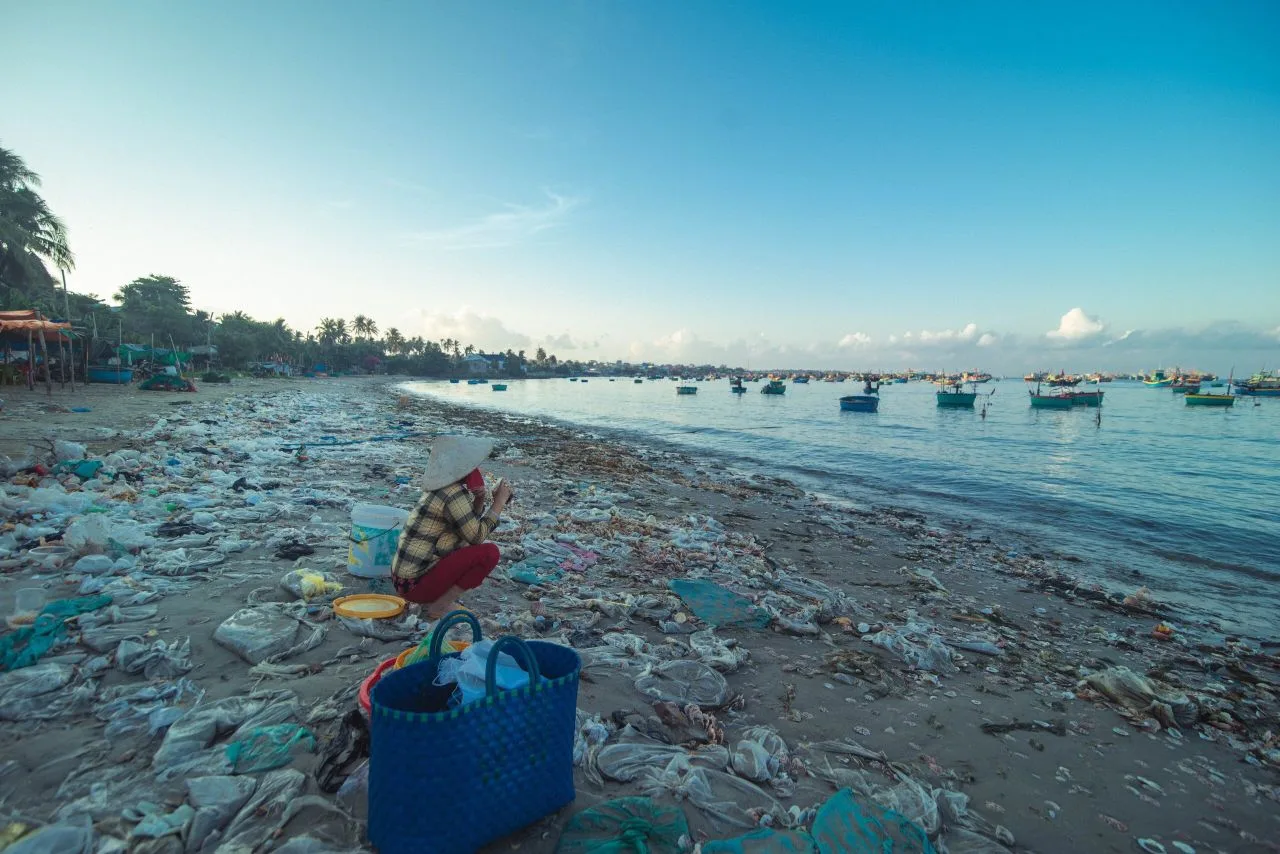
That single fact drives everything downstream. In most of these countries, recycling is not really done by municipal systems, it is done by waste pickers working for what they can sell. A PET bottle gets fished out of a canal because somebody will pay for it. An aluminum can never reaches the water at all. A sachet gets stepped over, because picking it up costs labor and returns nothing. Waste pickers in India have said as much publicly: the wrappers are too small to collect efficiently and worthless if you do.
The industry has tried to engineer its way out. Unilever spent years on CreaSolv, a solvent-based process developed with the Fraunhofer Institute that dissolves the polymer back out of a dirty multilayer sachet. A pilot plant was built in Germany, shipped to Indonesia and opened in 2017 with significant publicity. By 2019 it had gone quiet. Investigators from GAIA reported the facility had been closed without announcement, and journalists who visited were told nobody had been there in months.
Paul Polman, Unilever’s former CEO, later put it plainly, saying packaging this small has “proved impossible to collect at scale, let alone recycle.”
That is the person who ran the company saying the format does not work.
Are Sachets Actually Cheaper? The Poverty Premium Question
Campaign material often says sachets carry a poverty premium: that people buying small end up paying more per milliliter than people buying in bulk. It is a clean, damning line, and it is only sometimes true.
The evidence is mixed and it varies by country and by product. A 2009 study by Singh and colleagues found shampoo in India up to 50 percent cheaper per milliliter in sachet form than in a bottle. In the Philippines and Vietnam the sachet came out around 7 percent cheaper. In Indonesia it carried a markup of roughly 30 percent. A 2025 review of the literature concluded that sachets are often, but not always, sold at a higher price per unit volume.
There is a real cost that does not show up in that comparison, though. A 10 milliliter sachet gets used in one wash whether or not one wash needs 10 milliliters, while a bottle lets you use less each time. The format itself pushes consumption up.
And where refill systems have been trialed against sachets directly, the gap is not subtle. Greenpeace Philippines ran refill stations in sari-sari stores in Quezon City and San Juan City under a project called Kuha sa Tingi, selling detergent, dishwashing liquid and cleaner by the portion into containers customers bring themselves. Their report puts average consumer savings at 201 percent against sachets, which is another way of saying the sachet costs several times more for the same amount of product. Store owners reported profits up around 15 percent. Between 2022 and the end of 2024 the project reached more than 2,000 stores and displaced an estimated 3.9 million sachets.
The point is not that sachets are a scam. The point is that the pricing argument is not what makes the case. The case is that hundreds of billions of units of unrecoverable packaging are being sold every year into the countries with the least capacity to deal with them.
Where the Sachet Economy Runs
The Philippines. Around 164 million sachets a day, roughly 60 billion a year, an estimated 52 percent of the residual plastic waste stream. This is the market where the format is most studied, and the country now sits at the top of the global river plastic ranking. There is more on that in my piece on where ocean plastic comes from.
Indonesia. GAIA puts sachets at around 16 percent of Indonesian plastic waste, some 768,000 metric tons a year. A 2019 regulation asks producers to cut packaging waste by 30 percent by 2029 and to phase out sachets under 50 milliliters by 2030. A Cornell study found Indonesians ingest more microplastic than almost any population measured, around 15 grams a month.
India. The birthplace of the format and still one of its largest markets. Indian rules define a sachet as under 10 grams or 10 milliliters. A recent amendment to the Plastic Waste Management Rules formally requires local authorities to recognize the role of waste pickers, which matters because they are the only functioning collection system for this material in much of the country.
Vietnam. Extended producer responsibility law now requires corporations to collect and recycle sachets and other packaging. Recycling capacity to actually do it is another matter.
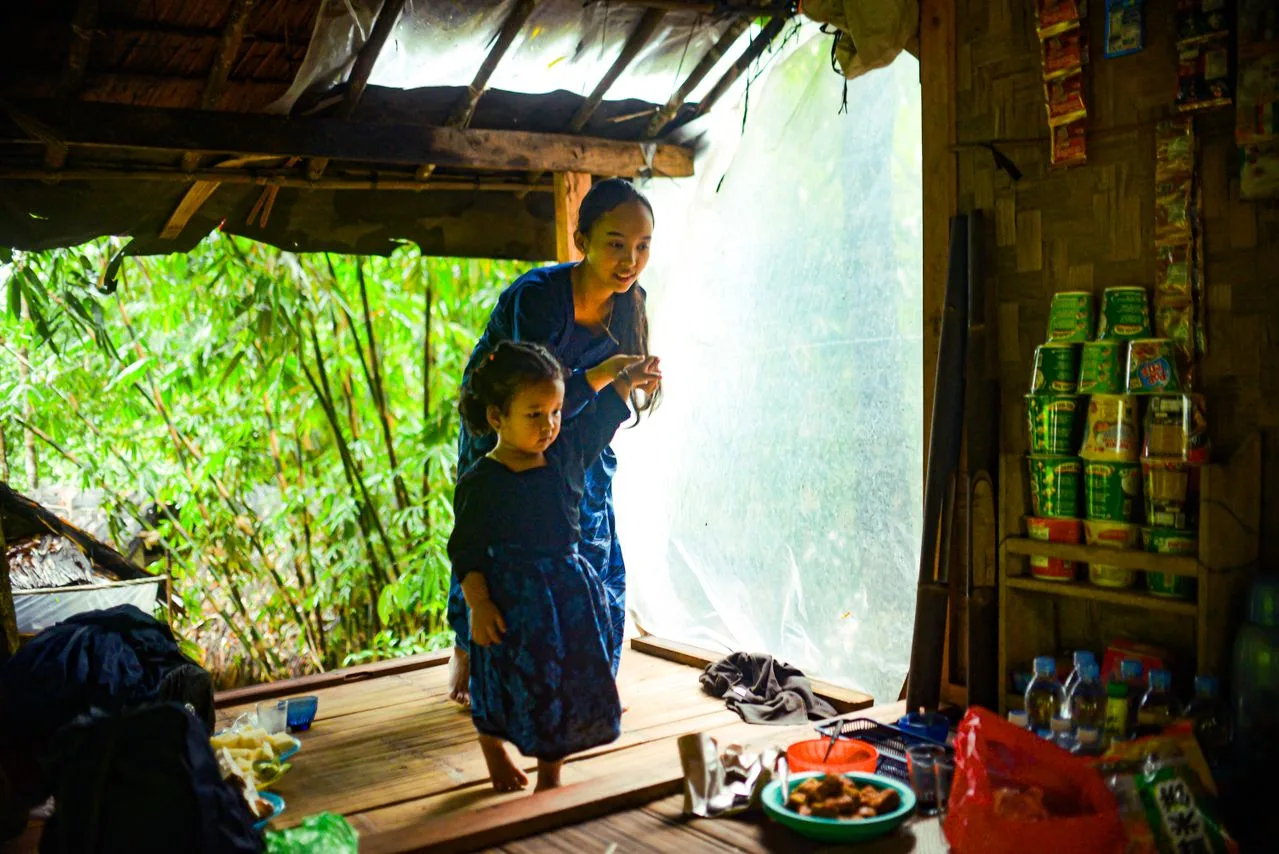
West Africa. A different product, the same physics. In Nigeria, drinking water is sold in heat-sealed 500 milliliter sleeves called “pure water,” consumed at a rate of more than 60 million bags a day. In Ghana, sachet water went from a novelty in the late 1990s to the main drinking water source for around a third of households by 2017. In Freetown, Sierra Leone, one study found sachets accounting for 70 to 80 percent of plastic waste. These are not luxury purchases. They are what people drink because the tap is not trusted.
Latin America. The multinationals scaled the sachet across Asia, Africa and Latin America in the same wave through the 1990s, and the region runs the same system through the tienda de barrio, the almacén, the bodega. Shampoo, detergent, coffee, seasoning, even TOOTHPASTE! sold by the portion to households buying for the day.
What is different here is the baseline. This is not a low-consumption region. Per capita plastic consumption in 2021 ran to around 55 kilograms in Mexico, 54 in Chile, 42 in Argentina, 37 in Brazil and 33 in Peru. The single-serve layer sits on top of already heavy plastic use rather than substituting for it.
Latin America also gave the problem its best name. In Chile it is called el impuesto a la pobreza, the poverty tax. The term comes from José Manuel Moller, who spent a year and a half living in La Granja, one of the poorest communes in Santiago, and worked out that buying small in a neighborhood shop cost families up to 35 to 40 percent more per unit than buying the same goods in bulk. He founded Algramo in 2012 to sell staples from refillable dispensers at wholesale unit prices.
The pattern repeats everywhere: a product that solves a real problem for people who have few alternatives, wrapped in a material that nothing downstream can handle.
Who Is Producing Them
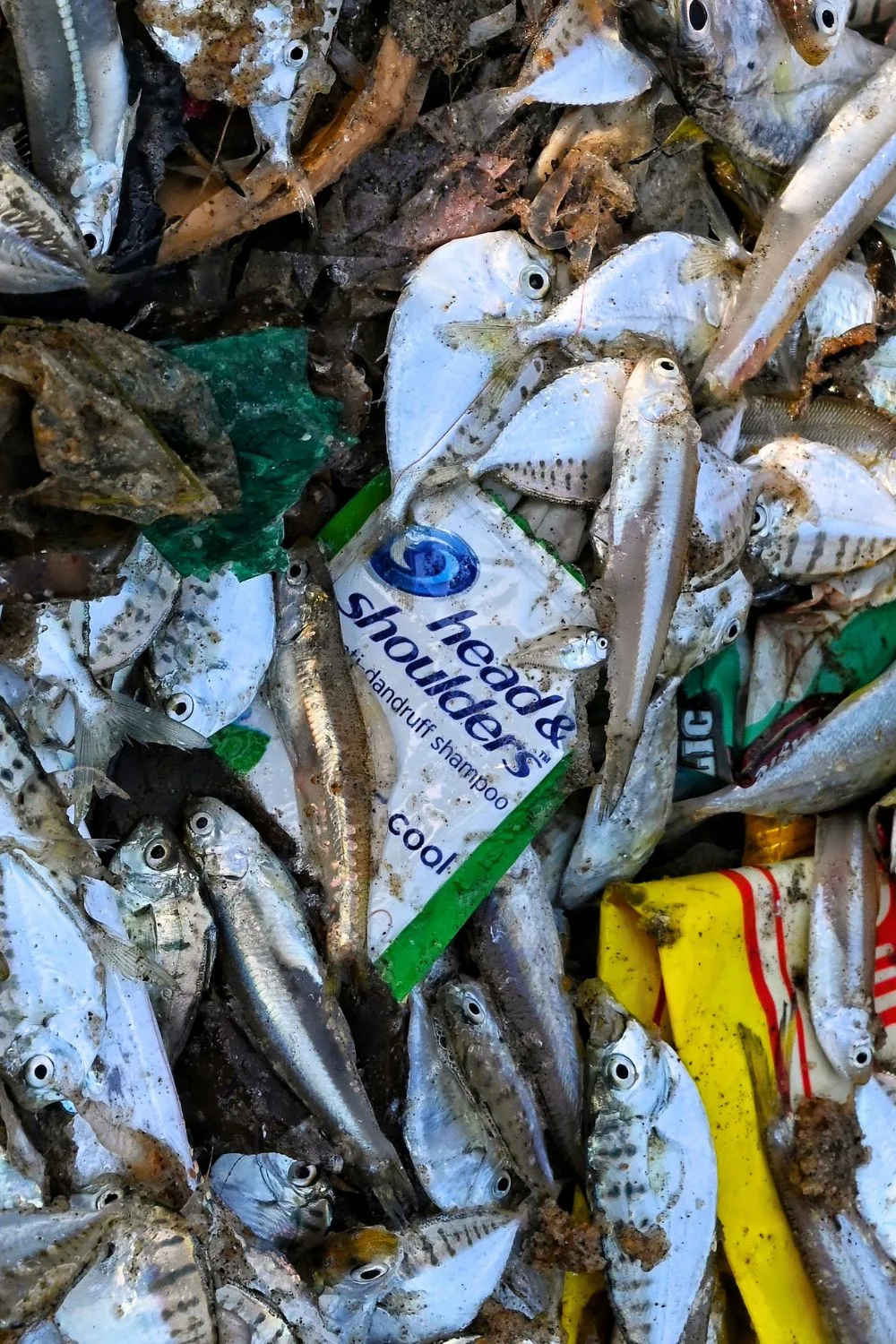
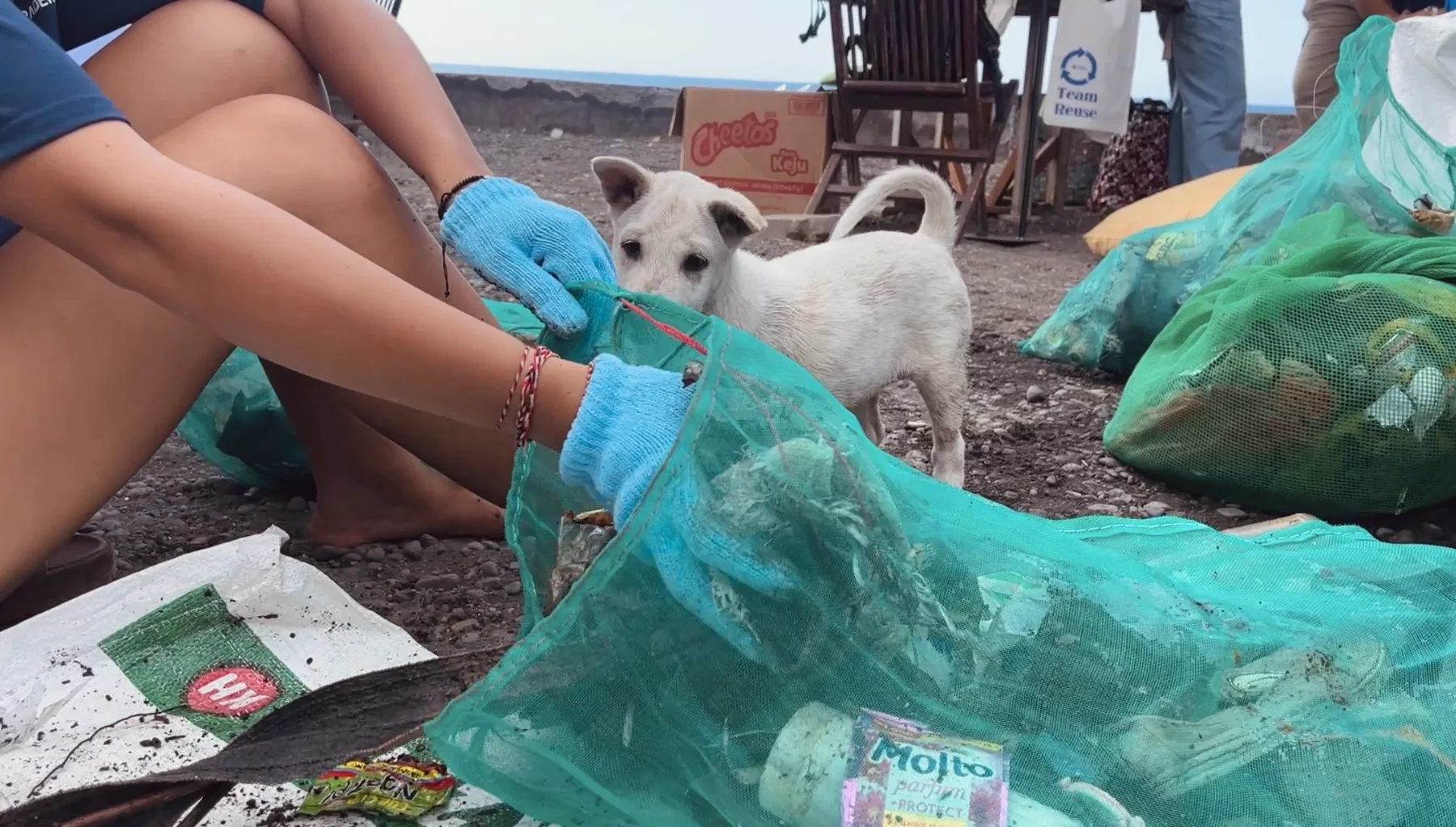
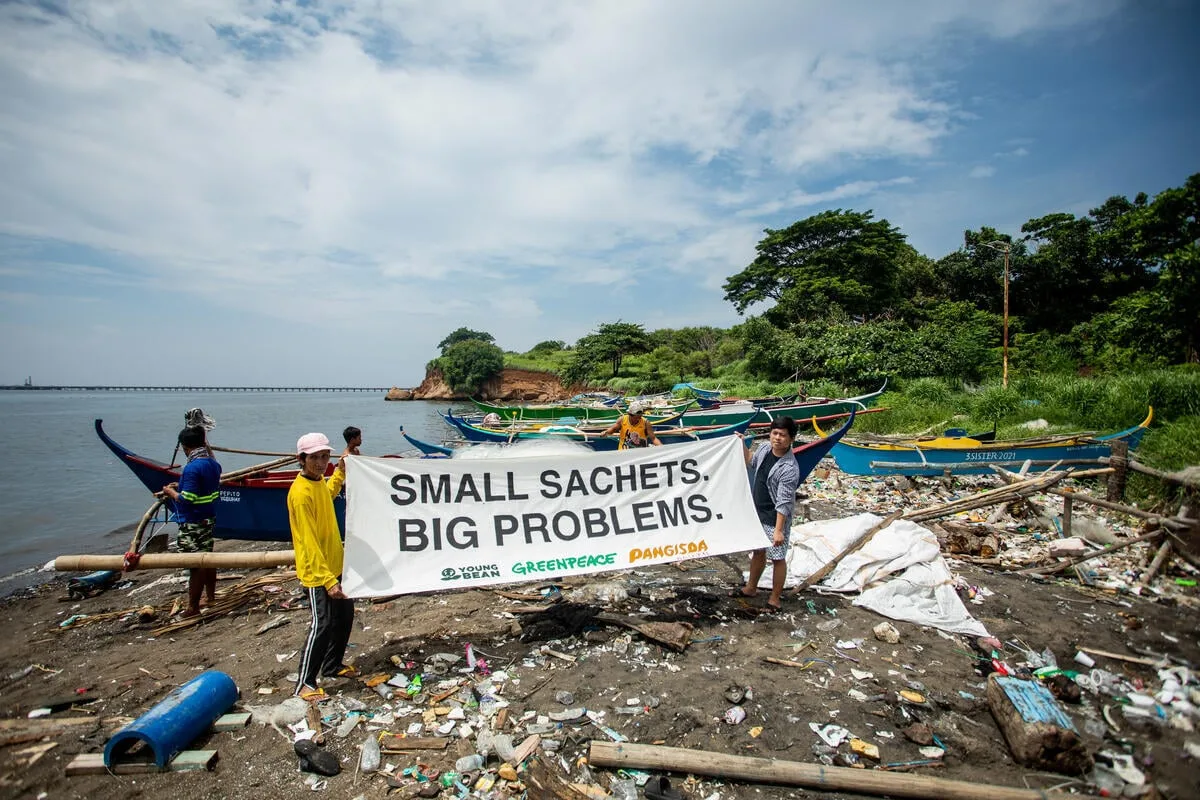
Between October 2023 and February 2024, Break Free From Plastic ran community brand audits at 50 locations across India, Indonesia, the Philippines and Vietnam. Volunteers collected and catalogued more than 33,000 sachets, tracing them to 2,678 brands. Food packaging made up 86 percent of the total.
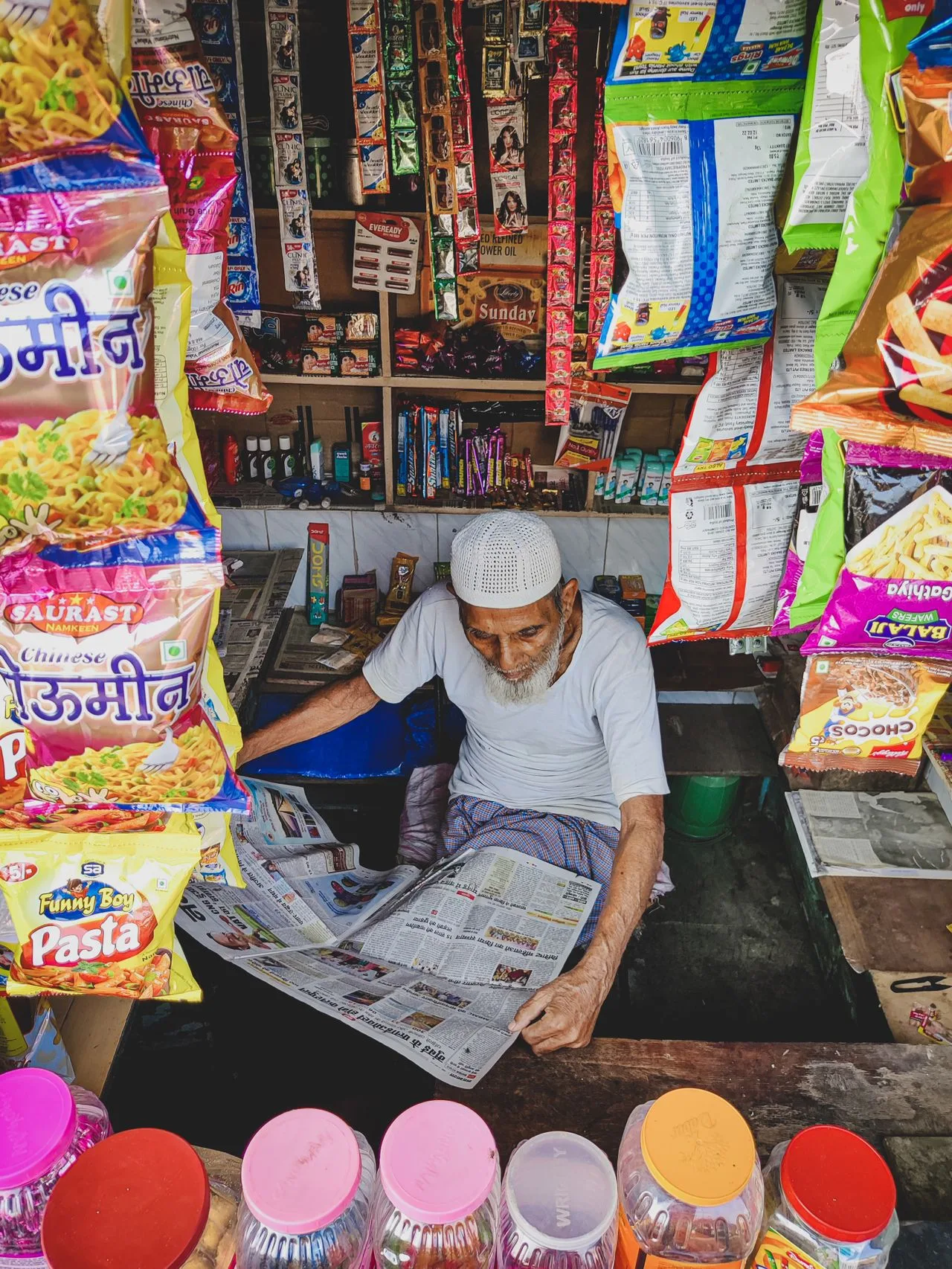
Unilever, Nestlé and Procter and Gamble came out as the largest contributors across the four countries, despite public commitments to cut plastic packaging. Large regional producers featured heavily too: Mayora Indah, Wings and the Salim Group in Indonesia, the Wadia Group and Balaji Wafers in India, JG Summit Holdings in the Philippines.
This is not a story about foreign companies alone. Some of the biggest sachet producers are domestic. But the format itself was scaled globally by multinationals as a market penetration strategy, and the countries carrying the consequences are not the countries where those decisions get made.
Greenpeace has also documented companies lobbying against sachet bans in the very regions worst affected, while publicly supporting a global plastics treaty. Both things at once.
Here is what bothers me most, and I want to be clear that this is my read rather than a reported fact.
These companies are not unaware. They have known about the sachet problem for years, they have read the brand audits with their own names at the top, and they have felt the pushback. What they have done in response is set up a handful of small, photogenic alternatives and point at them.
Unilever’s public page on why it still sells sachets lists a refillery in Bintaro, Indonesia, a small-scale trial of recyclable single-material shampoo sachets in Hanoi, and paper packaging under trial. It is a page written to answer a question, and it does answer it, in the sense that the initiatives are real and the technical explanation is accurate. The page even concedes the core problem: the layers are hard to separate, the material has little or no economic value, and it ends up as waste.
One store does not fix this. A single refillery in one Jakarta suburb, set against a company selling billions of sachets a year across dozens of countries, is not a solution being scaled. It is a solution being displayed. A trial in one city in Vietnam is not a transition. These are PR band-aids on a wound the same company keeps opening, and they buy something valuable: the appearance of a business working on the problem, which makes it harder to argue the business is the problem.
The receipts are in the targets. That page went up in January 2022 promising that by 2025 all Unilever plastic packaging would be reusable, recyclable or compostable, and that virgin plastic use would be halved. The 2025 pledge to halve virgin plastic became 30 percent by 2026. The recyclability pledge was split, with rigid packaging pushed to 2030 and flexibles to 2035. As of 2025, 75 percent of the company’s rigid packaging met the criteria. For flexibles, the category the sachets live in, the figure was 15 percent.
Meanwhile the CreaSolv plant presented on that page as a technology that could recycle sachets had, by then, already been reported as quietly shut down. Unilever’s own former chief executive later said packaging this small has “proved impossible to collect at scale, let alone recycle.” That is the man who ran the company, saying the format does not work.
So the technology named in the answer failed, the deadlines moved, the flexible packaging figure barely moved, and the sachets kept selling. What has never appeared, in any version, is a date on which the company will stop making them.
What Actually Works
Refill is not the answer here, and it is worth saying why. It works, it is cheaper, and it has displaced almost nothing. Kuha sa Tingi reached more than 2,000 Philippine stores and took out an estimated 3.9 million sachets over three years, against roughly 60 billion sold in that country every year. Algramo sells the same detergent for less without the packet. None of it has dented the volume, because none of it changes what gets manufactured. As long as the sachet is on the shelf next to the refill, at a price a household can reach today, the sachet wins.
What changes manufacturing is a rule.
Regulation with a size threshold. Indonesia’s move to phase out sachets under 50 milliliters is the kind of rule that changes what gets made. Recovery targets, by contrast, let a company keep producing the sachet as long as it funds collection afterwards. Collection is not redesign, and a company can hit a recovery target forever without ever reducing what it sells.
Waste picker recognition. The people doing the actual work of recovery in these countries are almost entirely informal. Formalizing them, paying them and building collection around them is unglamorous and it is the difference between a policy and a result.
The treaty, if it ever happens. Negotiations for a global plastics treaty collapsed in Busan in 2024 and again in Geneva in August 2025. The February 2026 session lasted a single administrative day. Talks resumed in Nairobi in mid-2026 with campaigners warning that caps on production were being pushed off the agenda, and as of August 2026 no date has been set for the next substantive round. Sachets are exactly the kind of product a treaty would target as problematic and avoidable. Which is roughly why the process keeps stalling.
Why the Sachet Economy Matters to Divers
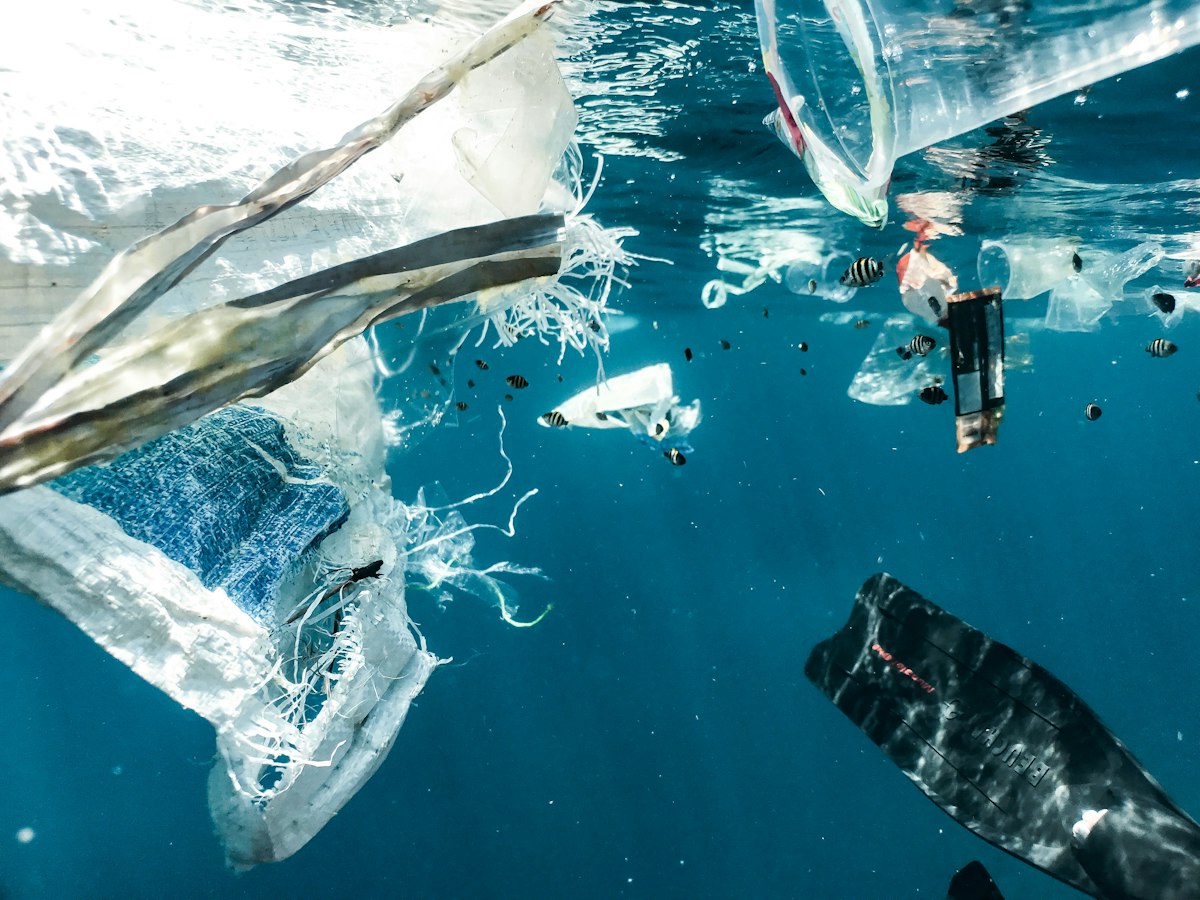
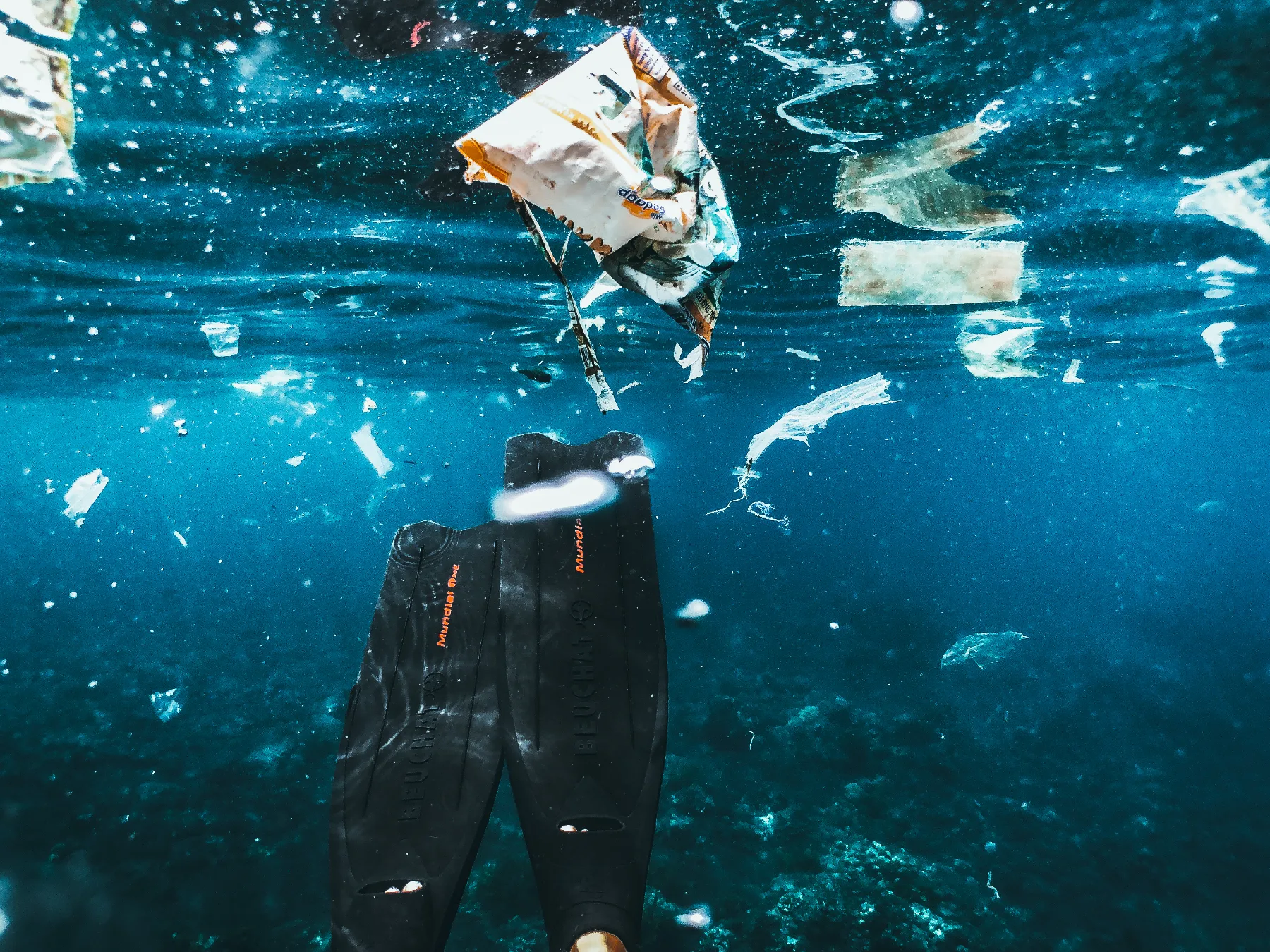
Film plastic behaves badly in water. It does not sink cleanly and it does not stay put. It suspends, folds, drifts at whatever depth the density and the current agree on, and it fragments into smaller and smaller pieces without ever becoming anything else. Neutrally buoyant film pulsing in a current is close enough to a jellyfish that turtles get it wrong.
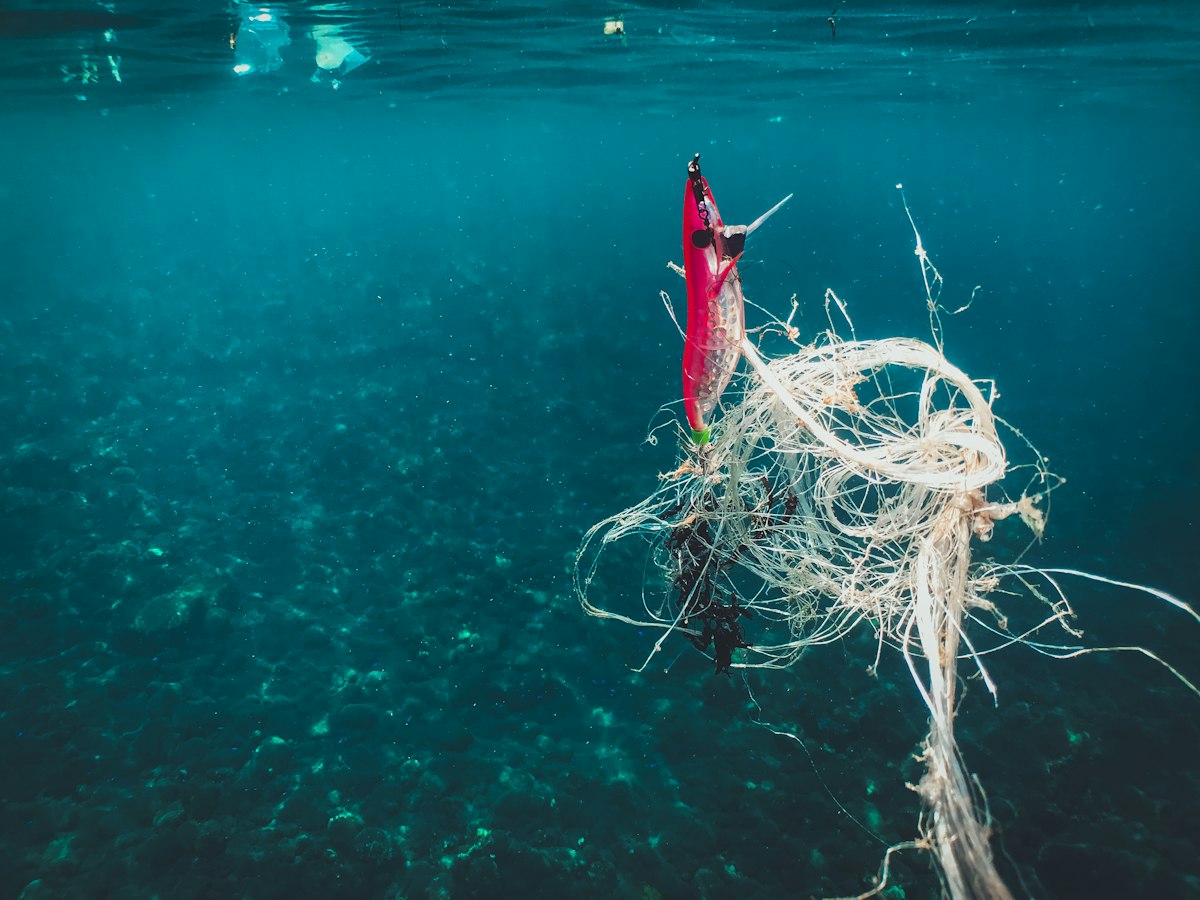
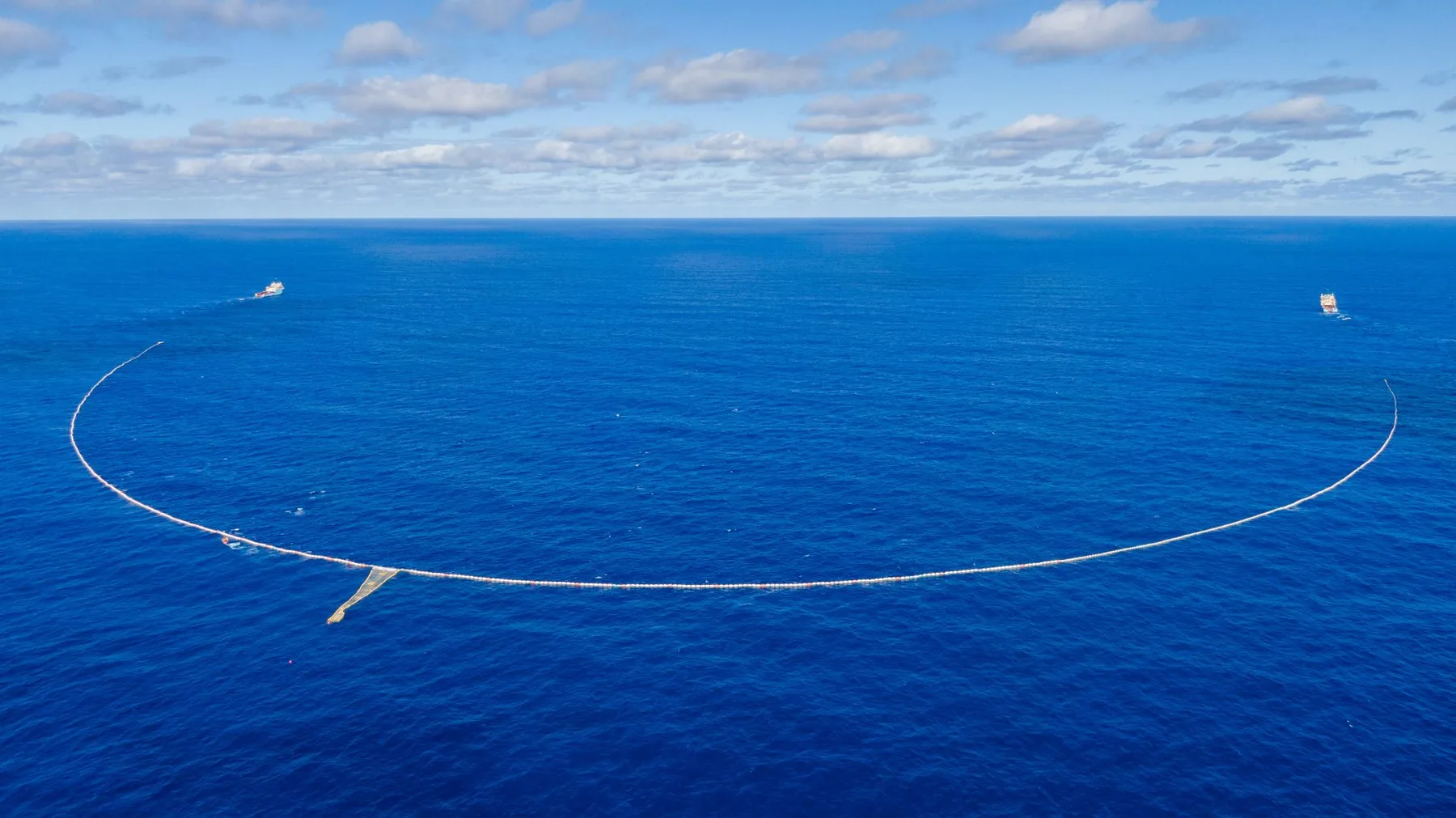
It is also the fraction that cleanup technology handles worst. Booms and interceptors are good at bottles, foam and ghost gear. A sachet already broken into fragments in the water column is not coming back out. That is why interception has to happen in rivers, upstream, before the material disperses, which is the entire strategy behind The Ocean Cleanup.
And the geography is cruel. The sachet economy is at its densest across Southeast Asia, which is also where the Coral Triangle sits. The highest concentration of marine biodiversity on the planet is downstream of the highest concentration of unrecoverable packaging on the planet. Those two facts share a map.
What is useful to do with this, as a traveling diver:
Stop reading sachets on a beach as evidence of a careless culture. It is evidence of a packaging decision, and once you see it that way you stop blaming the wrong people.
Refuse the format where you have an option that local households do not. You are the customer who can buy the bottle, bring the refill container, use the filter bottle instead of the case of small waters.
Support the refill stores if you are somewhere they exist. They are a business model trying to prove itself, and revenue is the proof.
Aim your pressure upstream. Brand audits work because they are specific and repeatable, and the companies named in them do respond to sustained public attention. Vague concern about ocean plastic does not move anything. Naming a format and a producer does.
The sachet was invented by someone trying to make shampoo affordable for people who had never been able to buy it. That was a decent instinct. What followed was forty years of scaling a format nobody could take back, into the parts of the world least equipped to absorb it, at a rate now approaching a trillion units a year.
Nobody in those countries chose that. They were sold it, one packet at a time, at a price they could reach on the day. That wall of color on the front of the shack is not a country being careless with the ocean. It is a shelf, stocked by somebody else.
Our ocean, our responsibility. That responsibility sits heaviest with whoever decided the packet was good enough.