Muck diving sounds, the first time you hear it, like a joke at the diver’s expense. Diving in muck. It reads like the consolation prize you get when the reef has stopped thriving and the visibility has given up. It is actually a discipline of its own, with a devoted following, a strict etiquette, and some of the most absurd animals in the sea.
I should say upfront that I am biased. I am completely addicted to it.
What Is Muck Diving?
Strip a dive of everything we usually sell it on. No coral gardens. No wall dropping into blue. No wreck, no cavern, no pelagic cruising past. What is left is a patch of sand, silt, dead coral rubble and the occasional bottle or coconut husk. That is a muck site. At first glance, it looks like nowhere.
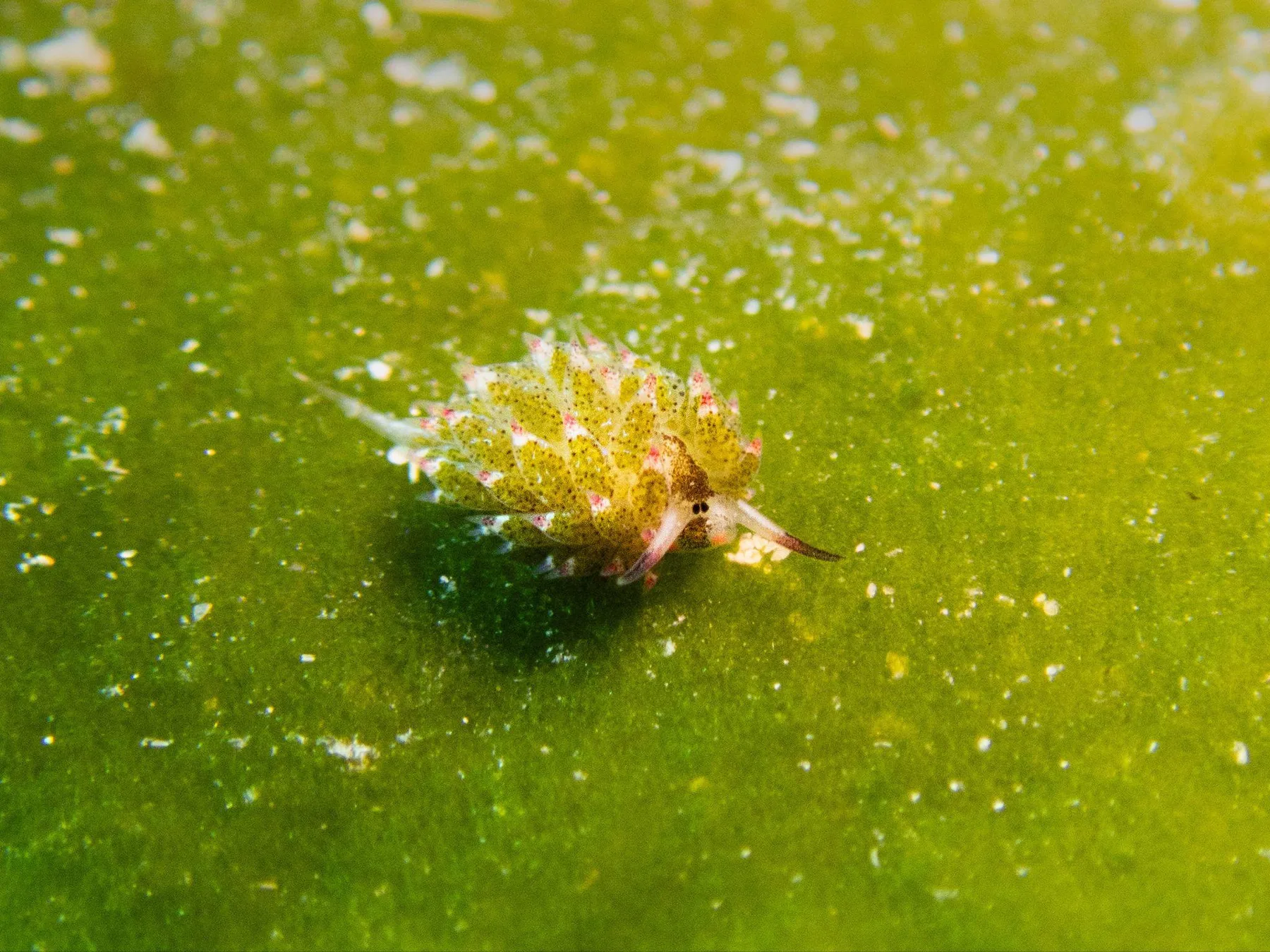
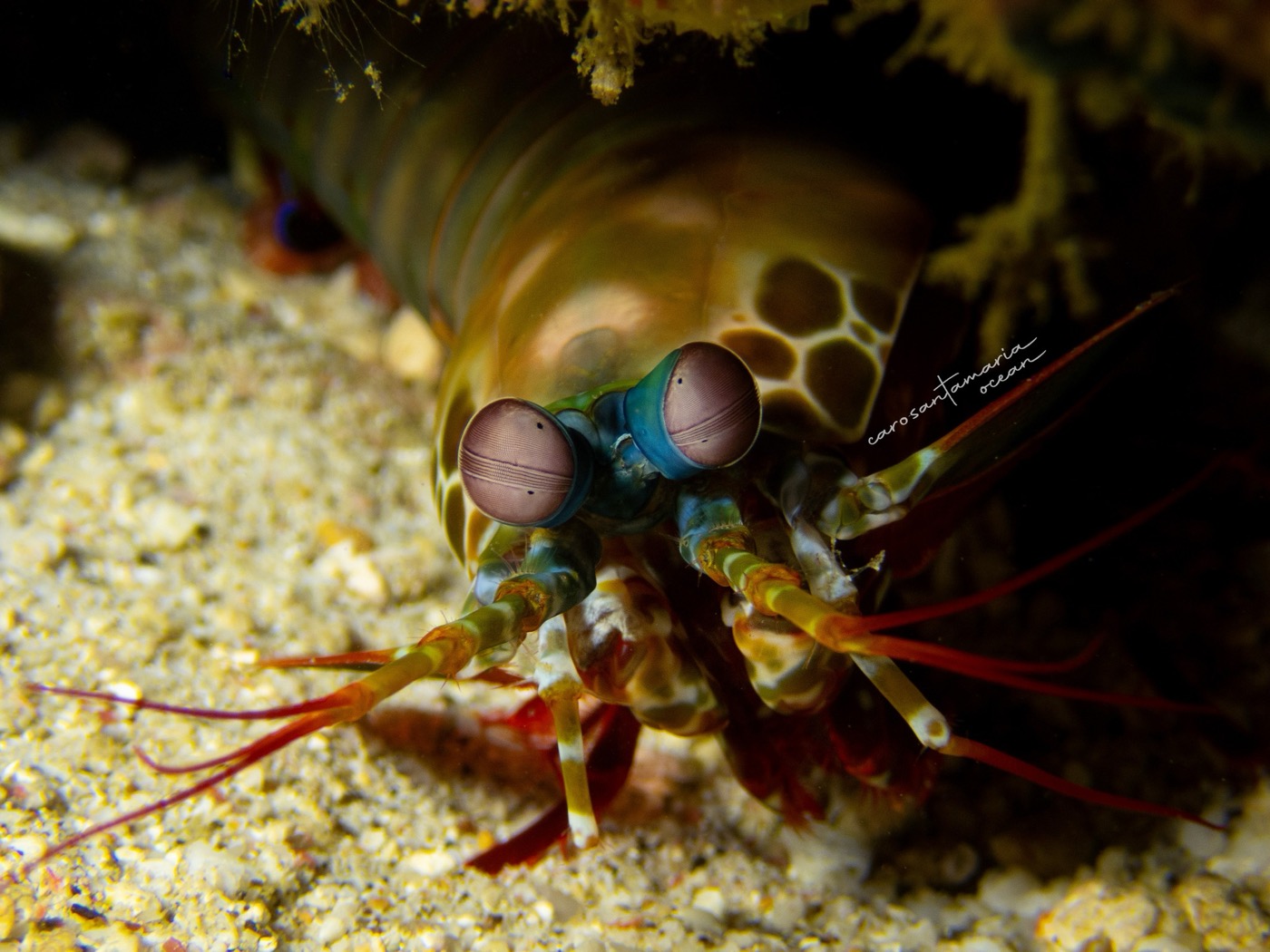
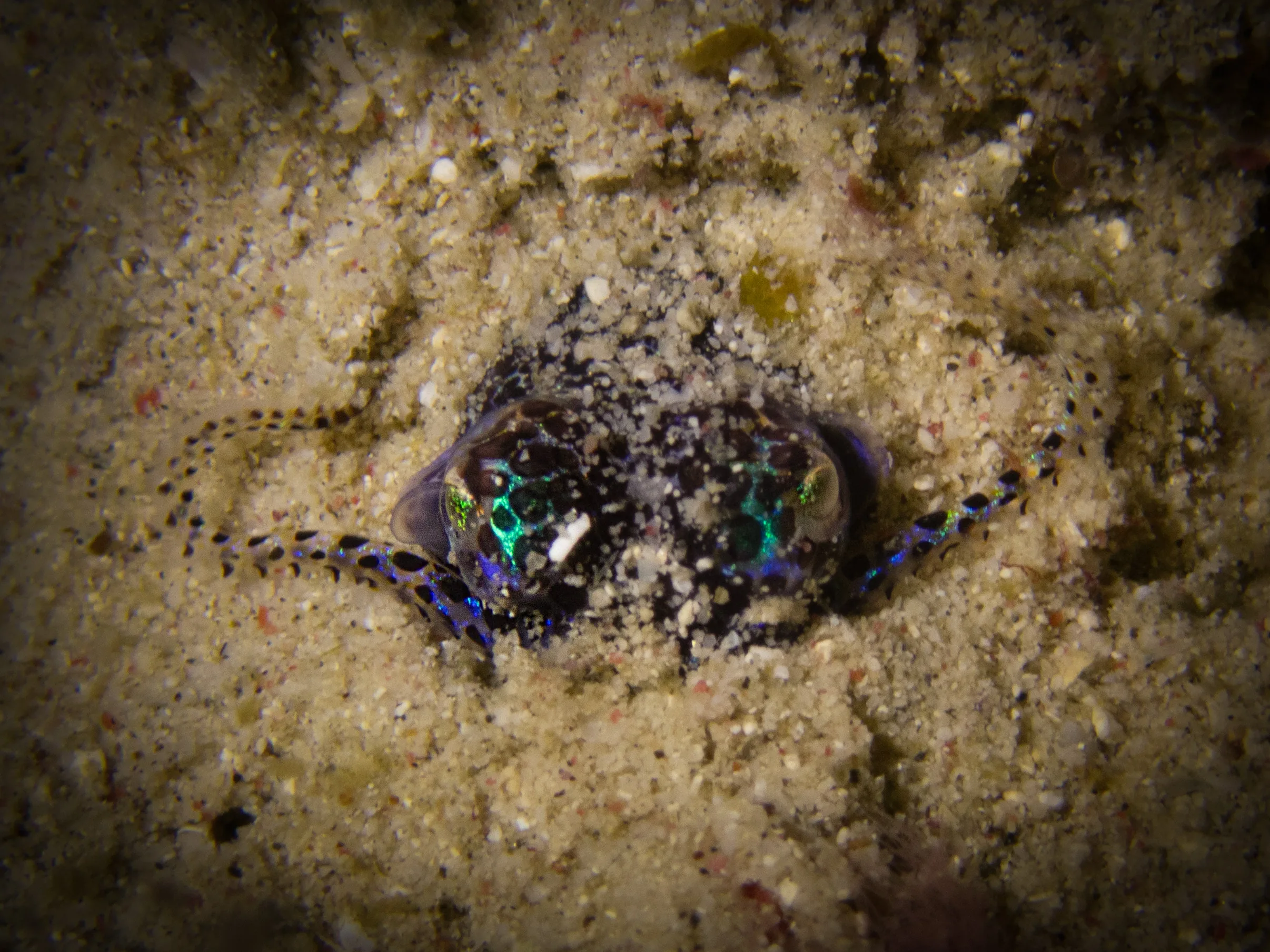
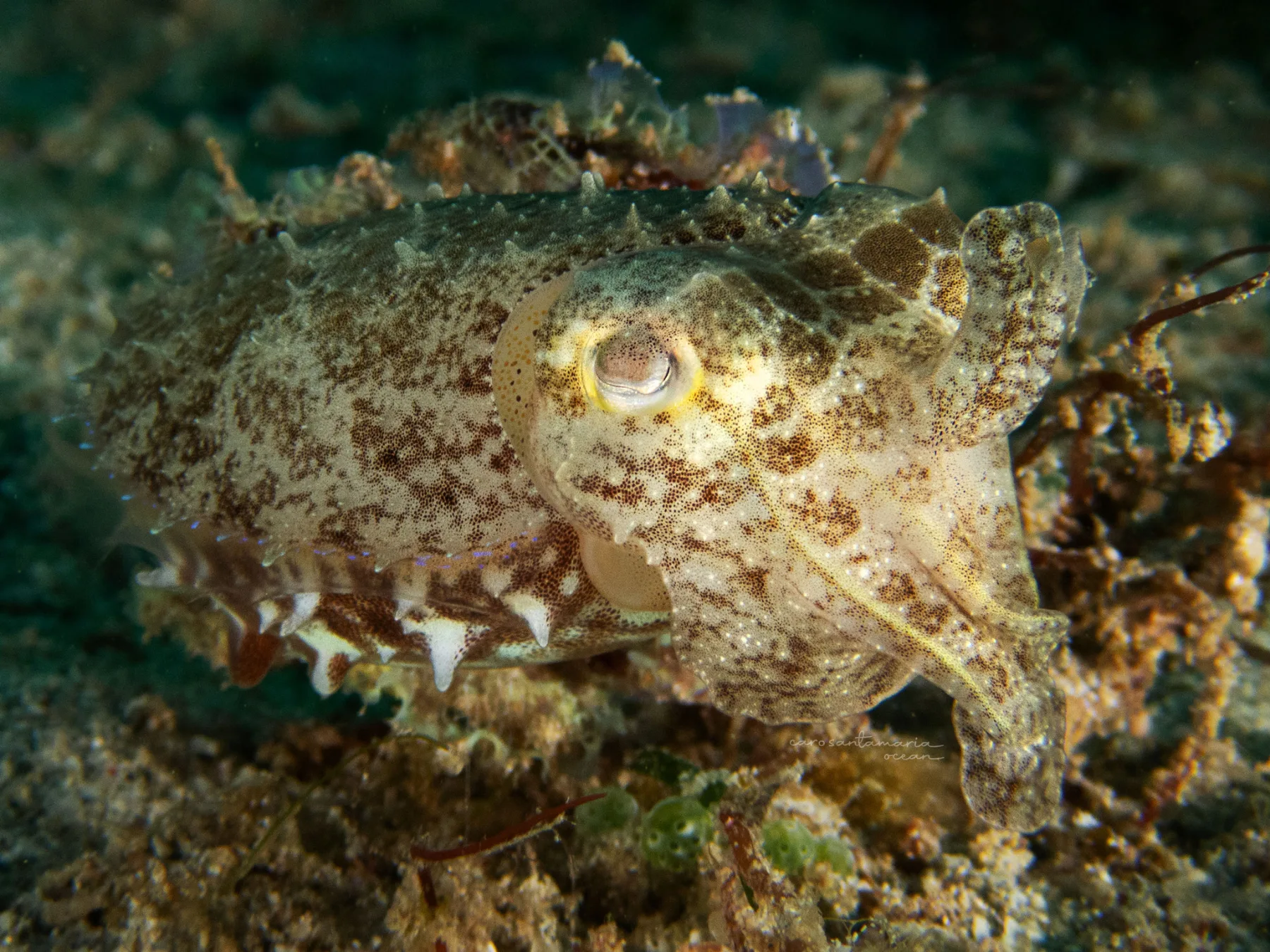
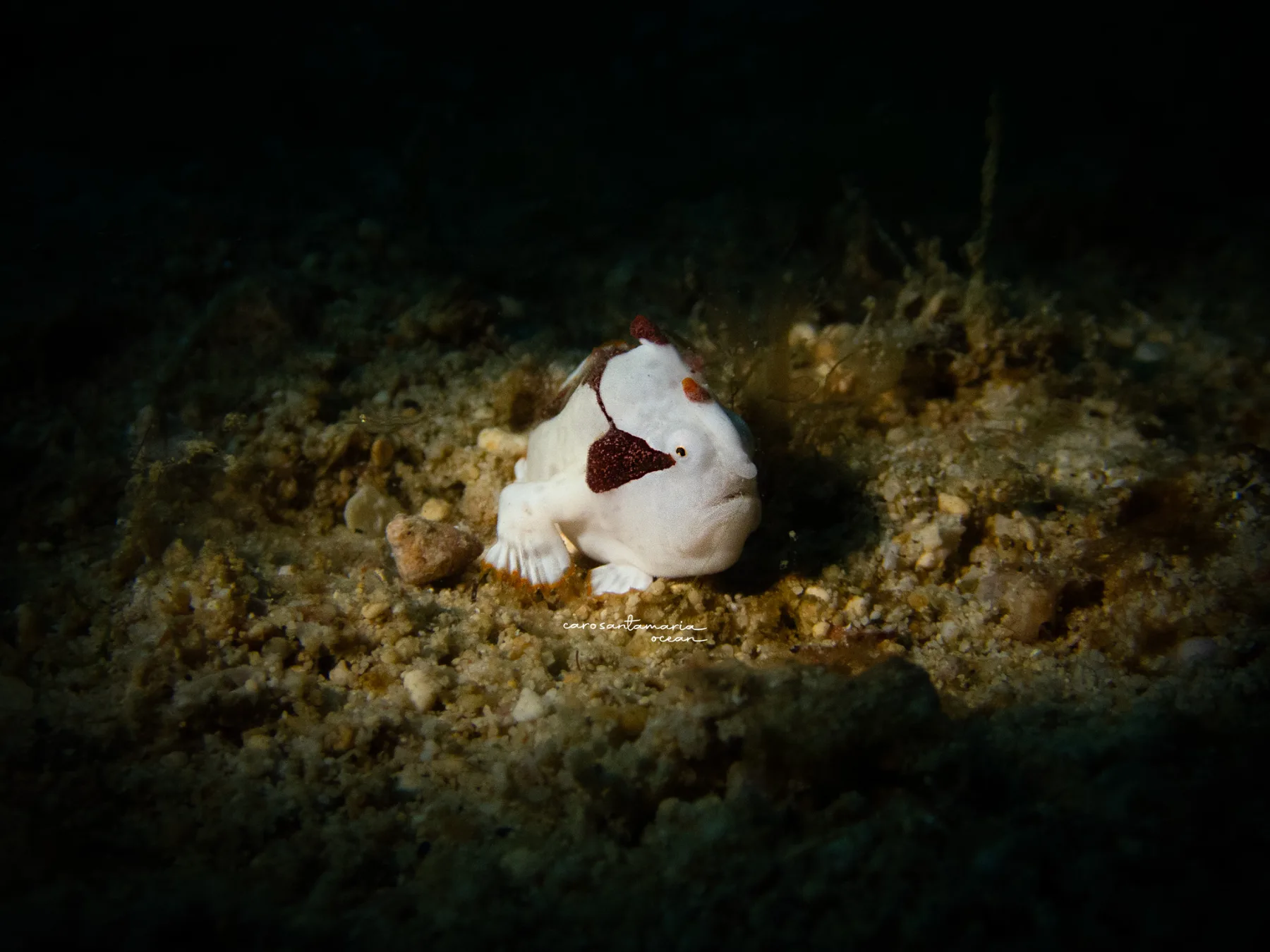
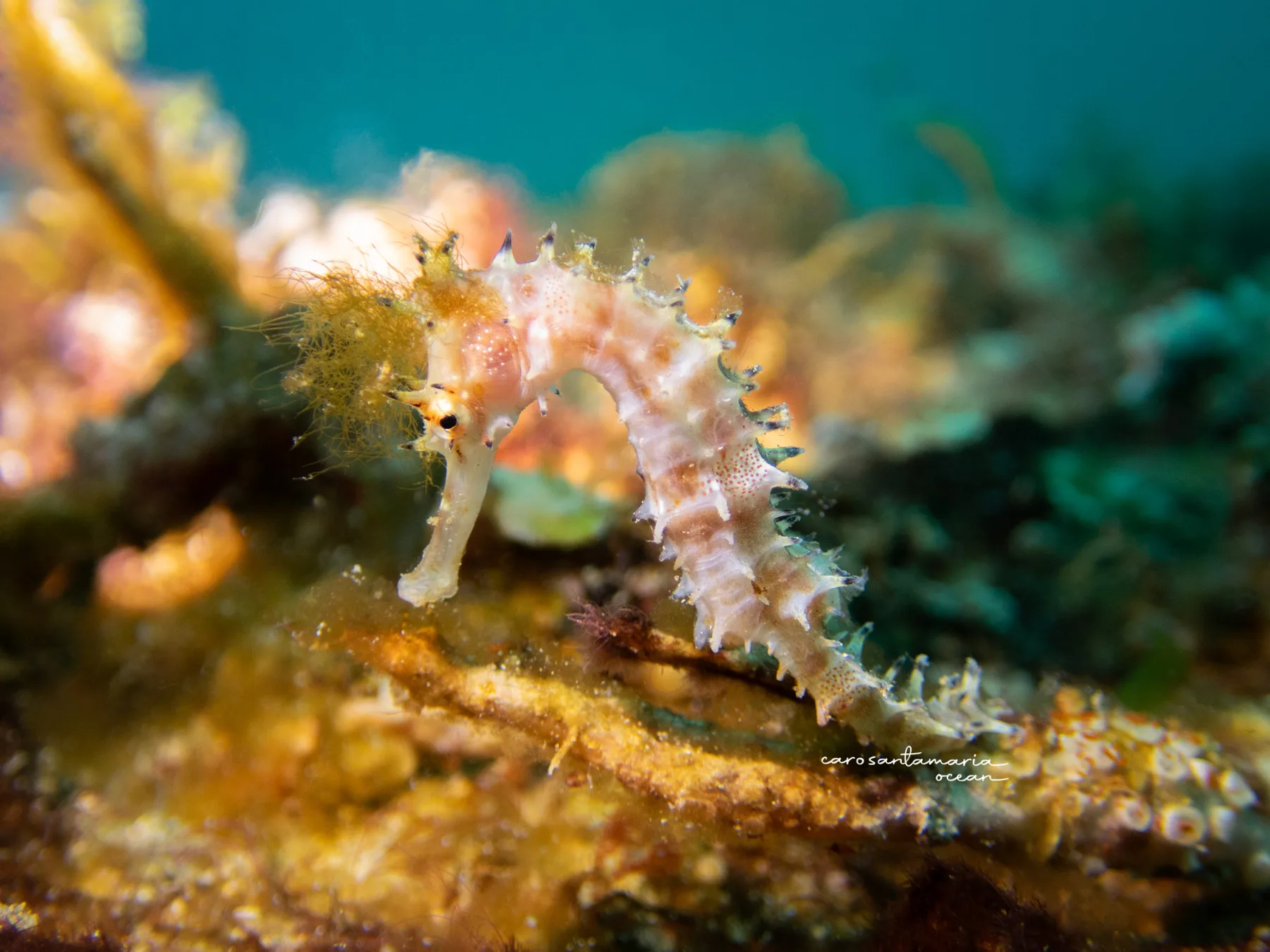
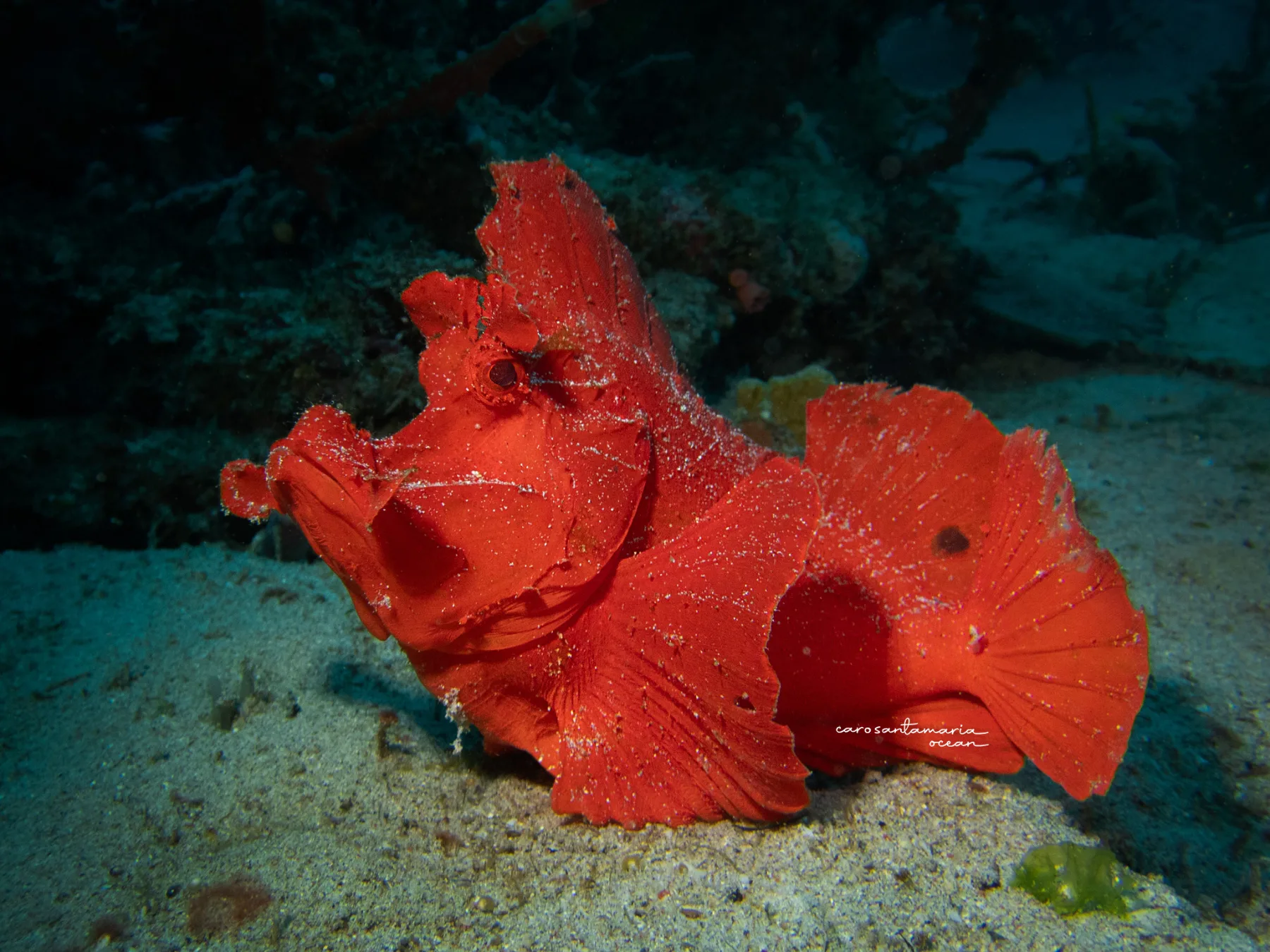
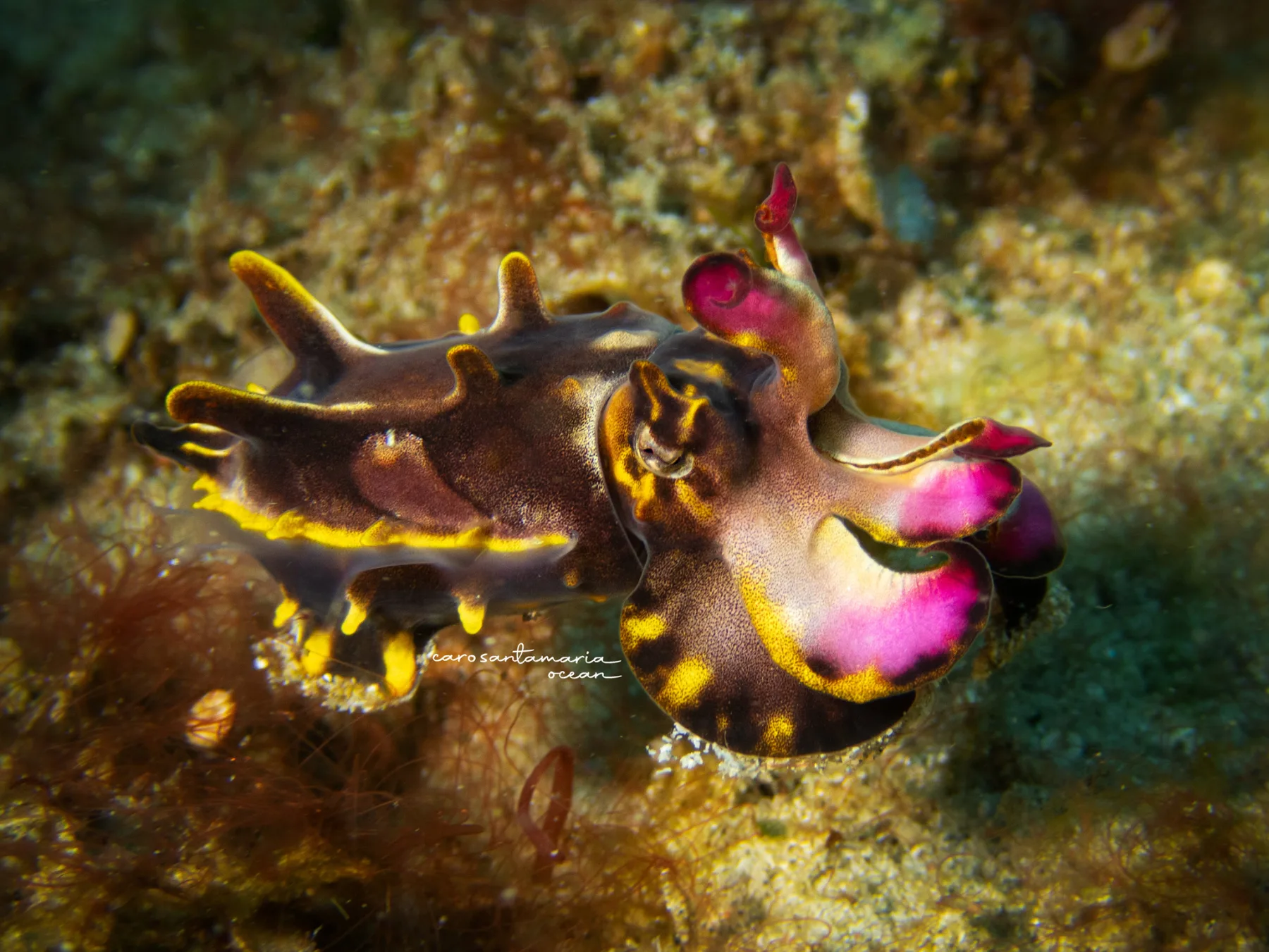
The animals disagree. On a reef, a creature can hide among a thousand colors and textures. On bare sand it has to become the disguise itself, or bury, or be too small to bother eating. The species that win under those rules are the ones muck divers travel across the world for: frogfish, mimic and wonderpus octopus, flamboyant cuttlefish, seahorses and pygmy seahorses, ghost pipefish, bobtail squid, hairy shrimp, boxer crabs, Rhinopias if the day is being kind to you, and nudibranchs in a density the reef rarely matches.
So muck diving is less about swimming and sightseeing and more about searching. You move slowly, close to the bottom without ever touching it, and you learn to read sediment for the one thing that does not belong. It is the same skill I use for how to find nudibranchs, pointed at a bigger cast of animals.
Where the Term Muck Diving Came From
The word has an origin, and it is a good one.
Bob Halstead, a British-born instructor who moved to Papua New Guinea in 1973 and built the country’s first liveaboard, started using “muck diving” to describe the dives he was leading on black sand in Milne Bay. The site he is most associated with is Dinah’s Beach, named after his first wife. The story that follows the term around is that his guests, who had flown across the world for pristine reefs, assumed he was anchoring on sand to save fuel. They agreed to try it for a few minutes. They stayed.
Halstead was inducted into the International Scuba Diving Hall of Fame in 2008, and the phrase he invented is now an entire genre with its own resorts, its own guides and its own economy. Plenty of people in the industry still think it is a terrible name for what it actually is.
Why Divers Fall In Love With Muck Diving?
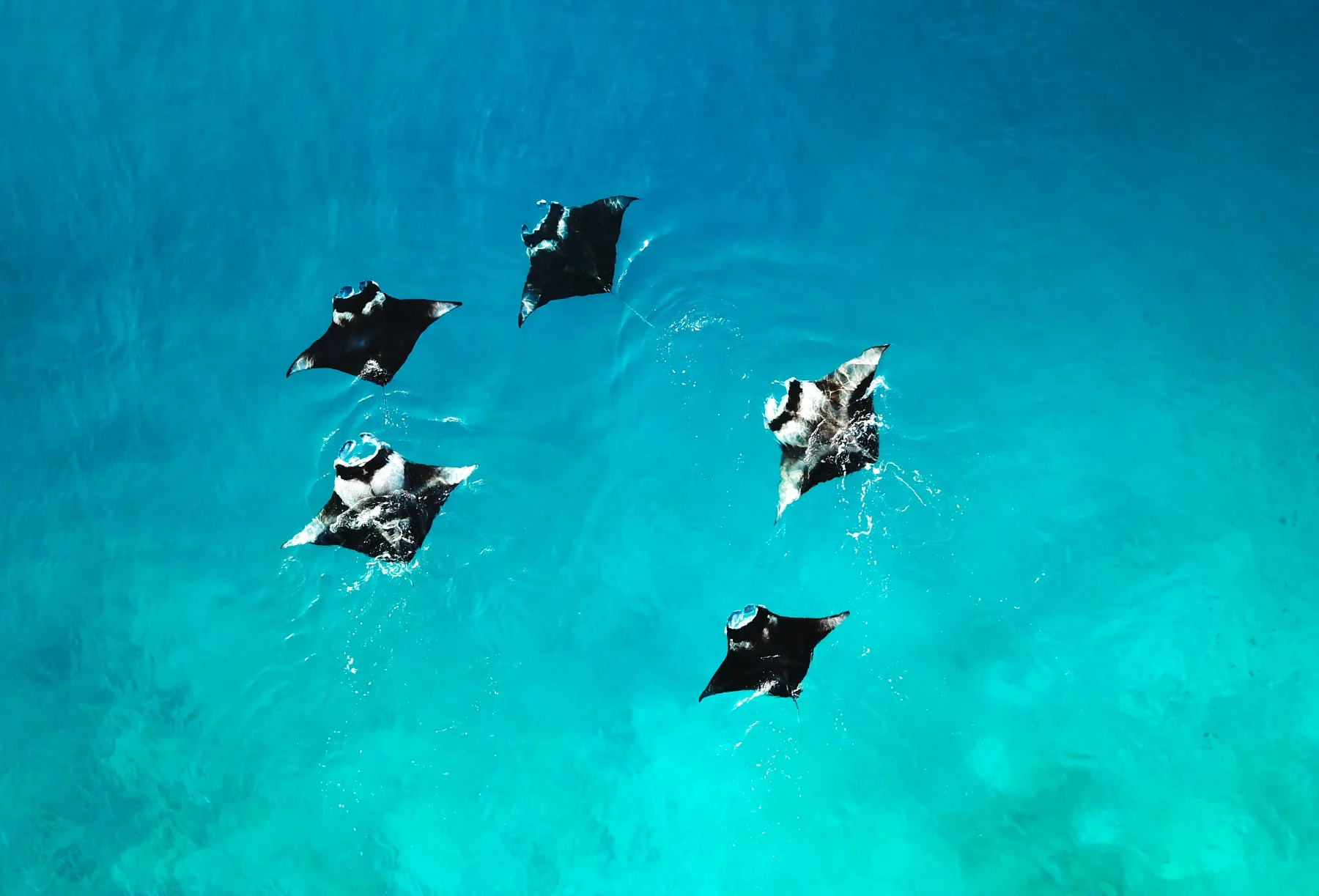
The pull of a muck dive is different from the pull of a big-animal dive. A manta hands you the experience: it arrives, it fills your vision, and most of the time you did nothing but be there. I love diving with manta rays for exactly that reason. Muck works the other way. Nothing is handed to you. Everything is earned by looking, and that changes the emotional shape of the whole dive.
When you finally resolve a frogfish out of a background it has been part of the entire time, or a guide points at something the size of an ant that turns out to be a complete animal doing something absurd, the reward feels like it belongs to you. That is the hook. It sits closer to birdwatching or foraging than to sightseeing.
There is a real community around it, too. Underwater macro photographers end up here almost inevitably, because a small subject holding still against a plain dark background is close to a perfect shot. Muck sites quietly collect the most patient, obsessive divers in the sport, the ones who will happily spend a full tank on two square meters of sand.
Muck Diving Etiquette: The Rules That Matter Most
Most of the muck diving code is unwritten, which is a problem researchers have actually flagged. A 2018 study in the Journal of Environmental Management watched 66 divers across Indonesia and the Philippines and found that what a diver does underwater causes more disturbance than their certification level, experience, age or gender. The authors argued for a formal muck diving code of conduct. Until one exists, this is the version good guides enforce.
Buoyancy and trim are the entire sport. The bottom is fine and soft. One downward fin kick lifts a cloud of silt that hangs in the water and blots out the scene for everyone behind you, sometimes for the rest of the dive. Get flat and stay flat: horizontal from head to fins, knees bent, fins up and behind you, and frog kick. Trim is the part most divers skip past. If you are swimming head-up and feet-down, every kick you make is aimed at the sand, and you will silt out a patch you have not even reached yet. Move with your breathing and your hands rather than your legs, and tuck your hoses and gauges so nothing drags behind you.
And do not lie down on the bottom to steady yourself, however empty the sand looks. A lot of the animals on a muck site are buried with only their eyes showing, and you will never see the ones you are about to flatten. Stargazers, juvenile flounders, snake eels, seahorses holding onto a scrap of weed, nudibranchs the size of a grain of rice. Your chest, your knees and your elbows cover a lot of ground. Bad buoyancy on a reef scars coral. Bad buoyancy on a muck site erases the reason you got in the water and kills critters you never knew were there. If trim is the weak point, fix it before you book the trip.
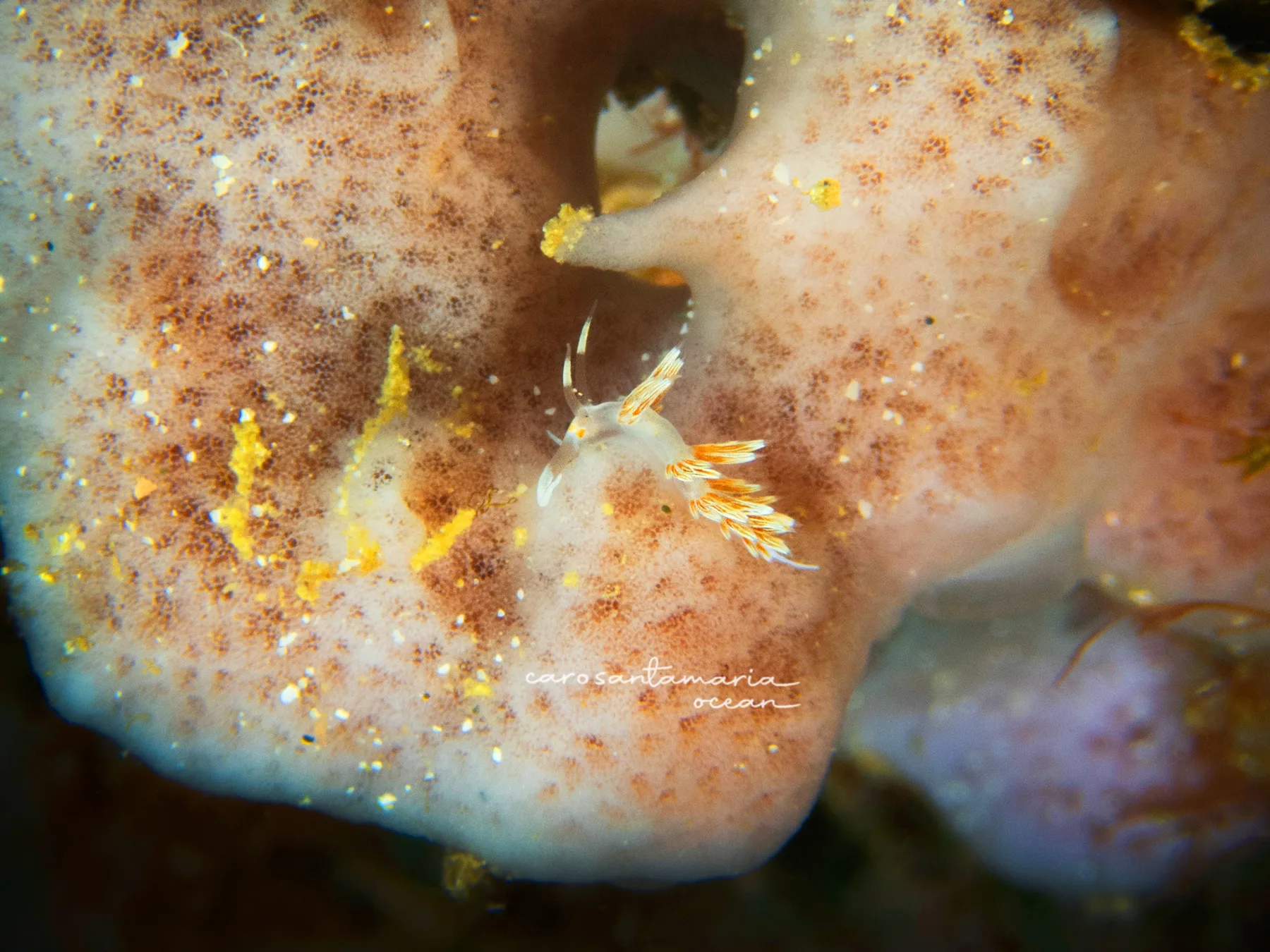
Do not touch anything, with anything. Not with your hands, not with your gloves, not with the tip of your pointer stick. These animals are built at a scale where a nudge is an injury. Most of them have no skeleton worth the name, and a stick pressed against a soft body to turn it toward your lens can crush it internally without leaving a mark you will ever see. The animal swims off, you get your shot, and you never find out what happened next.
Hands are worse. Fish carry a protective slime coat that holds off bacteria and parasites, and human skin carries oils, sunscreen residue and bacteria of our own. Wiping that layer off a frogfish or a seahorse leaves it open to infection long after the dive has ended. The pointer exists to steady you in bare sand and to indicate a critter to your buddy. It has no business making contact with a living thing. Unfortunately bad dive guides/spotters do that because they feel the pressure to set up the perfect shot for their customers to ensure a tip. I personally always tell my spotters to not do that under any circumstance.
The same restraint applies to your strobes. Some animals shrug off a flash and some do not, and it pays to learn which is which before you start firing. Seahorses and pygmy seahorses are the ones to be most careful with, along with anything nocturnal or light-shy that has come out to hunt. Many good operators cap the number of flash frames allowed on a pygmy for exactly this reason, and a guide who enforces that is doing their job. Ask before you shoot, take fewer frames than you want, and back off when the animal starts moving away from you.
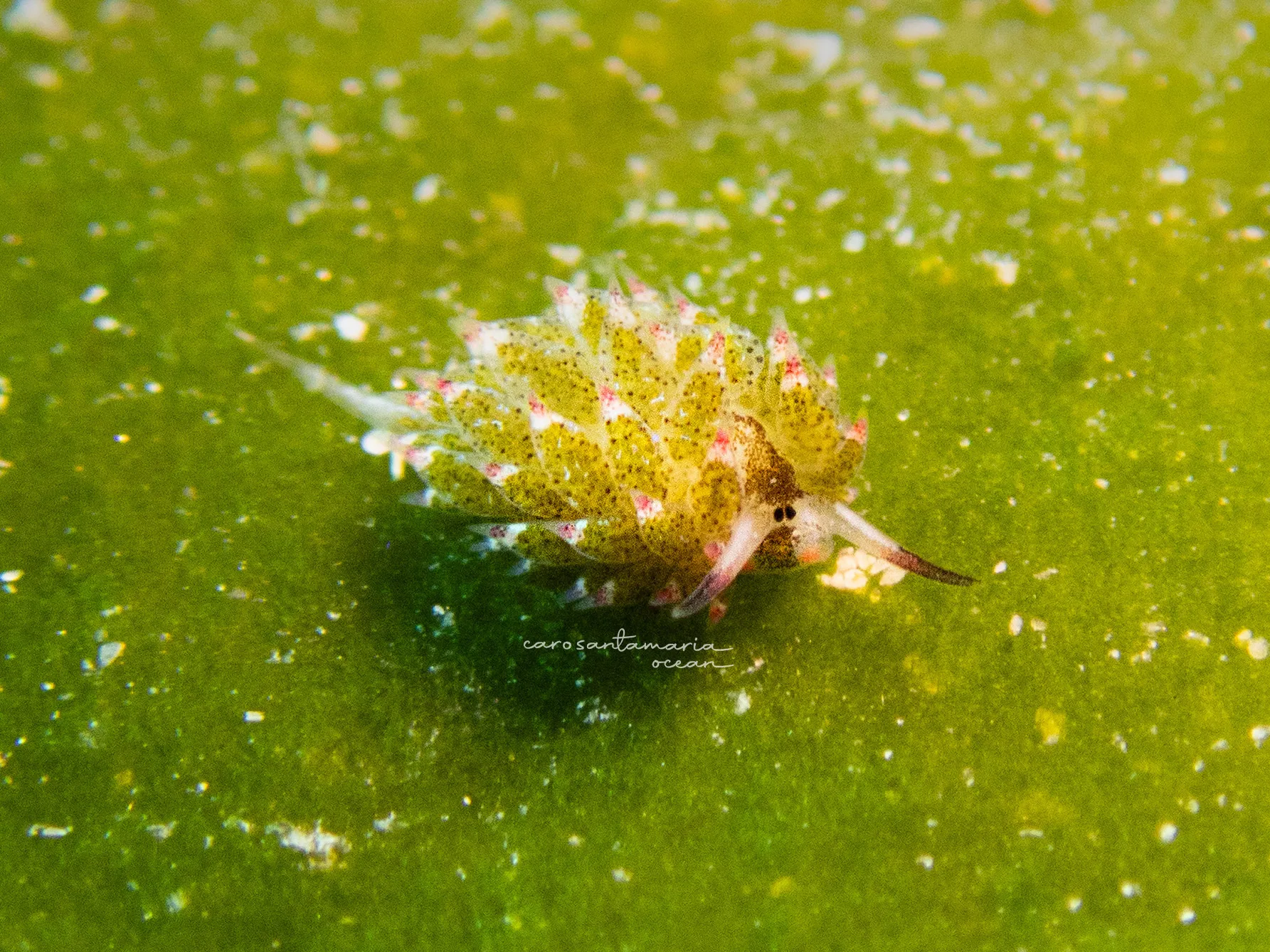
Never move an animal for a better “pose” or background. Guides watch it happen constantly. A frogfish lifted onto clean sand. A nudibranch relocated onto a photogenic sponge. A hermit crab passed around like a party trick. The IUCN seahorse, pipefish and seadragon specialist group’s tourism code of conduct says it plainly: no stick or implement should ever be used to touch an animal or scare it into changing position, and its holdfast is off limits too. The shot is not worth it, and the good photographers can tell when a frame has been staged anyway.
Use the muck stick properly or leave it on the boat. A pointer is a legitimate tool. One small point of contact in bare sand lets you hold still without lying on the bottom, and it lets you indicate a critter to your buddy without crowding it. Look before you plant it, because something is almost certainly living there. Never use it to poke, prod, flip or herd. And it is not a substitute for trim: if you need it to stay off the bottom, the answer is buoyancy practice, not hardware.
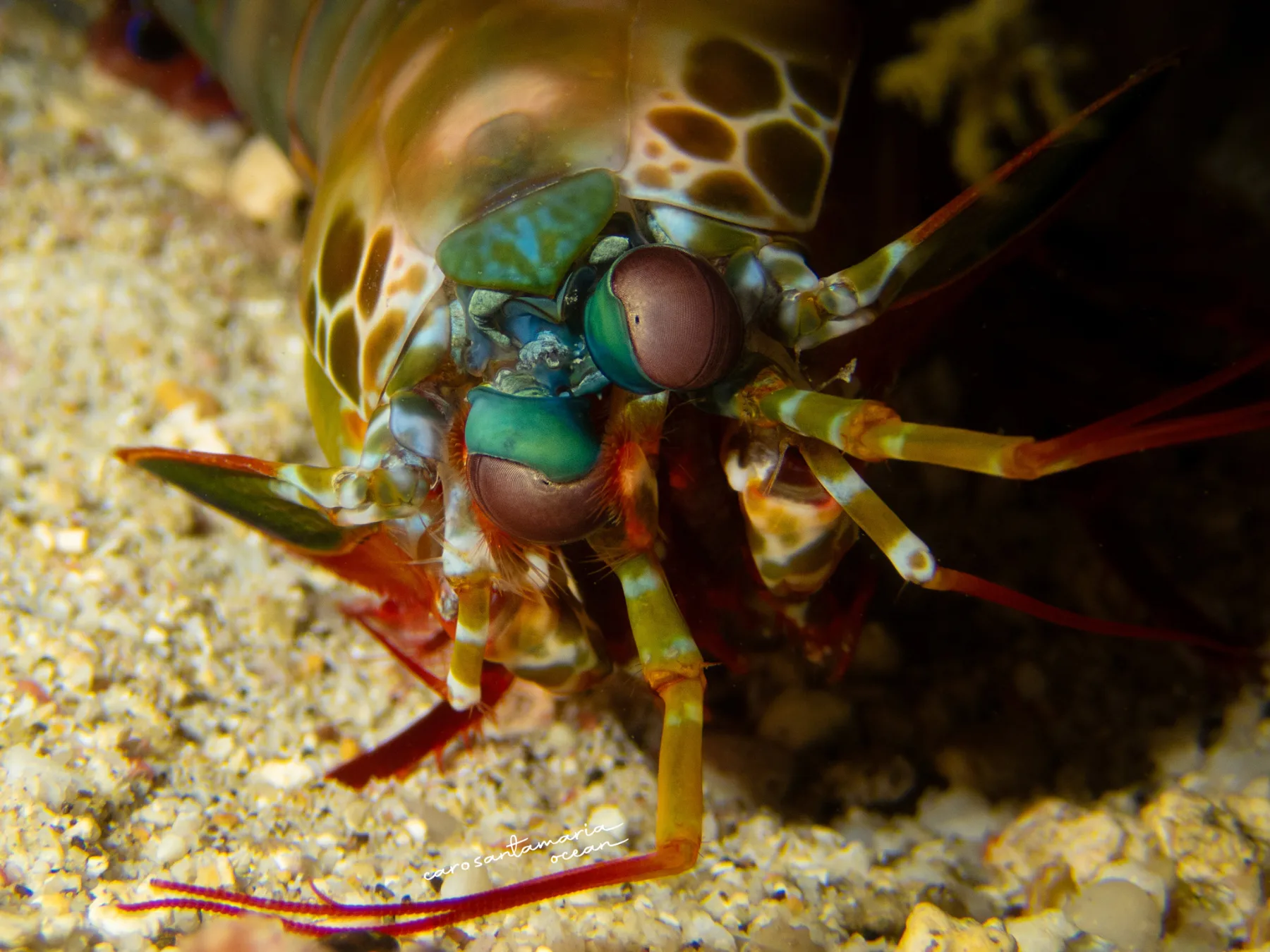
Take your shots, then move off. That same 2018 study found divers carrying DSLR rigs spent up to five times longer interacting with a subject than divers without a camera. Five times longer for you is five times longer for everyone queued behind you, and five times the disturbance for the animal. One shooter at a time. Get the frame you came for, back out cleanly, and leave the next diver the same scene the guide gave you. Getting a good shot is not easy and takes time but the priority should always be the well being of the animal. And also, you don’t want to be hated on the boat for hogging the critters!
Light the animal kindly. Keep your focus light off its eye between shots and work the edge of the beam instead of the center of it. A lot of muck critters are nocturnal or light-shy, and pinning one in a spotlight for ten minutes is its own form of harassment.
Check the trash before you remove it. This one catches well-meaning divers out. A bottle, a can, a tire or a coconut husk on a muck site is usually somebody’s house. Octopus, cardinalfish, gobies and juveniles of almost everything move into debris because there is nothing else to move into. Ghost gear and loose plastic are worth pulling out when you can do it safely. A bottle with an octopus in it stays exactly where it is. I’ve picked up plastic wrappers only to be surprised by a 5 mm nudibranch upon inspection. Had I not checked, I would have killed it despite having good intentions.
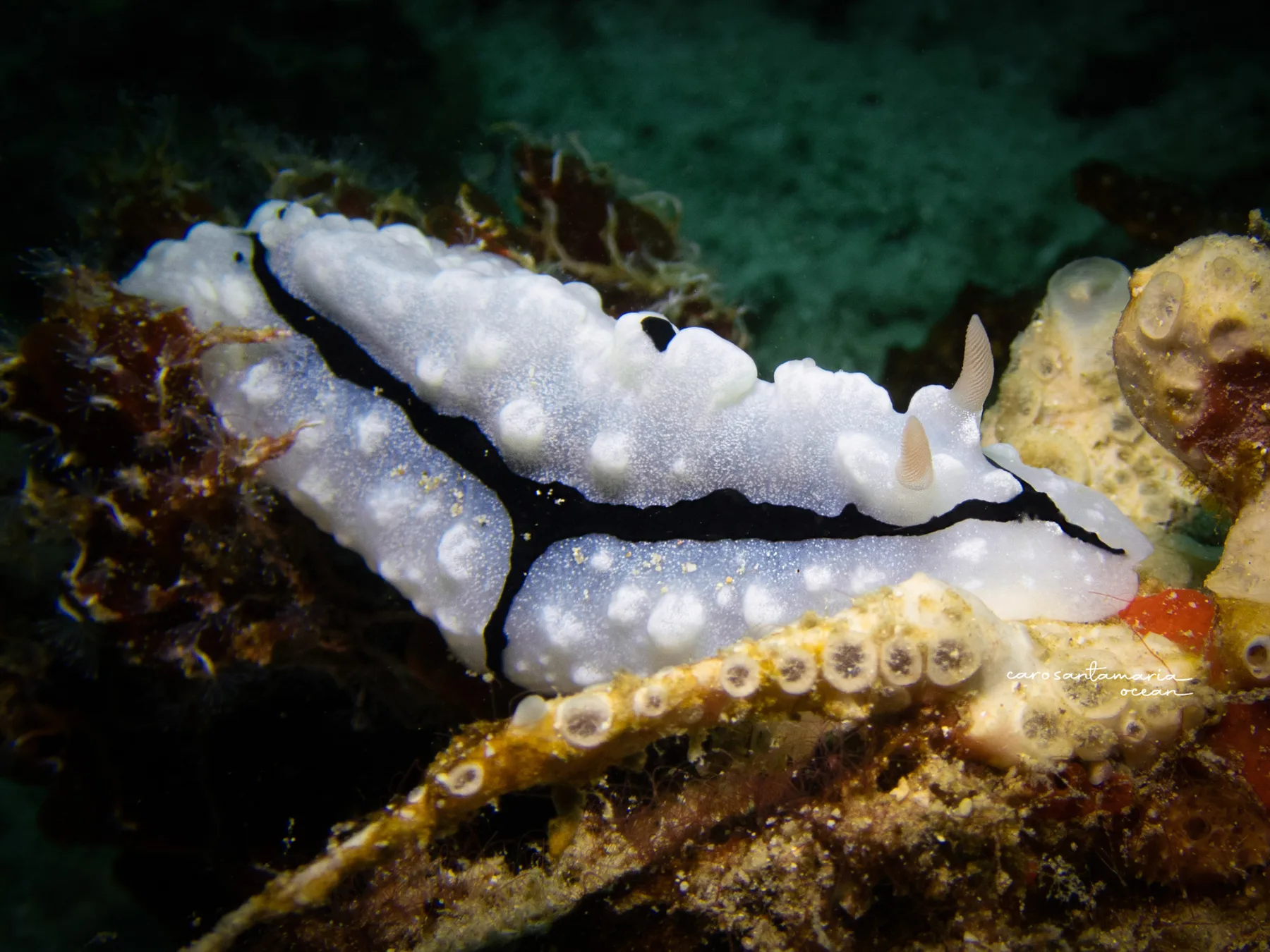
Best Destinations For Muck Diving
Most of the famous muck is inside the Coral Triangle, and the same names come up again and again.
Indonesia. The Lembeh Strait in North Sulawesi is the one most divers think of first, and it has earned the reputation. Ambon Bay is the other heavyweight. In Bali, Tulamben, Seraya and Amed give you black sand you can walk into from the beach, which I have written up in full in diving in Amed, Bali.
The Philippines. The other great muck country. Anilao in Batangas dominates the conversation, within reach of Manila and dense with sites. Dauin, near Dumaguete, belongs on the same shortlist, and so does diving in Puerto Galera, which sits inside the Verde Island Passage and mixes muck with some of the healthiest reef I have dived.
Papua New Guinea. Milne Bay, where the term was invented. Less visited, harder to reach, still extraordinary by every account I trust.
Outside the Coral Triangle. Blue Heron Bridge in Florida is the proof that muck diving is a habitat, not a region. Japan, Malaysia and parts of the Mediterranean all have their own version.
And wherever you go, do at least one muck dive at night. The cast changes completely. Bobtail squid, Spanish dancers, stargazers buried with only their eyes showing, blue-ringed octopus out hunting. A night dive on a good muck site is one of the strangest hours available to a recreational diver.
Is Muck Diving For You?
It is not for everyone and it is worth being straight about that. If what you love underwater is speed, scale and the big blue, if a dive without a dramatic feature feels like a wasted tank, this will probably bore you. I have taken plenty of friends on muck dives and a few of them hated it. Mostly because they could not read what they were looking at, or did not have the macro setup to appreciate it. One got so bored mid-dive he surfaced early on his own.
There is no getting around the fact that you spend a lot of it staring at sand. It is a treasure hunt, and treasure hunts are only fun if you like hunting. I say “you either see the magic, or you don’t”.
But if you are the kind of diver who lingers, who would rather understand one square meter than skim over a hundred, who gets a real charge out of finding the thing nobody else saw, muck diving might be the best thing you ever do underwater. It rewards good buoyancy, sharp eyes, a slow pace and patience, and it belongs to the nerdy divers among us. Proudly.
What stays with people afterwards is not just the strange otherworldly critters. It is the change in how you look. Once you have spent a few dives training your eye to pull a camouflaged animal out of a plain background, you carry the habit onto every dive after it. You notice more on the reef. You slow down. You stop waiting for the ocean to hand you a more obvious spectacle and start finding the small ones yourself.
Muck diving is like being shown a different dimension, a whole world you had been swimming over without knowing. Once you see it, you cannot unsee it. The muck is an exclusive place, and only a lucky few humans ever get to go. So go and enjoy it!
You are welcome to follow along on Instagram, where I frequently share special finds in the muck.
View on Instagram