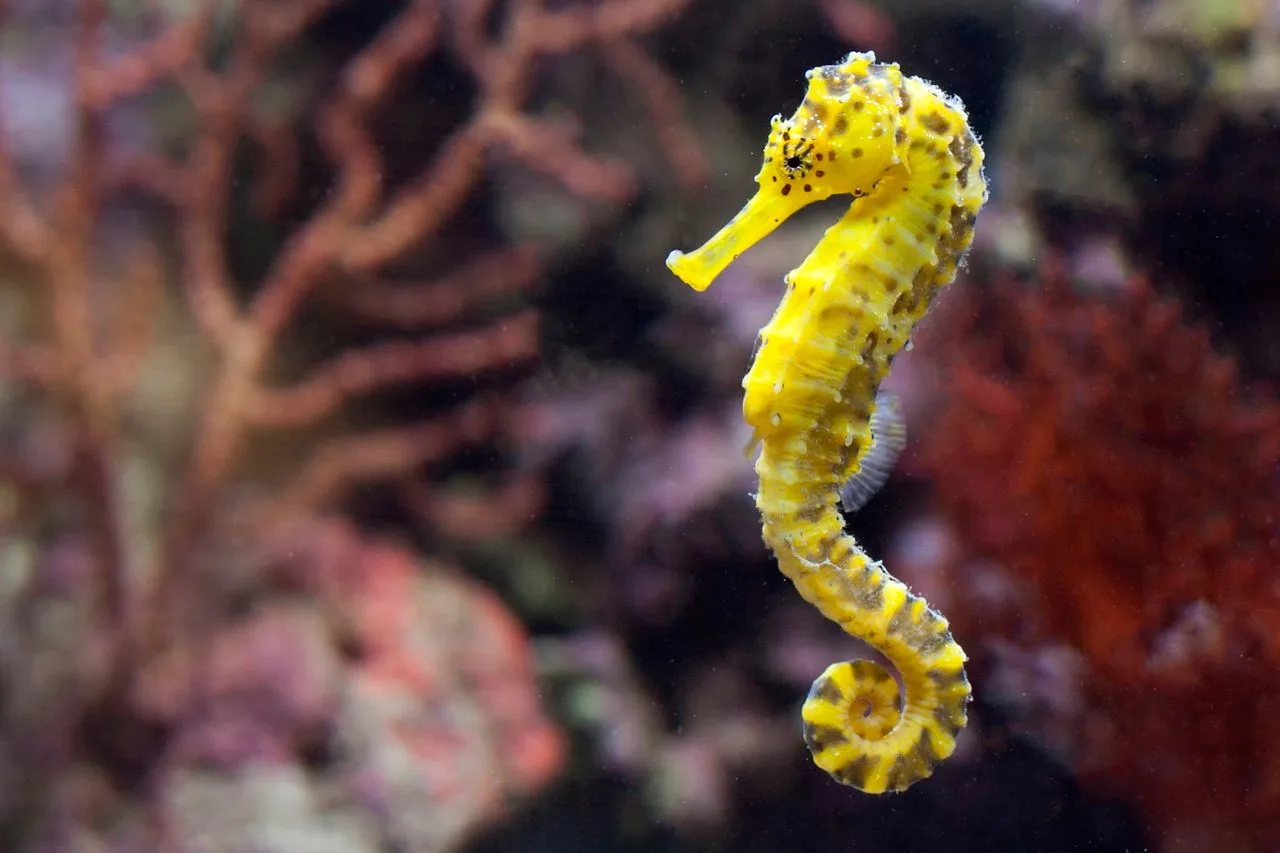
Diving in Ao Nang is the part of Krabi that almost everybody skips. People come for the limestone, photograph Railay, take the ferry to Phi Phi, and never find out that the islands sitting in the bay in front of their hotel are one of the strangest, most rewarding macro sites in Thailand.
Ao Nang is not an island. That single fact shapes everything about diving here. It is a mainland town on the Andaman coast with a beach, a pier, around a dozen dive shops, and boats going in two very different directions.
One direction is 40 minutes away and full of seahorses. The other is two hours away and full of sharks.
Ao Nang on Its Own Terms
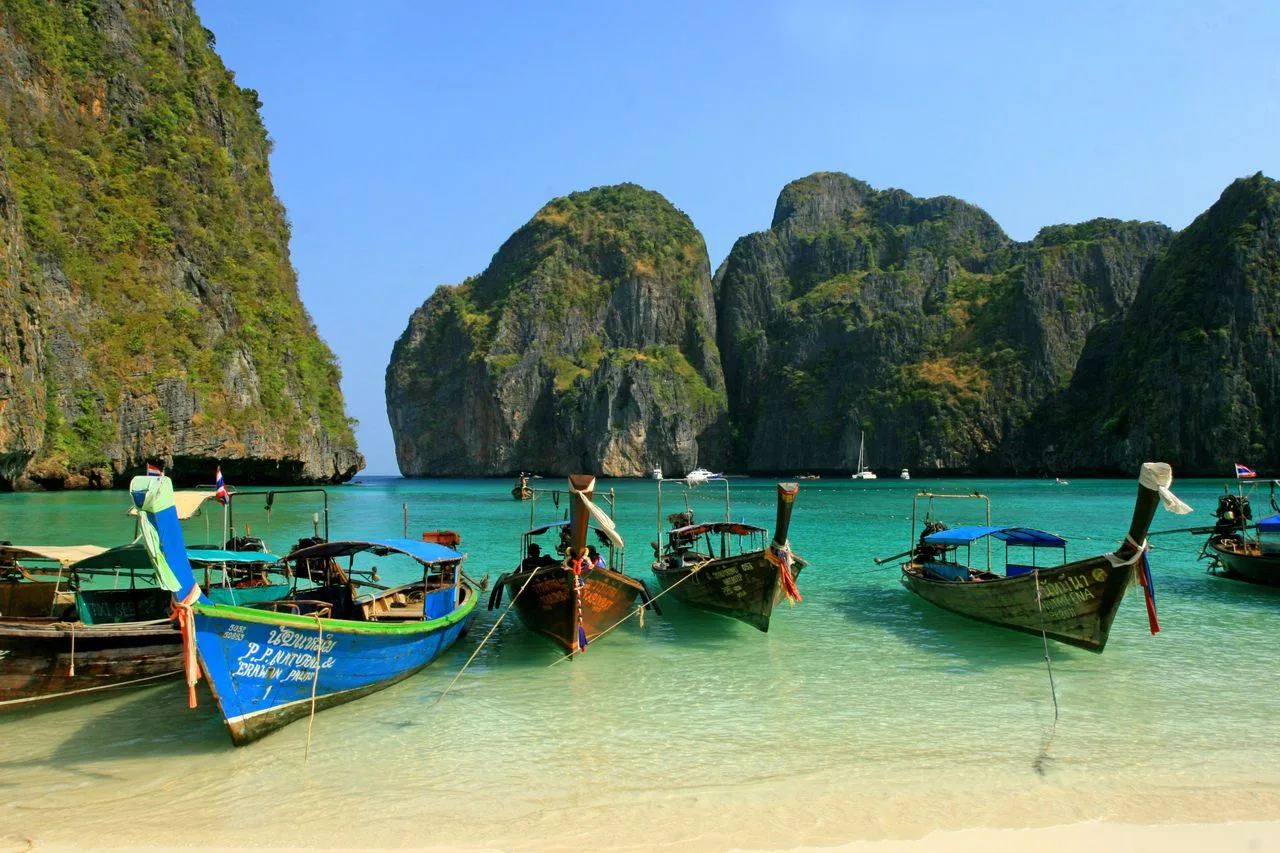
Krabi’s coast is vertical. Limestone towers rise straight out of shallow water, the islands are the tops of a drowned karst landscape, and the underwater topography copies the scenery above it: walls, cuts, tunnels driven clean through entire islands.
The town itself is a working tourist strip. Restaurants, tailors, tour desks, a night market, a beach where longtails load and unload all day. It is not a dive island and it has never pretended to be one. There are roughly ten to fifteen dive centers here, compared with close to a hundred on diving in Koh Tao, and that ratio tells you most of what you need to know about the culture. Nobody in Ao Nang is competing to certify the most people in the shortest time.
Water temperature sits between 27 and 30 degrees all year. What changes is the wind. From November to April the Andaman is flat and the whole map opens up. From May to October the southwest monsoon closes the offshore sites, and this is where Ao Nang has an advantage over almost every other Andaman base: the local islands are sheltered enough that you can keep diving through the rainy season when Phuket and Koh Lanta trips are getting canceled.
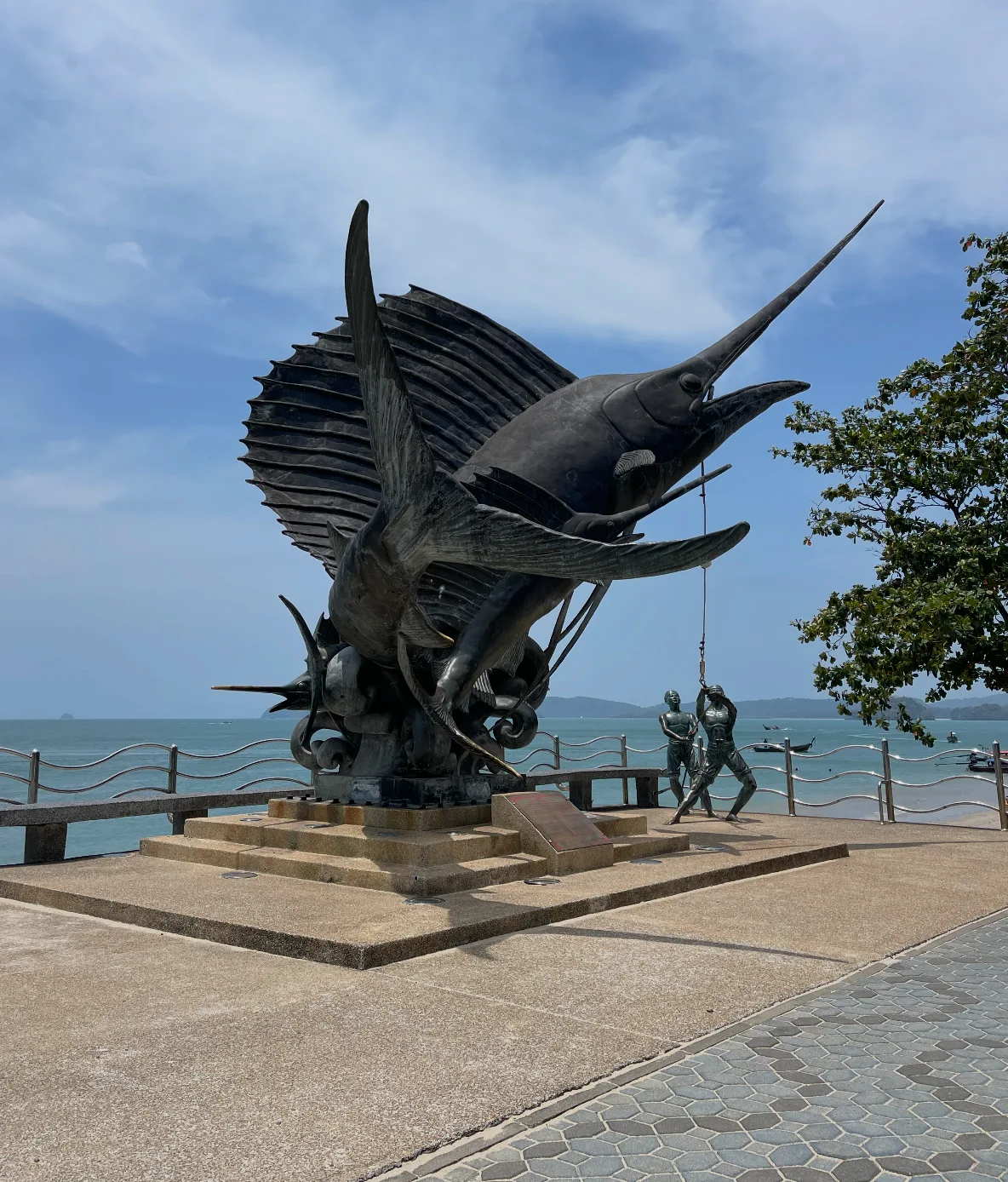
The Ao Nang Local Islands: Macro in Low Visibility
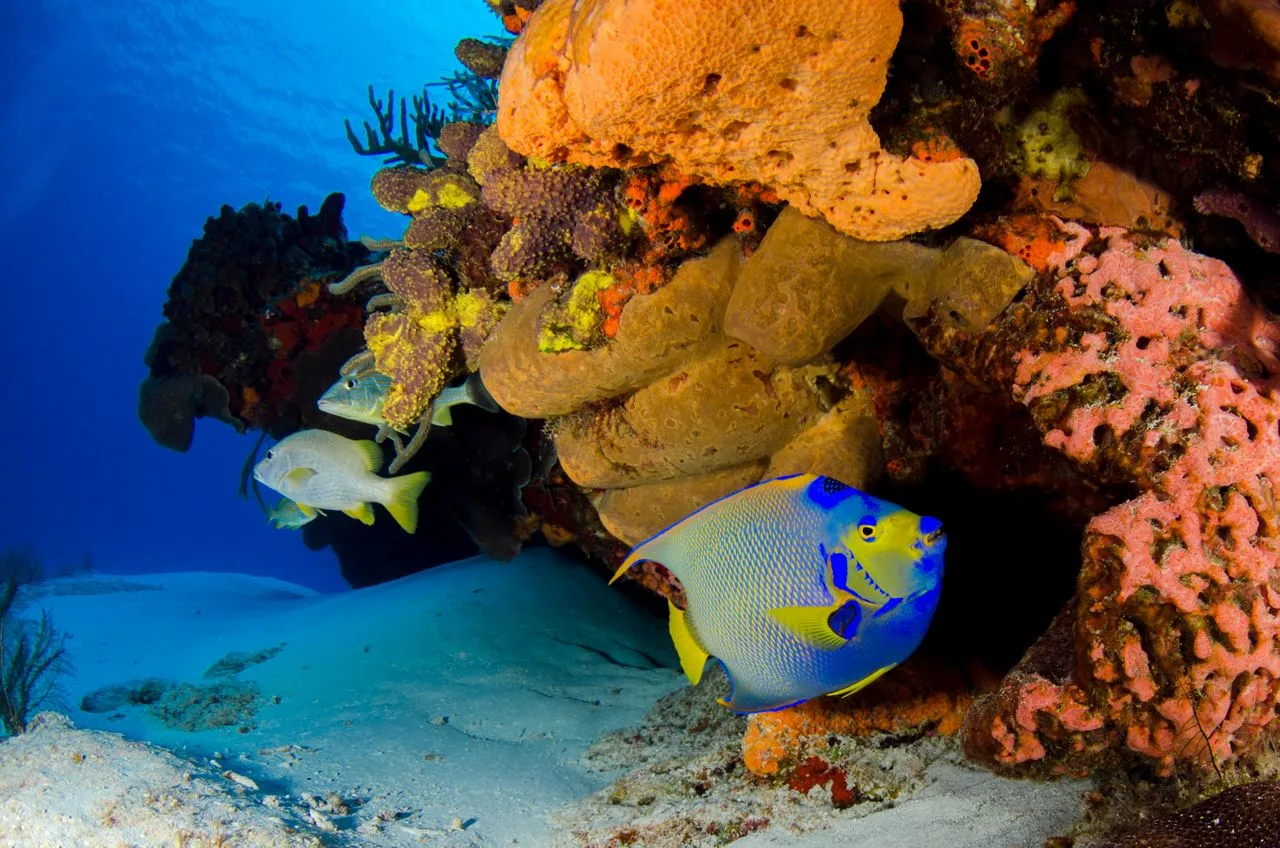
Ten or so small islands sit within 30 to 40 minutes of the beach by longtail, ten by speedboat. Koh Yawabon, Koh Sii, Koh Talu, Koh Yawasam, Koh Poda and their neighbors. Each island is basically its own dive site, nothing deeper than about 20 metres, and the whole area is dived at a crawl.
Set your expectations honestly before you go. Visibility here is poor. Average is somewhere between 2 and 12 metres, and a great day is 15. Nutrient-rich green water is exactly why this place is full of life, but if you arrived in Krabi expecting the blue water from the tourism posters, the local islands will feel like a mistake for about ten minutes, until your guide points at a rock and you realize you are looking at a seahorse.
What lives here:
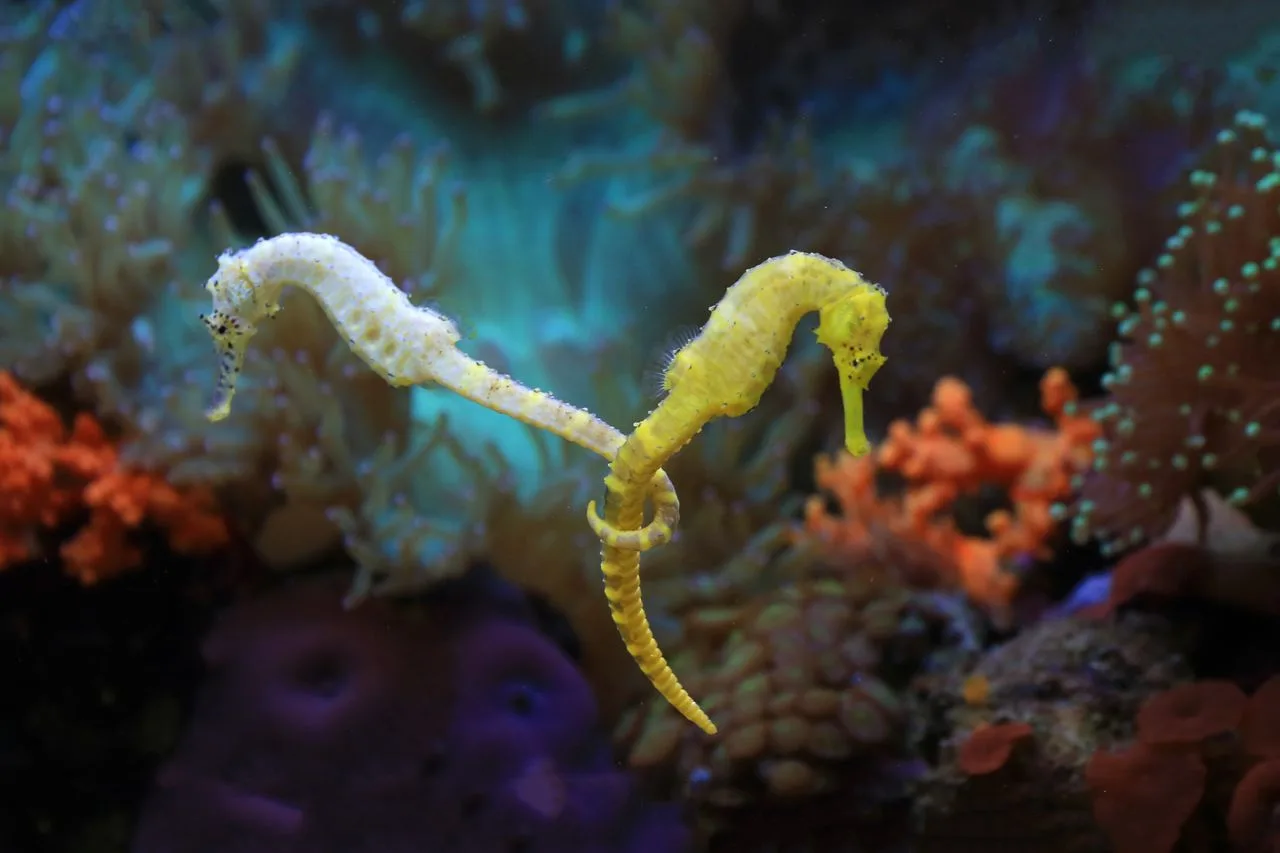
- Seahorses and pipefish , including bent stick pipefish, in more variety than anywhere else in the province.
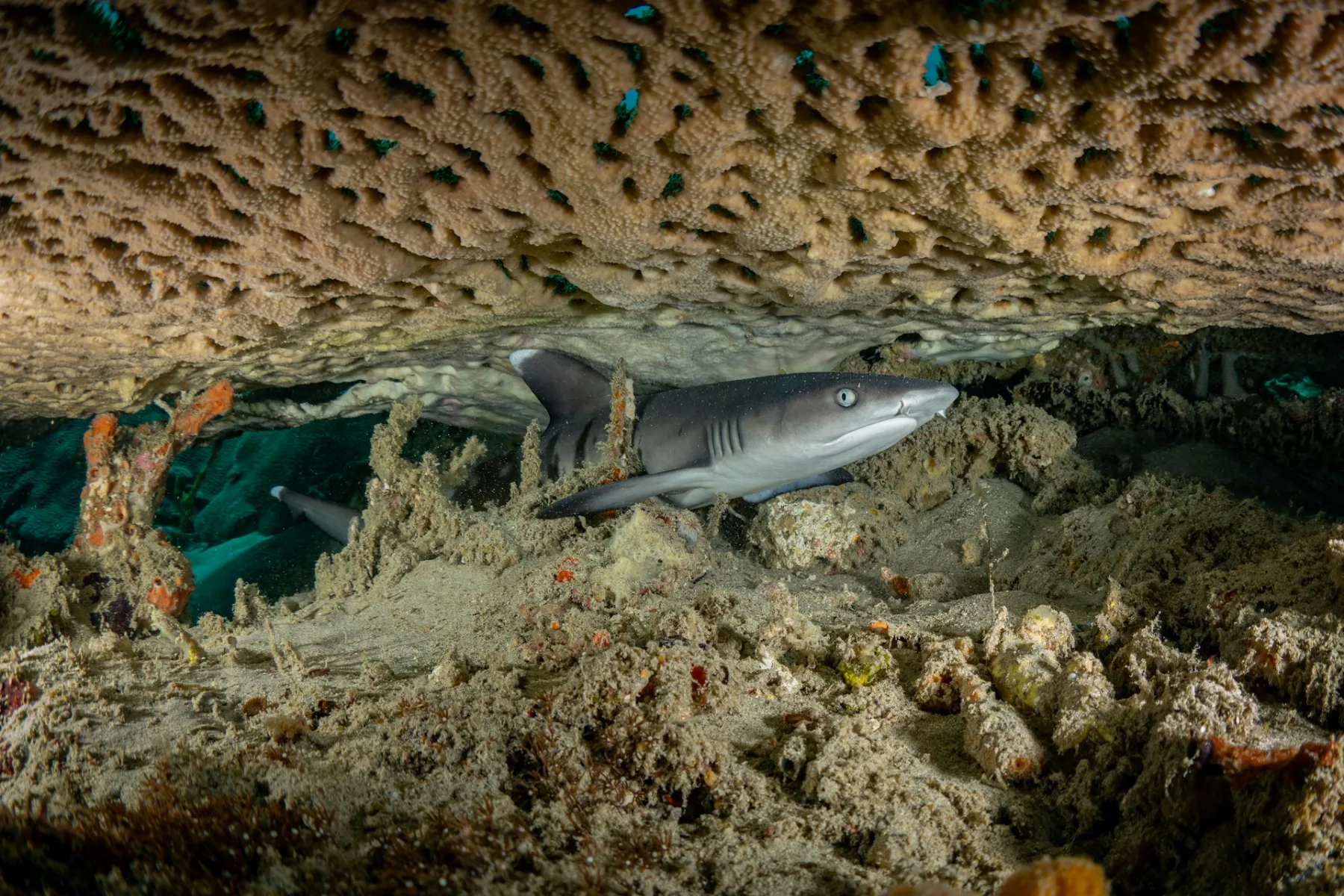
- Bamboo sharks , wedged into cracks and under ledges. You have to look, and then look again.
- Blue-spotted stingrays , in the sand and in real numbers inside the swim-throughs.
- Nudibranchs , everywhere, including a purple and yellow flabellina at Koh Talu that people come back for. If you have never worked at it, how to find nudibranchs is the skill that will change these dives.
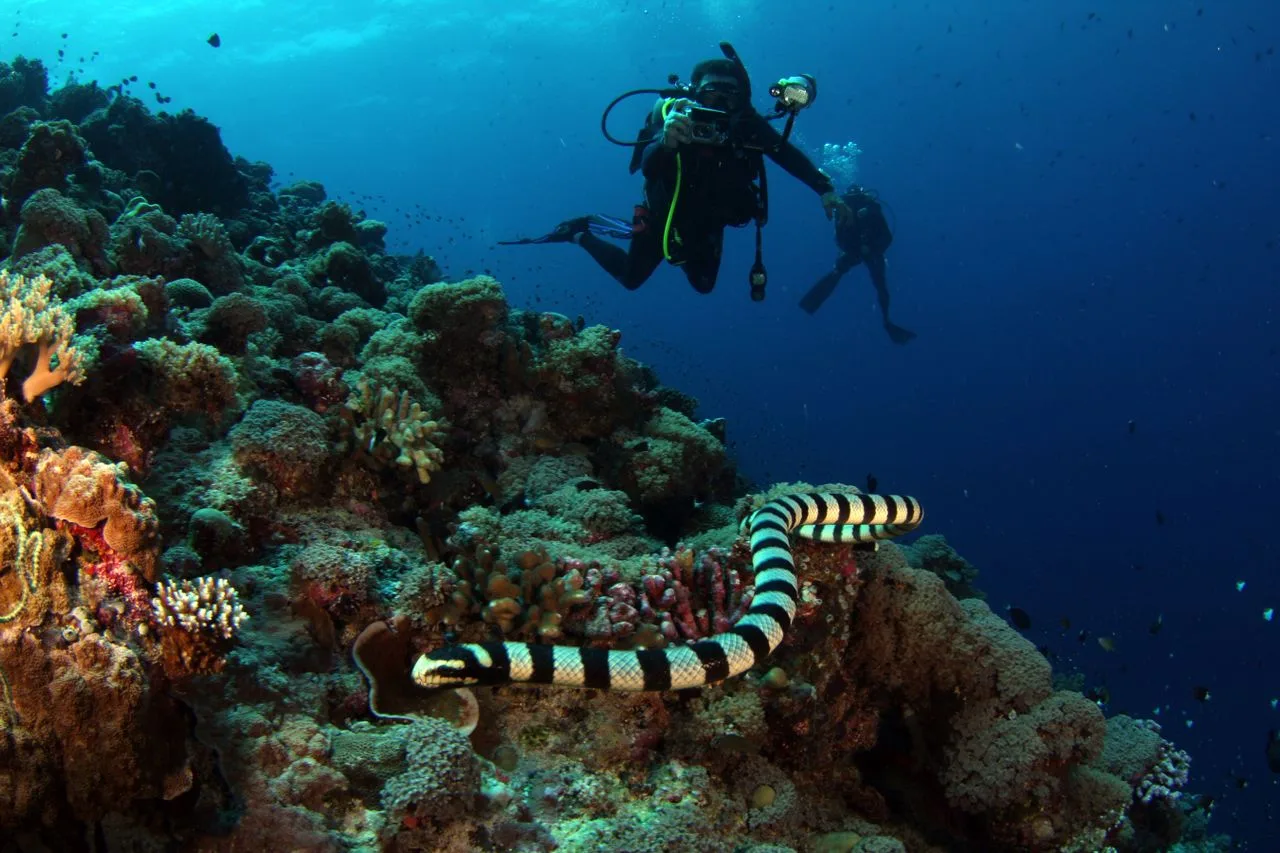
- Banded sea snakes, spiny lobster, mantis shrimp and pickhandle barracuda , mostly using the caves and cuts as daytime shelter.
Koh Yawabon is the standout. A tunnel roughly 50 metres long runs the full width of the island, wide enough to swim through, with an air pocket partway where you can surface inside the rock. The tunnel floor works as a nursery for baby blue-spotted rays, and on a good day the sand disappears under them.
Here is the honest part. Several Ao Nang shops sell these swim-throughs casually, sometimes as a “cave dive” on a standard fun dive itinerary. An overhead environment is an overhead environment. No direct ascent, silt on the floor, and a light that matters. If you are not comfortable with that, say so on the boat rather than at the entrance, and if a shop is putting freshly certified divers through a 50 metre tunnel without a conversation first, that tells you something about the shop.
Currents run moderate to strong through this whole archipelago, tide-dependent, and the good operators plan the day around the tide table rather than the schedule.
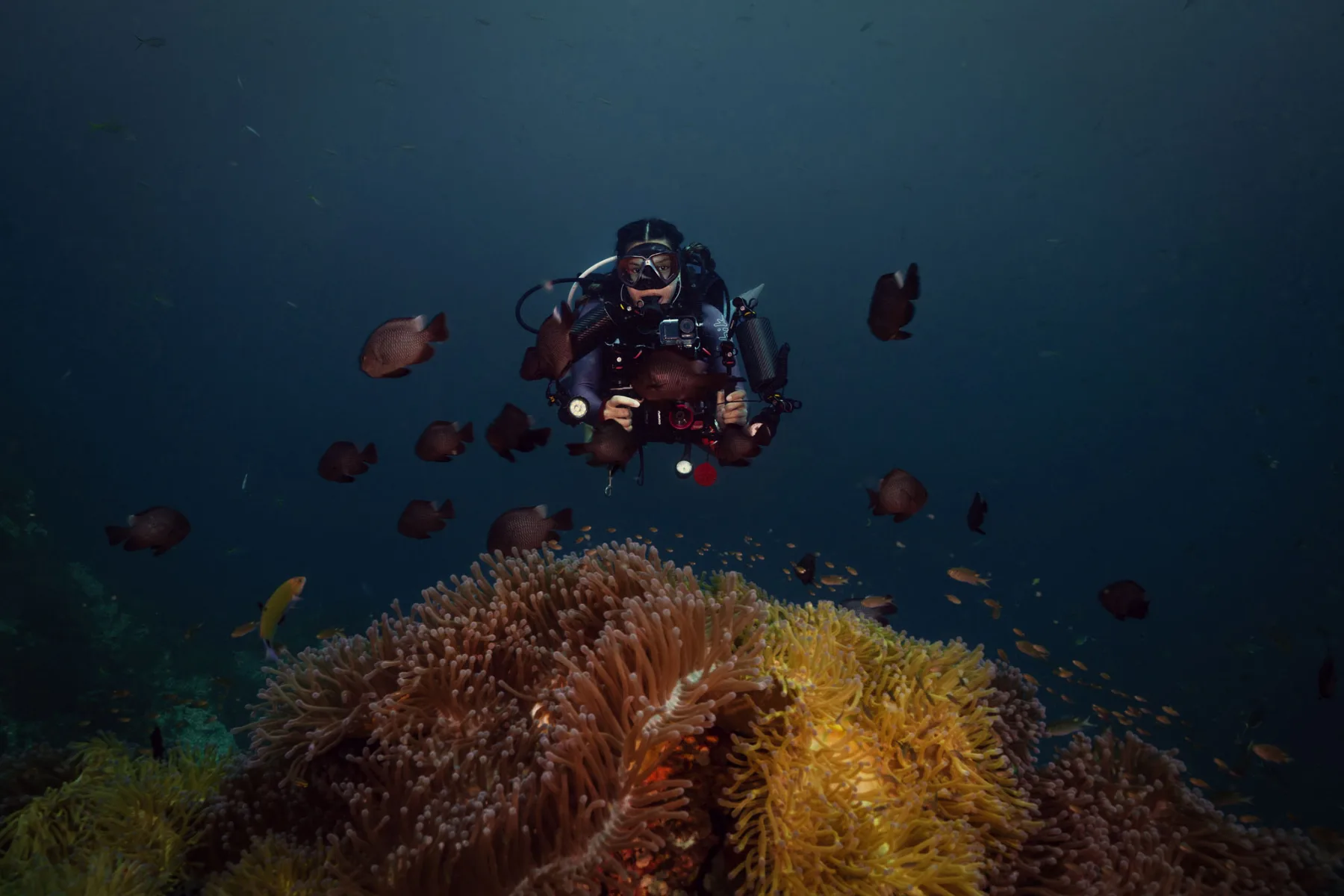
For anyone shooting, this is a place that rewards patience over gear. The subjects are small, static and close, which is the easiest possible starting point for underwater macro photography, and the low visibility barely matters when you are 15 centimeters from the animal.
Diving Phi Phi and the Bida Islands from Ao Nang
The Phi Phi trip is the long day. Big shared dive boat, hotel pickup around 7am, two to two and a half hours out, back at the pier at five or six. Some trips leave from the beach and shuttle you out by longtail, others from Port Takola marina fifteen minutes up the road. A speedboat charter cuts the crossing to around 45 minutes if you are willing to pay for it.
These boats are often shared between several dive shops and can carry 30 to 50 divers. That is the trade-off for basing yourself on the mainland instead of on Phi Phi itself, and it is worth knowing before you book rather than discovering it at 7am.
The diving is worth the crossing. Around twenty sites, most of them between the surface and 18 metres, with mild current and better visibility than anything in Ao Nang bay.
Bida Nok and Bida Nai, two small islands off the southern tip of Phi Phi Leh, are the reason to make the trip. Blacktip reef sharks in the shallows, leopard sharks resting on the sand when they are in, and a fusilier school at Bida Nok that runs into the thousands, with trevally driving through it in hunting formation. Add giant morays, cuttlefish, banded sea snakes, hawksbill sea turtles and a full macro list on top of that.
Viking Bay on Phi Phi Leh has shallow sand for training and an artificial reef called The Pyramid, cement blocks stacked after the 2004 tsunami that are now completely overgrown, with batfish and giant morays living in the structure.
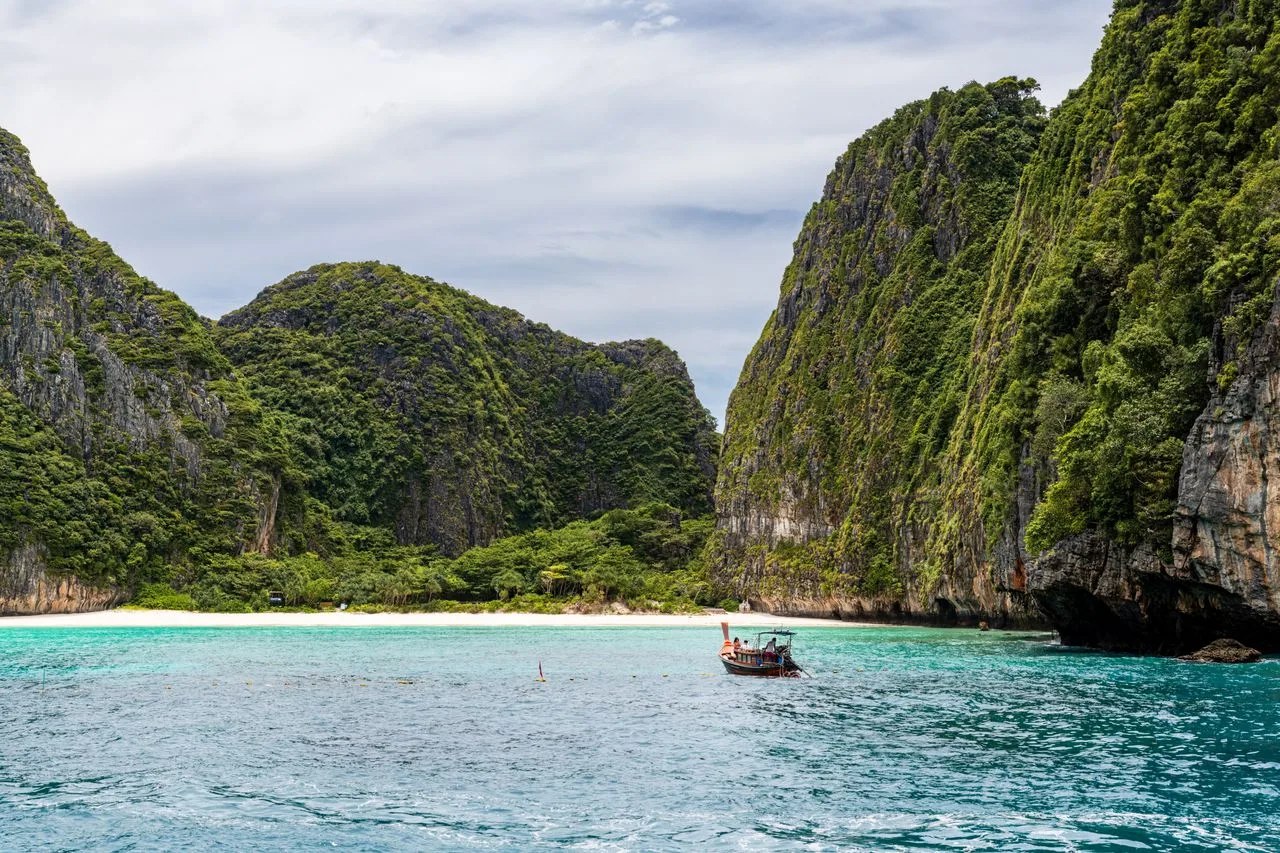
Maya Corner sits just north of the famous bay. Hawksbill turtles on a shallow ledge around 6 metres, then a slope down to 18 with soft coral, dancing shrimp and sea fans. Guides keep well clear of the Maya Bay entrance, because the speedboat traffic there is constant.
The Kled Gaeow wreck was a Thai Navy vessel sunk deliberately in 2014. Around 50 metres long, top at 14 to 16 metres, bottom at 26. Barracuda, lionfish, scorpionfish, big schools sitting over the structure. Advanced level.
The King Cruiser Wreck and the Shark Point Cluster
Three sites sit together in open water between Phi Phi and Phuket, roughly two hours from Ao Nang. Most shops run them as a single three-dive day, high season only, often on request. No land protection, real current, and the best big-fish odds in the province.
The King Cruiser is an 85 metre car ferry that hit Anemone Reef on 4 May 1997 while running passengers from Phuket to Phi Phi. All 561 people on board were taken off by police boats, fishing boats and dive boats before she went down. The cause was never satisfactorily explained, and the local theories have never gone away.
She sits upright on sand at around 30 metres. The superstructure that once came up to 10 metres has collapsed over three decades, so the top of the wreck is now closer to 16 or 18. Penetration is no longer advised anywhere on her, and the shops that treat that as negotiable are not the ones to dive with. Visibility swings between 5 and 25 metres. What has replaced the ship is a genuine reef: jacks, barracuda, snapper in schools, scorpionfish everywhere once your eye adjusts, and the occasional whale shark passing above.
This is a deeper, more demanding wreck than most people expect. If you want to understand what a big intact ferry wreck feels like before you commit, diving the Salem Express covers that experience in the Red Sea.
Shark Point, known locally as Hin Musang and protected as a marine sanctuary, is a chain of pinnacles running roughly north to south. The first is marked by a fin-shaped rock breaking the surface, the outer reef drops to about 18 metres, and the second pinnacle tops out around 8 metres under a full covering of soft coral. Stingrays in the sand between them, fusiliers and snapper circling the shallows, and leopard sharks when you are lucky.
Anemone Reef is the pinnacle the ferry hit. Smaller than the other two, from about 5 metres down to 20, and carpeted in anemones with the clownfish that come with them. White-eyed and fimbriated morays live in the structure. The site is shallow enough for an Open Water diver on paper, but the open-ocean current is what actually decides.
Leopard Sharks in Krabi: Where They Went
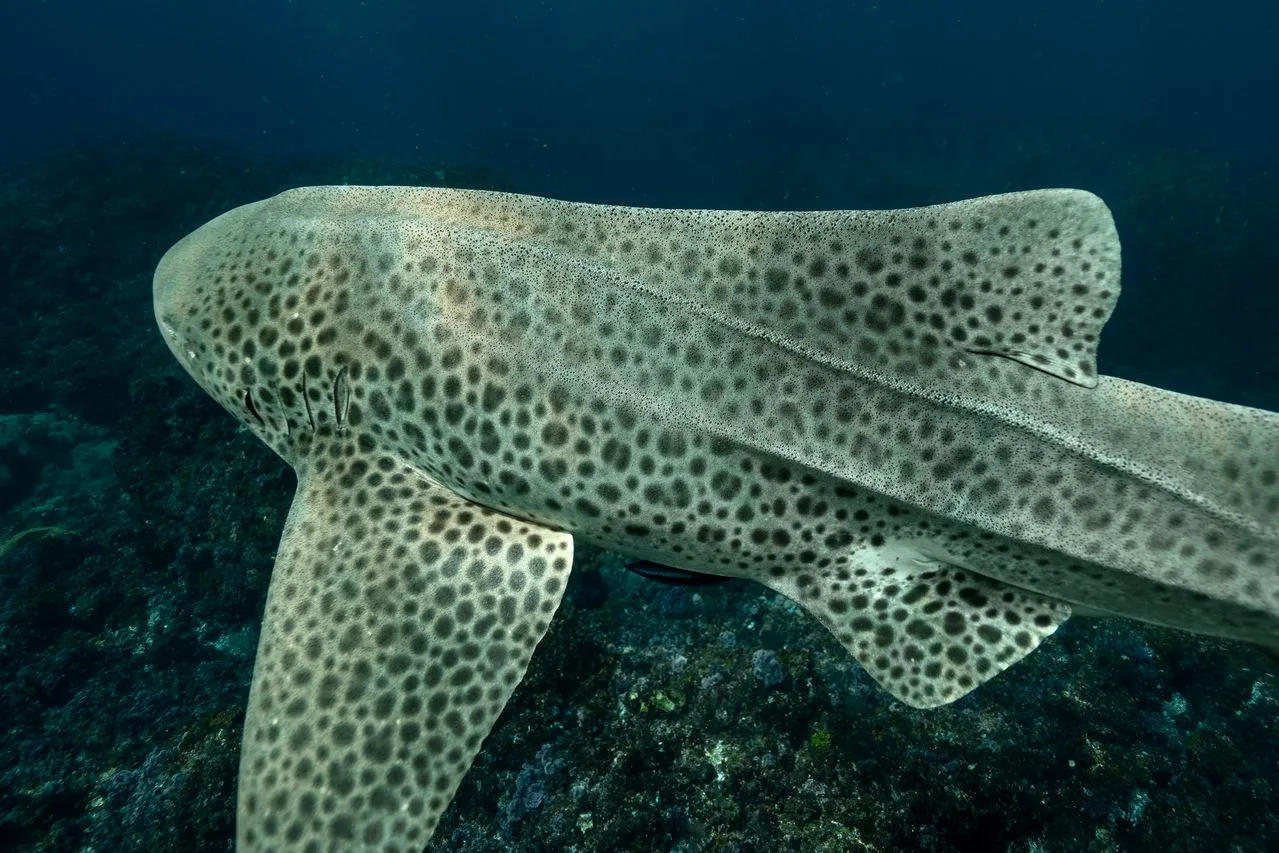
Krabi built its dive reputation on leopard sharks, the spotted, long-tailed bottom-dwellers the rest of the world calls zebra sharks. Dive surveys between 2012 and 2016 recorded them as one of the most frequently encountered shark species in the province.
They are now listed as Endangered on the IUCN Red List. Landing surveys of Thai commercial fishers in the Andaman recorded leopard shark landings falling from around 30 individuals to three between 2005 and 2015, and operators across Krabi have reported fewer sightings for years. The species aggregates, returns to the same reefs and matures late, which is a combination that empties an area fast once the shark fin trade and the trawlers reach it.
The response is worth knowing about, because you can be part of it. Spot the Leopard Shark Thailand is a photo-ID project that has built a record of 278 individual sharks from more than 1,300 diver photographs collected between 2004 and 2025, much of it from Krabi. Every leopard shark spot pattern is unique, so a decent photo of the flank is a data point.
In May 2025, StAR Project Thailand launched as the country’s first shark rewilding program, a partnership between Thai government departments, aquariums and NGOs. Seven aquarium-bred juveniles were released off Maiton Island near Phuket during 2025, tracked afterwards with acoustic telemetry and diver sightings. The project manager’s definition of success is the one that matters to divers: regular sightings in the water, evidence of breeding in the wild, and leopard sharks disappearing from the fish markets.
What the Reefs Look Like Now
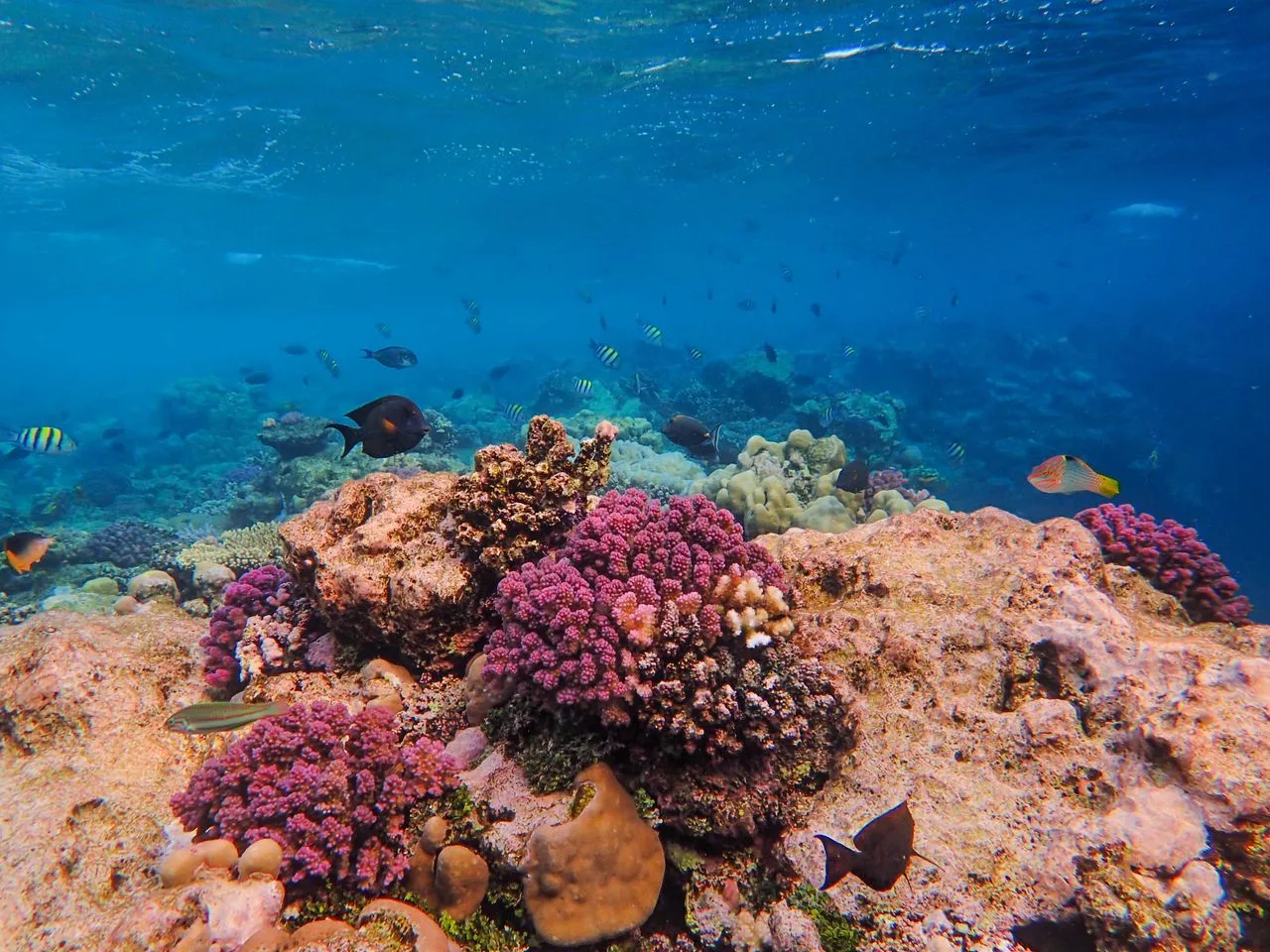
Everything you dive from Ao Nang sits inside Hat Noppharat Thara–Mu Ko Phi Phi National Park, and the park has had a hard few years.
In 2024 the Department of National Parks recorded bleaching at 152 locations across 21 marine national parks, with this park among the twelve worst affected, and closed a series of dive sites to let reefs recover. That was Thailand’s share of the fourth global coral bleaching event. In July 2026 the department was again reporting bleaching alerts on the Andaman coast, with more than half the surveyed reefs at Mu Ko Surin showing signs. Anyone telling you the Andaman has moved past this is selling something.
The counter-story is at Maya Bay, and it is one of the most useful things in Thai diving to point at.
Maya Bay closed completely in 2018 after mass tourism reduced live coral cover in the bay to around 8 percent. It reopened in 2022 under real rules: no boats inside the bay, no anchoring, no swimming, timed entry with a cap on numbers, a pier and boardwalk on the far side of the island so nobody walks across the beach. Live coral had climbed back to somewhere between 20 and 30 percent by 2023.
The sharks came back too. Blacktip reef sharks now use the bay as a nursery. A survey in July 2025 counted 158 blacktips in the bay in a single morning, the highest figure ever recorded there. In early 2026 another survey logged 118 at once, along with newborn pups around 30 centimeters long in the shallows.
That is not a feel-good detail. It is the clearest evidence in Thailand that marine protected areas work when the rules are enforced instead of printed. The same park, the same water, the same tourist economy. The difference is enforcement.
Practical Notes: Season, Costs, Fees and Picking a Shop
Season. November to April is the high season: flat seas, the offshore sites open, visibility up to 25 or 30 metres at the best of them. May to October brings the southwest monsoon, and most shops switch to the Ao Nang local islands, with Phi Phi trips running subject to weather. Koh Haa, three and a half hours out and worth it for the cathedral cavern, is generally accessible November to April only.
Costs. Expect roughly 3,300 to 4,300 THB for two dives at the local islands, and around 4,500 THB for two dives at Phi Phi. Discover Scuba runs 4,300 to 5,500 THB depending on destination. Open Water is typically 13,900 to 15,900 THB. Prices move, so treat these as a shape rather than a quote.
Park fees. These are separate, paid in cash, and catch people out. Budget around 400 THB per diver for the Ao Nang islands and 600 THB for Phi Phi on your first diving day, made up of the entrance fee plus a 200 THB diving supplement. The diver ticket runs on a three-day cycle, so consecutive diving days are cheaper than spread-out ones. Fees are set by the Department of National Parks and change without notice.
Certification level. The local islands and most of Phi Phi suit any level. The King Cruiser, the Kled Gaeow wreck and the open-ocean cluster want Advanced and real recent experience, not a card issued four years ago. If you are starting from zero, how to become a certified scuba diver covers the path.
Picking a shop. Ao Nang is small enough that reputation travels. Ask which boat you will be on and how many divers it carries, ask whether the day is planned around the tide, and ask what happens to the itinerary if conditions turn. Ask about the swim-throughs before you are in one. The shops that answer these questions properly are the ones running small groups and long surface intervals, which is the entire reason to dive from Ao Nang rather than joining the machine somewhere else.
One more thing. Krabi’s shallow, sun-exposed reefs get a full day of runoff from a beach town every day of high season. What sunscreen does to coral is worth two minutes of your time before you buy a bottle at the 7-Eleven on the way to the pier.