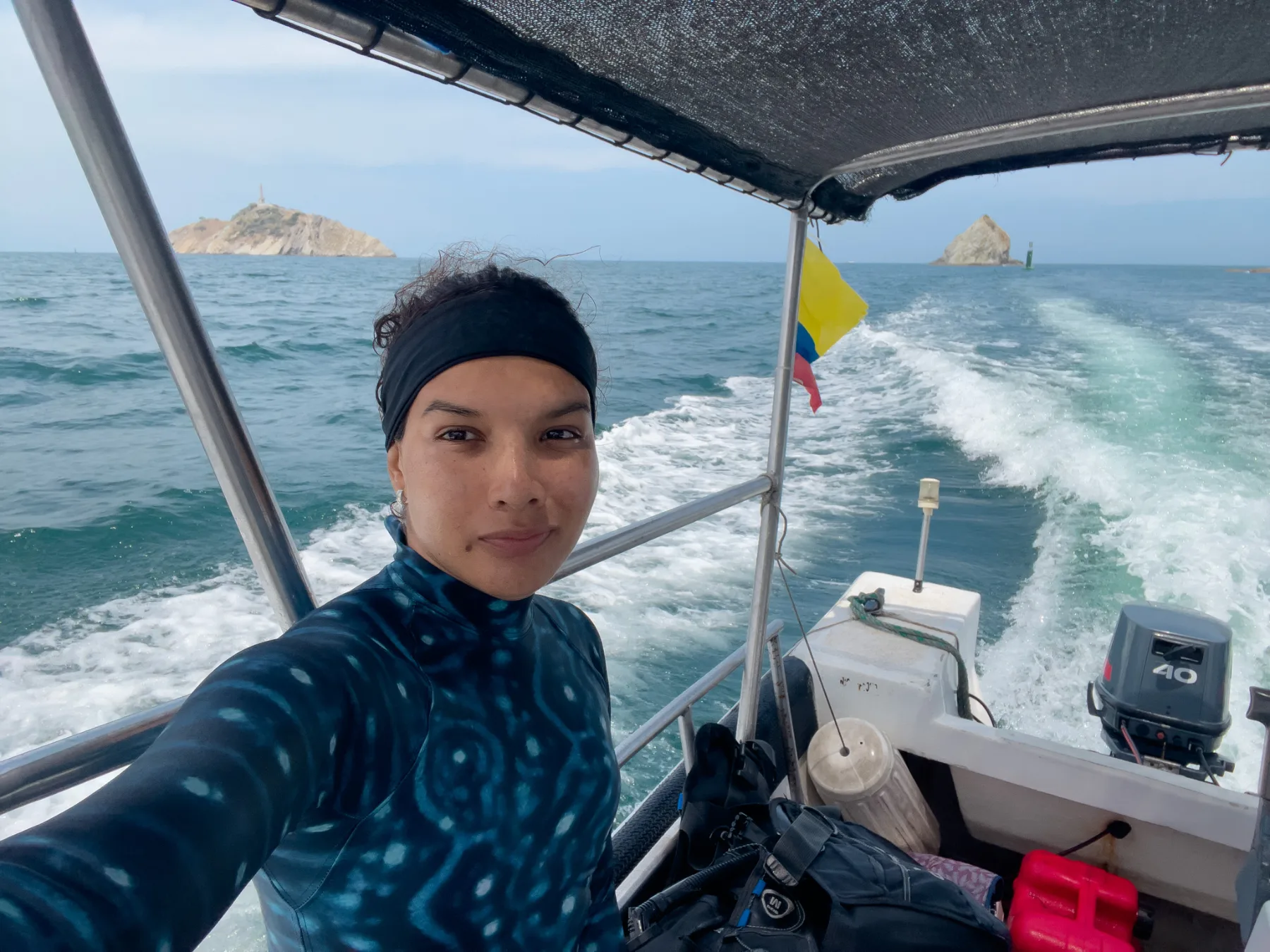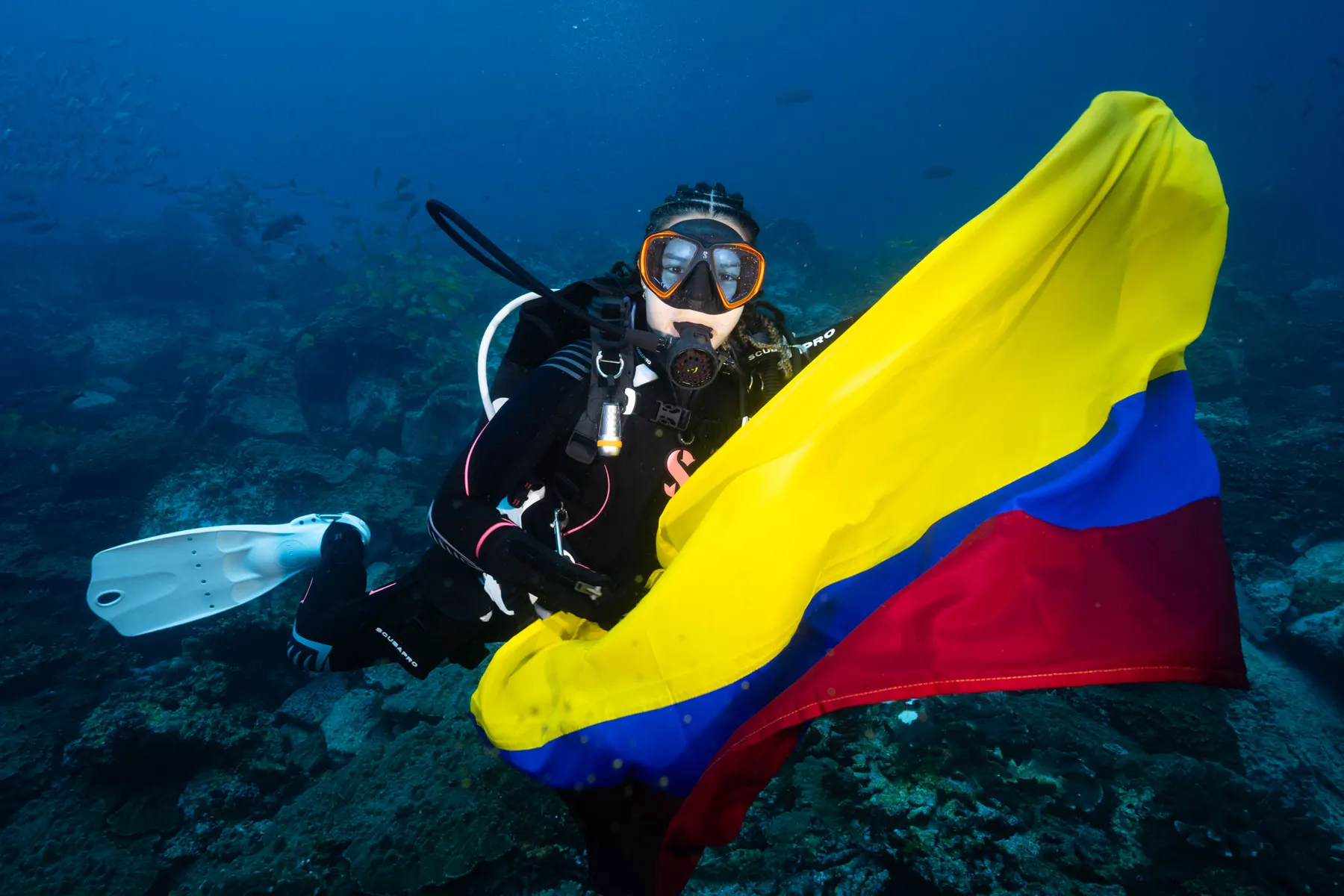
My diving journey started with diving in Santa Marta. In 2014, more than a decade ago, I did my first Discover Scuba Diving session off this coast. I spent most of it overwhelmed, the gear felt heavy and I was not comfortable in the water yet, but I came up fascinated nevertheless.
Years later I got certified and went diving around the world, and during a visit back to my home country, Colombia, I decided to return to the very first place where the underwater world welcomed me. It felt like closing a circle. Santa Marta was also the first place where I saw dolphins in the wild, and I was lucky enough to live that scene again on my return.
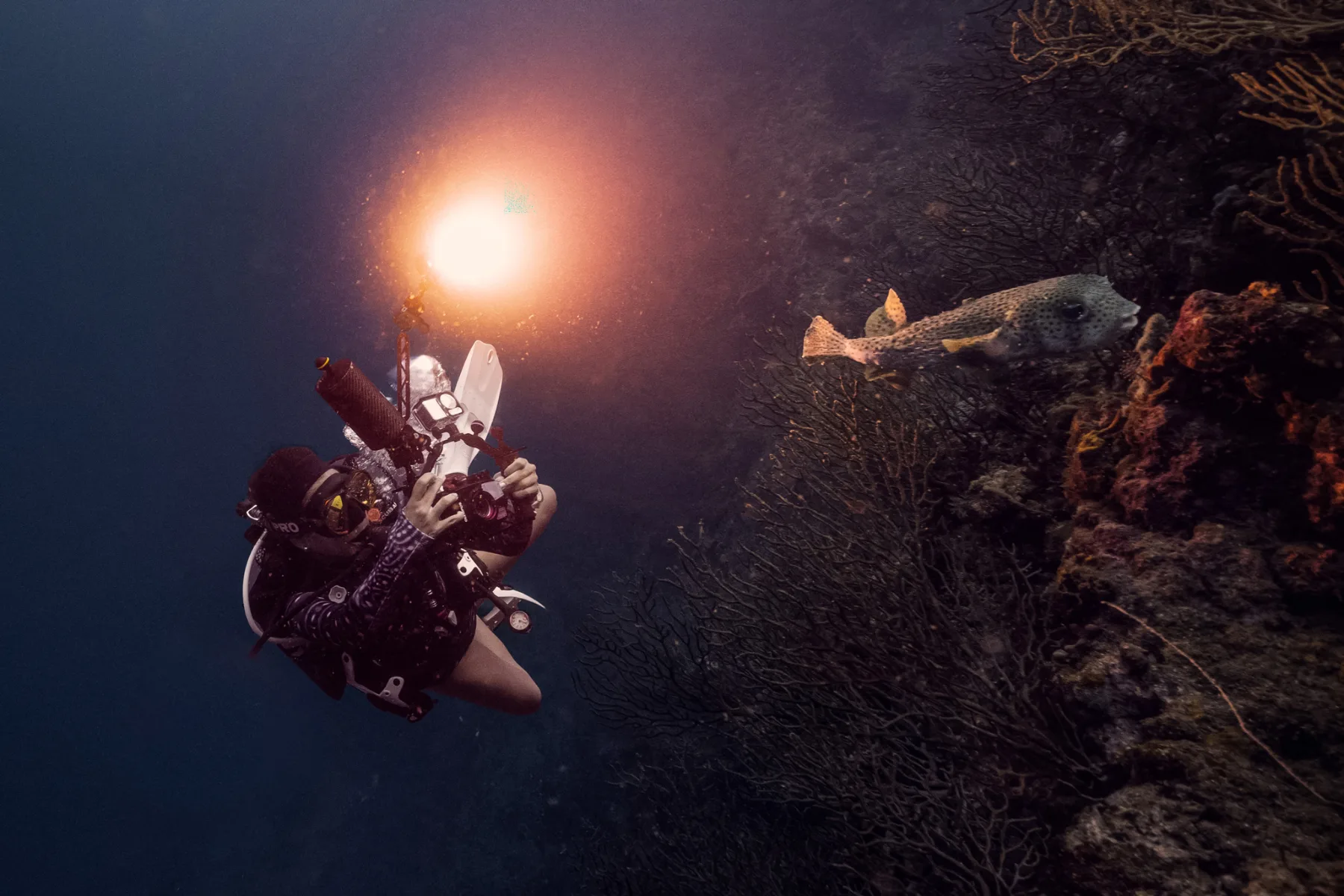
That trip was special for another reason too. It was the first time I took my new camera gear underwater, so the reefs of Tayrona are where my underwater photography journey started. If you are thinking about taking that step yourself, I wrote about building your first underwater camera setup.
I am Colombian, so I am biased, but this coast deserves a better reputation in the dive world than it has. The best sites sit inside Tayrona National Natural Park, the reef there is in better shape than the reef next to the city, and the boats reach most of them in under 20 minutes. It also comes with real issues you should know about before booking, from park closures to water quality in the city’s bay, and this article covers both sides.
Where Is Santa Marta, and Why Dive It?
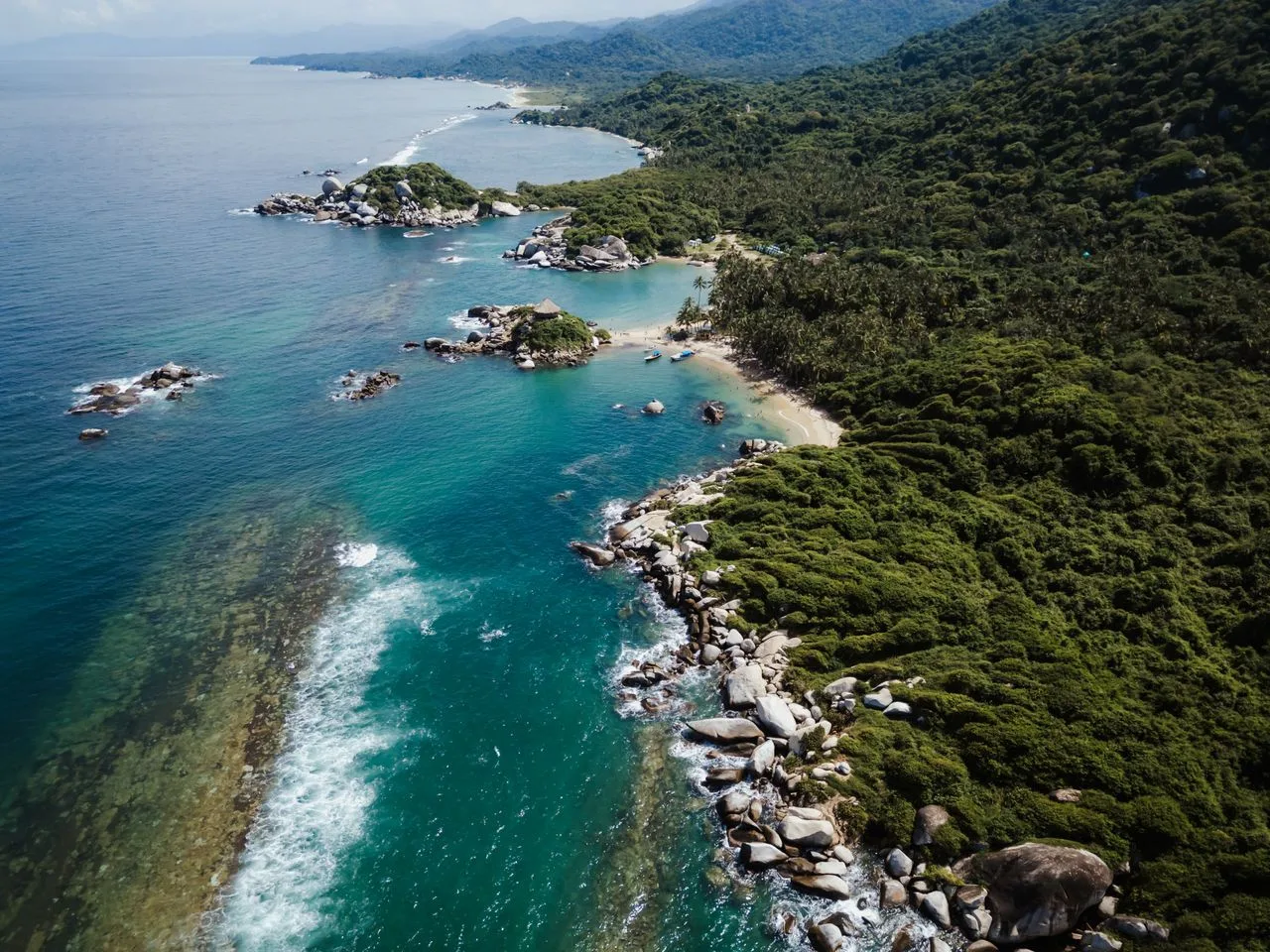
Santa Marta sits on Colombia’s northern Caribbean coast, at the foot of the Sierra Nevada de Santa Marta, the highest coastal mountain range in the world. Founded in 1525, it is the oldest surviving city in the country, and it is the gateway to Tayrona, Minca and the Lost City trek. Most visitors come for the mountains and the beaches, and far fewer realize the underwater side is just as accessible.
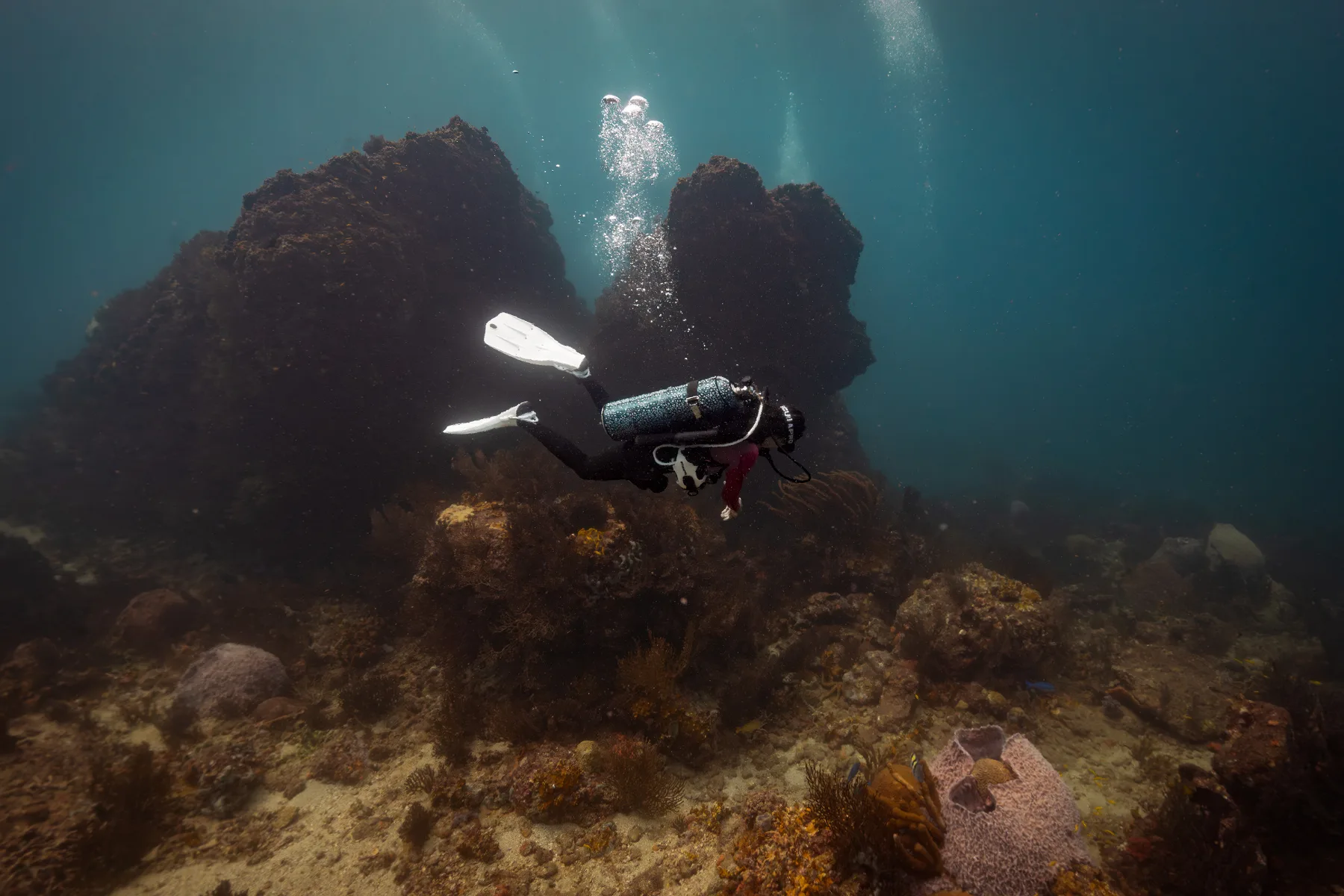
The mountains run straight into the sea, and you can see it underwater. Rocky headlands drop into reef slopes, boulders covered in coral sit between sand channels, and the walls are made of the same granite you see above the waterline. It feels very different from the flat coral islands of the Colombian Caribbean, and it gives the diving a landscape of points, caves and drop-offs.
Tayrona National Natural Park was created in 1964 and protects about 150 square kilometers of land and around 30 square kilometers of sea east of the city. It is one of only three national parks in the Colombian Caribbean with coral reefs, and its waters hold around 110 species of coral and roughly 400 species of fish. The southern sector of the park alone has more than 30 dive sites, and local shops have been diving them for over three decades.
Boats leave from Taganga, a fishing village turned dive town just north of the city, and from El Rodadero and the Santa Marta bay to the south. Taganga is where most shops are, and if diving is the main reason for your trip, it is the easiest place to stay.
Is Santa Marta Good for Beginner Divers?
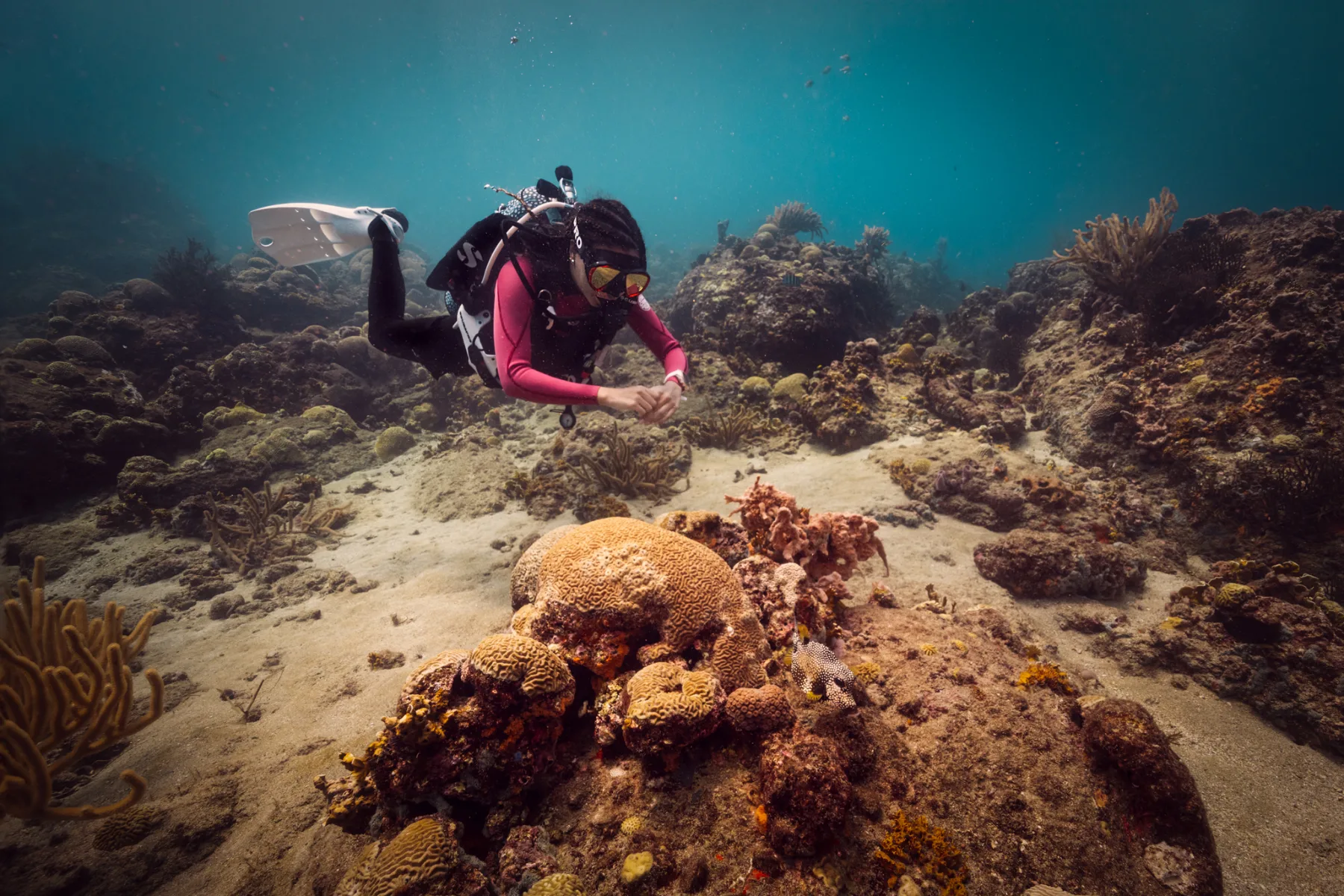
Yes, and it is one of the most affordable places in the Caribbean to learn. Many of the sites closest to Taganga are sheltered from the wind and the swell, with patches of coral between sand and gentle slopes that start a few meters below the surface. That gives a new diver calm, shallow water to get comfortable in, with fish, rock walls and sea fans to look at while they find their buoyancy.
Granate, Calichan and El Torín are the classic training sites, and most shops in Taganga run Discover Scuba Diving sessions and Open Water courses every week. Prices in 2026 start at around COP 360,000 for a Discover Scuba Diving session, roughly COP 180,000 to 305,000 for a two-tank fun dive depending on the shop and COP 1.4 to 1.6 million for an Open Water course. My guide to the cost to learn to scuba dive explains what that price should include, and how to become a certified scuba diver walks through the steps.
The cheap prices come with a warning, though. Taganga has many shops competing for the same backpackers, and quality varies a lot. Ask how many students each instructor takes, check the condition of the rental gear before you pay, and walk away from any shop that skips the briefing or rushes you into the water.
I did my first dive in this water overwhelmed, and that is normal. If it happens to you, a good instructor will slow down and let you settle, and that is worth paying a little more for. I wish I had known that back then.
The Best Dive Sites in Santa Marta and Tayrona
Most of the diving happens along the southern edge of Tayrona, between Taganga and the park’s bays, with a few more sites in the bay of Santa Marta and around the Morro. Depths run from a few meters to around 40, and the reef rarely goes deeper than 30 meters before it turns to sand.
Dive sites inside Tayrona National Park
These are the sites most divers come for, and the reef here is in the best shape on the coast. They are also the ones you lose when the park closes, so check its status before you book.
Granate. The most common first dive on this coast, protected from the wind and good for beginners. Coral patches sit between sand, rock walls rise from the bottom, and visibility here is often the best of the nearby sites. Nearby, Cantil de Granate follows the slope a little deeper.
El Torín. A site with well-developed coral between about 4 and 25 meters. It is sheltered and easy on a good day, and the conditions depend on the weather more than at the inner sites.
Calichan. Rocks covered in coral from about 4 meters to around 40, which makes it work for both new and experienced divers. The shallow section is a training site, and the deeper section suits Advanced divers.
El Coro. A calm coral garden between about 6 and 25 meters. It is a relaxed dive and one of the best places on this coast for photography.
Isla Aguja and Punta Aguja. The sloping walls around the Aguja headland run from about 8 meters down past 40. This area has some of the richest reef on the coast, with dramatic rock formations and more chance of drift diving, so it suits experienced divers.
El Salidero. A rocky reef from about 3 to 25 meters with lots of fish life. It is exposed to stronger currents, which bring bigger fish along with them.
Morrito Largo. A long rocky reef running from about 8 meters to past 40, one of the larger structures on this coast. It is exposed to current and suits experienced divers.
Dive sites outside the national park
These sites sit around Taganga and the bay of Santa Marta, outside the park boundary, and they are where shops take divers when Tayrona is closed. The reef here has had more pressure from the city, but the Morro still delivers strong current dives and the night diving is nice.
Morro de Santa Marta. The rocky island off the city has a reef terrace to about 20 meters and a steep slope to around 30. Strong currents run here, and they bring schools of tuna and medium-sized barracuda over hard and soft corals.
Barco Hundido (the sunken barge). A barge of about 33 meters on the eastern side of the Morro, colonized by coral and home to blue tangs, scorpionfish and parrotfish. It is the easiest wreck dive in the area.
Punta Venado. The night dive on this coast. After dark, the reef fills with octopus hunting in the open, lobsters walking across the sand and parrotfish asleep in their mucus cocoons. Bring a good light, and choosing a dive light will help you pick one.
What Marine Life Will You See Diving in Santa Marta?
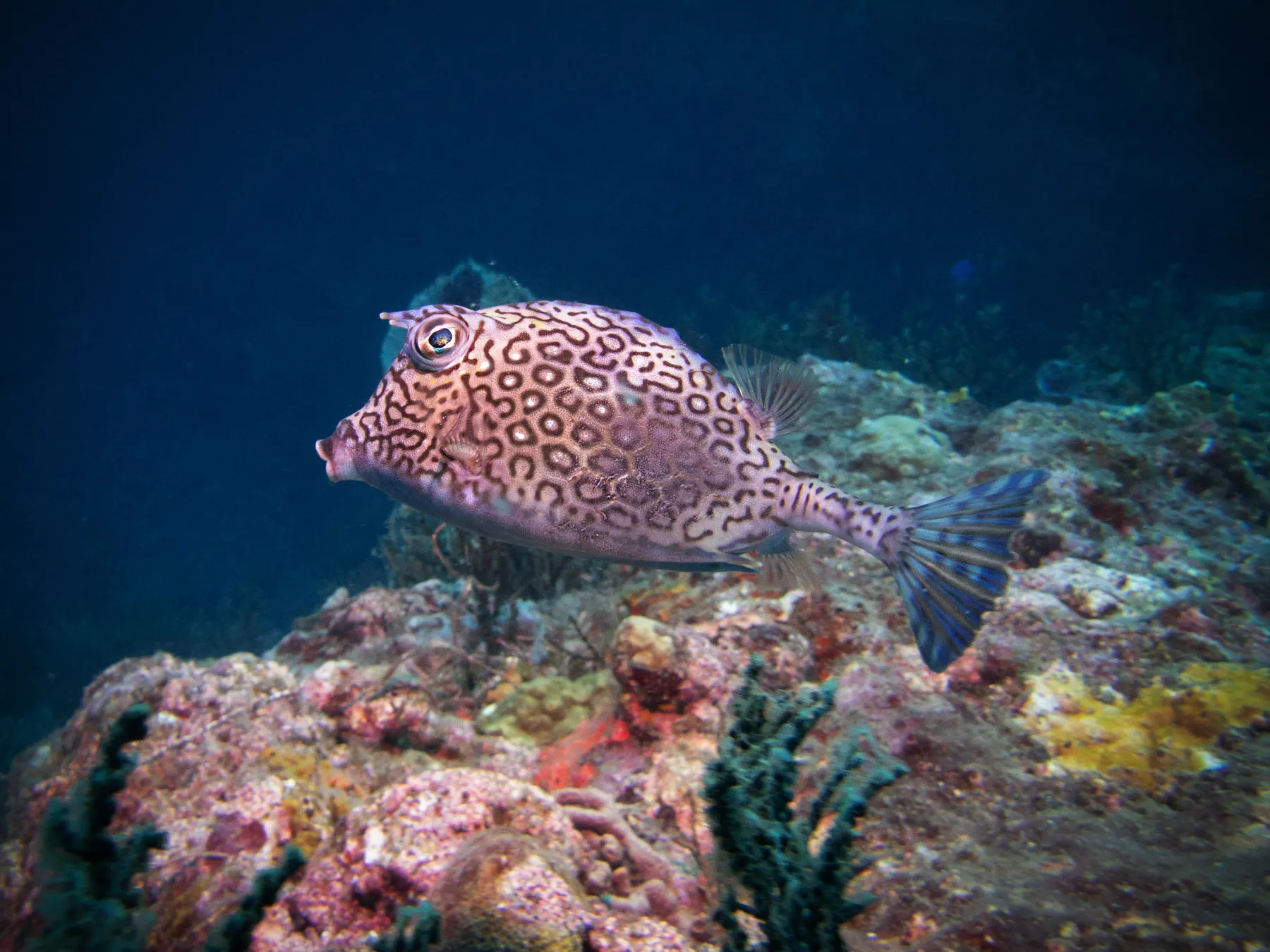
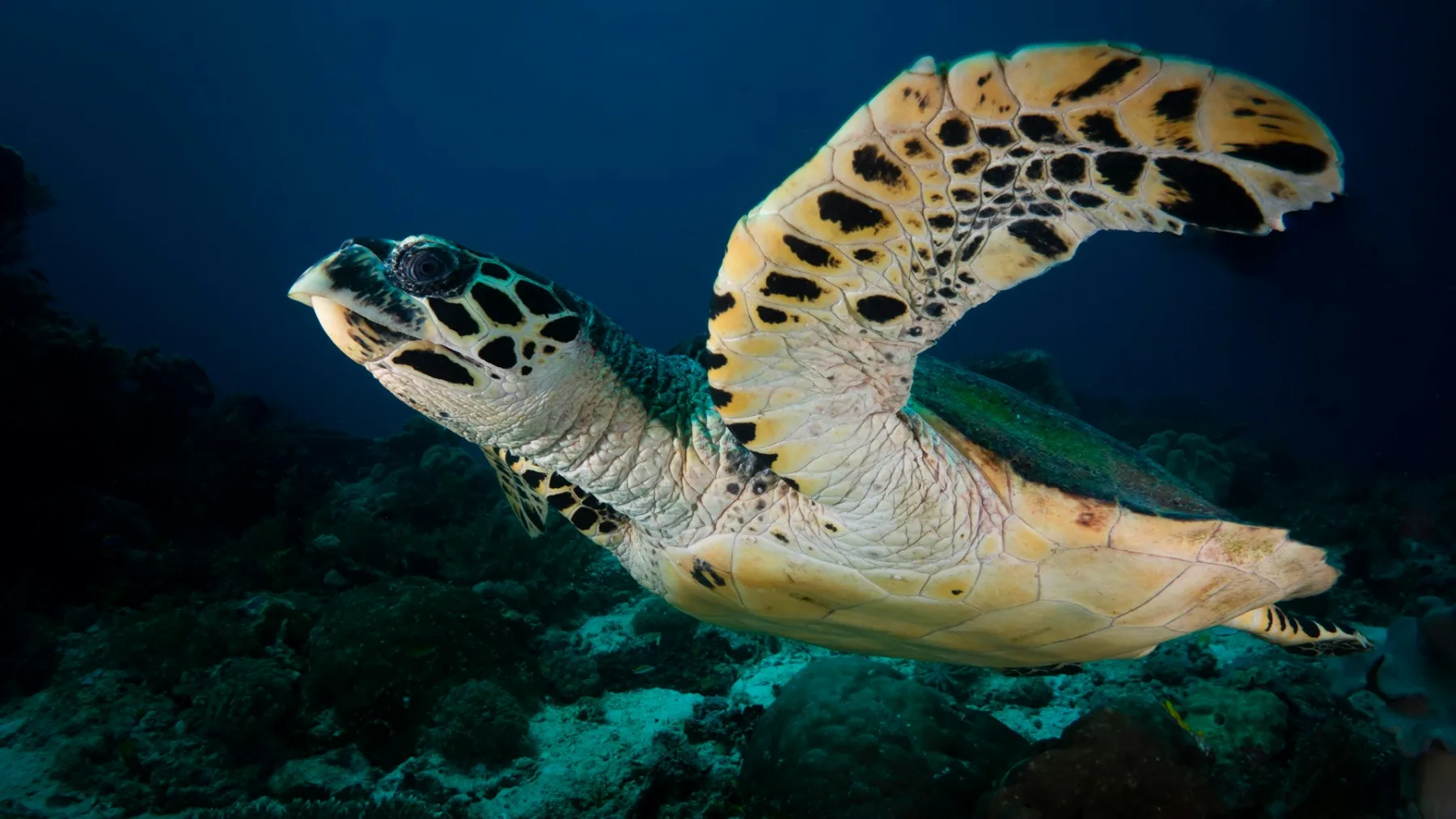
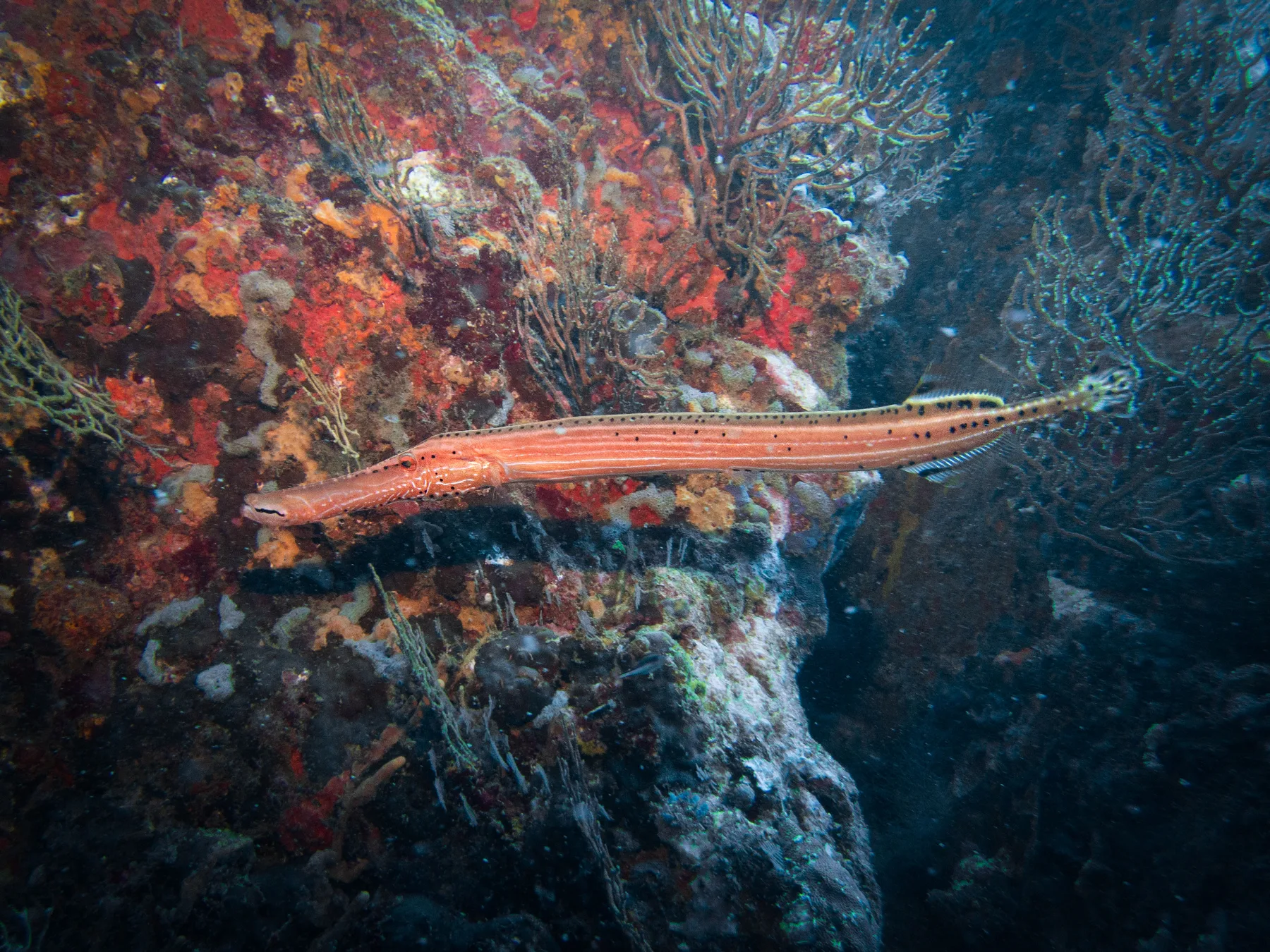
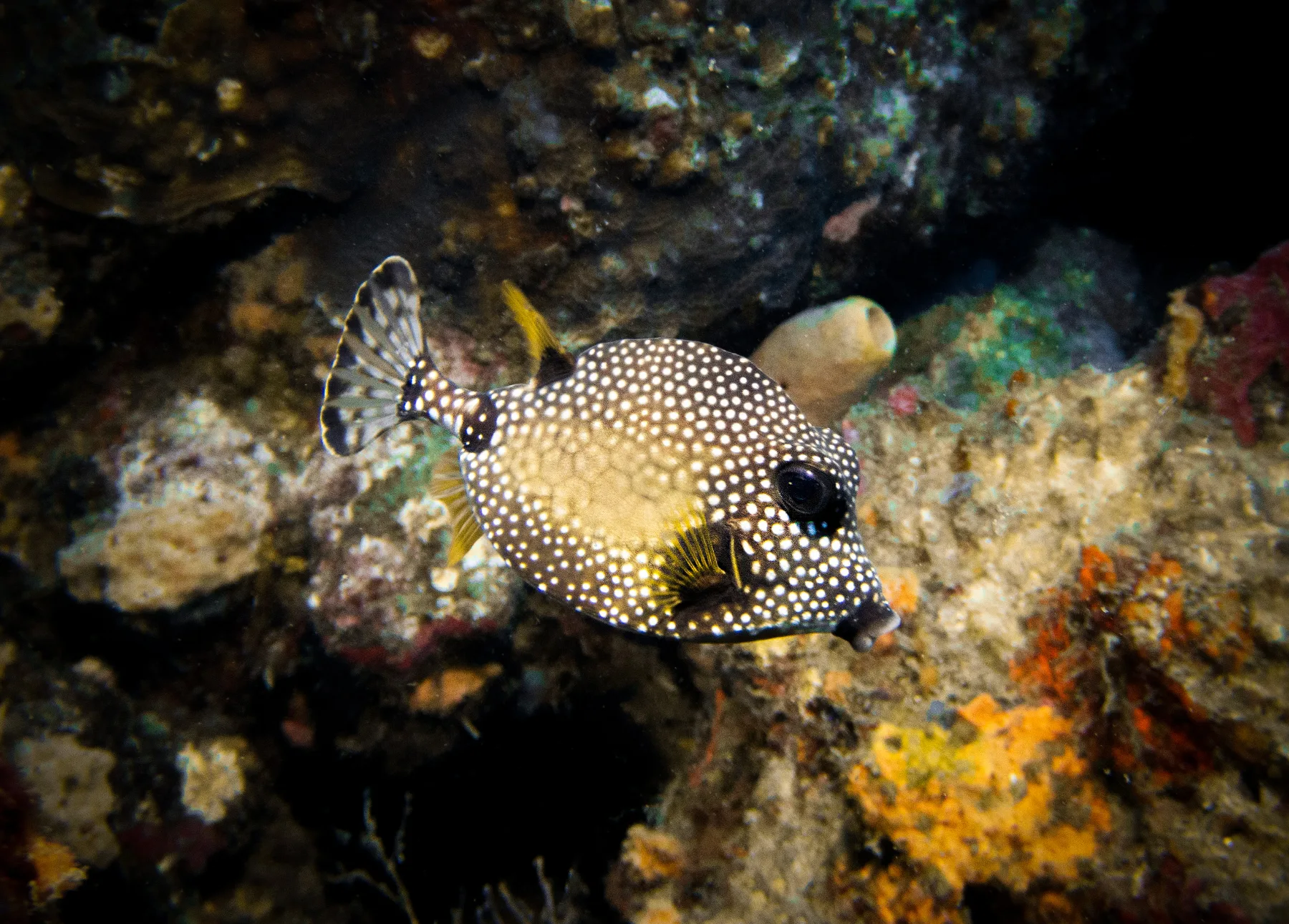
The reefs here are full of the classic Caribbean species. Parrotfish, snappers, grunts, groupers, angelfish and trumpetfish are on almost every dive, and moray eels and lobsters hide in the cracks of the granite. Hawksbill and green turtles show up regularly, barracuda hang still in mid-water, and around 370 species of fish have been recorded on the hard bottoms around Santa Marta.
The macro is where this coast surprises people. Seahorses, scorpionfish, octopus, squid and a long list of small invertebrates live between the rocks, and divers who slow down find much more than those who chase the next big animal. If you like small subjects, my guide on how to find nudibranchs works well in this kind of rocky, varied reef.
You will see lionfish too. The first one on Colombia’s mainland coast was recorded in Tayrona in 2009, and they are now spread along the whole coast. Some shops run lionfish hunts with trained divers, which is one of the more useful things a visiting diver can join.
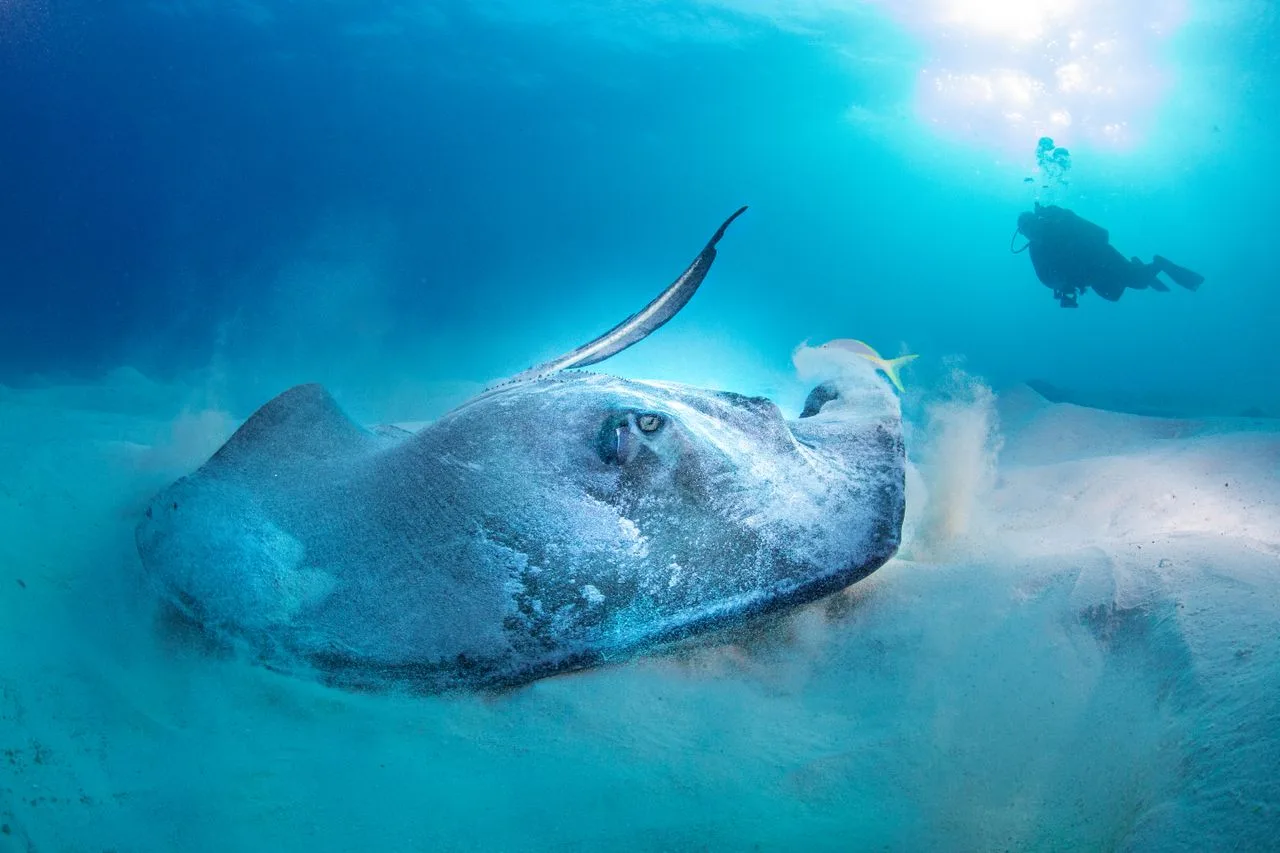
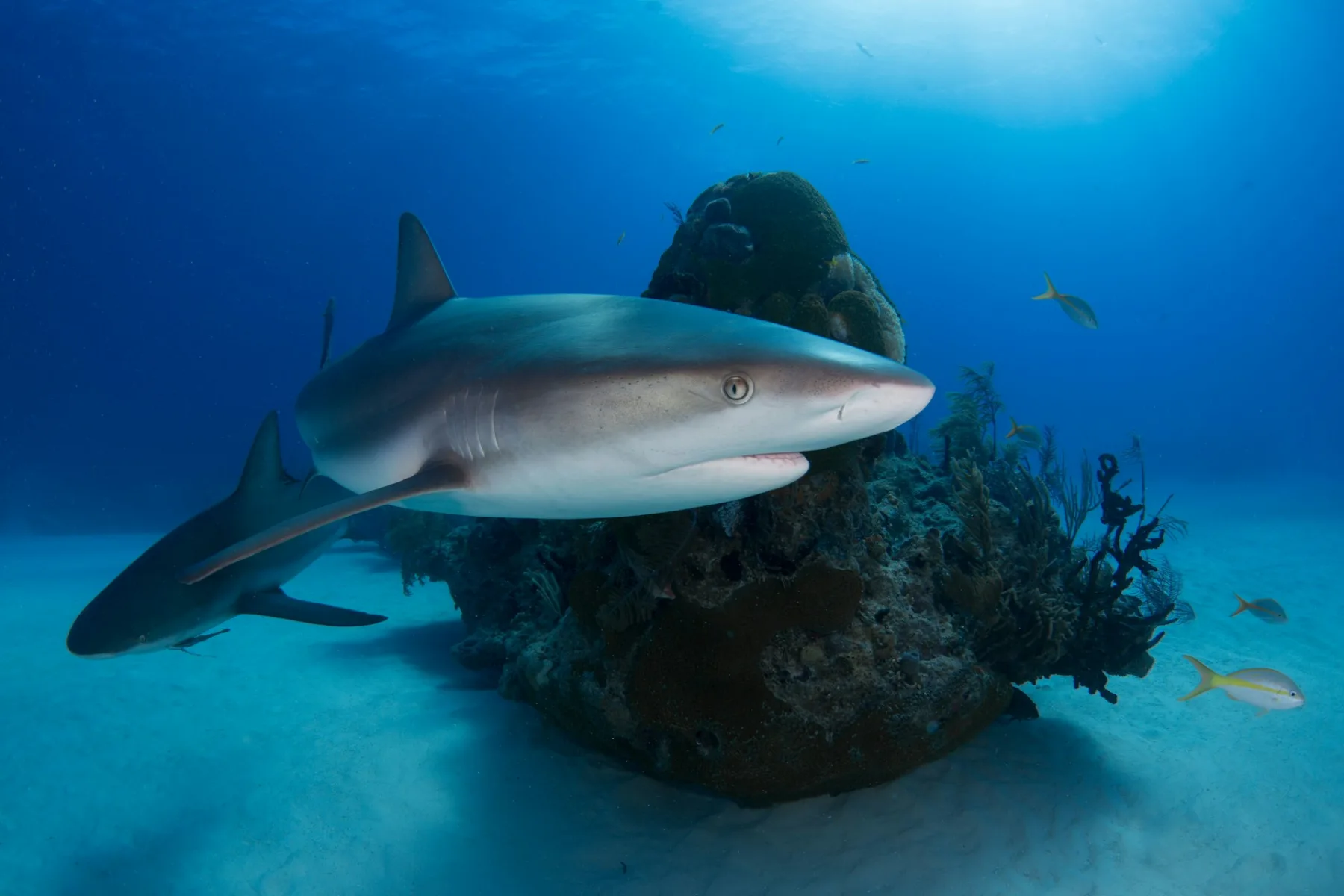
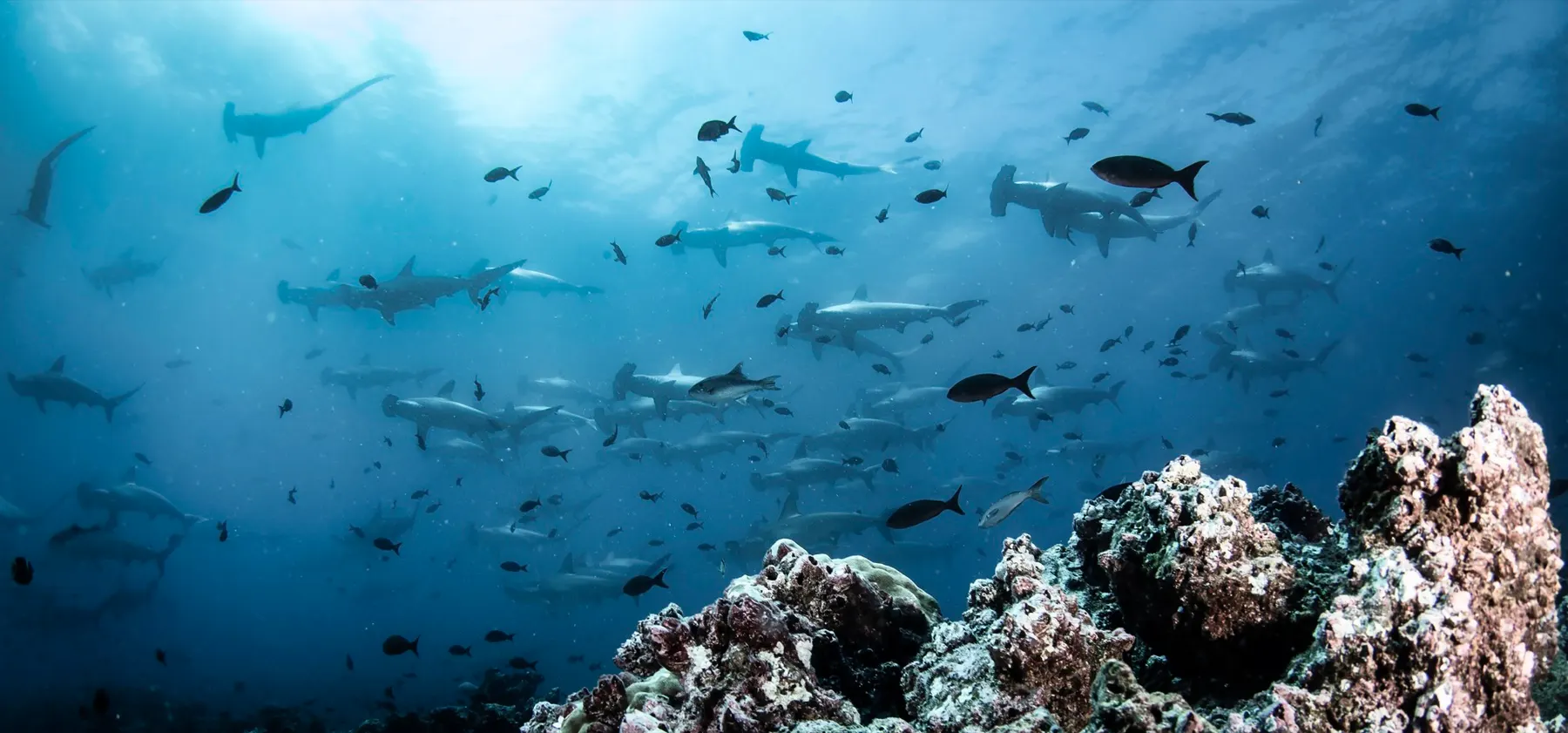
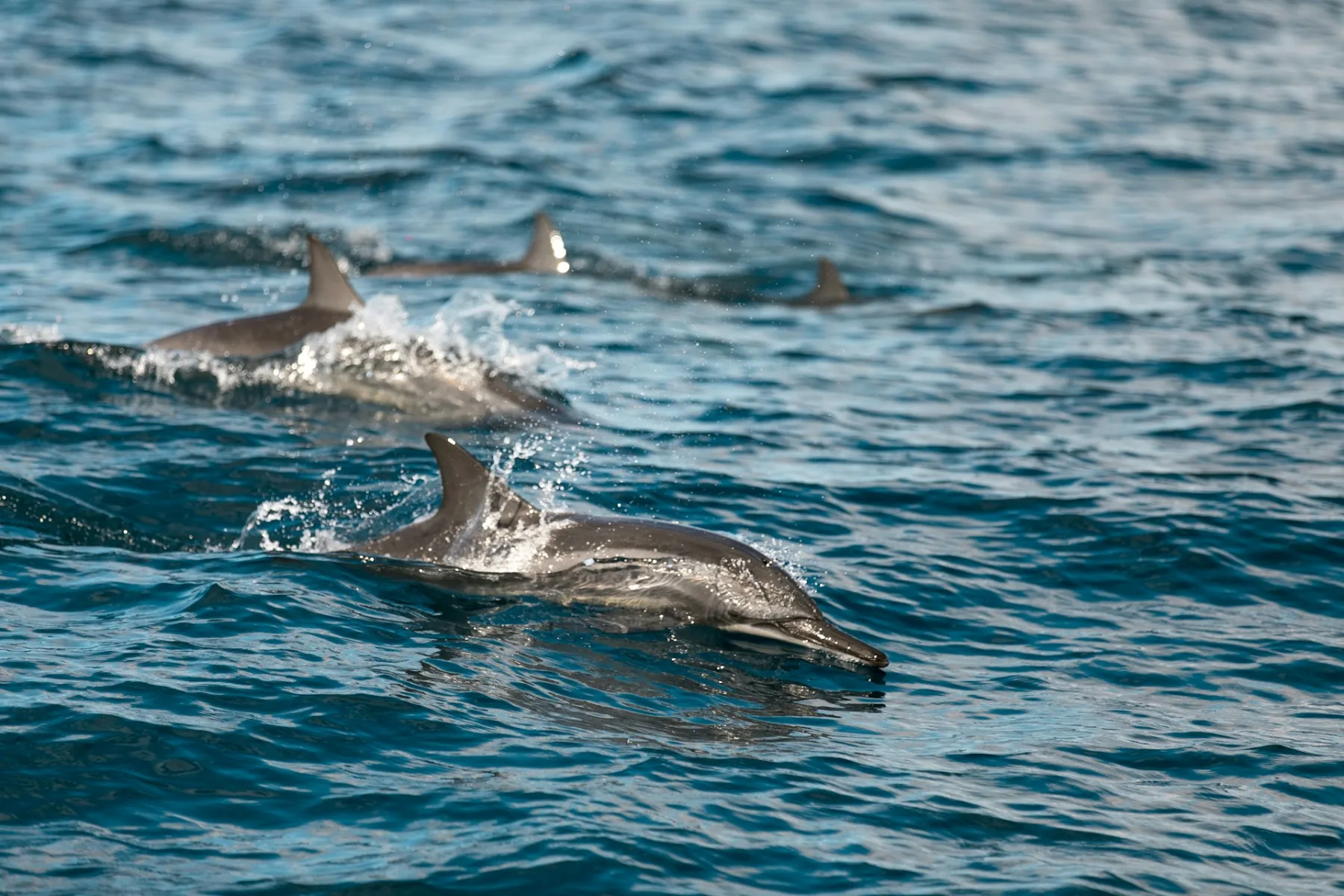
Santa Marta is not a big-animal destination, and it is better to know that before you come. Sharks are rare on these reefs, and the reward is in the reef itself, the fish life and the night dives. I’ve been there twice and I was lucky to encounter pods of dolphins playing as they chased our dive boats, which of course is a great experience.
What Is the Reef Like in Santa Marta Today?
The difference between the park and the city is the clearest lesson on this coast. A long-running monitoring program found live coral cover of only about 5 to 15 percent on the reefs near the city of Santa Marta, compared with 23 to 39 percent inside Tayrona, even though the two areas are only a few kilometers apart. The researchers linked the poor state near the city mainly to unmanaged coastal development.
Inside the park, the picture is good by Caribbean standards but not untouched. A study of three Tayrona bays between 1998 and 2023 found average coral cover of about 37 percent at Gayraca, 30 percent at Chengue and 28 percent at Granate, with coral slowly declining and turf algae increasing. Bays closer to human populations had less coral and more algae, and bleaching rose sharply in 2023 to levels never seen there before. Elkhorn coral, once common in the shallows, was already badly broken by Hurricane Lenny in 1999 and has not recovered.
Industry is part of the story. Santa Marta is one of Colombia’s main ports, and coal is loaded along the coast to the south. In January 2013, an incident at Drummond’s coal port in Ciénaga sent around 2,000 tonnes of coal into the sea, and the environmental authority fined the companies involved almost COP 7 billion. Nobody surveyed these reefs in detail before the ports were built, so we will never know exactly what they looked like before.
I’ve seen this happen on reefs around the world: protection holds back the local damage, and heat keeps chipping away at what protection saved. The reefs of Tayrona are still worth diving, and they show what marine protected areas can do when the boundary means something. They also show why the fourth global coral bleaching event worries me more every year.
View on Instagram
What to Check Before You Book: Tayrona Closures and Water Quality
There are two things I would check before booking a dive trip to Santa Marta in 2026, and both change often. Neither should stop you from going, but both can change what your trip looks like.
Tayrona park closures
Tayrona now closes three times a year, in February, June and October to November, for about two weeks each time. The closures are called Respira Tayrona, and they give the territory a rest while the Indigenous peoples of the Sierra Nevada carry out cultural and spiritual work on the land. In 2026 the park closed from 1 to 15 February and from 1 to 15 June, and the third closure runs until 2 November 2026.
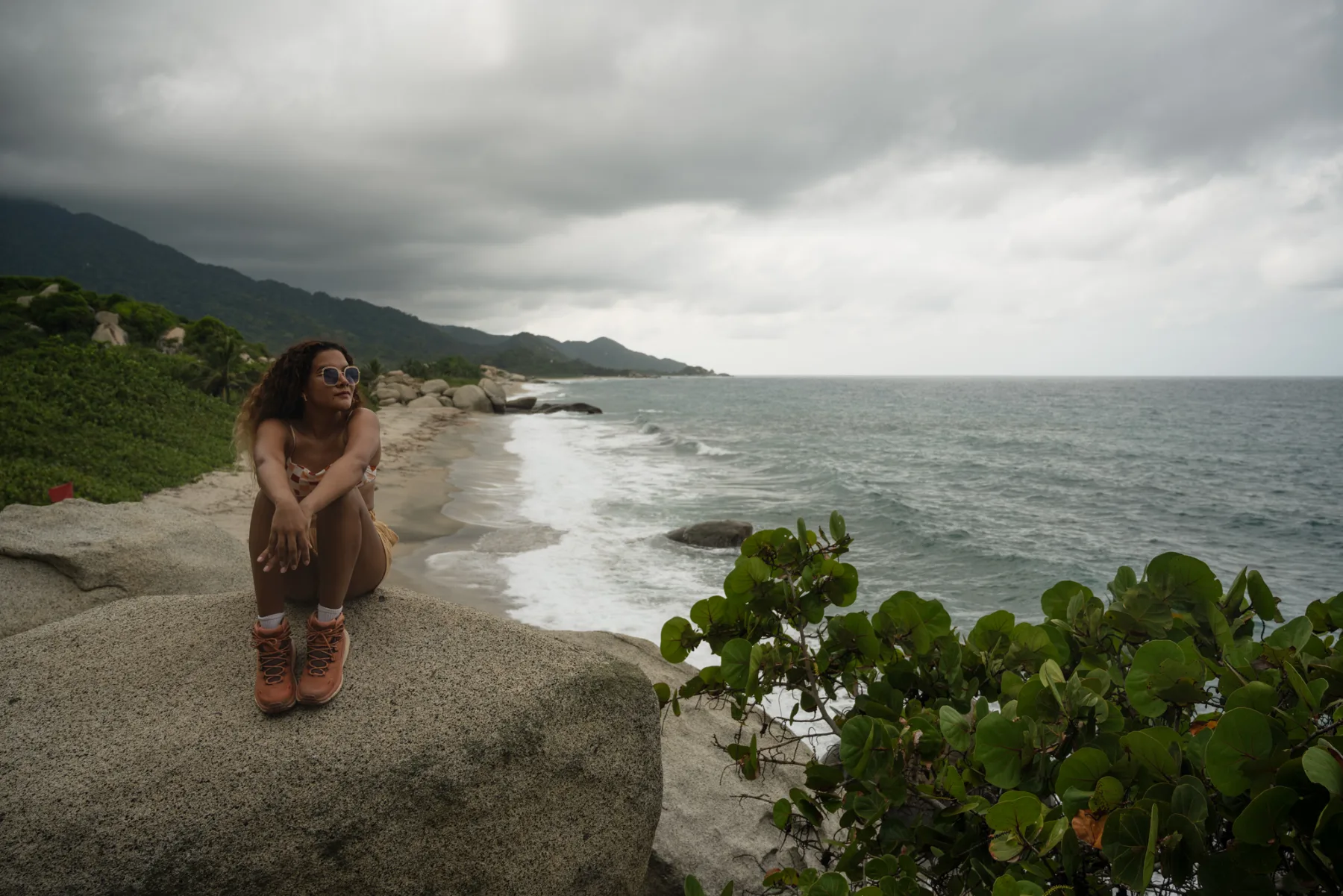
2026 also brought a longer closure. In February, after blockades at the park entrances and a conflict over control of the territory between communities, park authorities and other groups, the new government suspended all activities in the park for security reasons. Tayrona reopened in June with visitor access through Bahía Concha, Neguanje and by sea, while the land entrances at Calabazo and Zaíno to Cañaveral stayed restricted.
For divers, the closures matter because many of the best sites are inside the park. Shops in Taganga switch to sites outside the park when it closes, so you can still dive, but you may miss the reefs you came for and overall not feel as safe as you should. Check the Parques Nacionales website and ask your dive shop which sites they are running before you lock in your dates.
Water quality in the bay
Santa Marta has a long-running problem with sewage in the sea. Since 2000, the city has released wastewater through a submarine outfall more than 400 meters long, and only around half of that wastewater receives even primary treatment. In 2025, Colombia’s Council of State found that the outfall’s environmental monitoring was inadequate and ordered the city and the regional authority to study its effects on ecosystems and on people’s health.
That same year, swimmers reported skin rashes after entering the water, and the national Inspector General’s office asked for an urgent evaluation of seven beaches, including Taganga, El Rodadero and the Santa Marta bay. In June 2026, monitoring by the regional environmental authority and Invemar found high microbial loads near the Manzanares river, the cargo pier and the outfall itself, and an early warning system for the tourist beaches is planned.
Most of the dive sites sit inside Tayrona, away from the bay, and the water there is a different story. Still, I would ask your shop where they are diving, avoid swimming near river mouths and drains after heavy rain, keep cuts covered, and check the latest beach reports before you go. It is our ocean and our responsibility, and the way to push for change is to know what is happening and travel with operators who care.
How to Plan a Dive Trip to Santa Marta
Getting there
Santa Marta’s Simón Bolívar International Airport has direct flights from Bogotá, Medellín and other Colombian cities, and the drive to Taganga takes around 30 to 40 minutes. Cartagena and Barranquilla are both reachable by road if you are combining the coast into one trip.
When to go
The seasons here are shaped by the wind. From December to April, the trade winds blow hard and cause a seasonal upwelling that pulls cooler water to the surface, with monthly surface temperatures around 25 to 26°C, unusually cool for the Caribbean. The sea can be choppier in these months, and the water often feels colder at depth.
From May to June the water warms to around 28°C and is usually at its clearest. July and August bring a short dry spell, and from September to November the rains arrive, the rivers and the Ciénaga Grande push turbid water along the coast, and visibility usually drops. Diving runs all year, so pick your season based on whether you prefer warmer water or calmer seas, and remember the park closures in February, June and October to November.
Gear
A 3 mm wetsuit works for most of the year. My guide to scuba diving wetsuits covers how to choose. I run very cold but I managed to do a few dives wearing only a spring suit with no discomfort. It’s not rare to see divers wearing just a swimsuit and a rash guard.
Park fees
If your boat enters Tayrona, park fees may apply on top of the dive price. In 2026 the entrance fee for foreign visitors is COP 81,000 in low season and COP 96,500 in high season, so ask your shop whether it is included.
Choosing a dive shop
Look for a shop that briefs every dive, keeps groups small, uses mooring buoys instead of anchors, and talks about the park rules. Avoid any boat that is not authorized to operate in the park, and always wear the life jacket on the ride out. A shop that respects the reef usually respects its divers too, and choosing one is a big part of how to be a good ocean tourist.
Where to dive next in Colombia
Santa Marta is the easy, affordable entry point to diving in Colombia. For the Pacific side, diving in Malpelo is the other end of the scale, with hammerheads in open-ocean current. For more Caribbean, diving in San Andres is a warm and easy island, and diving in Providencia adds Caribbean reef sharks on easy dives. I put all of it together in scuba diving in Colombia.