The best places to dive with manta rays are not the ones with the prettiest marketing. They are the sites where something keeps the animals coming back: a cleaning station they trust, a current that concentrates plankton, or a stretch of offshore water where the food is reliable enough to build a season around.
Once you understand that, choosing gets much easier. You stop asking where mantas live, because the answer is most of the tropics, and start asking where they gather, when, and under what conditions.
What follows is eight destinations with the details that actually decide a trip: which species you will meet, the months that matter, how hard the diving is, and whether snorkelers can get in the water too. If you are the person floating on the surface, one honest tip: comfort in the water matters more than fitness or bravery. A calm snorkeler sees more than a thrashing one, because mantas avoid commotion. Getting a couple of pool sessions in first, or working through the basics in the freediving beginner’s guide, changes the whole encounter.
If you want the background on diving with mantas before you pick a place, diving with manta rays covers behaviour, etiquette and everything you need to know so you can have a remarkable experience.
What Makes a Manta Site Reliable?
Almost every good manta destination works in one of three ways, and knowing which one you have booked changes what you should expect.
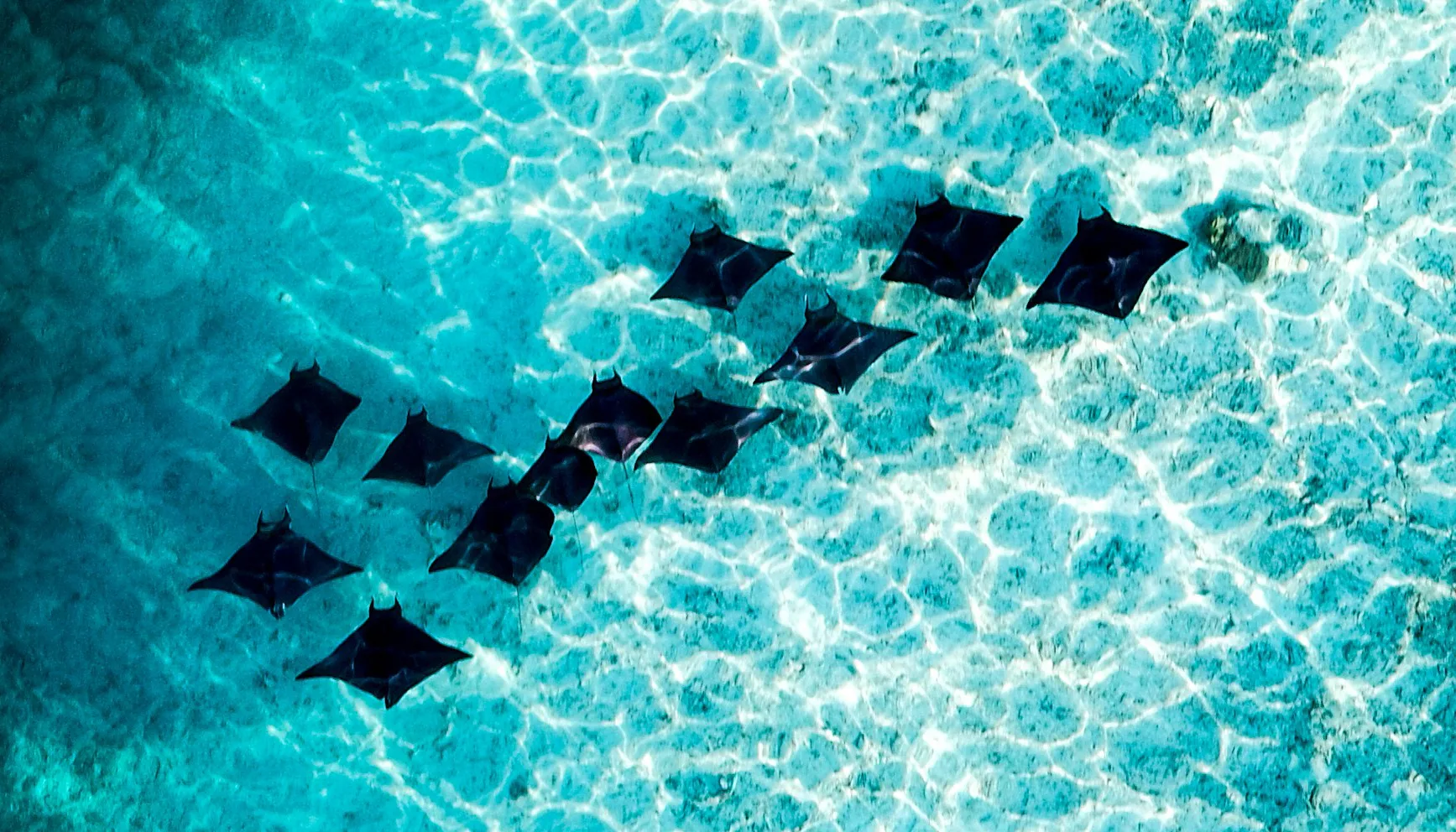
Cleaning stations. A coral outcrop where small fish remove parasites from bigger animals. Mantas queue for this and hover almost stationary while they are worked over. For divers this is the best kind of encounter, because a hovering manta is a manta you can actually watch.
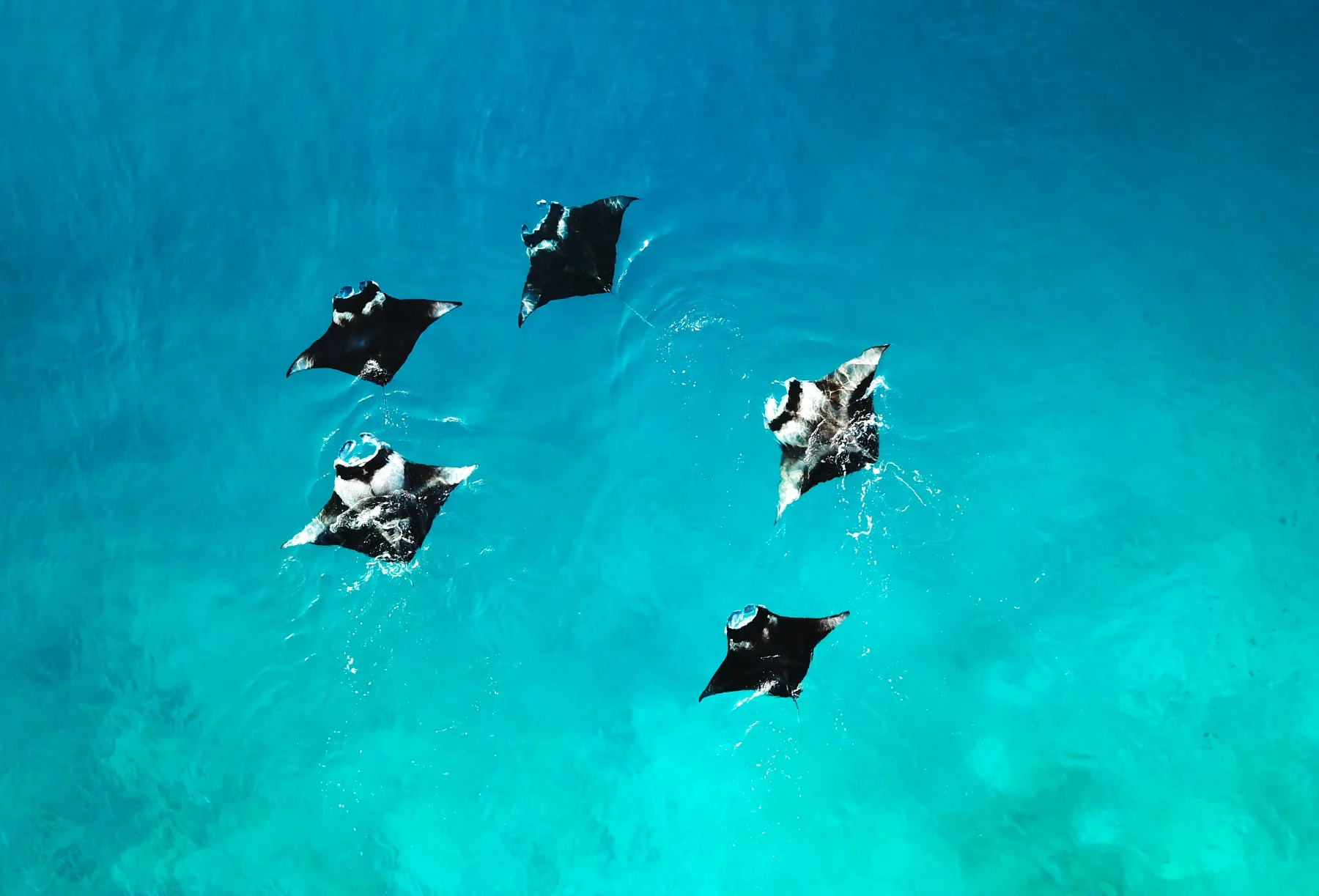
Feeding aggregations. When plankton concentrates, mantas gather and somersault backwards through it in slow barrel rolls. This happens near the surface, which makes it the best kind of snorkel and often a frustrating dive.
Offshore pinnacles and oceanic passages. Deeper, wilder, less predictable, and where you meet the larger oceanic manta instead of the reef manta.
The fourth factor is management. A site with a marked line divers stay behind will outperform a free-for-all every time, because crowded mantas leave. Rules are a good sign, not an inconvenience, and how seriously a place enforces them usually tracks with how well its marine protected areas work on paper and in the water.
The 8 Best Places to Dive With Manta Rays
1. Nusa Penida, Bali, Indonesia
- Species: reef manta
- Season: year round, with the strongest run roughly April to October
- Snorkelers: yes
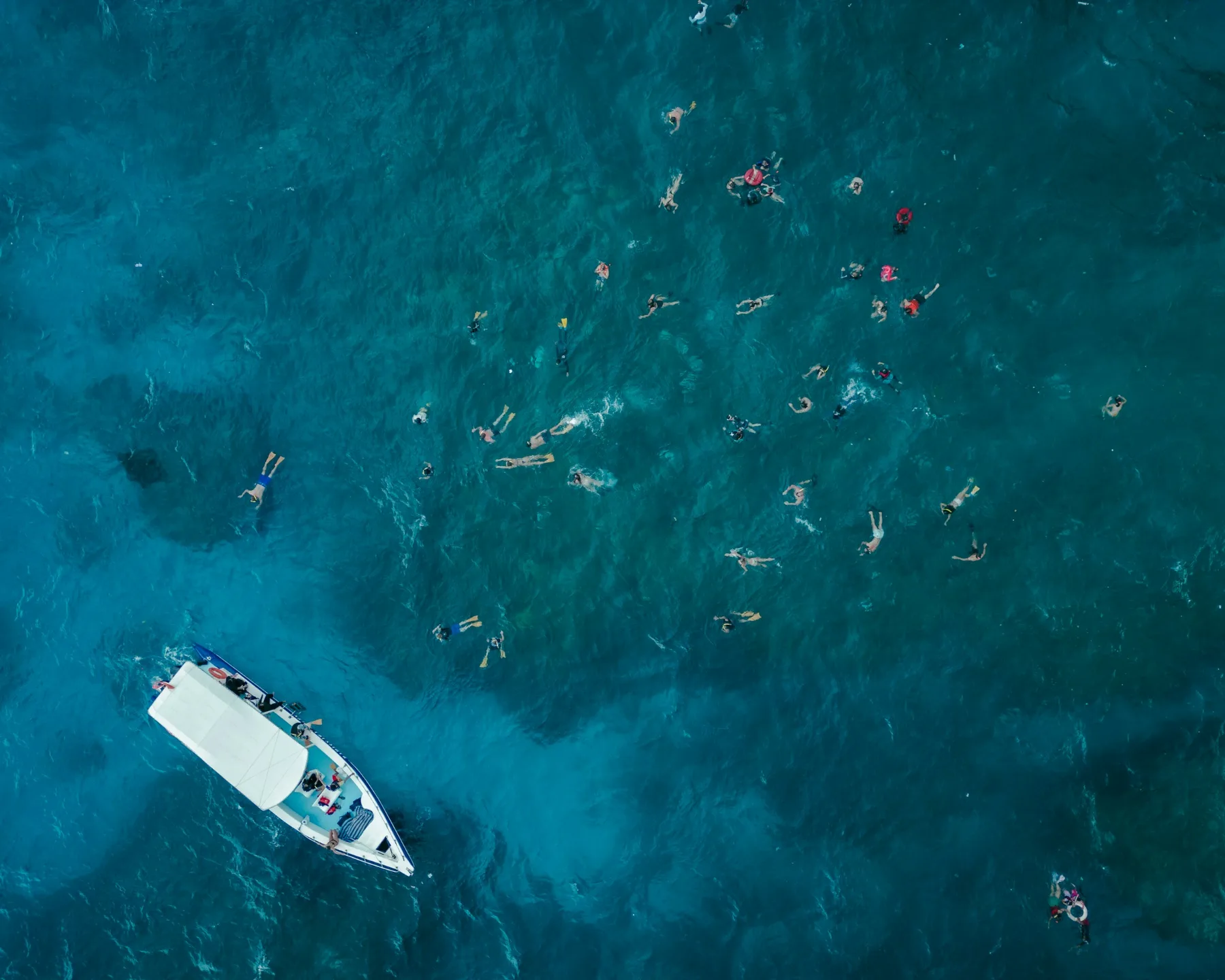
The most accessible manta site in Asia and the reason a lot of divers see their first one. Manta Point, on the exposed south coast, is a cleaning station in about 10 to 15 metres of water over sand. You settle low, off to one side, and wait. Manta Bay nearby is shallower and is where most snorkel trips go.
The insider version: this coast faces open ocean, so there is swell and surge, and the water is colder than Bali makes you expect. Thermoclines can drop into the low twenties Celsius, and 3mm is not always enough. If you feel the cold, a proper fit matters more than the brand, which is worth reading up on in the guide to scuba diving wetsuits for women.
The real problem here is crowding. Manta Point can carry a lot of boats, snorkelers and divers at once, and an occupied cleaning station is one the mantas abandon. Go on the first boat of the day, pick an operator on group size rather than price, and expect the guide to enforce the 3 metre rule. If you are building a Bali trip around it, the quieter black sand shore diving of Amed balances it out nicely.
2. Komodo National Park, Indonesia
- Species: reef manta, with occasional oceanic mantas
- Season: year round, north sites strongest in the wet months, southern sites in the dry
- Snorkelers: yes at Karang Makassar on a mild tide
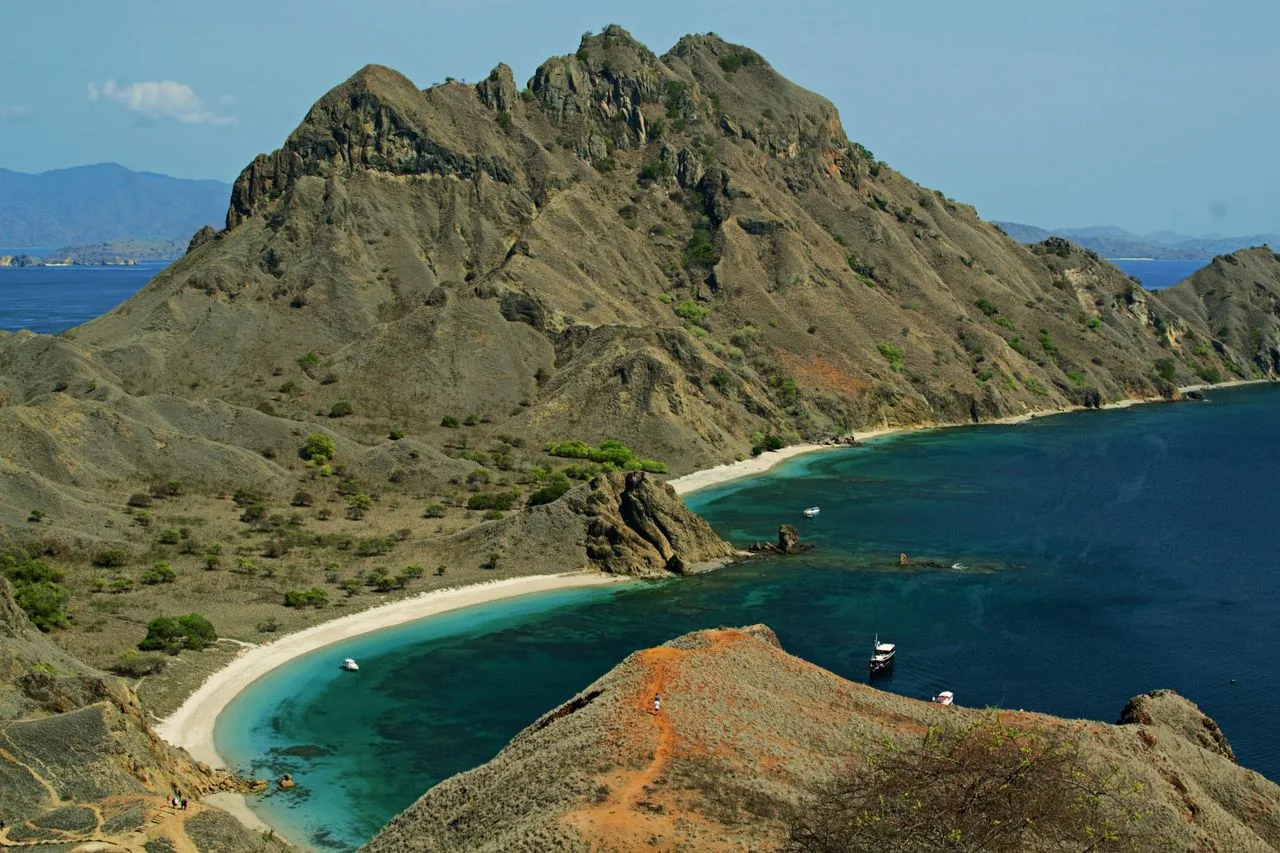
Karang Makassar, known as the manta highway, is a long rubble bottom where mantas both clean and feed. Manta Alley in the south is the other classic. Between them you get the whole range of manta behaviour in one park.
Komodo is a current destination first. Negative entries, drift, and the occasional downcurrent are all normal. Ask whether the operator uses reef hooks and be honest with yourself about moving water. The other insider detail is timing on the tide rather than the calendar: guides here plan the day around slack and flow, and a site that is unmanageable at 9am can be perfect at noon.
Most people do it from Labuan Bajo as day trips or on a liveaboard. The liveaboard reaches the southern sites properly, which the day boats often cannot.
3. Raja Ampat, Indonesia
- Species: reef manta, with oceanic mantas at some sites
- Season: October to April, peak December to March
- Snorkelers: limited, this is a divers’ destination
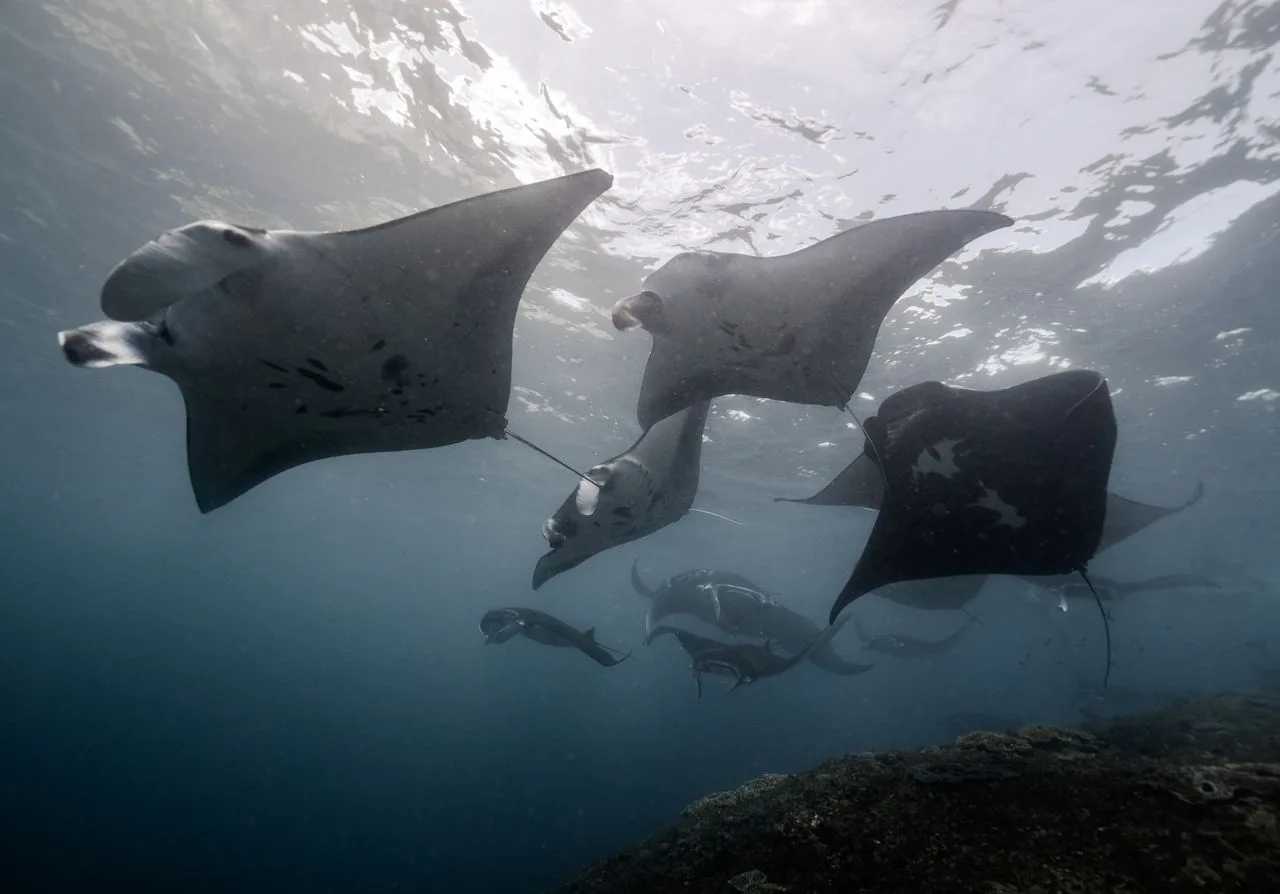
Manta Sandy in the Dampier Strait is the best managed manta site in the region: divers line up behind a marked row of stones and nobody goes past it, so the cleaning station is never crowded. Magic Mountain and Blue Magic are the other two names worth planning around, and Magic Mountain is where oceanic mantas turn up alongside the reef mantas.
The insider detail is that Raja Ampat’s manta peak sits inside the northwest monsoon, which is also when the rain and the plankton arrive. Better mantas, greener water. Photographers trade visibility for numbers here and it is usually the right trade.
This is the heart of the Coral Triangle, so the mantas are one item on a very long list. Nobody comes here only for them.
4. Hanifaru Bay, Baa Atoll, Maldives
- Species: reef manta
- Season: May to November, peak July to October
- Snorkelers: yes, and only snorkelers
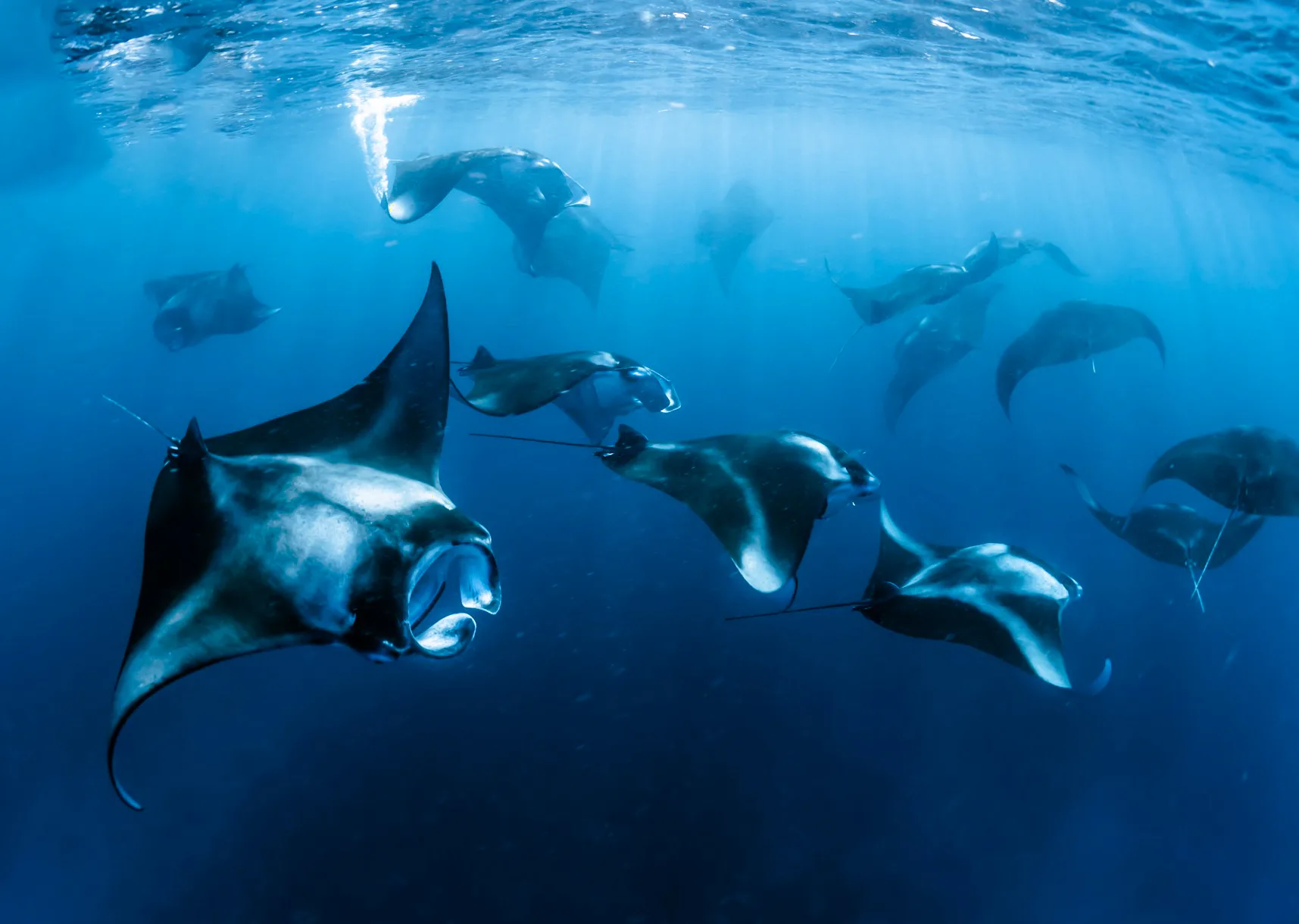
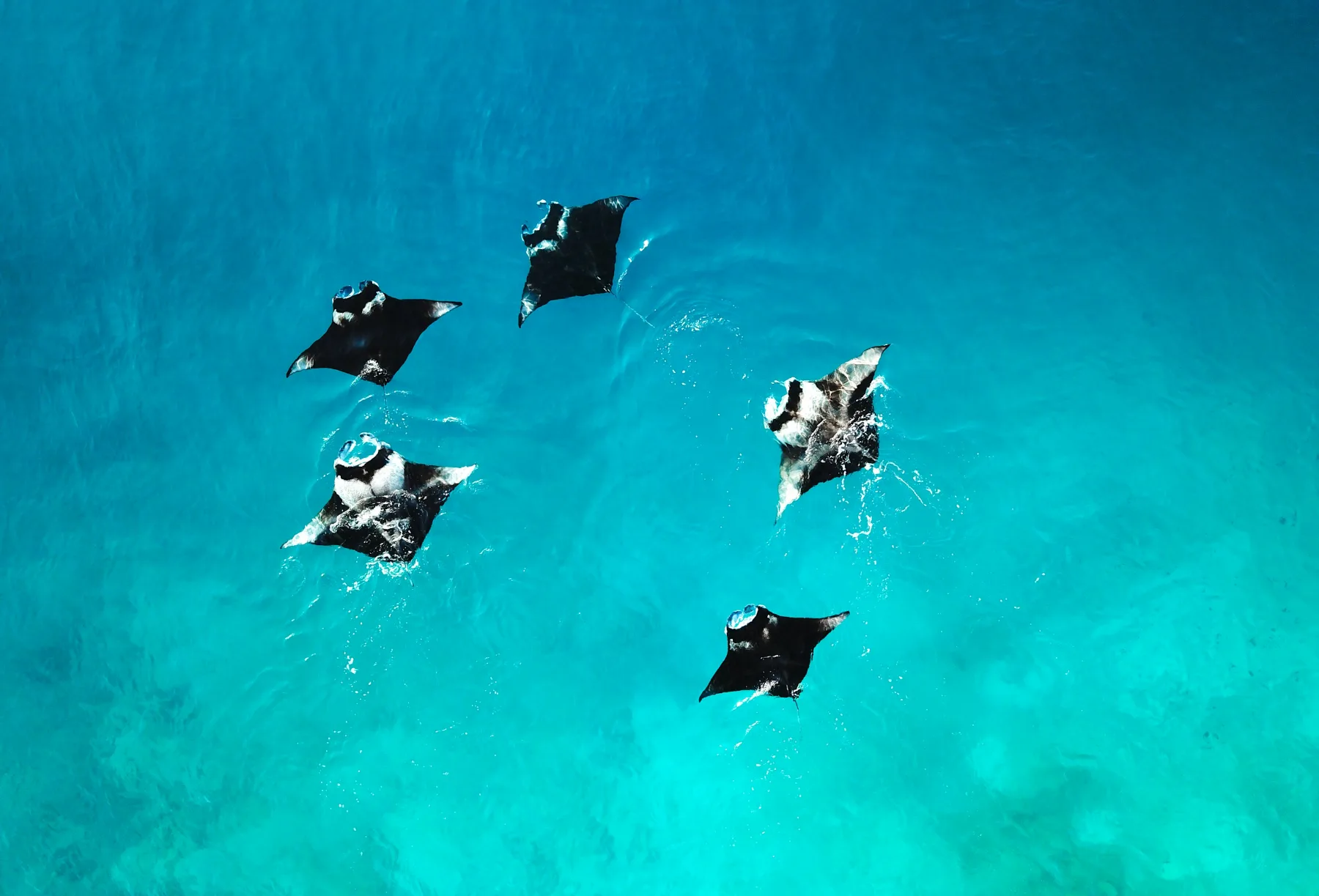
The site behind almost every viral manta photograph. When the southwest monsoon and the lunar tides push plankton into a funnel-shaped bay faster than it can drain out, reef mantas pour in to feed, sometimes more than a hundred at once, barrel rolling in the top few metres of water.
Scuba is banned inside the bay. Exhaust bubbles break up the feeding columns and the whole show happens near the surface anyway, so snorkeling is not the consolation prize here, it is the main event. Access is tightly managed as a core zone of the Baa Atoll UNESCO Biosphere Reserve: a paid token, a licensed guide with a maximum of ten snorkelers, a cap on boats and people in the water at once, roughly 45 minutes per session, and rangers enforcing it from the water.
Insider notes that matter. Sightings cluster around the full and new moon, when tidal currents run hardest. Nobody can tell you the day in advance, so base yourself on Dharavandhoo or a Baa Atoll resort with a boat that can go at short notice rather than booking one fixed excursion. And if you want to dive with mantas in the Maldives rather than snorkel, go to the cleaning stations of Ari and North Male atolls, which peak in the opposite monsoon, roughly December to April.
5. Isla de la Plata, Ecuador
- Species: oceanic manta
- Season: June to October
- Snorkelers: yes, often combined with humpback whale trips
The most underrated manta destination in the world and, for anyone in Latin America, the most compelling trip on this list. Isla de la Plata hosts the largest known global population of oceanic manta rays, gathering seasonally between June and October. The rays arrive with the cold, nutrient-rich Humboldt Current, and photo identification has built a record of thousands of individuals over more than a decade.
The island sits about 40 km off the Manabí coast inside Machalilla National Park, an hour by boat from Puerto López. Peak season upwelling brings water down to 18 to 22 degrees Celsius with visibility usually between 10 and 25 metres. Current can be strong, so it suits divers with some experience in moving water, and the mantas here are famously curious, often staying with a group for ten or fifteen minutes.
Insider details: bring a 5mm and a hood, because people arrive expecting Ecuador to be warm and it is not. Humpback whales migrate through on roughly the same months, so surface intervals are not wasted. And your belly shots are useful, since photo ID from recreational divers feeds directly into the research on this population. This is the same country that pushed hammerheads to the strongest protection the trade treaty offers, covered in hammerhead international protection, and it belongs on the map far more than it is. If Ecuador appeals, the case for scuba diving in Colombia next door is much the same argument.
6. Revillagigedo (Socorro), Mexico
- Species: oceanic manta
- Season: November to May
- Snorkelers: no, this is an advanced dive trip
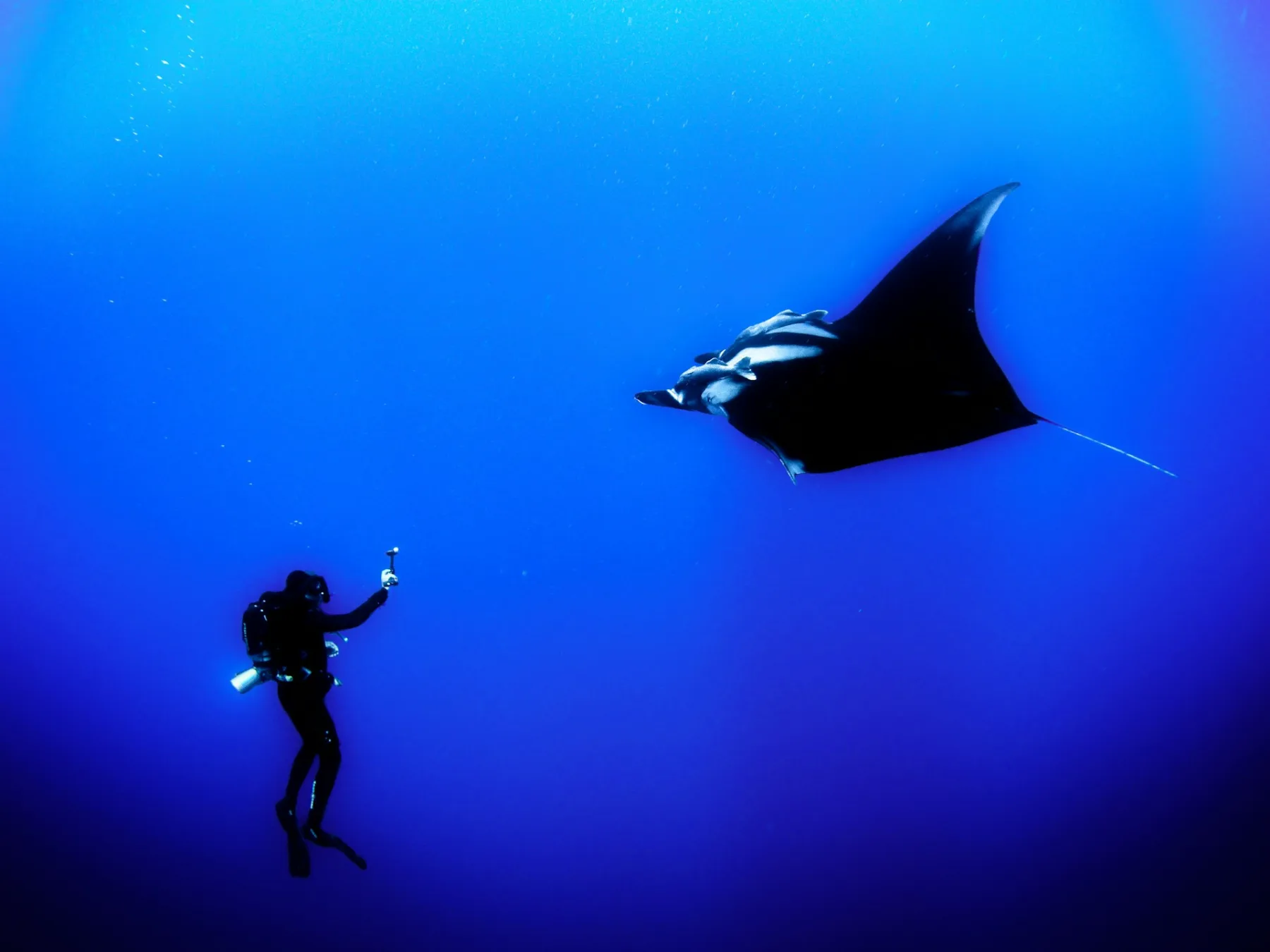
The one people talk about for years. The archipelago sits about 250 nautical miles off the southern tip of Baja California, reachable only by liveaboard from Cabo San Lucas, with an open-ocean crossing of roughly 24 to 30 hours each way. The season runs November to May, when conditions allow the crossing, and water sits somewhere between 21 and 28 degrees Celsius depending on the month.
San Benedicto’s El Boiler is the manta cleaning station everyone comes for, and the reputation is earned: these oceanic mantas approach divers on their own initiative and often stay for a whole dive. Most operators want Advanced Open Water and 50 to 100 logged dives, given the current, depth and blue water safety stops, and there is a national park fee charged per diver per day.
The insider bit: mantas are the constant, but the calendar changes what else shows up. Humpbacks pass through from roughly mid-February to mid-April, and whale sharks are more common at the start and the end of the season. Book the middle of the season for the fullest cast. Do not touch the mantas, and skip the gloves, which is standard here for exactly that reason.
7. Kona, Hawaii
- Species: reef manta
- Season: year round
- Snorkelers: yes, on lighted surface boards
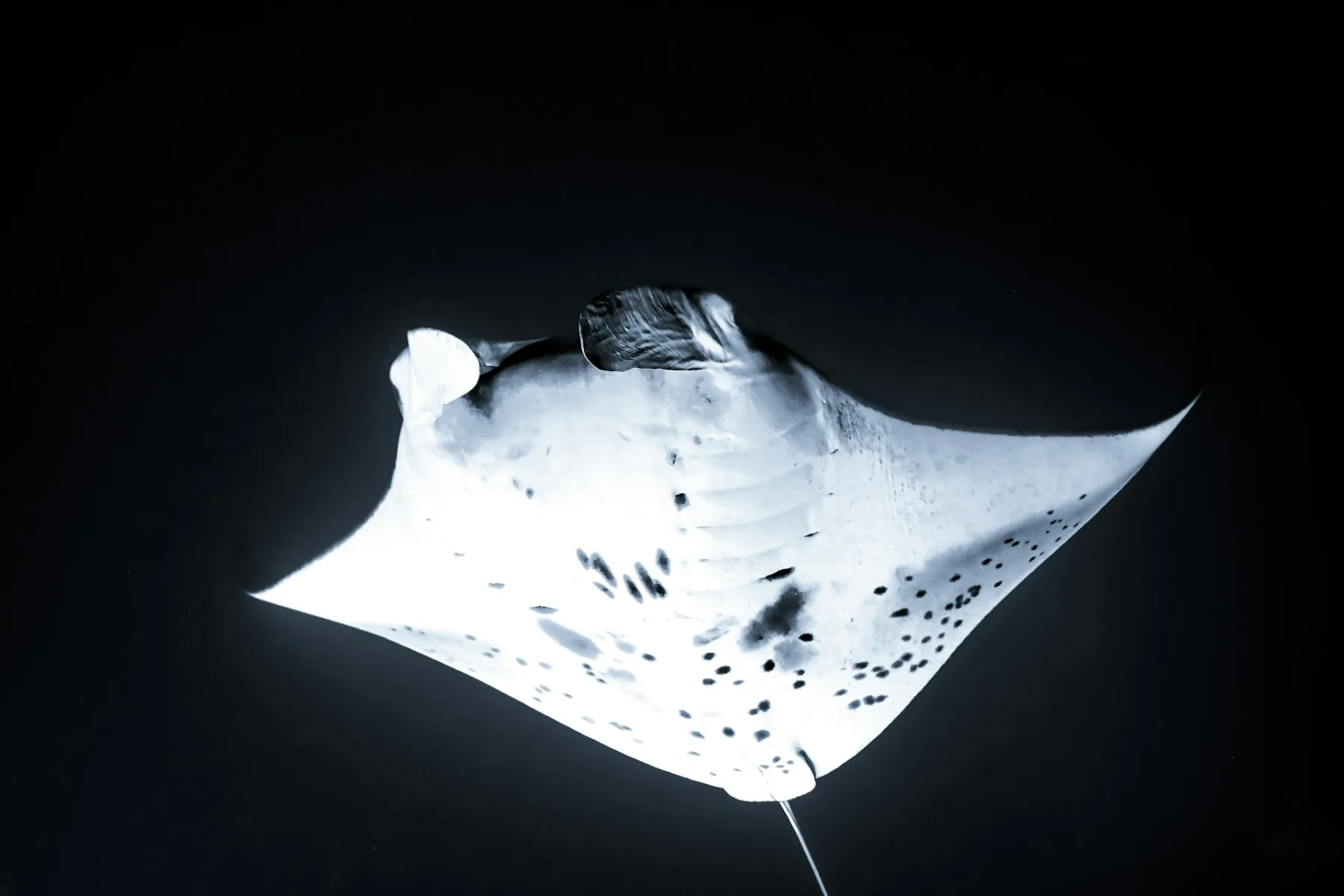
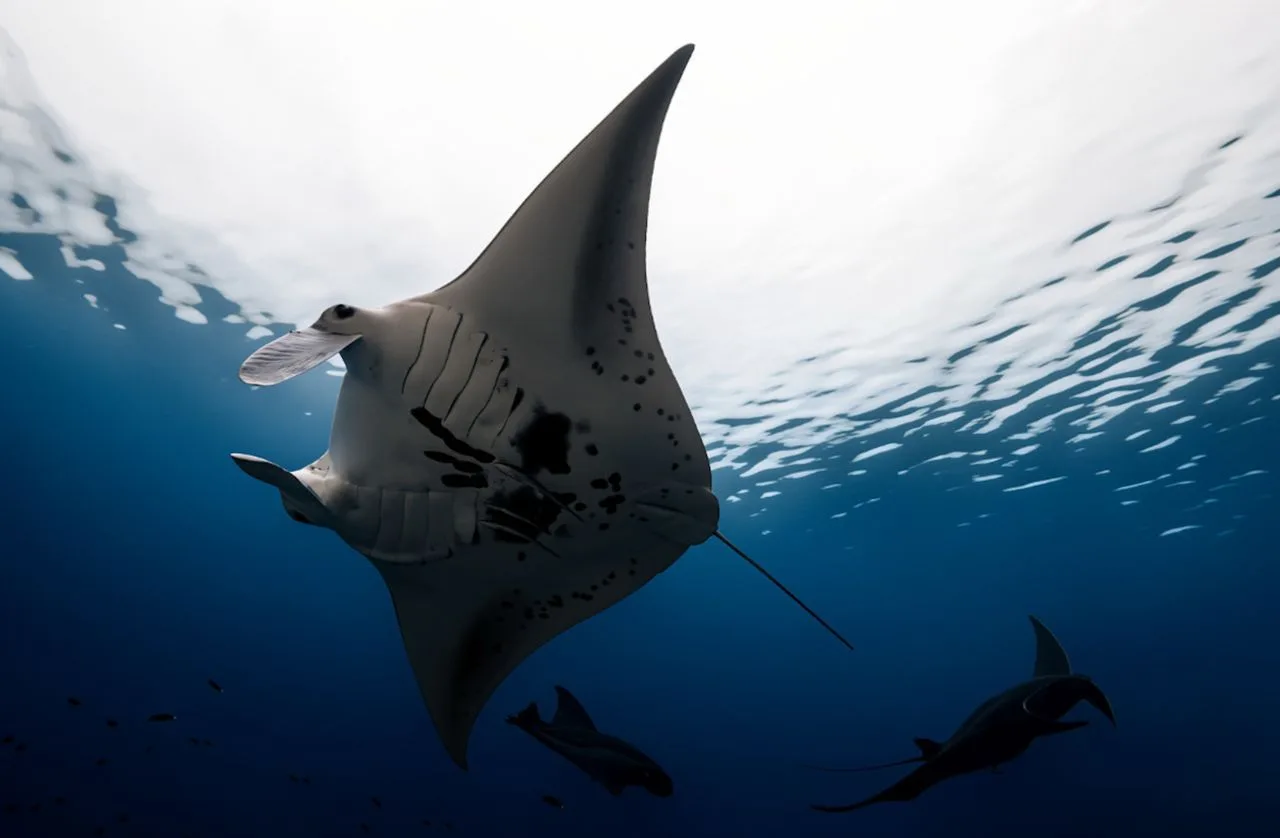
The night encounter, and the most reliable manta experience on this list. Lights are set on the seabed and at the surface, plankton gathers around them, and mantas arrive to feed within metres of you. Divers kneel on sand at around 10 to 14 metres and point their lights up. Snorkelers float above holding an illuminated board and look down into the same show.
Two sites: Manta Village off Keauhou Bay in the south, shallower and calmer and better for first timers and snorkelers, and Garden Eel Cove, known as Manta Heaven, north near the airport, deeper and more exposed but often with more animals.
This one divides people and it should be said plainly. It is a managed, artificial setup that concentrates wild animals around human lights. It is also decades old, well studied, run under a shared code of conduct, and possible every month of the year. For a lot of divers it is the first manta they ever meet, and it has probably created more manta advocates than any other site in the world.
8. Tofo, Mozambique
- Species: reef manta, with occasional oceanic mantas
- Season: year round, with seasonal peaks
- Snorkelers: yes, on ocean safaris
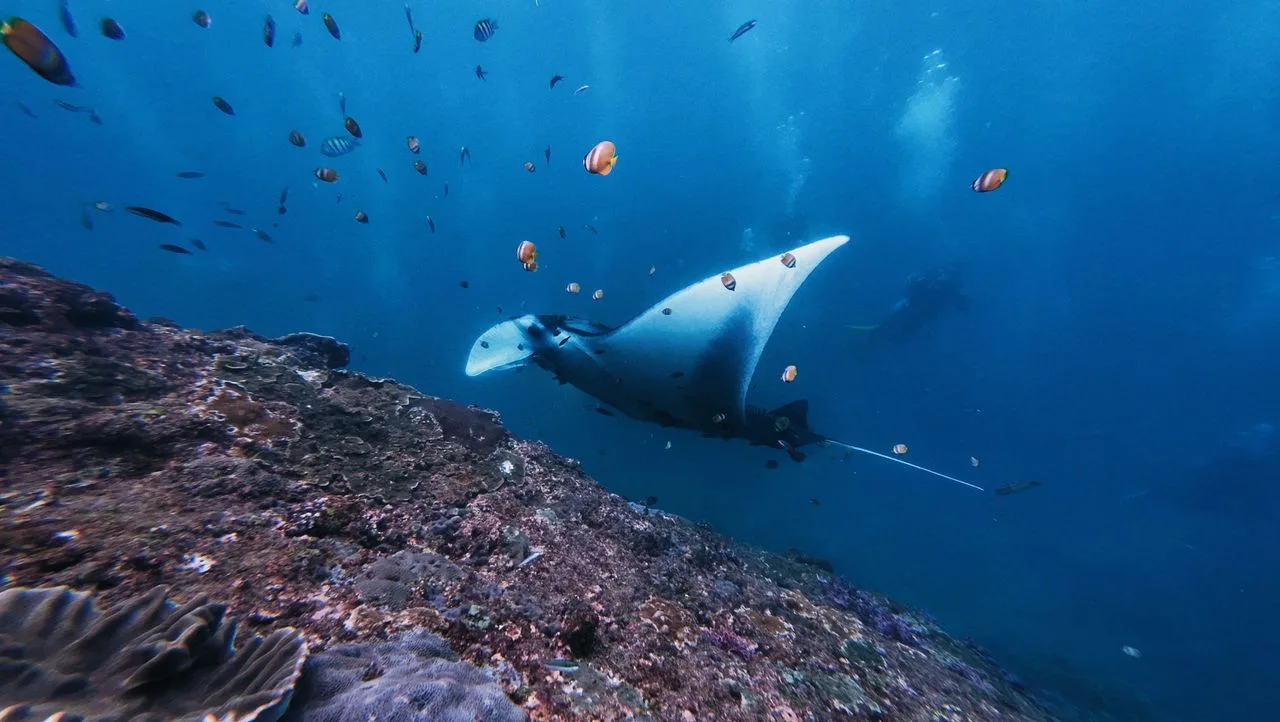
One of the original manta research destinations and still one of the most serious. Manta Reef and Giants’ Castle are the sites, and this stretch of coast is where a lot of what we now know about reef manta populations was first worked out. The same research community is behind the Mozambique manta chapter of Mission Blue’s southern Africa hope spots.
Insider truth: the plankton that keeps mantas here also keeps visibility down, often around 10 to 15 metres, and the outer reefs can carry real current and choppy surface conditions. Boats launch through the surf off the beach, which is an experience in itself. You are trading clear blue water for abundance and for far fewer people, and whale sharks and humpbacks share the season with the mantas.
Also worth knowing: Yap in Micronesia for resident mantas in narrow channels, German Channel in Palau, Lady Elliot Island on the southern Great Barrier Reef, and Koh Bon in Thailand for a cheaper Southeast Asian shot at one.
Reef Manta or Oceanic Manta: What You Will Actually See
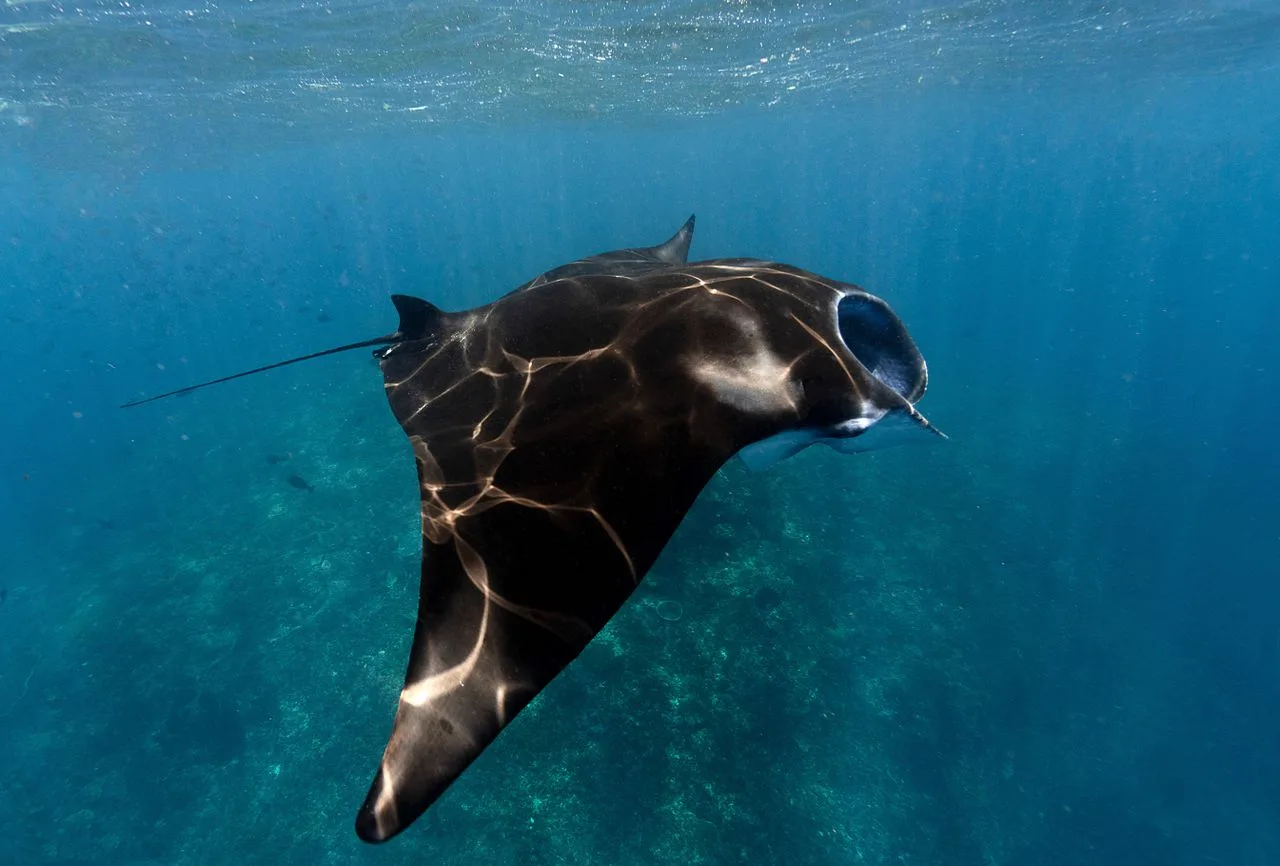
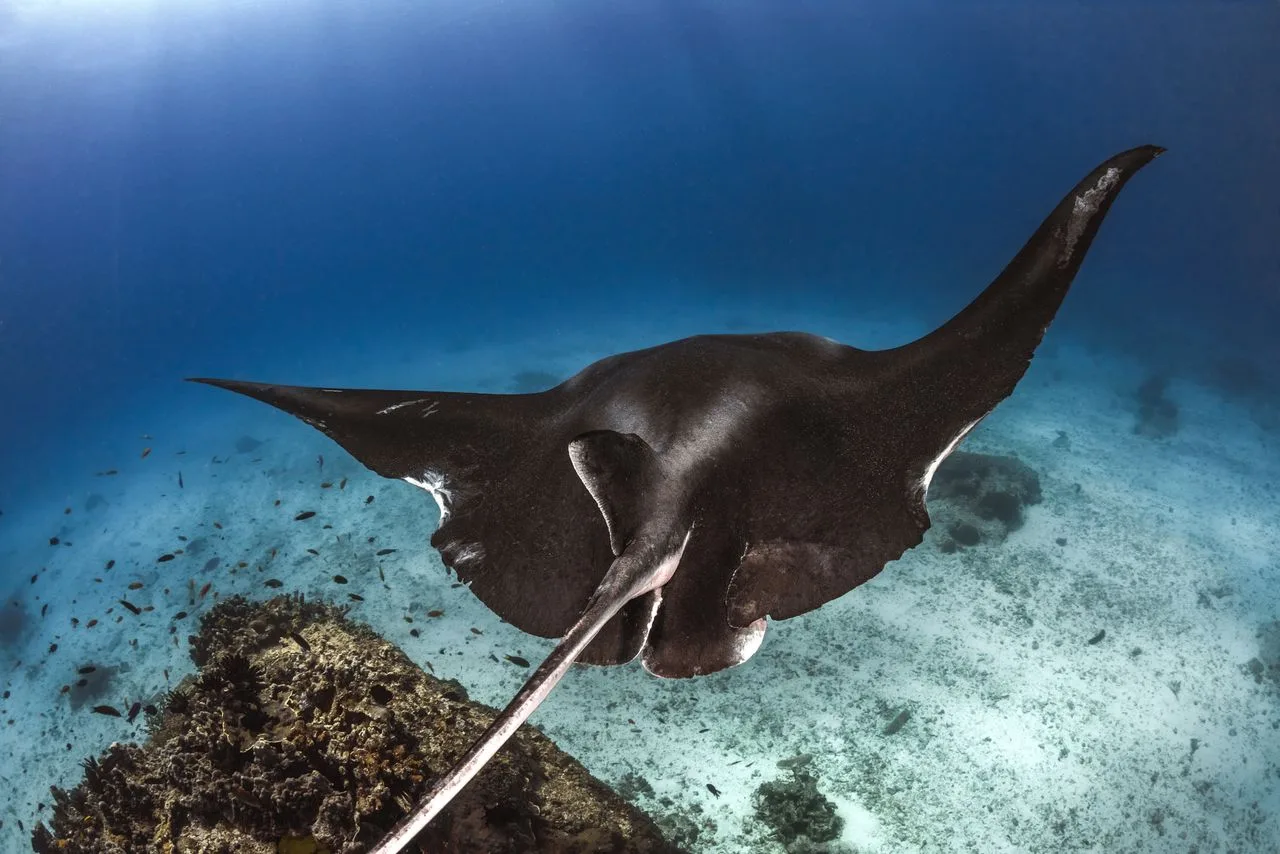
Most manta encounters anywhere are with reef mantas, the smaller and more coastal of the two species, averaging around 3 to 3.5 metres across the wings. Nusa Penida, Komodo, the Maldives, Kona, Tofo and most of Raja Ampat are reef manta destinations.
Oceanic mantas are the largest rays in the world, approaching 7 metres in exceptional animals, and they range across whole ocean basins rather than living at a reef. If that is what you want, the short list is Revillagigedo and Isla de la Plata, with Ecuador costing a fraction of a Socorro liveaboard and Socorro delivering more consistently.
Both are threatened. The reef manta is Vulnerable on the IUCN Red List and the oceanic manta is Endangered, which is worth carrying with you into the water.
When Is Manta Season? A Rough Guide by Month
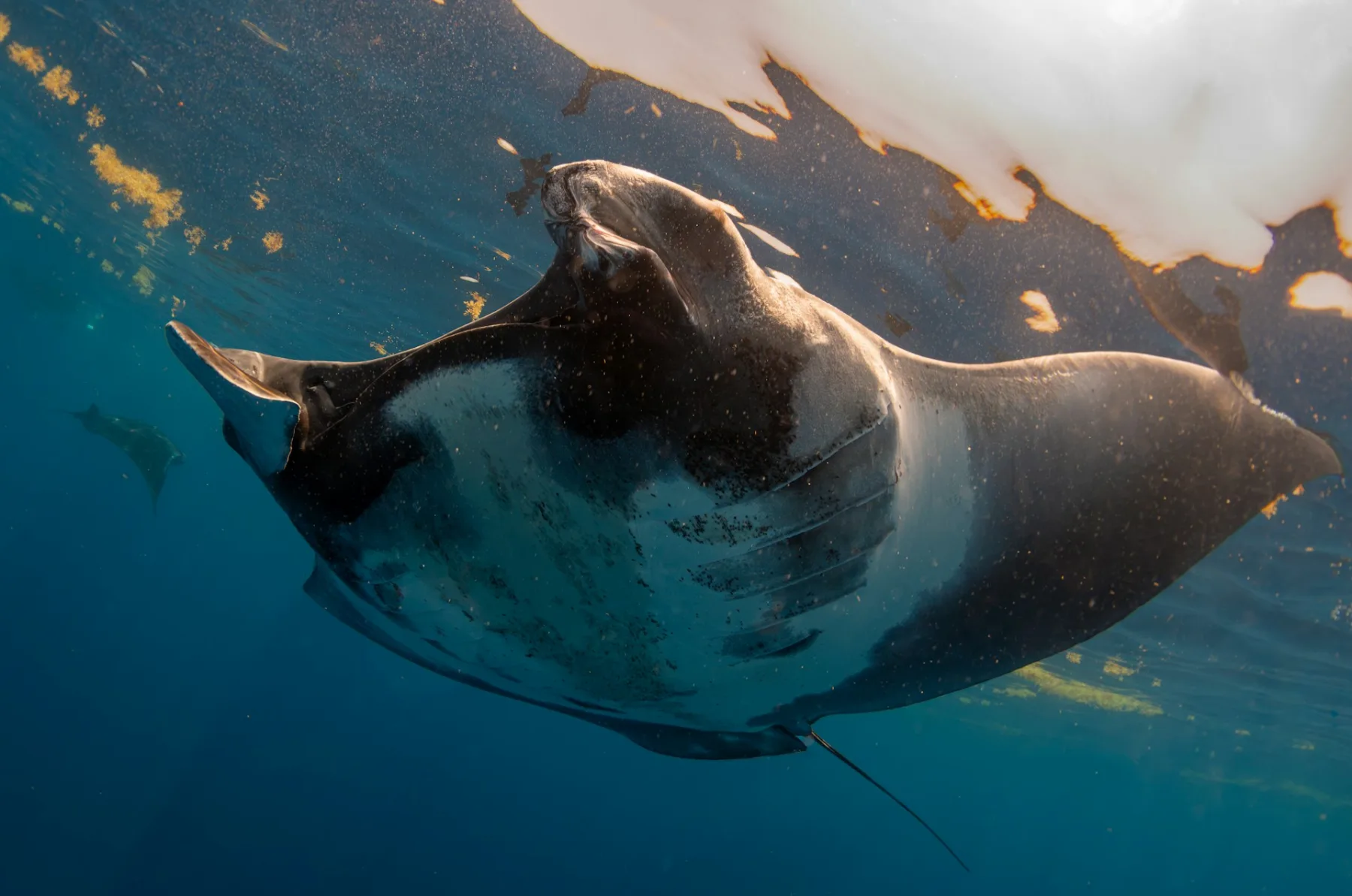
Manta season is site specific, not country specific. Two atolls in the same nation can peak six months apart because they sit on opposite sides of a monsoon.
- December to April: Raja Ampat, the western Maldives atolls, Revillagigedo, Yap, Thailand from February.
- May to November: Hanifaru Bay and Baa Atoll, Isla de la Plata from June to October.
- Year round with peaks: Nusa Penida, Komodo, Kona, Tofo.
Treat every date range as a probability rather than a promise. Plankton does not run on a calendar, and one bad current cycle can flatten a week. The same logic applies to every big animal aggregation: you book the season, not the sighting.
How to Choose a Manta Operator
This matters more than the destination. The same site can produce a beautiful encounter or a scattering of spooked animals depending entirely on who takes you.
Ask how many divers they put on the site at once. Ask whether the briefing covers manta etiquette before the boat leaves, and whether the guide enforces it in the water rather than filming for their own social media. Ask what they do when another boat crowds in. Operators who take this seriously will have answers ready and will not be offended by the questions.
The non-negotiables are the same everywhere: 3 metres minimum from any manta, 10 metres if it has not settled onto a cleaning station, no touching, no chasing, no blocking the path, and never over the top of the station. If you are shooting, strobes on the belly are usually accepted and strobes in the eyes are not, which is worth planning for when you are building your first underwater camera setup.
Book on season first, conditions second and price last. A world class manta site in the wrong month is just a nice reef. Our ocean, our responsibility: the way a destination treats its mantas tells you whether they will still be there in ten years, and your choice of operator is a small vote in that.